Why Scaffolding Insurance Matters for Contractors

As a contractor, you know that managing risks is a crucial part of the job. One of the key risks in construction is the use of scaffolding. While scaffolding is essential for getting the job done safely and efficiently, it also comes with its own set of potential hazards. This is where scaffolding insurance comes in—providing a safety net for you and your business. In this blog, we’ll delve into why scaffolding insurance is so important and how it can protect contractors from unforeseen challenges.

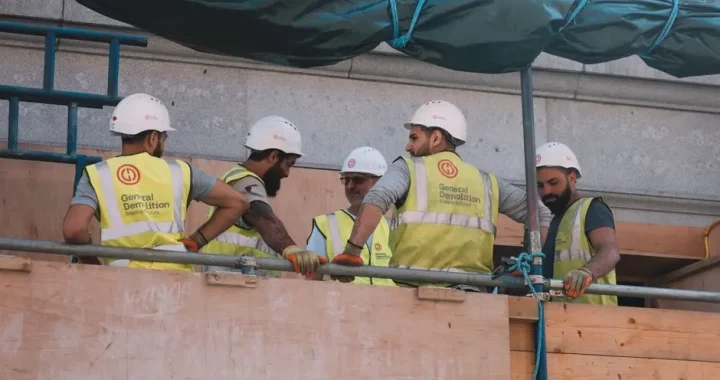
Scaffolding structure on a building construction site in Hamburg, Germany.

Understanding the Basics of Scaffolding Insurance

Scaffolding insurance is a specialized form of coverage designed to protect contractors from the unique risks associated with the use of scaffolding. This type of insurance often includes protection against accidents, property damage, and potential injuries that might occur during the construction process. Understanding these basics helps contractors choose the right policy to fit their needs.

Most contractors face the challenge of deciphering what their insurance policies actually cover, particularly with specialized equipment like scaffolds. Moreover, the importance of understanding policy terms cannot be overstated, as misinterpretations can lead to significant financial strains. Thus, a thorough grasp of policy specifics ensures that you are adequately protected while avoiding unnecessary coverage.

Key Risks Associated with Scaffolding in Construction

Scaffolding poses several risks, including falls, equipment failure, and structural collapse. These risks not only endanger workers but can also result in costly legal and financial repercussions. As such, understanding these risks is the first step toward mitigating them, making insurance an invaluable asset.

The Occupational Safety and Health Administration (OSHA) reports that falls from scaffolding account for a significant percentage of worker injuries and fatalities in the construction industry. Understanding this data reinforces the need for stringent safety measures and insurance that covers these risks. Learning from past incidents can guide you in implementing better safety protocols.

How Scaffolding Insurance Protects Your Business

Scaffolding insurance provides financial protection by covering legal fees, medical expenses, and compensation costs that can arise from accidents. This ensures that contractors are not left bearing the brunt of unexpected incidents, which could otherwise impact their business’s financial stability.

A single incident can lead to hefty legal battles that drain both time and resources. Legal protection offered by scaffolding insurance ensures you’re not navigating these challenges alone. Consider the support of an insurer well-versed in the intricacies of construction-related claims to provide a robust legal backing when needed.

Choosing the Right Scaffolding Insurance Policy

Selecting the right policy involves assessing the specific needs of your business, such as the size of your operations and the typical projects you undertake. It’s crucial to work with an insurance provider who understands the construction industry and can tailor a policy that provides comprehensive coverage.

Navigating the myriad options for scaffolding insurance can be daunting. Industry-specific advice can help tailor your insurance choices to fit your company’s unique footprint. Consider consulting with professionals who specialize in crafting insurance policies that match various construction scales and requirements.

Every construction project is unique, and so are its risks. Customize your scaffolding insurance policy by choosing add-ons that cover potential gaps unforeseen in standard packages. From natural disaster coverage to equipment wear and tear provisions, being proactive helps maintain robust protection.

The Long-term Benefits of Having Scaffolding Insurance

Beyond immediate protection, scaffolding insurance offers long-term benefits, such as maintaining a good reputation in the industry, avoiding costly downtime, and ensuring the continuity of your projects. In turn, this can lead to increased trust from clients and potential new business opportunities.

Imagine breaking ground on a new project only to have an incident halt progress due to financial constraints. Insurance alleviates these interruptions, allowing uninterrupted work and maintaining the momentum of your workflow. This consistency not only saves time but also enhances your credibility as a reliable contractor.

Insurance is more than a safety net; it’s a strategic business ally. As you continue to expand your operations, having stable insurance coverage signals to potential clients and partners that you’re committed to handling risk responsibly. This foresight helps to build long-lasting business relationships.

The Importance of Scaffolding Insurance for a Secure Future

In conclusion, scaffolding insurance is not just a safety measure but a smart business decision for contractors. By safeguarding your operations against potential hazards, you can work with peace of mind, knowing that you are protected against unforeseen challenges. Investing in the right scaffolding insurance will help you focus on what matters most—delivering quality work without worrying about the unexpected. Ensure your business is covered and continue to build safely and confidently. Discover how we can assist at Business Homepage.

BGES Group is a leading Construction Insurance specialist serving New York, New Jersey, and Connecticut. We represent over 25 top-rated insurance carriers, providing access to the best general liability and umbrella liability programs available. Our comprehensive coverage options include property, builders’ risk, inland marine, general liability, umbrella liability, commercial auto, bid and performance bonds, workers’ compensation, New York State disability, and group health. Beyond offering policies, we pride ourselves on being highly accessible—by call, text, or email—even on weekends—so you always have a trusted partner to help you navigate any insurance challenge.

We are also Workers’ Compensation specialists for tri-state business owners. Whether you are dealing with high premiums, policy cancellations, difficulty obtaining coverage due to losses, audit disputes, or payroll misclassification issues, we can help. We offer specialized programs for industries including auto services, contractors (especially in New York), limousine services, logistics companies, manufacturers, recyclers, and trucking operations. As a “Preferred Agent” for a select workers’ compensation program, we can often secure highly competitive pricing, long-term stability, and multi-state coverage for qualified clients—while also simplifying the audit process and reducing the burden of annual audits.

Contact Us:  Gary Wallach  

Phone: 914-806-5853 (Direct)

Email: bgesgroup@gmail.com 

Website: www.bgesgroup.com

Office Location: 216A Larchmont Acres West, Larchmont, NY 10538
 

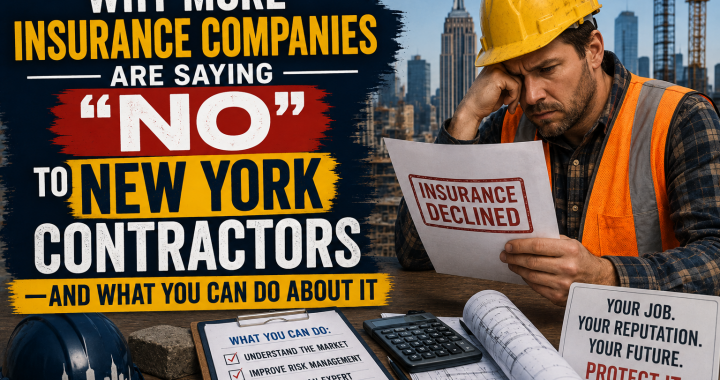
Paying More, Getting Less: The Insurance Crisis Facing New York Contractors in 2026

For many New York contractors, the cost of doing business has become increasingly difficult to manage. Material prices remain elevated, labor shortages continue to challenge project schedules, and interest rates have affected construction activity in many sectors. Yet one of the biggest frustrations facing contractors today is insurance.

Across New York, contractors are seeing substantial premium increases on general liability, umbrella, excess liability, workers’ compensation, and commercial auto policies. Even more frustrating, many contractors are discovering that while they are paying more for insurance, they are often receiving less coverage than they had just a few years ago.

The question many contractors are asking is simple: Why?

The answer lies in a combination of legal, economic, and insurance market factors that have made New York one of the most difficult states in the country for construction insurance.

The New York Labor Law Problem

One of the primary reasons insurance costs remain high in New York is the state’s unique Labor Laws, particularly Labor Law Sections 240 and 241, commonly referred to as the Scaffold Law.

Unlike most states, New York imposes strict liability on owners and general contractors for many elevation-related construction accidents. Even when a contractor has implemented extensive safety procedures and training, liability can still be imposed under these statutes. As a result, insurance carriers face potentially significant claim payouts and legal expenses. Numerous industry experts have identified Labor Law exposure as a major driver of increased liability insurance costs and reduced carrier appetite for construction risks in New York.

Many carriers have either reduced their participation in the New York construction marketplace or have become far more selective regarding the contractors they will insure. This reduced competition often leads directly to higher premiums.

Less Competition Means Higher Prices

Insurance works like any other marketplace. When there are many carriers competing for business, premiums tend to remain stable. When carriers leave a market, the remaining insurers gain pricing power.

That is exactly what many contractors are experiencing today.

Certain trades such as roofing, exterior work, demolition, structural steel, scaffolding, and high-hazard operations have become particularly challenging to insure. Some carriers have imposed strict underwriting guidelines, while others have exited certain classes of business altogether. The result is fewer options and significantly higher premiums.

Many contractors who previously had multiple insurance options now find themselves receiving only one or two viable quotes at renewal.

Article content

The Rise of Excess and Umbrella Costs

One of the most dramatic increases over the past several years has occurred in excess liability and umbrella insurance.

Project owners, municipalities, and general contractors continue to demand higher limits of liability coverage. It is now common to see contracts requiring $5 million, $10 million, or even higher umbrella limits.

At the same time, insurers providing these higher layers of protection have become increasingly cautious. The potential severity of New York Labor Law claims has caused many excess carriers to increase rates, restrict coverage, or reduce available capacity. Industry reports continue to identify New York labor law exposures as a significant challenge for excess insurance markets.

Contractors are therefore facing a difficult situation: customers demand higher limits while insurance companies charge substantially more to provide them.

More Coverage Restrictions

Many contractors assume that if they have an insurance policy, they are fully protected. Unfortunately, that is not always the case.

Today’s insurance marketplace contains more exclusions, limitations, and subcontractor requirements than ever before.

Some policies contain restrictions related to:

  • Action-over claims
  • Labor Law exposures
  • Height limitations
  • Exterior work exclusions
  • Residential construction exclusions
  • Subcontractor warranty requirements
  • Employee injury exclusions

Unfortunately, many contractors do not discover these restrictions until a claim occurs.

This makes it more important than ever to carefully review policy forms, endorsements, and exclusions—not just premium pricing. Insurance is only valuable if it responds when a loss occurs.

Workers’ Compensation Pressures

Workers’ compensation remains a critical coverage for contractors. Payroll audits, classification issues, and changing payroll reporting requirements continue to create challenges for many businesses.

Contractors frequently experience unexpected audit bills because payroll was assigned to a different classification code than anticipated or because subcontractor documentation was incomplete.

These surprises can significantly impact profitability, especially for smaller contractors operating on tight margins.

Maintaining accurate payroll records, certificates of insurance, and subcontractor documentation has never been more important.

Why Experience Matters More Than Ever

In today’s insurance environment, obtaining the lowest premium is no longer enough.

Contractors need an insurance advisor who understands:

  • New York Labor Law exposures
  • Construction contracts
  • Additional insured requirements
  • Waivers of subrogation
  • Primary and non-contributory wording
  • Action-over claims
  • Workers’ compensation audits
  • Excess liability placement strategies

The difference between a properly structured insurance program and an improperly structured one can mean the difference between a covered claim and a devastating uninsured loss.

Contractors should be working with professionals who specialize in construction insurance and understand the unique challenges facing New York contractors.

The Bottom Line

New York contractors are facing one of the most challenging insurance environments in decades. Rising premiums, shrinking carrier appetites, increasing contractual requirements, and complex labor law exposures have created a perfect storm for the construction industry.

While contractors cannot control the insurance marketplace, they can control who they work with.

Having an experienced insurance professional who understands construction risks, contract requirements, and the ever-changing insurance landscape can help contractors secure appropriate coverage, avoid costly mistakes, and protect the businesses they have worked so hard to build.

About BGES Group

BGES Group specializes in insurance solutions for contractors throughout New York, New Jersey, and Connecticut. We understand the unique challenges contractors face, including New York Labor Law exposures, workers’ compensation audits, subcontractor risk transfer, additional insured requirements, umbrella liability programs, and construction-specific insurance issues.

Whether you are a general contractor, plumber, electrician, painter, HVAC contractor, roofer, mason, or specialty trade contractor, BGES Group works to help you obtain the coverage your business needs while providing the personal service that many contractors feel is missing from today’s insurance industry.

Contact Information

Gary Wallach BGES Group

Phone: 914-806-5853 Email: bgesgroup@gmail.com Website: www.bgesgroup.com

7 Common Misconceptions About Contractor Insurance Near Me

Navigating the world of contractor insurance can be a bit tricky, especially with various misconceptions floating around. Whether you’re a seasoned contractor or just starting out, understanding these myths can help you make informed decisions. Let’s dive into some common misunderstandings about contractor insurance and set the record straight.

Group of diverse contractors collaborating on a construction project indoors, using a level bar.

1. Insurance Is Only for Big Contractors

Many believe that only large contractors require insurance, but the reality is very different. Small businesses and independent contractors are often more vulnerable to financial risks because they might not have the resource buffers that larger enterprises do. From unforeseen accidents at the worksite to potential legal disputes with clients, a variety of incidents could drastically impact their operations. Therefore, contractor insurance offers peace of mind and financial security by covering liability claims, property damage, and even support in legal battles. It’s not just about safeguarding one’s assets; it’s about ensuring that a minor mishap doesn’t escalate into a career-ending event. No matter the size of your operation, having the appropriate coverage is an invaluable part of a comprehensive business strategy.

2. Basic Insurance Covers Everything

This is a dangerous misconception that can leave contractors severely exposed to risks they assumed were covered. Basic insurance might protect against specific incidents like certain kinds of property damage or bodily injury, but it won’t offer a blanket coverage for every scenario. For instance, specialized endorsements and riders are often necessary to cover equipment damage, auto liabilities relevant to business vehicles, or breaches of contract. When shopping for insurance, contractors should scrutinize the policy terms very closely, and consider consulting with a knowledgeable insurance broker who can offer advice tailored to their unique operational landscape.

3. My Personal Insurance Is Enough

Relying on personal insurance policies as a safety net for your contracting business is akin to using a seatbelt as a parachute; it’s simply not designed for it. Personal auto insurance, homeowner’s policies, and similar coverage products are structured for personal claims, not for those originating from commercial activities. For example, professional liability insurance can protect against claims of negligence or faulty work that homeowner policies would never cover. Business-specific policies are meticulously crafted considering the unique risks contractors encounter, providing coverage that comprehensively shields your enterprise from financial pitfalls.

4. Insurance Isn’t Necessary for Short-Term Projects

Some contractors might think that short-term projects can be completed without worrying about insurance, but this belief overlooks the volatile nature of construction work. Even a single day on the job site can lead to accidents or unexpected incidents such as severe weather causing damages, client injury, or theft of tools. General liability policies can be particularly useful here, providing coverage tailored for temporary projects and offering freedom from worrying about potential mishaps while working. This helps maintain professional standards and ensures long-standing relationships with clients, who often view insurance coverage as a sign of a contractor’s reliability and professionalism.

5. Contractor Insurance Is Too Expensive

It’s a common belief that contractor insurance is a financial burden, but in reality, it’s more affordable than many imagine. Diverse insurance plans exist to accommodate different budget constraints, allowing contractors to find the right balance between cost and coverage. By carefully assessing their specific business needs, like the average project cost or the frequency of jobs, contractors can select policies that omit unnecessary components yet provide adequate protection. Additionally, the financial safeguard that insurance offers often outweighs its cost, especially when considering the potentially catastrophic expenses associated with lawsuits or accidents.

Taking proactive steps, such as maintaining a good safety record and combining various necessary coverages under a single provider, can further help in obtaining better rates and comprehensive packages. The peace of mind insurance provides, knowing your hard work is protected, is often seen as well worth the expense.

6. All Policies Are the Same

Believing that all contractor insurance policies are the same is a simplistic view that can lead to underinsurance. Each policy is crafted with varied scopes of coverage, exclusions, and conditions, deeply reflecting the specificity of contracting work. For example, a contractor working in residential projects may require different kinds of liability coverage compared to someone involved in large-scale public infrastructure works. Understanding this differentiation is crucial, as it not only affects immediate coverage but also influences long-term business sustainability. A well-customized policy can turn potential losses into mere inconveniences, making it imperative for contractors to choose wisely, often with the guidance of expert advisors.

7. My Work Quality Negates the Need for Insurance

Even the most skilled contractor can encounter unforeseen issues. High-quality work is important, but it doesn’t eliminate the need for protection against potential liabilities. Accidents, unforeseen developments, or client disputes are all realities of the contracting business, regardless of the excellence of work. Insurance acts as a safety net, ensuring that those inevitable instances don’t derail the overall success of a project or the business itself. Quality workmanship is commendable and should be a goal of every contractor, but coupling it with comprehensive insurance coverage is what truly solidifies a contractor’s reputation as reliable and trustworthy in the eyes of clients.

BGES Group is a leading Construction Insurance specialist serving New York, New Jersey, and Connecticut. We represent over 25 top-rated insurance carriers, providing access to the best general liability and umbrella liability programs available. Our comprehensive coverage options include property, builders’ risk, inland marine, general liability, umbrella liability, commercial auto, bid and performance bonds, workers’ compensation, New York State disability, and group health. Beyond offering policies, we pride ourselves on being highly accessible—by call, text, or email—even on weekends—so you always have a trusted partner to help you navigate any insurance challenge.

We are also Workers’ Compensation specialists for tri-state business owners. Whether you are dealing with high premiums, policy cancellations, difficulty obtaining coverage due to losses, audit disputes, or payroll misclassification issues, we can help. We offer specialized programs for industries including auto services, contractors (especially in New York), limousine services, logistics companies, manufacturers, recyclers, and trucking operations. As a “Preferred Agent” for a select workers’ compensation program, we can often secure highly competitive pricing, long-term stability, and multi-state coverage for qualified clients—while also simplifying the audit process and reducing the burden of annual audits.

Contact Us:  Gary Wallach  

Phone: 914-806-5853 (Direct)

Email: bgesgroup@gmail.com 

Website: www.bgesgroup.com

Office Location: 216A Larchmont Acres West, Larchmont, NY 10538
 

Why Is Risk Analysis Crucial for Contractor Insurance in New York?

Navigating the world of contractor insurance can be daunting, especially in a bustling state like New York. One key component stands out in its importance: risk analysis. Understanding why this is a crucial element of contractor insurance can significantly impact your protection strategy.

Architects wearing hard hats review blueprints inside a building under construction.

Understanding Risk Analysis in Contractor Insurance

Risk analysis involves evaluating potential risks that contractors may face. It helps insurance providers tailor policies that comprehensively protect against unforeseen issues.

For contractors, risk analysis is not just about minimizing losses; it’s about strategic foresight. By systematically identifying and assessing potential risks—ranging from equipment breakdowns to legal liabilities—contractors can proactively transform possible threats into manageable insights.

Effective risk analysis involves understanding the unique operations and environments each contractor operates within. This includes considering past incidents, current projects, and future plans. Such insight enables the creation of a customized insurance policy that aligns precisely with the contractor’s specific needs and challenges.

Why New York’s Unique Environment Amplifies Risk

New York’s fast-paced environment and diverse job sites present unique challenges. Contractors must consider these factors during risk analysis to ensure adequate coverage.

The complex legal landscape in New York also heightens the importance of thorough risk analysis. With stringent regulations and evolving legal precedents, contractors must stay ahead to avoid potential legal pitfalls.

Additionally, the sheer variability in project sizes—from towering skyscrapers to intricate residential developments—demands a highly adaptable approach. Risk analysis takes into account the wide range of requirements needed to safely navigate the eclectic and fast-paced nature of New York’s construction scene.

How Risk Analysis Impacts Insurance Premiums

A thorough risk analysis can lead to more accurate insurance premiums. By understanding specific risks, contractors can negotiate better terms and avoid unexpected cost increases.

This process allows for a more personalized insurance policy, meaning contractors are less likely to pay for unnecessary coverage types. In turn, this improves cost-efficiency and ensures financial resources are allocated toward the most significant areas of risk.

Risk analysis also empowers contractors with insights into loss control strategies, which can reduce claim frequency and severity. By implementing robust safety measures, contractors can present a lower risk profile, hence qualifying for potentially lower premium rates from insurance providers.

Steps to Conducting Effective Risk Analysis

Engage with insurance professionals and use industry insights to assess risk factors. Regular reviews and updates to the risk analysis are crucial in keeping contractor insurance relevant.

A first step could involve consulting with experts who specialize in risk management. Their guidance can help tailor analysis methods specifically to a contractor’s business model and operating environment, laying the groundwork for an effective insurance strategy.

Furthermore, documenting each step taken during the risk assessment process is crucial. It creates a reference framework that can be easily reviewed and updated as new risks emerge. This documentation also ensures transparency and aids in justifying risk-related decisions made during policy negotiations.

Lastly, leveraging technological tools and data analytics can enhance the accuracy and efficiency of risk evaluations. These tools provide a 21st-century approach to risk management, offering precise forecasting and greater adaptability to changing circumstances.

The Importance of Risk Analysis in Contractor Insurance

In conclusion, risk analysis forms the backbone of effective contractor insurance in New York. By identifying potential hazards, customizing policies, and protecting against financial loss, contractors can ensure they are well-covered in their operations. It’s more than just a step in the process; it’s a crucial strategy for sustainable business success.

BGES Group is a leading Construction Insurance specialist serving New York, New Jersey, and Connecticut. We represent over 25 top-rated insurance carriers, providing access to the best general liability and umbrella liability programs available. Our comprehensive coverage options include property, builders’ risk, inland marine, general liability, umbrella liability, commercial auto, bid and performance bonds, workers’ compensation, New York State disability, and group health. Beyond offering policies, we pride ourselves on being highly accessible—by call, text, or email—even on weekends—so you always have a trusted partner to help you navigate any insurance challenge.

We are also Workers’ Compensation specialists for tri-state business owners. Whether you are dealing with high premiums, policy cancellations, difficulty obtaining coverage due to losses, audit disputes, or payroll misclassification issues, we can help. We offer specialized programs for industries including auto services, contractors (especially in New York), limousine services, logistics companies, manufacturers, recyclers, and trucking operations. As a “Preferred Agent” for a select workers’ compensation program, we can often secure highly competitive pricing, long-term stability, and multi-state coverage for qualified clients—while also simplifying the audit process and reducing the burden of annual audits.

Contact Us:  Gary Wallach  

Phone: 914-806-5853 (Direct)

Email: bgesgroup@gmail.com 

Website: www.bgesgroup.com

Office Location: 216A Larchmont Acres West, Larchmont, NY 10538
 

15 Tips for Maximizing Your Workers Comp Insurance Coverage

Navigating the world of workers comp insurance can be daunting, but it’s crucial for both employers and employees to understand how to leverage it effectively. With these tips, you’ll be better equipped to make the most out of your coverage, ensuring you and your team are well-protected.

Two workers discussing plans on a sandy construction site, wearing safety gear.

1. Understanding Your Policy Coverage

Start by thoroughly understanding what your policy covers. Detailed knowledge of the coverage limits and exclusions ensures you’re not caught off guard in case of a claim. This foundational understanding helps in identifying areas where additional coverage might be beneficial and safeguards your business against potential loopholes that could cost you dearly in claims.

It’s also worthwhile to dive into the different types of disabilities covered. From temporary to permanent disability, knowing how each impacts your policy can prepare you for various scenarios. This knowledge empowers you to make strategic decisions about whether supplemental policies or additional riders are necessary for comprehensive protection.

2. Regularly Review and Update Your Policy

Regular reviews are essential. As your business evolves, so might your coverage needs. Ensure your policy reflects your current workforce and operational risks. Over time, your business may branch into new markets or expand its operations, necessitating adjustments in coverage. Failing to do so could leave you underinsured in critical areas.

3. Implement a Safety Program

A well-structured safety program not only helps prevent accidents but can also lead to lower insurance premiums by reducing claims. By promoting a culture of safety, you encourage employees to participate in initiatives that prioritize their well-being. Additionally, a successful safety program can become a benchmark for industry standards, demonstrating your commitment to employee welfare.

4. Encourage Prompt Reporting of Injuries

Prompt reporting ensures timely medical attention and facilitates the claims process. Train your employees on the importance of immediate injury reporting. This can minimize complications down the line, ensuring that your staff receives the care they need and that claims are processed swiftly and fairly.

5. Keep Accurate Records

Maintain meticulous records of all incidents and claims. Accurate documentation supports your claims process and can defend against fraudulent activities. It provides a clear trail that verifies the legitimacy of each claim and aids in the smooth processing of claims, reflecting the integrity of your claims management practices.

6. Work With a Reputable Insurance Agent

Having a knowledgeable insurance agent can make a world of difference. They can provide insights, advise adjustments, and ensure your coverage is adequate. With their assistance, you might discover discounts or incentives you weren’t previously aware of, saving your business money and enhancing your policy in ways you hadn’t considered.

7. Understand State Regulations

Stay informed about your state’s specific workers comp regulations to ensure compliance and avoid penalties. Every state has its own set of rules, dictating minimum coverage levels and unique requirements. By keeping yourself educated, you prevent potential legal issues and can adjust your practices to align with any regulatory changes.

8. Foster Open Communication With Employees

Maintaining transparency with your workforce about their rights and the claims process encourages trust and cooperation. Regular meetings or training sessions can reiterate key points of your workers comp policy, ensuring that everyone is on the same page and knows what to expect should a claim need to be made.

9. Develop a Return-to-Work Program

Creating a structured return-to-work program helps employees reintegrate smoothly while potentially reducing claim costs. An effective program can be tailored to individual needs, facilitating recovery while maintaining productivity and morale within the workplace. It’s a win-win situation for both the employees and the company, showcasing your commitment to employee health and wellness.

10. Invest in Employee Training

Investing in regular training programs ensures that employees are aware of safety protocols and emergency procedures, minimizing risks. Comprehensive training underscores the importance of safety, fosters an environment of mutual respect, and encourages collective responsibility towards maintaining a secure workplace.

11. Evaluate Your Claims Process

Regularly assess and improve your claims processing steps to make them more efficient and user-friendly. Streamlining this process not only enhances employee satisfaction but also optimizes the use of resources, leading to quicker resolution and less disruption to your business operations.

Engaging with legal counsel when needed can help you navigate complex situations and ensure compliance. They can provide clarity on nuanced legal issues and represent your interests during disputes, thereby mitigating risks and protecting your business from costly penalties or litigation.

13. Prevent Fraudulent Claims

Implement measures to detect and prevent fraudulent claims, protecting your business from unnecessary expenses. Fraud prevention strategies, such as regular audits and validation checks, can be vital. This vigilance not only preserves the integrity of your insurance coverage but also discourages potential fraudsters from jeopardizing your business.

14. Utilize Digital Tools

Leverage technology for record-keeping, claims management, and employee training to enhance your overall insurance management. By automating and digitizing processes, you improve accuracy, save time, and ultimately lower administrative costs, while also ensuring quick access to crucial data when making decisions.

15. Stay Proactive With Risk Management

Consistently assess and mitigate workplace risks to not only protect your employees but also keep your insurance costs under control. Proactive risk management identifies potential hazards before they lead to significant issues, enhancing workplace safety and preserving your bottom line.

BGES Group is a leading Construction Insurance specialist serving New York, New Jersey, and Connecticut. We represent over 25 top-rated insurance carriers, providing access to the best general liability and umbrella liability programs available. Our comprehensive coverage options include property, builders’ risk, inland marine, general liability, umbrella liability, commercial auto, bid and performance bonds, workers’ compensation, New York State disability, and group health. Beyond offering policies, we pride ourselves on being highly accessible—by call, text, or email—even on weekends—so you always have a trusted partner to help you navigate any insurance challenge.

We are also Workers’ Compensation specialists for tri-state business owners. Whether you are dealing with high premiums, policy cancellations, difficulty obtaining coverage due to losses, audit disputes, or payroll misclassification issues, we can help. We offer specialized programs for industries including auto services, contractors (especially in New York), limousine services, logistics companies, manufacturers, recyclers, and trucking operations. As a “Preferred Agent” for a select workers’ compensation program, we can often secure highly competitive pricing, long-term stability, and multi-state coverage for qualified clients—while also simplifying the audit process and reducing the burden of annual audits.

Contact Us:  Gary Wallach  

Phone: 914-806-5853 (Direct)

Email: bgesgroup@gmail.com 

Website: www.bgesgroup.com

Office Location: 216A Larchmont Acres West, Larchmont, NY 10538
 

New York Contractors – Sick of Being Treated By Your Insurance Agency Like a Number? Why More N.Y. Contractors are Working with Gary Wallach of BGES Group

For many New York contractors, dealing with their insurance agency has become almost as frustrating as dealing with government paperwork, permit delays, and rising construction costs.

What happened?

Over the last decade, the insurance industry has undergone a massive wave of acquisitions. Independent agencies that were once family-owned businesses have been purchased by large regional and national organizations. While growth and consolidation are not necessarily bad things, many contractors feel that the personal service they once received has disappeared.

The result is an industry that often feels more like a factory than a service business.

Many contractors tell similar stories. They call their agency and can’t get anyone on the phone. Emails go unanswered for days. Certificates of insurance take too long to process. Renewal quotes arrive at the last minute, leaving little time to review options. Questions are passed from one employee to another, and nobody seems to know the account well enough to provide meaningful answers.

In many cases, account executives are responsible for hundreds of clients. They are overworked, overwhelmed, and often forced to manage workloads that would challenge even the most experienced insurance professionals.

High employee turnover has only made the problem worse.

A contractor may spend months building a relationship with an account manager, only to discover that person has left the company. Then they are assigned to someone new who must learn the account from scratch. The process repeats itself again and again.

Unfortunately, mistakes can happen when people are stretched too thin.

Construction insurance is complicated. Whether it’s workers’ compensation, general liability, umbrella coverage, builders risk, labor law exposures, additional insured requirements, OCIPs, CCIPs, subcontractor agreements, audits, or New York State compliance issues, contractors need knowledgeable professionals who understand the risks associated with their businesses.

Many contractors feel they are paying more than ever while receiving less service than ever.

Policy fees, service fees, processing fees, installment fees, and other charges seem to appear everywhere. Meanwhile, contractors are often left wondering whether anyone is truly looking out for their best interests.

That is exactly why BGES Group was built differently.

At BGES Group, we believe insurance should still be personal.

We are proud to operate much like businesses did decades ago, when relationships mattered, phone calls were returned, and clients were treated with respect.

We don’t believe bigger automatically means better.

We don’t believe clients should be treated like account numbers.

We don’t believe contractors should have to chase their insurance agency for answers.

Most importantly, we are the complete polar opposite of agencies that are greedy and how do you know?  Check the policy fee they add to each of your policies. As the number goes into the thousands that is a good sign whose interest they really care about!

Our philosophy is simple: provide honest advice, work hard, answer the phone, and help people solve problems.

It sounds simple because it is.

When contractors call BGES Group, they speak with real people who care about their businesses. We understand that construction companies operate in the real world, not in a corporate boardroom. Deadlines matter. Payroll matters. Certificates matter. Audits matter. Cash flow matters.

We understand because we work with contractors every day.

Our clients range from small family-owned contractors to larger construction operations throughout New York. Regardless of size, every client receives the same level of attention and respect.

We pride ourselves on being smart, practical, and street smart. We know how insurance companies think. We understand underwriting. We understand risk management. Most importantly, we understand contractors.

That combination allows us to help clients navigate challenges while avoiding unnecessary headaches and expenses.

Many of our clients tell us they were shocked by how different the experience was after switching to BGES Group.

Instead of waiting days for a response, they receive answers.

Instead of feeling ignored, they feel valued.

Instead of being pushed through a system, they work with people who actually know their names and understand their businesses.

In today’s world, that level of service can feel surprisingly rare.

Maybe that’s why many clients describe BGES Group as a “diamond in the rough.”
That is what we strive to be every day.

If you’re a New York contractor who is frustrated with poor communication, constant turnover, excessive fees, and feeling like just another account number, perhaps it’s time to experience something different.

Don’t take our word for it.

You may discover what many other contractors throughout New York have already learned:

*Good service still exists.

*Honest advice still exists.

*People who answer the phone still exist.

*And agencies that genuinely care about their clients still exist.  They are just harder to find.

If you’re a New York contractor looking for an insurance agency that treats you like a person instead of a policy number, BGES Group would welcome the opportunity to earn your business.

Every once in a while, you find a company that still believes in doing things the right way. A company that remembers customer service. A company that believes long-term relationships are more important than short-term profits.

Look at our Google reviews. See what our clients have to say. Read their experiences. Listen to the people who trusted us with their businesses and decided to stay.

Contact BGES Group  Gary Wallach Phone: 914-806-5853 Email: bgesgroup@gmail.com Website: www.bgesgroup.com
 

Understanding Contractor Insurance Near Me for New York Professionals

As a contractor in New York, navigating the landscape of insurance can be daunting. With different types of coverage available, it’s important to understand what’s essential for protecting your business and clients. This guide will delve into the nuances of contractor insurance specific to New York professionals, making it easier for you to make informed decisions.

Group of diverse contractors collaborating on a construction project indoors, using a level bar.

The Importance of Contractor Insurance

Insurance is crucial for contractors to manage risks associated with their work. It protects against potential liabilities, safeguarding your livelihood and ensuring peace of mind on the job.

Without adequate insurance, contractors expose themselves to significant financial risks. Imagine a scenario where a mishap occurs on the job site, leading to injuries or property damage. With the right insurance, such as general liability, these incidents don’t become financial burdens. Instead, they’re covered, allowing you to focus on delivering quality work without constant worry about unforeseen expenses. Additionally, having insurance can often mean the difference between securing a contract or losing out to a more prepared competitor, as many clients require proof of insurance before beginning a project.

Furthermore, insurance represents a commitment to professionalism and reliability. Clients are more likely to trust you with their projects if they know you’re covered. This trust can translate to more opportunities and a stronger reputation in the industry. Thus, insurance doesn’t just protect your business in the event of a mishap; it actively contributes to your credibility and competitiveness.

Types of Contractor Insurance Available

Explore the different types of contractor insurance, such as general liability, workers’ compensation, and property insurance. Each serves a unique purpose and collectively offers a comprehensive safety net for your business.

General liability insurance is foundational for contractors. It covers bodily injuries and property damage that may occur as a result of your operations. This type of insurance is often seen as the baseline protection every contractor should possess. Another crucial coverage is workers’ compensation insurance. This not only protects you from potential lawsuits filed by employees but is also a legal requirement in New York. It ensures that employees who are injured on the job receive medical care and compensation for lost income, which in turn maintains workplace morale and trust.

Property insurance provides financial protection for the equipment and tools essential for your operations. This coverage is vital, as loss or damage can significantly disrupt your workflow and lead to financial strain. Furthermore, professional liability insurance is recommended for those offering design or advisory services. This coverage protects against claims of negligence or incomplete work, ensuring you’re shielded from potential disputes with clients. Together, these insurance types create a robust framework that supports your business’s long-term stability and growth.

New York has specific legal requirements for contractors regarding insurance. Familiarize yourself with mandatory coverages to ensure compliance and avoid potential legal issues.

In New York, workers’ compensation insurance is not just advisable but mandated by law. Any business with employees must carry this insurance, ensuring that injured workers have access to necessary medical care and financial support during recovery. This requirement highlights the state’s commitment to employee welfare and underscores the importance of being compliant to avoid substantial fines and legal complications.

Moreover, disability benefits coverage is another legal necessity for businesses operating in New York. This insurance supports employees who are unable to work due to non-work-related injuries or illnesses. Additionally, for contractors involved in construction, obtaining and maintaining builder’s risk insurance is often required by clients or project managers. It covers materials, fixtures, and/or equipment being used in the construction or renovation of a building. Understanding these mandatory coverages helps in aligning with legal standards and sets a solid foundation for your business operations.

How to Find Contractor Insurance Near You

Finding the right insurance provider involves research and consideration of local agencies. Look for providers with experience in your industry and excellent customer service to meet your needs effectively.

Start by exploring various local insurance agencies that specialize in contractor coverage. It’s beneficial to choose providers familiar with the New York construction landscape, as they can offer insights and tailored solutions based on regional requirements and common risks. You can often find these specialized insurers through industry associations or by networking with fellow contracting professionals.

Don’t overlook the power of online research. Many insurance providers feature client testimonials and reviews on their websites, providing a glimpse into their service quality and reliability. Request quotes from multiple providers to compare rates and coverage options. Ensuring the provider is readily accessible for queries or support is crucial, adding an extra layer of assurance for your ongoing operations. When done right, this meticulous approach to finding an insurance provider ensures you not only secure coverage but also a reliable partner in safeguarding your business.

Tips for Choosing the Right Policy

Choosing the right insurance policy requires understanding your specific business risks and needs. Consider factors such as coverage limits, premiums, and policy exclusions when making your decision.

Evaluate your business’s unique characteristics and potential vulnerabilities. For instance, if your work involves high-risk construction projects, you may need a policy with higher coverage limits compared to someone handling less complicated tasks. Be vigilant about policy exclusions as they define what your insurance won’t cover. Understanding these details helps prevent unpleasant surprises when filing a claim.

When reviewing policies, balancing premium costs with the extent of coverage is essential. A cheaper policy might parade immediate savings, but it could fall short during crucial incidents. Additionally, consider the insurer’s reputation for claim handling and customer service to ensure your claims are processed smoothly without unnecessary delays. Engage in consultations with insurance experts if necessary, as their advice can be invaluable in navigating complex policy terms and choosing the optimal coverage for your particular needs and operations.

Securing Your Business with Confidence

Navigating contractor insurance in New York doesn’t have to be overwhelming. By understanding the types of coverage available, legal requirements, and tips for finding the right policy, you can ensure your business is well-protected. Take the time to consult with professionals and prioritize the safety and security of your projects.

BGES Group is a leading Construction Insurance specialist serving New York, New Jersey, and Connecticut. We represent over 25 top-rated insurance carriers, providing access to the best general liability and umbrella liability programs available. Our comprehensive coverage options include property, builders’ risk, inland marine, general liability, umbrella liability, commercial auto, bid and performance bonds, workers’ compensation, New York State disability, and group health. Beyond offering policies, we pride ourselves on being highly accessible—by call, text, or email—even on weekends—so you always have a trusted partner to help you navigate any insurance challenge.

We are also Workers’ Compensation specialists for tri-state business owners. Whether you are dealing with high premiums, policy cancellations, difficulty obtaining coverage due to losses, audit disputes, or payroll misclassification issues, we can help. We offer specialized programs for industries including auto services, contractors (especially in New York), limousine services, logistics companies, manufacturers, recyclers, and trucking operations. As a “Preferred Agent” for a select workers’ compensation program, we can often secure highly competitive pricing, long-term stability, and multi-state coverage for qualified clients—while also simplifying the audit process and reducing the burden of annual audits.

Contact Us:  Gary Wallach  

Phone: 914-806-5853 (Direct)

Email: bgesgroup@gmail.com 

Website: www.bgesgroup.com

Office Location: 216A Larchmont Acres West, Larchmont, NY 10538
 

What Factors Affect the Cost of Painting Contractors Insurance?

Choosing the right insurance as a painting contractor can feel overwhelming, especially when it comes to understanding the factors that influence its cost. Let’s break down these components to help you navigate the process with ease.

Understanding Your Coverage Needs

The cost of your insurance will largely depend on the coverage you need. Whether you’re a solo contractor or run a larger firm, identifying the appropriate coverage is crucial. Various coverage types such as general liability, worker’s compensation, and property insurance all factor into different premium structures.

For instance, general liability insurance covers potential accidents and property damage, which can be common risks in the painting industry. Customizing your policy to include specific risks pertinent to your business can also affect costs.

Additionally, some contracts might require you to have certain minimum insurance coverage. This is often the case when working with larger clients or government entities, which could impact your overall insurance expenses. Ensure you review the contractual requirements before visiting potential clients.

Assessing Business Size and Scope

The size and scope of your business can impact insurance costs significantly. Larger operations typically require more coverage, leading to higher premiums. Small businesses might find lower premiums due to less required coverage.

As companies grow, they often expand into new areas or take on bigger projects, which naturally increases the potential liabilities. This necessitates higher insurance limits and broader coverage options to shield against new risks.

It’s important to evaluate your business growth plans when selecting coverage, ensuring your policy can scale along with your operations. Underestimating the scope of your work can lead to insufficient coverage and financial vulnerability.

Evaluating Risk Factors

High-risk activities specific to your work, such as using ladders or scaffolding, can increase insurance costs. Assessing these risks is essential to estimating premiums accurately. Painting contractors often face additional risks like exposure to hazardous substances that can directly influence your insurance plan’s cost.

Using safety training programs to lower accident risks is one way to manage these costs. A comprehensive safety plan can possibly lower premiums by decreasing the likelihood of incidents and claims.

Remember, insurance providers frequently assess risk based on historical data and predictive analytics, so maintaining a track record of safety can assist in negotiating better terms.

Considering Claims History

Your past claims history can also affect the cost of your insurance. Fewer claims may result in lower premiums, while a history of frequent claims can increase costs. This is because insurers view past claims as indicators of potential future risk.

Implementing preventative measures to minimize future claims is not only good practice but also a way to keep your insurance costs down. Developing a clear safety protocol and conducting regular training can contribute positively to this.

Examining Location and Local Laws

Where you operate will influence your insurance rates. Some states or regions may have specific insurance requirements, and living in areas prone to natural disasters may also affect costs. The local climate and geographical risks such as floods or earthquakes can impact what coverages are mandatory and drive up costs.

As each state varies in legal requirements for business insurance, reviewing local laws helps ensure compliance and can inform you about any additional coverages needed. This knowledge can not only safeguard your business operations but also stabilize your budgeting.

Staying informed about changing regulations or new required coverages also helps avoid potential fines and penalties that can arise from non-compliance. Being proactive in this regard is a wise business strategy.

Making Informed Insurance Decisions

Understanding the various factors affecting the cost of painting contractors insurance can empower you to make informed decisions. By considering the size of your business, understanding the risks involved, and choosing appropriate coverage, you can ensure your business is protected without unnecessary financial strain.

BGES Group is a leading Construction Insurance specialist serving New York, New Jersey, and Connecticut. We represent over 25 top-rated insurance carriers, providing access to the best general liability and umbrella liability programs available. Our comprehensive coverage options include property, builders’ risk, inland marine, general liability, umbrella liability, commercial auto, bid and performance bonds, workers’ compensation, New York State disability, and group health. Beyond offering policies, we pride ourselves on being highly accessible—by call, text, or email—even on weekends—so you always have a trusted partner to help you navigate any insurance challenge.

We are also Workers’ Compensation specialists for tri-state business owners. Whether you are dealing with high premiums, policy cancellations, difficulty obtaining coverage due to losses, audit disputes, or payroll misclassification issues, we can help. We offer specialized programs for industries including auto services, contractors (especially in New York), limousine services, logistics companies, manufacturers, recyclers, and trucking operations. As a “Preferred Agent” for a select workers’ compensation program, we can often secure highly competitive pricing, long-term stability, and multi-state coverage for qualified clients—while also simplifying the audit process and reducing the burden of annual audits.

Contact Us:  Gary Wallach  

Phone: 914-806-5853 (Direct)

Email: bgesgroup@gmail.com 

Website: www.bgesgroup.com

Office Location: 216A Larchmont Acres West, Larchmont, NY 10538
 

Tired of Workers’ Compensation Audits Feeling Like an Annual Trip to the Proctologist? There’s a Better Way for New York Contractors

If you’re a New York contractor, there’s a good chance you know exactly what this feels like.

The end of your policy term arrives, and suddenly that dreaded notice lands on your desk: your annual workers’ compensation audit is due.

Immediately, the stress begins.

You start digging through payroll records, collecting subcontractor certificates, sorting through 1099s, reviewing classifications, and hoping nothing was misclassified. Then comes the back-and-forth with auditors asking for more paperwork, more clarification, and more explanations. For many contractors, it feels invasive, uncomfortable, and frustratingly time-consuming.

To put it bluntly, for many business owners, annual workers’ compensation audits feel a lot like going to the proctologist’s office.

Nobody looks forward to it.

Nobody enjoys it.

And everyone just wants it to be over as quickly and painlessly as possible.

The problem is that these audits can create serious headaches for New York contractors. Errors in payroll allocation, missing subcontractor documentation, or classification discrepancies can lead to unexpected additional premiums, penalties, disputes, and wasted hours that could have been spent running your business.

For contractors already juggling job deadlines, labor shortages, compliance requirements, rising material costs, and client demands, the annual audit process often feels like one more unnecessary burden.

But what if there were a way to simplify the process dramatically?

What if your workers’ compensation program could be structured to make audits cleaner, easier, more predictable, and far less stressful?

The good news is: there is.

At BGES Group, we help New York contractors access specialized workforce and payroll administration programs designed to streamline the entire process and remove much of the pain associated with annual workers’ compensation audits.

These programs are specifically built to reduce administrative headaches while improving compliance, predictability, and efficiency.

Here are 10 major benefits contractors experience when they move into one of these streamlined workforce management structures:

1. Simplified Audit Process

Payroll and employee reporting are handled systematically throughout the year, reducing surprises and minimizing year-end scrambling.

2. Improved Record Accuracy

Consistent payroll processing and documentation significantly reduce classification errors and discrepancies.

3. Reduced Administrative Burden

Your office staff spends less time chasing paperwork and more time focusing on projects, billing, and operations.

4. Better Cash Flow Management

Predictable payment structures help eliminate large surprise audit bills at year-end.

5. Stronger Compliance Support

State and federal employment compliance requirements are handled more efficiently, helping reduce exposure.

6. Streamlined Payroll Reporting

Payroll reporting is organized, accurate, and continuously updated rather than reconstructed after the fact.

7. Enhanced Workers’ Compensation Oversight

Claims management and safety tracking often become more proactive and organized.

8. Access to HR and Employment Expertise

You gain support for employment-related issues that many contractors otherwise have to navigate alone.

9. Better Risk Management

Structured systems often help identify potential issues before they become expensive problems.

10. More Time to Focus on Growth

Perhaps the greatest benefit of all: less time dealing with paperwork means more time bidding jobs, managing crews, building relationships, and growing your company.

For many New York contractors, making this shift feels like a weight being lifted.

Instead of dreading that annual audit notice, they gain confidence knowing their records are organized, their reporting is current, and the process is under control.

In today’s construction market, contractors need every advantage they can get.

Margins are tight.

Competition is fierce.

Administrative inefficiencies can quietly drain profitability.

If your current workers’ compensation setup is causing frustration, stress, or recurring audit nightmares, it may be time to explore a smarter approach.

That’s where BGES Group comes in.

For years, BGES Group has specialized in helping New York contractors and businesses secure smarter workers’ compensation solutions, construction insurance programs, and workforce administration strategies that protect their operations while reducing unnecessary headaches.

We work closely with contractors across New York and beyond to:

  • Review your current workers’ compensation structure
  • Identify inefficiencies and hidden costs
  • Simplify audit exposure
  • Improve compliance and reporting
  • Reduce administrative burdens
  • Create customized insurance and workforce solutions tailored to your business

Whether you’re a general contractor, subcontractor, drywall company, electrical contractor, plumber, HVAC contractor, roofer, or any other construction professional, we understand the unique insurance and compliance challenges you face.

At BGES Group, our goal is simple:

Make your life easier while helping protect your business and your bottom line.

If you’re tired of workers’ compensation audits feeling like an annual trip to the proctologist’s office, let’s have a conversation.

There are better options available.

BGES Group
Specialists in New York Construction Insurance and Workers’ Compensation Solutions

Website:  BGES Group
Contact: Gary Wallach
Phone: 914-806-5853
Email: bgesgroup@gmail.com

Let BGES Group help simplify your workers’ compensation process so you can spend less time dealing with audits—and more time building your business.

What is Truckers Workers Compensation Insurance and Why Do You Need It?

Truckers workers compensation insurance might sound complicated, but it’s an essential layer of protection for those who spend their days on the open road. In this blog, we’ll break down what this insurance is, why it’s crucial for truckers, and how it can safeguard both employers and employees.

Portrait of a confident truck driver in a safety vest, wearing sunglasses inside his vehicle.

What is Truckers Workers Compensation Insurance?

Truckers workers compensation insurance is a specialized type of coverage designed to protect both truck drivers and the companies they work for. It covers medical costs and lost wages due to work-related injuries or illnesses, specific to the trucking industry.

Imagine this insurance as a shield that steps in when unforeseen circumstances arise. Whether it’s a slip while unloading cargo or an accident on a slippery roadway, this coverage ensures that the injured party gets the necessary medical attention and financial support during recovery.

This insurance is not just a legal requirement in many states but also a smart business practice. It reflects a commitment to safety and wellbeing, reinforcing the message that the health of drivers is a priority.

Why Do Truckers Need This Insurance?

Given the nature of trucking, drivers face unique risks every day. From long hours behind the wheel to heavy lifting and maneuvering through challenging roads, having this insurance ensures that they’re financially supported in case of an accident or injury.

These long hauls often demand that drivers tackle unexpected weather conditions, navigate through high-traffic zones, and spend extended periods away from family. All these factors increase their exposure to risks, making insurance coverage a necessary buffer.

Furthermore, by ensuring that drivers are well-protected, truckers workers’ compensation insurance helps maintain morale and loyalty within the workforce. When drivers know they’re supported in times of need, it enhances job satisfaction and productivity.

What Are the Benefits for Employers?

For employers, this insurance acts as a safeguard against potential legal claims. It helps cover expenses that arise from workplace injuries, keeping businesses finances stable and compliant with state laws.

Another critical benefit is the protection of the company’s reputation. An employer known for caring for its workforce attracts talent and builds strong business partnerships. It’s an investment in the future of the business.

Additionally, workers compensation insurance can sometimes lead to reduced premiums over time. With a safety training program, promoting a safe working environment can mitigate risks and potentially decrease the cost of this insurance.

How to Choose the Right Policy

Choosing the right workers compensation insurance involves assessing the specific needs of your business and employees. Factors to consider include the number of drivers, the routes they cover, and the nature of the cargo they transport.

It’s a good idea to start by conducting a thorough risk assessment to understand the specific challenges your drivers face on the road. Consult with insurance providers to tailor a policy that best meets your industry requirements.

Don’t forget to review policies regularly. As your business evolves, so do your insurance needs. Keeping the policy updated ensures constant protection aligned with the current risks associated with your operations.

Wrap-Up: Your Safety Net on the Road

Understanding and securing truckers workers compensation insurance provides a pivotal safety net for the trucking industry. It not only protects truck drivers but also helps ensure the smooth operation of businesses. Ensuring you have the right coverage means peace of mind on the road. For more information, visit our homepage.

BGES Group is a leading Construction Insurance specialist serving New York, New Jersey, and Connecticut. We represent over 25 top-rated insurance carriers, providing access to the best general liability and umbrella liability programs available. Our comprehensive coverage options include property, builders’ risk, inland marine, general liability, umbrella liability, commercial auto, bid and performance bonds, workers’ compensation, New York State disability, and group health. Beyond offering policies, we pride ourselves on being highly accessible—by call, text, or email—even on weekends—so you always have a trusted partner to help you navigate any insurance challenge.

We are also Workers’ Compensation specialists for tri-state business owners. Whether you are dealing with high premiums, policy cancellations, difficulty obtaining coverage due to losses, audit disputes, or payroll misclassification issues, we can help. We offer specialized programs for industries including auto services, contractors (especially in New York), limousine services, logistics companies, manufacturers, recyclers, and trucking operations. As a “Preferred Agent” for a select workers’ compensation program, we can often secure highly competitive pricing, long-term stability, and multi-state coverage for qualified clients—while also simplifying the audit process and reducing the burden of annual audits.

Contact Us:  Gary Wallach  

Phone: 914-806-5853 (Direct)

Email: bgesgroup@gmail.com 

Website: www.bgesgroup.com

Office Location: 216A Larchmont Acres West, Larchmont, NY 10538