Frustrated With Your Workers’ Compensation Company? Need a New One? Call BGES Group Gary Wallach at 914-806-5853 and He Will Help You Find One Fast!

Why Tri-State Business Owners Are Turning to BGES Group for Real Solutions

For many business owners in New York, New Jersey, and Connecticut, workers’ compensation insurance has become one of the most frustrating and expensive parts of running a business. Between skyrocketing premiums, difficult audits, claims issues, cancellations, and poor customer service, many employers feel trapped with insurance companies and brokers who simply do not understand their business.

That is exactly why so many tri-state business owners are turning to BGES Group for help.

BGES Group specializes in workers’ compensation insurance for businesses throughout New York, New Jersey, and Connecticut. With decades of experience and a deep understanding of the unique challenges facing tri-state employers, BGES Group helps companies secure better coverage, reduce costs, solve problems, and regain control over their workers’ compensation programs.

Workers’ compensation is not a “one-size-fits-all” product. Every business has different risks, payroll structures, classifications, and claims exposures. Yet many business owners are treated like just another account number by large agencies and insurance carriers.

BGES Group takes a different approach.

Led by Gary Wallach, BGES Group works directly with business owners to understand their operations and provide personalized solutions tailored to their industry and goals. Whether you are a contractor, manufacturer, trucking company, limousine service, recycler, logistics firm, auto service business, or another type of employer, BGES Group can help navigate even the toughest workers’ compensation situations.

10 of the Biggest Workers’ Compensation Problems Tri-State Business Owners Face — And How BGES Group Can Help

1. Skyrocketing Premiums

Many business owners feel like their workers’ compensation premiums increase year after year with no explanation. In New York especially, workers’ compensation costs can be among the highest in the country.

How BGES Group Helps:

BGES Group shops multiple carriers and specialized programs to help lower premiums while maintaining strong protection. Their expertise often uncovers opportunities for substantial savings that many brokers overlook.


2. Incorrect Employee Classification Codes

One of the most common reasons businesses overpay is because employees are classified incorrectly. A wrong classification code can dramatically inflate premiums for years without the business owner even realizing it.

How BGES Group Helps:

BGES Group carefully reviews payroll classifications and policy details to identify errors and ensure employees are coded properly. Correcting these mistakes can lead to major premium reductions.


3. Workers’ Compensation Audit Nightmares

Annual workers’ compensation audits often result in shocking additional premium bills that can seriously impact cash flow. Many employers do not understand the audit process until it is too late.

How BGES Group Helps:

BGES Group helps clients prepare for audits, maintain proper documentation, and avoid costly surprises. They also assist businesses involved in audit disputes with carriers.


4. Poor Customer Service From Insurance Companies

Business owners frequently complain that their broker never answers the phone, certificates take too long, and questions go unanswered.

How BGES Group Helps:

BGES Group prides itself on responsiveness and personalized service. Clients work directly with experienced professionals who understand the urgency of business insurance issues.


5. Difficulty Getting Coverage

Businesses in construction, trucking, recycling, manufacturing, and other high-risk industries often struggle to find affordable workers’ compensation coverage — or any coverage at all.

How BGES Group Helps:

BGES Group specializes in hard-to-place accounts and has access to markets that many brokers simply cannot offer. They understand high-risk industries and know how to structure accounts properly.


6. High Experience Modification Factors (MOD)

A poor experience modification factor can drastically increase premiums and even hurt a company’s ability to win jobs.

How BGES Group Helps:

BGES Group works with clients on claims strategies, safety awareness, and program structure to help improve MOD factors over time and control long-term costs.


7. Claims That Spiral Out of Control

A single workers’ compensation claim can quickly become expensive and difficult to manage if not handled properly.

How BGES Group Helps:

BGES Group provides hands-on claims guidance and advocacy to help employers manage claims effectively and minimize unnecessary costs.


8. Being Canceled or Non-Renewed

Many businesses receive non-renewal notices after losses, claims activity, or changes in carrier appetite. This can create panic and uncertainty.

How BGES Group Helps:

BGES Group specializes in helping businesses find replacement coverage, even in difficult situations. Their experience with distressed accounts gives business owners options when they need them most.


9. Compliance Concerns in New York, New Jersey & Connecticut

Workers’ compensation laws and requirements vary by state, and non-compliance can lead to severe penalties and business interruptions.

How BGES Group Helps:

BGES Group helps employers understand state requirements and maintain proper compliance across New York, New Jersey, and Connecticut.


10. Overpaying for Years Without Knowing It

Many business owners unknowingly overpay for workers’ compensation insurance due to payroll errors, MOD mistakes, classification issues, or audit discrepancies.

How BGES Group Helps:

BGES Group offers workers’ compensation premium recovery services that can review past policies and uncover overpayments that may be recoverable. In some cases, businesses may recover thousands — or even hundreds of thousands — of dollars.

Why Business Owners Choose BGES Group

What separates BGES Group from many other agencies is experience, responsiveness, and specialization.

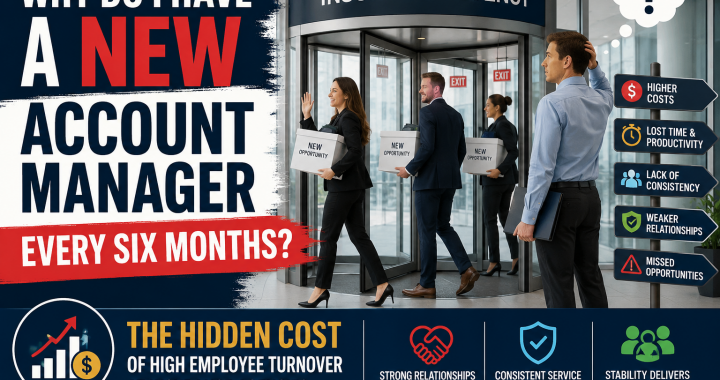
Instead of dealing with inexperienced account managers and endless call transfers, clients work with professionals who understand workers’ compensation inside and out. BGES Group focuses heavily on the tri-state market and understands the unique challenges facing local business owners.

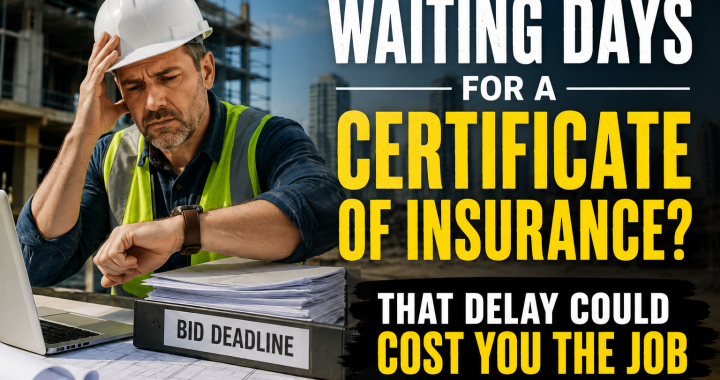
The company also understands the urgency of business insurance. Certificates, policy changes, audit issues, claims questions, and coverage concerns are handled quickly and professionally because BGES Group knows delays can cost businesses money and opportunities.

For employers who are unhappy with their current workers’ compensation company, frustrated with rising costs, or simply looking for a broker who truly understands their industry, BGES Group offers a smarter solution.

Contact BGES Group Today

If you are a business owner in New York, New Jersey, or Connecticut and are frustrated with your workers’ compensation situation, now is the time to speak with BGES Group.

Contact Information

BGES Group Gary Wallach Phone: 914-806-5853 Email: bgesgroup@gmail.com www.bgesgroup.com

BGES Group — Helping Tri-State Business Owners Take Control of Their Workers’ Compensation Insurance.

Understanding Construction Insurance: Essential Insights for New York Contractors

Navigating the construction industry in New York comes with its unique challenges and complexities. For contractors, understanding construction insurance is crucial for safeguarding their projects, clients, and business. In this guide, we’ll break down the essentials of construction insurance, aiming to demystify the key elements for New York contractors.

Low angle view of a skyscraper under construction with metal scaffolding in NYC.

Why Construction Insurance is Essential for New York Contractors

In New York, construction projects face a myriad of risks due to their scale and complexity. Construction insurance helps contractors mitigate these risks, ensuring that unforeseen events do not derail project timelines or finances. Let’s explore why insurance is a cornerstone for successful contracting.

Every construction project in New York is unique, combining various degrees of risk factors such as regulatory compliance, weather conditions, and intense urban environments. Proper construction insurance acts as a buffer against potential lawsuits, delays, or financial setbacks that could emerge from accidents on site or property damage incidents. This preventive measure allows contractors to focus confidently on completion of their work rather than unforeseen hazards, making insurance an indispensable tool in managing a construction business.

Moreover, many clients now demand proof of comprehensive insurance policies before entering into any contract. This step is crucial, as it offers assurance that the contractor is financially capable of handling any mishaps or liabilities, thereby maintaining trust and professionalism in the eyes of the client. Given New York’s bustling construction boom, competition is high, and having strong insurance coverage stands as a differentiator for forward-thinking contractors.

Types of Construction Insurance Policies You Need to Know

Construction insurance isn’t one-size-fits-all. From general liability to workers’ compensation, understanding the different types of policies available is key. We’ll cover the most common forms of construction insurance and their specific applications on the job site.

General Liability Insurance is perhaps the most fundamental type, covering third-party bodily injury or property damage claims. For example, if a passerby were injured due to site hazards, this insurance would cover medical expenses or legal fees arising from the incident. Another critical policy is Workers’ Compensation Insurance, which provides for medical care and income protection to employees injured on the job. Such coverage not only ensures employees’ well-being but also aligns with New York’s labor laws, which require businesses to manage risk proactively when it comes to human resources.

In the category of property, Builder’s Risk Insurance is essential, protecting against damages occurring from fire, vandalism, or adverse weather conditions during a project. This policy ensures that funds are available to repair or replace structures, safeguarding investment in materials and labor. Additionally, Professional Liability Insurance serves to protect against claims of negligence or design errors, proving invaluable for contractors engaged in projects requiring specific technical expertise.

The variety of insurance products available allows contractors to tailor coverage to their particular needs, providing a custom shield against the unpredictable nature of construction work. Understanding these policies empowers contractors to evaluate which protections are necessary, thereby optimizing both their financial resources and risk management strategies.

Key Considerations for Selecting the Right Insurance Provider

Choosing an insurance provider can be overwhelming with numerous options available. Learn what factors to consider, such as the provider’s reputation, customer service, and policy offerings, to make an informed decision that best suits your business needs.

When considering an insurance provider, it is crucial to evaluate the company’s historical performance in the industry. This includes researching their track record of handling claims efficiently and fairly, which is indicative of their reliability and dedication to customer service. Reading reviews and seeking recommendations from other contractors in your network can offer valuable insights into an insurer’s credibility and service quality.

Another pivotal aspect is the depth of coverage options provided by the insurer. A comprehensive range of policies allows for greater flexibility and customization, ensuring that contractors can select coverage levels that precisely match the types of projects they typically undertake. Furthermore, understanding the nuances of policy inclusions and exclusions helps prevent unpleasant surprises when a claim is filed.

Price is undeniably a factor, but it should not outweigh the importance of coverage adequacy and provider reputation. Cost-effective insurance doesn’t necessarily mean the cheapest premiums; rather, it’s about acquiring robust coverage at a reasonable cost. An insurer’s willingness to educate their clients about construction-specific risks and appropriate insurance solutions will also reflect in their overall trustworthiness and expertise in the field, reinforcing the partnership’s value for contractors.

Tips for Minimizing Insurance Costs Without Compromising Coverage

Balancing cost and coverage is a common challenge for contractors. We provide practical tips on how to reduce your insurance expenses while maintaining adequate protection, such as bundling policies and implementing effective risk management practices.

One effective way to reduce insurance costs is to bundle multiple policies with a single provider. Insurers often offer discounts for clients who purchase comprehensive packages, reducing the overall premium costs. By consolidating policies like General Liability and Workers’ Compensation under one umbrella, contractors not only achieve financial savings but also simplify policy management, which is beneficial for streamlining administrative tasks.

Engaging in proactive risk management practices is another strategy to cut costs. This involves implementing stringent safety measures on construction sites, such as regular training for workers on using equipment safely and maintaining clear communication channels to report hazards. Over time, these practices decrease the frequency and severity of incidents, which can favorably impact premium rates through reduced claims.

Taking a proactive approach to annual policy reviews also helps in identifying and eliminating unnecessary coverage. As a business grows or shifts focus, its insurance needs may change, thereby requiring periodic reassessment to optimize costs. Additionally, maintaining a solid credit score and fostering healthy financial habits demonstrate fiscal responsibility to insurers, which can result in more favorable terms and lower premiums over the long term.

New York has specific legal mandates for construction insurance. Familiarizing yourself with these requirements ensures compliance and prevents legal issues. We’ll highlight the key legal aspects every contractor should be aware of.

New York mandates that all contractors secure Workers’ Compensation Insurance, regardless of the number of employees, to cover medical treatment and wage replacement for workers injured on the job. Failure to comply with this legal requirement could result in severe penalties, potentially affecting the contractor’s ability to operate within the state. Additionally, public liability insurance is strongly recommended, offering further protection against third-party claims that could arise from construction activities.

The laws also necessitate transparency with respect to proof of insurance. Contractors must be ready to present certificates of coverage to project owners or relevant oversight bodies upon request. This transparency not only fulfills legal obligations but also enhances trust with clients and stakeholders, reinforcing the contractor’s commitment to safety and accountability in all projects.

Understanding and adhering to these legal mandates help maintain an impeccable compliance record, reducing the likelihood of potential legal conflicts and ensuring smooth business operations. Contractors who actively engage with legal counsel specializing in construction law can stay abreast of any legislative changes that may impact their insurance obligations, further fortifying their position within New York’s vast construction sector.

Securing Your Construction Business with the Right Insurance

By gaining a solid understanding of construction insurance, New York contractors can better protect their projects and business. Although it may seem complex at first, taking the time to explore different types and aspects of insurance will prove invaluable. It not only ensures compliance with industry standards but also provides peace of mind and a secure foundation for growth.

BGES Group is a leading Construction Insurance specialist serving New York, New Jersey, and Connecticut. We represent over 25 top-rated insurance carriers, providing access to the best general liability and umbrella liability programs available. Our comprehensive coverage options include property, builders’ risk, inland marine, general liability, umbrella liability, commercial auto, bid and performance bonds, workers’ compensation, New York State disability, and group health. Beyond offering policies, we pride ourselves on being highly accessible—by call, text, or email—even on weekends—so you always have a trusted partner to help you navigate any insurance challenge.

We are also Workers’ Compensation specialists for tri-state business owners. Whether you are dealing with high premiums, policy cancellations, difficulty obtaining coverage due to losses, audit disputes, or payroll misclassification issues, we can help. We offer specialized programs for industries including auto services, contractors (especially in New York), limousine services, logistics companies, manufacturers, recyclers, and trucking operations. As a “Preferred Agent” for a select workers’ compensation program, we can often secure highly competitive pricing, long-term stability, and multi-state coverage for qualified clients—while also simplifying the audit process and reducing the burden of annual audits.

Contact Us:  Gary Wallach  

Phone: 914-806-5853 (Direct)

Email: bgesgroup@gmail.com 

Website: www.bgesgroup.com

Office Location: 216A Larchmont Acres West, Larchmont, NY 10538
 

Understanding Asbestos Abatement Insurance for New York Contractors

Navigating the maze of asbestos abatement can be challenging, especially for contractors in New York, where regulations are stringent. Understanding the intricacies of asbestos abatement insurance is crucial for protecting your business and ensuring compliance. In this blog post, we’ll dive deep into what asbestos abatement insurance entails, why it’s essential, and what New York contractors need to know.

Close-up of a warning sign on a chain link fence at a construction site indicating danger.

What is Asbestos Abatement Insurance?

Asbestos abatement insurance is a specialized policy designed to provide coverage for contractors involved in the removal and disposal of asbestos. This type of insurance typically covers general liability, pollution liability, and professional liability specifically related to asbestos work.

One of the primary reasons why asbestos abatement insurance is crucial is that asbestos is a hazardous material known to cause severe health issues, like mesothelioma and lung cancer. Understanding this context helps emphasize the importance of insurance that specifically addresses the risks involved in handling and removing this dangerous substance. Without this coverage, contractors could face significant financial losses from litigation, medical claims, and cleanup costs.

Moreover, these insurance policies are tailored to the unique challenges of asbestos projects. They offer financial shields against the unexpected mishaps that can occur during the removal processes, such as accidental fiber release or environmental contamination issues.

Why Asbestos Abatement Insurance is Essential for New York Contractors

Given the strict regulations in New York regarding asbestos handling, having appropriate insurance helps ensure compliance and financial protection. It shields contractors from potential lawsuits and claims related to asbestos exposure, covering legal fees, medical costs, and damages.

New York’s regulatory environment demands rigorous adherence to safety protocols when dealing with asbestos. The New York State Department of Labor enforces stringent rules, demanding that abatement work is carried out by licensed professionals with appropriate insurance coverage. This regulatory landscape makes having asbestos abatement insurance not just advisable but practically mandatory for any contractor in the area.

Another reason for ensuring adequate coverage in New York is the high density of urban development projects within the state, which often involves renovating older buildings where asbestos is likely to be present. As these projects increase, so does the probability of encountering complex challenges that can result in unforeseen legal entanglements if handled poorly.

Key Coverage Options Explained

When selecting asbestos abatement insurance, contractors should be aware of critical coverage options such as Pollution Liability, which covers contamination and cleanup, and Professional Liability, which protects against claims associated with professional errors.

Pollution Liability is particularly significant in this line of work due to the environmental implications of asbestos fiber release. This coverage mitigates the financial impact by covering clean-up efforts and any associated damages that could result if asbestos is inadvertently released into the environment during abatement work.

In addition to Pollution Liability, contractors should consider General Liability coverage. This essential coverage takes into account bodily injury, property damage, and in certain instances, completed operations related to asbestos work, safeguarding against accidents that might occur in the broader scope of abatement activities.

Choosing the Right Insurance Provider

Not all insurance providers offer the same level of expertise or coverage options. New York contractors should seek providers with a strong track record in asbestos abatement insurance, offering comprehensive policies tailored to industry needs.

When evaluating potential providers, contractors should prioritize those with extensive experience in the niche field of asbestos abatement. This experience often translates into a better understanding of the intricacies involved, ensuring that the policies they provide are not only comprehensive but also adaptable to changing regulations and new industry practices.

It’s also worthwhile to consider insurers that offer added value through educational resources, risk management consultations, and efficient claims processing. These benefits can significantly enhance the level of service received, making a provider an all-encompassing ally in navigating the complexities of asbestos abatement projects.

Best Practices for Managing Risks

Aside from securing the right insurance, implementing safety protocols, training employees regularly, and staying updated on local regulations are essential practices. These steps help manage risks effectively and reduce potential incidents.

Regular training for employees is key. Not only does it keep your team informed about the latest safety procedures, but it also empowers them with the knowledge and skills needed to identify potential risks on the job site. Empowered employees are better equipped to prevent accidents and respond quickly in the event of an emergency.

Equally important is the utilization of personal protective equipment (PPE) and ensuring that all equipment is maintained in excellent working condition. Combining these practical steps creates a safer working environment and reduces the likelihood of insurance claims, thus maintaining a positive track record with your provider.

Securing Your Business: The Importance of Being Insured

In the fast-paced world of contracting, especially in a place like New York, having the right insurance can make all the difference. Asbestos abatement insurance isn’t just an option—it’s a necessity that ensures your business is protected against unforeseen risks while maintaining compliance with local regulations. By understanding the coverage options, choosing the right provider, and implementing best practices, contractors can mitigate risks and focus on what they do best.

BGES Group is a leading Construction Insurance specialist serving New York, New Jersey, and Connecticut. We represent over 25 top-rated insurance carriers, providing access to the best general liability and umbrella liability programs available. Our comprehensive coverage options include property, builders’ risk, inland marine, general liability, umbrella liability, commercial auto, bid and performance bonds, workers’ compensation, New York State disability, and group health. Beyond offering policies, we pride ourselves on being highly accessible—by call, text, or email—even on weekends—so you always have a trusted partner to help you navigate any insurance challenge.

We are also Workers’ Compensation specialists for tri-state business owners. Whether you are dealing with high premiums, policy cancellations, difficulty obtaining coverage due to losses, audit disputes, or payroll misclassification issues, we can help. We offer specialized programs for industries including auto services, contractors (especially in New York), limousine services, logistics companies, manufacturers, recyclers, and trucking operations. As a “Preferred Agent” for a select workers’ compensation program, we can often secure highly competitive pricing, long-term stability, and multi-state coverage for qualified clients—while also simplifying the audit process and reducing the burden of annual audits.

Contact Us:  Gary Wallach  

Phone: 914-806-5853 (Direct)

Email: bgesgroup@gmail.com 

Website: www.bgesgroup.com

Office Location: 216A Larchmont Acres West, Larchmont, NY 10538
 

Why New York Contractors Can’t Afford to Ignore Labor Law, Action Over, and Employee Injury Coverage

Construction in New York is unlike construction anywhere else in the country. Contractors, subcontractors, property owners, and general contractors face some of the toughest liability laws and litigation environments in the United States. A single employee injury on a jobsite can quickly turn into a multi-million-dollar lawsuit involving every contractor connected to the project.

Because of this, owners and general contractors are extremely careful about the insurance requirements they impose on subcontractors. Three of the most critical coverages they look for are:

  • New York Labor Law Coverage
  • Action Over Coverage
  • Employee Injury Exclusion Buybacks or Coverage Extensions

Without these protections, a subcontractor may not even qualify to work on many New York construction projects.

Understanding New York Labor Law Exposure

New York Labor Laws—particularly Labor Law Sections 200, 240, and 241—create substantial liability exposure for property owners and general contractors.

Labor Law 240 – The “Scaffold Law”

Labor Law 240, commonly referred to as the “Scaffold Law,” is one of the strictest labor laws in the country. It holds owners and general contractors absolutely liable for gravity-related injuries involving falls from heights or falling objects.

This means that if a worker falls from a ladder, scaffold, roof, or elevated platform, the owner and general contractor can be held liable even if they were not directly negligent.

For example:

  • A worker falls from an unsecured ladder
  • Materials fall from an upper floor and injure a worker
  • Improper safety equipment contributes to an injury

Under Labor Law 240, the injured worker’s attorney may pursue substantial damages against the owner and general contractor.

Labor Law 241(6)

Labor Law 241(6) imposes liability for violations of New York Industrial Code safety regulations during construction, demolition, or excavation work.

This law often becomes the basis for lawsuits involving:

  • Unsafe worksite conditions
  • Improper protection
  • Safety regulation violations
  • Construction site accidents

Labor Law 200

Labor Law 200 is based more traditionally on negligence and workplace safety obligations. It requires owners and contractors to maintain reasonably safe worksites.

Even though it is considered less severe than Labor Law 240, it still creates significant exposure in construction injury litigation.

Why Owners and General Contractors Push Risk Downstream

Because New York labor laws can expose owners and general contractors to enormous financial liability, they aggressively transfer risk downstream to subcontractors through contracts and insurance requirements.

This is why subcontractors are frequently required to provide:

  • Additional insured status
  • Primary and non-contributory wording
  • Waivers of subrogation
  • High umbrella liability limits
  • Action Over coverage
  • Employee injury coverage extensions

Owners and general contractors understand that even a relatively small subcontractor accident can result in lawsuits seeking millions of dollars in damages.

Without proper insurance protection in place, everyone on the project could face serious financial consequences.

What Is Action Over Coverage?

Action Over exposure is one of the most important—and misunderstood—issues in New York construction insurance.

Normally, workers’ compensation laws prevent injured employees from suing their employers directly. Workers’ compensation benefits are typically the employee’s exclusive remedy against their employer.

However, in New York construction claims, the injured employee often sues the property owner and general contractor under Labor Law statutes. The owner or general contractor then files a third-party lawsuit against the subcontractor employer seeking indemnification or contribution.

This is called an “Action Over” claim.

Why Action Over Claims Are So Dangerous

Action Over claims can create catastrophic losses because they essentially bypass the normal protections employers expect under workers’ compensation laws.

Example:

  1. A subcontractor’s employee falls from scaffolding.
  2. The employee sues the owner and general contractor.
  3. The owner and GC sue the subcontractor for indemnification.
  4. The subcontractor’s insurance becomes responsible for defending and potentially paying large damages.

In New York, these claims can easily reach seven figures or more.

Because of this exposure, many insurance companies either:

  • Exclude Action Over claims entirely
  • Restrict coverage heavily
  • Charge substantially higher premiums

The Importance of Employee Injury Coverage

Many general liability policies contain exclusions related to bodily injury sustained by employees of contractors or subcontractors.

These exclusions are often referred to as:

  • Employee Injury Exclusions
  • Injury to Employees Exclusions
  • Employer’s Liability Exclusions

Without proper modifications, these exclusions can eliminate coverage for the exact type of construction accident most likely to occur.

Why This Matters

If a subcontractor carries a policy with broad employee injury exclusions, the owner or general contractor may receive little or no protection from that subcontractor’s policy after a serious injury claim.

That creates major problems because:

  • The owner’s insurance carrier may become exposed
  • The general contractor’s umbrella policy may be triggered
  • Litigation costs can escalate dramatically

As a result, sophisticated owners and general contractors carefully review subcontractor insurance policies to ensure these exclusions are limited or modified appropriately.

Why Proper Coverage Helps Everyone on the Jobsite

When subcontractors carry strong labor law, Action Over, and employee injury coverage, it benefits the entire construction project.

Benefits Include:

  • Better protection for owners and GCs
  • Reduced litigation disputes between parties
  • Improved claim handling
  • Lower risk of uninsured exposures
  • Stronger compliance with contract requirements
  • Increased job opportunities for subcontractors

Many large New York construction projects will not allow subcontractors onsite unless they carry acceptable coverage forms from approved insurance carriers.

The New York Construction Insurance Market Is Highly Specialized

Not every insurance company understands New York construction risk.

Many standard carriers avoid New York contractors altogether because:

  • Labor Law claims are severe
  • Action Over litigation is expensive
  • Construction injury verdicts can be massive

As a result, obtaining the proper coverage often requires working with experienced construction insurance specialists who understand:

  • Carrier appetites
  • Labor law endorsements
  • Exclusion wording
  • Risk transfer requirements
  • Umbrella liability structures
  • OCIP and CCIP programs

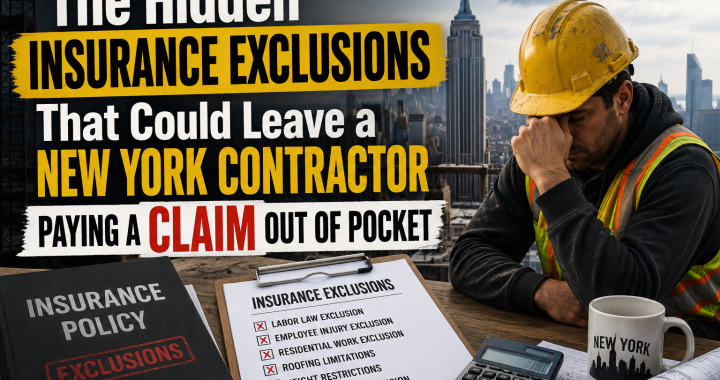
A policy may appear inexpensive initially, but hidden exclusions could leave contractors dangerously exposed after a claim.

Contractors Should Never Buy Insurance Based on Price Alone

One of the biggest mistakes contractors make is purchasing insurance solely based on premium cost.

A cheaper policy may contain:

  • Labor law exclusions
  • Height limitations
  • Employee injury exclusions
  • Residential construction exclusions
  • Action Over exclusions
  • Classification limitations

These exclusions may not become apparent until after a serious accident occurs.

At that point, the contractor may discover there is little or no coverage available for the claim.

That is why experienced owners, general contractors, and construction managers scrutinize subcontractor insurance certificates, endorsements, and policy forms so carefully.

Final Thoughts

New York construction liability exposure is complex, aggressive, and constantly evolving. Labor Law claims, Action Over lawsuits, and employee injury exclusions can create devastating financial consequences for contractors who are improperly insured.

For subcontractors, carrying the right coverage is no longer optional—it is often the difference between winning jobs and being shut out of major projects.

For owners and general contractors, requiring proper insurance from subcontractors is a critical part of protecting the project, controlling risk, and avoiding catastrophic uninsured exposures.

In today’s New York construction environment, having the right insurance partner can make all the difference.


BGES Group is a leading Construction Insurance specialist serving New York, New Jersey, and Connecticut. We represent over 25 top-rated insurance carriers, providing access to the best general liability and umbrella liability programs available. Our comprehensive coverage options include property, builders’ risk, inland marine, general liability, umbrella liability, commercial auto, bid and performance bonds, workers’ compensation, New York State disability, and group health. Beyond offering policies, we pride ourselves on being highly accessible—by call, text, or email—even on weekends—so you always have a trusted partner to help you navigate any insurance challenge.

We are also Workers’ Compensation specialists for tri-state business owners. Whether you are dealing with high premiums, policy cancellations, difficulty obtaining coverage due to losses, audit disputes, or payroll misclassification issues, we can help. We offer specialized programs for industries including auto services, contractors (especially in New York), limousine services, logistics companies, manufacturers, recyclers, and trucking operations. As a “Preferred Agent” for a select workers’ compensation program, we can often secure highly competitive pricing, long-term stability, and multi-state coverage for qualified clients—while also simplifying the audit process and reducing the burden of annual audits.

Contact Us:
Gary Wallach
Phone: 914-806-5853 (Direct)
Email: bgesgroup@gmail.com
Website: www.bgesgroup.com
Office Location: 216A Larchmont Acres West, Larchmont, NY 10538

10 Crucial Steps for Contractors to Secure the Best Contractor Insurance NYC

Navigating the world of contractor insurance in NYC might seem daunting, but it doesn’t have to be. With the right guidance and steps, securing the perfect insurance coverage for your contracting business can be straightforward. This guide breaks down the essential steps you need to follow to protect your business and ensure peace of mind.

1. Understand the Coverage You Need

Before diving into insurance policies, take time to assess what type of coverage your contracting business requires. Consider the specific risks you face and how insurance could mitigate those risks. For example, general liability insurance is a common requirement for all contractors, protecting against third-party claims for bodily injuries or property damage. However, if your work involves transporting equipment, inland marine insurance might be necessary to cover those assets while in transit. Understand that every project might have unique demands that could shape the type of coverage suitable for you.

Another aspect to consider is whether your work involves subcontractors, which can complicate your insurance needs. Employing subcontractors might require you to have more comprehensive coverage to ensure that any incidents involving them are also under your protection. Furthermore, certain types of specialized work might necessitate more specific endorsements or riders in your policy to adequately cover potential liabilities. Taking the time to truly dissect the nature of your contracting operations will guide you in identifying the appropriate insurance to coordinate with your business model.

2. Research State Requirements

Each state has different insurance requirements for contractors. In NYC, understanding these requirements ensures compliance and avoids any legal mishaps. New York, for example, mandates workers’ compensation insurance for businesses with one or more employees, and this includes most contractors. Failing to adhere to this requirement can lead to significant fines and open your business up to further liabilities. Therefore, familiarizing yourself with New York’s labor laws and insurance mandates becomes a non-negotiable part of managing a contracting business.

Furthermore, depending on the scale and size of your operations, you might be required to carry different levels of insurance. This might include disability benefits insurance and even certain types of health insurance offerings if your contracting company grows beyond a sole proprietorship or partnership. Be sure to check with the New York State Department of Financial Services for up-to-date information on what exact insurance policies are mandatory.

3. Compare Different Insurance Providers

Not all insurance providers offer the same policies or rates. Take time to compare what different companies are offering regarding coverage and costs. Obtaining multiple quotes can give you a clearer picture of what is standard across the industry and unique deals individual companies might provide. This ensures that you aren’t overpaying for unnecessary coverage or getting insufficient protection at a lower price. Additionally, consider reaching out to industry associations or peers for recommendations on insurers who have proven reliable and cost-effective.

Remember to assess both the upfront premium costs and the long-term benefits, such as customer service and claims response time, when shopping for a policy. Insurance isn’t just about a financial transaction but a long-term partnership with a company that will stand by you during critical times. Reading the fine print and asking for clarifications where needed can prevent misunderstandings later on. Some insurers might offer additional advice or tools, helping you not only to secure a contract but to optimally safeguard your enterprise’s interest as efficiently as possible.

4. Consider Bundling Your Policies

Many insurance companies offer discounts if you bundle different types of insurance. It’s worth exploring if this strategy could save you money while providing comprehensive coverage. When you approach insurers, inquire about bundling options for general liability and professional liability insurance, especially if you also need property or auto coverage. Bundling these policies can often yield a discount, and it simplifies the management of your insurance portfolio by having a single point of contact for several services.

In addition to cost savings, bundling policies can also streamline your administrative processes. This is particularly beneficial for small and medium-sized contracting businesses that may lack dedicated personnel for handling insurance matters. Having a single insurer for multiple policies might result in faster processing of claims or policy adjustments, thus freeing up more of your time to focus on core business activities.

5. Consult with an Insurance Broker

An insurance broker can provide expert advice tailored to your specific needs, helping you navigate through various options and find the best-fit policy. Brokers act as intermediaries, working with multiple insurance companies to offer you a range of options that meet the unique demands of your contracting business. They understand the nuances of contractor insurance policies and can highlight the benefits and drawbacks of specific insurance products that many might overlook.

Moreover, brokers can often secure better rates or terms due to their industry relationships and buying power. This additional layer of service could be invaluable, particularly if you have a more complex business structure requiring a bespoke insurance package. Selecting a broker knowledgeable in New York contracting regulations will ensure that you not only meet legal obligations but also maximize the efficacy and cost-effectiveness of the policy choices considered.

6. Evaluate Coverage Limits

Understanding the limits of your insurance coverage is crucial. Ensure that the policy covers all potential liabilities and risks to avoid unexpected out-of-pocket expenses. This includes knowing the exact dollar limits your policy covers for individual claims and aggregate claims over a policy term. Sometimes, opting for higher coverage limits is a wise decision, particularly in a city like New York, where the risk of large claims due to property damage or personal injury can be significant.

Take into account future projections of your business, such as potential expansions or new high-profile projects, which might necessitate adjustments to your coverage limits. A forward-looking assessment will aid in deciding whether current policy limits suffice or if there’s a necessity to amplify coverage now. In any instance, a discussion with your insurer about potential higher coverage options can be a proactive step to shield your contracting business from emerging liabilities.

7. Read the Policy Details Thoroughly

Make sure to go through the fine print of the insurance policy. Check for any exclusions or conditions that may affect your coverage. Every policy will have elements that are not covered or specific conditions that must be met for coverage to apply. Being unaware of these conditions could result in finding yourself unprotected at a critical time, which is why delving into the details is indispensable as you finalize your contractor insurance.

Policies can also have various premium-saving clauses, deductibles, and specific windows for claim submissions that can influence your contract. For instance, if you need specific additional features such as pollution liability insurance or errors and omissions insurance, ensure these are expressly covered within your policy framework. Misunderstanding these clauses can lead to inadequate protection, and professional consultation can facilitate a thorough review, aligning policy terminology with real-world implications.

8. Check for Customer Reviews and Ratings

Legitimate customer feedback can provide insight into an insurer’s reliability and customer service, which is essential for long-term satisfaction. Online reviews and ratings often shed light on how smoothly claims have been processed, which is critically important in the fast-paced world of contracting, where delays can lead to costly disruptions. Good reviews often highlight insurers known for their responsiveness and proactivity in handling claims, while others may point out tendencies towards poor communication or delayed payments.

Also, review any patterns or common themes in customer feedback – this could indicate systemic issues within the company or highlight particular strengths. Independent review websites and forums tailored to contractors are excellent avenues for gaining unbiased perspectives, often proving invaluable when making final decisions. Taking customer reviews seriously will empower you to select a provider that aligns best with your expectations and requirements for satisfactory experiences in insurance relationships.

9. Stay Updated with Industry Changes

The contracting industry and insurance regulations can change. Stay informed about any new developments to ensure your coverage remains relevant. Maintaining an awareness of industry news and regulatory updates can effectively prevent your business from inadvertently becoming noncompliant. Regularly engaging with professional networks, attending industry seminars or subscribing to leading trade publications can all enhance your access to current information.

Adapting to regulatory shifts or new industry standards can also neutralize potential business disruptions caused by unforeseen changes. Predictive insights about future trends, such as advancements in construction technology that may affect the types of coverage needed, can endow your business with a competitive edge. Remaining adaptable is not only about compliance, but it is also about leveraging opportunities presented by the ever-evolving insurance landscape. This flexibility ensures that your contracting business continues to prosper against the backdrop of such changes.

10. Review and Update Your Policy Annually

Revisiting your insurance needs each year helps you maintain adequate coverage. Your business might grow, or industry standards might shift, necessitating a policy update. For instance, new projects or changes in your workforce can significantly impact your insurance requirements, calling for adjustments in your policies to reflect these developments. Reviewing your policies annually ensures that changes in the business environment or operational scale do not catch you off guard, thus preserving the safety net your insurance represents.

During this annual review, consider discussing any strategic changes in your business model with your insurance provider, to ensure your policies align with your long-term objectives. Properly aligned insurance policies set the stage for growth, mitigating risks as your business evolves. Annual check-ins also allow for the negotiation of better terms or exploring new offers that can result from a proven risk management track record, further deepening the security of your operations while optimizing costs.

BGES Group is a leading Construction Insurance specialist serving New York, New Jersey, and Connecticut. We represent over 25 top-rated insurance carriers, providing access to the best general liability and umbrella liability programs available. Our comprehensive coverage options include property, builders’ risk, inland marine, general liability, umbrella liability, commercial auto, bid and performance bonds, workers’ compensation, New York State disability, and group health. Beyond offering policies, we pride ourselves on being highly accessible—by call, text, or email—even on weekends—so you always have a trusted partner to help you navigate any insurance challenge.

We are also Workers’ Compensation specialists for tri-state business owners. Whether you are dealing with high premiums, policy cancellations, difficulty obtaining coverage due to losses, audit disputes, or payroll misclassification issues, we can help. We offer specialized programs for industries including auto services, contractors (especially in New York), limousine services, logistics companies, manufacturers, recyclers, and trucking operations. As a “Preferred Agent” for a select workers’ compensation program, we can often secure highly competitive pricing, long-term stability, and multi-state coverage for qualified clients—while also simplifying the audit process and reducing the burden of annual audits.

Contact Us:  Gary Wallach  

Phone: 914-806-5853 (Direct)

Email: bgesgroup@gmail.com 

Website: www.bgesgroup.com

Office Location: 216A Larchmont Acres West, Larchmont, NY 10538
 

What Are the Workers’ Compensation Insurance NY Requirements for Contractors?

Navigating the world of Workers’ Compensation Insurance can be daunting, especially for contractors in New York. Understanding the specific requirements is crucial to ensure compliance and protect both your business and your workers. In this guide, we’ll break down the essential elements of Workers’ Compensation Insurance requirements for contractors in NY in a simple and engaging manner.

Two construction workers wearing helmets at a site in India with a crane and building.

Why Do Contractors Need Workers’ Compensation Insurance in NY?

Workers’ Compensation Insurance is not just a legal requirement but a crucial protection measure. It provides benefits to employees who suffer work-related injuries or illnesses, ensuring they receive medical care and wage replacement.

In New York, every contractor, whether involved in construction or other fields, must recognize the importance of Workers’ Compensation Insurance. The state’s stringent regulations make it mandatory to protect workers and cushion businesses from potential lawsuits. This insurance not only addresses medical expenses but also offers compensation for lost wages when an employee can’t work due to injury.

It’s also worth noting that having proper coverage can enhance a contractor’s credibility. Clients often prefer to work with contractors who are adequately insured, as it reflects professionalism and a commitment to safety.

Understanding NY State Regulations

New York State has specific mandates for Workers’ Compensation Insurance. Contractors must familiarize themselves with these regulations to avoid penalties and ensure they’re adhering to state laws.

One critical aspect is understanding the classifications of your employees and jobs. New York classifies employees based on the type of work and associated risk, impacting the insurance rates. Consulting with an insurance expert to classify the workforce correctly is essential.

Moreover, New York’s regulatory bodies require contractors to file their insurance certificates with the appropriate state offices. Failing to do so can lead to fines and, in some cases, the shutdown of projects until compliance is met.

Steps to Obtain Workers’ Compensation Insurance

Navigating the process involves choosing an insurance provider, understanding your coverage needs, and applying for the policy. Knowing exactly what to do helps streamline this process.

Firstly, identify a reputable insurance provider with experience in handling Workers’ Compensation policies for contractors. This will ensure that the nuances specific to your industry are well addressed.

Once you’ve selected a provider, collect all necessary documents such as employee records and previous claims history, and proceed to fill out the required application forms. Accurate information is crucial at this stage to avoid any delays or coverage issues.

After applying, the insurance company will assess your application and determine the premium rates. It is advisable to periodically review the policy to align with changes in your workforce or operations.

Determining Coverage Needs

Coverage varies depending on the number of employees, type of work, and risk factors. Assessing these aspects accurately ensures adequate protection without overspending.

Consider the nature of the work. High-risk jobs, such as those in construction or involving heavy machinery, may require higher coverage limits, which would impact your premiums.

Also, evaluate your current workforce. Large teams might need more comprehensive coverage. Compare policies and their benefits to tailor your choice to your specific needs, ensuring you’re neither underinsured nor overpaying.

Maintaining Compliance and Staying Informed

Staying updated with any changes in regulations and maintaining accurate records is vital. Regular reviews and consultations with insurance experts can help in staying compliant.

Forms of compliance include submitting payroll reports, informing the insurer of any significant changes in workplace conditions, and regular safety audits. These measures not only keep you compliant but also potentially help lower your premiums.

For contractors, attending workshops and training designed to inform about the latest in Workers’ Compensation requirements can be beneficial. Knowledge is power, and being well-informed ensures you adapt quickly to legislative changes.

Finally, maintaining open communication with your insurance provider is key. They can offer insights and updates on policy changes, ensuring you’re always at the forefront of compliance requirements.

Wrapping Up: Protecting Your Crew and Business

Understanding and complying with Workers’ Compensation Insurance requirements in New York is essential for contractors to safeguard their workers and their business. By following the outlined steps and seeking the right assistance when needed, contractors can ensure they meet all legal obligations while focusing on growing their business. For further support or to discuss your coverage options, visit our homepage.

BGES Group is a leading Construction Insurance specialist serving New York, New Jersey, and Connecticut. We represent over 25 top-rated insurance carriers, providing access to the best general liability and umbrella liability programs available. Our comprehensive coverage options include property, builders’ risk, inland marine, general liability, umbrella liability, commercial auto, bid and performance bonds, workers’ compensation, New York State disability, and group health. Beyond offering policies, we pride ourselves on being highly accessible—by call, text, or email—even on weekends—so you always have a trusted partner to help you navigate any insurance challenge.

We are also Workers’ Compensation specialists for tri-state business owners. Whether you are dealing with high premiums, policy cancellations, difficulty obtaining coverage due to losses, audit disputes, or payroll misclassification issues, we can help. We offer specialized programs for industries including auto services, contractors (especially in New York), limousine services, logistics companies, manufacturers, recyclers, and trucking operations. As a “Preferred Agent” for a select workers’ compensation program, we can often secure highly competitive pricing, long-term stability, and multi-state coverage for qualified clients—while also simplifying the audit process and reducing the burden of annual audits.

Contact Us:  Gary Wallach  

Phone: 914-806-5853 (Direct)

Email: bgesgroup@gmail.com 

Website: www.bgesgroup.com

Office Location: 216A Larchmont Acres West, Larchmont, NY 10538
 

What factors influence the cost of workers’ compensation insurance NY?

When navigating the nuances of workers’ compensation insurance in New York, understanding what factors influence its cost can be daunting. This FAQ will help shed light on the primary elements that can impact your insurance rates.

African American woman smiling in office setting with a whiteboard displaying ‘Insurance’.

Industry Classification

Each industry has a risk classification based on the likelihood of workplace injuries. Higher risk industries, like construction, generally face higher premiums.

It’s crucial to understand that not all businesses carry the same level of risk. For instance, an office-based company in New York will typically have lower risks compared to a manufacturing plant. This differentiation directly influences the cost of workers’ compensation insurance. The New York Compensation Insurance Rating Board sets the benchmark for these classifications, which can significantly affect premium costs for businesses across various sectors.

Business Size and Payroll

The size of your business and total payroll can significantly impact costs. More employees generally translate to higher premiums, but discounts might apply for larger scales.

In addition to the number of employees, payroll also dictates the premium calculation. A higher payroll indicates a higher risk exposure, which might increase your premium. However, businesses with larger payrolls might benefit from ‘safety credits’ or ‘dividend plans’ that offer cost reductions if the company implements effective safety practices and maintains a good claims history.

Claims History

A track record of frequent claims can increase premiums, while a clean history may benefit from lower rates.

One of the best strategies to manage workers’ compensation costs is to maintain a clean claims history. Insurers deem businesses with fewer claims to be lower risk, granting them more favorable rates. Implementing a review process for claims can help prevent frivolous claims and ensure that employees receive proper training on safety protocols.

State Regulations and Rates

New York state sets guidelines and rates for workers’ compensation insurance. These rates are subject to change and can affect overall costs.

State regulations play a vital role in insurance premiums. The New York State Workers’ Compensation Board enforces these regulations, and any updates to laws or mandates can influence cost dynamics. Companies should stay informed about legislative changes that might present opportunities for new discounts or signal forthcoming increases in premiums.

Safety Measures

Implementing robust safety protocols can lead to reduced premiums, as insurers may offer discounts for proactive safety measures.

Creating a culture of safety not only protects employees but also positively impacts insurance costs. Strategies such as regular safety training sessions, proper equipment maintenance, and implementing a comprehensive safety audit can lead to fewer accidents and, consequently, reduced insurance premiums. Taking advantage of such risk management approaches can help a company qualify for lower rates.

Summing Up the Cost Influencers

In conclusion, several key factors influence the cost of workers’ compensation insurance in New York. By understanding these elements, businesses can better navigate their options and potentially find more cost-effective solutions. For more details on how to optimize your workers’ compensation costs, visit our homepage.

BGES Group is a leading Construction Insurance specialist serving New York, New Jersey, and Connecticut. We represent over 25 top-rated insurance carriers, providing access to the best general liability and umbrella liability programs available. Our comprehensive coverage options include property, builders’ risk, inland marine, general liability, umbrella liability, commercial auto, bid and performance bonds, workers’ compensation, New York State disability, and group health. Beyond offering policies, we pride ourselves on being highly accessible—by call, text, or email—even on weekends—so you always have a trusted partner to help you navigate any insurance challenge.

We are also Workers’ Compensation specialists for tri-state business owners. Whether you are dealing with high premiums, policy cancellations, difficulty obtaining coverage due to losses, audit disputes, or payroll misclassification issues, we can help. We offer specialized programs for industries including auto services, contractors (especially in New York), limousine services, logistics companies, manufacturers, recyclers, and trucking operations. As a “Preferred Agent” for a select workers’ compensation program, we can often secure highly competitive pricing, long-term stability, and multi-state coverage for qualified clients—while also simplifying the audit process and reducing the burden of annual audits.

Contact Us:  Gary Wallach  

Phone: 914-806-5853 (Direct)

Email: bgesgroup@gmail.com 

Website: www.bgesgroup.com

Office Location: 216A Larchmont Acres West, Larchmont, NY 10538
 

Navigating the World of Construction Insurance: Tips for Contractors

Construction projects are full of complexities, and securing the right insurance is crucial for protecting your business. In this blog, we’ll explore practical tips for contractors to navigate the world of construction insurance with confidence and ease.

Two workers discussing plans on a sandy construction site, wearing safety gear.

Understanding the Basics of Construction Insurance

Construction insurance is essential in safeguarding your projects, workforce, and equipment. Let’s break down the various types of coverages available and why they matter to your business. At its core, construction insurance can be divided into several key categories such as general liability, worker’s compensation, and builder’s risk coverage. Each policy serves a different purpose, yet collectively, they form a shield against various unforeseen events. For instance, general liability insurance covers bodily injury and property damage claims, while worker’s compensation handles the medical costs and lost wages for employees who might get injured on-site. Then there’s builder’s risk insurance, which protects the project during construction from risks like fire or theft.

One might wonder why these varied coverages are necessary. Picture working on a large-scale project, where each day presents new challenges and potential accidents. Without insurance, even a minor mishap could spell disaster for your business financially. By investing in these policies, you not only protect your assets but also demonstrate a strong commitment to safety and professionalism. Clients and partners tend to prefer contractors who take insurance seriously, as it assures them of a company’s reliability and preparedness for unexpected setbacks. Not only does it protect your business, but it can also be a deciding factor in securing projects.

Identifying Your Insurance Needs

Every construction project is unique, and so are your insurance needs. Learn how to evaluate your specific risks and choose the right policies that address those requirements effectively. Start by assessing the scale and scope of your projects. Are you working primarily on residential buildings, or do you also venture into commercial projects? The nature and location of your work can greatly influence what type of insurance is necessary. For example, urban projects might require different considerations than rural settings, especially concerning liability and environmental impact.

A thorough evaluation should also include the potential risks associated with each type of project. For instance, a project involving high-rise buildings might require more comprehensive coverage for worker safety compared to a smaller residential renovation. Additionally, consider the specialized requirements of certain projects, such as green building initiatives or historical restorations, which may necessitate specific endorsements or additional clauses in your policies. By identifying these unique aspects, you ensure that your insurance aligns perfectly with your project demands, providing maximum protection without unnecessary expenditure.

Key Considerations When Choosing a Policy

The right insurance policy can make a significant difference. Discover the factors you should consider, from coverage limits to exclusions, to make an informed decision. Firstly, scrutinizing the coverage limits is crucial. Ensure that they are adequate for potential liabilities that could arise during your projects. It’s also important to carefully read the exclusions section, as it highlights situations where the policy won’t provide coverage. These exclusions can vary widely between providers, impacting what incidents are covered.

Moreover, when choosing a policy, consider the reputation and reliability of the insurance provider. Do they have a strong track record in handling claims swiftly and fairly? Are they well-rated and recommended within the construction industry? It’s worthwhile to seek input from peers or industry networks to gauge a provider’s reliability. Additionally, assess the flexibility of the policy—can you easily adjust it as your business and project landscape evolve? A good policy should not only protect you now but also offer adaptability for future growth or changes in operational scope.

Working with Insurance Brokers

Brokers can offer invaluable insights and help tailor policies to fit your needs. Learn how to effectively collaborate with brokers to get the best coverage for your projects. An experienced broker acts as your advocate in the insurance market, navigating its complexities to find policies tailored to your specific requirements. By leveraging their industry knowledge, brokers can identify potential coverage gaps you might not be aware of, ensuring comprehensive protection.

When working with brokers, communication is key. Clearly articulate your needs, project types, and operational risks, allowing them to craft an insurance package that aligns with your unique situation. It’s beneficial to maintain an ongoing relationship with your broker; regular updates on your business activities help ensure your coverage remains relevant and effective. Additionally, consider brokers who specialize in construction insurance, as they bring a deeper understanding of the sector’s specific needs and challenges, providing more nuanced advice and solutions.

Managing Claims Effectively

Accidents happen, and when they do, you need to be prepared. Discover tips on navigating the claims process smoothly to ensure your operations recover swiftly from any setbacks. The first step is developing a clear protocol for reporting incidents, ensuring all details are captured accurately and promptly. This not only speeds up the claims process but also enhances the likelihood of a favorable settlement. Having a dedicated point of contact within your organization to handle claims—someone well-versed in both the policy details and the project at hand—can streamline communication with the insurer.

In addition to having internal procedures, it’s beneficial to regularly review your claims process in collaboration with your insurance provider. This allows for identifying potential improvements and ensures any new industry practices or regulations are incorporated. Keep a detailed record of all claims made, including outcomes and learnings, which can inform future project planning and risk management strategies. By diligently managing claims, you not only protect your immediate operational stability but also contribute to a favorable long-term relationship with your insurer, potentially influencing future premiums and coverage options.

Securing Your Construction Future

Construction insurance doesn’t have to be overwhelming. By understanding your needs, asking the right questions, and working with reliable providers, you can ensure your business is well-protected. Remember, the right coverage is a cornerstone of a successful construction operation.

BGES Group is a leading Construction Insurance specialist serving New York, New Jersey, and Connecticut. We represent over 25 top-rated insurance carriers, providing access to the best general liability and umbrella liability programs available. Our comprehensive coverage options include property, builders’ risk, inland marine, general liability, umbrella liability, commercial auto, bid and performance bonds, workers’ compensation, New York State disability, and group health. Beyond offering policies, we pride ourselves on being highly accessible—by call, text, or email—even on weekends—so you always have a trusted partner to help you navigate any insurance challenge.

We are also Workers’ Compensation specialists for tri-state business owners. Whether you are dealing with high premiums, policy cancellations, difficulty obtaining coverage due to losses, audit disputes, or payroll misclassification issues, we can help. We offer specialized programs for industries including auto services, contractors (especially in New York), limousine services, logistics companies, manufacturers, recyclers, and trucking operations. As a “Preferred Agent” for a select workers’ compensation program, we can often secure highly competitive pricing, long-term stability, and multi-state coverage for qualified clients—while also simplifying the audit process and reducing the burden of annual audits.

Contact Us:  Gary Wallach  

Phone: 914-806-5853 (Direct)

Email: bgesgroup@gmail.com 

Website: www.bgesgroup.com

Office Location: 216A Larchmont Acres West, Larchmont, NY 10538
 

Contractor Insurance Lookup Made Easy: Protecting Your Business in New York, New Jersey, and Connecticut

Navigating the world of contractor insurance can be a daunting task, especially if you’re running a business in the bustling regions of New York, New Jersey, or Connecticut. Understanding the complexities of insurance is crucial, as it protects both your interests and those of your clients. This guide will break down the essentials of contractor insurance lookup, making it easy for you to secure the right coverage without getting overwhelmed.

Diverse construction team in hard hats reviewing blueprints inside a building project.

Understanding Contractor Insurance Basics

Contractor insurance serves as a financial safety net, covering liabilities and ensuring you can handle any unforeseen circumstances. It’s essential to know what types of coverage exist and which are necessary for your specific contracting field.

When embarking on a contractor insurance lookup, it’s important to grasp the fundamental types of coverage that are available. These include general liability insurance, which protects against property damage and bodily injuries; workers’ compensation, which is crucial for covering employees in case of workplace injuries; and professional liability insurance, also known as errors and omissions insurance, which protects against claims of negligence or inadequate work. Understanding these basic components will help you to build a robust insurance strategy for your business.

Another essential aspect is understanding how these coverage options can work together to offer comprehensive protection. General liability insurance is often seen as the cornerstone of contractor insurance because it supports coverage for a wide array of incidents that might happen on the job site. On the other hand, professional liability insurance is particularly relevant if your work involves providing specialized services or advice, where the risk of facing allegations of inadequate service or advice might be higher.

The Importance of State-Specific Coverage

Each state has its own regulations and requirements for contractor insurance. We’ll explore why it’s vital to align your coverage with local laws in New York, New Jersey, and Connecticut to ensure compliance and optimum protection.

Navigating the regulations in New York, for instance, requires familiarity with the New York State Workers’ Compensation Board guidelines. These laws stipulate that nearly all contractors must have workers’ compensation insurance for their employees and sometimes even for themselves. Similarly, the requirements in New Jersey emphasize the necessity for general liability insurance to include coverage for bodily injury and property damage caused by construction accidents.

In Connecticut, specific laws dictate insurance minimums and mandatory coverages, ensuring that businesses protect both their employees and the public. Understanding the intricacies of Connecticut’s laws not only ensures compliance but also assists in avoiding fines and the potential legal consequences of not having the appropriate insurance in place. State-specific coverage is not just about following regulations; it is also about taking the necessary steps to protect yourself and your business from potential risks inherent in your location.

Steps to Simplify Your Contractor Insurance Lookup

Finding the right insurance can seem complex, but with a systematic approach, it becomes manageable. Learn the steps to efficiently research and evaluate insurance providers to find the ideal policy for your business.

Begin by assessing the specific needs of your business. Different trades might require varying levels and types of insurance coverage. For example, a roofing contractor might prioritize robust liability coverage due to the high risk of potential property damage or personal injuries, whereas an IT contractor might focus more on protecting against data breaches and other forms of professional liability. Identifying these needs upfront will guide your search in the right direction.

Once you have a clear picture of your needs, compile a list of potential insurance providers that specialize in contractor policies. This step is critical as it narrows down your options to those providers who have a solid reputation and experience in the industry. Use online resources and business networks to gather reviews and feedback from other contractors who have dealt with these insurers. When you have gathered enough information, begin contacting providers for quotations and policy details to compare their offerings thoroughly.

Utilize digital tools and resources to streamline your research process. Websites dedicated to contractor insurance comparisons can offer invaluable insights and instant quotes from various insurers. These platforms often provide side-by-side comparisons, making it easier to weigh the pros and cons of each option and identify the best match for your business’s needs. Additionally, engaging with an insurance broker can also provide personalized advice tailored to your specific situation, ensuring that you make an informed choice.

Comparing Top Insurance Providers in the Tri-State Area

Discover key insurance providers in the New York, New Jersey, and Connecticut regions. This comparison will help you evaluate the strengths of each provider, ensuring you make a well-informed decision.

The Tri-State area boasts a competitive insurance market. In New York, companies such as Liberty Mutual stand out for their comprehensive coverage options tailored for contractors. New Jersey hosts firms like Travelers, known for their flexible packages and excellent customer service. Meanwhile, in Connecticut, AIG offers a variety of plans designed to cater to both small and large contracting businesses. Each provider brings unique strengths, whether it’s competitive pricing, robust coverage options, or industry-specific adjustments.

When choosing the right insurance provider, it is crucial to look beyond the surface. Evaluate factors such as the responsiveness of customer service, the ease of claim processes, and the overall reputation of the provider in handling contractor claims. Customer testimonials and industry reviews can give you deeper insight into an insurance company’s ability to meet your specific needs. Choosing an insurer with a proven track record ensures peace of mind, knowing that your business is well-covered and that any claims you need to make will be dealt with efficiently and effectively.

Customizing Your Coverage to Suit Your Business Needs

Every business is unique, and so are its insurance needs. Learn how to tailor your coverage to protect your specific business operations, ensuring comprehensive protection and peace of mind.

Customizing your insurance coverage involves assessing your business operations and identifying potential risk areas. Let’s say your projects often involve subcontractors; in that case, you may need to extend your liability coverage to account for their involvement. Alternatively, a business that deals heavily in client data and proprietary information may want to consider enhancing its professional liability and cyber security insurance to guard against data breaches and intellectual property issues.

It’s also beneficial to regularly review your coverage and adjust as your business evolves. Major changes, such as scaling your operations to include more employees or introducing new services, necessitate revisiting your policies to ensure they adequately reflect your current business landscape. Periodic assessments will help you maintain optimal coverage levels, protect your interests, and adapt to new legal requirements or industry developments that may affect your risk profile.

Ensuring Your Business is Well-Protected and Thriving

Securing the right insurance coverage is crucial to the success and protection of your contracting business. By understanding the specific needs of your trade and conducting thorough research, you can find the ideal policy that fits your requirements. With the right resources, protecting your business in New York, New Jersey, or Connecticut can be simplified. Take charge today, and ensure your venture is well-protected and ready to thrive.

BGES Group is a leading Construction Insurance specialist serving New York, New Jersey, and Connecticut. We represent over 25 top-rated insurance carriers, providing access to the best general liability and umbrella liability programs available. Our comprehensive coverage options include property, builders’ risk, inland marine, general liability, umbrella liability, commercial auto, bid and performance bonds, workers’ compensation, New York State disability, and group health. Beyond offering policies, we pride ourselves on being highly accessible—by call, text, or email—even on weekends—so you always have a trusted partner to help you navigate any insurance challenge.

We are also Workers’ Compensation specialists for tri-state business owners. Whether you are dealing with high premiums, policy cancellations, difficulty obtaining coverage due to losses, audit disputes, or payroll misclassification issues, we can help. We offer specialized programs for industries including auto services, contractors (especially in New York), limousine services, logistics companies, manufacturers, recyclers, and trucking operations. As a “Preferred Agent” for a select workers’ compensation program, we can often secure highly competitive pricing, long-term stability, and multi-state coverage for qualified clients—while also simplifying the audit process and reducing the burden of annual audits.

Contact Us:  Gary Wallach  

Phone: 914-806-5853 (Direct)

Email: bgesgroup@gmail.com 

Website: www.bgesgroup.com

Office Location: 216A Larchmont Acres West, Larchmont, NY 10538
 

Why NYC Contractors Need Labor Law Coverage More Than Ever

New York construction contractors operate in one of the most challenging liability environments in the country. Between strict state labor laws, aggressive litigation, rising verdicts, and complex construction projects, even a single accident can create devastating financial consequences for contractors, property owners, and developers.

For businesses involved in construction, renovation, demolition, roofing, scaffolding, exterior work, or interior buildouts in New York City, Labor Law Liability Coverage is no longer optional—it is essential.

Understanding how New York Labor Law Sections 240, 241(6), and 200 impact liability exposure can help contractors better protect their businesses and avoid potentially catastrophic uninsured claims.

The Unique Risk of Construction in New York

Unlike many other states, New York imposes extraordinary legal obligations on contractors and property owners involved in construction projects. Injured workers often have the ability to sue property owners and contractors directly, even when workers’ compensation benefits are already being provided.

This creates what is commonly referred to as “action-over exposure,” where employee injury claims turn into large third-party lawsuits against general contractors, developers, and building owners.

In New York City especially, where construction is constant and projects are often vertical, high-rise, and fast-paced, the risk becomes significantly greater.

Falls from ladders, scaffolds, roofs, hoists, temporary platforms, and elevated work areas can lead to multi-million-dollar lawsuits under New York’s labor laws.

Understanding New York Labor Law Section 240

Labor Law Section 240, commonly known as the “Scaffold Law,” is one of the most contractor-unfriendly laws in the United States.

This law applies to gravity-related accidents involving:

  • Falls from heights
  • Falling objects
  • Scaffold accidents
  • Ladder accidents
  • Hoist and rigging incidents

What makes Labor Law 240 particularly dangerous is that it imposes what is often described as “absolute liability” on owners and contractors.

In many cases, if proper safety devices were not provided or failed to adequately protect the worker, contractors and owners can be held liable regardless of whether they directly caused the accident.

Even if:

  • The worker made a mistake
  • The subcontractor was negligent
  • The general contractor was not physically present
  • The owner had no direct involvement

The exposure can still fall heavily on the contractor and owner.

This is why Labor Law claims routinely produce extremely large settlements and verdicts in New York.

Labor Law Section 241(6): Construction Site Safety Obligations

New York Labor Law Section 241(6) focuses on construction site safety and compliance with the New York Industrial Code.

This section imposes liability when construction, demolition, or excavation work violates specific safety regulations.

Common allegations include:

  • Unsafe worksite conditions
  • Improper fall protection
  • Inadequate housekeeping
  • Unsafe ladders or scaffolds
  • Improper trench protection
  • Lack of protective equipment

Unlike Section 240, Section 241(6) often centers around whether a specific Industrial Code provision was violated.

However, the financial exposure can still be enormous.

Construction projects in NYC frequently involve multiple trades working simultaneously in tight environments. As a result, even relatively minor incidents can quickly escalate into complicated multi-party lawsuits involving:

  • General contractors
  • Property owners
  • Developers
  • Construction managers
  • Subcontractors
  • Insurance carriers

Without proper Labor Law coverage and sufficient umbrella liability limits, a contractor’s financial stability can be placed at serious risk.

Labor Law Section 200 and General Negligence Exposure

Labor Law Section 200 is essentially a codification of general negligence principles as they relate to workplace safety.

This section creates exposure when owners or contractors:

  • Supervise work improperly
  • Fail to maintain safe conditions
  • Ignore known hazards
  • Exercise control over unsafe operations

Unlike Sections 240 and 241(6), Section 200 often focuses more heavily on control, supervision, and notice of dangerous conditions.

For example:

  • Did the contractor know about the unsafe condition?
  • Did the owner direct the work?
  • Was there inadequate site safety management?
  • Were hazards ignored or left uncorrected?

These claims are often brought together with Sections 240 and 241(6), creating layered and expensive litigation.

Why Standard Liability Policies May Not Be Enough

Many contractors mistakenly assume that any general liability policy automatically provides adequate Labor Law protection.

Unfortunately, that is often not the case.

Many insurance carriers:

  • Restrict New York Labor Law coverage
  • Exclude height-related work
  • Limit residential construction
  • Add employee injury exclusions
  • Require strict subcontractor warranties
  • Exclude action-over claims
  • Limit roofing or exterior work
  • Reduce available umbrella limits

Some carriers avoid New York construction risks altogether because of the severity of Labor Law claims.

As a result, contractors must work with insurance professionals who understand the complexities of New York construction exposures and know which carriers offer meaningful protection.

The Importance of Excess and Umbrella Liability Coverage

Because Labor Law claims can result in extremely large settlements, excess liability and umbrella liability coverage are critical.

A serious scaffold accident or fall injury can easily produce damages exceeding primary general liability limits.

Medical costs, lost wages, pain and suffering, and permanent disability claims can quickly push exposure into the millions of dollars.

Many NYC contractors now carry:

  • $5 million umbrella programs
  • $10 million excess liability towers
  • Higher limits for large projects

Project owners and developers increasingly require substantial umbrella liability limits before awarding contracts.

Without sufficient excess coverage, contractors may expose their businesses, assets, and future operations to severe financial harm.

Contract Transfer and Additional Insured Requirements

Construction contracts in New York routinely require:

  • Additional insured status
  • Primary and non-contributory wording
  • Waiver of subrogation
  • Completed operations coverage
  • Specific ISO endorsements
  • Contractual liability protection

Improper certificates or missing endorsements can create major problems when a Labor Law claim occurs.

Many contractors do not discover coverage deficiencies until after a serious accident happens.

This is why proactive contract review and insurance compliance are critical parts of risk management in New York construction.

Labor Law Claims Continue to Rise

NYC construction litigation continues to become more expensive due to:

  • Increasing medical costs
  • Larger jury verdicts
  • Aggressive plaintiff attorneys
  • Complex litigation
  • Expanding construction activity
  • Increased urban redevelopment projects

Contractors today face greater financial exposure than ever before.

Having the right insurance structure is not simply about satisfying contract requirements—it is about protecting the future of the business.

Choosing the Right Construction Insurance Partner

Finding proper Labor Law coverage requires specialized knowledge of:

  • New York construction risks
  • Carrier underwriting guidelines
  • Action-over exposure
  • Subcontractor risk transfer
  • Labor Law exclusions
  • Excess liability structures
  • Claims handling experience

Contractors should work with advisors who understand the realities of construction litigation in New York City and can build insurance programs specifically designed for these exposures.

BGES Group is a leading Construction Insurance specialist serving New York, New Jersey, and Connecticut. We represent over 25 top-rated insurance carriers, providing access to the best general liability and umbrella liability programs available. Our comprehensive coverage options include property, builders’ risk, inland marine, general liability, umbrella liability, commercial auto, bid and performance bonds, workers’ compensation, New York State disability, and group health.

Beyond offering policies, we pride ourselves on being highly accessible—by call, text, or email—even on weekends—so you always have a trusted partner to help you navigate any insurance challenge.

We are also Workers’ Compensation specialists for tri-state business owners. Whether you are dealing with high premiums, policy cancellations, difficulty obtaining coverage due to losses, audit disputes, or payroll misclassification issues, we can help. We offer specialized programs for industries including auto services, contractors (especially in New York), limousine services, logistics companies, manufacturers, recyclers, and trucking operations.

As a “Preferred Agent” for a select workers’ compensation program, we can often secure highly competitive pricing, long-term stability, and multi-state coverage for qualified clients—while also simplifying the audit process and reducing the burden of annual audits.

Contact Us

Gary Wallach
Phone: 914-806-5853 (Direct)
Email: bgesgroup@gmail.com
Website: www.bgesgroup.com
Office Location: 216A Larchmont Acres West, Larchmont, NY 10538