Understanding Workers Compensation: A Guide for Contractors

Navigating workers’ compensation can be daunting, especially for contractors who are more accustomed to hands-on work than paperwork. This guide aims to simplify and clarify what workers’ compensation means and how it can protect you and your crew.

Two construction workers with hard hats assist an injured team member, highlighting workplace safety.

What is Workers Compensation?

Workers compensation is a form of insurance that provides wage replacement and medical benefits to employees injured in the course of employment. Contractors, like any other employers, are often required by law to carry this insurance. Understanding its core components can help you avoid legal issues and financial strain.

At its essence, workers’ compensation acts as a safety net, ensuring that your team stays financially stable even if they face unforeseen work-related injuries. This insurance covers a range of scenarios from minor mishaps to more serious accidents. Without it, contractors may find themselves facing hefty medical bills and potential lawsuits. It’s reassuring to know that such coverage helps create an environment where workers feel valued and safe, knowing they are cared for in all situations.

Moreover, having a comprehensive understanding of Workers Compensation goes beyond a legal obligation. It signifies a commitment to organizational responsibility and employee wellbeing. Such measures can significantly reduce downtime and associated costs from workplace injuries. In essence, workers’ compensation underscores your dedication to maintaining a responsive and ethical work environment.

Who Needs Workers Compensation Coverage?

Although requirements can vary by state, most contractors will need to carry workers’ compensation insurance, especially if they have employees. Understanding your local regulations ensures you’re compliant and your crew is protected.

It’s worth noting that compliance requirements are often state-specific; thus, seeking advice from your local regulatory body or consulting legal professionals can provide clarity. Contractors working in multiple states may need to navigate varying guidelines. The importance of staying informed cannot be overstated, as non-compliance can lead to penalties. Additionally, carrying workers’ compensation emphasizes your commitment to a supportive and risk-minimized working environment.

The Benefits of Workers Compensation for Contractors

Workers compensation protects not just the employees, but the contractors as well. In addition to shielding from lawsuits, it can significantly enhance employee morale and loyalty by ensuring medical and financial support in case of accidents.

When employees know that their employer values their health and safety, it triggers a profound sense of loyalty and dedication towards their work. This peace of mind, provided by workers’ compensation, nurtures a positive work culture and reduces turnover rates. Moreover, contracting businesses that prioritize employee welfare often stand out as more desirable employers, helping attract top-tier talent and sustaining high productivity.

Steps to Obtain Workers Compensation Coverage

The process might seem complex, but there’s a systematic way to apply. Begin by contacting your state’s insurance department to understand local laws, choose a reputable insurance provider, and assess your team’s needs. Ensuring you’re adequately covered is crucial for your business’s safety.

Once you’ve familiarized yourself with the local laws, the next vital step is selecting a reputable insurance provider that resonates with your business needs. Evaluating different insurance plans based on premium rates and coverage options ensures you make an informed choice. Onboarding your team, educating them on the policy details, and maintaining open communication channels fosters trust and preparedness among your workers.

Common Misconceptions About Workers Compensation

Many contractors mistakenly believe they are exempt if they are sole proprietors, or that their personal health insurance will cover workplace injuries. It’s important to address these myths to make informed decisions that protect your livelihood.

Clarifying these misconceptions is crucial not just for compliance but also for financial protection. Sole proprietors should assess their risk exposure and determine if additional coverage is necessary. Furthermore, educating yourself and your employees about the differentiation between workers’ compensation and other insurances can prevent unfortunate surprises in the future. Embracing transparency with insurance policies fosters trust and clarity across the board.

Wrapping It Up: The Importance of Workers Compensation for Contractors

Understanding workers’ compensation is essential for contractors who want to protect themselves and their employees. By familiarizing yourself with the basics of workers’ compensation and knowing how to apply for it, you can ensure a safer, more secure working environment.

BGES Group is a leading Construction Insurance specialist serving New York, New Jersey, and Connecticut. We represent over 25 top-rated insurance carriers, providing access to the best general liability and umbrella liability programs available. Our comprehensive coverage options include property, builders’ risk, inland marine, general liability, umbrella liability, commercial auto, bid and performance bonds, workers’ compensation, New York State disability, and group health. Beyond offering policies, we pride ourselves on being highly accessible—by call, text, or email—even on weekends—so you always have a trusted partner to help you navigate any insurance challenge.

We are also Workers’ Compensation specialists for tri-state business owners. Whether you are dealing with high premiums, policy cancellations, difficulty obtaining coverage due to losses, audit disputes, or payroll misclassification issues, we can help. We offer specialized programs for industries including auto services, contractors (especially in New York), limousine services, logistics companies, manufacturers, recyclers, and trucking operations. As a “Preferred Agent” for a select workers’ compensation program, we can often secure highly competitive pricing, long-term stability, and multi-state coverage for qualified clients—while also simplifying the audit process and reducing the burden of annual audits.

Contact Us:  Gary Wallach   Phone: 914-806-5853 (Direct) Email: bgesgroup@gmail.com  Website: www.bgesgroup.com

Office Location: 216A Larchmont Acres West, Larchmont, NY 10538

 

No Gaps, No Excuses: Why New York Building Owners and General Contractors Demand True Labor Law Coverage from The Contractors They Use

In New York construction, insurance isn’t just a formality—it’s a frontline defense against some of the most aggressive liability statutes in the country. Building owners and general contractors (GCs) aren’t casually requesting coverage from their subcontractors; they are demanding it with precision. And at the center of those demands sits one critical requirement: proper Labor Law coverage within Commercial General Liability (CGL) and Excess/Umbrella policies—without dangerous exclusions.

If you’re a contractor operating in New York and you don’t fully understand this expectation, you’re not just behind—you’re exposed.

The Reality of New York Labor Law

New York Labor Law, particularly Sections 240 (the “Scaffold Law”) and 241(6), imposes absolute or near-absolute liability on owners and GCs for gravity-related injuries and certain jobsite safety violations. This means that even if a worker’s own actions contributed to an accident, the owner or GC can still be held liable.

Now consider this: when a claim arises, owners and GCs don’t want to rely solely on their own insurance. They expect subcontractors—the parties closest to the work—to carry policies that will defend and indemnify them.

That expectation is not negotiable. It’s written into contracts, reinforced by risk managers, and reviewed by third-party compliance firms before a subcontractor is ever allowed on-site.

Why Labor Law Coverage Matters in CGL and Umbrella Policies

A standard CGL policy may appear to offer broad protection, but in New York construction, the details buried in endorsements make all the difference. Owners and GCs are specifically looking for policies that respond to Labor Law claims—meaning the coverage must extend to injuries involving a contractor’s own employees and satisfy indemnification obligations.

Even more important is the Excess or Umbrella policy. Given the severity of Labor Law claims—often involving catastrophic injuries—primary limits are rarely sufficient. Excess layers must follow form properly and not introduce exclusions that strip away the very coverage the primary policy provides.

When a contractor’s policy fails to respond, the financial burden shifts upward. That’s exactly what owners and GCs are trying to avoid.

The Red Flags: What They Don’t Want to See

There are three exclusions that immediately raise concern—and often result in rejection:

1. Action Over Exclusion This is the most notorious. It eliminates coverage for claims brought by an employee against a third party (like an owner or GC) who then seeks indemnification from the contractor. In New York, this is precisely how most Labor Law claims unfold. If your policy contains an Action Over exclusion, it effectively guts your usefulness as a risk transfer partner.

2. Labor Law Exclusion Some carriers attempt to sidestep New York exposure entirely by excluding claims arising from Labor Law statutes. This is a non-starter. Owners and GCs will not accept a policy that explicitly avoids the very risk they are trying to transfer.

3. Employee Injury Exclusion (Broad Form) While standard policies exclude coverage for injuries to a contractor’s own employees, certain endorsements go further—blocking coverage even when a third party seeks indemnification. This overlaps dangerously with Action Over issues and can leave massive gaps.

To put it simply: if your policy contains any of these exclusions, you are not meeting the standard expected in New York construction.

The Contractor’s Dilemma

Here’s where many contractors get caught. They rely on a broker or program that provides a “competitive” premium, but the policy is riddled with exclusions. On paper, it looks compliant. In practice, it fails when scrutinized by a GC, a project owner, or a third-party administrator.

The result? Delays in contract approval, lost jobs, or worse—uninsured claims.

Contractors often don’t discover the problem until a certificate of insurance is rejected or a claim arises. By then, it’s too late.

Article content

What Owners and GCs Really Want

Owners and general contractors are not asking for perfection—they’re asking for clarity and reliability. They want to know that when a worker is injured and a lawsuit follows, the subcontractor’s insurance will:

  • Step in to defend all parties as required
  • Honor contractual indemnification agreements
  • Provide sufficient limits through both primary and excess layers
  • Avoid hidden exclusions that undermine coverage

When those elements are in place, projects move faster, compliance is smoother, and relationships are stronger.

How BGES Group Bridges the Gap

This is where BGES Group separates itself.

BGES Group specializes in helping New York contractors secure true Labor Law-compliant insurance programs—not just policies that look good on paper, but coverage that stands up under real-world scrutiny.

We understand the marketplace. We know which carriers are willing to provide meaningful Labor Law protection and which ones quietly avoid it. More importantly, we know how to structure policies so that the CGL and Excess/Umbrella layers work together without gaps.

Our process is hands-on and strategic:

  • Policy Review: We analyze your current coverage line by line, identifying exclusions that could cost you jobs or leave you exposed.
  • Market Access: We connect you with carriers and programs that are built for New York construction risks.
  • Coverage Structuring: We ensure your primary and excess policies align properly, preserving coverage where it matters most.
  • Contract Compliance: We help you meet the insurance requirements of owners, GCs, and third-party administrators without last-minute surprises.

The goal is simple: position you as a contractor who is easy to work with, fully compliant, and properly protected.

Why It Matters More Than Ever

Insurance requirements in New York are only getting tighter. Third-party compliance firms are scrutinizing policies more aggressively. Owners and GCs are less willing to make exceptions. And claim severity continues to rise.

Contractors who treat insurance as a checkbox will find themselves pushed out. Those who invest in proper coverage will gain a competitive edge.

This isn’t just about avoiding risk—it’s about winning work.

What Contractors Are Searching For

If you’ve ever looked into this topic online, you’ve likely come across searches like:

  • “New York Labor Law coverage explained”
  • “What is Action Over coverage in NY construction insurance?”
  • “Do I need Labor Law coverage in my CGL policy?”
  • “Best insurance for New York contractors Labor Law 240”
  • “How to remove Action Over exclusion NY insurance”

These aren’t abstract questions—they reflect real concerns from contractors trying to stay compliant and competitive.

Take the Next Step

If you’re unsure whether your current policy meets the expectations of New York building owners and general contractors, now is the time to find out—not after a rejection or a claim.

BGES Group is here to help you navigate the complexity and secure the coverage you actually need.

Contact Information: BGES Group Gary Wallach 📞 914-806-5853 📧 bgesgroup@gmail.com 🌐 www.bgesgroup.com

A quick review today can prevent major problems tomorrow. In New York construction, the difference between being approved and being sidelined often comes down to one thing: whether your insurance truly works when it’s needed most.

Is Residential Contractor Insurance Required by Law?

Navigating the world of residential contractor insurance can be confusing, especially when trying to understand legal requirements. This FAQ guide will help you determine whether insurance is mandatory for residential contractors and why it might be a wise choice.

Two construction workers review blueprints inside a wooden structure, discussing plans.

Understanding the Basics of Contractor Insurance

Contractor insurance is designed to protect contractors from liabilities that may arise during the course of their work. It typically includes coverage such as general liability, workers’ compensation, and property insurance.

General liability insurance covers bodily injury or property damage that might occur during a construction project. This type of insurance is crucial for protecting contractors against claims that could otherwise lead to significant financial burdens.

Beyond liability, workers’ compensation is another essential part of contractor insurance. This coverage ensures that employees who are injured on the job receive medical care and compensation for lost wages, protecting both the worker and the employer from potential disputes.

Are There National Requirements for Contractor Insurance?

There is no blanket national law mandating contractor insurance across all of the United States. However, specific states and municipalities might have their own regulations regarding the necessity of insurance for contractors.

The lack of a national standard means that contractors need to be particularly vigilant in understanding the insurance laws that apply in each area they work. This can prevent legal issues and ensure smooth operations.

For instance, some states may require contractors to have specific types of insurance before they can legally start a project. This emphasizes the importance of being well-informed about state-specific rules.

Checking State and Local Insurance Requirements

Research is key. Understand the specific insurance requirements in the states and local jurisdictions where you plan to operate. Contact local authorities or consult with a legal expert if you’re unsure about compliance.

Utilizing local resources, like city government websites or the state department’s business pages, can offer guidance and updates on any changes to insurance laws that might affect your business.

Why Should Contractors Consider Insurance Even if Not Required?

Apart from legal compliance, having insurance can protect you from potential financial losses due to lawsuits, damage, or accidents. It also enhances your credibility and trust among clients.

Clients often prefer or mandate that contractors have insurance before beginning a project. This assurance boosts confidence in your operations, portraying your business as professional and prepared.

Insurance can serve as a safety net, providing peace of mind that if unforeseen issues arise, they can be managed without severe financial impact.

How to Choose the Right Coverage for Your Contractor Business

Consider the size of your business, the type of projects you undertake, and the specific risks involved. Partner with an insurance provider who understands your industry to tailor coverage that meets your needs.

Reviewing the history of claims within your sector can provide insights into potential risks and help you select the most suitable insurance plan.

Seek professional advice to gain clarity about which coverages are most effective for your unique scenarios. This strategy ensures comprehensive protection tailored specifically for your contracting business.

Making Informed Decisions about Contractor Insurance

While the requirement for residential contractor insurance may vary based on your location, having coverage is an essential step towards protecting your business and clients. Always check local laws and consider the benefits of insurance to ensure you’re making the best decision for your contracting business. To discuss insurance options tailored to your needs, visit BGES Group.

BGES Group is a leading Construction Insurance specialist serving New York, New Jersey, and Connecticut. We represent over 25 top-rated insurance carriers, providing access to the best general liability and umbrella liability programs available. Our comprehensive coverage options include property, builders’ risk, inland marine, general liability, umbrella liability, commercial auto, bid and performance bonds, workers’ compensation, New York State disability, and group health. Beyond offering policies, we pride ourselves on being highly accessible—by call, text, or email—even on weekends—so you always have a trusted partner to help you navigate any insurance challenge.

We are also Workers’ Compensation specialists for tri-state business owners. Whether you are dealing with high premiums, policy cancellations, difficulty obtaining coverage due to losses, audit disputes, or payroll misclassification issues, we can help. We offer specialized programs for industries including auto services, contractors (especially in New York), limousine services, logistics companies, manufacturers, recyclers, and trucking operations. As a “Preferred Agent” for a select workers’ compensation program, we can often secure highly competitive pricing, long-term stability, and multi-state coverage for qualified clients—while also simplifying the audit process and reducing the burden of annual audits.

Contact Us:  Gary Wallach   Phone: 914-806-5853 (Direct) Email: bgesgroup@gmail.com  Website: www.bgesgroup.com

Office Location: 216A Larchmont Acres West, Larchmont, NY 10538

Is Your Insurance Agency Working for You—or Just Processing You? New York Contractors, It Might Be Time for a Change

If you’re a contractor in New York, your insurance program isn’t just another line item—it’s the backbone of your business. It protects your livelihood, your employees, your contracts, and your reputation. But here’s a question worth asking:

Does your insurance agency actually work for you… or are you just another file in their system?

Too many contractors today are stuck in relationships with agencies that look polished on the surface but fall apart where it matters most—service, expertise, and accountability. If any of the following sounds familiar, it may be time to rethink who’s representing you.


10 Signs Your Insurance Agency Isn’t Getting the Job Done

1. Constant Account Executive Turnover You finally explain your business to someone… and then they’re gone. A new rep steps in, and you’re back to square one. There’s no continuity, no understanding of your operation, and no real advocacy.

2. Inexperienced Representation Construction insurance in New York is complex—Labor Law, risk transfer, subcontractor compliance. If your broker doesn’t truly understand your world, mistakes aren’t just possible—they’re inevitable.

3. You Can’t Get Anyone on the Phone When you need a certificate, have a claim, or face a contract issue, time matters. Waiting hours—or days—for a response simply isn’t acceptable in this business.

4. Your Account Isn’t Remarketed Markets change. Pricing shifts. New programs emerge. If your agency is just renewing your policy year after year without shopping it, you’re likely overpaying—or underinsured.

5. Hidden or Excessive Policy Fees Extra charges start appearing, often without clear explanation. These fees add up quickly and erode trust.

6. Certificates Take Days In construction, deals move fast. If your agency can’t issue certificates quickly and accurately, it can cost you jobs.

7. No One Reviews Your Policies for Errors Incorrect classifications, payroll estimates, missing endorsements—these are not small issues. They can lead to audits, uncovered claims, and serious financial exposure.

8. Zero Coverage Recommendations Your business evolves. Are you taking on bigger jobs? Hiring more employees? Expanding into new trades? If your broker isn’t proactively advising you, they’re not doing their job.

9. You Never See or Hear From Your Broker A real relationship requires interaction. If your broker only shows up at renewal—or worse, not at all—you’re not being served.

10. You Feel Like Just Another Account This might be the biggest red flag of all. If your agency treats you like a number instead of a partner, they’ve lost sight of what this business is supposed to be.

Article content

Why This Is Happening

Many agencies today operate more like factories than advisors. High volume, standardized processes, and a focus on internal efficiency often come at the expense of client experience. Add in staffing shortages, rapid growth, and a shift toward automation, and you’re left with a system where personal service is the first casualty.

For contractors, that’s a problem. Because your insurance needs aren’t generic—they’re highly specialized, constantly changing, and deeply tied to your day-to-day operations.


There’s a Better Way: BGES Group

At BGES Group, we believe insurance should feel different—because it is different when it’s done right.

We operate with a simple philosophy: bring back the “mom and pop” agency experience, without sacrificing expertise or market access.

That means:

  • You know your account representative—and they know you.
  • Your business isn’t just a file; it’s a relationship.
  • You have direct access to decision-makers, not layers of bureaucracy.
  • Your calls are answered. Your emails are returned. Your needs are handled—quickly.

How BGES Group Stands Apart

Personal Relationships Come First We take the time to understand your operation—what you do, how you do it, and where you’re going. That knowledge allows us to advocate for you effectively in the marketplace.

Consistency You Can Rely On No revolving door. No constant handoffs. You work with the same knowledgeable professionals who are invested in your success.

Proactive Service, Not Reactive We don’t wait for renewal to talk. We’re constantly reviewing your policies, identifying gaps, and making recommendations to strengthen your coverage.

Fast, Accurate Certificates We understand urgency. Certificates are handled promptly and correctly—so you can keep projects moving without delays.

Transparent Pricing No surprise fees. No hidden costs. Just straightforward, honest communication.

Real Market Representation We actively remarket accounts when it makes sense, ensuring you’re getting competitive pricing and appropriate coverage every year.

Construction Expertise New York contractors face unique challenges—Labor Law exposure, strict contractual requirements, and aggressive claims environments. We know how to navigate it.

Hands-On Policy Review We don’t just send policies—we scrutinize them. Every detail matters, and we make sure nothing is overlooked.

Strategic Coverage Guidance As your business grows, your insurance program should evolve with it. We help you plan ahead, not just react.

Accessible, Accountable Service You can reach us. You can meet with us. And you can count on us to follow through.


The Bottom Line

If your current agency checks even a few of those negative boxes, it’s not something to ignore. The cost of poor representation isn’t always obvious upfront—but when it shows up, it’s usually at the worst possible time.

Switching agencies isn’t just about saving money. It’s about gaining a partner who understands your business, protects your interests, and helps you operate with confidence.


Let’s Talk

If you’re ready for a different experience—one built on service, expertise, and real relationships—BGES Group is here.

Gary Wallach 📞 914-806-5853

📧 bgesgroup@gmail.com

🌐 www.bgesgroup.com


Your insurance agency should work as hard as you do. If it doesn’t… you already know what it’s time to do.

7 Reasons New York Contractors Need Tailored Insurance Coverage

Navigating the bustling landscape of New York’s construction industry can be daunting. Among the many challenges contractors face, securing the right insurance coverage is crucial. Let’s explore why tailored insurance is essential for New York contractors.

Construction workers in orange uniforms working on a street excavation in NYC.

1. Understanding the Unique Risks of the Big Apple

New York’s vibrant and dense urban environment presents unique risks for contractors. From skyscraper projects to historic building renovations, being prepared with specialized insurance is essential.

The city is known for its iconic skyline, which means working at dizzying heights is often part and parcel of the job. This introduces specific hazards such as falls, which according to OSHA are among the leading causes of fatalities in construction. Comprehensive coverage that includes fall protection is not just wise but necessary when your work environment is this elevated, literally and figuratively.

Furthermore, with so many historic buildings, it’s crucial to have insurance that understands the needs of preservation and renovation. Working on these sites comes with its set of challenges, including protecting aged structures from additional harm. Tailored insurance can ensure that any accidental damage or misstep doesn’t lead to irreparable and costly mistakes.

2. Protecting Against Complex Liability Scenarios

Contractors often juggle numerous projects and subcontractors. Tailored insurance helps mitigate potential liabilities unique to each project, ensuring all aspects are covered.

In large-scale projects typical of New York, where multiple teams work in tandem, the likelihood of misunderstandings or mistakes increases. For instance, a lapse in communication could result in one subcontractor altering a mechanism that affects the work of another. Addressing such risks with a tailored insurance policy ensures that any inadvertent liabilities are adeptly managed, saving both headache and cost.

Tailored insurance can cover various scenarios including miscommunications, unintended structural damages, and even intellectual property disputes, guaranteeing that all potential angles of liability are comprehensively managed. This not only shields you legally but also confirms your project’s integrity from multiple facets.

3. Complying with New York State Regulations

Navigating the complex regulatory environment in New York requires precision. Tailored insurance ensures you meet all state and local requirements effortlessly.

New York maintains a vigorous regulatory landscape demanding up-to-date compliance across all operations. This could range from zoning laws to environmental ordinances, each with stipulated requirements that must be met to avoid penalties or project shutdowns. Custom insurance basically acts as a safety net, aligning your operations with necessary regulations and shielding you from inadvertent lapses.

Equally essential is understanding that compliance isn’t a once-and-done activity. Regulations may evolve, making it crucial for your insurance to evolve concurrently. Regular updates from your provider mean you’re always abreast of changing mandates, ensuring continuous protection.

4. Ensuring Full Coverage in High-Cost Areas

New York’s high cost of living and operations elevate risk exposure. Customized insurance meets these challenges head-on, providing peace of mind amidst costly urban challenges.

High-cost areas such as Manhattan don’t just elevate property values; they also heighten the stakes in terms of potential liabilities and claims. With real estate space being so expensive, even minor damages can translate into significant financial reparations. Herein, tailored insurance provides a critical buffer, ensuring that the costs of potential disasters don’t sap your financial reserves.

Moreover, the diverse nature of New York’s architectural landscape, featuring everything from modern high-rises to pre-war brownstones, demands an equally diverse approach to coverage. Ensuring you’re comprehensively protected across this spectrum means having an adaptable insurance strategy that is as unique as New York is dynamic.

5. Safeguarding Against Natural Disasters and Environmental Hazards

From severe weather to environmental hazards, New York poses potential risks. Tailored policies reflect these environmental factors, protecting your projects from natural calamities.

Given the increasing frequency of extreme weather events, having covered protection against floods, hurricanes, and even heavy snowfalls is fundamental. Such environmental factors can abruptly disrupt the progress of construction, making a smooth recovery not just desirable but necessary. Tailored insurance policies help offset these disruptions, ensuring your projects are as resilient as they are visionary.

6. Addressing Workers’ Compensation Needs

Ensuring your workforce is protected is more than a requirement—it’s a priority. Tailored insurance plans address the specific compensation needs of your workers, promoting a safer workplace.

The welfare of your workers inherently reflects on the overall health of your business. Creating a secure, reliable environment through comprehensive workers’ compensation insurance ensures that your team feels supported and valued. Moreover, it reduces downtime and improves morale, leading to efficiency gains across the board. This level of targeted coverage is an essential factor in maintaining a seamless operational flow.

7. Enhancing Reputation and Client Trust

Holding comprehensive insurance reflects a contractor’s professionalism. It enhances reputation and builds client trust, showing you’re serious about your work and the safety of your projects.

Clients are much more inclined to partner with contractors who demonstrate a commitment to safety and preparedness. Having customized insurance coverage acts as a testament to your business’s credibility and your commitment to integrity and accountability. This can not only lead to repeat business but also generate valuable referrals in a competitive market like New York.

BGES Group is a leading Construction Insurance specialist serving New York, New Jersey, and Connecticut. We represent over 25 top-rated insurance carriers, providing access to the best general liability and umbrella liability programs available. Our comprehensive coverage options include property, builders’ risk, inland marine, general liability, umbrella liability, commercial auto, bid and performance bonds, workers’ compensation, New York State disability, and group health. Beyond offering policies, we pride ourselves on being highly accessible—by call, text, or email—even on weekends—so you always have a trusted partner to help you navigate any insurance challenge.

We are also Workers’ Compensation specialists for tri-state business owners. Whether you are dealing with high premiums, policy cancellations, difficulty obtaining coverage due to losses, audit disputes, or payroll misclassification issues, we can help. We offer specialized programs for industries including auto services, contractors (especially in New York), limousine services, logistics companies, manufacturers, recyclers, and trucking operations. As a “Preferred Agent” for a select workers’ compensation program, we can often secure highly competitive pricing, long-term stability, and multi-state coverage for qualified clients—while also simplifying the audit process and reducing the burden of annual audits.

Contact Us:  Gary Wallach   Phone: 914-806-5853 (Direct) Email: bgesgroup@gmail.com  Website: www.bgesgroup.com

Office Location: 216A Larchmont Acres West, Larchmont, NY 10538
 

Is General Contractor Insurance Mandatory for All NY Projects?

Navigating the world of general contractor insurance can be daunting, especially when considering projects in New York. In this FAQ, we’ll explore whether insurance is mandatory for all NY projects and what you need to know to ensure you’re compliant.

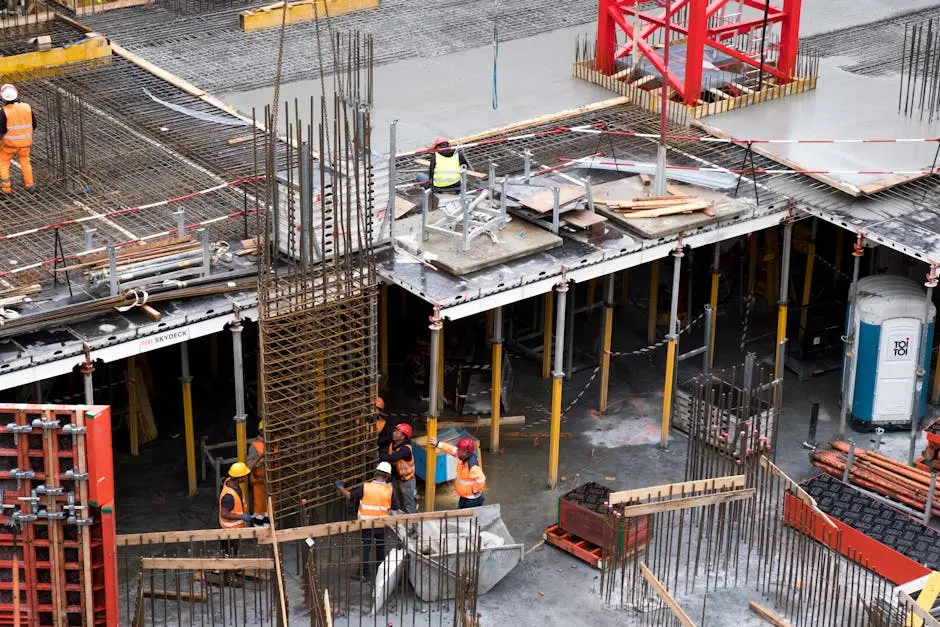
Workers in high visibility gear at a busy construction site with scaffolding and steel frames.

What is General Contractor Insurance?

General contractor insurance is designed to protect contractors against potential liabilities and risks that may arise during a construction project. It typically includes coverage such as general liability, workers’ compensation, and property insurance.

Beyond the basic coverages, some policies might also include professional liability insurance, which protects against claims of faulty work or negligence. This additional layer can offer peace of mind to both contractors and clients, ensuring that projects proceed smoothly and disputes are minimized.

It’s noteworthy that insurance not only safeguards contractors but also project owners. By having verified insurance, property owners can rest assured that any unforeseen mishaps or damages will be covered, thus fostering a trust-based relationship between all parties involved.

Is Insurance Mandatory for Every Project in NY?

While not every project in New York mandates general contractor insurance, most require it. The requirements can vary based on project size, location, and the type of work being performed. It’s crucial to check specific local regulations and project guidelines.

For example, in New York City, large-scale commercial developments are almost guaranteed to need comprehensive insurance policies due to the extensive risks involved. Smaller residential projects might have more flexibility, but homeowners often insist on contractor insurance to mitigate their own risk.

Contractors should also be aware of the legal implications. In some cases, failing to carry proper insurance can result in fines or even a halt in project progress until requirements are met. Therefore, understanding the nuances of New York’s laws and staying compliant should be a top priority for any contractor.

Why is Insurance Important for Contractors?

Insurance provides financial protection against accidents, injuries, or damages that could occur on-site. Without it, contractors could be held personally liable, facing substantial out-of-pocket costs and legal challenges.

Consider scenarios like equipment damage due to unforeseen natural events or injuries sustained by workers. These incidents could impose significant financial burdens, which insurance alleviates by offering necessary payouts to manage these claims.

Moreover, having an insurance policy is a marker of professionalism. It shows clients that the contractor is serious about their business and prepared for all eventualities. This professionalism can be a deciding factor when clients select a contractor for their projects.

How to Determine Your Insurance Needs

Assess your project’s scope, local legal requirements, and potential risks associated with your work. Consulting with an insurance professional can help you choose the right coverage that fits your needs.

Begin by cataloging the specific operations involved in your project. Highly risky operations, such as demolition or high-rise construction, may require more extensive insurance coverage. Understanding these detailed needs can facilitate more tailored insurance solutions.

Also, take into account any subcontractors involved in the project. It’s important to determine whether their insurance policies provide adequate coverage or if there are additional requirements you must cover to protect your project as a whole.

Don’t forget to review the reputability of insurance providers and the comprehensiveness of their policies. Not all insurance companies offer the same level of service, and finding a provider known for their integrity and customer-centric policies can be invaluable.

Ensuring Compliance: The Key to Successful NY Projects

In New York, general contractor insurance is not just important; it’s often essential. While not every project mandates it, understanding when and why it’s necessary can save you from legal and financial headaches down the road. Always consult with a professional to determine the exact requirements for your specific project.

BGES Group is a leading Construction Insurance specialist serving New York, New Jersey, and Connecticut. We represent over 25 top-rated insurance carriers, providing access to the best general liability and umbrella liability programs available. Our comprehensive coverage options include property, builders’ risk, inland marine, general liability, umbrella liability, commercial auto, bid and performance bonds, workers’ compensation, New York State disability, and group health. Beyond offering policies, we pride ourselves on being highly accessible—by call, text, or email—even on weekends—so you always have a trusted partner to help you navigate any insurance challenge.

We are also Workers’ Compensation specialists for tri-state business owners. Whether you are dealing with high premiums, policy cancellations, difficulty obtaining coverage due to losses, audit disputes, or payroll misclassification issues, we can help. We offer specialized programs for industries including auto services, contractors (especially in New York), limousine services, logistics companies, manufacturers, recyclers, and trucking operations. As a “Preferred Agent” for a select workers’ compensation program, we can often secure highly competitive pricing, long-term stability, and multi-state coverage for qualified clients—while also simplifying the audit process and reducing the burden of annual audits.

Contact Us:  Gary Wallach   Phone: 914-806-5853 (Direct) Email: bgesgroup@gmail.com  Website: www.bgesgroup.com

Office Location: 216A Larchmont Acres West, Larchmont, NY 10538
 

What Should New York Contractors Know About Truckers Workers Compensation Insurance?

Navigating the world of truckers workers compensation insurance can be daunting for New York contractors. With specific requirements and considerations, understanding the nuances of this insurance is crucial for operating smoothly and legally. In this FAQ, we will break down the key elements contractors should be aware of, making the complex world of insurance a bit more approachable.

Two workers discussing plans on a sandy construction site, wearing safety gear.

What is Truckers Workers Compensation Insurance?

Truckers workers compensation insurance is designed to provide coverage for truck drivers in the event of a work-related injury or illness. It covers medical expenses, lost wages, and rehabilitation costs, helping protect both the employee and the employer.

Understanding the specific requirements of this insurance is essential. It serves as a vital safety net for truckers who often face rugged working conditions, long hours on the road, and heightened risk of injury. By ensuring they have the right coverage, both truckers and their employers can maintain peace of mind and focus on their primary job duties.

Why is it Important for New York Contractors?

In New York, it’s mandatory for contractors employing truckers to have workers compensation insurance. This not only ensures compliance with state laws but also provides financial liability protection in case of workplace accidents.

Failure to secure adequate insurance not only risks hefty fines but also opens up the possibility of personal liability for workplace injuries. Thus, carrying this insurance is not just a legal necessity; it’s also a critical aspect of sound business practice.

New York’s regulations are particularly stringent, driven by the sheer volume of trucking operations across the state. With a hub of interstate highways running through it, truckers here find themselves in demanding environments regularly. Therefore, securing comprehensive insurance aligns with the broader goal of workplace safety and financial prudence.

What Does the Insurance Cover?

The insurance covers medical costs, wage replacement, and other related expenses for injured workers. It is crucial to understand the specific provisions to ensure comprehensive protection for both the employer and the employees.

In the unfortunate event of a workplace injury, this coverage extends to emergency medical treatment, long-term rehabilitation, and even death benefits, which can significantly ease the financial strain on affected families. By covering these expenses, truckers workers compensation insurance helps businesses retain their finances and focus on recovery without worrying about exorbitant medical bills.

How Are Insurance Costs Determined?

Costs are typically determined by the contractor’s payroll, the type of work performed, and the accident history within the business. Understanding these factors can help contractors manage and possibly reduce their insurance costs.

By implementing robust safety protocols and maintaining an excellent safety record, contractors can potentially negotiate lower premiums. Additionally, opting for risk management consultations can provide insights into how to minimize risks and in turn, insurance costs.

It’s also worth noting that certain insurance providers may offer discounts or incentives for companies that invest in strong training programs and state-of-the-art safety equipment. Therefore, being proactive about safety is both a moral and financial win.

How to Choose the Right Insurance Provider?

Selecting a reliable insurance provider involves researching and comparing different companies, looking for specialized coverage options, and ensuring they have experience within the trucking industry to address specific needs.

A good starting point is seeking out providers who offer customized policies that cater specifically to truckers. Insurance is not a one-size-fits-all solution, so working with a company that understands industry nuances can make a substantial difference.

Evaluating customer reviews and reputations can also help in making informed decisions. Reaching out to other contractors for recommendations or basing decisions on industry evaluations can guide you toward the right choice for your business needs.

Bringing Clarity to Truckers Workers Compensation Insurance

Understanding the ins and outs of truckers workers compensation insurance is vital for New York contractors to ensure legal compliance and financial protection. By knowing the requirements, coverage details, cost factors, and how to choose the right provider, contractors can make informed decisions that safeguard their businesses and employees.

BGES Group is a leading Construction Insurance specialist serving New York, New Jersey, and Connecticut. We represent over 25 top-rated insurance carriers, providing access to the best general liability and umbrella liability programs available. Our comprehensive coverage options include property, builders’ risk, inland marine, general liability, umbrella liability, commercial auto, bid and performance bonds, workers’ compensation, New York State disability, and group health. Beyond offering policies, we pride ourselves on being highly accessible—by call, text, or email—even on weekends—so you always have a trusted partner to help you navigate any insurance challenge.

We are also Workers’ Compensation specialists for tri-state business owners. Whether you are dealing with high premiums, policy cancellations, difficulty obtaining coverage due to losses, audit disputes, or payroll misclassification issues, we can help. We offer specialized programs for industries including auto services, contractors (especially in New York), limousine services, logistics companies, manufacturers, recyclers, and trucking operations. As a “Preferred Agent” for a select workers’ compensation program, we can often secure highly competitive pricing, long-term stability, and multi-state coverage for qualified clients—while also simplifying the audit process and reducing the burden of annual audits.

Contact Us:  Gary Wallach   Phone: 914-806-5853 (Direct) Email: bgesgroup@gmail.com  Website: www.bgesgroup.com

Office Location: 216A Larchmont Acres West, Larchmont, NY 10538
 

10 Essential Tips for Understanding Residential Contractor Insurance

Navigating the world of residential contractor insurance can seem daunting. With so many factors to consider, it’s essential to equip yourself with the right knowledge to make informed decisions. Whether you’re a contractor or a homeowner, understanding the basics can ensure you’re protected and prepared.

Two women examining home insurance policy form, focused on details.

1. Defining the Basics of Insurance

Before diving into specifics, it’s important to understand what contractor insurance is and why it’s vital. At its core, it’s designed to protect both contractors and clients from potential risks and liabilities. Contractor insurance typically covers a variety of potential incidents such as property damage, injuries, and even certain legal fees that may arise during the course of work. Having this insurance means a contractor can focus on delivering quality work without being sidelined by unforeseen financial burdens.

Residential contractor insurance offers a sense of security not just for contractors but also for homeowners employing their services. It guarantees that, in the event of an accident or damage, any claims will be managed without draining the finances of either party, allowing both sides to rest easier knowing there’s a safety net. It’s an essential consideration for anyone involved in home improvement or construction projects.

2. Exploring Different Types of Coverage

From general liability to workers’ compensation, residential contractor insurance encompasses a range of coverage options. Knowing what each type entails can help you choose the ones that best suit your needs. For instance, general liability insurance protects against claims of property damage or bodily injuries, whereas workers’ compensation covers medical expenses and lost wages for employees injured on the job. Both types of coverage are foundational, but there are many others like builder’s risk and professional liability insurance that cater to different project needs.

To further tailor your coverage, you might consider endorsements—a policy add-on that provides extra protection for specific concerns like equipment breakdowns or pollutant cleanup. Being informed about these options can ensure comprehensive coverage that aligns with the unique risks your projects may face.

3. Identifying Key Risks in Residential Projects

Residential projects come with their own set of unique risks. Understanding these potential pitfalls can help you secure appropriate coverage and minimize exposure to unforeseen events. Weather-related damages, for instance, are common risks in residential construction, posing challenges such as delays or structural damages. Theft or vandalism of materials and tools is another significant risk contractors face, and it’s crucial to have insurance that includes coverage for such eventualities.

Another area to consider is potential legal issues, such as disputes over contract terms or misunderstandings regarding project specifications. Insurance that covers legal expenses can be crucial in these scenarios. By pinpointing these risks ahead of time, both contractors and homeowners can ensure that projects run smoothly, minimizing disruptions and financial setbacks.

4. Evaluating Policy Exclusions and Limitations

Every insurance policy has its exclusions and limitations. Being aware of these can prevent surprises during claim time and ensure you have a comprehensive plan in place. Typically, standard policies may not cover certain high-risk conditions such as floods or earthquakes unless specifically added. It’s important to read the fine print and discuss these potential gaps with your insurance provider to understand how they might impact your projects.

A crucial step is to assess how these exclusions align with the particularities of your work. For instance, if you’re operating in an area prone to natural disasters, you might need additional coverage or a specialized policy that caters to those risks specifically. Staying informed and proactive ensures that your insurance truly covers the spectrum of possible issues you might encounter.

5. Considering the Importance of Bidding Requirements

Some projects may require proof of insurance before submission. Understanding bidding requirements and how insurance figures into the process is crucial for securing contracts. Municipalities and private clients alike often stipulate that contractors meet specific insurance criteria, aimed at validating a contractor’s responsibility and financial stability.

Moreover, having the right insurance can enhance your competitiveness in the bidding process, signaling to potential clients your capability to manage risks efficiently. The peace of mind that comes from a well-covered contractor is invaluable, which can give you a distinct edge when clients assess various bids.

6. Understanding the Role of Insurance Brokers

An insurance broker can be an invaluable ally. Exploring the benefits of working with one may simplify the purchasing process and help you obtain the best coverage. Brokers bring expertise to the table, navigating the vast array of policies to find the one that aligns with your specific needs. This can be particularly beneficial for new contractors who might not thoroughly understand the intricacies of insurance requirements.

Moreover, brokers often have established relationships with insurers which can be advantageous when negotiating terms or resolving claims. Their role is both educational and strategic—aimed at safeguarding your interests and ensuring you receive value for your insurance investment, so consider engaging with a knowledgeable broker to streamline your insurance decisions.

7. Recognizing the Value of Tailored Policies

Not all contractor insurance policies are created equal. Tailoring your insurance to align with the specific needs of your projects can provide optimal protection. Custom policies can include additional coverages like business interruption insurance, which is invaluable for protecting against losses during unforeseen work stoppages, or coverage for specialized equipment that your projects frequently utilize.

These tailored solutions ensure that you aren’t paying for unnecessary coverage while still receiving adequate protection for the unique challenges you encounter. Consult with your broker about customizing your policy to focus on risk management strategies pertinent to your project types, ensuring your plan is both comprehensive and cost-effective.

8. Staying Updated with Industry Changes

The insurance industry is ever-evolving. Staying informed about changes can ensure your coverage remains effective and aligns with current standards and practices. Industry developments such as adjustments in construction standards or new regulatory insurance requirements can impact your policies.

Joining industry networks or subscribing to relevant publications can be excellent ways to stay abreast of changes. Regularly review your insurance plans alongside these developments to make sure you’re maintaining the best protection possible, aiding you to adjust your coverage as necessary to meet new norms or address emerging risks.

9. Navigating the Claims Process with Ease

Understanding how to navigate the claims process is vital. Knowing what to expect and how to communicate with your insurer can smooth out the experience during critical times. Preparation is key; from documentation to communication, being organized and thorough enhances your chances of a favorable resolution.

It helps to start by documenting everything related to the incident as soon as possible. Photos, witness statements, and detailed records can substantiate your claim and prevent potential disputes. Engaging your broker can also streamline communications with the insurer, ensuring processes move forward efficiently and with expert guidance on-hand.

10. Assessing Costs Against Benefits

Balancing the cost of insurance with the protection it affords is key. Analyzing this can help ensure you’re investing wisely in securing your projects. While premiums might seem like a significant expense upfront, the potential costs of uninsured incidents like project shutdowns or lawsuits can be much more burdensome.

Weighing these against the benefits of alleviating stress and ensuring business continuity provides a clearer picture of insurance’s true value. Regular assessments can help adjust your policy to optimize coverage based on changes in your business needs, offering a strategic approach to managing both risk and expense.

BGES Group is a leading Construction Insurance specialist serving New York, New Jersey, and Connecticut. We represent over 25 top-rated insurance carriers, providing access to the best general liability and umbrella liability programs available. Our comprehensive coverage options include property, builders’ risk, inland marine, general liability, umbrella liability, commercial auto, bid and performance bonds, workers’ compensation, New York State disability, and group health. Beyond offering policies, we pride ourselves on being highly accessible—by call, text, or email—even on weekends—so you always have a trusted partner to help you navigate any insurance challenge.

We are also Workers’ Compensation specialists for tri-state business owners. Whether you are dealing with high premiums, policy cancellations, difficulty obtaining coverage due to losses, audit disputes, or payroll misclassification issues, we can help. We offer specialized programs for industries including auto services, contractors (especially in New York), limousine services, logistics companies, manufacturers, recyclers, and trucking operations. As a “Preferred Agent” for a select workers’ compensation program, we can often secure highly competitive pricing, long-term stability, and multi-state coverage for qualified clients—while also simplifying the audit process and reducing the burden of annual audits.

Contact Us:  Gary Wallach   Phone: 914-806-5853 (Direct) Email: bgesgroup@gmail.com  Website: www.bgesgroup.com

Office Location: 216A Larchmont Acres West, Larchmont, NY 10538
 

Subcontractor Insurance Compliance Failures: The Hidden Risk That Can Devastate New York Contractors

In New York’s construction industry, general contractors and construction managers operate in one of the most demanding insurance environments in the country. Between strict labor laws, high litigation rates, and complex contractual insurance requirements, risk management is already a major challenge. However, one of the most underestimated and financially dangerous exposures comes not from the contractor’s own policy—but from their subcontractors.

Subcontractor insurance compliance failures are responsible for some of the largest uninsured losses in construction. Many contractors assume that collecting a certificate of insurance is enough protection. Unfortunately, this assumption is exactly what leads to major coverage gaps, denied claims, and unexpected financial liability.

The Dangerous Myth of “Certificate Equals Coverage”

One of the most common misunderstandings in construction insurance is believing that a certificate of insurance (COI) guarantees protection. In reality, a COI is only informational—it is not a contract, not a coverage verification, and not proof that insurance will respond to a claim.

A subcontractor can provide a valid-looking certificate while still leaving the general contractor completely exposed. This happens more often than most contractors realize.

Certificates do not confirm:

• That the policy is active at the time of loss

• That required endorsements are attached

• That coverage applies to the specific type of work being performed

• That additional insured status is properly granted

• That exclusions won’t eliminate coverage for the claim

In other words, contractors often believe they are protected when they are actually relying on paperwork that has no enforcement power in a real claim scenario.

How Subcontractor Insurance Failures Actually Happen

Subcontractor insurance problems rarely appear obvious at the beginning of a project. Instead, they develop quietly over time.

1. Policies Expire Mid-Project

A subcontractor may submit valid insurance at the start of the job, but fail to renew it. Work continues, but coverage quietly lapses, leaving a dangerous uninsured period.

2. Inadequate Coverage Limits

Many subcontractors carry only minimum general liability limits, which are not sufficient for New York construction risks. When a major loss occurs, the limits are quickly exhausted.

3. Missing Additional Insured Endorsements

Even when subcontractors agree contractually to name the general contractor as an additional insured, the endorsement is often never properly added. Without this, the general contractor loses critical protection.

4. Incorrect Trade Classifications

Insurance policies are heavily dependent on accurate job classifications. If a subcontractor performs high-risk work such as roofing, demolition, or structural steel but is not properly classified, the insurer may deny the claim.

5. Fraudulent or Altered Certificates

In more extreme cases, subcontractors provide altered certificates or outdated documents that do not reflect current coverage status.

Each of these issues creates a gap between what contractors believe they are covered for—and what is actually insured.

Why the General Contractor Still Gets Pulled Into Claims

Even when a subcontractor is clearly at fault, the general contractor is often the first party targeted in a lawsuit. This is especially true in New York due to the structure of construction litigation and statutory liability laws.

When subcontractor insurance fails, the risk typically flows upward through the contract chain to:

• The general contractor

• The construction manager

• The project owner

This happens because claimants and attorneys pursue the entities with the deepest financial resources and the strongest insurance policies.

Without proper subcontractor insurance compliance, the general contractor becomes the default source of recovery.

New York Construction Makes This Risk Even Worse

New York is one of the most legally complex construction environments in the United States. Contractors face heightened exposure due to:

• Strict liability under Labor Law 240 and 241 (often called the “Scaffold Law”)

• High frequency of bodily injury claims

• Expensive medical and indemnity settlements

• Dense urban job sites with multiple subcontractors working simultaneously

• Aggressive plaintiff litigation strategies

In this environment, even a minor subcontractor insurance failure can escalate into a six- or seven-figure loss.

The Financial Impact of Compliance Failures

When subcontractor insurance is missing or invalid, the financial consequences can be severe:

Uninsured Liability

The contractor may be forced to pay for claims that should have been covered by subcontractor insurance.

Defense Costs

Even if a contractor is ultimately found not liable, legal defense costs alone can be substantial.

Increased Insurance Premiums

Claims history caused by subcontractor failures can raise future general liability and workers’ compensation costs.

Contract Disputes and Project Delays

Insurance issues often lead to work stoppages, payment delays, and contract disputes with owners and developers.

Loss of Future Work

Large developers and general contractors may refuse to award future contracts to firms with weak insurance compliance records.

Why Manual COI Tracking No Longer Works

Many contractors still rely on spreadsheets, folders, or manual review processes to track subcontractor insurance. In today’s construction environment, this approach is no longer sufficient.

Manual tracking fails because:

• Policies change frequently during project timelines

• Endorsements are often missed or misfiled

• Renewal dates are not actively monitored

• Human error leads to overlooked gaps

Without a structured system, contractors often do not discover compliance failures until a claim is already in motion.

Building a Proper Subcontractor Insurance Compliance System

To reduce exposure, New York contractors need a proactive approach to insurance risk management.

Key elements include:

1. Pre-Qualification of All Subcontractors

Before work begins, subcontractors should be vetted for:

• Coverage limits

• Carrier strength

• Endorsement compliance

• Trade-specific exclusions

2. Strict Contract Language

Contracts should clearly require:

• Additional insured status on a primary and non-contributory basis

• Waiver of subrogation

• Completed operations coverage

• Minimum insurance limits aligned with project risk

3. Endorsement Verification (Not Just Certificates)

Actual policy endorsements must be reviewed and confirmed—not just COIs.

4. Continuous Monitoring

Insurance compliance must be tracked throughout the entire life of the project, not just at the start.

5. Broker-Level Oversight

Working with specialists who understand construction risk can help identify hidden gaps before they become costly claims.

The Bottom Line: Insurance Compliance Is Risk Transfer, Not Paperwork

Subcontractor insurance compliance is not an administrative task—it is a core risk transfer strategy. If the coverage is not properly structured, the risk never truly leaves the contractor’s business.

In New York construction, where claims can escalate quickly and liability exposure is significant, even one uninsured subcontractor can jeopardize an entire project’s financial outcome.

Contractors who treat insurance compliance as a formality are often the ones who end up paying for losses that should have been covered elsewhere.

How BGES Group Helps Contractors Control Subcontractor Insurance Risk

For New York contractors, managing subcontractor insurance compliance requires more than basic certificate collection—it requires deep expertise in construction risk and coverage structure.

BGES Group specializes in helping contractors identify and eliminate insurance gaps before they turn into costly claims. Their focus includes:

• Reviewing subcontractor insurance programs for hidden exposures

• Ensuring proper additional insured and endorsement language

• Strengthening contract insurance requirements

• Assisting with workers’ compensation and general liability strategy

• Helping contractors reduce long-term insurance costs and audit problems

BGES Group works directly with construction businesses to help them build stronger insurance programs that actually respond when a loss occurs—not just look compliant on paper.

Contact Information:

• Gary Wallach

• Phone: 914-806-5853

• Email: bgesgroup@gmail.com

• Website: www.bgesgroup.com

What Are the Key Benefits of Having Contractor Insurance NY?

In the bustling construction industry of New York, contractor insurance is essential for both small businesses and larger firms. If you’re a contractor in the Empire State, you may already know how competitive the market can be. But do you know how contractor insurance can benefit you? In this FAQ, we’ll explore the key benefits of having contractor insurance in NY so you can make an informed decision.

Two workers discussing plans on a sandy construction site, wearing safety gear.

What is Contractor Insurance?

Contractor insurance is a type of coverage specifically designed to protect contractors against risks and liabilities they face during their work. This can include general liability insurance, workers’ compensation, and more, depending on the needs of the contractor.

Contractors face unique challenges and potential hazards in New York’s dynamic environment. From unexpected accidents to client disputes, having comprehensive insurance coverage safeguards your business from a variety of risks. With contractor insurance, you have a safety net that covers not just legal liabilities but also financial losses, ensuring that your business can recover swiftly from setbacks.

Protection Against Liability Claims

One of the main benefits of contractor insurance is protecting you against liability claims. Whether it’s property damage or bodily injury claims, having the right insurance in place ensures that you are financially protected against legal action.

The reality of the construction industry is that accidents can happen even with the best safety measures in place. Whether it’s a faulty tool or an unforeseen circumstance, liability insurance provides peace of mind knowing you are shielded from costly lawsuits and compensation claims. This protection allows you to focus on delivering quality work without the looming worry of unexpected financial burdens.

Ensures Compliance with NY Regulations

Having contractor insurance helps ensure that you comply with New York State regulations. Many projects require proof of insurance before you can even set foot on a construction site. This compliance can also improve your credibility with potential clients.

Operating within the bounds of New York regulations is essential for any contractor. Without proper insurance, you risk fines and project delays that can tarnish your reputation. Moreover, having the necessary insurance enhances your standing in the industry, as it demonstrates your commitment to professionalism and accountability.

Financial Protection and Peace of Mind

Insurance provides financial protection against unforeseen events like accidents or natural disasters. With the right insurance, you can focus more on running your business without worrying about potential future financial strains.

Imagine the peace of mind knowing that even in the event of a natural disaster or major project mishap, your business is financially secure. Contractor insurance acts as a financial buffer that not only protects your assets but also ensures continuous operation, helping you to maintain stability and confidence in your business pursuits.

Helps Secure More Projects

Many clients prefer to work with insured contractors, as it shows professionalism and a commitment to safety. This can help you secure more projects and grow your business by appealing to a broader range of clients.

In the competitive landscape of New York construction, presenting yourself as a responsible and insured contractor can be a decisive factor for clients. It acts as a testament to your credibility and dedication to surpassing industry standards. This advantage not only helps in securing high-profile projects but also fosters trust and long-term relationships with clients, ultimately contributing to the growth of your business.

Why Contractor Insurance in NY is Essential

In conclusion, contractor insurance is not just a regulatory requirement in New York but a smart business decision. It safeguards your livelihood, assets, and reputation while allowing you to focus on what’s most important—growing your business. Don’t wait for the unexpected; protect yourself and your company with the right insurance coverage today. Visit our homepage to learn more about how we can help you secure your business.

BGES Group is a leading Construction Insurance specialist serving New York, New Jersey, and Connecticut. We represent over 25 top-rated insurance carriers, providing access to the best general liability and umbrella liability programs available. Our comprehensive coverage options include property, builders’ risk, inland marine, general liability, umbrella liability, commercial auto, bid and performance bonds, workers’ compensation, New York State disability, and group health. Beyond offering policies, we pride ourselves on being highly accessible—by call, text, or email—even on weekends—so you always have a trusted partner to help you navigate any insurance challenge.

We are also Workers’ Compensation specialists for tri-state business owners. Whether you are dealing with high premiums, policy cancellations, difficulty obtaining coverage due to losses, audit disputes, or payroll misclassification issues, we can help. We offer specialized programs for industries including auto services, contractors (especially in New York), limousine services, logistics companies, manufacturers, recyclers, and trucking operations. As a “Preferred Agent” for a select workers’ compensation program, we can often secure highly competitive pricing, long-term stability, and multi-state coverage for qualified clients—while also simplifying the audit process and reducing the burden of annual audits.

Contact Us:  Gary Wallach   Phone: 914-806-5853 (Direct) Email: bgesgroup@gmail.com  Website: www.bgesgroup.com

Office Location: 216A Larchmont Acres West, Larchmont, NY 10538