Beyond Insurance: How New York Contractors Can Structure Their Companies to Better Protect Against Lawsuits

New York contractors operate in one of the most litigious construction environments in the country. Between New York Labor Law §§ 200, 240, and 241, aggressive plaintiff attorneys, high jury awards, and complex contractual risk transfer requirements, even well-insured contractors can find themselves exposed to lawsuits that exceed or fall outside their liability insurance coverage.

Insurance is critical—but insurance alone is not enough.

This article explains, at a high level, how New York contractors can structure their businesses and operations to better protect personal and company assets from large lawsuits that liability policies may not fully cover. Just as important, we will also explain how working with the right insurance advisor—like BGES Group—can help close many of the gaps that lead to devastating claims in the first place.

Important Disclaimer:

We are not attorneys, and this article is for general informational purposes only. Business formation, asset protection, and risk management strategies depend on individual circumstances and New York law. You must consult with a qualified attorney and tax professional before making any legal or structural decisions. Do not treat this article as legal advice or “the gospel.”

Why Insurance Alone Isn’t Always Enough

Many contractors assume that if they carry general liability, workers’ compensation, and an umbrella policy, they are fully protected. Unfortunately, that’s not always the case.

Some common gaps include:

• Claims that exceed policy limits

• Contractual liability assumed but not properly insured

• Exclusions buried in policy language

• Personal liability due to improper business structure

• Claims involving gross negligence, labor law exposure, or uninsured subcontractors

When these situations arise, plaintiffs often look beyond the insurance policy and go straight after the company’s assets—or even the owner personally.

That’s where proper company setup and risk layering becomes essential.

Article content

Choosing the Right Business Entity Matters

One of the most important steps a New York contractor can take is selecting the right legal entity.

Sole Proprietorship: High Risk

Operating as a sole proprietor offers no legal separation between you and your business. If your company is sued, your personal assets—home, savings, investments—can be at risk, regardless of insurance.

LLC or Corporation: A Necessary Shield

Most contractors should operate as either:

• A Limited Liability Company (LLC), or

• A Corporation (S-Corp or C-Corp)

When properly set up and maintained, these entities create a legal barrier between business liabilities and personal assets.

However, simply forming an LLC is not enough.

Maintaining the “Corporate Veil”

Courts in New York can “pierce the corporate veil” if the business is not run properly. This means personal assets may still be exposed even if an LLC or corporation exists.

To maintain protection:

• Keep separate business and personal bank accounts

• Never pay personal expenses from the business account

• Use written contracts in the company’s name

• Maintain proper licenses and registrations

• File required annual reports

• Keep operating agreements and corporate records up to date

This is an area where attorneys and accountants are essential—but insurance professionals play a role by ensuring contracts and policies align with the entity structure.

Using Multiple Entities for Risk Segmentation

Some larger or growing contractors choose to separate operations into multiple entities. For example:

• One entity owns equipment

• One entity employs labor

• One entity signs contracts

The idea is to limit exposure so that a catastrophic lawsuit in one area does not jeopardize the entire operation.

This approach must be done carefully. Poorly structured entity layering can create tax issues, insurance coverage disputes, and even increased legal exposure if done incorrectly. Again, legal guidance is critical—but insurance must be coordinated across all entities to avoid dangerous coverage gaps.

Contracts Are as Important as Insurance Policies

Many large claims arise not from accidents alone, but from bad contracts.

Key contract issues include:

• Indemnification clauses that go beyond insurance coverage

• Additional insured requirements that are impossible to meet

• Waivers of subrogation not properly endorsed

• “Defense outside limits” assumptions that are incorrect

• Agreements that shift all liability upstream or downstream unfairly

Contractors should never sign contracts without understanding how they interact with their insurance program. This is where experienced insurance advisors add tremendous value.

Umbrella and Excess Liability: How Much Is Enough?

New York verdicts can be enormous—especially under Labor Law 240 (“Scaffold Law”). A $1 million general liability policy may barely scratch the surface of a serious injury claim.

Umbrella and excess liability policies:

• Provide higher limits

• Can drop down over certain claims

• Often require careful underwriting and disclosure

However, umbrellas are not all the same. Some follow form, some don’t. Some exclude labor law claims. Some require strict underlying coverage compliance.

This is another area where contractors think they are protected—until a claim is denied or limited.

Workers’ Compensation Strategy Reduces Lawsuit Exposure

Workers’ compensation isn’t just about statutory compliance. A properly structured workers’ comp program:

• Reduces employee injury frequency

• Limits third-party over actions

• Improves defense against labor law claims

• Keeps experience modification factors under control

Poor workers’ comp management can increase both insurance costs and lawsuit severity.

Why Working With the Right Insurance Advisor Is Critical

This is where BGES Group comes in.

At BGES Group, we specialize in working with New York contractors across all trades. We understand:

• New York Labor Law exposure

• OCIP and CCIP projects

• Additional insured and contractual risk transfer

• Completed operations issues

• Workers’ compensation strategies

• Umbrella and excess liability placement

• How underwriters view New York risk

We don’t just “sell policies.” We help contractors identify where lawsuits come from, where insurance stops, and how to structure coverage to reduce exposure before claims happen.

Insurance as Part of a Larger Protection Plan

The smartest contractors treat insurance as one layer of protection—not the only one.

A strong protection plan includes:

• Proper legal entity structure

• Sound contracts

• Disciplined operations

• Safety programs

• Correct insurance placement

• Ongoing reviews as the business grows

BGES Group works alongside attorneys, CPAs, and contractors to make sure insurance supports the broader risk strategy—not undermines it.

Final Thoughts

Large lawsuits are not a matter of “if” in New York construction—they are a matter of when. Contractors who survive and thrive are the ones who plan ahead, structure their companies properly, and work with professionals who understand the realities of New York risk.

Again, we are not attorneys, and you must seek legal advice before implementing any structural changes. But ignoring these issues entirely is far riskier than addressing them proactively.

About BGES Group

BGES Group is a New York–based insurance brokerage specializing in construction insurance and workers’ compensation for contractors and businesses across all industries. We help clients identify risk, close coverage gaps, and position their companies for long-term stability in a challenging legal environment.

Contact Information:

BGES Group

• Website: www.bgesgroup.com

• Phone: 914-806-5853

• Email: bgesgroup@gmail.com

If you’re a New York contractor and want a second set of eyes on your insurance program—or want to understand where your real exposure lies—BGES Group is here to help.

What Is Workers Compensation Insurance and Why Do Contractors Need It?

Navigating the world of insurance can be confusing, especially for contractors. Workers compensation insurance is a crucial topic that often raises questions. In this FAQ, we’ll break down what it is and why it plays an essential role for contractors.

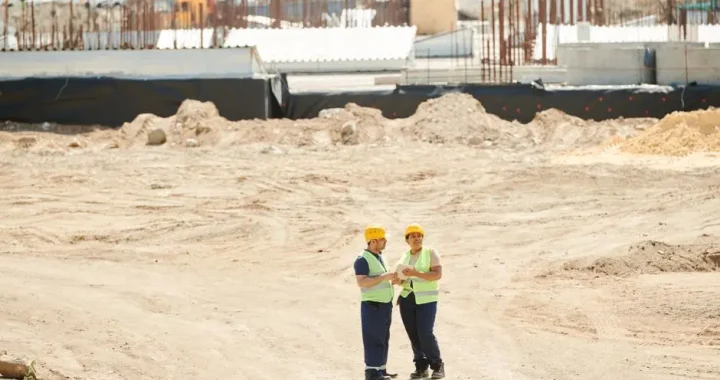
Male and female construction workers talking with safety gear at an outdoor site.

What Is Workers Compensation Insurance?

Workers compensation insurance is a type of insurance that provides medical benefits and wage replacement to employees who are injured or become ill due to their job. This insurance is crucial for protecting both workers and employers.

In essence, workers compensation insurance acts as a financial safety net. It’s designed to ensure that employees don’t have to bear the brunt of unexpected medical bills or lost wages following an incident at work. By offering a layer of financial security, it also shields employers from substantial out-of-pocket expenses and legal complications, striking a necessary balance between employee welfare and business sustainability.

This type of insurance is often mandated by law in many regions, underscoring its importance. The aim is to create a fair and just system where both parties are safeguarded against the unforeseen. Such insurance not only covers immediate medical expenses but also extends to long-term rehabilitative care if necessary.

Why Do Contractors Need It?

Contractors need workers compensation insurance to ensure they’re covered in case an employee gets hurt on the job. Without it, they could face significant financial liabilities and legal issues.

Beyond the legal imperatives, contractors operate in environments where the risk of injury is inherently higher due to the nature of construction and manual labor involved. By having workers compensation insurance, contractors can focus on their projects with peace of mind, knowing that they have a mechanism in place to deal with potential setbacks efficiently.

Furthermore, having this insurance in place can elevate the company’s reputation. Clients and employees alike value businesses that prioritize safety and responsibility, potentially influencing project opportunities and workforce morale.

What Does It Cover?

This insurance typically covers medical expenses, rehabilitation costs, and lost wages for injured workers. It also provides legal protection for contractors in case of workplace incidents.

Moreover, workers compensation insurance can cover vocational training for employees who may need to transition to a new role due to their injury. This support is crucial for workers who might find themselves unable to perform their previous duties.

The breadth of coverage often extends to mental health support, recognizing that workplace incidents can have psychological impacts on employees. Having access to such comprehensive care aids in holistic recovery, benefiting both the individual and the organization.

How Does It Benefit Contractors?

Having this insurance helps contractors maintain a safe working environment, reduces the risk of financial burden from potential lawsuits, and increases employee trust and safety.

Furthermore, by investing in workers compensation insurance, contractors can enhance their business’s credibility and professionalism. It signals to potential clients and partners that the contractor is serious about best practices and cares about its human resources.

Additionally, when employees know that their well-being is prioritized with an active workers compensation policy, it fosters a deeper sense of loyalty and motivation. This intrinsic motivation can result in greater productivity and a more cohesive team dynamic.

How to Obtain Workers Compensation Insurance?

Contractors can obtain workers compensation insurance through insurance brokers or directly from insurance providers. It’s important to compare policies to ensure adequate coverage.

When selecting a policy, contractors should assess the specific risks related to their field and workforce. Customizing coverage to fit business needs not only ensures compliance but also reinforces organizational stability.

Engaging with professional insurance advisors can also streamline the process. These experts can interpret complex policy details in simple terms, assisting contractors in making informed choices that align with their strategic goals.

Why Workers Compensation Insurance is Essential for Contractors

Understanding workers compensation insurance can significantly benefit contractors, ensuring protection for both employers and employees. By staying informed, contractors can make decisions that promote safety and security in their work environments.

BGES Group is one of New York, New Jersey, and Connecticut’s Construction Insurance Specialists representing 50+ companies, including all the BEST general & umbrella liability programs. We offer all the coverage needed, including property, builders’ risk, inland marine, general liability, umbrella liability, auto, bid & performance bonds, workers’ compensation, N.Y.S. disability, and group health.  Our commitment to you goes beyond the policies we provide. We are always just a call, text, or email away, ready to assist you, even on weekends. We understand the importance of your business and are here to help you navigate any insurance challenges. 
 
BGES Group are Workers’ Compensation Insurance Specialists for Tri-State Business Owners: Unhappy with your rates, company, being canceled, losses causing difficulty getting coverage, in the middle of an audit dispute, misclassified payrolls, or whatever your issue. We can help!  We have special programs for Auto Services, Contractors (especially in New York), Limousine Services, Logistics Companies, Manufacturers, Recyclers, and Truckers; we can help ANY tri-state business owner. We are considered “Preferred Agents” for this one program that, if we can get you into, their pricing is excellent, offers long-term coverage stability, and can cover multi-state operations. The program takes the hassle out of doing annual audits, too. 
 
If you want to speak with us, call Gary Wallach at 914-806-5853, click here to email, or visit our website.
 
Company: BGES Group, 216A Larchmont Acres West, Larchmont, NY 10538

email: bgesgroup@gmail.com

website: http://www.bgesgroup.com


Understanding New York Labor Laws 240 and 241 and Their Impact on Contractors’ Liability Insurance

New York Labor Laws 240 and 241 are critical statutes that directly affect contractors, subcontractors, and property owners working in the construction industry. Commonly referred to as the Scaffold Law, Labor Law 240 imposes strict liability on contractors and property owners for falls and related injuries resulting from inadequate fall protection. It mandates that workers performing tasks on elevated surfaces must be protected by appropriate safety equipment like harnesses, guardrails, or scaffolding, and makes their employers strictly liable for injuries that occur due to a lack of such protections regardless of fault. Labor Law 241 complements this by incorporating specific safety standards, largely drawn from the New York Industrial Code, that require employers to provide construction workers with a workplace free from recognized hazards. Together, these laws were enacted to prioritize worker safety, ensure proper safety protocols, and reduce the number of preventable injuries in construction and renovation sites across New York State.

Compliance with these laws has wide-ranging implications for contractors beyond just safety practices. Because 240 and 241 operate under strict liability in many cases, injured workers can pursue claims against insurers and contractors without needing to prove negligence. For contractors operating in New York, this has influenced insurance underwriters’ perspectives and increased scrutiny when writing Commercial General Liability (CGL) policies. Insurers view the state’s liability landscape as high risk, which can lead to higher premiums, narrower coverage terms, and more frequent disputes over policy application after accidents occur. As a result, understanding the nature of labor law claims and how they intersect with liability insurance is essential for any contractor doing business in New York.

Five Types of Labor Law Claims Contractors May Face

  1. Fall from Height A classic Labor Law 240 claim involves a construction worker falling from an unprotected elevated surface — for example, a worker falling from a roof edge while installing HVAC equipment. If the contractor fails to supply or enforce the use of appropriate fall protection, they can be held strictly liable for the worker’s injuries. Because fault is not a defense under this statute, even if the injured worker disregarded provided safety measures, the contractor and responsible parties may be financially accountable.
  2. Falling Debris Injuries Under Labor Law 241’s safety standards, contractors must implement safeguards to prevent tools, materials, or debris from falling and injuring workers below. Imagine a scenario where unsecured tools fall from scaffolding and strike a laborer on a lower level. Such an incident may prompt a Labor Law 241 claim alleging inadequate protective measures, such as missing overhead protection or netting.
  3. Trenching and Excavation Collapse Trenching work poses unique hazards, and without proper shoring, benching, or shielding, an excavation collapse can result in serious injury or death. Labor Law 241 mandates that employers follow established safety codes for excavation work. If a collapse occurs because these codes weren’t followed, the injured party could pursue a claim against the contractor for failing to comply with the statutory safety requirements.
  4. Defective Scaffold or Ladder Claim Labor Law 240 claims are not limited to cases involving the absence of fall protection; they also include the use of defective or improper safety equipment. A worker injured due to a malfunctioning scaffold or faulty ladder may trigger a strict liability claim under 240, asserting that appropriate, safe equipment was not provided despite regulatory expectations.
  5. Action Over Claim (Third-Party Liability) While most labor law lawsuits arise directly from injured workers, Action Over claims involve third parties — often subcontractors — seeking indemnity or contribution from a general contractor or property owner. For example, if a subcontractor is sued by an injured employee and believes that the general contractor’s failure to maintain a safe worksite was the cause, they may file an Action Over claim to shift or share liability. These claims can significantly complicate defense strategies and risk allocation among project stakeholders.
Article content

Securing Coverage Under a CGL Policy

For New York contractors, a Commercial General Liability (CGL) policy provides essential financial protection against bodily injury and property damage claims arising from jobsite incidents. However, because of the unique nature of Labor Laws 240 and 241, not all CGL policies automatically respond to these claims. Insurers may include specific endorsements or exclusions that limit coverage for strict liability claims, especially those rooted in scaffold and elevation-related injuries. Contractors must therefore be diligent when selecting and reviewing CGL coverage to ensure that it truly protects them against the full range of labor law exposures present in New York.

A standard CGL policy without proper endorsements might technically provide liability coverage for bodily injury, but carriers often deny coverage post-accident by invoking exclusions that purport to remove coverage for certain categories of labor law claims. These denials can leave contractors exposed to significant defense costs and potentially devastating judgments. To mitigate this exposure, contractors should negotiate with brokers and underwriters to secure proper policy language that remains as broad and inclusive as possible in covering Labor Law 240 and 241 claims.

Three Critical Policy Exclusions to Avoid or Modify

  1. Action Over Exclusion An Action Over exclusion prevents a CGL policy from covering claims where another insured — typically a subcontractor — sues the named insured (often a general contractor) seeking indemnity or contribution after a third-party injury. Given the prevalence of Action Over claims in the aftermath of Labor Law incidents, especially in multi-tiered construction projects, excluding this type of coverage can expose a contractor to substantial unreimbursed liabilities. Contractors must ensure that their CGL forms either omit this exclusion entirely or include endorsements that restore coverage.
  2. Employee Injury Exclusion Many CGL policies contain exclusions for injuries to employees of the insured, reasoning that such risks should be covered under workers’ compensation. However, because Labor Laws 240 and 241 allow injured workers to pursue third-party claims against contractors and owners beyond traditional workers’ compensation, a broad employee injury exclusion can swallow up valid liability coverage. It is vital to negotiate the narrowing or removal of this exclusion so that claims brought by employees — such as those under strict liability statutes — are still eligible for defense and indemnity under the CGL.
  3. Limited Contractual Liability Exclusion Contractors often enter into contractual agreements that require them to assume liability for certain jobsite risks. CGL policies may include a limited contractual liability exclusion that narrows or eliminates coverage for liabilities assumed under contract. Since many construction contracts include indemnity provisions related to compliance with safety laws, ensuring that the CGL policy covers these assumed contractual liabilities — particularly those involving Labor Laws 240 and 241 — is paramount. Contractors should seek tailored endorsements to expand contractual liability coverage where necessary.

BGES Group: Your Partner in New York Construction Insurance

Given the complexity of New York’s construction liability environment, working with specialists who understand labor law exposures and insurance markets is essential. That’s where BGES Group stands apart. We are seasoned experts in construction insurance, with a dedicated focus on providing tailored solutions for contractors navigating New York’s unique regulatory and risk landscape. From designing robust CGL policies that address strict liability exposures to ensuring critical exclusions are appropriately negotiated, BGES Group is committed to protecting your business from the unforeseen financial consequences of jobsite accidents.

Our deep industry knowledge enables us to analyze your risk profile and secure coverage that aligns with your operations, project mix, and contractual obligations. Whether you’re a general contractor, subcontractor, or specialty trade, we take a proactive approach — helping you understand not only what your policy covers, but also where gaps might exist and how to address them before a claim arises.

Contact BGES Group

To learn more about construction liability insurance tailored for New York contractors or to review your current coverage, reach out to our team: BGES Group

📞 Phone: 914-806-5853 – Gary Wallach

📧 Email: bgesgroup@gmail.com

🌐 Website: www.bgesgroup.com

Protect your business with confidence — partner with BGES Group for expert guidance and industry-leading construction insurance solutions.

What Should You Know About Claims and Benefits of Workers’ Compensation Insurance in NYC?

Navigating the world of Workers’ Compensation Insurance in NYC can be daunting, especially if you’re unfamiliar with the claims process and the benefits it offers. This FAQ is here to break down the essentials, providing you with clear guidance and understanding of what you need to know.

Top view of a payroll document on a desk with pencils and folders, ideal for finance themes.

What is Workers’ Compensation Insurance and Why is it Important?

Workers’ compensation insurance provides medical and wage benefits to employees injured in the course of employment. In NYC, it is not only crucial for financial security in times of injury but also a legal requirement for most employers.

The significance of workers’ compensation insurance cannot be overstated. It ensures that employees have a safety net, protecting them and their families from the financial burden an unexpected workplace injury might cause. Moreover, this type of insurance mitigates potential legal battles between employers and employees by providing a clear-cut system of support and recompense.

In addition to the primary benefits, workers’ compensation also supports maintaining a fair and healthy workplace. Knowing that there is a provision for workplace accidents, both employers and employees are encouraged to adhere to safer work practices and environments. This insurance fosters a sense of security and trust in the workplace, reinforcing the value employers place on their workforce.

Who is Eligible for Workers’ Compensation in NYC?

In general, most employees in NYC are covered by workers’ compensation. However, there are specific criteria and roles that might be exempt, and understanding these distinctions can help clarify eligibility.

It’s essential to recognize that while the majority of traditional employees are eligible, certain workers such as independent contractors, volunteers, or federal employees might not be. Employers should carefully evaluate their workforce status and consult with a professional if there is any uncertainty about eligibility.

Understanding eligibility is crucial for both parties involved. Employees should familiarize themselves with their rights under the New York State Workers’ Compensation Law to ensure they receive the benefits they are entitled to. In contrast, employers must keep up to date with policy changes and requirements to remain compliant and provide adequate protection to their workforce.

How to File a Workers’ Compensation Claim?

Filing a claim involves several steps, starting with notifying your employer about the injury. We’ll walk you through each critical phase to ensure your claim is processed smoothly.

After notifying your employer, the next step is to seek medical treatment immediately, as your health and recovery should be your top priority. It is essential to keep detailed records of all medical visits and treatments related to the workplace injury, as these documents will serve as important evidence when filing your claim.

Upon receiving medical treatment, fill out the required forms, such as the C-3 form, a crucial document that details the nature of your injury and how it occurred while on the job. Hand this form to the Workers’ Compensation Board to officially initiate your claim process. It’s advisable to keep copies of everything you submit for your personal records.

During the filing process, stay in constant communication with your employer and the insurance carrier to address any concerns that may arise. Having an open line of communication can expedite the claim process and resolve potential disputes swiftly. Don’t forget to follow up regularly to ensure your claim is moving forward without any hitches.

What Benefits are Available Under Workers’ Compensation?

Workers’ compensation can cover medical expenses, temporary disability benefits, permanent disability benefits, and more. Understanding these benefits can maximize the support offered to you during recovery.

Medical expenses covered under workers’ compensation can include hospital stays, surgeries, medical devices, and physical therapy. These provisions ensure that employees receive the necessary care without the burden of out-of-pocket costs, enabling them to focus on recovery.

Temporary disability benefits offer financial support to employees who are unable to work temporarily due to their injury. These benefits are generally calculated based on a percentage of the employee’s average weekly wage, allowing workers to maintain a certain level of income while they heal.

For those who sustain injuries resulting in a permanent disability, workers’ compensation provides long-term financial support tailored to the severity and nature of the impairment. This ensures that qualified employees receive consistent aid even if they cannot return to their pre-injury employment status.

How to Handle a Denied Workers’ Compensation Claim?

Sometimes, claims may be denied due to various reasons. We will provide advice on how to appeal a denial and ensure you have the right documentation and support.

Initial denial of a claim can be disheartening; however, it’s not the end of the road. Understanding the reasons behind the denial is crucial, as it can guide the steps needed to rectify the situation. Common issues include late reporting of the injury or lack of sufficient evidence, and addressing these can improve your chances in an appeal.

Filing an appeal involves presenting additional evidence or witness testimonies to support your claim. Having thorough and well-organized documentation is vital during this stage, as is consulting with a legal expert who can guide you through the technicalities of the appeal process. Consider reaching out to workers’ compensation attorneys or advocacy groups for additional assistance and guidance.

Finally, remain proactive and diligent in your follow-ups. Engage with the Workers’ Compensation Board and any legal representatives to keep abreast of developments in your appeal. Persistence is key, and ensuring open communication with all parties involved can facilitate a successful resolution.

Key Takeaways on Workers’ Compensation Insurance in NYC

Understanding workers’ compensation insurance can empower you to navigate claims efficiently and secure the benefits you deserve. Remember, seeking professional advice can greatly aid you if you find yourself stuck or overwhelmed.

BGES Group is one of New York, New Jersey, and Connecticut’s Construction Insurance Specialists representing 50+ companies, including all the BEST general & umbrella liability programs. We offer all the coverage needed, including property, builders’ risk, inland marine, general liability, umbrella liability, auto, bid & performance bonds, workers’ compensation, N.Y.S. disability, and group health.  Our commitment to you goes beyond the policies we provide. We are always just a call, text, or email away, ready to assist you, even on weekends. We understand the importance of your business and are here to help you navigate any insurance challenges. 
 
BGES Group are Workers’ Compensation Insurance Specialists for Tri-State Business Owners: Unhappy with your rates, company, being canceled, losses causing difficulty getting coverage, in the middle of an audit dispute, misclassified payrolls, or whatever your issue. We can help!  We have special programs for Auto Services, Contractors (especially in New York), Limousine Services, Logistics Companies, Manufacturers, Recyclers, and Truckers; we can help ANY tri-state business owner. We are considered “Preferred Agents” for this one program that, if we can get you into, their pricing is excellent, offers long-term coverage stability, and can cover multi-state operations. The program takes the hassle out of doing annual audits, too. 
 
If you want to speak with us, call Gary Wallach at 914-806-5853, click here to email, or visit our website.
 
Company: BGES Group, 216A Larchmont Acres West, Larchmont, NY 10538

email: bgesgroup@gmail.com

website: http://www.bgesgroup.com


Building in a New Era: How Evolving Risks Are Reshaping the Construction Industry

As the construction industry continues its rebound from the recession, contractors are facing a rapidly changing risk landscape. Growth brings opportunity—but it also introduces new exposures that, if left unaddressed, can result in significant financial and legal consequences.

Labor shortages, expanded responsibilities in design, and increased reliance on technology are fundamentally changing how construction firms operate. To stay protected, contractors must reassess their risk management strategies and ensure their insurance coverage keeps pace with these evolving challenges. Below is a closer look at three of the most critical risks impacting the construction industry today.


The Ongoing Shortage of Qualified Workers

The construction industry has struggled with a labor shortage for years, and the issue has only intensified in the wake of the COVID-19 pandemic and increased immigration enforcement actions in 2025. According to Associated Builders and Contractors, the industry will need approximately 439,000 new workers in 2025 and nearly 499,000 more in 2026 to meet demand.

As construction activity ramps up, many firms are finding it increasingly difficult to hire skilled tradespeople, as well as experienced project managers, engineers, and estimators. This shortage often forces existing employees to take on heavier workloads, increasing the likelihood of workplace injuries, errors, and project delays.

In addition, contractors are employing more inexperienced workers who may lack proper safety awareness or the ability to identify hazards. This not only puts those workers at risk but also increases exposure for the entire job site.


Rising Professional Liability Exposure

More project owners are now seeking “design-build” solutions, asking contractors to take on both design and construction responsibilities. While this can be attractive from a business standpoint, it introduces a significant new risk: professional liability.

Standard contractor insurance policies typically do not cover design-related errors or omissions. When a contractor performs any design work—even partially—they assume responsibility for design deficiencies. This liability remains even if the actual construction is subcontracted.

Courts have consistently ruled that design professionals who engage in traditional construction activities lose certain liability protections. Likewise, contractors who perform design-related services can no longer shift responsibility for design flaws to architects or engineers. Without the proper professional liability coverage, contractors may be left exposed to costly claims.

Article content

The Growing Threat of Cyber-Security Risks

Technology has become integral to modern construction operations. From project management software to digital blueprints and employee records, contractors are storing more sensitive data than ever before.

While construction firms may not store credit card data, they do maintain confidential project designs and personal employee information. Cyber incidents are no longer hypothetical risks—they are happening in real time.

In one recent case, a contractor’s foreman had a company-issued laptop stolen from a café. The device contained sensitive company data and building design information. Due to confidentiality clauses in the firm’s contracts, the contractor was required to notify 2,300 current and former employees of a potential data breach and provide one year of credit monitoring.

Even though there was no evidence that the data was ever misused, the notification and monitoring costs totaled $25,000 out of pocket—a loss that could have been mitigated with proper cyber liability coverage.


The Takeaway: Align Insurance with Today’s Risks

As construction risks evolve, it’s essential for contractors to openly discuss changes in their operations during the insurance renewal process. Expanding services, workforce challenges, and increased use of technology may require additional coverages—such as professional liability and cyber insurance—to ensure your business is fully protected.


How BGES Group Can Help

At BGES Group, we specialize in helping construction firms navigate today’s complex risk environment. We work closely with contractors, builders, and construction-related businesses to identify exposures, structure appropriate insurance programs, and ensure coverage keeps pace with how you actually operate. We service New York, New Jersey & Connecticut.

Whether you’re facing labor challenges, taking on design responsibilities, or concerned about cyber risks, BGES Group can help protect your business today and into the future.

Contact BGES Group:

Gary Wallach 📞 914-806-5853

📧 bgesgroup@gmail.com

🌐 www.bgesgroup.com

Let us help you build with confidence.

Protecting Your Business with the Right Workers Compensation Coverage

Navigating the world of workers compensation can be daunting for any business owner. Ensuring your business is properly protected not only shields your employees but also secures your company’s future. Understanding the intricacies of workers compensation coverage is essential. Let’s break it down into simple, digestible parts to help you protect your business effectively.

Close-up of a hand signing insurance documents in an office setting.

Understanding Workers Compensation: The Basics

Workers compensation provides financial and medical benefits to employees who are injured at work. This insurance is crucial to protect both your employees and your business from the financial burdens of workplace injuries.

One of the primary goals of workers compensation is to ensure that injured workers receive timely medical treatment and financial support while they recover. This not only helps employees to rebuild their lives after an injury but also reduces the likelihood of legal disputes between employers and employees. It’s important to understand that workers compensation covers a range of injuries, from minor strains or sprains to more severe accidents that lead to long-term disability. By recognizing the scope of coverage offered, businesses can provide a safety net for their workforce and foster a safer work environment.

Why Workers Compensation is Essential for Business Owners

Having workers compensation coverage is not just a legal requirement in most states, but it’s also a smart business decision. It helps mitigate the risk of costly lawsuits and demonstrates your commitment to employee safety and well-being.

By investing in workers compensation, you’re investing in the well-being of your workforce. This type of insurance can boost employee morale and increase productivity, as workers feel more secure knowing they’re protected in case of an injury. In the long run, this can lead to lower turnover rates and a more skilled and experienced workforce. Moreover, providing comprehensive workers compensation coverage helps attract top talent who expect such assurances from a responsible employer. As such, it can become a differentiator in competitive job markets.

Determining Your State’s Requirements

Workers compensation laws can vary greatly from state to state. Understanding the specific requirements for your location is vital for compliance and to avoid penalties or legal issues.

Each state has its own set of rules regarding who is required to carry workers compensation insurance, the types of injuries that are covered, and the processes for filing a claim. To navigate these requirements, business owners should consult state-specific resources or a legal advisor with expertise in employment law. By staying informed on state regulations, businesses can tailor their policies accordingly and ensure that they are not overpaying for services or leaving potential liabilities uncovered. This proactive approach not only safeguards the business but also reinforces its reputation as a compliant and ethical organization.

Choosing the Right Workers Compensation Policy

Selecting the right workers compensation policy can feel overwhelming. Consider factors such as the size of your workforce, the nature of your industry, and the specific risks involved in your business operations to choose a policy that suits your needs.

When evaluating policies, it’s beneficial to conduct a comprehensive risk assessment of your business. Identify high-risk positions and operational practices that could lead to potential injuries or claims. Engage with insurance providers to understand the nuances of various plans and coverage limits. Tailoring a policy that fits your needs not only provides adequate protection but can be cost-effective as well. Experts can also assist in finding options that include incentives for workplace safety improvements, further reducing the likelihood of claims and fostering a culture of safety and responsibility.

Managing Workers Compensation Claims Effectively

Efficiently handling workers compensation claims is essential for maintaining trust with your employees and minimizing business disruption. Having a clear process in place will help manage claims smoothly and fairly.

To streamline the claims process, businesses should develop a clear plan that includes prompt reporting, thorough documentation, and regular communication with affected employees. Training managers on the essentials of claim reporting and documentation can improve response times and ensure that all necessary details are captured accurately. It is equally important to foster open communication with employees who are making claims, ensuring they feel supported and informed throughout the process. By being proactive and transparent, you not only uphold your legal obligations but also nurture a workplace culture where employees feel valued and secure.

Securing Your Business’s Future with the Right Coverage

In conclusion, having the right workers compensation coverage is crucial for protecting both your employees and your business. By understanding what workers compensation is, recognizing your state’s requirements, choosing the right policy, and managing claims effectively, you can ensure that your business remains compliant and secure. Talk to a professional to tailor a solution that fits your unique business needs.

BGES Group is one of New York, New Jersey, and Connecticut’s Construction Insurance Specialists representing 50+ companies, including all the BEST general & umbrella liability programs. We offer all the coverage needed, including property, builders’ risk, inland marine, general liability, umbrella liability, auto, bid & performance bonds, workers’ compensation, N.Y.S. disability, and group health.  Our commitment to you goes beyond the policies we provide. We are always just a call, text, or email away, ready to assist you, even on weekends. We understand the importance of your business and are here to help you navigate any insurance challenges. 
 
BGES Group are Workers’ Compensation Insurance Specialists for Tri-State Business Owners: Unhappy with your rates, company, being canceled, losses causing difficulty getting coverage, in the middle of an audit dispute, misclassified payrolls, or whatever your issue. We can help!  We have special programs for Auto Services, Contractors (especially in New York), Limousine Services, Logistics Companies, Manufacturers, Recyclers, and Truckers; we can help ANY tri-state business owner. We are considered “Preferred Agents” for this one program that, if we can get you into, their pricing is excellent, offers long-term coverage stability, and can cover multi-state operations. The program takes the hassle out of doing annual audits, too. 
 
If you want to speak with us, call Gary Wallach at 914-806-5853, click here to email, or visit our website.
 
Company: BGES Group, 216A Larchmont Acres West, Larchmont, NY 10538

email: bgesgroup@gmail.com

website: http://www.bgesgroup.com


Why is Window Installation Insurance Important for Contractors?

Window installation can be a critical and rewarding job, but it also comes with its fair share of risks. For contractors, having the right insurance isn’t just a nice-to-have—it’s a must-have. In this blog, we’ll break down why window installation insurance is crucial for contractors and how it can safeguard your business from unforeseen complications.

Construction workers renovating interior space in Delhi with safety gear and tools.

What is Window Installation Insurance?

Window installation insurance is a specialized type of coverage that protects contractors from specific risks associated with their work. It generally covers liability, property damage, and worker’s compensation, ensuring that contractors are protected in case of unforeseen incidents.

Imagine the peace of mind that comes from knowing you’re covered, whether you’re dealing with a small residential window replacement or a large commercial installation. This insurance acts as a safety net, supporting your business through the most unexpected challenges.

One of the critical aspects of window installation insurance is its ability to evolve with the needs of your business. As your operations grow, you can adjust your coverage to ensure you’re continually protected against new risks.

Why Do Contractors Need Liability Protection?

Liability protection is crucial for window installers as it shields them from potential lawsuits or claims resulting from accidents or damages during installation. Without liability insurance, a contractor could be personally responsible for paying out of pocket for legal fees and settlements.

Accidents happen, even to the most diligent professionals. Whether it’s an injury to a bystander or unintended damage to a client’s property, liability protection ensures these incidents don’t cripple your business financially.

Beyond financial protection, having liability insurance also boosts your credibility. Clients are more likely to trust and hire contractors who come prepared with comprehensive coverage, knowing they take their responsibilities seriously.

How Does Insurance Cover Damage to Property?

Insurance policies typically include coverage for accidental damage to the client’s property. This ensures that if a window or surrounding area is damaged during installation, the costs to repair or replace are covered, safeguarding the contractor’s finances.

Consider the intricate nature of window installation. One wrong move or misstep can lead to broken panes or damage to the surrounding structure. Insurance mitigates these risks by covering the cost of repairs, allowing you to focus on the project with peace of mind.

Not only does this type of insurance protect you financially, but it can also help maintain a positive reputation. Handling property damage proactively with solid insurance backing demonstrates professionalism and care for client satisfaction.

What is the Role of Worker’s Compensation?

Worker’s compensation is an essential component of window installation insurance, providing protection for employees who may get injured on the job. This coverage helps with medical expenses and lost wages, ensuring that contractors comply with legal requirements and maintain a safe work environment.

In an industry like window installation, where employees often work at heights or with heavy materials, ensuring their safety is a top priority. Worker’s compensation not only protects your team but also demonstrates your commitment to their welfare.

By securing worker’s compensation, contractors can avoid costly lawsuits and business disruptions following workplace incidents. It fosters a culture of safety and responsibility, which can significantly enhance team morale and productivity.

How Does Insurance Help with Compliance?

Many states and municipalities require contractors to carry specific types of insurance to legally operate. Having the right coverage not only protects your business but also ensures you’re compliant with all local laws and regulations, preventing potential fines or shutdowns.

Compliance doesn’t just prevent legal issues; it also opens doors to larger projects and contracts. Many clients specifically seek out licensed and insured contractors, making this insurance a valuable asset in expanding your business opportunities.

For window installation professionals, staying informed and compliant is key. Regularly reviewing and updating your insurance policies ensures you remain aligned with evolving regulations, helping your business continue to thrive in a competitive market.

Protect Your Business with Window Installation Insurance

In a high-stakes industry like window installation, having insurance is not just a smart business move—it’s essential. By protecting against liability, covering damage, safeguarding workers, and ensuring compliance with regulations, contractors can operate confidently and focus on delivering quality work to their clients. Securing the right insurance policy can save both your reputation and your bottom line. For more information on how to protect your business, visit our homepage.

BGES Group is one of New York, New Jersey, and Connecticut’s Construction Insurance Specialists representing 50+ companies, including all the BEST general & umbrella liability programs. We offer all the coverage needed, including property, builders’ risk, inland marine, general liability, umbrella liability, auto, bid & performance bonds, workers’ compensation, N.Y.S. disability, and group health.  Our commitment to you goes beyond the policies we provide. We are always just a call, text, or email away, ready to assist you, even on weekends. We understand the importance of your business and are here to help you navigate any insurance challenges. 
 
BGES Group are Workers’ Compensation Insurance Specialists for Tri-State Business Owners: Unhappy with your rates, company, being canceled, losses causing difficulty getting coverage, in the middle of an audit dispute, misclassified payrolls, or whatever your issue. We can help!  We have special programs for Auto Services, Contractors (especially in New York), Limousine Services, Logistics Companies, Manufacturers, Recyclers, and Truckers; we can help ANY tri-state business owner. We are considered “Preferred Agents” for this one program that, if we can get you into, their pricing is excellent, offers long-term coverage stability, and can cover multi-state operations. The program takes the hassle out of doing annual audits, too. 
 
If you want to speak with us, call Gary Wallach at 914-806-5853, click here to email, or visit our website.
 
Company: BGES Group, 216A Larchmont Acres West, Larchmont, NY 10538

email: bgesgroup@gmail.com

website: http://www.bgesgroup.com


10 Essential Insurance Types for Demolition Contractors

Navigating the world of insurance can be tricky, especially for demolition contractors whose work is full of unique risks. Having the right insurance helps protect your business from potential financial losses. In this guide, we’ll explore the essential types of insurance that can safeguard your demolition contracting company.

Silhouette of an urban construction site at twilight, capturing steel structures against a darkening sky.

1. Understanding General Liability Coverage

General liability insurance is a must-have for any demolition contractor. It covers you against claims of bodily injury, property damage, and other liabilities that may arise during your operations.

Picture this: A passerby accidentally gets injured by falling debris from one of your sites. Without general liability insurance, the medical bills and legal fees could financially cripple your business. This coverage acts as a financial shield, protecting you from unforeseen incidents that could disrupt your operations or affect your reputation.

2. The Importance of Workers’ Compensation Insurance

Protecting your workers is paramount, and workers’ compensation insurance provides coverage for medical costs and lost wages in case of work-related injuries or illnesses.

Demolition sites are bustling with activity and equipment, increasing the risk of work-related injuries. According to OSHA, the construction industry witnesses a significantly high number of occupational injuries. With workers’ compensation insurance, you offer peace of mind to employees, ensuring they receive the medical attention they deserve without financial strain.

Beyond employee safety, this insurance fosters a culture of trust and security. It demonstrates your commitment to your team’s well-being—an investment that can lead to increased productivity and employee satisfaction, putting your company a step ahead.

3. Why Equipment Insurance is Necessary

Having the right tools and equipment is critical in demolition work. Equipment insurance ensures that damage or loss of your valuable machinery doesn’t take a financial toll on your business.

Machines used in demolition are not only expensive but also essential. Imagine a sudden breakdown during a project. Equipment insurance mitigates the financial impact, covering repair costs or providing replacements, so your projects don’t face unnecessary delays.

4. Professional Liability Insurance for Peace of Mind

Also known as errors and omissions insurance, this coverage protects you from claims of negligence or failure to perform professional duties.

In the fast-paced realm of demolition, small oversights can lead to significant negative repercussions. Professional liability insurance safeguards your company’s reputation against accusations of oversight, errors, or poor performance, which could otherwise lead to costly legal battles.

5. The Safety Net of Commercial Auto Insurance

For demolition contractors, vehicles are not just transport but integral to the business. Commercial auto insurance covers any vehicles used in your operations from accidents, theft, and damage.

Imagine your company vehicle getting involved in a traffic accident on the way to a demolition site. With commercial auto insurance, you can avoid direct costs from damages or legal claims, thus ensuring business continuity without interruption.

6. Umbrella Liability Insurance for Extended Protection

This insurance offers an extra layer of protection, going beyond the limits of your standard liability policies, and is essential for settling large claims.

In instances where claims exceed your existing coverage, umbrella policies provide a safety net. It’s particularly important in the demolition industry, where costs can rapidly escalate due to the high stakes involved. Consider it your armor against large-scale financial outlays that might otherwise break the bank.

7. Bonding Insurance to Cover Financial Losses

Bid, performance, and payment bonds protect against financial loss and ensure you meet contractual obligations, which can be vital in gaining client trust.

In the demolition sector, where projects can be worth millions, bonding insurance is invaluable for signaling reliability and professionalism. By promising deliverables through these bonds, you’re not only covered against project non-completion but also instilling confidence with potential clients.

8. Ensuring Business Continuity with Business Owner’s Policy

Combining liability and property coverage, a business owner’s policy helps protect your demolition company from unexpected disruptions.

A Business Owner’s Policy (BOP) is like the Swiss Army knife of insurance products. It covers property damage, liability claims, and business interruption in one comprehensive package. In the unforgiving realm of demolition, a BOP is crucial for smaller firms looking to secure and sustain their operations.

9. Cyber Liability Insurance in the Modern Age

In today’s digital world, protecting sensitive client and business data is crucial. Cyber liability insurance covers data breaches and cyberattacks.

With increasing reliance on digital systems in tracking projects and communication, your company is not exempt from cyber threats. According to a report by Cybersecurity Ventures, the cost of cybercrime is expected to reach staggering amounts. A robust cyber liability policy helps protect against these escalating risks, securing both your business reputation and client data.

10. Environmental Liability Insurance for Hazardous Operations

Demolition work can sometimes involve handling hazardous materials. Environmental liability insurance covers claims related to pollution and environmental damage.

When dealing with projects that involve hazardous materials, like asbestos or heavy metals, the stakes are high. Environmental liability insurance acts as a guardian, protecting you from the steep penalties and clean-up costs tied to accidental pollution incidents. In an industry prone to environmental scrutiny, it ensures your company stays compliant and financially secure.

BGES Group is one of New York, New Jersey, and Connecticut’s Construction Insurance Specialists representing 50+ companies, including all the BEST general & umbrella liability programs. We offer all the coverage needed, including property, builders’ risk, inland marine, general liability, umbrella liability, auto, bid & performance bonds, workers’ compensation, N.Y.S. disability, and group health.  Our commitment to you goes beyond the policies we provide. We are always just a call, text, or email away, ready to assist you, even on weekends. We understand the importance of your business and are here to help you navigate any insurance challenges. 
 
BGES Group are Workers’ Compensation Insurance Specialists for Tri-State Business Owners: Unhappy with your rates, company, being canceled, losses causing difficulty getting coverage, in the middle of an audit dispute, misclassified payrolls, or whatever your issue. We can help!  We have special programs for Auto Services, Contractors (especially in New York), Limousine Services, Logistics Companies, Manufacturers, Recyclers, and Truckers; we can help ANY tri-state business owner. We are considered “Preferred Agents” for this one program that, if we can get you into, their pricing is excellent, offers long-term coverage stability, and can cover multi-state operations. The program takes the hassle out of doing annual audits, too. 
 
If you want to speak with us, call Gary Wallach at 914-806-5853, click here to email, or visit our website.
 
Company: BGES Group, 216A Larchmont Acres West, Larchmont, NY 10538

email: bgesgroup@gmail.com

website: http://www.bgesgroup.com


10 Key Factors to Consider When Choosing Workers Compensation Insurance for Truckers

Navigating the world of workers compensation insurance can be a daunting task, especially for truckers with unique risks and requirements. With a multitude of options available, finding the right coverage is crucial. This guide will walk you through the most important factors to consider, helping you make an informed decision that protects both you and your team.

Three semi trucks driving on a highway through a forested landscape in Arizona.

1. Understanding Your Coverage Needs

Before diving into specific policies, it’s important to assess your coverage needs. Consider the size of your business, the number of employees, and the type of cargo you transport to determine the level of coverage necessary.

Truckers face unique challenges, and the right insurance coverage must account for these. For instance, if your operation involves long hauls across state lines, you’ll need to ensure that your policy has provisions for interstate transport. Additionally, the safety measures you have in place, such as regular vehicle maintenance and driver safety programs, might impact your coverage needs and potentially lower your insurance premiums.

2. Evaluating Different Insurers

Not all insurance companies are created equal. Look for insurers with a strong reputation in the industry, good customer service, and a proven track record with trucking businesses.

A solid track record in handling claims swiftly can make a world of difference during stressful times. Check if the insurer provides resources like 247 claims assistance or a dedicated claims team that understands the nuances of the trucking industry. This can make the difference between a frustrating or smooth claims experience in the dynamic world of trucking.

3. Comparing Policy Options

It’s essential to shop around and compare different policy options. Look for policies that offer flexibility and cover aspects specific to the trucking industry.

While comparing policies, be sure to examine the specifics, such as coverage for injuries incurred outside standard working hours or during rest breaks. Some policies now incorporate telematics data to assess risk more accurately, offering more personalized coverage options. Knowing what each policy includes helps ensure you’re covered in the specific areas your trucking operation needs most.

4. Assessing Cost vs. Benefits

While cost is a significant factor, it should not be the only consideration. Analyze the benefits offered by each policy and weigh them against the cost to ensure you’re getting good value for your money.

Consider the long-term benefits of investing in a comprehensive policy that might have a higher premium but provides better coverage and support when needed. It’s worthwhile to factor in potential savings from discounts and other financial incentives offered by insurers that could reduce your overall expenditure.

Depending on your location, there may be specific legal requirements for workers compensation insurance. Make sure you understand and meet these requirements to avoid legal issues.

The regulations surrounding workers compensation insurance can vary significantly from one state to another. Ensure that your policy is compliant with both state and federal regulations, particularly if your business operates across multiple jurisdictions. Failing to comply can result in penalties or leave you vulnerable to lawsuits should an accident occur.

6. Examining Exclusions and Limitations

Every policy has exclusions and limitations. Be sure to carefully review these details to avoid surprises when you file a claim.

Pay special attention to conditions that might limit payouts in case of common trucking incidents, such as accidents occurring during specific weather conditions or outside designated routes. Understanding these exclusions upfront can protect your company from unforeseen costs and liabilities.

7. Considering the Claim Process

A seamless claim process is crucial. Investigate how each insurer handles claims and select one that offers a straightforward and hassle-free process.

When evaluating insurers, seek those that offer digital claim submissions and tracking. This can speed up the process tremendously and provide transparency through every step. Additionally, having direct access to a claim adjuster who understands the trucking industry can lead to quicker resolutions.

8. Exploring Discounts and Customizations

Some insurers offer discounts and customizable options. Take advantage of these to tailor a policy that fits your specific needs without breaking the bank.

Insurers often provide discounts for implementing safety programs or using technology like dash cams that reduce risk. Customized policies can also cover more than just the basics, offering benefits for scenarios such as replaced equipment after accidents and specific medical care coverage relevant to truckers.

9. Checking Reputation and Reviews

Do your research by reading reviews and checking the reputation of potential insurers. Look for feedback on customer satisfaction and claim experiences.

Social proof can be a great indicator of an insurer’s reliability. Check customer reviews on various platforms, look for success stories, especially those within the trucking industry. A consistent track record of satisfied customers can provide peace of mind that you’re in good hands.

10. Seeking Professional Guidance

Consulting with an insurance broker or a professional specializing in truckers’ insurance can provide valuable insights and help you navigate the complexities involved.

A seasoned insurance professional can offer bespoke advice tailored to your company’s specific needs and help you find the best insurance options available. This can be especially beneficial in understanding intricate policy details and helping negotiate terms more favorable to your business.

BGES Group is one of New York, New Jersey, and Connecticut’s Construction Insurance Specialists representing 50+ companies, including all the BEST general & umbrella liability programs. We offer all the coverage needed, including property, builders’ risk, inland marine, general liability, umbrella liability, auto, bid & performance bonds, workers’ compensation, N.Y.S. disability, and group health.  Our commitment to you goes beyond the policies we provide. We are always just a call, text, or email away, ready to assist you, even on weekends. We understand the importance of your business and are here to help you navigate any insurance challenges. 
 
BGES Group are Workers’ Compensation Insurance Specialists for Tri-State Business Owners: Unhappy with your rates, company, being canceled, losses causing difficulty getting coverage, in the middle of an audit dispute, misclassified payrolls, or whatever your issue. We can help!  We have special programs for Auto Services, Contractors (especially in New York), Limousine Services, Logistics Companies, Manufacturers, Recyclers, and Truckers; we can help ANY tri-state business owner. We are considered “Preferred Agents” for this one program that, if we can get you into, their pricing is excellent, offers long-term coverage stability, and can cover multi-state operations. The program takes the hassle out of doing annual audits, too. 
 
If you want to speak with us, call Gary Wallach at 914-806-5853, click here to email, or visit our website.
 
Company: BGES Group, 216A Larchmont Acres West, Larchmont, NY 10538

email: bgesgroup@gmail.com

website: http://www.bgesgroup.com


Build With Confidence: A Smarter Workers’ Compensation Solution for New York Contractors

New York construction contractors operate in one of the most demanding environments in the country. Between strict labor laws, aggressive plaintiff activity, OCIP/CCIP project requirements, and constant pressure on margins, choosing the right workers’ compensation program is not just a compliance issue—it’s a business decision that can directly impact profitability and long-term stability.

If you are a New York contractor asking yourself whether there is a better way to handle workers’ compensation, the answer may be yes. Offered through BGES Group, there is a modern workers’ compensation program available that was specifically designed to address the real-world challenges contractors face every day. This is not a traditional, one-size-fits-all approach. Instead, it is a structured program built to reward disciplined contractors, improve cash flow, and bring predictability to one of your largest insurance expenses.

Below are 10 ways this type of workers’ compensation program can make a contractor’s life better.


1. Greater Cost Predictability

Traditional workers’ compensation policies often fluctuate wildly from year to year based on market conditions, rate changes, or unexpected audit results. This program is designed to create greater stability and predictability, allowing contractors to plan ahead with more confidence.

2. Improved Cash Flow Management

Cash flow is critical in construction. Payroll, materials, and subcontractor payments don’t wait, and insurance premiums shouldn’t cripple operations. This program is structured in a way that aligns more closely with how construction companies operate, helping reduce financial strain during the policy term.

3. Built for Construction Risks

Construction is not office work. From elevated exposures to labor-intensive operations, contractors face risks that generic insurance programs simply don’t account for. This program was built with construction trades in mind, making it far more responsive to jobsite realities.

4. Rewards Strong Safety Practices

Contractors who invest in safety training, jobsite oversight, and loss prevention deserve to be rewarded. This program places a strong emphasis on safety performance, encouraging fewer injuries and better long-term outcomes for both workers and employers.

5. Long-Term Cost Efficiency

Instead of focusing solely on short-term pricing, this approach emphasizes long-term results. Contractors who manage claims well and maintain disciplined operations may see meaningful cost advantages over time compared to traditional programs.

6. Streamlined Administration

Anyone who has dealt with workers’ compensation audits, classifications, and endorsements knows how time-consuming they can be. This program simplifies many of those administrative burdens, allowing contractors to focus on running jobs instead of chasing paperwork.

7. Proactive Claims Handling

Claims can define the success or failure of a workers’ compensation program. This structure promotes proactive claims management, aiming to resolve claims efficiently and reduce the impact of long-tail losses that plague many New York contractors.

8. Scales With Your Business

Whether you are a growing subcontractor or an established general contractor expanding into larger projects, this program is designed to grow with you. As payroll and operations expand, the program adapts without the constant need to re-shop coverage every year.

9. Aligns Interests Between Contractor and Program

In many traditional policies, contractors feel penalized regardless of their efforts. This program aligns incentives so that good risk management, safety performance, and operational discipline actually matter and are reflected in results.

10. Peace of Mind in a Tough Legal Environment

New York’s labor laws and litigation climate are unforgiving. Knowing your workers’ compensation program is designed to withstand this environment provides peace of mind and allows contractors to focus on productivity, schedules, and profitability instead of insurance surprises.


Why Contractors Choose BGES Group

Having the right program is only part of the equation. Equally important is working with an insurance brokerage that understands New York construction inside and out. BGES Group specializes in New York construction insurance, working exclusively with contractors who face complex exposures every day.

We understand the interaction between workers’ compensation, general liability, excess liability, OCIPs, and New York Labor Law. We know how payroll classifications, jobsite controls, and subcontractor management affect your insurance outcomes. Most importantly, we take the time to structure coverage properly—so there are no surprises when a claim occurs or an audit is completed.

BGES Group does not believe in cookie-cutter solutions. Every contractor is different, and we tailor workers’ compensation programs to match your specific trade, size, and growth plans. Whether you are frustrated with rising premiums, looking for more stability, or simply want a second opinion, we are here to help.


Contact BGES Group

If you are a New York contractor exploring a better workers’ compensation solution, now is the time to have the conversation.

BGES Group Owner: Gary Wallach

📞 Phone: 914-806-5853

📧 Email: bgesgroup@gmail.com

🌐 Website: www.bgesgroup.com

Reach out to BGES Group today to learn how a smarter workers’ compensation program can support your business, protect your workforce, and help you build with confidence in New York’s demanding construction market.