How Can Roofers in New York Ensure They Have the Right Workers’ Compensation Insurance Coverage?

Navigating the world of workers’ compensation insurance can be daunting, especially for roofers in New York, where the legal requirements and risks are significant. This guide will walk you through the essential steps to ensure you have the right coverage for your business.

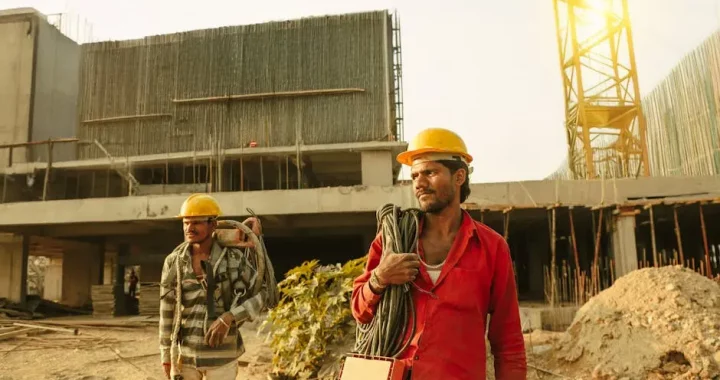
Construction workers repairing a modern roof in Reykjavík, highlighting teamwork and safety.

Understand New York’s Workers’ Compensation Requirements

In New York, having a comprehensive understanding of the workers’ compensation requirements is pivotal for your roofing business. State law mandates that all businesses with employees must have workers’ compensation insurance, and this includes roofers. Exceptions are rare, so it’s wise to familiarize yourself with who must be covered to avoid penalties.

The process of comprehending these requirements can be streamlined by consulting with experts who have hands-on experience with New York’s specific regulations. This ensures total compliance with the local laws while safeguarding your business from potential legal issues.

Assess the Risks Associated with Roofing

Given the nature of roofing work, which involves high elevations and potentially dangerous equipment, it is prone to a higher incidence of workplace injuries. It’s crucial to identify these risks and evaluate them thoroughly so your insurance policy can adequately mitigate potential liabilities.

By identifying these risks early on, you can introduce preventive measures and training programs to minimize accidents, which may also result in favorable insurance premiums in the long run.

Choose the Right Insurance Provider

Selecting an insurance provider is not just about pricing; it’s about finding a company that offers a robust support system. Working with insurers known for their customer service and straightforward claims process can make all the difference when dealing with an incident.

A good provider will not only offer comprehensive workers’ compensation insurance for roofers but will also ensure that the coverage aligns with your specific business needs. This tailored service guarantees you get the best value for your investment.

Tailor Your Policy to Your Business Needs

No two roofing companies are alike. Whether you specialize in commercial, residential, or industrial roofing, your insurance needs will vary. By tailoring your insurance policy, you ensure that your unique risks are covered, providing peace of mind to you and your employees.

Collaborate with your insurance provider to craft a policy that considers your business’s specific operational scope and risk factors. This approach not only offers adequate protection but also potentially reduces unnecessary costs from overlapping coverages.

Regularly Review and Update Your Coverage

Over time, your business dynamics will change. Whether it’s an expansion of services or a shift in the number of employees, ensuring that you regularly update your insurance policy is crucial. This diligence keeps you compliant with evolving laws and fully protected against new risks.

Frequent reviews with your insurer not only safeguard your business but also adapt your coverage to new challenges and opportunities that arise in the ever-changing landscape of roofing.

Final Thoughts on Workers’ Compensation Insurance for Roofers

Securing the right workers’ compensation insurance coverage in New York is an essential step to protecting both your employees and your business. By understanding the requirements, choosing the right policy, and working with an expert, you can ensure peace of mind while focusing on what you do best—providing excellent roofing services.

BGES Group is a leading Construction Insurance specialist serving New York, New Jersey, and Connecticut. We represent over 25 top-rated insurance carriers, providing access to the best general liability and umbrella liability programs available. Our comprehensive coverage options include property, builders’ risk, inland marine, general liability, umbrella liability, commercial auto, bid and performance bonds, workers’ compensation, New York State disability, and group health. Beyond offering policies, we pride ourselves on being highly accessible—by call, text, or email—even on weekends—so you always have a trusted partner to help you navigate any insurance challenge.

We are also Workers’ Compensation specialists for tri-state business owners. Whether you are dealing with high premiums, policy cancellations, difficulty obtaining coverage due to losses, audit disputes, or payroll misclassification issues, we can help. We offer specialized programs for industries including auto services, contractors (especially in New York), limousine services, logistics companies, manufacturers, recyclers, and trucking operations. As a “Preferred Agent” for a select workers’ compensation program, we can often secure highly competitive pricing, long-term stability, and multi-state coverage for qualified clients—while also simplifying the audit process and reducing the burden of annual audits.

Contact Us:
Gary Wallach
Phone: 914-806-5853 (Direct)
Email: bgesgroup@gmail.com

Website: www.bgesgroup.com

New York Labor Law 241(6): The Hidden Risk That Contractors Can’t Afford to Ignore

When most New York contractors think about Labor Law exposure, their minds immediately go to falls and the well-known “Scaffold Law.” But there’s another statute quietly driving a significant number of claims—and it’s often misunderstood until it’s too late: New York Labor Law § 241(6).

Unlike other Labor Law provisions, Section 241(6) introduces a unique and dangerous layer of liability tied directly to compliance with the New York Industrial Code. For contractors, this means that even minor safety violations can become the foundation for major lawsuits.

What Makes Labor Law 241(6) Different?

At its core, Labor Law 241(6) requires that construction, excavation, and demolition work areas be constructed, operated, and maintained in a way that provides “reasonable and adequate protection and safety” to workers.

However, what makes this law particularly challenging is that liability is not based on general safety standards—it is based on specific violations of the New York Industrial Code.

In other words, a plaintiff must point to a precise regulation that was violated. But once they do, the case can quickly become difficult to defend.

The Role of the Industrial Code

The New York Industrial Code is a detailed set of safety regulations covering nearly every aspect of construction operations. These rules address everything from ladder placement and scaffold construction to housekeeping and debris removal.

Some of the most commonly cited sections include:

  • Improper ladder use or unsecured ladders
  • Slippery or obstructed work surfaces
  • Inadequate fall protection
  • Unsafe equipment operation
  • Poor housekeeping practices

The reality is that most job sites—especially fast-moving ones—have technical violations at some point. Under Labor Law 241(6), those small issues can become the basis of a claim.

Not Absolute Liability—But Close Enough

Unlike New York Labor Law § 240, which imposes absolute liability, Labor Law 241(6) is considered a comparative negligence statute.

This means that:

  • A contractor or owner can argue that the injured worker was partially at fault
  • Damages may be reduced based on the worker’s percentage of fault

However, this does not eliminate exposure. Even if a worker is found 50% responsible, the contractor or owner can still be liable for the remaining 50% of damages—which can be substantial in serious injury cases.

Who Is Liable?

Labor Law 241(6) applies primarily to:

  • Property owners
  • General contractors
  • Construction managers (in certain cases)

Subcontractors are typically not directly liable under this statute unless they have been delegated authority over the work or safety conditions.

This creates a familiar and frustrating situation: the parties least involved in the actual work are often the ones facing the lawsuit.

Why This Law Is Frequently Overlooked

Many contractors focus heavily on fall protection due to Labor Law 240 but underestimate the reach of 241(6). That’s a mistake.

Here’s why this law flies under the radar:

  • It requires knowledge of specific Industrial Code sections
  • Violations can seem minor or technical
  • It doesn’t sound as severe as “absolute liability”
  • It often gets added to lawsuits alongside other claims

Yet in practice, 241(6) claims are extremely common and can significantly increase the complexity and cost of litigation.

Insurance Implications: Where Things Get Complicated

From an insurance standpoint, Labor Law 241(6) claims can trigger multiple policies and layers of coverage.

Key considerations include:

General Liability Coverage

Most claims are initially handled under general liability policies. However, coverage depends on:

  • Proper classification of work
  • Absence of restrictive exclusions
  • Correct policy wording

Some carriers have tightened underwriting guidelines around New York construction risks, making coverage more difficult to secure.

Additional Insured Coverage

If subcontractors are involved, upstream parties rely heavily on additional insured status.

But here’s the catch:
If the subcontractor did not violate the Industrial Code—or if their policy is not properly structured—coverage disputes can arise quickly.

Excess and Umbrella Policies

Given the severity of potential injuries, excess and umbrella policies are often triggered. However, inconsistencies between underlying and excess policies can create gaps in coverage.

Real-World Claim Scenarios

To understand how Labor Law 241(6) plays out, consider these common examples:

  • A worker slips on debris left in a walkway—triggering a housekeeping violation
  • A ladder shifts because it was not properly secured—leading to a fall
  • Tools are improperly stored, creating a tripping hazard
  • A worker is injured due to inadequate lighting in a work area

In each case, the injury may not involve a dramatic fall from height—but a specific Industrial Code violation can still create liability.

How Contractors Can Protect Themselves

While Labor Law 241(6) cannot be avoided, its impact can be managed with the right approach.

1. Strengthen Job Site Safety Practices

Strict adherence to Industrial Code requirements is critical. This includes:

  • Regular site inspections
  • Clear housekeeping protocols
  • Proper equipment setup and maintenance

2. Implement Strong Subcontractor Controls

Subcontractors should be required to:

  • Follow all safety regulations
  • Maintain proper insurance coverage
  • Agree to indemnification provisions

3. Verify Insurance Coverage Thoroughly

Do not rely on certificates alone. Review:

  • Policy endorsements
  • Additional insured language
  • Exclusions related to Labor Law claims

4. Work with Specialized Advisors

New York construction risks require expertise. Contractors benefit from working with professionals who understand how Labor Law claims are litigated and insured.

Final Thoughts

Labor Law 241(6) may not get the same attention as other statutes, but it is a powerful and frequently used tool in construction litigation. Its reliance on specific Industrial Code violations makes it both technical and dangerous for contractors who are not fully prepared.

In New York, where the legal environment is already challenging, overlooking this law can lead to significant financial exposure. The key is awareness, preparation, and a disciplined approach to both safety and risk transfer.


BGES Group is a leading Construction Insurance specialist serving New York, New Jersey, and Connecticut. We represent over 25 top-rated insurance carriers, providing access to the best general liability and umbrella liability programs available. Our comprehensive coverage options include property, builders’ risk, inland marine, general liability, umbrella liability, commercial auto, bid and performance bonds, workers’ compensation, New York State disability, and group health. Beyond offering policies, we pride ourselves on being highly accessible—by call, text, or email—even on weekends—so you always have a trusted partner to help you navigate any insurance challenge.

We are also Workers’ Compensation specialists for tri-state business owners. Whether you are dealing with high premiums, policy cancellations, difficulty obtaining coverage due to losses, audit disputes, or payroll misclassification issues, we can help. We offer specialized programs for industries including auto services, contractors (especially in New York), limousine services, logistics companies, manufacturers, recyclers, and trucking operations. As a “Preferred Agent” for a select workers’ compensation program, we can often secure highly competitive pricing, long-term stability, and multi-state coverage for qualified clients—while also simplifying the audit process and reducing the burden of annual audits.

Contact Us:
Gary Wallach
Phone: 914-806-5853 (Direct)
Email: bgesgroup@gmail.com
Website: www.bgesgroup.com

Office Location:
216A Larchmont Acres West
Larchmont, NY 10538

Key Insights into Professional Liability Insurance for Contractors

Navigating the world of insurance can often feel daunting, especially for contractors who need to continuously assess risk while staying protected from potential liabilities. Professional liability insurance is a crucial component of this safety net, and understanding its nuances can safeguard your business effectively. In this post, we aim to break down the key aspects of professional liability insurance, tailored specifically for contractors.

Close-up image of an insurance policy with a magnifying glass, money, and toy car.

Understanding Professional Liability Insurance

Professional liability insurance, often known as errors and omissions insurance, is designed to protect contractors or businesses from claims of inadequate work or negligent actions. It’s essential for anyone whose or business undertakings could potentially result in a lawsuit.

At the core of professional liability insurance is the concept of protection against claims stemming from professional errors, malpractice, or misrepresentation. Contractors, in particular, operate in sectors where mistakes can have significant repercussions, sometimes leading to costly legal battles. Coverage typically includes legal defense costs, settlements, or judgments, ensuring that such financial burdens do not derail your operations. The policy is especially crucial for those involved in the construction, design, or consultancy sectors, where projects are complex, regulations are strict, and the margin for error is slim.

Understanding the distinction between general liability and professional liability insurance is vital. While the former covers physical damages and personal injury, professional liability zeroes in on financial harm due to professional faults. As professionals are held to industry standards, failure to meet these expectations can lead to significant claims. This policy acts as a safeguard, underpinning the importance of quality, responsibility, and precision in every project.

Why Contractors Need It

Contractors uniquely operate in environments where even a slight error can result in significant financial loss. Professional liability insurance is a safety net that ensures you or your business are protected against such situations, preserving both finances and reputation.

The nature of contracting work involves an inherent level of risk, with unforeseen events potentially leading to disputes, claims, or lawsuits. A missed deadline, a design flaw, or even a misunderstanding with a client can escalate into a costly legal issue. Professional liability insurance provides a buffer against these risks, offering peace of mind and the ability to focus on delivering quality work. For many contractors, this insurance is not just a precaution but a foundational element of their business strategy, ensuring that operations can continue uninterrupted even in the face of potential litigation.

Key Coverage Features to Consider

When evaluating insurance policies, contractors should particularly look out for elements such as coverage limits, policy exclusions, and whether defense costs are included. These features will directly impact the policy’s effectiveness in protecting your business.

In addition to the basic essentials, contractors should consider customizable features that address specific needs unique to their operations. For example, some policies might offer crisis management support or coverage for subcontractors, enhancing the scope and effectiveness of the policy. Evaluating whether a policy covers prior acts is another crucial step, especially for those involved in long-term projects. Furthermore, considering the retroactive date, which covers services rendered prior to the policy’s commencement date, can be a strategic addition. By carefully analyzing these features, contractors can tailor their professional liability insurance policies to their specific requirements and operational scope.

Mistakes to Avoid When Choosing a Policy

Common pitfalls include underestimating coverage needs, overlooking exclusions, and not comparing multiple quotes. Avoiding these mistakes ensures that you select the best policy for your specific contracting needs.

Another frequent mistake is failing to continuously review and update the insurance policy in line with business growth or operational changes. As your contracting business expands or shifts focus, the risks you face may evolve, necessitating an adjustment in your coverage. Failing to do so could leave critical gaps in protection. Additionally, contractors should actively engage with their insurance advisors to understand intricate policy conditions, resolving ambiguities, and ensuring full comprehension of all terms. This proactive approach mitigates misunderstandings and enhances the policy’s protective capabilities.

Budgeting for Professional Liability Insurance

Cost is a critical consideration. By understanding factors that influence premium rates—such as the type of work you do and potential risks—you can set a realistic budget that ensures comprehensive protection without financial strain.

One of the primary influencers of insurance premiums is the nature and scope of the contracted work. High-risk industries or projects with significant complexity naturally attract higher insurance costs. However, by proactively managing risks and demonstrating a strong commitment to safety, contractors can often negotiate better rates. Implementing effective risk management strategies not only reduces potential hazards but also positions you as a lower risk in the eyes of insurers, which can lead to reduced premiums. Moreover, taking the time to shop around and compare different policy offers can yield significant cost savings over time.

Safeguarding Your Business with the Right Coverage

Well-informed choices regarding professional liability insurance can significantly reduce risks and provide peace of mind for contractors. By understanding what coverage you need, how policies work, and the potential costs and benefits, you can confidently protect your business against unexpected challenges. Make sure to consult with an insurance advisor to tailor a plan that fits your specific needs. Visit our homepage to learn more about how we can help protect your business.

BGES Group is a leading Construction Insurance specialist serving New York, New Jersey, and Connecticut. We represent over 25 top-rated insurance carriers, providing access to the best general liability and umbrella liability programs available. Our comprehensive coverage options include property, builders’ risk, inland marine, general liability, umbrella liability, commercial auto, bid and performance bonds, workers’ compensation, New York State disability, and group health. Beyond offering policies, we pride ourselves on being highly accessible—by call, text, or email—even on weekends—so you always have a trusted partner to help you navigate any insurance challenge.

We are also Workers’ Compensation specialists for tri-state business owners. Whether you are dealing with high premiums, policy cancellations, difficulty obtaining coverage due to losses, audit disputes, or payroll misclassification issues, we can help. We offer specialized programs for industries including auto services, contractors (especially in New York), limousine services, logistics companies, manufacturers, recyclers, and trucking operations. As a “Preferred Agent” for a select workers’ compensation program, we can often secure highly competitive pricing, long-term stability, and multi-state coverage for qualified clients—while also simplifying the audit process and reducing the burden of annual audits.

Contact Us:
Gary Wallach
Phone: 914-806-5853 (Direct)
Email: bgesgroup@gmail.com

Website: www.bgesgroup.com

Office Location:
216A Larchmont Acres West
Larchmont, NY 10538
 

7 Factors Impacting Contractor Liability Insurance Cost

Navigating the world of contractor liability insurance can feel daunting, but understanding the factors that influence its cost can make it much simpler. In this guide, we’ll break down the key considerations that affect how much you might pay for your contractor liability insurance. Let’s dive into the elements that can impact your insurance premiums and help you better manage your coverage.

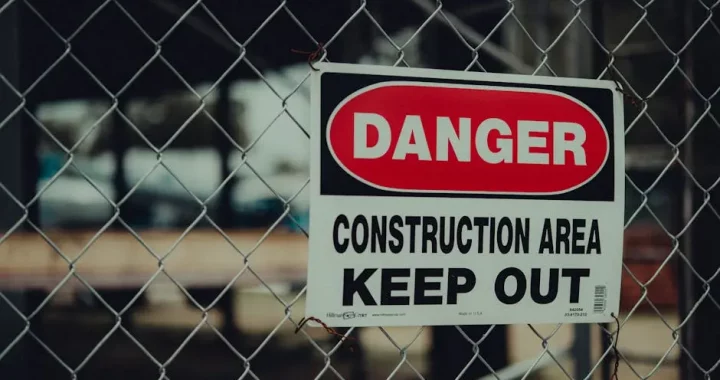
Close-up of a warning sign on a chain link fence at a construction site indicating danger.

1. Business Type and Scope

The nature and scope of your contracting business play a significant role in determining your insurance premiums. Companies that operate in higher-risk industries or offer services that are prone to claims generally face higher costs compared to those involved in less risky activities. For instance, a roofing contractor faces a different set of risks compared to a home improvement consultant. It’s not just about the type of work, but also about the scale; a business working on large commercial projects may have higher premiums than a small residential service. Understanding this aspect can assist you in choosing a business model that aligns with your financial strategies.

Furthermore, the degree of specialization in your services could also affect your insurance costs. Offering niche or specialized services may attract more attention from insurers due to the perceived risks involved. It’s crucial to communicate clearly with your insurance provider about your business specifics to ensure you get coverage that truly reflects your operational needs. Additionally, diversifying your service offerings may not only lower costs but also provide a buffer against market fluctuations.

2. Experience and Claims History

Your track record speaks volumes. A business with a history of frequent claims or less experience in the industry may be quoted higher premiums. Conversely, a clean claims history and extensive experience can help lower your insurance costs. Experienced contractors demonstrate reliability and confidence in managing projects, which may attract more favorable terms from insurers. If you’re new to the industry, consider mentorship or partnership opportunities that can bolster your credibility and potentially reduce costs.

Maintaining a clean claims history involves meticulous documentation of past projects and learned lessons, which can mitigate future issues and ease the path toward lower premiums. Engaging in industry best practices and regularly training your team on safety protocols can help maintain a clean record. Investing in staff training and professional development not only reduces potential risks but also enhances the reputation of your business.

3. Location of Operations

Where you operate your business can impact your insurance rates. Areas with higher crime rates or more stringent state regulations may result in higher premiums. Understanding how your location affects your insurance can help you plan better. For example, urban areas with higher crime statistics might result in higher premiums compared to rural zones. Additionally, state-specific regulations can vary widely, affecting everything from mandatory coverage types to minimum policy requirements.

Accessibility and environmental factors also come into play. Coastal regions prone to natural disasters may necessitate additional coverage types, thus increasing costs. Conversely, establishing operations in less risky or more business-friendly environments can result in premium savings. Being proactive by adopting effective security measures, such as surveillance systems or security staff, can not only enhance safety but also potentially lower your insurance costs.

4. Coverage Limits and Deductibles

The limits and deductibles of your insurance policy are crucial. Higher coverage limits generally mean higher premiums, but opting for a higher deductible can sometimes lower your upfront costs. It’s about finding the right balance for your business needs. A higher deductible means you’ll pay more out-of-pocket in the event of a claim, but it also results in lower regular premiums.

Choosing coverage limits involves assessing the scale and nature of your operations. Contractors working on large-scale projects might need higher limits to ensure adequate protection against potential claims. Regularly reviewing your coverage limits and deductibles is a savvy business practice, allowing adjustments as your business and the industry landscape change. Collaborating with a knowledgeable insurance agent can provide insights tailored to your specific business dynamics, ensuring comprehensive coverage without unnecessary expenditure.

5. Type and Value of Equipment Used

The type of equipment you use and its value can influence your insurance costs. Heavy-duty or high-value equipment may require more extensive coverage, leading to higher premiums. It’s important to perform regular assessments of your equipment’s value and condition. By maintaining your machinery properly and keeping detailed records, you can negotiate better premiums.

Regularly servicing your equipment not only prolongs its life but also mitigates risks associated with its operation. Consider investing in modern, efficient machinery to not only improve project efficacy but potentially reduce insurance costs. Features such as enhanced safety mechanisms, better fuel efficiency, and reduced carbon footprint not only offer operational benefits but also present opportunities for insurance savings through perceived risk reduction.

6. Workforce Size and Complexity

The size and skill level of your workforce can impact your insurance premiums. Larger teams or those with more specialized skills may require additional coverage, thus leading to increased costs. It’s crucial to weigh the benefits of a larger team against the potential risk and added insurance expenses. Specialized training offers numerous benefits, including operational efficiency and potential insurance savings.

Implementing robust safety training programs and retaining experienced workers can result in insurance benefits. Prioritizing safety and skill development can reduce accident-related claims, subsequently lowering your premiums. Establishing a culture of communication and frequent safety reviews ensures that everyone is aware of protocols, reducing on-the-job accidents and protecting your insurance standing.

7. Financial Status and Creditworthiness

Your company’s financial health can also play a role in insurance pricing. A good credit score and stable financial status can potentially lower your premiums, as they indicate financial reliability to insurers. Creditworthiness reflects how well you manage your business obligations and can influence an insurer’s perception of risk associated with underwriting your policy.

Ways to improve your creditworthiness include timely payments to suppliers, reducing outstanding debts, and demonstrating fiscal responsibility. Regularly reviewing your financial statements and credit reports can help maintain transparency, offering a clear financial picture to potential insurers. A well-structured financial plan boosts confidence and supports better negotiation for insurance terms. It’s also beneficial to engage with financial advisors who can provide strategies to enhance your business’s economic resilience.

BGES Group is a leading Construction Insurance specialist serving New York, New Jersey, and Connecticut. We represent over 25 top-rated insurance carriers, providing access to the best general liability and umbrella liability programs available. Our comprehensive coverage options include property, builders’ risk, inland marine, general liability, umbrella liability, commercial auto, bid and performance bonds, workers’ compensation, New York State disability, and group health. Beyond offering policies, we pride ourselves on being highly accessible—by call, text, or email—even on weekends—so you always have a trusted partner to help you navigate any insurance challenge.

We are also Workers’ Compensation specialists for tri-state business owners. Whether you are dealing with high premiums, policy cancellations, difficulty obtaining coverage due to losses, audit disputes, or payroll misclassification issues, we can help. We offer specialized programs for industries including auto services, contractors (especially in New York), limousine services, logistics companies, manufacturers, recyclers, and trucking operations. As a “Preferred Agent” for a select workers’ compensation program, we can often secure highly competitive pricing, long-term stability, and multi-state coverage for qualified clients—while also simplifying the audit process and reducing the burden of annual audits.

Contact Us:
Gary Wallach
Phone: 914-806-5853 (Direct)
Email: bgesgroup@gmail.com

Website: www.bgesgroup.com

Office Location:
216A Larchmont Acres West
Larchmont, NY 10538

8 Common Contractor Insurance Requirements and How to Meet Them

Navigating the world of contractor insurance can often feel daunting, but understanding common requirements is the first step to protecting your business. Dive into these key areas to ensure you’re fully covered.

1. Understanding General Liability Insurance

General liability insurance is often seen as the cornerstone of contractor coverage. It protects against third-party claims of bodily injury or property damage, ensuring peace of mind on the job. This type of insurance is particularly critical for contractors who regularly interact with clients and the public, as it covers legal fees and medical expenses resulting from accidents on your premises or arising from your work. Imagine you’re remodeling a client’s kitchen, and a visitor slips on the floor; this is where general liability insurance steps in, offering a safety net for unexpected incidents.

Moreover, general liability insurance often includes coverage for products-completed operations, which is vital for contractors. This means that if your completed work causes a problem—for instance, a faulty installation causing a leak—it would typically be covered. This level of coverage ensures that your business can withstand the financial strains of such claims. Contractors can better navigate potential risks by understanding the finer details of general liability insurance.

2. The Importance of Workers’ Compensation

Workers’ compensation insurance is crucial for any contractor with employees. It covers medical expenses and lost wages if a worker is injured on the job, keeping you compliant with state laws. Ensuring your workers are safe and taken care of is not only a legal responsibility but also a moral one. Providing a reliable safety net through workers’ compensation can enhance team morale and productivity, ultimately benefiting your business operations.

Every state has its own requirements for workers’ compensation, but in general, it addresses employee needs swiftly, reducing downtime due to workplace incidents. Imagine a situation where a worker is injured while handling heavy machinery. With proper workers’ compensation, you can avoid disputes and ensure a transparent process of care and support. This approach not only aligns with legal obligations but also fosters a motivated, secure workforce.

3. Commercial Auto Insurance Essentials

For contractors using vehicles for work, commercial auto insurance protects against accidents and liability claims, ensuring your fleet is always on the move. This type of insurance is especially important when you consider the transportation of tools and materials, or when your employees drive company vehicles to job sites. Not having the right coverage could result in significant out-of-pocket expenses, if an accident occurs.

Commercial auto insurance extends beyond basic vehicle repairs following an accident—it can also cover damages resulting from vandalism or theft. For example, if an essential piece of equipment is stolen from your truck, having the right coverage can mitigate that loss. Investing in robust commercial auto insurance is a proactive step towards safeguarding your business assets while maintaining operational continuity.

4. Protecting Equipment with Inland Marine Insurance

Inland marine insurance covers tools and equipment transported between job sites. This safeguard keeps your valuable assets protected from theft or damage. Contractors often find themselves moving expensive tools and machinery, and any damage or loss before they’re used on a project can be a significant setback. This coverage ensures that if such unfortunate events occur, your business can quickly recover without substantial financial loss.

Inland marine insurance doesn’t only cover transport-related incidents. It also protects against events like equipment theft from a job site overnight or during a weekend. Think of it as an extension of your commercial property insurance, providing specialized coverage designed for the unique situations contractors face daily. Understanding inland marine insurance helps you see its value more clearly, ensuring you choose the best policies for your business needs.

5. Why Umbrella Insurance is a Smart Move

Umbrella insurance provides extra liability coverage beyond your existing policies. This buffer is essential for large claims, giving your business additional security. In scenarios where claims soar past the limits of your standard liability policies, umbrella insurance kicks in, covering the overflow. This can be particularly reassuring in today’s litigious society, where lawsuit claims can be unexpectedly high.

Umbrella insurance is especially beneficial if your business involves high-risk activities or if you’re working on large-scale projects with substantial liability exposure. By offering extended coverage, umbrella insurance ensures that your business can face even the most severe claims without debilitating financial strain. It’s about preparing for the unexpected, an approach that underscores your commitment to comprehensive risk management.

6. Meeting Contractual Liability Requirements

Many contracts require contractors to carry specific liability insurance. Understanding these requirements ensures you’re always ready to sign on the dotted line. Often, clients or project owners will specify the types and limits of insurance necessary, reflecting the scope and risks associated with the project. Being well-versed in these requirements not only smoothens the contract negotiation process but also cements trust with your clients.

Staying compliant with varied contractual liability specifications can be daunting. It requires diligence in insurance policy management and often involves discussions with your insurance provider to tailor coverage to each contract. By meeting these requirements proactively, you showcase professionalism and reliability, two qualities that play a significant role in securing and maintaining client relationships.

7. Why Professional Liability Insurance Matters

Also known as errors and omissions insurance, professional liability covers claims of negligence or mistakes in your work. This policy is crucial for maintaining trust with clients. In fields where even minor errors can lead to significant financial repercussions—for example, incorrect measurements or design flaws—this insurance offers crucial financial protection.

Having professional liability insurance not only protects the financial health of your business but also enhances your business’s credibility. Clients are often reassured knowing that you’re covered for potential mishaps, which reflects your commitment to accountability. Understanding professional liability is essential for any contractor aspiring to build a reputable presence in their industry.

8. Navigating Builder’s Risk Insurance

Builder’s risk insurance is a specific policy that covers property while under construction. It’s important for protecting work sites from unforeseen events like fires or storms. This policy not only protects the existing structure but also construction materials and temporary structures such as scaffolding, providing comprehensive coverage throughout the building phase.

This insurance is essential for projects that involve significant investment and where site damage can lead to substantial financial loss. For contractors, it’s a way to protect their project and investment from disaster, ensuring that the path to completion, though uncertain, is covered. Understanding the nuances of builder’s risk insurance empowers contractors to make informed decisions and guarantees peace of mind during the construction process.

BGES Group is a leading Construction Insurance specialist serving New York, New Jersey, and Connecticut. We represent over 25 top-rated insurance carriers, providing access to the best general liability and umbrella liability programs available. Our comprehensive coverage options include property, builders’ risk, inland marine, general liability, umbrella liability, commercial auto, bid and performance bonds, workers’ compensation, New York State disability, and group health. Beyond offering policies, we pride ourselves on being highly accessible—by call, text, or email—even on weekends—so you always have a trusted partner to help you navigate any insurance challenge.

We are also Workers’ Compensation specialists for tri-state business owners. Whether you are dealing with high premiums, policy cancellations, difficulty obtaining coverage due to losses, audit disputes, or payroll misclassification issues, we can help. We offer specialized programs for industries including auto services, contractors (especially in New York), limousine services, logistics companies, manufacturers, recyclers, and trucking operations. As a “Preferred Agent” for a select workers’ compensation program, we can often secure highly competitive pricing, long-term stability, and multi-state coverage for qualified clients—while also simplifying the audit process and reducing the burden of annual audits.

Contact Us:
Gary Wallach
Phone: 914-806-5853 (Direct)
Email: bgesgroup@gmail.com

Website: www.bgesgroup.com

Office Location:
216A Larchmont Acres West
Larchmont, NY 10538
 

Subcontractor Risk Transfer in New York: Contracts That Actually Protect Contractors

In New York construction, few things are more important—and more misunderstood—than subcontractor risk transfer. Many contractors assume that hiring a subcontractor automatically shifts liability away from them. Unfortunately, under New York Labor Law, that assumption can be financially devastating.

Without the right contracts and insurance requirements in place, general contractors and construction managers can find themselves fully exposed to claims arising from subcontractor work—especially in Labor Law cases involving serious injuries. The good news is that with the proper structure, subcontractor risk transfer can be one of the most powerful tools a contractor has to protect their business.

Why Risk Transfer Matters More in New York

New York is unique due to its strict Labor Law environment. When an injury occurs on a job site, owners and general contractors are often the primary targets of lawsuits—even if they had nothing to do with the incident. This makes it critical to push risk downstream to the subcontractors actually performing the work.

However, simply “intending” to transfer risk is not enough. Courts and insurance carriers rely on written contracts and actual insurance policies—not verbal agreements or assumptions.

The Foundation: A Strong Indemnification Agreement

The first and most important component of risk transfer is a properly drafted indemnification (hold harmless) agreement.

This agreement should clearly state that the subcontractor agrees to:

  • Defend
  • Indemnify
  • Hold harmless

the general contractor, owner, and any other required parties from claims arising out of the subcontractor’s work.

However, New York law places limits on indemnification. Agreements cannot require a subcontractor to indemnify a party for that party’s own negligence. Because of this, the wording must be carefully crafted to be enforceable.

A well-written indemnification clause will tie responsibility to the subcontractor’s work, operations, or negligence—while complying with New York’s anti-indemnity statutes.

Insurance Requirements: Where Most Contractors Get It Wrong

Even the best indemnification agreement is only as strong as the subcontractor’s ability to back it up financially. That’s where insurance comes in—and where many contractors make critical mistakes.

Here are the key insurance requirements that should always be included in subcontract agreements:

1. Additional Insured Status

The subcontractor must name the general contractor and owner as additional insureds on their general liability policy.

This is not just a formality. Additional insured status allows the upstream parties to access the subcontractor’s insurance coverage directly in the event of a claim.

Just as important, the endorsement used matters. Contractors should require ongoing and completed operations coverage, not just blanket or limited forms that may restrict protection.

2. Primary and Non-Contributory Wording

The subcontractor’s policy should be primary and non-contributory. This ensures that their insurance responds first, without seeking contribution from the general contractor’s policy.

Without this wording, you may have coverage—but still end up sharing the loss with your own insurance, which can lead to higher premiums and loss history issues.

3. Waiver of Subrogation

A waiver of subrogation prevents the subcontractor’s insurance carrier from going after the general contractor or owner after paying a claim.

Without this, even if a claim is paid by the subcontractor’s policy, their carrier could attempt to recover those costs from you later.

4. Adequate Limits

Minimum limits should be clearly defined—typically at least:

  • $1,000,000 per occurrence
  • $2,000,000 general aggregate

Depending on the job size and risk, higher limits or umbrella coverage may be required.

Article content

Certificates of Insurance Are Not Enough

One of the biggest mistakes contractors make is relying solely on certificates of insurance (COIs).

A certificate is not a contract and does not guarantee coverage. It is simply evidence that a policy exists on the date it was issued.

To truly protect yourself, you must:

  • Review the actual endorsements
  • Confirm additional insured status
  • Verify primary & non-contributory wording
  • Ensure waiver of subrogation is included

Failing to do this can result in denied coverage when you need it most.

The Role of “Hard” vs. “Soft” Risk Transfer

Risk transfer enforcement often falls into two categories:

Hard Risk Transfer

This approach requires strict compliance before work begins. No subcontractor is allowed on-site until:

  • Contract is signed
  • Insurance requirements are met
  • Documentation is fully reviewed

This is the most effective method but requires discipline and administrative oversight.

Soft Risk Transfer

This approach allows subcontractors to begin work while paperwork is still pending.

While more flexible, it creates significant exposure. If a loss occurs before compliance is confirmed, the contractor may have little to no protection.

In New York, where claims can reach millions of dollars, relying on soft risk transfer is a gamble that rarely pays off.

Common Mistakes That Lead to Uninsured Losses

Even experienced contractors fall into these traps:

  • Using generic subcontract agreements that are not tailored to New York law
  • Accepting certificates without reviewing endorsements
  • Failing to require completed operations coverage
  • Not enforcing compliance before work begins
  • Assuming long-term subcontractors are “already covered”

Each of these mistakes can lead to denied claims, coverage disputes, and significant out-of-pocket costs.

Building a System That Works

Effective risk transfer is not just about paperwork—it’s about process.

Successful contractors implement systems that include:

  • Standardized subcontract agreements
  • Clear insurance requirement checklists
  • Internal review procedures
  • Ongoing compliance tracking

Many also work closely with specialized insurance advisors who understand New York construction risks and can help structure programs that align with real-world exposures.

Final Thoughts

In New York construction, subcontractor risk transfer is not optional—it is essential. The difference between a properly structured agreement and a loosely enforced one can mean the difference between a fully covered claim and a catastrophic financial loss.

Contracts must be enforceable. Insurance must be verified. And compliance must be consistent.

Anything less leaves the door open to risk that no contractor can afford to take.


BGES Group is a leading Construction Insurance specialist serving New York, New Jersey, and Connecticut. We represent over 25 top-rated insurance carriers, providing access to the best general liability and umbrella liability programs available. Our comprehensive coverage options include property, builders’ risk, inland marine, general liability, umbrella liability, commercial auto, bid and performance bonds, workers’ compensation, New York State disability, and group health. Beyond offering policies, we pride ourselves on being highly accessible—by call, text, or email—even on weekends—so you always have a trusted partner to help you navigate any insurance challenge.

We are also Workers’ Compensation specialists for tri-state business owners. Whether you are dealing with high premiums, policy cancellations, difficulty obtaining coverage due to losses, audit disputes, or payroll misclassification issues, we can help. We offer specialized programs for industries including auto services, contractors (especially in New York), limousine services, logistics companies, manufacturers, recyclers, and trucking operations. As a “Preferred Agent” for a select workers’ compensation program, we can often secure highly competitive pricing, long-term stability, and multi-state coverage for qualified clients—while also simplifying the audit process and reducing the burden of annual audits.

Contact Us: Gary Wallach Phone: 914-806-5853 (Direct) Email: bgesgroup@gmail.com Website: www.bgesgroup.com

Office Location: 216A Larchmont Acres West Larchmont, NY 10538

15 Reasons Construction Insurance is Crucial for Your Next Big Project

Embarking on a big construction project can be an exciting journey filled with opportunities and challenges. To ensure a smooth process and protect your investment, one essential element you cannot overlook is construction insurance. Let’s explore why this aspect is crucial for your next big venture.

Industrial construction site with workers in high visibility clothing at a steel framework structure.

1. Protection Against Unexpected Damages

Construction projects can often face unexpected damages due to natural disasters, vandalism, or accidents. Insurance helps cover these unforeseen events, protecting your investment from costly setbacks. Imagine a scenario where a rogue storm hits your site, causing structural damages. With the right insurance, such mishaps won’t derail your project. Instead, you’ll have the peace of mind knowing that recovery costs are covered, allowing you to swiftly get back on track.

Furthermore, construction sites are sometimes targets for theft, where costly tools and materials might go missing. A comprehensive insurance policy ensures that these financial blows are lessened, preserving your budget and timeline. This financial cushion allows you to focus on what you excel at—bringing your construction vision to life.

2. Ensuring Workforce Safety

Worker safety is paramount on construction sites. Adequate insurance provides for workers’ compensation, ensuring injured employees receive the necessary medical attention without financial strain on the project. This not only helps in catering to the employees’ welfare but also boosts morale on site. Workers are more likely to perform their duties diligently when they know they are protected against accidents.

In scenarios where serious injuries occur, having robust insurance policies makes a significant difference. It ensures the injured party receives adequate support while the company maintains a solid financial footing. This approach leads to a harmonious work environment, ultimately resulting in more efficient and effective project execution.

3. Liability Coverage

From slips to more serious incidents, liability insurance safeguards your project against claims of property damage or injuries to third parties, shielding you from potentially crippling lawsuits. In the construction sector, where constant movement and heavy machinery are at play, accidents are a realistic possibility. Liability insurance acts as a financial safety net, helping manage and mitigate risks effectively.

Without appropriate insurance coverage, a single mishap could result in legal battles stretching over months, or even years. Such distractions can be detrimental to the original vision of your project. Ensuring you have liability insurance in place keeps such distractions at bay, allowing you to remain focused and productive while navigating your construction endeavors.

4. Financial Security for Project Delays

Delays can significantly impact a project’s budget. Insurance can cover financial losses incurred from postponed timelines, helping keep the project on track financially. Unforeseen circumstances such as weather conditions, material shortages, or a pandemic can lead to interruptions. Having insurance eases the financial burden of such delays, allowing projects to progress smoothly even when unexpected hiccups occur.

Moreover, financial security from insurance becomes a crucial aspect when dealing with subcontractors and suppliers, as confidence in the continuation of work remains steady. Insurance fosters a robust financial foundation, ensuring that setbacks do not verge into catastrophic territory, thereby protecting your investment.

Many jurisdictions mandate certain insurance policies for construction projects. Ensuring compliance not only avoids legal troubles but also showcases your commitment to best practices. Different geographic areas have varied legal requirements, and non-compliance can result in heavy fines and ceasing of operations. On the brighter side, compliance underscores your dedication to lawful and ethical construction practices, fortifying your reputation in the industry.

In addition to avoiding penalties, compliance with insurance requirements facilitates smoother interactions with clients and business partners, as it demonstrates thorough professionalism and preparedness. This legal adherence serves as a testament to your foresight, equipping you with the trust and loyalty of both clients and peers in the construction domain.

6. Protecting Equipment and Materials

Insurance can cover the loss or damage of expensive equipment and construction materials, which are vital to the completion of your project. Construction tools and machinery represent a considerable portion of your project’s budget, and any damage or theft can lead to significant financial loss. A tailored insurance policy provides a safety net, offering compensation that aids in the repair or replacement of these essential assets.

Protection of these resources becomes notably vital when operating under tight project deadlines. Insurance keeps the project timeline undisturbed by covering sudden replacement needs, enabling the continuation of work without pause. As a result, your project stays on track, your team stays equipped, and your investment remains safeguarded.

BGES Group is a leading Construction Insurance specialist serving New York, New Jersey, and Connecticut. We represent over 25 top-rated insurance carriers, providing access to the best general liability and umbrella liability programs available. Our comprehensive coverage options include property, builders’ risk, inland marine, general liability, umbrella liability, commercial auto, bid and performance bonds, workers’ compensation, New York State disability, and group health. Beyond offering policies, we pride ourselves on being highly accessible—by call, text, or email—even on weekends—so you always have a trusted partner to help you navigate any insurance challenge.

We are also Workers’ Compensation specialists for tri-state business owners. Whether you are dealing with high premiums, policy cancellations, difficulty obtaining coverage due to losses, audit disputes, or payroll misclassification issues, we can help. We offer specialized programs for industries including auto services, contractors (especially in New York), limousine services, logistics companies, manufacturers, recyclers, and trucking operations. As a “Preferred Agent” for a select workers’ compensation program, we can often secure highly competitive pricing, long-term stability, and multi-state coverage for qualified clients—while also simplifying the audit process and reducing the burden of annual audits.

Contact Us:
Gary Wallach
Phone: 914-806-5853 (Direct)
Email: bgesgroup@gmail.com

Website: www.bgesgroup.com

Office Location:
216A Larchmont Acres West
Larchmont, NY 10538
 

The Real Cost of New York Labor Law §240 (“The Scaffold Law”)

In the world of New York construction, few laws carry more weight—or more financial risk—than New York Labor Law §240, commonly known as the “Scaffold Law.” While many contractors have heard of it, far fewer truly understand how devastating its impact can be on their business. Misunderstanding this law is one of the most expensive mistakes a contractor, subcontractor, or property owner can make.

At its core, Labor Law §240 was designed to protect workers from gravity-related injuries, such as falls from heights or injuries caused by falling objects. On its face, that seems reasonable. But the way the law is applied in New York courts is what makes it uniquely dangerous from a liability and insurance standpoint.

Absolute Liability: The Game Changer

Unlike most liability laws, Labor Law §240 imposes what is known as absolute liability on owners and general contractors. This means that if a worker is injured due to a gravity-related hazard, the owner or general contractor can be held fully liable—regardless of whether they were actually negligent.

Let that sink in.

Even if:

  • The contractor provided proper safety equipment
  • The worker was trained
  • The accident was partially or entirely the worker’s fault

…the owner and/or general contractor can still be found 100% liable under §240.

This is a major departure from standard negligence principles, where fault is typically shared. In most other states, comparative negligence would apply, reducing damages based on the injured party’s responsibility. In New York, under §240, that defense is extremely limited.

The Types of Claims That Trigger §240

Labor Law §240 applies specifically to gravity-related risks. Some of the most common claim scenarios include:

  • Falls from ladders or scaffolds
  • Falls from roofs or elevated surfaces
  • Injuries from collapsing structures
  • Being struck by falling tools, materials, or debris

What makes these cases especially costly is not just the severity of the injuries—but the legal framework that virtually guarantees recovery for the injured worker if a violation is found.

Why These Claims Become So Expensive

The financial exposure tied to §240 claims is enormous. Serious construction injuries often involve:

  • Traumatic brain injuries
  • Spinal cord injuries
  • Permanent disability
  • Lost wages over a lifetime

When you combine these damages with absolute liability, settlements and verdicts frequently reach into the millions—and sometimes tens of millions—of dollars.

Defense costs alone can be staggering. Even when a case is defensible on the facts, the legal burden created by §240 makes it extremely difficult to win outright. As a result, many cases are settled simply to control risk.

The Insurance Problem: Coverage Isn’t Always Enough

Many contractors assume that having a Commercial General Liability (CGL) policy means they are protected. Unfortunately, that is not always the case.

Here’s where things get complicated:

  • Policy limits may be inadequate for large §240 losses
  • Exclusions and endorsements may restrict coverage
  • Deductibles or self-insured retentions (SIRs) can be substantial
  • Umbrella policies may not follow form as expected

In addition, the structure of construction contracts often pushes liability downstream—creating a complex web of insurance obligations between owners, general contractors, and subcontractors.

The Role of Risk Transfer

Because of the severity of Labor Law §240 exposure, risk transfer becomes critical. This is where many contractors either protect themselves—or unknowingly expose themselves.

Effective risk transfer involves two key components:

1. Contractual Indemnification

A properly drafted indemnification agreement requires subcontractors to assume responsibility for certain claims, including those arising from their work. However, these agreements must comply with New York’s anti-indemnity statutes and be carefully worded to be enforceable.

2. Additional Insured Coverage

Requiring subcontractors to name the general contractor and owner as additional insureds on their liability policies is essential. But not all additional insured endorsements are created equal.

Key issues include:

  • Whether coverage applies to ongoing and completed operations
  • Whether coverage is primary and non-contributory
  • Whether the policy actually responds to Labor Law claims

Too often, contractors rely on certificates of insurance without verifying the actual policy language—only to discover gaps after a claim occurs.

The Subcontractor Trap

One of the biggest exposures under §240 comes from subcontractors. If a subcontractor’s employee is injured, that employee typically cannot sue their employer due to workers’ compensation laws. However, they can—and often do—sue the owner and general contractor under Labor Law §240.

From there, the claim often comes full circle:

  • The owner/GC is held liable under §240
  • They seek indemnification from the subcontractor
  • The subcontractor’s insurance is triggered

If the subcontractor does not have proper coverage, or if the risk transfer mechanisms are flawed, the financial burden can fall back on the general contractor—or even their own insurance program.

Real-World Consequences

Contractors across New York have faced:

  • Policy cancellations following large losses
  • Skyrocketing insurance premiums
  • Difficulty obtaining umbrella coverage
  • Increased scrutiny from carriers

In some cases, a single §240 claim has put companies out of business.

This is not theoretical risk—it is a daily reality in the New York construction market.

How Contractors Can Protect Themselves

While Labor Law §240 cannot be avoided, its impact can be managed with the right strategy.

Key steps include:

  • Review all contracts carefully to ensure proper indemnification language
  • Standardize subcontractor insurance requirements
  • Verify additional insured endorsements—not just certificates
  • Maintain adequate liability and umbrella limits
  • Work with brokers who specialize in construction risk
  • Implement strong safety protocols and documentation practices

Just as important is understanding that insurance is not just a commodity—it is a critical component of your overall risk management strategy.

Final Thoughts

Labor Law §240 remains one of the most powerful—and controversial—laws affecting the construction industry in New York. While its intent is to protect workers, its application creates significant financial exposure for contractors, owners, and insurers alike.

Understanding how this law works, and more importantly how it impacts your insurance program, is essential to protecting your business. The difference between being properly structured and improperly exposed can mean the difference between surviving a claim—or not.


BGES Group is a leading Construction Insurance specialist serving New York, New Jersey, and Connecticut. We represent over 25 top-rated insurance carriers, providing access to the best general liability and umbrella liability programs available. Our comprehensive coverage options include property, builders’ risk, inland marine, general liability, umbrella liability, commercial auto, bid and performance bonds, workers’ compensation, New York State disability, and group health. Beyond offering policies, we pride ourselves on being highly accessible—by call, text, or email—even on weekends—so you always have a trusted partner to help you navigate any insurance challenge.

We are also Workers’ Compensation specialists for tri-state business owners. Whether you are dealing with high premiums, policy cancellations, difficulty obtaining coverage due to losses, audit disputes, or payroll misclassification issues, we can help. We offer specialized programs for industries including auto services, contractors (especially in New York), limousine services, logistics companies, manufacturers, recyclers, and trucking operations. As a “Preferred Agent” for a select workers’ compensation program, we can often secure highly competitive pricing, long-term stability, and multi-state coverage for qualified clients—while also simplifying the audit process and reducing the burden of annual audits.

Contact Us:
Gary Wallach
Phone: 914-806-5853 (Direct)
Email: bgesgroup@gmail.com
Website: www.bgesgroup.com

Office Location:
216A Larchmont Acres West
Larchmont, NY 10538

Connecticut Contractors: Why Builders Risk Insurance is Crucial

For Connecticut contractors, understanding the significance of builders risk insurance is key to safeguarding projects and ensuring smooth operations. This type of insurance provides comprehensive protection during construction, covering everything from natural disasters to theft.

Industrial construction site with workers in high visibility clothing at a steel framework structure.

Understanding Builders Risk Insurance

Builders risk insurance is a specialized form of property insurance designed to cover buildings under construction. It includes coverage for materials, fixtures, and equipment, both on and off-site. This insurance acts as a safety net against common construction-related risks. It is crucial for ensuring that any project, regardless of its complexity or scale, remains financially secure while it progresses from the blueprint stage to completion. In the ever-evolving world of construction, understanding the nuances of builders risk insurance helps contractors manage their projects with confidence and foresight.

Notably, builders risk insurance is short-term coverage that aligns with the duration of a construction project. Its timeline flexibility allows for policies to extend over specific phases of construction, which means coverage can adjust based on the project’s progress and unique needs. By securing such targeted protection, contractors not only shield their assets but also embrace the catalyst for smoother project execution. Furthermore, understanding how builders risk insurance integrates into broader project management strategies underscores its value—a comprehensive policy can be a linchpin for successful project delivery.

Why Connecticut Contractors Need It

Connecticut, with its unpredictable weather patterns and varying legal requirements, presents unique challenges to contractors. Builders risk insurance protects against these challenges, ensuring that natural phenomena like storms or unexpected damages don’t lead to financial strain. Given Connecticut’s position along the northeastern seaboard, contractors frequently encounter harsh winters and hurricane season threats that can disrupt construction schedules and increase costs if not managed properly.

Moreover, the state’s regulatory landscape, which can differ significantly from neighboring states, necessitates a thorough understanding of both local laws and construction mandates. Builders risk insurance provides a reliable shield, safeguarding contractors from potential regulatory discrepancies. For example, compliance with Connecticut’s building codes is non-negotiable, and any deviation might result in penalties or reconstruction orders. Thus, the insurance not only buffers physical risks but also supports contractors in aligning their operations with jurisdictional requirements efficiently. By having this insurance, contractors are better able to navigate the idiosyncrasies of building in Connecticut and remain resilient amidst challenges.

Additionally, the insurance facilitates smoother stakeholder communications by reinforcing trust and transparency. Stakeholders such as investors, financiers, and project partners are assured that their investment is protected from unforeseeable setbacks. This assurance fosters a cooperative project environment where the primary focus can remain on quality delivery rather than contingencies. Consequently, builders risk insurance becomes more than a protective measure—it’s an enabler of collaborative project success and innovation in Connecticut’s distinctive construction arena.

Key Coverage Areas of Builders Risk Insurance

This insurance covers a broad range of eventualities including fire, vandalism, theft, and extreme weather conditions. Moreover, it can be tailored to include additional areas specific to a contractor’s needs, such as coverage for tools and temporary structures. Given the complexity of construction sites, where valuable equipment and materials are often laid bare, comprehensive coverage is vital for sustaining project integrity.

Another essential coverage area is third-party liabilities that may arise from project operations. During construction, areas like scaffolding or temporary civil works can pose unforeseen risks, leading to public liability claims. Builders risk insurance can therefore extend to encapsulate these liabilities, mitigating potential legal ramifications. Especially in densely populated regions of Connecticut, where urban development is vigorous, having such widespread coverage ensures that contractors maintain a proactive stance in risk management and project sustainability.

It’s also noteworthy that certain policy extensions permit coverage for consequential losses, provided these originate from insured events such as delays in the project resulting from a covered incident. This forward-thinking approach allows policies to evolve with projects, ensuring that unforeseen downtimes do not debilitate project momentum. Contractors thereby secure a holistic safety net that accommodates the dynamic nature of construction, making builders risk insurance an indispensable ally throughout the project lifecycle.

The Financial Implications of Skipping Builders Risk Insurance

Without builders risk insurance, contractors face significant financial risks. Any damages or losses during construction could lead to costly delays and out-of-pocket expenses, severely impacting the bottom line and potentially jeopardizing the entire project. For instance, the financial burden of a major theft affecting critical equipment could temporarily pause a project while funds are organized to replace the loss. This not only incurs direct costs but can have cascading effects on project timelines, leading to penalties or loss of reputation.

Moreover, uninsured contractors lack the leverage to navigate sudden changes in construction costs effectively. As market conditions fluctuate, especially with volatile material prices, having a comprehensive insurance policy can buffer against unexpected financial spikes. Contractors may also find themselves struggling with cash flow issues, especially if they are forced to redirect funds to cover damages or rebuild parts of a project. Without insurance as a stabilizer, maintaining financial health during extended project durations becomes increasingly challenging, threatening the project’s completion and the contractor’s overarching business operations.

How to Choose the Right Policy

Selecting the right builders risk insurance policy involves understanding the scope and nature of specific projects. Contractors should assess potential risks, consult with insurance professionals, and choose policies that align with their particular construction needs. This involves a deep dive into past project data to foresee probable risks and align insurance terms accordingly.

Collaborating with an experienced insurance provider can also ensure that policies are not only comprehensive but flexible enough to adjust as projects evolve. As projects progress, contractors might encounter new hazards that were unanticipated at inception. Flexible policies allow for mid-term adjustments ensuring that coverage remains adequate throughout all phases of construction. Regularly revisiting insurance terms in line with project appraisals guarantees that coverage is maintained accurately and effectively bolsters contractors’ project management strategies.

Securing Your Future with Builders Risk Insurance

In conclusion, builders risk insurance isn’t just an option for Connecticut contractors—it’s a necessity. By protecting projects from unforeseen events and ensuring financial stability, it offers contractors peace of mind and the freedom to focus on what they do best: building and creating.

BGES Group is a leading Construction Insurance specialist serving New York, New Jersey, and Connecticut. We represent over 25 top-rated insurance carriers, providing access to the best general liability and umbrella liability programs available. Our comprehensive coverage options include property, builders’ risk, inland marine, general liability, umbrella liability, commercial auto, bid and performance bonds, workers’ compensation, New York State disability, and group health. Beyond offering policies, we pride ourselves on being highly accessible—by call, text, or email—even on weekends—so you always have a trusted partner to help you navigate any insurance challenge.

We are also Workers’ Compensation specialists for tri-state business owners. Whether you are dealing with high premiums, policy cancellations, difficulty obtaining coverage due to losses, audit disputes, or payroll misclassification issues, we can help. We offer specialized programs for industries including auto services, contractors (especially in New York), limousine services, logistics companies, manufacturers, recyclers, and trucking operations. As a “Preferred Agent” for a select workers’ compensation program, we can often secure highly competitive pricing, long-term stability, and multi-state coverage for qualified clients—while also simplifying the audit process and reducing the burden of annual audits.

Contact Us:
Gary Wallach
Phone: 914-806-5853 (Direct)
Email: bgesgroup@gmail.com

Website: www.bgesgroup.com

Office Location:
216A Larchmont Acres West
Larchmont, NY 10538
 

7 Common Misconceptions About New York Contractors Insurance

Navigating the world of New York contractors insurance can be complex, especially with so many myths floating around. Let’s clear up some common misconceptions to help you make informed decisions.

Construction workers in orange uniforms working on a street excavation in NYC.

1. Insurance Is Only Necessary for Large Companies

Contrary to popular belief, businesses of all sizes require insurance. Small contractors face risks just like their larger counterparts, making comprehensive coverage essential. Small businesses can be particularly vulnerable to accidents or unexpected damages which can have significant financial impacts. Therefore, getting the right insurance not only protects you but also provides peace of mind that your business has a safety net in place.

Moreover, clients often prefer to work with contractors who are insured, as it ensures that they are dealing with a professional who takes accountability seriously. This trust can lead to more contracts and a stronger reputation in the industry. Insurance can be a critical factor when determining eligibility for certain projects or licenses, underscoring its necessity beyond size considerations.

2. One Policy Covers All Your Needs

Many assume that a single policy is sufficient. In reality, different types of coverage are needed to protect various aspects of your business, from liability to property. For example, general liability insurance covers bodily injury and property damage claims while professional liability focuses on negligence or errors in professional services provided.

In addition, property insurance protects physical assets, and workers’ compensation covers employees in case of work-related injuries. Not understanding the scope of various policies can leave critical gaps in your protection, leading to financial strain in unforeseen circumstances. Evaluating your business-specific risks is crucial in determining the appropriate coverage needed for comprehensive security.

3. It’s Too Expensive for Small Businesses

While cost is a concern, insurance can be affordable, especially tailored to fit small business needs. The potential financial loss from being uninsured far outweighs the premiums. By opting for customized coverage options, businesses can achieve protection that fits their budget constraints while covering essential risk areas. Investing in the right insurance can prevent draining costs incurred during claims.

Exploring affordable insurance options and utilizing discounts or bundled policies can also lower insurance costs significantly. Many providers offer flexible payment plans, making it easier to manage expenses without compromising on coverage. This approach ensures that small businesses can shield themselves effectively without overstretching financially.

4. Personal Insurance Suffices for Business Needs

Personal insurance policies don’t generally cover business-related incidents. Specialized business insurance is critical to ensuring comprehensive protection. For instance, personal auto insurance might not cover accidents occurring during business operations, thereby exposing businesses to liabilities. Similarly, homeowner’s insurance isn’t equipped to cover equipment used for commercial purposes or liability claims arising from your business activities.

Evaluating the nature of your operations helps in understanding why a business-specific policy is indispensable. It’s vital to consider that including business assets or operations under personal policies may result in declination or reduction of claims when needed, posing a significant risk to the sustainability of your venture. Proper business insurance not only shields against legal implications but also provides credibility with potential clients and partners.

5. Claims Are Too Hassle to File

Filing a claim can seem daunting, but most providers guide you through the process smoothly, ensuring you receive the support you need. Insurance providers have refined processes that aim to minimize the stress involved in filing claims. Quick and efficient processes can ease anxieties during claims, creating a supportive experience for businesses.

Technology has also streamlined the claims process significantly, allowing for online submissions and status tracking. Engaging with guides and tutorials provided by insurers or agencies can make you feel more prepared and confident in managing potential claims. Knowing the requirements and preparing documentation ahead of time can make the process even smoother, allowing you to focus on your business without undue worry.

6. Insurance Companies Always Deny Claims

Many people fear their claims won’t be honored. However, with proper documentation and policy understanding, claims are processed fairly and effectively. A crucial step in ensuring successful claim processing is to thoroughly understand and comply with your policy’s conditions. Clear communication with insurers and keeping detailed records can significantly increase the probability of your claims being accepted.

Most insurers are keen to maintain their reputation by processing eligible claims promptly. Proactive measures, such as regular risk assessments and policy reviews, ensure you have adequate coverage, preventing surprise denials. It’s also advisable to work with a trusted insurance agent who can advocate on your behalf during disputes and navigate complex claim situations.

7. All Contractors Insurance is the Same

Insurance needs vary greatly. It’s important to choose tailored solutions that address your specific business risks and requirements. Different contractors face varied risks based on the nature of their work and industry specifics, necessitating customized insurance solutions. For instance, a construction contractor may require different coverage from an interior designer due to differing liabilities.

By engaging with an experienced insurance provider who knows the ins and outs of your industry, you can obtain a comprehensive package that reflects the unique challenges your business may face. Regular reassessment of your insurance needs as your business grows or changes ensures that your coverage continues to be aligned with your operating environment, thereby fortifying your business’s security over time.

BGES Group is a leading Construction Insurance specialist serving New York, New Jersey, and Connecticut. We represent over 25 top-rated insurance carriers, providing access to the best general liability and umbrella liability programs available. Our comprehensive coverage options include property, builders’ risk, inland marine, general liability, umbrella liability, commercial auto, bid and performance bonds, workers’ compensation, New York State disability, and group health. Beyond offering policies, we pride ourselves on being highly accessible—by call, text, or email—even on weekends—so you always have a trusted partner to help you navigate any insurance challenge.

We are also Workers’ Compensation specialists for tri-state business owners. Whether you are dealing with high premiums, policy cancellations, difficulty obtaining coverage due to losses, audit disputes, or payroll misclassification issues, we can help. We offer specialized programs for industries including auto services, contractors (especially in New York), limousine services, logistics companies, manufacturers, recyclers, and trucking operations. As a “Preferred Agent” for a select workers’ compensation program, we can often secure highly competitive pricing, long-term stability, and multi-state coverage for qualified clients—while also simplifying the audit process and reducing the burden of annual audits.

Contact Us:
Gary Wallach
Phone: 914-806-5853 (Direct)
Email: bgesgroup@gmail.com

Website: www.bgesgroup.com

Office Location:
216A Larchmont Acres West
Larchmont, NY 10538