Navigating the world of insurance can be daunting, especially when it comes to covering expensive and essential equipment in your construction business. Don’t worry, finding the best heavy equipment insurance isn’t as hard as it might seem. This guide will walk you through everything you need to know to make an informed decision.

Understand Your Coverage Needs
Before diving into policy options, it is important to understand what coverage your construction company needs. Consider the types of equipment you own, the potential risks they face, and any regulatory requirements you must meet.
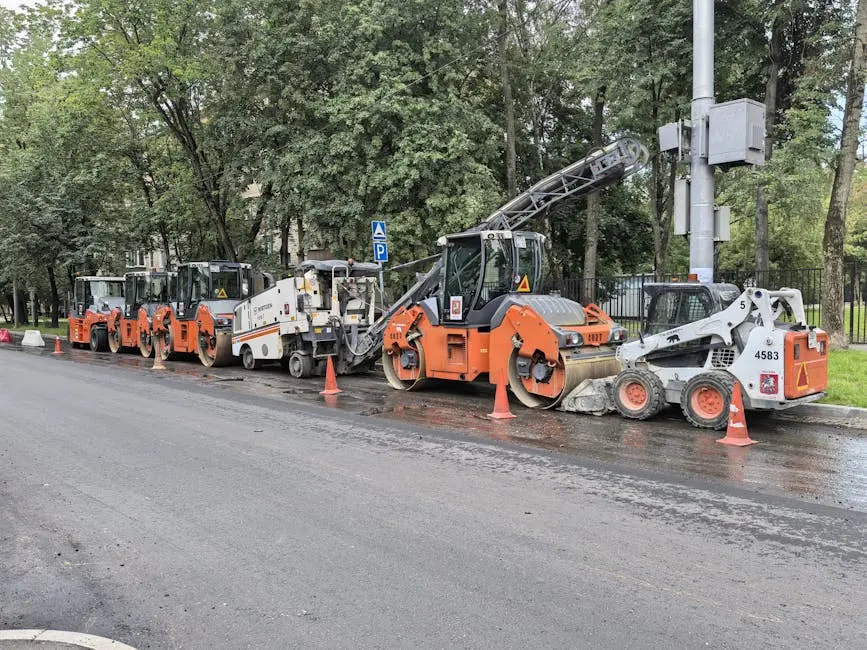
For instance, if your construction business involves heavy machinery like cranes or bulldozers, you may need coverage that specifically addresses damages or liabilities specific to these machines. Additionally, evaluate whether natural disasters such as storms or floods could impact your equipment, as this may require additional riders or clauses in your policy.
It’s also vital to think about the operational environments you work in. On-site risks vary significantly from set location projects to mobile construction sites, influencing the type of protection your insurance should cover.
Research Different Insurance Providers
Not all insurance companies offer the same policies or have the same level of reliability. Conduct thorough research to identify providers that specialize in heavy equipment insurance and have a strong reputation.
Look for providers that offer comprehensive solutions along with customizable options to fit your unique business operations. Carrying out this kind of targeted research can often lead you to discover hidden gems in the insurance market that offer both affordability and impressive customer support.
Don’t overlook the value of reading reviews and testimonials from other construction businesses. They can provide deeper insights into the experiences with particular insurers, thus helping you compile a list of potential providers who match your needed criteria.
Compare Policy Features and Costs
Once you have a list of potential insurers, compare their policy offerings. Look closely at the coverage limits, deductibles, and premiums involved. Ensure that the options meet both your budget constraints and coverage needs.
Different insurers might offer varying degrees of flexibility, like allowing the addition of specific endorsements or riders. These are all aspects to consider while you conduct your comparisons. For example, an inexpensive plan may appear appealing initially but could lead to considerable out-of-pocket expenses later due to high deductibles.
In this competitive market, you can often find providers who offer innovative coverages that could be well-suited to new and evolving technologies your business might employ.
Consult an Insurance Expert
Consulting with an insurance broker or expert can provide you with valuable insights and guidance. They can help you navigate the complexities of policy details and make recommendations specific to your situation.
An expert can also identify any gaps in your current insurance setup that you might not have noticed. Indeed, an experienced professional can help you better plan and manage potential risks associated with construction operations.
These insights might also include novel risk management strategies or advice on leveraging insurance for business growth. Risk management is crucial for any construction company seeking to operate smoothly and securely.
Review and Update Your Policy Regularly
As your business grows and changes, your insurance needs might also evolve. Regularly review your policy to ensure it continues to provide adequate protection and make adjustments as necessary.
Regular updates ensure that your insurance coverage adapts to include new equipment acquisitions or changes in business scope. By staying proactive, you can avoid situations where your coverage becomes obsolete or insufficient over time.
Furthermore, engaging in regular reviews can potentially unlock savings and optimizations you hadn’t initially considered, ensuring your investments are sound and well-protected.
Bringing It All Together
Finding the right heavy equipment insurance involves understanding your specific needs, exploring available options, and making informed choices. By following these steps, you can secure insurance that offers both peace of mind and comprehensive protection for your construction business.
BGES Group is one of New York, New Jersey, and Connecticut’s Construction Insurance Specialists representing 50+ companies, including all the BEST general & umbrella liability programs. We offer all the coverage needed, including property, builders’ risk, inland marine, general liability, umbrella liability, auto, bid & performance bonds, workers’ compensation, N.Y.S. disability, and group health. Our commitment to you goes beyond the policies we provide. We are always just a call, text, or email away, ready to assist you, even on weekends. We understand the importance of your business and are here to help you navigate any insurance challenges.
BGES Group are Workers’ Compensation Insurance Specialists for Tri-State Business Owners: Unhappy with your rates, company, being canceled, losses causing difficulty getting coverage, in the middle of an audit dispute, misclassified payrolls, or whatever your issue. We can help! We have special programs for Auto Services, Contractors (especially in New York), Limousine Services, Logistics Companies, Manufacturers, Recyclers, and Truckers; we can help ANY tri-state business owner. We are considered “Preferred Agents” for this one program that, if we can get you into, their pricing is excellent, offers long-term coverage stability, and can cover multi-state operations. The program takes the hassle out of doing annual audits, too.
If you want to speak with us, call Gary Wallach at 914-806-5853, click here to email, or visit our website.
Company: BGES Group, 216A Larchmont Acres West, Larchmont, NY 10538
email: bgesgroup@gmail.com
website: http://www.bgesgroup.com