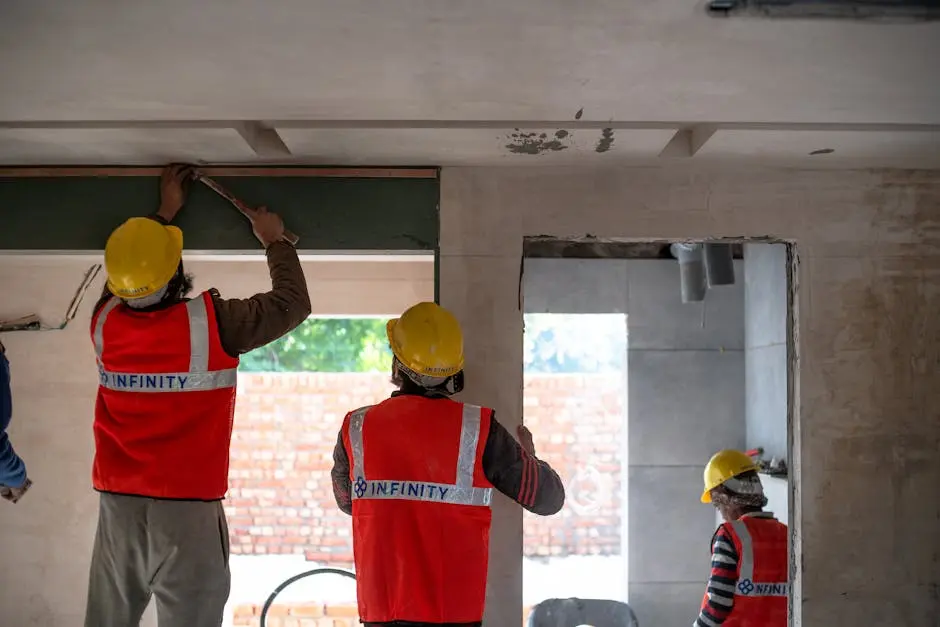
For many Tri-State business owners, workers’ compensation insurance feels less like a safety net and more like a constant obstacle. Applications get declined, premiums skyrocket overnight, or a long-time carrier suddenly issues a non-renewal with little warning. Industries such as construction, manufacturing, trucking, hospitality, and other labor-intensive businesses are hit especially hard. A single claim, payroll audit issue, or employee misclassification can quickly push a company out of the standard insurance market.
This is where BGES Group makes a real difference.
Workers’ compensation insurance is complex and highly underwritten. It’s not just about filling out an application—it’s about understanding how carriers view risk and knowing how to properly present your business. BGES Group specializes in helping Tri-State business owners who are having trouble securing workers’ comp coverage, controlling escalating costs, or recovering from past insurance problems. Instead of settling for an unaffordable quote or being forced into the wrong program, BGES Group works to create real solutions.
10 Workers’ Compensation Problem Areas BGES Group Can Help With
Declinations from Standard Carriers When traditional insurers say no, BGES Group knows which alternative and specialty markets to approach.
High Experience Modification (MOD) Factors Elevated MODs can crush premiums—BGES Group helps implement strategies to improve them over time.
Lapses in Coverage Even short gaps can cause automatic declines. BGES Group helps explain and correct coverage lapses.
Prior Claims History One bad year shouldn’t define your business forever. BGES Group helps reposition your risk profile.
Employee Misclassification Incorrect class codes often lead to inflated premiums. BGES Group reviews and fixes these issues.
Payroll Audit Disputes Unexpected audit bills are common. BGES Group helps prevent them and challenge errors when possible.
New or Rapidly Growing Businesses Startups and fast-growing companies are often flagged by carriers—BGES Group knows how to present growth correctly.
Multi-State or Tri-State Operations Operating across state lines adds complexity. BGES Group ensures proper compliance and coverage.
Assigned Risk or State Fund Placement If assigned risk is your only option, BGES Group works to control costs and plan an exit strategy.
Carrier Non-Renewals When an insurer pulls out unexpectedly, BGES Group moves quickly to prevent coverage gaps.
Why BGES Group Is Different
BGES Group doesn’t just place policies—they advocate for business owners. With deep market relationships and hands-on underwriting experience, they focus on long-term stability, not temporary fixes. The goal is simple: secure coverage today while positioning your company for better options tomorrow.
Contact BGES Group
If workers’ compensation insurance is becoming a roadblock for your business, it’s time to get expert help.
Embarking on an excavation project can be both exciting and daunting. With potential hazards and unforeseen challenges, securing excavation insurance can provide you with peace of mind. This blog highlights key benefits of having excavation insurance, ensuring your project runs smoothly and efficiently.
1. Comprehensive Coverage for Unexpected Events
Excavation insurance provides thorough coverage against a range of unforeseen events. From natural disasters like floods and earthquakes to accidental damages that might occur on-site, this policy protects your project, ensuring minimal disruptions. Imagine a sudden storm causing a delay or damage; with the right insurance, such events don’t have to derail your schedule or finances. It’s not just about covering costs but maintaining the momentum of your project while ensuring all stakeholders are assured that contingencies are addressed favorably.
Beyond natural calamities, excavation projects often face unexpected surprises, from uncovering hazardous materials like asbestos to accidental damage to nearby infrastructures. With excavation insurance, tackling these challenges becomes manageable, providing a layer of security that prevents these issues from escalating. This comprehensive approach not only safeguards your project but also your reputation as a reliable contractor.
2. Protection Against Equipment Breakdowns
Heavy machinery is crucial for excavation, and any breakdown can be costly. Excavation insurance helps in covering repair or replacement costs, keeping your project on schedule. Whether it’s a malfunctioning excavator or a faulty bulldozer, having insurance means peace of mind knowing that help is at hand. Repair costs can soar quickly, and having an insurance policy cushions the financial burden, enabling you to focus on getting the machinery back in action without undue stress.
Furthermore, equipment wear and tear are natural in this line of work, and insurance policies often include provisions for preventative maintenance checks to minimize unexpected shutdowns. This proactive approach helps in prolonging the lifespan of your equipment and maintaining consistent productivity on-site. By investing in such coverage, you’re investing in the longevity and reliability of your equipment fleet.
3. Safeguarding Against Legal Liabilities
Accidents can lead to legal repercussions. Excavation insurance provides protection against legal claims, offering the necessary support to handle litigation costs without financial strain. In an industry where safety is paramount, being fortified against potential lawsuits stemming from accidents or injuries is invaluable. Legal battles can drain resources and divert focus from your project, but with comprehensive legal coverage, these challenges are manageable.
In addition to covering legal fees, insurance policies often provide access to legal expertise to assist with navigating claims efficiently. This support can be crucial in minimizing the impact on your operations and ensuring fair resolution. By securing appropriate coverage, you’re demonstrating a commitment to the well-being of your workers and the integrity of your project.
4. Ensuring Worker Safety and Health
Prioritizing worker safety is paramount. Excavation insurance includes coverage for worker-related incidents, enhancing safety measures and ensuring an appropriate medical response. In a field where the work environment can be unpredictable, having a plan for health emergencies reassures employees and motivates diligence. If an accident occurs, insurance facilitates prompt medical attention without the stress of financial negotiations, allowing both management and employees to focus on recovery and continuation of the project.
5. Financial Stability and Peace of Mind
With insurance in place, financial uncertainties are minimized. It helps manage unexpected costs, giving you peace of mind and a stable budget for your project. Knowing that your funds aren’t tied up in handling accidents or repairs allows for better allocation towards project advancements. This fiscal control translates to a more relaxed and confident project team, knowing they are protected against possible financial pitfalls.
Moreover, insurance fosters an environment where planning isn’t just about managing risks but enhancing project outcomes. Understanding potential hazards and having measures in place strengthens project integrity and positions your business strategically for sustained growth.
BGES Group is one of New York, New Jersey, and Connecticut’s Construction Insurance Specialists representing 50+ companies, including all the BEST general & umbrella liability programs. We offer all the coverage needed, including property, builders’ risk, inland marine, general liability, umbrella liability, auto, bid & performance bonds, workers’ compensation, N.Y.S. disability, and group health. Our commitment to you goes beyond the policies we provide. We are always just a call, text, or email away, ready to assist you, even on weekends. We understand the importance of your business and are here to help you navigate any insurance challenges.
BGES Group are Workers’ Compensation Insurance Specialists for Tri-State Business Owners: Unhappy with your rates, company, being canceled, losses causing difficulty getting coverage, in the middle of an audit dispute, misclassified payrolls, or whatever your issue. We can help! We have special programs for Auto Services, Contractors (especially in New York), Limousine Services, Logistics Companies, Manufacturers, Recyclers, and Truckers; we can help ANY tri-state business owner. We are considered “Preferred Agents” for this one program that, if we can get you into, their pricing is excellent, offers long-term coverage stability, and can cover multi-state operations. The program takes the hassle out of doing annual audits, too.
If you want to speak with us, call Gary Wallach at 914-806-5853, click here to email, or visit our website.
Company: BGES Group, 216A Larchmont Acres West, Larchmont, NY 10538
As 2026 begins, contractors across the country aren’t just setting personal goals—they’re wishing for practical changes that would make their businesses stronger, safer, and more profitable. After years of volatile material costs, labor shortages, tighter insurance markets, and increasing regulatory pressure, contractors know exactly what they want from the new year. These aren’t pie-in-the-sky dreams; they’re grounded resolutions that reflect the realities of running a construction business in today’s environment.
Here are 10 New Year’s resolutions contractors wish for in 2026—and why each one matters.
1. Predictable and Fair Insurance Markets
At the top of almost every contractor’s wish list is stability in insurance. Contractors want fewer last-minute non-renewals, more transparency from carriers, and premiums that reflect actual risk—not blanket assumptions. A predictable insurance market allows contractors to bid jobs confidently and plan growth without fear of sudden coverage gaps.
2. Fewer Claims, Better Loss Control
No contractor plans for claims, but many wish 2026 brings better jobsite safety, stronger subcontractor controls, and fewer surprises. Improved safety programs don’t just protect workers—they protect margins, reputations, and future insurability.
3. Reliable Labor and Skilled Workers
The labor shortage continues to challenge the industry. Contractors hope 2026 brings more skilled tradespeople entering the workforce, better retention, and fewer disruptions caused by staffing gaps. Reliable labor means projects stay on schedule and clients stay happy.
4. Stable Material Pricing
Wild swings in material costs have wreaked havoc on budgets over the last few years. Contractors wish for more stable pricing so they can estimate jobs accurately, protect profits, and avoid constant renegotiations with owners.
5. Faster Payments and Better Cash Flow
Late payments remain one of the biggest stressors for contractors. In 2026, contractors are hoping for owners and GCs who pay on time, fewer disputes, and smoother cash flow that allows them to focus on building—not chasing checks.
6. Stronger Contracts with Less Fine Print Risk
Many contractors wish they could enter 2026 with clearer, fairer contracts. That means fewer one-sided indemnification clauses, reasonable insurance requirements, and less hidden risk buried in legal language. Better contracts lead to fewer disputes and cleaner project closeouts.
7. Fewer Regulatory Headaches
From changing labor laws to compliance requirements, contractors are dealing with more regulation than ever. A major 2026 resolution is simplicity—clear rules, consistent enforcement, and fewer administrative burdens that pull owners away from running their businesses.
8. Trusted Advisors Instead of Call Centers
Contractors don’t want to explain their business to a new person every time they pick up the phone. In 2026, they’re wishing for trusted advisors—people who know their account, their projects, and their risk profile, and who can act quickly when issues arise.
9. Better Risk Management, Not Just Coverage
Smart contractors know insurance alone isn’t enough. They want proactive risk management: guidance on certificates, additional insured language, subcontractor controls, and claims strategy. The goal is fewer problems before they start—not just coverage after the fact.
10. Peace of Mind
Above all, contractors wish for peace of mind in 2026. They want to know that their insurance, risk management, and compliance are handled correctly so they can focus on what they do best—building, growing, and leading their companies.
Where BGES Group Fits In
At BGES Group, these contractor “wishes” aren’t abstract ideas—they’re exactly what we work on every day.
BGES Group is a construction-focused insurance brokerage built around one core principle: be there when contractors need us most. We understand the realities of construction because we live them daily alongside our clients. When markets tighten, claims happen, or last-minute issues threaten a job, contractors don’t need excuses—they need answers.
We work with contractors across trades to secure competitive, properly structured insurance programs, even in difficult markets. More importantly, we don’t disappear after the policy is bound. Our clients deal with one knowledgeable, reliable point of contact who knows their account and responds day and evening—not a rotating call center.
BGES Group helps contractors with:
General liability, excess liability, workers’ compensation, and umbrella programs
Contract review support and insurance requirement analysis
Additional insured and certificate compliance
Risk management strategies designed to reduce claims and long-term costs
Guidance through audits, renewals, and claims advocacy
We pride ourselves on being street-smart, transparent, and proactive. We tell contractors the truth about the market, prepare them in advance, and help them avoid problems before they turn into costly mistakes. In short, we aim to deliver exactly what contractors are wishing for in 2026: stability, clarity, and peace of mind.
Start 2026 with the Right Partner
If your New Year’s resolution is to work with an insurance broker who actually answers the phone, understands construction, and treats your business like their own, BGES Group is ready to help.
Navigating workers’ compensation insurance in New York can be complex. Whether you’re an employer or an employee, knowing the ins and outs of New York’s requirements can save time, money, and ensure compliance. In this FAQ, we’ll break down the essentials of workers’ compensation insurance in NY and why it’s pivotal for your business and career.
What Is Workers’ Compensation Insurance?
Workers’ compensation insurance is a mandatory requirement for employers, designed to provide medical and financial relief to employees who suffer job-related injuries or illnesses. It covers costs such as medical bills, rehabilitation expenses, and a portion of lost wages, thus ensuring financial stability for workers during recovery periods. The coverage is not just a protective measure for employees; it also protects employers from potential lawsuits related to workplace injuries. Gaining a solid understanding of its importance and function sets the stage for diving into New York’s specific requirements.
Employers should familiarize themselves with this insurance not only to comply with legal requirements but also to cultivate a safer workplace environment. By addressing safety proactively, companies can reduce the likelihood of workplace accidents, thereby potentially lowering insurance premiums and enhancing overall productivity.
Why Is It Required in New York?
New York mandates workers’ compensation insurance as part of its comprehensive approach to worker protection. This requirement ensures that employees can access necessary medical care and receive compensation for lost wages due to work-related injuries or illnesses. For employers, it acts as a buffer against lawsuits, allowing them to focus on improving workplace safety.
The workers’ compensation laws in New York are designed to offer a balanced system that benefits both employees and employers, fostering a healthier work environment. These laws are grounded in the principle that both parties share mutual responsibilities and protections, which ultimately contribute to better business practices across the state.
What Are the Key Requirements in New York?
In New York, nearly every business must obtain workers’ compensation insurance for their employees, including full-time, part-time, and sometimes even contracts. Failure to secure this coverage can result in significant penalties and increased liability exposures. Understanding these requirements can help avoid potential pitfalls.
Additionally, employers need to keep clear records of any work-related injuries or illnesses to comply with state regulations and facilitate claims. Businesses are encouraged to check their industry-specific guidelines as they can vary, particularly in sectors with high-risk work environments.
How to Ensure Compliance?
Achieving compliance with New York’s workers’ compensation requirements involves a few key steps. First, selecting a reputable insurance provider that understands the nuances of New York laws is essential. Next, regularly reviewing your policy ensures it meets your evolving business needs. Finally, maintaining accurate records of all incidents and communicating openly with employees about safety protocols can prevent misunderstandings.
Businesses can also use innovative solutions offered by insurance advisors to streamline the process of compliance. Partnering with professionals not only ensures adherence to state laws but also enhances the overall safety and efficiency of business operations.
What Are the Consequences of Non-Compliance?
The repercussions of non-compliance with workers’ compensation requirements in New York can be severe. Employers may face hefty fines, potential lawsuits, and even business closure. Furthermore, the reputational damage from non-compliance can affect client relationships and employee morale.
Given these risks, businesses must prioritize compliance as a critical aspect of their operational strategy. Understanding the full scope of potential consequences can drive organizations to be more diligent in their adherence to the law, thereby safeguarding their assets and workforce.
In a Nutshell
Understanding workers’ compensation insurance requirements in New York is crucial for both employers and employees. It safeguards the business from legal issues and supports employees in times of need. By ensuring compliance and being well-informed, you can protect everyone’s best interests while fostering a professional and secure work environment. For a comprehensive guide to all our services, visit our homepage.
BGES Group is one of New York, New Jersey, and Connecticut’s Construction Insurance Specialists representing 50+ companies, including all the BEST general & umbrella liability programs. We offer all the coverage needed, including property, builders’ risk, inland marine, general liability, umbrella liability, auto, bid & performance bonds, workers’ compensation, N.Y.S. disability, and group health. Our commitment to you goes beyond the policies we provide. We are always just a call, text, or email away, ready to assist you, even on weekends. We understand the importance of your business and are here to help you navigate any insurance challenges.
BGES Group are Workers’ Compensation Insurance Specialists for Tri-State Business Owners: Unhappy with your rates, company, being canceled, losses causing difficulty getting coverage, in the middle of an audit dispute, misclassified payrolls, or whatever your issue. We can help! We have special programs for Auto Services, Contractors (especially in New York), Limousine Services, Logistics Companies, Manufacturers, Recyclers, and Truckers; we can help ANY tri-state business owner. We are considered “Preferred Agents” for this one program that, if we can get you into, their pricing is excellent, offers long-term coverage stability, and can cover multi-state operations. The program takes the hassle out of doing annual audits, too.
If you want to speak with us, call Gary Wallach at 914-806-5853, click here to email, or visit our website.
Company: BGES Group, 216A Larchmont Acres West, Larchmont, NY 10538
Navigating the bustling construction landscape of New York demands not just skill and expertise, but also a robust safety net. Comprehensive general contractor insurance isn’t merely a regulatory requirement—it’s a smart investment. This guide will delve into the multiple benefits this coverage bestows upon contractors, ensuring peace of mind and business continuity.
1. Financial Protection Against Unexpected Claims
Accidents happen, and when they do, they can be costly. Comprehensive insurance ensures that your business has the financial backing to handle claims without disrupting your operations. This coverage is vital because it not only protects against potential lawsuits, but also covers losses from unforeseen events. For instance, consider a scenario where an unforeseen accident halts your operations. Without insurance, the financial burden might be insurmountable. Appropriate coverage shields against such unexpected financial drains, allowing work to proceed with minimal interruptions.
New York’s vibrant construction industry is known for its unpredictability and high stakes. Contractors often find themselves working under tight deadlines and pressure-filled environments. In this bustling setting, having financial protection through insurance can differentiate between minor setbacks and devastating business-damaging events. By comprehensively covering you, your business will be equipped to withstand and rebound from any financial setbacks.
2. Compliance with New York State Regulations
Ensuring compliance with state laws is crucial for any contractor. Comprehensive insurance helps meet these legal requirements, avoiding potential fines and keeping your business on track. In the state of New York, the regulations governing construction projects are rigorous. An aspect of construction compliance often overlooked is contractual insurance requirements. Not adhering to these can lead to financial and reputational drawbacks, placing undue stress on your operations. By having the right insurance, you ensure that your business isn’t just legally compliant, but also trustworthy in the eyes of your clients and partners.
Contractors in New York frequently navigate a labyrinth of evolving regulations. Maintaining compliance through comprehensive insurance safeguards against regulatory infractions. This proactive approach doesn’t merely keep penalties at bay; it positions your venture as a reputable and responsible entity, trusted by clients and stakeholders alike.
3. Increased Credibility with Clients
When clients see that you’re fully insured, it builds trust and credibility. They know you’re professional and prepared for any eventuality, which can lead to more business opportunities. Trust is crucial in the construction sector, where projects are expansive and investments substantial. Clients naturally feel at ease knowing their contractor possesses the necessary buffers against unforeseen issues, reinforcing a sense of security and faith in your capabilities. As you exude an aura of dependability and steadfastness, clients are more inclined to entrust you with their projects, cultivating long-standing partnerships.
In the competitive landscape of New York, reputation is pivotal. Comprehensive insurance not only enhances your credibility but strengthens client relationships by affirming your commitment to quality and responsible business practices. Each project completed with an assured safety net further endorses your professional reliability, influencing client referrals and cementing repeat business.
4. Protection Against Property Damage
Construction sites are prone to damage, whether to the site itself or surrounding properties. Comprehensive insurance covers these incidents, safeguarding your business from hefty repair costs. Such protection extends beyond just your constructed works to envelop potential damages to adjacent structures. When working in a densely populated city like New York, the risk of external damage is higher, making insurance coverage an invaluable asset. It reassures property owners and stakeholders that their surroundings are safeguarded, reducing stress and the possibility of disputes.
5. Coverage for Employee Injuries
With the potential for accidents on the job, having insurance ensures that your employees’ medical expenses are covered, fostering a safer and more responsive work environment. In the event of an unforeseen accident, comprehensive insurance facilitates swift and efficient responses, minimizing downtime and disruptions to your operations. By investing in such coverage, you cultivate a culture of safety, underlining the importance you place on employee welfare and highlighting your commitment to maintaining a protective work environment.
A secure workplace augments productivity and morale. When employees are assured of their safety, they are more likely to exhibit greater confidence and loyalty, optimizing output and contributing positively to business growth. Employee satisfaction can thus be intrinsically linked with the benefits of comprehensive insurance, fostering a thriving workforce ready to tackle any challenges head-on.
6. Mitigation of Legal Costs
Disputes can escalate to lawsuits, leading to significant legal expenses. Insurance aids in managing these costs, allowing you to focus on your core business. Legal disputes in construction can be complex, drawn-out processes that drain resources and diminish focus on project completion. Comprehensive insurance absorbs these pressures, ensuring you and your project managers can continue operations while providing the necessary support when a legal situation arises. This layer of protection becomes an indispensable asset in safeguarding both your financial health and operational efficiency.
7. Business Continuity and Stability
Comprehensive coverage protects your business assets, ensuring that operations can continue smoothly even when faced with challenges. In the high-paced construction world, maintaining momentum is vital. Insurance acts as a stabilizing force during tumultuous periods, compensating for lost revenue and covering unforeseen expenses. It empowers you to navigate through project delays and disruptions with as little friction as possible, reinforcing the backbone of your business practices.
When unpredictable challenges arise, having solid insurance policies in place brings peace of mind. This peace facilitates informed decision-making processes, allowing you to strategize without the overhanging cloud of financial concern. It fortifies your business against potential downturns and empowers you to pursue emerging opportunities within the market with confidence.
8. Reduction in Out-of-Pocket Expenses
By covering unforeseen events, insurance helps prevent significant out-of-pocket expenses, keeping your financial planning stable and secure. Unexpected costs can destabilize even the most meticulously planned budgets. Insurance serves as a safeguard, offering relief from these unpredictable provisions and allowing you to maintain financial health. By effectively minimizing out-of-pocket expenses, insurance ensures that you won’t need to draw on reserve funds or amass debt, bolstering your ability to plan for future growth and innovation.
9. Enhanced Risk Management
Having comprehensive insurance allows contractors to better manage risks, offering tailored solutions for the unique challenges encountered in the New York construction industry. Risk is inherent in construction, a field filled with tight deadlines, multiple variables, and complex projects that can influence timelines and budgets. With insurance, you gain access to risk management consultations and strategies attuned to the demands of the industry. These insights and services facilitate informed decision-making, enhancing the likelihood of project success and fortifying your business against potential pitfalls.
Understanding the risks a business faces is the first step in mitigating them. Comprehensive insurance doesn’t only act as a safety net; it becomes a guiding framework for navigating complex business landscapes. By integrating risk management strategies into your operations, you position your company for sustainable growth, establishing a robust foundation to nurture and expand your future endeavors.
BGES Group is one of New York, New Jersey, and Connecticut’s Construction Insurance Specialists representing 50+ companies, including all the BEST general & umbrella liability programs. We offer all the coverage needed, including property, builders’ risk, inland marine, general liability, umbrella liability, auto, bid & performance bonds, workers’ compensation, N.Y.S. disability, and group health. Our commitment to you goes beyond the policies we provide. We are always just a call, text, or email away, ready to assist you, even on weekends. We understand the importance of your business and are here to help you navigate any insurance challenges.
BGES Group are Workers’ Compensation Insurance Specialists for Tri-State Business Owners: Unhappy with your rates, company, being canceled, losses causing difficulty getting coverage, in the middle of an audit dispute, misclassified payrolls, or whatever your issue. We can help! We have special programs for Auto Services, Contractors (especially in New York), Limousine Services, Logistics Companies, Manufacturers, Recyclers, and Truckers; we can help ANY tri-state business owner. We are considered “Preferred Agents” for this one program that, if we can get you into, their pricing is excellent, offers long-term coverage stability, and can cover multi-state operations. The program takes the hassle out of doing annual audits, too.
If you want to speak with us, call Gary Wallach at 914-806-5853, click here to email, or visit our website.
Company: BGES Group, 216A Larchmont Acres West, Larchmont, NY 10538
For business owners across New York, New Jersey, and Connecticut, workers’ compensation insurance is not optional—it’s essential. Yet many employers don’t realize how quickly their policy can become outdated, overpriced, or even dangerous to the financial health of their company. If you’ve renewed year after year without a deep review, struggled with rising premiums, been hit with surprise audits, or worried whether your coverage would actually respond to a serious claim, you’re not alone.
The Tri-State area is one of the most complex insurance environments in the country. Strict labor laws, aggressive enforcement, high medical costs, and a legal climate that favors injured workers all combine to make workers’ compensation insurance both critical and challenging. A policy that worked for your business two or three years ago may no longer be adequate today—especially if you’ve grown, hired new types of employees, added subcontractors, or expanded into new states.
So the real question is not “Do I have workers’ comp insurance?”
It’s “Do I have the right workers’ compensation insurance—and am I paying more than I should for it?”
That’s where BGES Group comes in.
Do You Need Help Getting New Workers’ Compensation Insurance?
Many business owners assume switching workers’ compensation carriers is difficult, risky, or disruptive. In reality, staying with the wrong policy can be far more dangerous. If any of the following sound familiar, it may be time to seek professional help:
Your premiums increase every year, even with few or no claims
You’re in the NYSIF or an assigned risk pool and want options
You’ve experienced a painful audit bill after policy expiration
Your payroll classifications don’t reflect what your employees actually do
You’re expanding, hiring, or restructuring your company
You’ve had a claim that spiraled out of control
You’re unsure whether subcontractors are properly covered
BGES Group specializes in helping Tri-State business owners navigate these exact challenges. We don’t just place policies—we solve problems.
10 Workers’ Compensation Problems BGES Group Can Help You Solve
1. Overpaying for Workers’ Compensation
Many employers are unknowingly overpaying due to improper classifications, inflated payroll estimates, or lack of carrier competition. BGES Group reviews your policy line by line to uncover savings opportunities without sacrificing coverage.
2. Incorrect Class Codes
Misclassified employees are one of the biggest reasons premiums skyrocket. BGES Group works to ensure your workforce is properly classified based on actual job duties—not assumptions that favor the insurance carrier.
3. Assigned Risk or NYSIF Dependence
If you’ve been told you have “no other options,” that’s often not true. BGES Group helps qualified businesses move from assigned risk pools to competitive voluntary markets when possible.
4. Costly Audit Surprises
End-of-year audit bills can cripple cash flow. BGES Group helps you prepare properly, organize payroll records, and structure policies to reduce audit exposure before it becomes a problem.
5. Claims That Get Out of Control
A single poorly managed claim can impact your experience modification factor for years. BGES Group helps clients understand claim management strategies and coordinates with carriers to limit long-term damage.
6. High Experience Modification Factor (MOD)
A high MOD can cost you contracts and inflate premiums. BGES Group works with business owners to improve MOD scores over time through proactive planning and claim analysis.
7. Subcontractor and 1099 Exposure
Uninsured or improperly insured subcontractors can come back to haunt you during audits and claims. BGES Group helps you implement risk transfer strategies and proper certificate tracking.
8. Multi-State Workers’ Compensation Issues
Operating in multiple states adds complexity. BGES Group ensures your policy complies with each state’s requirements while avoiding unnecessary costs or coverage gaps.
9. Growth and Business Changes
Hiring new employees, changing operations, or expanding services can quietly invalidate assumptions in your current policy. BGES Group helps align your coverage with where your business is going—not where it used to be.
10. Lack of Guidance and Advocacy
Many agents disappear after binding the policy. BGES Group acts as an ongoing advocate—helping with audits, claims questions, carrier negotiations, and strategic planning throughout the year.
Why Tri-State Business Owners Choose BGES Group
BGES Group is not a call-center broker or a one-size-fits-all agency. We specialize in workers’ compensation and contractor-focused insurance solutions, with deep knowledge of New York and Tri-State regulations. Our approach is consultative, proactive, and built around protecting your business long-term—not just getting through renewal.
We understand that workers’ compensation insurance directly affects:
Your bottom line
Your ability to win contracts
Your legal and regulatory compliance
Your personal financial exposure
When it’s done right, workers’ compensation becomes a managed cost. When it’s done wrong, it becomes a ticking time bomb.
Ready to See If You’re Properly Covered?
If you’re a Tri-State business owner wondering whether your current workers’ compensation insurance still makes sense, a second opinion could save you money—and serious headaches.
Navigating the world of business insurance can be daunting, especially when considering how best to protect your team and your assets. Workers’ compensation insurance in NY is not just a legal requirement; it offers numerous benefits that can safeguard your business. Let’s explore how workers’ compensation insurance can be a crucial part of your risk management strategy.
1. Ensuring Legal Compliance and Avoiding Penalties
In New York, not having workers’ compensation insurance can lead to hefty fines and legal actions. Protecting your business by staying compliant gives you peace of mind, knowing you’re adhering to state laws. Businesses must understand that compliance goes beyond mere legal obligation; it forms the backbone of sustainable operation. By ensuring that your business meets New York State Insurance Fund criteria, you can avoid unnecessary penalties and concentrate on your core activities.
2. Providing Financial Protection for Workplace Injuries
Accidents are inevitable, but the financial burden associated with workplace injuries doesn’t have to be. Workers’ compensation insurance acts as a financial shield, covering medical expenses and compensation payouts. This protection ensures that a single incident doesn’t cripple your financial health, allowing your business to continue thriving. According to OSHA, protecting workers not only safeguards financial stability but also helps in maintaining uninterrupted business operations.
3. Enhancing Employee Safety and Morale
A key factor in maintaining high employee morale is the assurance of safety. When your team knows they’re covered in the event of an accident, it nurtures a work environment where safety and morale are prioritized. Employees who feel protected are more likely to focus on their tasks, improving overall productivity. Additionally, fostering a safe environment is consistent with recommendations from Safety and Health, which emphasizes the importance of integrated safety practices in the workplace.
4. Reducing the Risk of Employee Lawsuits
Legal battles can be costly and time-consuming. Offering workers’ compensation reduces the potential for litigation, as employees usually accept compensation as a remedy for their injuries, thereby minimizing costly legal battles. This setup not only protects your finances but also your company’s reputation. As noted by National Council on Compensation Insurance, the assurance of compensation tends to dissuade employees from pursuing legal action, creating a more harmonious workplace.
5. Improving Recruitment and Retention
In today’s competitive job market, offering comprehensive benefits like workers’ compensation insurance can significantly enhance your company’s appeal to potential employees. It not only attracts top talent but also helps retain employees who value being protected and appreciated. In the words of the Society for Human Resource Management, robust benefits packages are often decisive factors for skilled candidates when choosing between potential employers.
6. Promoting a Culture of Care and Responsibility
Workers’ compensation insurance demonstrates a profound commitment to employee well-being. This dedication nurtures a workplace culture where employees feel valued, promoting a sense of responsibility and care. By embedding this value system, not only do you enhance your company’s image, but you also pave the way for more engaged and conscientious workers. Cultivating such an environment aligns with the ethos of Business for Social Responsibility, emphasizing the collective benefits of a responsible corporate culture.
7. Accessing Resources for Workplace Safety Programs
An often-overlooked benefit of workers’ compensation insurance is the access it provides to safety programs and resources. Many insurance providers offer guidance and resources to help businesses create safer work environments, which can reduce the number of claims. These initiatives not only mitigate risks but also empower businesses to foster a proactive safety culture, aligning with insights from National Safety Council, which champions accident prevention through education and outreach.
8. Protecting Business Assets and Operations
Workers’ compensation coverage is not merely about compliance; it is about preserving the continuity of your operations. When accidents occur, having insurance helps maintain operations smoothly without exhausting your company’s assets or overall financial health. It’s a protective measure ensuring that unforeseen events don’t derail your business trajectory. Consistent with findings from Small Business Administration, safeguarding operations through insurance can result in long-term resilience and stability.
9. Ensuring Compliance with New York State Regulations
New York has specific requirements for businesses regarding workers’ compensation. Staying updated and compliant with these regulations is essential for avoiding pitfalls. Tailored coverage that meets all state-mandated regulations can provide comprehensive protection, ensuring that both your employees and business meet the necessary legal standards. The New York State Department of Labor is a valuable resource for businesses navigating these intricate requirements and ensuring they remain above board.
10. Providing Peace of Mind for Business Owners
Ultimately, workers’ compensation insurance is about peace of mind. Knowing that you’ve mitigated significant business risks allows you to concentrate on growth and innovation. This assurance is invaluable, as it facilitates a focus on strategic objectives rather than potential setbacks. Aligning with the philosophy of the Entrepreneur’s Organization, having such insurance is akin to having a safety net, allowing business owners to take calculated risks in pursuit of expansion.
BGES Group is one of New York, New Jersey, and Connecticut’s Construction Insurance Specialists representing 50+ companies, including all the BEST general & umbrella liability programs. We offer all the coverage needed, including property, builders’ risk, inland marine, general liability, umbrella liability, auto, bid & performance bonds, workers’ compensation, N.Y.S. disability, and group health. Our commitment to you goes beyond the policies we provide. We are always just a call, text, or email away, ready to assist you, even on weekends. We understand the importance of your business and are here to help you navigate any insurance challenges.
BGES Group are Workers’ Compensation Insurance Specialists for Tri-State Business Owners: Unhappy with your rates, company, being canceled, losses causing difficulty getting coverage, in the middle of an audit dispute, misclassified payrolls, or whatever your issue. We can help! We have special programs for Auto Services, Contractors (especially in New York), Limousine Services, Logistics Companies, Manufacturers, Recyclers, and Truckers; we can help ANY tri-state business owner. We are considered “Preferred Agents” for this one program that, if we can get you into, their pricing is excellent, offers long-term coverage stability, and can cover multi-state operations. The program takes the hassle out of doing annual audits, too.
If you want to speak with us, call Gary Wallach at 914-806-5853, click here to email, or visit our website.
Company: BGES Group, 216A Larchmont Acres West, Larchmont, NY 10538
In the world of construction and installations, protecting oneself from potential liabilities is crucial. For window installation contractors, navigating the intricacies of insurance can be daunting. This FAQ aims to clarify how window installation insurance safeguards contractors from various risks.
What is Window Installation Insurance?
Window installation insurance is a specialized form of coverage designed to protect contractors involved in the installation of windows. It encompasses various types of insurance policies that address specific risks contractors may face. This kind of insurance is essential in shielding contractors from unforeseen events, ensuring that projects proceed without financial interruptions.
Beyond the basic understanding, window installation insurance can be seen as a safety net that ensures contractors can continue their operations without the fear of severe financial repercussions in the instance of a mishap. Contractors dealing with window replacements often need such coverage to safeguard their interests and those of their clients.
Why Do Contractors Need This Insurance?
Contractors need this insurance to protect against unforeseen events such as property damage, injuries on the job site, and other legal liabilities that could arise during window installation projects. The construction arena is fraught with potential hazards, and having insurance helps cover any expenses or liabilities that may occur.
For instance, if a newly installed window inadvertently breaks and causes injury, the contractor may be liable for medical costs and repairs. Insurance protects against these instances, allowing contractors to maintain focus on their work without the burden of unexpected costs. It’s a necessary measure for both financial stability and legal compliance.
What Are the Components of Coverage?
The components typically include general liability insurance, worker’s compensation, and commercial auto insurance, each playing a crucial role in providing comprehensive protection for contractors. These components work in tandem to cover various aspects of the contractor’s operations, ensuring a comprehensive safety net.
General liability insurance covers bodily injury and property damage that can occur during the installation process. Worker’s compensation is essential for covering medical expenses and lost wages if a worker is injured on the job, while commercial auto insurance covers vehicles used in the business. Together, they form a robust protection strategy that all window installation contractors should strongly consider.
How Does It Protect Against Liability?
This insurance helps to cover legal expenses, settlements, and medical costs that may arise due to accidents or negligence claims during installations, ensuring that contractors are not financially burdened. Liability protection is a crucial aspect, as it helps contractors mitigate risks effectively.
An effective insurance policy will also ensure that any lawsuits filed against the contractor don’t end up draining the company’s resources, allowing for smoother operations. This is especially beneficial in scenarios where negligence claims become an issue, as insurance will cover legal fees and settlement costs. Learning more about policy specifics from industry guidelines can help contractors better understand their protections.
What Are the Benefits of Having Coverage?
Having coverage not only protects from financial loss but also enhances credibility with clients and can be a requirement for securing certain contracts, giving contractors a competitive edge. Clients are more likely to trust contractors who carry adequate insurance, seeing it as a sign of professionalism and reliability.
Moreover, contractors with insurance are often more appealing to new clients, as they are perceived as responsible and proactive. This perception can lead to an increase in business opportunities and client retention. For instance, understanding the importance of client trust can directly influence contract negotiations and business success.
Ultimately, carrying adequate window installation insurance offers reassurance that routine operations can continue without the fear of financial disaster due to accidents or legal claims. Consequently, contractors can focus on providing quality service.
Final Thoughts on Insurance Protection for Window Installers
In conclusion, window installation insurance is a vital asset for contractors, offering protection from a wide array of risks that can arise during projects. This coverage not only shields contractors from financial losses but also provides peace of mind, allowing them to focus more on delivering quality work and building client trust. This way, contractors can ensure their business runs smoothly without unexpected hiccups.
BGES Group is one of New York, New Jersey, and Connecticut’s Construction Insurance Specialists representing 50+ companies, including all the BEST general & umbrella liability programs. We offer all the coverage needed, including property, builders’ risk, inland marine, general liability, umbrella liability, auto, bid & performance bonds, workers’ compensation, N.Y.S. disability, and group health. Our commitment to you goes beyond the policies we provide. We are always just a call, text, or email away, ready to assist you, even on weekends. We understand the importance of your business and are here to help you navigate any insurance challenges.
BGES Group are Workers’ Compensation Insurance Specialists for Tri-State Business Owners: Unhappy with your rates, company, being canceled, losses causing difficulty getting coverage, in the middle of an audit dispute, misclassified payrolls, or whatever your issue. We can help! We have special programs for Auto Services, Contractors (especially in New York), Limousine Services, Logistics Companies, Manufacturers, Recyclers, and Truckers; we can help ANY tri-state business owner. We are considered “Preferred Agents” for this one program that, if we can get you into, their pricing is excellent, offers long-term coverage stability, and can cover multi-state operations. The program takes the hassle out of doing annual audits, too.
If you want to speak with us, call Gary Wallach at 914-806-5853, click here to email, or visit our website.
Company: BGES Group, 216A Larchmont Acres West, Larchmont, NY 10538
In New York’s construction industry, timing is everything. A delayed certificate can shut down a jobsite. A missed endorsement can violate a contract. A misunderstood exclusion can turn a manageable claim into a financial nightmare. Contractors don’t just need insurance—they need an insurance broker who understands the pressure, complexity, and real-world consequences of building in New York. For too long, many contractors have been stuck with brokers who disappear after binding, route calls to voicemail, or hand their account off to someone who doesn’t truly know their business.
That’s why more New York contractors are saying the same thing: finally, there’s a construction insurance broker who’s there when we need them most.
That broker is BGES Group.
Built for the Realities of New York Construction
Construction in New York isn’t theoretical—it’s boots on the ground, cranes in the air, and deadlines that don’t wait. From Labor Law exposure to additional insured requirements, action-over claims, wrap-ups, excess liability, and demanding owners and construction managers, contractors face a level of risk and scrutiny unlike almost anywhere else in the country.
BGES Group was built specifically to operate in this environment.
This isn’t a generalist insurance shop dabbling in construction. BGES Group works with contractors every day and understands how projects actually function—from bidding and contract review to certificates, claims, audits, and renewals. That “street smart” knowledge makes the difference between insurance that looks good on paper and coverage that actually works when something goes wrong.
When You Call, a Real Person Answers—Day and Evening
One of the most common complaints contractors have about insurance brokers is simple: no one answers the phone.
At BGES Group, accessibility isn’t a marketing slogan—it’s how business is done. Calls are answered during the day and the evening, because construction problems don’t operate on a 9-to-5 schedule. When a superintendent needs a certificate after hours, or an owner is demanding proof of coverage before morning, BGES Group understands the urgency.
You don’t get stuck in a phone tree. You don’t wait days for a response. You don’t have to explain the same issue over and over again.
You get answers—when you need them.
One Point of Contact Who Knows Your Account
Another frustration contractors know all too well is being passed from person to person. One person handles the quote, another issues certificates, someone else deals with endorsements, and no one has the full picture. That fragmentation leads to mistakes, delays, and costly misunderstandings.
At BGES Group, contractors deal with one dedicated professional who knows their account inside and out.
That means:
Someone who understands your operations, trades, and project types
Someone who knows your insurance history and risk profile
Someone who understands your contracts and recurring requirements
Someone who can spot issues before they turn into problems
This continuity builds efficiency, accuracy, and—most importantly—trust.
Reliable, Trustworthy, and Knowledgeable—No Guesswork
Construction insurance in New York leaves little room for error. A missing endorsement or poorly worded additional insured provision can invalidate coverage. A misunderstood exclusion can create a coverage gap that only becomes apparent after a claim is filed.
BGES Group prides itself on being reliable and detail-oriented. Contractors aren’t sold policies and left to fend for themselves. Coverage is explained clearly, endorsements are reviewed carefully, and potential problem areas are flagged early.
Equally important, BGES Group is straightforward and honest. If something can’t be done, contractors are told upfront. If a risk is being underestimated, it’s addressed directly. If a better solution exists—even if it’s not the easiest one—it’s explored.
That level of transparency builds long-term relationships, not short-term transactions.
Street Smart Experience That Protects Contractors
There’s a difference between knowing insurance and knowing construction insurance in New York. BGES Group brings a practical, street-level understanding of how claims actually arise and how carriers respond once money is on the line.
This experience matters when:
Structuring CGL and Excess programs to handle Labor Law exposure
Evaluating action-over risk and employee exclusions
Coordinating coverage across subcontractors
Navigating wrap-up (OCIP/CCIP) complications
Dealing with aggressive claims handling and coverage challenges
BGES Group doesn’t just place policies—they help contractors avoid the traps that too often lead to denied claims and uninsured losses.
There When You Need Them Most
Anyone can look good when nothing is happening. The true test of a broker is how they perform when a contractor is under pressure—when a claim hits, a job is stalled, or an owner is demanding immediate proof of compliance.
That’s when BGES Group steps up.
Contractors work with BGES Group because they know they won’t be left alone at critical moments. Whether it’s helping respond to a claim, working through a coverage issue, or solving a last-minute insurance problem that threatens a project, BGES Group is present, responsive, and engaged.
In an industry where reliability can mean the difference between profit and loss, that support is invaluable.
A Broker Who Works Like a Partner
The best way to describe BGES Group isn’t as an insurance vendor—it’s as a partner. Contractors don’t have time to chase brokers, decode policy language, or fight preventable insurance battles. They need someone who understands their world and is invested in protecting their business.
BGES Group fills that role by combining:
Accessibility
Consistency
Technical knowledge
Practical construction insight
A commitment to doing things the right way
For New York contractors who are tired of excuses, delays, and generic service, BGES Group represents something different—and long overdue.
Contact BGES Group
If you’re a New York contractor looking for an insurance broker who answers the phone, knows your account, and stands with you when it matters most, it’s time to speak with BGES Group.
New York contractors operate in one of the most litigious construction environments in the country. Between New York Labor Law §§ 200, 240, and 241, aggressive plaintiff attorneys, high jury awards, and complex contractual risk transfer requirements, even well-insured contractors can find themselves exposed to lawsuits that exceed or fall outside their liability insurance coverage.
Insurance is critical—but insurance alone is not enough.
This article explains, at a high level, how New York contractors can structure their businesses and operations to better protect personal and company assets from large lawsuits that liability policies may not fully cover. Just as important, we will also explain how working with the right insurance advisor—like BGES Group—can help close many of the gaps that lead to devastating claims in the first place.
Important Disclaimer:
We are not attorneys, and this article is for general informational purposes only. Business formation, asset protection, and risk management strategies depend on individual circumstances and New York law. You must consult with a qualified attorney and tax professional before making any legal or structural decisions. Do not treat this article as legal advice or “the gospel.”
⸻
Why Insurance Alone Isn’t Always Enough
Many contractors assume that if they carry general liability, workers’ compensation, and an umbrella policy, they are fully protected. Unfortunately, that’s not always the case.
Some common gaps include:
• Claims that exceed policy limits
• Contractual liability assumed but not properly insured
• Exclusions buried in policy language
• Personal liability due to improper business structure
• Claims involving gross negligence, labor law exposure, or uninsured subcontractors
When these situations arise, plaintiffs often look beyond the insurance policy and go straight after the company’s assets—or even the owner personally.
That’s where proper company setup and risk layering becomes essential.
Choosing the Right Business Entity Matters
One of the most important steps a New York contractor can take is selecting the right legal entity.
Sole Proprietorship: High Risk
Operating as a sole proprietor offers no legal separation between you and your business. If your company is sued, your personal assets—home, savings, investments—can be at risk, regardless of insurance.
LLC or Corporation: A Necessary Shield
Most contractors should operate as either:
• A Limited Liability Company (LLC), or
• A Corporation (S-Corp or C-Corp)
When properly set up and maintained, these entities create a legal barrier between business liabilities and personal assets.
However, simply forming an LLC is not enough.
⸻
Maintaining the “Corporate Veil”
Courts in New York can “pierce the corporate veil” if the business is not run properly. This means personal assets may still be exposed even if an LLC or corporation exists.
To maintain protection:
• Keep separate business and personal bank accounts
• Never pay personal expenses from the business account
• Use written contracts in the company’s name
• Maintain proper licenses and registrations
• File required annual reports
• Keep operating agreements and corporate records up to date
This is an area where attorneys and accountants are essential—but insurance professionals play a role by ensuring contracts and policies align with the entity structure.
⸻
Using Multiple Entities for Risk Segmentation
Some larger or growing contractors choose to separate operations into multiple entities. For example:
• One entity owns equipment
• One entity employs labor
• One entity signs contracts
The idea is to limit exposure so that a catastrophic lawsuit in one area does not jeopardize the entire operation.
This approach must be done carefully. Poorly structured entity layering can create tax issues, insurance coverage disputes, and even increased legal exposure if done incorrectly. Again, legal guidance is critical—but insurance must be coordinated across all entities to avoid dangerous coverage gaps.
⸻
Contracts Are as Important as Insurance Policies
Many large claims arise not from accidents alone, but from bad contracts.
Key contract issues include:
• Indemnification clauses that go beyond insurance coverage
• Additional insured requirements that are impossible to meet
• Waivers of subrogation not properly endorsed
• “Defense outside limits” assumptions that are incorrect
• Agreements that shift all liability upstream or downstream unfairly
Contractors should never sign contracts without understanding how they interact with their insurance program. This is where experienced insurance advisors add tremendous value.
⸻
Umbrella and Excess Liability: How Much Is Enough?
New York verdicts can be enormous—especially under Labor Law 240 (“Scaffold Law”). A $1 million general liability policy may barely scratch the surface of a serious injury claim.
Umbrella and excess liability policies:
• Provide higher limits
• Can drop down over certain claims
• Often require careful underwriting and disclosure
However, umbrellas are not all the same. Some follow form, some don’t. Some exclude labor law claims. Some require strict underlying coverage compliance.
This is another area where contractors think they are protected—until a claim is denied or limited.
Workers’ compensation isn’t just about statutory compliance. A properly structured workers’ comp program:
• Reduces employee injury frequency
• Limits third-party over actions
• Improves defense against labor law claims
• Keeps experience modification factors under control
Poor workers’ comp management can increase both insurance costs and lawsuit severity.
⸻
Why Working With the Right Insurance Advisor Is Critical
This is where BGES Group comes in.
At BGES Group, we specialize in working with New York contractors across all trades. We understand:
• New York Labor Law exposure
• OCIP and CCIP projects
• Additional insured and contractual risk transfer
• Completed operations issues
• Workers’ compensation strategies
• Umbrella and excess liability placement
• How underwriters view New York risk
We don’t just “sell policies.” We help contractors identify where lawsuits come from, where insurance stops, and how to structure coverage to reduce exposure before claims happen.
⸻
Insurance as Part of a Larger Protection Plan
The smartest contractors treat insurance as one layer of protection—not the only one.
A strong protection plan includes:
• Proper legal entity structure
• Sound contracts
• Disciplined operations
• Safety programs
• Correct insurance placement
• Ongoing reviews as the business grows
BGES Group works alongside attorneys, CPAs, and contractors to make sure insurance supports the broader risk strategy—not undermines it.
⸻
Final Thoughts
Large lawsuits are not a matter of “if” in New York construction—they are a matter of when. Contractors who survive and thrive are the ones who plan ahead, structure their companies properly, and work with professionals who understand the realities of New York risk.
Again, we are not attorneys, and you must seek legal advice before implementing any structural changes. But ignoring these issues entirely is far riskier than addressing them proactively.
⸻
About BGES Group
BGES Group is a New York–based insurance brokerage specializing in construction insurance and workers’ compensation for contractors and businesses across all industries. We help clients identify risk, close coverage gaps, and position their companies for long-term stability in a challenging legal environment.
If you’re a New York contractor and want a second set of eyes on your insurance program—or want to understand where your real exposure lies—BGES Group is here to help.