Is a New York Contractor Covered Under Their Commercial General Liability Policy for a Subcontractor’s Negligent Act?

Construction projects in New York rely heavily on subcontractors to perform specialized work such as electrical, plumbing, framing, and concrete installation. While subcontractors are essential to completing projects efficiently, they also introduce additional liability exposure for general contractors (GCs). When a subcontractor commits a negligent act that results in bodily injury or property damage, an important question arises: Will the general contractor’s Commercial General Liability (CGL) policy provide coverage?

The answer depends largely on how the contractor’s policy addresses subcontractor risk and whether the GC has complied with specific contractual and documentation requirements — particularly those contained in hard hammer and soft hammer clauses.


Commercial General Liability and Subcontractor Negligence

A standard CGL policy is designed to protect a business from third-party claims for bodily injury and property damage arising out of its operations. In the construction context, this can include liability arising from the acts or omissions of subcontractors when the GC is alleged to be legally responsible.

However, insurers have recognized that subcontractor-related claims represent a significant portion of construction losses. As a result, many New York contractor liability policies now contain endorsements that strictly govern when and how coverage applies to losses caused by subcontractors. These endorsements are commonly known as hard hammer or soft hammer clauses.

Both clauses require a foundational element:
There must be a written and fully executed subcontract agreement in place before work begins that includes insurance requirements and a hold harmless (indemnification) provision in favor of the general contractor.

Without this contract in place prior to the loss, the GC’s ability to transfer risk — and even to trigger its own coverage — may be compromised.


Hard Hammer vs. Soft Hammer Clauses — What’s the Difference?

Hard Hammer (Subcontractor) Clause

A hard hammer clause is a strict contractual and insurance condition that requires the general contractor to fully comply with subcontractor risk transfer requirements before the subcontractor begins work on the project. This compliance typically includes:

  • A written and executed subcontract agreement containing:
    • Insurance requirements, and
    • A hold harmless / indemnification clause in favor of the general contractor;
  • A Certificate of Insurance (COI) issued by the subcontractor’s insurer;
  • An Additional Insured (AI) endorsement naming the general contractor as an additional insured on the subcontractor’s CGL policy;
  • A Waiver of Subrogation in favor of the general contractor;
  • Minimum insurance limits and coverage terms meeting or exceeding those required by the prime contract.

Under a hard hammer clause, these items are considered conditions precedent to coverage. This means that if the GC fails to secure both the written contract with hold harmless language and the required insurance documentation before work begins, the insurer may deny coverage entirely for any claim arising out of that subcontractor’s work.

Even if the GC was not directly negligent and even if the subcontractor’s actions alone caused the loss, failure to comply with a hard hammer clause can leave the GC without coverage for defense costs, settlements, or judgments related to that subcontractor’s negligence.

In practical terms, a hard hammer clause enforces strict discipline in subcontractor risk management and documentation.


Soft Hammer Clause

A soft hammer clause requires the same contractual and insurance elements as a hard hammer clause:

  • A written and executed subcontract with insurance and hold harmless provisions;
  • A Certificate of Insurance;
  • Additional Insured endorsement;
  • Waiver of Subrogation;
  • Required limits and policy terms.

The key difference is in the consequence of non-compliance.

Rather than denying coverage outright, a soft hammer clause typically imposes a financial penalty if the GC fails to obtain the required paperwork. Under a soft hammer clause:

  • Coverage may still apply under the GC’s CGL policy;
  • However, the insurer will assess a deductible or self-insured retention for losses attributable to the subcontractor’s negligence;
  • The deductible may be significant and applies specifically because the GC failed to meet documentation and contractual requirements;
  • The provision serves as a financial incentive for compliance rather than an absolute bar to coverage.

Soft hammer clauses still require proper documentation and executed agreements, but the consequences of non-compliance are monetary rather than categorical.


What Happens When a Subcontractor Causes a Claim Without Proper Paperwork?

When a subcontractor causes a loss and the GC has not complied with its policy’s hard or soft hammer requirements, several outcomes may occur:

  • The insurer may deny coverage entirely (under a hard hammer clause);
  • The insurer may apply a substantial deductible (under a soft hammer clause);
  • The GC may lose contractual indemnification rights against the subcontractor;
  • The GC may be forced to fund defense and settlement costs out of pocket;
  • Additional insured coverage may be deemed invalid if there was no written agreement in place before work began.

In New York, courts and insurers give great weight to whether a written and executed subcontract agreement existed prior to the accident. A Certificate of Insurance alone is not sufficient to establish coverage or contractual protection.


Five Examples of Covered and Uncovered Claims

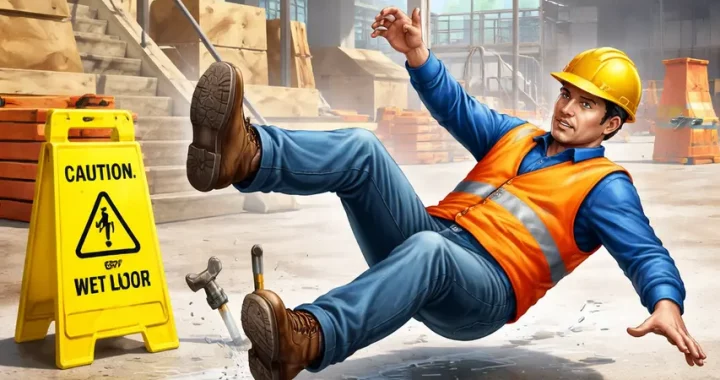
1. Falling Tool Injures a Pedestrian (Covered)

A subcontractor drops a tool from scaffolding, injuring a pedestrian.

  • With proper written contract and AI endorsement: GC’s CGL provides coverage.
  • Without proper documentation: hard hammer denies coverage; soft hammer applies deductible.

2. Fire Caused by Welding Work (Covered)

A subcontractor’s torch ignites a fire that damages adjacent property.

  • With compliance: covered under the GC’s policy and subcontractor’s policy.
  • Without compliance: coverage denied or subject to deductible.

3. Defective Workmanship Only (Uncovered)

A subcontractor installs drywall improperly, requiring removal and replacement.

  • No resulting property damage or injury.
  • CGL policies generally exclude pure defective workmanship — uncovered regardless of hammer clause.

4. Injury to Another Worker (Covered)

A subcontractor’s employee injures another contractor’s worker due to negligence.

  • With contract and insurance compliance: GC’s CGL may respond.
  • Without compliance: coverage denied or deductible applies.

5. Delay and Economic Loss (Uncovered)

A subcontractor causes delays leading to lost rent or productivity claims.

  • Pure economic losses without bodily injury or property damage are typically excluded from CGL coverage.

BGES Group: Specialists in Insuring New York Contractors

New York construction projects present some of the most complex insurance and liability challenges in the country. From strict contractual indemnification rules to demanding owner insurance requirements, contractors need knowledgeable guidance and properly structured insurance programs.

BGES Group specializes in insuring New York contractors and helping them navigate the complexities of subcontractor risk transfer, additional insured requirements, and hard and soft hammer clauses. We work closely with our clients to:

  • Design compliant insurance programs;
  • Review subcontractor insurance requirements;
  • Ensure proper contract language and documentation;
  • Prevent coverage gaps before claims arise;
  • Protect contractors from devastating uninsured losses.

Our mission is not only to place insurance, but to help contractors understand how their policies actually work when something goes wrong.


Contact BGES Group

BGES Group
Gary Wallach
📞 914-806-5853
✉️ bgesgroup@gmail.com
🌐 www.bgesgroup.com

Construction risk is unavoidable. Being uninsured for it is not. With the right contracts, the right coverage, and the right advisor, New York contractors can build with confidence.

10 Essential Steps to Understanding Workers Compensation Insurance for General Contractors in New York

Navigating the world of workers compensation insurance can be daunting for general contractors, especially in a busy state like New York. Understanding its complexities and knowing exactly what steps to take is crucial to protecting your business and your employees. This guide breaks down the essential steps so you can feel confident and informed.

Workers on a high-rise building construction site in Denizli, Türkiye, showcasing teamwork and safety.

1. Grasping the Basics of Workers Compensation Insurance

Before diving into specifics, it’s important to understand what workers compensation insurance is and why it’s essential. This type of insurance provides wage replacement and medical benefits to employees injured in the course of their employment. It’s a safeguard not just for your team, but for your business as well. Picture this: an accident happens on site, leading to injury and unexpected medical expenses. With workers compensation insurance, these costs don’t come directly from your company’s pocket. Instead, this coverage ensures that both the injured employee receives necessary care and your business remains financially intact. This insurance is not merely a legal requirement; it’s a fundamental component of a proactive risk management strategy.

Furthermore, understanding the role of workers compensation insurance can enhance trust within your team. Employees need to feel secure knowing that in the event of an injury, they will be supported. This assurance can boost morale and encourage a stronger dedication to workplace safety practices. After all, a safer work environment means fewer claims and a healthier workforce. It’s beneficial to explore how workers compensation can improve team safety as part of your business strategy.

2. Identifying Your Obligations as a General Contractor

As a general contractor in New York, you have specific legal obligations when it comes to providing workers compensation insurance. Make sure you’re aware of what’s required to remain compliant and protect your business from potential penalties. The New York State Workers’ Compensation Board outlines these obligations clearly: employers must provide this insurance to all employees, including full-time, part-time, and seasonal workers. Failing to secure proper coverage can result in hefty fines and even business closure. It’s crucial to understand the legal obligations that accompany operating a contracting business.

Additionally, navigating these obligations involves understanding your responsibilities when subcontracting. Often, general contractors are required to ensure their subcontractors have proper insurance coverage. This minimizes liability risks associated with subcontracted work. It’s an intricate part of ensuring total project compliance. For further clarity, consider our comprehensive guide to contractor insurance obligations.

3. Understanding State-Specific Requirements in New York

Each state has its own rules regarding workers compensation. In New York, these rules can be particularly complex, so it’s crucial to understand the specific requirements and regulations that apply to your business. The state mandates vary based on factors like the number of employees and the industry type. In construction, for instance, exceptions and additions to standard policies may apply. Learning these details can prevent unnecessary legal complications and help you tailor fit a policy that aligns with New York’s stringent requirements. Staying informed about state-specific laws can profoundly affect how you operate.

Moreover, staying updated on any amendments in the state’s workers compensation structure is pivotal. Laws evolve, and so should your policies. Regular consultation with legal advisors or insurance experts can be beneficial. By aligning with New York’s regulations and leveraging advisory insights, you set a solid foundation for compliance and operational excellence.

4. Evaluating Different Insurance Providers

Not all insurance providers are created equal. Research and compare different providers to find one that offers the coverage you need at a price you can afford. Look for companies with strong reputations and reliable customer service. Consider factors such as claim processing times and claim support services. A good insurance provider should not only offer policies fitting your business size and risk profile but also assist you throughout the claims process. Reading provider reviews and comparisons is a great starting point to identifying insurers who can genuinely support your business needs.

5. Choosing the Right Policy for Your Business

Once you’ve narrowed down your insurance provider options, it’s time to choose a policy that meets the specific needs of your business. Consider factors such as the size of your workforce, your business operations, and potential risks. A comprehensive policy should cover all potential scenarios, from workplace accidents to broader liability issues. Additionally, assessing past claims can provide insights into specific coverage needs your business might have. Evaluating comprehensive policy options ensures you choose the right fit for your contracting operations.

6. Ensuring Proper Coverage for All Employees

Make sure that every employee, including part-time and seasonal workers, is covered under your workers compensation policy. Check with your provider to ensure full coverage and avoid any potential gaps. Overlooking coverage for certain employee categories can lead to significant liabilities if an incident occurs. Conduct regular audits of your workforce to ensure that everyone on the payroll is accounted for in your policy. This step can prevent oversights and ensure comprehensive coverage across the board. Establishing and maintaining inclusive coverage as part of a detailed workforce insurance audit can be invaluable.

7. Training Employees on Safety and Reporting

Preventing workplace injuries is beneficial for both your employees and your bottom line. Implement a comprehensive safety training program and establish clear procedures for reporting injuries to help minimize accidents and streamline claims. Regular training sessions can reinforce safety protocols and reduce common workplace hazards. Moreover, familiarize employees with the steps to report an injury, ensuring a swift and efficient claim process. A comprehensive safety training program can be the first step to significantly enhancing workplace safety outcomes.

8. Regularly Reviewing and Updating Your Policy

As your business grows and changes, your insurance needs may also evolve. Regularly review your workers compensation policy to ensure it remains aligned with your current business situation and that your coverage limits are still appropriate. Any expansion in your business operations or changes in the workforce should prompt an immediate reassessment of your insurance needs. Staying proactive by periodically updating your policy is crucial in maintaining optimal coverage.

Consider it part of an annual review where financials, employee growth, and strategic changes are evaluated. An updated policy not only covers immediate needs but safeguards potential future expansions, ensuring continuous protection for your business and employees.

9. Navigating the Claims Process Efficiently

In the event of an employee injury, knowing how to navigate the claims process can make a significant difference. Understand the steps involved and work closely with your insurer to ensure a smooth and timely claims process. Prompt communication with your insurance provider is essential as soon as an incident occurs. Documenting the incident meticulously and having witnesses corroborate events can be crucial in expediting the claims process. Explore effective claims management strategies to improve efficiency in handling claims.

Workers compensation laws and regulations can change over time. Stay informed about any legal updates that might affect your responsibilities as a general contractor, allowing you to adjust your policies and practices accordingly. Regularly consulting with a legal advisor who specializes in labor law can provide insights into upcoming legislative amendments or industry changes. Subscribers to industry news feeds can also help you stay one step ahead, preparing your business for any shifts in compliance requirements.

BGES Group is one of New York, New Jersey, and Connecticut’s Construction Insurance Specialists representing 50+ companies, including all the BEST general & umbrella liability programs. We offer all the coverage needed, including property, builders’ risk, inland marine, general liability, umbrella liability, auto, bid & performance bonds, workers’ compensation, N.Y.S. disability, and group health.  Our commitment to you goes beyond the policies we provide. We are always just a call, text, or email away, ready to assist you, even on weekends. We understand the importance of your business and are here to help you navigate any insurance challenges. 
 
BGES Group are Workers’ Compensation Insurance Specialists for Tri-State Business Owners: Unhappy with your rates, company, being canceled, losses causing difficulty getting coverage, in the middle of an audit dispute, misclassified payrolls, or whatever your issue. We can help!  We have special programs for Auto Services, Contractors (especially in New York), Limousine Services, Logistics Companies, Manufacturers, Recyclers, and Truckers; we can help ANY tri-state business owner. We are considered “Preferred Agents” for this one program that, if we can get you into, their pricing is excellent, offers long-term coverage stability, and can cover multi-state operations. The program takes the hassle out of doing annual audits, too. 
 
If you want to speak with us, call Gary Wallach at 914-806-5853, click here to email, or visit our website.
 
Company: BGES Group, 216A Larchmont Acres West, Larchmont, NY 10538

email: bgesgroup@gmail.com

website: http://www.bgesgroup.com