What factors influence the cost of workers’ compensation insurance NY?

When navigating the nuances of workers’ compensation insurance in New York, understanding what factors influence its cost can be daunting. This FAQ will help shed light on the primary elements that can impact your insurance rates.

African American woman smiling in office setting with a whiteboard displaying ‘Insurance’.

Industry Classification

Each industry has a risk classification based on the likelihood of workplace injuries. Higher risk industries, like construction, generally face higher premiums.

It’s crucial to understand that not all businesses carry the same level of risk. For instance, an office-based company in New York will typically have lower risks compared to a manufacturing plant. This differentiation directly influences the cost of workers’ compensation insurance. The New York Compensation Insurance Rating Board sets the benchmark for these classifications, which can significantly affect premium costs for businesses across various sectors.

Business Size and Payroll

The size of your business and total payroll can significantly impact costs. More employees generally translate to higher premiums, but discounts might apply for larger scales.

In addition to the number of employees, payroll also dictates the premium calculation. A higher payroll indicates a higher risk exposure, which might increase your premium. However, businesses with larger payrolls might benefit from ‘safety credits’ or ‘dividend plans’ that offer cost reductions if the company implements effective safety practices and maintains a good claims history.

Claims History

A track record of frequent claims can increase premiums, while a clean history may benefit from lower rates.

One of the best strategies to manage workers’ compensation costs is to maintain a clean claims history. Insurers deem businesses with fewer claims to be lower risk, granting them more favorable rates. Implementing a review process for claims can help prevent frivolous claims and ensure that employees receive proper training on safety protocols.

State Regulations and Rates

New York state sets guidelines and rates for workers’ compensation insurance. These rates are subject to change and can affect overall costs.

State regulations play a vital role in insurance premiums. The New York State Workers’ Compensation Board enforces these regulations, and any updates to laws or mandates can influence cost dynamics. Companies should stay informed about legislative changes that might present opportunities for new discounts or signal forthcoming increases in premiums.

Safety Measures

Implementing robust safety protocols can lead to reduced premiums, as insurers may offer discounts for proactive safety measures.

Creating a culture of safety not only protects employees but also positively impacts insurance costs. Strategies such as regular safety training sessions, proper equipment maintenance, and implementing a comprehensive safety audit can lead to fewer accidents and, consequently, reduced insurance premiums. Taking advantage of such risk management approaches can help a company qualify for lower rates.

Summing Up the Cost Influencers

In conclusion, several key factors influence the cost of workers’ compensation insurance in New York. By understanding these elements, businesses can better navigate their options and potentially find more cost-effective solutions. For more details on how to optimize your workers’ compensation costs, visit our homepage.

BGES Group is a leading Construction Insurance specialist serving New York, New Jersey, and Connecticut. We represent over 25 top-rated insurance carriers, providing access to the best general liability and umbrella liability programs available. Our comprehensive coverage options include property, builders’ risk, inland marine, general liability, umbrella liability, commercial auto, bid and performance bonds, workers’ compensation, New York State disability, and group health. Beyond offering policies, we pride ourselves on being highly accessible—by call, text, or email—even on weekends—so you always have a trusted partner to help you navigate any insurance challenge.

We are also Workers’ Compensation specialists for tri-state business owners. Whether you are dealing with high premiums, policy cancellations, difficulty obtaining coverage due to losses, audit disputes, or payroll misclassification issues, we can help. We offer specialized programs for industries including auto services, contractors (especially in New York), limousine services, logistics companies, manufacturers, recyclers, and trucking operations. As a “Preferred Agent” for a select workers’ compensation program, we can often secure highly competitive pricing, long-term stability, and multi-state coverage for qualified clients—while also simplifying the audit process and reducing the burden of annual audits.

Contact Us:  Gary Wallach  

Phone: 914-806-5853 (Direct)

Email: bgesgroup@gmail.com 

Website: www.bgesgroup.com

Office Location: 216A Larchmont Acres West, Larchmont, NY 10538
 

Navigating the World of Construction Insurance: Tips for Contractors

Construction projects are full of complexities, and securing the right insurance is crucial for protecting your business. In this blog, we’ll explore practical tips for contractors to navigate the world of construction insurance with confidence and ease.

Two workers discussing plans on a sandy construction site, wearing safety gear.

Understanding the Basics of Construction Insurance

Construction insurance is essential in safeguarding your projects, workforce, and equipment. Let’s break down the various types of coverages available and why they matter to your business. At its core, construction insurance can be divided into several key categories such as general liability, worker’s compensation, and builder’s risk coverage. Each policy serves a different purpose, yet collectively, they form a shield against various unforeseen events. For instance, general liability insurance covers bodily injury and property damage claims, while worker’s compensation handles the medical costs and lost wages for employees who might get injured on-site. Then there’s builder’s risk insurance, which protects the project during construction from risks like fire or theft.

One might wonder why these varied coverages are necessary. Picture working on a large-scale project, where each day presents new challenges and potential accidents. Without insurance, even a minor mishap could spell disaster for your business financially. By investing in these policies, you not only protect your assets but also demonstrate a strong commitment to safety and professionalism. Clients and partners tend to prefer contractors who take insurance seriously, as it assures them of a company’s reliability and preparedness for unexpected setbacks. Not only does it protect your business, but it can also be a deciding factor in securing projects.

Identifying Your Insurance Needs

Every construction project is unique, and so are your insurance needs. Learn how to evaluate your specific risks and choose the right policies that address those requirements effectively. Start by assessing the scale and scope of your projects. Are you working primarily on residential buildings, or do you also venture into commercial projects? The nature and location of your work can greatly influence what type of insurance is necessary. For example, urban projects might require different considerations than rural settings, especially concerning liability and environmental impact.

A thorough evaluation should also include the potential risks associated with each type of project. For instance, a project involving high-rise buildings might require more comprehensive coverage for worker safety compared to a smaller residential renovation. Additionally, consider the specialized requirements of certain projects, such as green building initiatives or historical restorations, which may necessitate specific endorsements or additional clauses in your policies. By identifying these unique aspects, you ensure that your insurance aligns perfectly with your project demands, providing maximum protection without unnecessary expenditure.

Key Considerations When Choosing a Policy

The right insurance policy can make a significant difference. Discover the factors you should consider, from coverage limits to exclusions, to make an informed decision. Firstly, scrutinizing the coverage limits is crucial. Ensure that they are adequate for potential liabilities that could arise during your projects. It’s also important to carefully read the exclusions section, as it highlights situations where the policy won’t provide coverage. These exclusions can vary widely between providers, impacting what incidents are covered.

Moreover, when choosing a policy, consider the reputation and reliability of the insurance provider. Do they have a strong track record in handling claims swiftly and fairly? Are they well-rated and recommended within the construction industry? It’s worthwhile to seek input from peers or industry networks to gauge a provider’s reliability. Additionally, assess the flexibility of the policy—can you easily adjust it as your business and project landscape evolve? A good policy should not only protect you now but also offer adaptability for future growth or changes in operational scope.

Working with Insurance Brokers

Brokers can offer invaluable insights and help tailor policies to fit your needs. Learn how to effectively collaborate with brokers to get the best coverage for your projects. An experienced broker acts as your advocate in the insurance market, navigating its complexities to find policies tailored to your specific requirements. By leveraging their industry knowledge, brokers can identify potential coverage gaps you might not be aware of, ensuring comprehensive protection.

When working with brokers, communication is key. Clearly articulate your needs, project types, and operational risks, allowing them to craft an insurance package that aligns with your unique situation. It’s beneficial to maintain an ongoing relationship with your broker; regular updates on your business activities help ensure your coverage remains relevant and effective. Additionally, consider brokers who specialize in construction insurance, as they bring a deeper understanding of the sector’s specific needs and challenges, providing more nuanced advice and solutions.

Managing Claims Effectively

Accidents happen, and when they do, you need to be prepared. Discover tips on navigating the claims process smoothly to ensure your operations recover swiftly from any setbacks. The first step is developing a clear protocol for reporting incidents, ensuring all details are captured accurately and promptly. This not only speeds up the claims process but also enhances the likelihood of a favorable settlement. Having a dedicated point of contact within your organization to handle claims—someone well-versed in both the policy details and the project at hand—can streamline communication with the insurer.

In addition to having internal procedures, it’s beneficial to regularly review your claims process in collaboration with your insurance provider. This allows for identifying potential improvements and ensures any new industry practices or regulations are incorporated. Keep a detailed record of all claims made, including outcomes and learnings, which can inform future project planning and risk management strategies. By diligently managing claims, you not only protect your immediate operational stability but also contribute to a favorable long-term relationship with your insurer, potentially influencing future premiums and coverage options.

Securing Your Construction Future

Construction insurance doesn’t have to be overwhelming. By understanding your needs, asking the right questions, and working with reliable providers, you can ensure your business is well-protected. Remember, the right coverage is a cornerstone of a successful construction operation.

BGES Group is a leading Construction Insurance specialist serving New York, New Jersey, and Connecticut. We represent over 25 top-rated insurance carriers, providing access to the best general liability and umbrella liability programs available. Our comprehensive coverage options include property, builders’ risk, inland marine, general liability, umbrella liability, commercial auto, bid and performance bonds, workers’ compensation, New York State disability, and group health. Beyond offering policies, we pride ourselves on being highly accessible—by call, text, or email—even on weekends—so you always have a trusted partner to help you navigate any insurance challenge.

We are also Workers’ Compensation specialists for tri-state business owners. Whether you are dealing with high premiums, policy cancellations, difficulty obtaining coverage due to losses, audit disputes, or payroll misclassification issues, we can help. We offer specialized programs for industries including auto services, contractors (especially in New York), limousine services, logistics companies, manufacturers, recyclers, and trucking operations. As a “Preferred Agent” for a select workers’ compensation program, we can often secure highly competitive pricing, long-term stability, and multi-state coverage for qualified clients—while also simplifying the audit process and reducing the burden of annual audits.

Contact Us:  Gary Wallach  

Phone: 914-806-5853 (Direct)

Email: bgesgroup@gmail.com 

Website: www.bgesgroup.com

Office Location: 216A Larchmont Acres West, Larchmont, NY 10538
 

Contractor Insurance Lookup Made Easy: Protecting Your Business in New York, New Jersey, and Connecticut

Navigating the world of contractor insurance can be a daunting task, especially if you’re running a business in the bustling regions of New York, New Jersey, or Connecticut. Understanding the complexities of insurance is crucial, as it protects both your interests and those of your clients. This guide will break down the essentials of contractor insurance lookup, making it easy for you to secure the right coverage without getting overwhelmed.

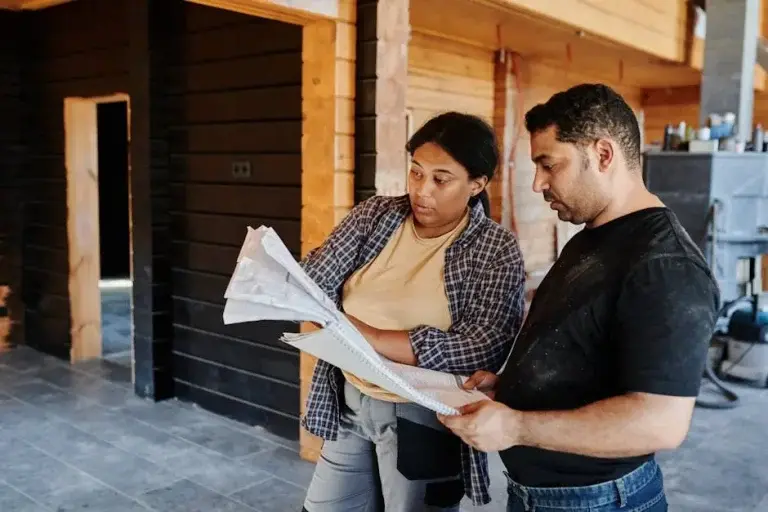
Diverse construction team in hard hats reviewing blueprints inside a building project.

Understanding Contractor Insurance Basics

Contractor insurance serves as a financial safety net, covering liabilities and ensuring you can handle any unforeseen circumstances. It’s essential to know what types of coverage exist and which are necessary for your specific contracting field.

When embarking on a contractor insurance lookup, it’s important to grasp the fundamental types of coverage that are available. These include general liability insurance, which protects against property damage and bodily injuries; workers’ compensation, which is crucial for covering employees in case of workplace injuries; and professional liability insurance, also known as errors and omissions insurance, which protects against claims of negligence or inadequate work. Understanding these basic components will help you to build a robust insurance strategy for your business.

Another essential aspect is understanding how these coverage options can work together to offer comprehensive protection. General liability insurance is often seen as the cornerstone of contractor insurance because it supports coverage for a wide array of incidents that might happen on the job site. On the other hand, professional liability insurance is particularly relevant if your work involves providing specialized services or advice, where the risk of facing allegations of inadequate service or advice might be higher.

The Importance of State-Specific Coverage

Each state has its own regulations and requirements for contractor insurance. We’ll explore why it’s vital to align your coverage with local laws in New York, New Jersey, and Connecticut to ensure compliance and optimum protection.

Navigating the regulations in New York, for instance, requires familiarity with the New York State Workers’ Compensation Board guidelines. These laws stipulate that nearly all contractors must have workers’ compensation insurance for their employees and sometimes even for themselves. Similarly, the requirements in New Jersey emphasize the necessity for general liability insurance to include coverage for bodily injury and property damage caused by construction accidents.

In Connecticut, specific laws dictate insurance minimums and mandatory coverages, ensuring that businesses protect both their employees and the public. Understanding the intricacies of Connecticut’s laws not only ensures compliance but also assists in avoiding fines and the potential legal consequences of not having the appropriate insurance in place. State-specific coverage is not just about following regulations; it is also about taking the necessary steps to protect yourself and your business from potential risks inherent in your location.

Steps to Simplify Your Contractor Insurance Lookup

Finding the right insurance can seem complex, but with a systematic approach, it becomes manageable. Learn the steps to efficiently research and evaluate insurance providers to find the ideal policy for your business.

Begin by assessing the specific needs of your business. Different trades might require varying levels and types of insurance coverage. For example, a roofing contractor might prioritize robust liability coverage due to the high risk of potential property damage or personal injuries, whereas an IT contractor might focus more on protecting against data breaches and other forms of professional liability. Identifying these needs upfront will guide your search in the right direction.

Once you have a clear picture of your needs, compile a list of potential insurance providers that specialize in contractor policies. This step is critical as it narrows down your options to those providers who have a solid reputation and experience in the industry. Use online resources and business networks to gather reviews and feedback from other contractors who have dealt with these insurers. When you have gathered enough information, begin contacting providers for quotations and policy details to compare their offerings thoroughly.

Utilize digital tools and resources to streamline your research process. Websites dedicated to contractor insurance comparisons can offer invaluable insights and instant quotes from various insurers. These platforms often provide side-by-side comparisons, making it easier to weigh the pros and cons of each option and identify the best match for your business’s needs. Additionally, engaging with an insurance broker can also provide personalized advice tailored to your specific situation, ensuring that you make an informed choice.

Comparing Top Insurance Providers in the Tri-State Area

Discover key insurance providers in the New York, New Jersey, and Connecticut regions. This comparison will help you evaluate the strengths of each provider, ensuring you make a well-informed decision.

The Tri-State area boasts a competitive insurance market. In New York, companies such as Liberty Mutual stand out for their comprehensive coverage options tailored for contractors. New Jersey hosts firms like Travelers, known for their flexible packages and excellent customer service. Meanwhile, in Connecticut, AIG offers a variety of plans designed to cater to both small and large contracting businesses. Each provider brings unique strengths, whether it’s competitive pricing, robust coverage options, or industry-specific adjustments.

When choosing the right insurance provider, it is crucial to look beyond the surface. Evaluate factors such as the responsiveness of customer service, the ease of claim processes, and the overall reputation of the provider in handling contractor claims. Customer testimonials and industry reviews can give you deeper insight into an insurance company’s ability to meet your specific needs. Choosing an insurer with a proven track record ensures peace of mind, knowing that your business is well-covered and that any claims you need to make will be dealt with efficiently and effectively.

Customizing Your Coverage to Suit Your Business Needs

Every business is unique, and so are its insurance needs. Learn how to tailor your coverage to protect your specific business operations, ensuring comprehensive protection and peace of mind.

Customizing your insurance coverage involves assessing your business operations and identifying potential risk areas. Let’s say your projects often involve subcontractors; in that case, you may need to extend your liability coverage to account for their involvement. Alternatively, a business that deals heavily in client data and proprietary information may want to consider enhancing its professional liability and cyber security insurance to guard against data breaches and intellectual property issues.

It’s also beneficial to regularly review your coverage and adjust as your business evolves. Major changes, such as scaling your operations to include more employees or introducing new services, necessitate revisiting your policies to ensure they adequately reflect your current business landscape. Periodic assessments will help you maintain optimal coverage levels, protect your interests, and adapt to new legal requirements or industry developments that may affect your risk profile.

Ensuring Your Business is Well-Protected and Thriving

Securing the right insurance coverage is crucial to the success and protection of your contracting business. By understanding the specific needs of your trade and conducting thorough research, you can find the ideal policy that fits your requirements. With the right resources, protecting your business in New York, New Jersey, or Connecticut can be simplified. Take charge today, and ensure your venture is well-protected and ready to thrive.

BGES Group is a leading Construction Insurance specialist serving New York, New Jersey, and Connecticut. We represent over 25 top-rated insurance carriers, providing access to the best general liability and umbrella liability programs available. Our comprehensive coverage options include property, builders’ risk, inland marine, general liability, umbrella liability, commercial auto, bid and performance bonds, workers’ compensation, New York State disability, and group health. Beyond offering policies, we pride ourselves on being highly accessible—by call, text, or email—even on weekends—so you always have a trusted partner to help you navigate any insurance challenge.

We are also Workers’ Compensation specialists for tri-state business owners. Whether you are dealing with high premiums, policy cancellations, difficulty obtaining coverage due to losses, audit disputes, or payroll misclassification issues, we can help. We offer specialized programs for industries including auto services, contractors (especially in New York), limousine services, logistics companies, manufacturers, recyclers, and trucking operations. As a “Preferred Agent” for a select workers’ compensation program, we can often secure highly competitive pricing, long-term stability, and multi-state coverage for qualified clients—while also simplifying the audit process and reducing the burden of annual audits.

Contact Us:  Gary Wallach  

Phone: 914-806-5853 (Direct)

Email: bgesgroup@gmail.com 

Website: www.bgesgroup.com

Office Location: 216A Larchmont Acres West, Larchmont, NY 10538
 

Why NYC Contractors Need Labor Law Coverage More Than Ever

New York construction contractors operate in one of the most challenging liability environments in the country. Between strict state labor laws, aggressive litigation, rising verdicts, and complex construction projects, even a single accident can create devastating financial consequences for contractors, property owners, and developers.

For businesses involved in construction, renovation, demolition, roofing, scaffolding, exterior work, or interior buildouts in New York City, Labor Law Liability Coverage is no longer optional—it is essential.

Understanding how New York Labor Law Sections 240, 241(6), and 200 impact liability exposure can help contractors better protect their businesses and avoid potentially catastrophic uninsured claims.

The Unique Risk of Construction in New York

Unlike many other states, New York imposes extraordinary legal obligations on contractors and property owners involved in construction projects. Injured workers often have the ability to sue property owners and contractors directly, even when workers’ compensation benefits are already being provided.

This creates what is commonly referred to as “action-over exposure,” where employee injury claims turn into large third-party lawsuits against general contractors, developers, and building owners.

In New York City especially, where construction is constant and projects are often vertical, high-rise, and fast-paced, the risk becomes significantly greater.

Falls from ladders, scaffolds, roofs, hoists, temporary platforms, and elevated work areas can lead to multi-million-dollar lawsuits under New York’s labor laws.

Understanding New York Labor Law Section 240

Labor Law Section 240, commonly known as the “Scaffold Law,” is one of the most contractor-unfriendly laws in the United States.

This law applies to gravity-related accidents involving:

  • Falls from heights
  • Falling objects
  • Scaffold accidents
  • Ladder accidents
  • Hoist and rigging incidents

What makes Labor Law 240 particularly dangerous is that it imposes what is often described as “absolute liability” on owners and contractors.

In many cases, if proper safety devices were not provided or failed to adequately protect the worker, contractors and owners can be held liable regardless of whether they directly caused the accident.

Even if:

  • The worker made a mistake
  • The subcontractor was negligent
  • The general contractor was not physically present
  • The owner had no direct involvement

The exposure can still fall heavily on the contractor and owner.

This is why Labor Law claims routinely produce extremely large settlements and verdicts in New York.

Labor Law Section 241(6): Construction Site Safety Obligations

New York Labor Law Section 241(6) focuses on construction site safety and compliance with the New York Industrial Code.

This section imposes liability when construction, demolition, or excavation work violates specific safety regulations.

Common allegations include:

  • Unsafe worksite conditions
  • Improper fall protection
  • Inadequate housekeeping
  • Unsafe ladders or scaffolds
  • Improper trench protection
  • Lack of protective equipment

Unlike Section 240, Section 241(6) often centers around whether a specific Industrial Code provision was violated.

However, the financial exposure can still be enormous.

Construction projects in NYC frequently involve multiple trades working simultaneously in tight environments. As a result, even relatively minor incidents can quickly escalate into complicated multi-party lawsuits involving:

  • General contractors
  • Property owners
  • Developers
  • Construction managers
  • Subcontractors
  • Insurance carriers

Without proper Labor Law coverage and sufficient umbrella liability limits, a contractor’s financial stability can be placed at serious risk.

Labor Law Section 200 and General Negligence Exposure

Labor Law Section 200 is essentially a codification of general negligence principles as they relate to workplace safety.

This section creates exposure when owners or contractors:

  • Supervise work improperly
  • Fail to maintain safe conditions
  • Ignore known hazards
  • Exercise control over unsafe operations

Unlike Sections 240 and 241(6), Section 200 often focuses more heavily on control, supervision, and notice of dangerous conditions.

For example:

  • Did the contractor know about the unsafe condition?
  • Did the owner direct the work?
  • Was there inadequate site safety management?
  • Were hazards ignored or left uncorrected?

These claims are often brought together with Sections 240 and 241(6), creating layered and expensive litigation.

Why Standard Liability Policies May Not Be Enough

Many contractors mistakenly assume that any general liability policy automatically provides adequate Labor Law protection.

Unfortunately, that is often not the case.

Many insurance carriers:

  • Restrict New York Labor Law coverage
  • Exclude height-related work
  • Limit residential construction
  • Add employee injury exclusions
  • Require strict subcontractor warranties
  • Exclude action-over claims
  • Limit roofing or exterior work
  • Reduce available umbrella limits

Some carriers avoid New York construction risks altogether because of the severity of Labor Law claims.

As a result, contractors must work with insurance professionals who understand the complexities of New York construction exposures and know which carriers offer meaningful protection.

The Importance of Excess and Umbrella Liability Coverage

Because Labor Law claims can result in extremely large settlements, excess liability and umbrella liability coverage are critical.

A serious scaffold accident or fall injury can easily produce damages exceeding primary general liability limits.

Medical costs, lost wages, pain and suffering, and permanent disability claims can quickly push exposure into the millions of dollars.

Many NYC contractors now carry:

  • $5 million umbrella programs
  • $10 million excess liability towers
  • Higher limits for large projects

Project owners and developers increasingly require substantial umbrella liability limits before awarding contracts.

Without sufficient excess coverage, contractors may expose their businesses, assets, and future operations to severe financial harm.

Contract Transfer and Additional Insured Requirements

Construction contracts in New York routinely require:

  • Additional insured status
  • Primary and non-contributory wording
  • Waiver of subrogation
  • Completed operations coverage
  • Specific ISO endorsements
  • Contractual liability protection

Improper certificates or missing endorsements can create major problems when a Labor Law claim occurs.

Many contractors do not discover coverage deficiencies until after a serious accident happens.

This is why proactive contract review and insurance compliance are critical parts of risk management in New York construction.

Labor Law Claims Continue to Rise

NYC construction litigation continues to become more expensive due to:

  • Increasing medical costs
  • Larger jury verdicts
  • Aggressive plaintiff attorneys
  • Complex litigation
  • Expanding construction activity
  • Increased urban redevelopment projects

Contractors today face greater financial exposure than ever before.

Having the right insurance structure is not simply about satisfying contract requirements—it is about protecting the future of the business.

Choosing the Right Construction Insurance Partner

Finding proper Labor Law coverage requires specialized knowledge of:

  • New York construction risks
  • Carrier underwriting guidelines
  • Action-over exposure
  • Subcontractor risk transfer
  • Labor Law exclusions
  • Excess liability structures
  • Claims handling experience

Contractors should work with advisors who understand the realities of construction litigation in New York City and can build insurance programs specifically designed for these exposures.

BGES Group is a leading Construction Insurance specialist serving New York, New Jersey, and Connecticut. We represent over 25 top-rated insurance carriers, providing access to the best general liability and umbrella liability programs available. Our comprehensive coverage options include property, builders’ risk, inland marine, general liability, umbrella liability, commercial auto, bid and performance bonds, workers’ compensation, New York State disability, and group health.

Beyond offering policies, we pride ourselves on being highly accessible—by call, text, or email—even on weekends—so you always have a trusted partner to help you navigate any insurance challenge.

We are also Workers’ Compensation specialists for tri-state business owners. Whether you are dealing with high premiums, policy cancellations, difficulty obtaining coverage due to losses, audit disputes, or payroll misclassification issues, we can help. We offer specialized programs for industries including auto services, contractors (especially in New York), limousine services, logistics companies, manufacturers, recyclers, and trucking operations.

As a “Preferred Agent” for a select workers’ compensation program, we can often secure highly competitive pricing, long-term stability, and multi-state coverage for qualified clients—while also simplifying the audit process and reducing the burden of annual audits.

Contact Us

Gary Wallach
Phone: 914-806-5853 (Direct)
Email: bgesgroup@gmail.com
Website: www.bgesgroup.com
Office Location: 216A Larchmont Acres West, Larchmont, NY 10538

Looking for a New Workers’ Compensation Policy? Here’s What Every Business Owner Needs to Know

Workers’ compensation insurance is one of the most important protections a business can have. It safeguards your employees after workplace injuries while also protecting your company from potentially devastating financial exposure. But finding the right workers’ compensation policy is not always easy. Rising premiums, confusing audits, classification code issues, payroll reporting requirements, claims concerns, and changing carrier appetites can make the process stressful and time-consuming.

If you are searching for a new workers’ compensation policy, the key is not just finding coverage — it is finding the right partner to help you manage the policy before, during, and after the sale.

That is where BGES Group comes in.

At BGES Group, we understand that business owners need more than an insurance policy. They need guidance, responsiveness, problem-solving, and someone who understands how workers’ compensation really works in the real world.

Why Businesses Shop for a New Workers’ Compensation Policy

Many companies begin looking for a new policy when they experience one or more of the following issues:

  • Large premium increases
  • Poor claims handling
  • Non-renewal notices
  • Payroll audit disputes
  • Difficulty obtaining certificates
  • Incorrect classification codes
  • Lack of communication from their current agent
  • Problems with subcontractor compliance
  • Coverage gaps
  • Trouble obtaining required endorsements

The truth is that workers’ compensation insurance is not “one size fits all.” Every business has different operations, payroll structures, subcontractor exposures, and state requirements. Having an experienced insurance professional can make a major difference in cost, compliance, and overall experience.

10 Ways BGES Group Makes Your Workers’ Compensation Policy Easier to Manage

1. We Help You Find Competitive Coverage Options

BGES Group works with multiple insurance carriers and markets to help find coverage solutions that fit your business operations and budget. Whether you are a small contractor, staffing company, manufacturer, transportation company, or office operation, we work to locate appropriate options for your industry.

2. We Help Correct Classification Issues

Incorrect class codes can dramatically increase your premiums. We review operations carefully to help identify potential classification problems that may be costing your business unnecessary money.

3. We Assist With Audit Preparation

Workers’ compensation audits can be stressful and expensive if records are not organized properly. We help clients prepare payroll records, subcontractor certificates, and documentation ahead of time to help avoid surprises.

4. We Help With Certificates of Insurance

Many businesses need certificates issued quickly for contracts, landlords, vendors, and project owners. BGES Group helps streamline the certificate process so you can focus on running your business.

5. We Help Manage Subcontractor Compliance

If you use subcontractors, missing certificates or improper documentation can create major audit issues. We help clients understand what documentation is needed and how to maintain proper records.

6. We Explain Coverage in Plain English

Insurance policies can be confusing. We take the time to explain your policy, endorsements, exclusions, audits, and obligations in a straightforward manner so you understand what you are purchasing.

7. We Help Businesses With Difficult Situations

Some companies struggle to obtain coverage because of claims history, lapse in coverage, high-risk operations, or rapid growth. BGES Group works with businesses facing challenging insurance situations and helps explore available solutions.

8. We Provide Ongoing Service Throughout the Policy Term

Many agencies disappear after the policy is issued. At BGES Group, we continue helping clients throughout the year with policy changes, payroll adjustments, certificates, claims questions, and audit concerns.

9. We Help Control Long-Term Insurance Costs

Workers’ compensation premiums are affected by payroll, claims history, experience modification factors, and operational changes. We help clients understand how these factors impact premiums and discuss strategies that may help improve future insurance costs.

10. We Value Relationships and Responsiveness

When business owners have questions or urgent issues, they need answers quickly. BGES Group believes communication matters. We work hard to provide responsive service and practical solutions when clients need assistance.

Why Choosing the Right Insurance Partner Matters

A workers’ compensation policy is not just another bill. It is an important part of protecting your employees, your contracts, and your business operations.

The wrong policy structure or lack of guidance can create expensive problems, including:

  • Large audit balances
  • Coverage disputes
  • Contract compliance issues
  • Claims complications
  • Penalties from state agencies
  • Difficulty obtaining future coverage

Having an experienced insurance professional on your side can help reduce confusion and make the process smoother from start to finish.

About BGES Group

BGES Group is committed to helping businesses navigate the complex world of commercial insurance. We work with companies in a variety of industries and understand the unique challenges business owners face every day.

Our goal is to provide practical insurance solutions combined with responsive personal service. We believe clients deserve honest communication, attention to detail, and a professional who advocates for their business.

Whether your company is searching for a new workers’ compensation policy, reviewing current coverage, handling an audit issue, or trying to improve insurance costs, BGES Group is here to help.

We understand that every business is different. That is why we take the time to learn about your operations, workforce, contracts, and goals before recommending insurance solutions.

How BGES Group Can Help Your Business

BGES Group assists businesses with:

  • Workers’ compensation insurance
  • General liability insurance
  • Excess liability coverage
  • Commercial auto insurance
  • Certificates of insurance
  • Additional insured requirements
  • Waiver of subrogation requests
  • Audit preparation assistance
  • Contractor insurance compliance
  • Risk management guidance

Our mission is simple: help business owners protect what they have built while making the insurance process easier and more manageable.

Contact BGES Group Today

If you are looking for a new workers’ compensation policy or simply want a second opinion on your current coverage, BGES Group is ready to help.

Contact:

Gary Wallach
BGES Group

Phone: 914-806-5853
Email: bgesgroup@gmail.com
Website: www.bgesgroup.com

The right workers’ compensation policy can protect your employees, support your business operations, and help you avoid costly problems down the road. Let BGES Group help make the process easier, clearer,

7 Factors to Consider for Contractor Liability Insurance Coverage

Navigating the world of contractor liability insurance can be tricky, but it’s essential for safeguarding your business. With numerous factors to consider, this guide aims to demystify the process so you can confidently choose the best coverage for your needs.

Male and female construction workers converse on a building site wearing hard hats.

1. Understanding Coverage Types

The first step in selecting an insurance policy is to understand the different coverage types available. These may include general liability, professional liability, and workers’ compensation. Each type addresses specific risks associated with various contractor activities.

General liability insurance protects against claims involving bodily injuries and property damage resulting from your business operations. This type of coverage is crucial for contractors who regularly engage with the public or work on third-party property. Professional liability insurance, often called errors and omissions insurance, covers negligence claims related to professional services or advice rendered. This is particularly important for contractors who offer design or consultancy services as part of their work.

Workers’ compensation insurance is essential for businesses with employees, covering medical expenses and lost wages if an employee is injured on the job. Understanding these varied coverage types helps ensure all possible risks are mitigated appropriately. It’s helpful to explore further to see how each insurance type applies to your specific contractor business needs.

2. Evaluating Your Business Needs

Consider the nature of your contracting business, including the size, location, and complexity of projects. This assessment will help determine the level of coverage required to adequately protect against potential risks.

For instance, a large-scale contractor managing multiple projects across various states might need more comprehensive coverage than a local solo contractor handling smaller projects. It’s important to evaluate whether your current and anticipated future projects might increase your need for broader protection. Such considerations are vital in ensuring that your coverage remains adequate as your business grows and evolves.

Additionally, understanding the typical claims associated with your type of work allows you to tailor coverage to meet specific needs. Such an individualized approach not only protects your business but also optimizes your insurance investment by focusing resources where they are most needed.

3. Assessing Your Risk Exposure

Identify the specific risks your business may face. For instance, contractors in high-risk fields, like construction, may encounter more liabilities compared to those in lower-risk areas, requiring more extensive coverage.

Identifying potential risks involves evaluating past incidents and projecting future scenarios. Use data and industry reports to gain insights into common challenges within your sector. Such data not only highlights prevalent risks but can also help in identifying unique challenges that might arise from new projects or technological advancements you’re implementing.

Taking proactive measures by integrating risk management practices can further reduce potential risks. Implementing safety protocols and regular training for staff can equally contribute to lowering the likelihood of incidents, thus potentially lowering insurance costs over time.

4. Comparing Policy Limits

Policy limits dictate the maximum amount your insurance will pay out for a single claim. Comparing limits between different insurance providers ensures that you secure adequate protection without paying for unnecessary coverage.

A well-balanced policy provides a cushion against unforeseen events without overwhelming your budget. Consider higher limits if your projects involve high-value contracts to ensure all possible liabilities are accounted for. While higher limits might mean slightly higher premiums, they offer peace of mind, especially during complex or lengthy projects.

5. Considering Deductibles

A deductible is the amount you pay out-of-pocket before your insurance covers the remaining cost of a claim. Balancing the deductible with the premium can help manage your expenses while ensuring sufficient coverage.

When choosing deductibles, assess your financial position and risk tolerance. A higher deductible often results in lower premiums, which can be beneficial for stable businesses with sufficient cash reserves to cover potential upfront costs. Conversely, opting for a lower deductible might provide immediate financial relief in covering significant claims, with slightly higher recurring premiums.

6. Reviewing Insurer Reputation

It’s crucial to choose a reputable insurance provider known for reliability and excellent customer service. Reviewing testimonials and ratings can give you insight into an insurer’s reliability before making a decision.

Beyond online reviews, seek feedback from peers in the industry who have firsthand experience with various insurers. Reliable insurers are characterized by good communication, prompt claim processing, and overall satisfactory underwriting processes. Trustworthy insurers help businesses rest easy, knowing they’ve entrusted their coverage to capable hands.

7. Understanding Policy Exclusions

Policies come with exclusions, which are instances not covered by your insurance. Familiarizing yourself with these exclusions helps avoid surprises if a claim arises and ensures you are fully aware of your coverage boundaries.

Common exclusions may relate to specific high-risk activities or locations, which require supplemental coverage. For instance, if your operations expand beyond your normal geographic regions, verify any territory-related exclusions and consult with your insurer for potential extensions.

Understanding what’s excluded from your policy is crucial to avoid potential coverage gaps. Work closely with insurance professionals to interpret complex policy language, ensuring all aspects of your business operations are comprehensively insured.

BGES Group is a leading Construction Insurance specialist serving New York, New Jersey, and Connecticut. We represent over 25 top-rated insurance carriers, providing access to the best general liability and umbrella liability programs available. Our comprehensive coverage options include property, builders’ risk, inland marine, general liability, umbrella liability, commercial auto, bid and performance bonds, workers’ compensation, New York State disability, and group health. Beyond offering policies, we pride ourselves on being highly accessible—by call, text, or email—even on weekends—so you always have a trusted partner to help you navigate any insurance challenge.

We are also Workers’ Compensation specialists for tri-state business owners. Whether you are dealing with high premiums, policy cancellations, difficulty obtaining coverage due to losses, audit disputes, or payroll misclassification issues, we can help. We offer specialized programs for industries including auto services, contractors (especially in New York), limousine services, logistics companies, manufacturers, recyclers, and trucking operations. As a “Preferred Agent” for a select workers’ compensation program, we can often secure highly competitive pricing, long-term stability, and multi-state coverage for qualified clients—while also simplifying the audit process and reducing the burden of annual audits.

Contact Us:  Gary Wallach  

Phone: 914-806-5853 (Direct)

Email: bgesgroup@gmail.com 

Website: www.bgesgroup.com

Office Location: 216A Larchmont Acres West, Larchmont, NY 10538

 

What is Contractor Insurance NYC and Why Do You Need It?

Contractor insurance might sound overwhelming, especially if you’re unfamiliar with the nuances of different policies available. In NYC, where the construction landscape is both vibrant and challenging, having the right insurance is crucial. This blog will guide you through what contractor insurance in NYC entails and highlight its significance.

What is Contractor Insurance NYC?

Contractor insurance in NYC is a specialized form of business insurance designed to protect those working in the contracting and construction industry. Given the dense urban environment and the high volume of construction projects, the risks involved can be significant. From ensuring a safe work environment to protecting financial interests, contractor insurance covers multiple facets of your business.

The insurance typically includes several key types of coverage. General Liability is one of the primary components, which protects against claims of bodily injury or property damage that occur during the course of business. This is particularly important in NYC, where pedestrian traffic and adjacent properties create a dynamic and challenging work environment.

Another critical aspect is Worker’s Compensation insurance, which is mandatory in New York State. This coverage ensures that employees are protected in case of job-related injuries, reducing financial impact on businesses. In addition, Equipment Insurance helps in safeguarding the tools and machinery essential for daily operations. Ensuring these are protected means fewer interruptions and sustained project timelines, crucial for maintaining client trust and loyalty.

Why is Contractor Insurance Essential in NYC?

New York City’s construction landscape is unique due to its verticality and proximity to high pedestrian and vehicle traffic. Accidents and unexpected incidents can happen on any construction site. Contractor insurance serves as a shield against the unpredictable, protecting your business from potential lawsuits and financial distress.

Liability claims in a bustling city like NYC can result in steep financial consequences. Without proper insurance, even a single mishap could spell disaster for your business. By having comprehensive coverage, contractors can greatly relieve the stress of potential liabilities and focus on delivering quality work to their clients.

Moreover, beyond financial protection, having the right insurance also enhances your business credibility. Clients feel more secure working with contractors who have robust insurance policies, knowing that they are protected in the unlikely event that something does go wrong.

Different Types of Contractor Insurance

Understanding the variety of insurance options available to contractors is pivotal. Each type of insurance offers specific protections that cater to the different exposures contractors face.

General Liability insurance acts as the first line of defense against legal claims related to property damage or injuries caused by your business operations. For instance, if a passerby is injured by falling debris from your site, general liability insurance steps in to cover the costs.

Workers’ Compensation insurance, required by New York state law, is another essential coverage. It safeguards your employees by covering medical expenses and lost wages tied to work-related injuries or illnesses. This is not just a benefit for your team but a legal requirement that protects your business from costly lawsuits.

Lastly, Equipment Insurance or Inland Marine Insurance is crucial in protecting the tools and machinery you use on job sites. From theft to accidental damage, this insurance ensures that vital equipment is quickly repaired or replaced, minimizing downtime and letting you maintain project schedules effectively.

Assessing Your Insurance Needs as a Contractor

Assessing your specific insurance needs requires a good understanding of your business operations and the risks associated with each project. Evaluate the scale of work you undertake. Larger projects typically carry greater risk, hence demanding more comprehensive coverage.

Every contracting firm in NYC faces unique challenges; even small-scale contractors need specialized policies tailored to their individual circumstances. Consider factors such as the nature of your projects, the workforce size, and the potential hazards each contractor faces on site.

It’s also wise to routinely review and adjust your insurance coverage as your business evolves. Expanding into new markets or taking on different types of projects can alter your risk profile significantly, necessitating a reassessment of your insurance needs.

Choosing the Right Insurance Provider

Selecting the right insurance provider can significantly impact your peace of mind and financial security. Look for providers with deep knowledge of both the construction industry and NYC’s market specifics.

Compare coverage options and premiums between different providers. Don’t just consider the price but also the extent of coverage and the reputation of the insurer. Reviews and ratings from other contractors can provide insight into the level of service offered.

Ultimately, the right insurance provider should offer a balance of comprehensive coverage, fair premiums, and reliable customer support. This approach ensures you’re not only well-protected but also that you’re partnering with a company that values your business and understands its nuances.

Wrapping Up the Essentials of Contractor Insurance NYC

In conclusion, contractor insurance in NYC is not just a legal obligation but a vital shield against unexpected events that can impact your business. By understanding the types and importance of coverage, assessing your needs, and choosing the right provider, you can ensure your contracting business operates smoothly and with peace of mind.

BGES Group is a leading Construction Insurance specialist serving New York, New Jersey, and Connecticut. We represent over 25 top-rated insurance carriers, providing access to the best general liability and umbrella liability programs available. Our comprehensive coverage options include property, builders’ risk, inland marine, general liability, umbrella liability, commercial auto, bid and performance bonds, workers’ compensation, New York State disability, and group health. Beyond offering policies, we pride ourselves on being highly accessible—by call, text, or email—even on weekends—so you always have a trusted partner to help you navigate any insurance challenge.

We are also Workers’ Compensation specialists for tri-state business owners. Whether you are dealing with high premiums, policy cancellations, difficulty obtaining coverage due to losses, audit disputes, or payroll misclassification issues, we can help. We offer specialized programs for industries including auto services, contractors (especially in New York), limousine services, logistics companies, manufacturers, recyclers, and trucking operations. As a “Preferred Agent” for a select workers’ compensation program, we can often secure highly competitive pricing, long-term stability, and multi-state coverage for qualified clients—while also simplifying the audit process and reducing the burden of annual audits.

Contact Us:  Gary Wallach

Phone: 914-806-5853 (Direct)

Email: bgesgroup@gmail.com

Website: www.bgesgroup.com

Office Location: 216A Larchmont Acres West, Larchmont, NY 10538
Why Building Project Insurance is Crucial for Your Business

In the dynamic world of construction and development, unforeseen events are not just possible, they are likely. From natural disasters to human errors, the risks are innumerable and can have significant financial implications. This is where building project insurance plays a pivotal role in safeguarding your business from potential pitfalls. In this blog, we will delve into the importance of building project insurance and how it serves as a shield for your business.

A busy construction site with machinery, workers, and residential buildings in the background.

Understanding the Basics of Building Project Insurance

Before diving into details, it’s essential to grasp what building project insurance entails. Simply put, it’s a type of coverage designed to protect construction or renovation projects against potential risks. This insurance typically includes coverage for property damage, third-party injuries, and even project delays due to unforeseen circumstances. Understanding these basics helps in recognizing the value this coverage brings to your business.

While many might view insurance as an added expense, in reality, it’s a proactive step towards risk management. The construction industry is particularly vulnerable to unpredictable events, and without proper insurance, a business can face debilitating losses. It’s crucial to view this as an integral part of project planning rather than an optional add-on. By incorporating building project insurance early into the project timeline, businesses are better prepared to handle the unexpected.

Types of Coverage Available for Construction Projects

Building project insurance isn’t a one-size-fits-all solution; it comprises various types of coverages tailored to different needs. Some of the common types include builder’s risk insurance, liability insurance, and workers’ compensation. Each of these serves a specific purpose, from protecting physical structures under construction to covering workers on-site and liabilities towards third parties.

Builder’s risk insurance, for instance, is essential as it covers the building structure and often includes the materials waiting to be installed. Projects under construction face numerous uncertainties, and this insurance shields against losses like fire, vandalism, or adverse weather. On the other hand, liability insurance protects against damages or injuries that might happen on the site, offering a financial buffer that keeps the project afloat.

Workers’ compensation is another crucial aspect. This type of insurance is mandatory in many places and provides benefits to employees who suffer work-related injuries or illnesses. By ensuring that injured team members are taken care of, businesses demonstrate a commitment to their workforce’s wellbeing, which enhances team morale and productivity. All in all, the various types of coverages collectively form a robust safety net that maintains the project’s continuity amidst challenges.

Key Benefits of Building Project Insurance

The advantages of having building project insurance extend beyond mere compliance. This insurance provides comprehensive coverage that safeguards your financial investment, ensures project continuity, and enhances your business’s credibility. Clients and stakeholders often view insurance as a mark of reliability, knowing that potential risks are managed proactively.

One primary benefit is the financial security it offers. By covering any unforeseen expenditure resulting from damages or delays, it substantially reduces the financial burden on the business. Furthermore, insured projects often receive better credit terms and conditions from lenders because insurance reduces the lender’s risk exposure. It acts as a form of collateral assurance that the project will withstand unexpected setbacks and complete as expected.

Additionally, holding project insurance facilitates smoother project management. With the assurance that unforeseen incidents are covered financially, project managers can focus more on executing the project efficiently. This intrinsic confidence streamlines decision-making processes and allows businesses to adopt innovative approaches without worrying excessively about financial repercussions.

Common Risks in Construction Projects and How Insurance Mitigates Them

Construction projects are fraught with risks such as theft, vandalism, natural disasters, and worksite accidents. Building project insurance plays a critical role in mitigating these risks. By providing financial compensation for losses, damages, or injuries, insurance ensures that your projects can proceed with minimal interruption despite unexpected challenges.

Natural disasters are a particularly formidable threat. Hurricanes, earthquakes, or floods can cause severe damage to structures under construction. Insurance policies specializing in covering these events, provide a crucial lifeline to businesses, enabling them to rebuild and recover without absorbing the full financial impact. This resilience is vital for maintaining business reputation and continuity.

Similarly, the potential for theft or vandalism cannot be overstated, especially on large sites where valuable materials and equipment are often left unattended. Insurance not only covers these risks but also allows businesses to increase security measures, such as hiring extra guards or investing in surveillance technology, ultimately reducing the incidence of such occurrences.

Choosing the Right Insurance Policy for Your Business Needs

Selecting the appropriate insurance policy goes hand in hand with understanding your business’s unique needs. Factors like project size, location, and duration will influence the type of coverage you require. It’s important to consult with insurance professionals who can guide you in choosing a policy that aligns with your specific project requirements and budget constraints.

An ideal approach is conducting a thorough risk assessment to identify potential vulnerabilities within your projects. This assessment should consider all phases of the project lifecycle, including pre-construction, actual building, and post-construction phases. By identifying the specific risks and understanding their potential impact, you can tailor insurance coverage that effectively mitigates these risks, thereby protecting the investment and ensuring project success.

It’s also beneficial to periodically review and adjust your insurance coverage as your business grows and diversifies. What worked for one project might not suffice for another, especially as companies expand into new territories or tackle larger, more complex jobs. An evolving insurance strategy, backed by regular consultations with experienced brokers, ensures ongoing protection against the evolving landscapes of risks faced by construction businesses.

Securing Your Project’s Future with the Right Insurance

In conclusion, building project insurance is not merely a financial safety net but a strategic investment in the stability and sustainability of your business. By understanding the different types of insurance coverage and choosing the right policy, you can protect against unforeseen setbacks, secure your financial future, and ensure that your projects run smoothly. It’s a crucial step towards peace of mind in the unpredictable landscape of construction and development.

BGES Group is a leading Construction Insurance specialist serving New York, New Jersey, and Connecticut. We represent over 25 top-rated insurance carriers, providing access to the best general liability and umbrella liability programs available. Our comprehensive coverage options include property, builders’ risk, inland marine, general liability, umbrella liability, commercial auto, bid and performance bonds, workers’ compensation, New York State disability, and group health. Beyond offering policies, we pride ourselves on being highly accessible—by call, text, or email—even on weekends—so you always have a trusted partner to help you navigate any insurance challenge.

We are also Workers’ Compensation specialists for tri-state business owners. Whether you are dealing with high premiums, policy cancellations, difficulty obtaining coverage due to losses, audit disputes, or payroll misclassification issues, we can help. We offer specialized programs for industries including auto services, contractors (especially in New York), limousine services, logistics companies, manufacturers, recyclers, and trucking operations. As a “Preferred Agent” for a select workers’ compensation program, we can often secure highly competitive pricing, long-term stability, and multi-state coverage for qualified clients—while also simplifying the audit process and reducing the burden of annual audits.

Contact Us:  Gary Wallach  

Phone: 914-806-5853 (Direct)

Email: bgesgroup@gmail.com 

Website: www.bgesgroup.com

Office Location: 216A Larchmont Acres West, Larchmont, NY 10538
 

Understanding Workers’ Compensation Insurance NJ: What You Need to Know

Navigating the world of workers’ compensation insurance in New Jersey can be a daunting task. This guide aims to break down the essential information you need to know in a straightforward and friendly manner.

Group of diverse architects with safety gear examining building plans on a laptop.

What is Workers’ Compensation Insurance?

Workers’ compensation insurance is a state-mandated program that provides benefits to employees who suffer job-related injuries and illnesses. It aims to cover medical expenses and a portion of the lost wages while also protecting employers from lawsuits related to workplace injuries.

The implementation of workers’ compensation insurance extends beyond just monetary support. It acts as a crucial safeguard for both parties involved. For employers, it prevents costly legal battles and potentially devastating liabilities. For employees, it ensures a secure financial fallback during challenging times, while they focus on recovery and getting back to work. This mutual protection is a key element in maintaining a stable and productive workforce environment.

How Does Workers’ Compensation Work in New Jersey?

In New Jersey, nearly all employers are required to have workers’ compensation coverage. The process typically involves the injured worker reporting the injury to their employer, seeking medical treatment, and then filing a workers’ compensation claim. Benefits are provided regardless of who was at fault in the accident.

The workers’ compensation system in New Jersey is designed to be no-fault, which means it doesn’t matter who caused the accident. This is hugely beneficial as it simplifies the process for injured employees to receive compensation, allowing them more time to heal and less time worrying about proving fault. This setup encourages a swifter resolution to disputes, promoting quicker support for injured workers.

Employers are required to carry insurance that covers all eligible employees. Should a claim arise, the insurance company becomes the primary point of contact for processing and handling the claim. This helps streamline the process and ensures that employees are not solely relying on their individual employer, which might lack the resources to provide adequate support. Such a system ensures a balanced approach, offering security and peace of mind for the working community.

Who Needs Workers’ Compensation Insurance in NJ?

Almost every employer must carry workers’ compensation insurance in New Jersey. This includes businesses with even one employee, whether they are full-time or part-time. There are a few exceptions, such as some domestic workers.

It’s important to understand that the requirement to carry workers’ compensation insurance is not merely a bureaucratic hurdle; it’s a legal obligation. This mandate safeguards the interests of workers across a broad spectrum of industries, from construction to office jobs. The law recognizes the unpredictable nature of workplace incidents and sets a standard that all businesses must adhere to, thereby fostering a safer and more secure work environment for everyone involved.

Common Benefits Covered Under NJ Workers’ Compensation

Workers’ compensation in NJ typically covers medical treatment related to the injury, temporary and permanent disability benefits, and death benefits for the families of workers who die from job-related injuries or illnesses.

One significant aspect of workers’ compensation is the provision for rehabilitation services. These services aim to help injured employees regain their health and return to their prior roles or, if necessary, retrain for new positions. This facet of the coverage underscores the importance placed on not only physical recovery but also career sustainability, reflecting a comprehensive approach to workplace injury issues that helps both individuals and the broader workforce remain resilient.

Filing a Workers’ Compensation Claim in NJ

The process begins by reporting the injury to your employer as soon as possible. From there, the necessary forms are filled out to formally file a claim. Ensuring timely and accurate documentation is crucial to receiving the benefits owed.

When it comes to documentation, precision and promptness cannot be overstated. The New Jersey workers’ compensation process is dependent on a framework of well-timed reports and documents, and any delay can potentially jeopardize the benefits. It’s advisable to keep copies of all submitted documents and correspondence. Additionally, staying in close contact with your employer and insurance provider can help streamline any additional steps that arise during the claim process.

Understanding your eligibility for various benefits under workers’ compensation is equally important. Claims may provide for more than just initial medical examinations—ongoing treatment, including surgeries and rehabilitative assignments, can also be covered. Being proactive in understanding and accessing these benefits ensures that you receive comprehensive care tailored to support a full and sustained recovery.

Understanding Your Rights and Responsibilities

Both employers and employees have specific rights and responsibilities under New Jersey’s workers’ compensation laws. Employees are obligated to follow their doctor’s treatment plan, while employers must ensure that the insurance company processes claims promptly and fairly.

Employees in New Jersey have the right to seek a second medical opinion if they are dissatisfied with care provided by the designated physician. This is a critical component of the law, ensuring that injured workers receive adequate and appropriate medical attention. Additionally, maintaining open communication with both the healthcare provider and the employer can enhance the effective handling of claims and treatments, fostering an atmosphere of mutual understanding.

For employers, ensuring a smooth workers’ compensation process is part of the broader responsibility of maintaining a safe workplace. Employers must post notices about workers’ compensation rights and information within the workplace, making it easily accessible for all employees. This not only fulfills a legal requirement but also promotes transparency and encourages a culture where safety and awareness are prioritized.

Wrapping Up Your Knowledge of Workers’ Comp

Understanding workers’ compensation insurance in New Jersey is crucial for both employers and employees. By familiarizing yourself with the basics and staying informed about your rights and responsibilities, you can ensure that you’re prepared if the need arises. To learn more and ensure that you have the right coverage, visit our homepage.

BGES Group is a leading Construction Insurance specialist serving New York, New Jersey, and Connecticut. We represent over 25 top-rated insurance carriers, providing access to the best general liability and umbrella liability programs available. Our comprehensive coverage options include property, builders’ risk, inland marine, general liability, umbrella liability, commercial auto, bid and performance bonds, workers’ compensation, New York State disability, and group health. Beyond offering policies, we pride ourselves on being highly accessible—by call, text, or email—even on weekends—so you always have a trusted partner to help you navigate any insurance challenge.

We are also Workers’ Compensation specialists for tri-state business owners. Whether you are dealing with high premiums, policy cancellations, difficulty obtaining coverage due to losses, audit disputes, or payroll misclassification issues, we can help. We offer specialized programs for industries including auto services, contractors (especially in New York), limousine services, logistics companies, manufacturers, recyclers, and trucking operations. As a “Preferred Agent” for a select workers’ compensation program, we can often secure highly competitive pricing, long-term stability, and multi-state coverage for qualified clients—while also simplifying the audit process and reducing the burden of annual audits.

Contact Us:  Gary Wallach  

Phone: 914-806-5853 (Direct)

Email: bgesgroup@gmail.com 

Website: www.bgesgroup.com

Office Location: 216A Larchmont Acres West, Larchmont, NY 10538
 

How Can Electricians Find Tailored Insurance Packages in New York, New Jersey, and Connecticut?

Finding the right insurance package can be a complex task for electricians in New York, New Jersey, and Connecticut. With varying policies and specific needs, it’s important to understand how to secure the right coverage to protect your business. This FAQ will guide you through the essential steps to finding the perfect insurance package tailored to your needs.

Open toolbox containing various tools and a light bulb.

Understand Your Insurance Needs

The first step is recognizing the specific risks associated with your electrical work. Assess whether you need general liability, workers’ compensation, or property insurance, and consider any unique coverage requirements particular to your state.

It’s crucial for electricians to evaluate the scope of their services and potential liability they face. For instance, performing installations in high-risk areas or working with high-voltage systems may demand additional coverage. Understanding these nuances can significantly aid in securing insurance that mirrors your business operations precisely.

Additionally, state-specific regulations might influence your insurance needs. New York, New Jersey, and Connecticut each have different licensing requirements and regulations which can impact your insurance options. Staying informed about these local mandates can prevent unforeseen coverage gaps.

Research Insurance Providers

Not all insurers offer the same coverage options. Research providers that specialize in small business insurance or specifically offer electrician insurance in your area. Pay attention to their reputations and customer reviews.

Exploring local providers who understand the regional market can be particularly beneficial. Their familiarity with local risks and regulations often means they’ll offer policies specifically designed for electricians in your area. Explore forums or ask peers for recommendations on insurers they’ve found comprehensive and reliable.

Some insurers might also offer bespoke packages for electricians, which can include niche coverage options tailored to electricians’ unique risks. Investigating these specialized providers can uncover more targeted insurance choices.

Compare Policy Features and Pricing

Once you have a list of potential providers, compare the policy features thoroughly. Look at coverage limits, deductibles, and premiums to determine which policy offers the best value for your business needs.

While comparing, it’s essential to prioritize understanding the limits of the policy. Determine how comprehensive the coverage is and note if there are any exclusions or stipulations that may affect your coverage in specific scenarios typical to electricians.

Furthermore, evaluating pricing strategies like monthly versus annual payments can vastly affect your budget. Some insurers may offer discounts for annual payments or multiple policies, reducing overall costs. Always consider the long-term financial implications of the policy’s pricing.

Consult with an Insurance Broker

For tailored advice, consult an insurance broker familiar with the needs of electricians. They can help you navigate complex policy documents and provide recommendations based on your specific requirements.

Brokers bring invaluable expertise to the table, especially when dealing with the intricacies of electrician insurance. They can map out the best options based on factors like business size, revenue, and the nature of services offered to recommend policies that best match your business’s needs.

Review and Update Your Policy Regularly

As your business evolves, so too should your insurance coverage. Regularly review your policy to ensure it still meets your needs, and make adjustments as necessary to keep your business protected.

Changes in workforce size, service scope, or equipment scale might necessitate alterations in your insurance coverage. For instance, adding additional vehicles or expanding into new geographic areas can influence your coverage requirements.

Scheduling an annual review with your insurance provider is a proactive approach that can catch potential coverage gaps before they impact your business. This practice ensures your operations remain compliant and protected amidst any changes in your service offerings or industry landscape.

In conclusion, finding the right insurance package involves understanding your specific needs, researching different providers, seeking professional advice when needed, and regularly reviewing your policy. This approach ensures that your business is adequately protected and can thrive in the competitive market of New York, New Jersey, and Connecticut.

BGES Group is a leading Construction Insurance specialist serving New York, New Jersey, and Connecticut. We represent over 25 top-rated insurance carriers, providing access to the best general liability and umbrella liability programs available. Our comprehensive coverage options include property, builders’ risk, inland marine, general liability, umbrella liability, commercial auto, bid and performance bonds, workers’ compensation, New York State disability, and group health. Beyond offering policies, we pride ourselves on being highly accessible—by call, text, or email—even on weekends—so you always have a trusted partner to help you navigate any insurance challenge.

We are also Workers’ Compensation specialists for tri-state business owners. Whether you are dealing with high premiums, policy cancellations, difficulty obtaining coverage due to losses, audit disputes, or payroll misclassification issues, we can help. We offer specialized programs for industries including auto services, contractors (especially in New York), limousine services, logistics companies, manufacturers, recyclers, and trucking operations. As a “Preferred Agent” for a select workers’ compensation program, we can often secure highly competitive pricing, long-term stability, and multi-state coverage for qualified clients—while also simplifying the audit process and reducing the burden of annual audits.

Contact Us:  Gary Wallach  

Phone: 914-806-5853 (Direct)

Email: bgesgroup@gmail.com 

Website: www.bgesgroup.com

Office Location: 216A Larchmont Acres West, Larchmont, NY 10538