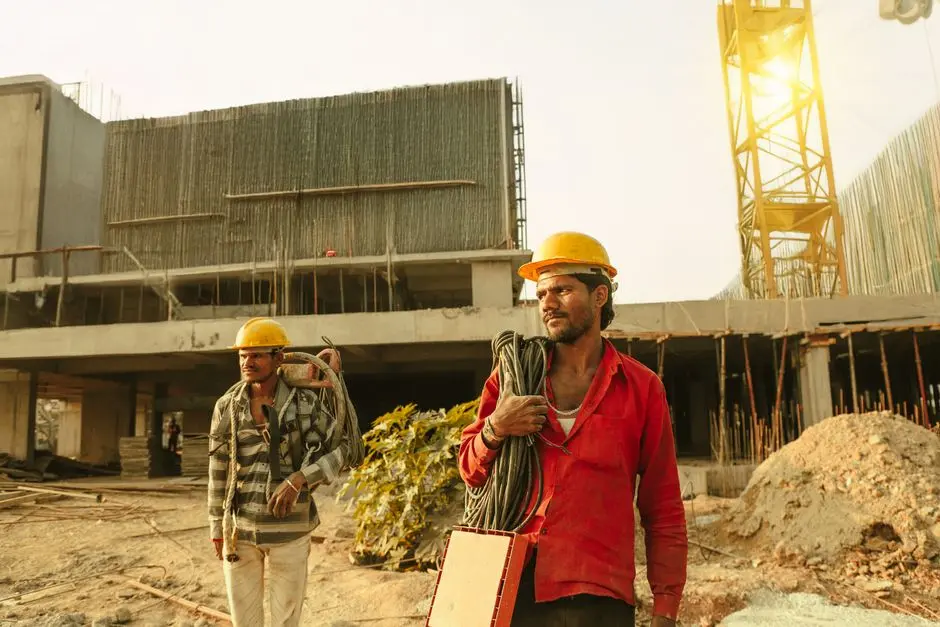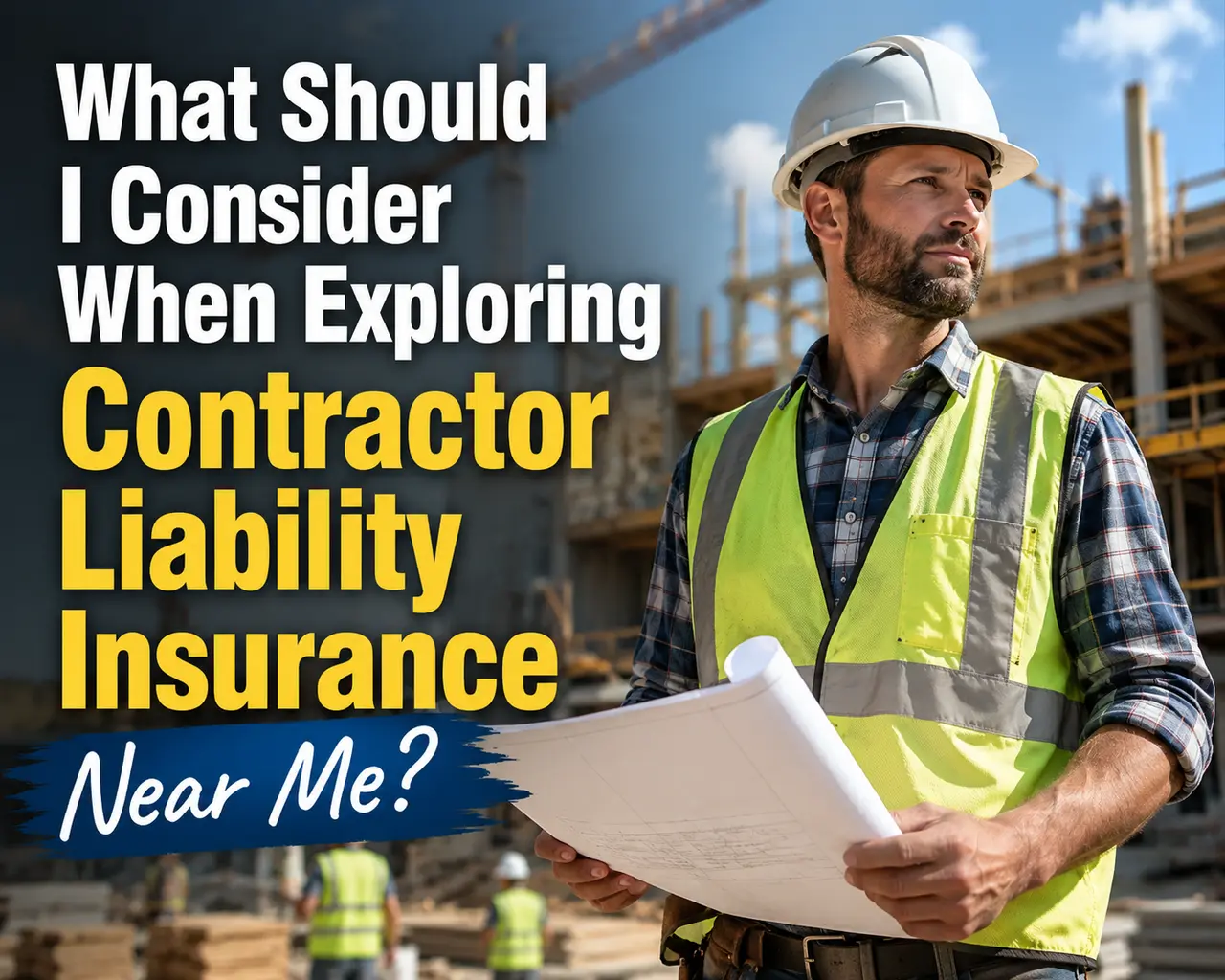
Embarking on a construction project is an exciting yet challenging endeavor. With so many moving parts, risks abound at every stage, from the initial groundbreaking to the final touches. That’s where builders risk insurance comes into play, offering protection and peace of mind. In this FAQ, we’ll break down how this specialized insurance coverage can safeguard your construction project.
What is Builders Risk Insurance?
Builders risk insurance is a specialized form of property insurance designed to protect construction projects. It covers buildings and structures under construction, safeguarding against risks like fire, theft, and natural disasters.
Imagine you’re in the midst of constructing a new office building or renovating an existing property. During this dynamic period, any number of unexpected occurrences could potentially impact the progress and finances of your project. Builders risk insurance acts as a protective shield, offering coverage against unforeseen incidents that might otherwise derail your endeavor.
This insurance is essential for property owners, contractors, and even sub-contractors, as it not only protects the physical aspect of the construction but also provides a sense of security against various uncertainties that loom over every project.
Key Coverage Areas of Builders Risk Insurance
This insurance covers physical loss or damage to a property due to unforeseen events. It typically includes coverage for materials, equipment, and structures related to the project during the construction phase.
Comprehensive in nature, builders risk insurance offers coverage not just for new builds but also for renovations and remodels. It’s crucial to note that this insurance applies from the start of a project until its completion, ensuring all phases are protected.
Beyond the basics, some policies might cover expenses related to debris removal after a covered loss, thus sparing additional costs that can arise unexpectedly. However, every policy is unique, so it’s essential to choose one that fits the needs of your specific project.
What Risks Are Typically Covered?
Builders risk insurance generally covers perils such as fire, lightning, vandalism, and certain weather-related events. It may also be extended to include theft and accidents leading to the destruction of materials.
These commonly covered risks ensure that incidents such as a storm damaging your new roofing materials or a fire breaking out on-site don’t completely halt or financially ruin your project.
The scope of coverage could also include damages related to construction errors, although this is typically addressed separately. It’s important to tailor your policy carefully based on the potential risks your project may encounter.
What Isn’t Covered by Builders Risk Insurance?
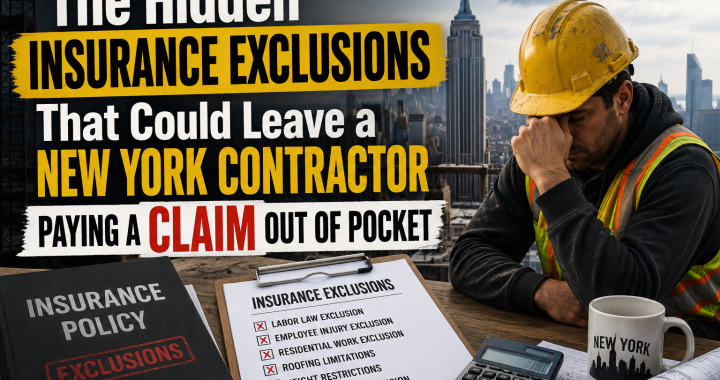
While comprehensive, builders risk insurance doesn’t cover everything. Typical exclusions might include normal wear and tear, employee theft, or certain natural disasters unless specified. It’s essential to understand these exclusions when choosing a policy.
Understanding what isn’t covered by builders risk insurance can prevent misconceptions. For instance, defects in workmanship or lousy design aren’t typically covered, which means remedial actions fall under the purview of other insurance types like professional liability insurance.
How to Choose the Right Policy for Your Project
Selecting the right policy involves assessing the specific needs and risks of your project. Consider the location, scale, type of construction, and project timeline, and consult with an insurance advisor to tailor the coverage effectively.
It’s wise to collaborate closely with a qualified insurance professional who can guide you in understanding the nuances of builders risk insurance. They can provide insights into policy comparisons and help you forecast potential risks you might not have considered.
Ultimately, choosing a policy should offer a balance between comprehensive coverage and affordability, ensuring that your investment in the project is well-protected throughout its duration.
Securing Your Project with Builders Risk Insurance
Builders risk insurance acts as a safety net for your construction project, covering it against various unpredictable and potentially costly risks. By understanding and investing in this type of insurance, you ensure that your project stays on track even when the unexpected occurs, providing reassurance and stability in a complex industry. For more information, visit our homepage.
About BGES Group
Running a business is challenging enough without having to spend valuable time dealing with insurance issues. At BGES Group, we make insurance simple by providing responsive, personalized service and helping you secure the right coverage at competitive rates. With more than 45 years of industry experience and access to over 25 top-rated insurance carriers, we take the time to understand your business and design insurance solutions that protect your company, employees, assets, and future—without paying for coverage you don’t need.
Our clients appreciate having one dedicated insurance professional, fast certificate processing, prompt answers, and direct access to a real person when they call. We proactively solve problems before they become costly, help control insurance expenses, and provide expert guidance on Workers’ Compensation, General Liability, Commercial Auto, Umbrella Liability, and other business insurance needs. Our goal is simple: make insurance one less thing for you to worry about while providing the peace of mind that comes from knowing an experienced professional is looking out for your business.
Contact BGES Group Insurance Services
Gary Wallach, President
Licensed in New York, New Jersey & Connecticut
📞 (914) 806-5853
✉️ bgesgroup@gmail.com
🌐 www.bgesgroup.com