7 Common Myths About Contractor Insurance NYC Debunked

Navigating the world of contractor insurance in NYC can be tricky, especially with so many myths out there muddying the waters. Today, we’re here to dispel some of these common misconceptions and provide clarity on what contractor insurance truly entails.

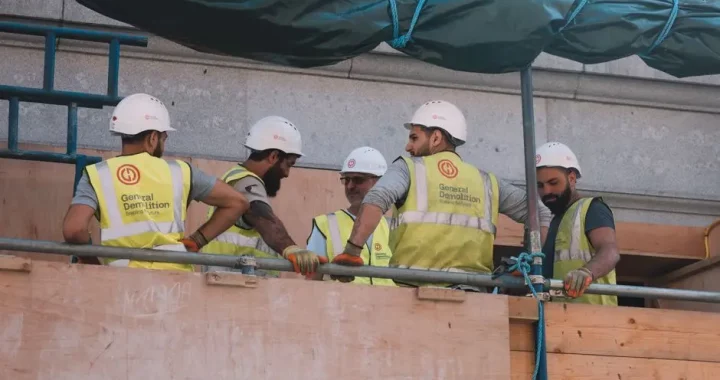
Group of construction workers in safety gear collaborating at a city construction site.

1. All Contractors Need the Same Insurance

While it might seem like all contractors should have the same insurance, the truth is coverage needs can vary greatly based on the type of work you do and the specific risks involved. For instance, a roofing contractor may face different risks compared to a general handyman. This makes it important to assess the unique needs and potential liabilities of your business. Customizing your insurance policies helps ensure you’re adequately covered, allowing you to focus on running your business without worrying about coverage gaps. Each project or specialty might bring different risks, which means a one-size-fits-all insurance policy could leave you exposed.

The idea that a singular insurance plan fits all contractors is outdated. The construction landscape in NYC is incredibly diverse, with projects ranging from small residential renovations to massive skyscraper developments. Each of these projects demands a different approach to risk management and, consequently, insurance coverage. Moreover, different municipalities within NYC might have varying insurance requirements. So, understanding the specifics of your project and local regulations can prevent legal complications in the future.

2. Contractor Insurance is Too Expensive

Many believe that contractor insurance is prohibitively expensive, but there are a variety of plans and options available that can fit different budgets while still providing necessary protection. Understanding that insurance is a crucial investment rather than an expense can reshape perceptions. By focusing on the long-term benefits of having comprehensive coverage, contractors can prevent more significant financial losses in the future. Through strategic planning and potentially bundling different insurance policies, you may find reasonably priced solutions that won’t break the bank.

Furthermore, it’s worth noting that the cost of not having insurance can far exceed the premiums you would pay. When accidents happen—and statistically speaking, they inevitably do—the financial repercussions can be devastating without adequate coverage. Shopping around, understanding what each policy covers, and even negotiating with providers can often result in practical solutions that are budget-friendly yet robust. Remember, having the right insurance could be the difference between taking a financial hit and safeguarding your hard-earned money.

3. My General Liability Insurance Covers Everything

General liability insurance covers a lot, but it’s not a catch-all. Understanding the limits and exclusions of your policy is essential to ensure you’re fully covered. For example, if a client feels dissatisfied and sues you for professional negligence, a general liability plan may not cover this specific type of liability. In such cases, additional professional liability insurance might be necessary to complement your existing policy. Therefore, carefully reviewing the exclusions section of your insurance agreement is crucial for avoiding unpleasant surprises.

Moreover, certain risks such as employee injuries or vehicle-related incidents typically require separate policies like workers’ compensation and commercial auto insurance. Without taking the time to understand what is and isn’t covered under your general liability plan, you could unwittingly leave yourself open to significant financial risks. Every business is unique, which means periodic evaluation of your coverage as your operations grow or evolve is key to maintaining adequate protection.

4. Small Contractors Don’t Need Insurance

Even small contractors can face significant risks. Insurance is vital for safeguarding against unexpected events that might otherwise threaten the stability of your business. Every day, small contractors encounter situations where unforeseen challenges occur, whether it’s a jobsite accident or a customer dispute over completed work. Having insurance provides a safety net, allowing small businesses to continue operating smoothly in the face of these challenges.

Moreover, many clients and organizations require proof of insurance even before hiring a contractor, regardless of their size. This requirement reflects the widespread understanding of the risks involved in contracting work. Being properly insured not only helps you meet client expectations but can also give you a competitive edge over uninsured contractors. Ultimately, having adequate insurance is about protecting your livelihoods, reputation, and peace of mind, regardless of your company’s size.

5. Insurance is Only Needed for Large Projects

Regardless of project size, potential liabilities exist. Having insurance protects you from unforeseen issues that can arise even on seemingly small projects. Whether you’re renovating a single bathroom or building an entire home, the potential for liabilities such as property damage or injury exists. Clients also often expect contractors to have insurance in place, which may influence their decision to hire you for future projects.

Moreover, small projects often have tight budgets, leaving little room for unexpected expenses. Insurance serves as a financial cushion, ensuring that unexpected liabilities don’t turn a profitable project into a loss. Contractors should view insurance as part of their standard project protocol, akin to obtaining necessary permits or conducting preliminary site assessments. This comprehensive approach helps ensure successful project outcomes regardless of scale.

6. Once Insured, Coverage is Automatic for All Projects

It’s important to evaluate your insurance needs for every project. Automatic coverage assumptions can leave you exposed to risks unique to specific contracts. Different types of projects can present distinct challenges and liabilities that a general policy may not cover. Assessing your insurance needs before starting a new project can help identify any coverage gaps and provide peace of mind knowing you’re adequately protected.

Moreover, as contracting work can involve collaboration with other subcontractors or service providers, conditions may arise that weren’t accounted for in previous projects. Ensuring your insurance is appropriately structured for each project’s requirements can safeguard against unforeseen outcomes, protecting both your business and your reputation. Regularly consulting with an insurance expert is a good habit, allowing you to remain informed and protected as industry standards and requirements evolve.

7. Only Accidents on the Jobsite Require Insurance

Insurance covers more than just accidents; it can protect against a variety of claims, including breaches of contract and damage to third-party property. Legal disputes and claims such as defective work or contract disagreements can arise long after a project is completed. Comprehensive insurance coverage ensures protection against such issues, allowing you to focus on your work rather than potential legal battles.

In today’s litigious environment, understanding the broad scope of possible liabilities is essential. Contractors must be prepared for circumstances where even actions or statements made outside of the job site could lead to claims. With proper insurance, you’re not just covering jobsite incidents, but also equipping yourself for a wide range of possibilities, securing the longevity and credibility of your contracting business.

About BGES Group

Running a business is challenging enough without having to spend valuable time dealing with insurance issues. At BGES Group, we make insurance simple by providing responsive, personalized service and helping you secure the right coverage at competitive rates. With more than 45 years of industry experience and access to over 25 top-rated insurance carriers, we take the time to understand your business and design insurance solutions that protect your company, employees, assets, and future—without paying for coverage you don’t need.

Our clients appreciate having one dedicated insurance professional, fast certificate processing, prompt answers, and direct access to a real person when they call. We proactively solve problems before they become costly, help control insurance expenses, and provide expert guidance on Workers’ Compensation, General Liability, Commercial Auto, Umbrella Liability, and other business insurance needs. Our goal is simple: make insurance one less thing for you to worry about while providing the peace of mind that comes from knowing an experienced professional is looking out for your business.

Contact BGES Group Insurance Services

Gary Wallach, President
Licensed in New York, New Jersey & Connecticut

📞 (914) 806-5853
✉️ bgesgroup@gmail.com
🌐 www.bgesgroup.com


The Hidden Insurance Mistakes That Can Put New York Contractors Out of Business: Lessons Every Builder Must Understand

Running a successful construction company in New York requires more than skilled workers, quality materials, and strong project management. Contractors must also understand one of the most important parts of protecting their business: having the right insurance coverage in place before a claim happens.

Many contractors believe that if they have a general liability policy and workers’ compensation coverage, they are fully protected. Unfortunately, that assumption can create devastating financial problems. Insurance policies are complex legal contracts, and the wrong endorsement, exclusion, or coverage limit can leave a contractor responsible for hundreds of thousands — or even millions — of dollars in losses.

New York’s construction industry is especially challenging because contractors face some of the toughest liability exposures in the country. From jobsite accidents to Labor Law claims, subcontractor issues, employee disputes, and contract requirements from general contractors and owners, the risks are constant.

The Biggest Mistake: Buying Insurance Based Only on Price

One of the most common mistakes contractors make is choosing insurance based only on the lowest premium.

Saving money is important, but the cheapest policy is not always the best policy. A contractor may save a few thousand dollars annually but discover after a serious claim that their policy does not provide the protection they assumed they purchased.

For example, two general liability policies may both show $1 million in coverage, but the difference can be hidden in the details:

  • Does the policy include the proper additional insured endorsements?

  • Is coverage primary and non-contributory?

  • Is there a Labor Law exclusion?

  • Are completed operations covered?

  • Are subcontractors properly addressed?

  • Are there residential construction limitations?

  • Does the umbrella policy follow the underlying liability coverage?

A contractor’s insurance program should be designed around the contracts they sign and the projects they perform — not just the lowest quote.

Minimize image
Edit image
Delete image

Understanding New York Labor Law Exposure

New York contractors face unique risks because of Labor Law Sections 240 and 241, often referred to as the “Scaffold Law.”

When a worker is injured in certain construction-related situations, contractors and property owners can face significant liability. These claims can be financially devastating, especially when a contractor does not have the correct insurance structure.

Many general contractors and owners now require specific insurance language to protect themselves, including:

  • Additional insured endorsements

  • Primary and non-contributory wording

  • Waivers of subrogation

  • Proper completed operations coverage

  • Adequate umbrella limits

Failing to meet these requirements can prevent a contractor from winning projects or create major problems after a loss.

The Subcontractor Problem: “They Said They Had Insurance”

Another major mistake contractors make is failing to properly verify subcontractor insurance.

A subcontractor without proper general liability or workers’ compensation coverage can create a major exposure for the contractor who hired them.

Many contractors assume that because someone provides a certificate of insurance, everything is covered. That is not always true.

Contractors should verify:

  • The policy is active

  • Coverage limits meet contract requirements

  • The correct additional insured wording is included

  • Workers’ compensation coverage is in place when required

  • The subcontractor’s work is properly classified

A certificate of insurance is evidence of coverage, but the actual insurance policy language determines what protection exists.

Workers’ Compensation: More Than Just a Requirement

Workers’ compensation is one of the most important coverages for construction companies. It protects employees who are injured on the job and helps protect the contractor from potentially catastrophic claims.

However, many contractors struggle with:

  • Increasing premiums

  • Payroll classification mistakes

  • Audit disputes

  • Incorrect employee classifications

  • Problems caused by subcontractors

A workers’ compensation audit can become a major financial issue if payroll is incorrectly reported or employees are placed into higher-rated classifications.

A knowledgeable insurance broker can review classifications, identify mistakes, and help contractors find programs designed specifically for their industry.

Employment Claims Are Growing Risks for Contractors

Many contractors focus only on jobsite risks and overlook employment-related claims.

Today, businesses face increasing exposure from allegations involving:

  • Wrongful termination

  • Discrimination

  • Sexual harassment

  • Retaliation

  • Employment-related disputes

General liability policies typically do not cover these types of claims. Employment Practices Liability Insurance (EPLI) is specifically designed to address many employment-related lawsuits and can provide defense costs and other protection depending on policy terms.

Even a small contractor with only a handful of employees can face a costly employment dispute.

The Importance of Reviewing Your Insurance Every Year

Many contractors renew the same policies year after year without a detailed review.

That can be dangerous because businesses change:

  • Payroll increases

  • Equipment purchases are made

  • New employees are hired

  • Larger projects are obtained

  • Contract requirements change

  • New subcontractors are added

Your insurance program should grow with your company.

An annual review should examine:

  1. Current contracts and insurance requirements

  2. Liability limits

  3. Workers’ compensation classifications

  4. Auto exposures

  5. Equipment coverage

  6. Umbrella protection

  7. New risks facing the company

The goal is not simply to buy insurance. The goal is to create a risk management plan that protects the business you worked years to build.

Why Having the Right Broker Matters

Construction insurance is not a commodity. A broker who understands contractors can make a major difference when it comes to protecting your company.

A good construction insurance advisor understands:

  • The challenges contractors face

  • The requirements imposed by general contractors and owners

  • The importance of proper endorsements

  • How to structure workers’ compensation programs

  • How to identify coverage gaps before a claim occurs

The right broker becomes a business partner — someone who helps contractors avoid problems instead of simply handing them a renewal invoice.

About BGES Group

BGES Group is a boutique insurance agency specializing in construction insurance for contractors throughout New York, New Jersey, and Connecticut. With decades of experience, BGES Group helps contractors protect their businesses with customized insurance programs designed around their specific risks.

BGES Group assists contractors with:

  • General Liability Insurance

  • Umbrella Liability

  • Workers’ Compensation

  • Business Auto

  • Builders Risk

  • Bid and Performance Bonds

  • NY Disability and Paid Family Leave

  • Group Health Programs

  • Subcontractor insurance reviews

  • Construction risk management solutions

Owner Gary Wallach has spent more than 40 years helping contractors navigate the complicated world of insurance. BGES Group focuses on personal service, industry knowledge, and helping contractors obtain the coverage they need to operate with confidence.

If you are a New York contractor concerned about your current insurance program, audits, rising premiums, coverage gaps, or contract requirements, BGES Group can help.

Contact Gary Wallach

Phone: 914-806-5853

Email: Bgesgroup@gmail.com

Website: Www.bgesgroup.com

BGES Group — helping contractors build stronger businesses by protecting what they have built.

Understanding Truckers Workers Compensation Insurance in the Tri-State Area

Navigating the world of truckers workers compensation insurance can be daunting, especially if you’re operating in the bustling Tri-State Area. With a unique set of challenges and regulations, it’s crucial for truckers and their employers to have a clear understanding of their options and responsibilities.

The Importance of Workers Compensation Insurance for Truckers

Workers compensation insurance is a safety net that provides truckers with financial protection in case of injuries or illnesses sustained on the job. It’s essential for covering medical expenses and lost wages, offering peace of mind to both truckers and their employers.

In a high-risk profession like trucking, accidents can happen at any moment, whether it’s a slip-and-fall while securing a load or a road collision. Without workers’ compensation, truckers might find it difficult to manage medical bills or support their families during recovery. This insurance assures truckers that their health and financial stability are prioritized while they focus on recovery.

Beyond personal financial security, having robust workers compensation insurance is vital for business continuity. For fleet owners, minimizing downtime when a driver is injured is paramount. Insurance facilitates swift medical intervention, potentially allowing drivers to return to work more quickly.

The Tri-State Area—New York, New Jersey, and Connecticut—presents unique challenges for truckers and their insurers due to its dense population, heavy traffic, and strict regulations. Understanding regional laws and requirements is key to maintaining compliance and ensuring adequate coverage.

New York, for example, mandates specific coverage minimums and has distinct rules regarding compensation claims that differ from its neighboring states. Drivers unfamiliar with these nuances might find themselves unprotected if an incident occurs. Furthermore, navigating the congested arterial roads of New York City and nearby areas requires vigilance and sometimes, extended driving hours, increasing fatigue and risk.

Similarly, New Jersey’s industrial hubs pose specific challenges, requiring truckers to maneuver through highly trafficked docks and storage facilities. On the other hand, Connecticut, while less densely populated, offers its own set of regulations, particularly concerning insurance compliance for cross-border transit. Therefore, understanding these particularities is critical for ensuring both legal compliance and optimal protection.

Key Components of Truckers Workers Compensation Policies

A comprehensive workers compensation policy for truckers should include coverage for medical expenses, disability benefits, and rehabilitation services. Knowing these essential components can help in choosing the right plan and ensuring complete coverage.

Medical expenses coverage is fundamental. It addresses immediate treatment costs and, often, subsequent rehabilitation or therapy needs. In some policies, prescription drugs and necessary medical supplies are also covered. Disability benefits are another crucial component. They compensate for wage losses during recovery periods, differing by the degree and duration of disability; typically classified as total or partial.

Moreover, rehabilitation is not merely about physical recovery. Comprehensive compensation policies offer vocational rehabilitation, helping injured truckers acquire new skills or adapt existing ones, facilitating their reintegration into the workforce. Some advanced policies may also provide mental health support, reflecting an understanding of the psychological toll that accidents can impose on drivers.

Tips for Choosing the Right Insurance Policy

Selecting the right workers compensation insurance policy involves evaluating your specific needs, comparing different providers, and understanding the benefits and limitations of each option. It’s also wise to consult with industry experts to make more informed decisions.

Start by assessing the size and scope of your operations. Are you managing a single truck or a fleet? Smaller operators might find tailored packages more beneficial, while larger fleets could leverage bulk deals. Research various providers and scrutinize their reputations, claim processes, and customer service quality. Price is important but should never compromise the reliability and comprehensiveness of coverage. It’s also beneficial to regularly review your policy, ensuring it remains aligned with any changes in your operational needs or industry regulations.

Additionally, consider consulting industry groups or associations for recommendations. They often have insights into providers with excellent records in claims handling and customer satisfaction. Ultimately, choosing an insurance policy is not just about meeting minimum requirements but ensuring a partnership that supports your business’s resilience and growth.

How to Handle Claims and Disputes Effectively

Filing a claim efficiently and resolving disputes quickly are crucial for minimizing disruptions to a trucking business. Clear communication with insurance providers and understanding the claims process can significantly smoothen this aspect.

The first step in handling claims effectively is ensuring all incidents are documented promptly. This includes photographs of accidents, medical reports, and witness statements where applicable. The more comprehensive your documentation, the easier it will be to process claims.

Staying proactive by maintaining open channels of communication with your insurer can also prevent disputes. Regularly update them about any operational changes and seek clarity on ambiguous policy terms. If disputes arise, mediation or third-party arbitration can provide mutually agreeable solutions without the need for expensive litigation. Educating drivers about the claims process ensures they know their rights and responsibilities, promoting a transparent and expedited resolution process.

Protecting Truckers: A Final Word on Workers Compensation

Understanding truckers workers compensation insurance in the Tri-State Area is essential for ensuring the welfare of drivers and the smooth operation of transport businesses. By staying informed and taking proactive steps, everyone involved can benefit from a fair and supportive working environment. To learn more about how to protect your drivers and business, visit the homepage.

About BGES Group

Running a business is challenging enough without having to spend valuable time dealing with insurance issues. At BGES Group, we make insurance simple by providing responsive, personalized service and helping you secure the right coverage at competitive rates. With more than 45 years of industry experience and access to over 25 top-rated insurance carriers, we take the time to understand your business and design insurance solutions that protect your company, employees, assets, and future—without paying for coverage you don’t need.

Our clients appreciate having one dedicated insurance professional, fast certificate processing, prompt answers, and direct access to a real person when they call. We proactively solve problems before they become costly, help control insurance expenses, and provide expert guidance on Workers’ Compensation, General Liability, Commercial Auto, Umbrella Liability, and other business insurance needs. Our goal is simple: make insurance one less thing for you to worry about while providing the peace of mind that comes from knowing an experienced professional is looking out for your business.

Contact BGES Group Insurance Services

Gary Wallach, President
Licensed in New York, New Jersey & Connecticut

📞 (914) 806-5853
✉️ bgesgroup@gmail.com
🌐 www.bgesgroup.com

The Hidden Cost of Action Over Claims in New York Construction

Every day, thousands of construction workers across New York climb ladders, work on scaffolds, operate heavy equipment, and perform physically demanding tasks that keep our cities growing. While most projects are completed safely, it only takes one serious accident to expose contractors, property owners, and general contractors to potentially devastating financial consequences.

Many contractors believe that if one of their employees is injured on the job, Workers’ Compensation will handle the claim and the matter is over. Unfortunately, in New York, that assumption is often wrong.

One of the greatest financial threats facing contractors today is the Action Over claim. These lawsuits have become one of the primary reasons liability insurance premiums continue to rise, underwriting requirements have become more restrictive, and many contractors struggle to obtain affordable coverage.

Understanding Action Over claims is no longer optional. It is essential for every contractor doing business in New York.

What Is an Action Over Claim?

An Action Over claim begins with a workplace injury.

Normally, an injured employee collects Workers’ Compensation benefits from his or her employer. Workers’ Compensation generally prevents employees from suing their own employer for negligence.

However, New York Labor Laws 240 and 241 often allow the injured worker to sue the property owner, general contractor, or construction manager instead.

Once those parties are sued, they frequently seek indemnification from the injured worker’s employer based upon contractual agreements or insurance requirements.

That process is commonly referred to as an Action Over claim.

Instead of one insurance company paying a Workers’ Compensation claim, multiple insurance companies become involved in defending lawsuits that may last for years and cost millions of dollars.

Why Action Over Claims Are So Expensive

The financial impact extends far beyond paying an injured worker’s medical bills.

An Action Over claim can involve:

  • Multi-million-dollar jury verdicts
  • Extensive legal defense costs
  • Expert witness expenses
  • Years of litigation
  • Higher insurance premiums
  • Difficulty obtaining future coverage
  • Larger deductibles or self-insured retentions
  • Loss of bidding opportunities due to insurance restrictions

In catastrophic injury cases involving permanent disability, brain injuries, paralysis, or death, damages can easily reach several million dollars.

Labor Law 240 Changes Everything

New York’s Labor Law 240, commonly referred to as the Scaffold Law, is unlike laws in almost every other state.

Article content

It applies primarily to gravity-related accidents involving falls from heights or injuries caused by falling objects.

If proper safety devices were not provided or failed to protect the worker, owners and general contractors may face significant legal exposure.

Even when multiple parties contributed to the accident, litigation can become extraordinarily complex and expensive.

This is why Labor Law 240 claims receive so much attention from insurance companies and why Action Over exposure is one of the biggest underwriting concerns for New York construction risks.

Insurance Premiums Continue to Rise

Insurance companies carefully evaluate contractors based upon their Action Over exposure.

Several factors affect pricing, including:

  • Percentage of residential work
  • Height exposure
  • Scaffold work
  • Roofing operations
  • Exterior façade work
  • Demolition
  • Structural steel
  • Safety history
  • Prior claims
  • Subcontractor management

Contractors with poor loss histories often experience:

  • Non-renewals
  • Premium increases
  • Reduced policy limits
  • Restrictive exclusions
  • Difficulty finding replacement coverage

For many businesses, one severe Action Over claim can affect insurance costs for years.

Contracts Matter More Than Most Contractors Realize

Many contractors focus only on obtaining the lowest insurance premium.

Unfortunately, they often overlook the language contained in construction contracts.

These contracts frequently require:

  • Additional insured status
  • Primary and non-contributory coverage
  • Contractual liability coverage
  • Indemnification agreements
  • Waivers of subrogation
  • Specific policy endorsements

If these requirements are not satisfied before work begins, the contractor may face expensive disputes after an accident occurs.

The time to review contracts is before signing—not after someone gets hurt.

Safety Is Still Your Best Defense

Insurance protects your business financially, but preventing accidents remains the most effective strategy.

Successful contractors typically invest heavily in:

  • Employee safety training
  • Daily toolbox talks
  • OSHA compliance
  • Fall protection systems
  • Scaffold inspections
  • Ladder safety
  • Personal protective equipment
  • Jobsite supervision
  • Written safety manuals
  • Incident reporting procedures

Insurance companies recognize these efforts during underwriting.

Strong safety programs often result in better pricing and broader coverage options.

More importantly, they help workers return home safely every day.

Documentation Can Save Your Business

Following a serious accident, attorneys may request years of documentation.

Examples include:

  • Safety meeting records
  • Equipment inspection logs
  • Employee training records
  • OSHA certifications
  • Photographs
  • Written jobsite inspections
  • Signed acknowledgments
  • Incident reports

Good documentation demonstrates that safety procedures were consistently followed.

Poor documentation makes defending claims significantly more difficult.

Choosing the Right Insurance Broker Matters

Construction insurance in New York is among the most complicated types of commercial insurance.

Every contractor has different exposures depending upon:

  • Trade
  • Payroll
  • Job size
  • Height exposure
  • Residential versus commercial work
  • Use of subcontractors
  • Geographic territory

A broker unfamiliar with Action Over exposure may unknowingly place a contractor into a policy that contains critical exclusions or inadequate protection.

Price alone should never determine which policy you purchase.

The true value of insurance is discovered after an accident—not before.

Protecting Your Business Before the Claim Happens

The best contractors view insurance as part of an overall risk management strategy.

That includes:

  • Reviewing contracts before signing.
  • Maintaining strong safety programs.
  • Hiring qualified subcontractors.
  • Verifying insurance certificates and endorsements.
  • Working with experienced legal counsel when necessary.
  • Conducting annual insurance reviews.
  • Purchasing adequate liability limits.
  • Understanding Labor Law exposure.

Waiting until after an accident occurs is simply too late.

The cost of prevention is almost always far less than the cost of litigation.

BGES Group—Helping New York Contractors Protect Their Businesses

At BGES Group, construction insurance isn’t just one of the services we offer—it’s our specialty. For more than 45 years, Gary Wallach has helped contractors throughout New York, New Jersey, and Connecticut navigate the complex world of construction insurance and risk management.

We understand the challenges contractors face every day, from Action Over claims and Labor Law exposure to Workers’ Compensation audits, contractual insurance requirements, and obtaining affordable, comprehensive coverage.

BGES Group represents more than 50 insurance companies, allowing us to compare multiple options to help contractors secure the protection they need. We provide General Liability, Umbrella Liability, Workers’ Compensation, Commercial Auto, Builders Risk, Inland Marine, Bid and Performance Bonds, Group Health Insurance, New York State Disability Benefits, and many other specialized coverages.

Whether you’re a general contractor, subcontractor, or specialty trade contractor, we’ll review your current insurance program, identify potential gaps, and help you build a stronger risk management strategy that protects both your business and your bottom line.

If you’d like a complimentary review of your current insurance program or have questions about Action Over exposure, we’d be happy to help.

Contact – Gary Wallach

Phone:914-806-5853

Email: bgesgroup@gmail.com

Website: www.bgesgroup.com

Real-Life Action Over Claims: Lessons Every New York Contractor Should Learn Before It’s Too Late

In New York’s construction industry, one serious accident can change the future of a business overnight. Many contractors believe that if one of their employees is injured, Workers’ Compensation will take care of the claim and the matter ends there. Unfortunately, that is often not the case.

New York’s unique labor laws and contractual indemnification requirements can create what is known as an Action Over claim. These claims have bankrupted contractors, caused insurance premiums to skyrocket, and made it difficult for many businesses to qualify for future projects.

The good news is that many of these costly situations can be minimized—or even avoided—through proper insurance planning, sound contracts, and effective risk management.

Let’s look at several real-world scenarios that demonstrate how Action Over claims develop and the lessons every contractor should learn.

Scenario 1: The Ladder Fall

A painting subcontractor is working inside a commercial office building. While standing on an extension ladder, the employee loses his balance and falls nearly twelve feet to the floor, suffering multiple fractures.

The employee immediately receives Workers’ Compensation benefits from his employer.

Most contractors assume the case ends there.

Instead, the employee files a lawsuit against the property owner and the general contractor under New York Labor Law 240, commonly known as the Scaffold Law. Under this law, owners and general contractors often face significant liability in gravity-related accidents. The owner and general contractor then bring the painting subcontractor back into the lawsuit through contractual indemnification and insurance requirements—creating an Action Over claim. (bgesgroup.com)

Lesson: A simple ladder accident can quickly evolve into a lawsuit involving multiple parties, substantial legal expenses, and potentially millions of dollars in damages.

Scenario 2: Falling Materials

During a renovation project, an electrician is installing conduit while another subcontractor is working several floors above. A heavy pipe slips through an opening and strikes the electrician.

Again, Workers’ Compensation covers the injured employee’s medical bills and lost wages.

The injured worker then sues the building owner and general contractor, alleging an unsafe worksite. The owner and general contractor seek indemnification from the subcontractors involved, and the litigation expands dramatically.

What began as one workplace injury now involves several insurance carriers, multiple defense attorneys, expert witnesses, and years of litigation.

Lesson: Poor coordination between trades and inadequate site safety procedures can dramatically increase exposure for everyone on the project.

Scenario 3: Scaffold Collapse

A masonry subcontractor erects scaffolding for façade work. During the project, part of the scaffold fails, causing several workers to fall.

Because gravity-related accidents receive heightened legal scrutiny in New York, the injured workers sue the owner and general contractor. The subcontractor’s insurance becomes central to the case, particularly if contractual insurance requirements were not properly satisfied.

If liability limits are inadequate or exclusions exist, the subcontractor could face severe financial consequences beyond the insurance available.

Lesson: Before work begins, contractors should verify that their insurance program meets project requirements, including additional insured status, contractual liability, and other required endorsements.

Article content

Scenario 4: Certificate of Insurance Problems

A subcontractor submits a certificate of insurance showing $1 million in general liability coverage. The certificate appears acceptable, and the project moves forward.

Months later, an employee suffers a catastrophic injury.

When the claim is presented, everyone discovers the policy contains exclusions or limitations that do not satisfy the project’s insurance requirements. The certificate itself does not change the policy language.

The owner, general contractor, subcontractor, and multiple insurance companies become involved in extensive litigation over coverage obligations.

Lesson: Certificates of insurance are only evidence that a policy exists. They are not the insurance contract. Contractors should always have their policies reviewed to confirm they satisfy contractual obligations.

Scenario 5: Poor Documentation

Following a serious injury, attorneys request safety meeting records, equipment inspection logs, training documentation, photographs, and incident reports.

The contractor has very little documentation.

Without records demonstrating consistent safety practices, defending the claim becomes much more difficult.

Even if the contractor believes proper procedures were followed, proving that fact years later without documentation can be nearly impossible.

Lesson: Strong documentation is one of the most valuable defenses available. Regular safety meetings, written inspections, employee training records, and incident reports can all play an important role during litigation.

Reducing Your Exposure

While no contractor can eliminate every risk, there are several practical steps that can significantly reduce Action Over exposure:

  • Carefully review subcontract agreements.
  • Verify additional insured and contractual liability requirements before work begins.
  • Ensure Labor Law and Action Over exposures are addressed by your insurance program where available.
  • Maintain comprehensive jobsite safety programs.
  • Document inspections, toolbox talks, employee training, and incidents.
  • Work with an insurance broker who specializes in New York construction insurance and understands the complexities of Action Over claims.

Planning before an accident occurs is far less expensive than defending a lawsuit afterward.

How BGES Group Can Help

At BGES Group, construction insurance is not just one of our specialties—it is our primary focus. For more than 45 years, Gary Wallach has helped contractors throughout New York, New Jersey, and Connecticut secure the insurance protection they need to meet demanding contract requirements while managing the unique risks of the construction industry.

We represent more than 50 insurance companies, giving our clients access to competitive programs for General Liability, Umbrella Liability, Workers’ Compensation, Commercial Auto, Builders Risk, Inland Marine, Bid and Performance Bonds, New York State Disability, Group Health, and many other coverages. We also assist contractors with Workers’ Compensation audit disputes, payroll classifications, and risk management strategies.

Whether you’re a small subcontractor or a large general contractor, we’ll review your insurance program, identify potential gaps, and help you obtain coverage that aligns with your business and contractual obligations.

For a complimentary review of your current insurance program, contact:

Gary WallachBGES Group

Phone: 914-806-5853 – Gary Wallach

Email: bgesgroup@gmail.com

Website: www.bgesgroup.com

7 Reasons Why General Contractor Insurance is a Must-Have

In the world of construction, unpredictability is just another day at the office. From building towering skyscrapers to crafting cozy homes, general contractors juggle numerous tasks that come with their fair share of risks. This is where general contractor insurance steps in—your safety net in an industry where anything can happen. Let’s dive into why this insurance is not just a safety measure but an essential element for every contractor.

1. Protecting Your Business from Financial Loss

Accidents happen, and when they do, they can be financially devastating. Having the right insurance provides a shield, covering the costs of unexpected mishaps, from property damage to bodily injuries, ensuring that your business remains financially stable. Imagine a scenario where a simple oversight leads to a significant structural defect—without insurance, the costs could be catastrophic. But with the right coverage, you can handle such surprises with ease.

Insurance is not just about dealing with accidents; it’s also a strategic financial tool. The premiums you pay secure your financial foundation, allowing you to reinvest in your business and grow, rather than worry about unpredictable expenses. In essence, insurance is like a sturdy helmet for your operation—only instead of your head, it protects your revenue streams and profitability.

Having the appropriate insurance is often a legal requirement in many areas. Without it, you might face hefty fines or even a halt to your projects. Staying insured keeps you compliant and operational, following local regulations. More than just a legal hoop to jump through, the right insurance policy can be tailored to fit specific mandates, ensuring that every aspect of your project stays within the law’s boundaries.

3. Building Trust with Clients

Clients feel more secure working with contractors who are insured because it demonstrates professionalism and preparedness. It reassures them that you’re ready to handle any unforeseen issues responsibly. When clients see that their contractor has taken the necessary steps to protect them and their property, it fortifies their trust and builds a more solid working relationship, crucial for referrals and repeat business.

In competitive construction markets, presenting yourself as a responsible and reliable contractor can be the edge you need to stand out. A portfolio rich in successful projects is commendable, but backing it up with comprehensive insurance coverage is what truly sets a contractor apart, assuring clients that risks are managed, not ignored.

4. Safeguarding Against Lawsuits

In a litigious society, lawsuits can arise unexpectedly. Whether it’s a disgruntled client or a worker injury, insurance helps protect you from legal battles and associated costs. Litigation can be drawn out and expensive, draining your resources and focus. But with insurance, the potential impact on your business is minimized, giving you a buffer when legal issues rear their head.

5. Covering Equipment and Tools

Your tools and equipment are vital to your daily operations. Insurance ensures that in the event of theft, loss, or damage, you can quickly replace or repair your gear without financial strain. Equipment insurance covers more than just big-ticket items; even the loss of smaller tools can disrupt workflows if unchecked. The security of knowing you’re covered can ease the concern of ‘what if’ scenarios and lets you focus on the job at hand, efficiently and effectively.

6. Ensuring Project Completion

When accidents occur, they can delay your projects. Insurance provides the resources you need to manage these setbacks and ensure that you deliver on time, maintaining your reputation and client satisfaction. The confidence gained from having insurance not only equips you to handle unforeseen challenges but also underlines your commitment to completing projects as planned, no matter the hurdles encountered along the way.

Moreover, keeping your team motivated through adversity is shaped by how adequately you’re prepared. Knowing that there’s a financial safety net encourages a smoother workflow and adaptability, vital for project success in the unpredictable realm of construction.

7. Peace of Mind for You and Your Team

Insurance brings peace of mind, knowing that you and your team are protected against the unpredictable nature of construction work. This allows you to focus on the job with confidence and clarity. When each team member is assured of financial safety in case of accident or mishap, your business runs smoother. This relief fosters a healthier work environment where safety and efficiency can thrive.

About BGES Group

Running a business is challenging enough without having to spend valuable time dealing with insurance issues. At BGES Group, we make insurance simple by providing responsive, personalized service and helping you secure the right coverage at competitive rates. With more than 45 years of industry experience and access to over 25 top-rated insurance carriers, we take the time to understand your business and design insurance solutions that protect your company, employees, assets, and future—without paying for coverage you don’t need.

Our clients appreciate having one dedicated insurance professional, fast certificate processing, prompt answers, and direct access to a real person when they call. We proactively solve problems before they become costly, help control insurance expenses, and provide expert guidance on Workers’ Compensation, General Liability, Commercial Auto, Umbrella Liability, and other business insurance needs. Our goal is simple: make insurance one less thing for you to worry about while providing the peace of mind that comes from knowing an experienced professional is looking out for your business.

Contact BGES Group Insurance Services

Gary Wallach, President
Licensed in New York, New Jersey & Connecticut

📞 (914) 806-5853
✉️ bgesgroup@gmail.com
🌐 www.bgesgroup.com


The 10 Commandments of Being a New York Contractor

(Or How to Stay Out of Court, Keep Your Hair, and Actually Make Money)

Being a contractor in New York isn’t for the faint of heart.

One day you’re pouring concrete. The next day you’re chasing permits, arguing with inspectors, dealing with insurance certificates, collecting money from customers who suddenly “forgot the checkbook,” and praying that nobody trips over a broom and files a Labor Law lawsuit.

If Noah had built the Ark in New York, he probably would’ve needed twelve permits, three engineers, six additional insured endorsements, and a $10 million umbrella policy.

So, to help you survive, here are The 10 Commandments of Being a New York Contractor.

Commandment #1: Thou Shalt Never Work Without Proper Insurance

This isn’t Texas.

This isn’t Florida.

This is New York.

One accident can turn a successful contractor into yesterday’s news.

General Liability, Workers’ Compensation, Commercial Auto, Inland Marine, Builders Risk, Umbrella Liability—the list goes on.

Insurance isn’t something you buy because someone says you have to.

You buy it because lawsuits don’t care whether you’re a nice guy.

Commandment #2: Thou Shalt Read Every Contract

Buried somewhere on page 37 is usually a sentence that says you’ll be responsible for everything from a scratch on the sidewalk to an asteroid hitting the building.

Never assume the contract is “standard.”

There is no such thing as a standard construction contract in New York.

Read it.

Ask questions.

Have someone who understands insurance review it before signing.

Your future self will thank you.

Commandment #3: Thou Shalt Never Hire a Subcontractor Without Proper Insurance

Your cousin Vinny may be the best tile installer in New York.

But if he doesn’t have Workers’ Compensation or Liability Insurance, guess who could become responsible when something goes wrong?

You.

Always collect:

  • Certificate of Insurance
  • Additional Insured endorsement
  • Primary & Non-Contributory wording
  • Waiver of Subrogation
  • Workers’ Compensation policy

No exceptions.

Because “Don’t worry, I’ve got insurance…” are famous last words.

Commandment #4: Thou Shalt Keep Good Records

Invoices.

Payroll.

Signed contracts.

Change orders.

Photos.

Emails.

Texts.

Save everything.

The document you almost threw away today may save you $500,000 five years from now.

Your accountant, attorney, insurance carrier, and spouse will all appreciate your organizational skills.

Commandment #5: Thou Shalt Respect Safety

Safety meetings aren’t exciting.

Hard hats aren’t fashionable.

Harnesses aren’t comfortable.

But emergency rooms are even less fun.

Train your employees.

Inspect equipment.

Fix hazards immediately.

A safe jobsite is usually a profitable jobsite.

Commandment #6: Thou Shalt Work With BGES Group for Contractor Liability Insurance

Finding contractor liability insurance in New York has become harder than finding parking in Manhattan.

Many insurance companies have reduced their appetite for contractors, tightened underwriting guidelines, or left the market altogether.

That’s where BGES Group comes in.

We specialize in New York construction insurance.

Unlike agencies where you feel like just another account number, we understand contractors because we’ve spent decades helping them.

We’ll review your operations, explain your coverages in plain English, identify dangerous exclusions, and shop your policy with multiple insurance companies to obtain competitive pricing.

Our goal isn’t simply finding the cheapest policy.

Our goal is helping you find the right policy.

Because the cheapest insurance is often the most expensive policy after a claim.

Commandment #7: Thou Shalt Obtain Workers’ Compensation Through BGES Group

Workers’ Compensation problems?

We’ve probably seen it before.

High experience modification?

Classification issues?

Payroll disputes?

Coverage declined?

Need better pricing?

BGES Group works with 10 different Workers’ Compensation insurance companies to help contractors find solutions.

Rather than accepting “No” from one insurance company, we’ll explore multiple options to solve your problem.

Every contractor is different.

Every business deserves options.

Whether you’re a one-person operation or a growing construction company with dozens of employees, we’ll help you find competitive Workers’ Compensation coverage that fits your business.

Commandment #8: Thou Shalt Not Underbid Every Job

Winning every bid sounds great.

Until you realize you’re losing money on every project.

Profit isn’t a dirty word.

It’s how you pay employees, buy equipment, support your family, and sleep at night.

Know your costs.

Bid intelligently.

Remember…

Working for free is called volunteering.

Construction is supposed to be a business.

Commandment #9: Thou Shalt Communicate

Most construction disasters don’t start with bad workmanship.

They start with poor communication.

Return phone calls.

Answer emails.

Document conversations.

Confirm changes in writing.

If everyone knows what’s happening, there are far fewer surprises.

And surprises in construction usually come with invoices.

Commandment #10: Thou Shalt Laugh Once in a While

Construction is stressful.

Permits get delayed.

Materials disappear.

Inspectors show up unexpectedly.

Customers change their minds.

Employees call in sick on Monday…and somehow also on Friday.

If you can’t laugh occasionally, you’ll spend your life arguing with a tape measure.

Remember why you got into construction.

You build things.

You solve problems.

You create something that wasn’t there yesterday.

That’s something to be proud of.

Final Thoughts

Being a contractor in New York requires skill, determination, patience, and occasionally the ability to keep a straight face while reading yet another 150-page insurance requirement from a general contractor.

Success isn’t about avoiding every problem.

It’s about preparing for them before they happen.

That’s where having the right insurance advisor can make all the difference.

At BGES Group, we are a boutique insurance agency specializing in construction insurance throughout New York, New Jersey, and Connecticut. With more than 45 years of insurance experience, we help contractors obtain the coverage they need at competitive prices while providing the personalized service that many larger agencies simply can’t match.

Whether you need General Liability, Workers’ Compensation, Commercial Auto, Inland Marine, Builders Risk, Umbrella Liability, or assistance solving difficult insurance problems, we’re here to help.

When you call BGES Group, you’ll speak with experienced professionals who understand construction—not a call center reading from a script.

Contact BGES Group Today

Gary Wallach
Owner, BGES Group

Phone: 914-806-5853

Email: bgesgroup@gmail.com

Website: www.bgesgroup.com

Before your next project begins, make sure you’ve got the right insurance partner on your side.

After all, Moses had ten commandments.

Contractors only need one more:

“Thou shalt call BGES Group before thy insurance renewal.”


12 Myths and Facts About Contractor Insurance in the Tri-State Area

Navigating contractor insurance can be confusing with so much conflicting information available. Whether you’re a seasoned professional or just starting, it’s vital to separate myths from facts to ensure you’re adequately protected. In this article, we’ll delve into some common misconceptions surrounding contractor insurance in the Tri-State Area.

Construction workers engaged in a discussion at a construction site wearing safety gear.

1. Contractor Insurance is Only Necessary for Large Projects

This myth often misleads small contractors into believing they don’t need insurance. Regardless of project size, insurance is crucial to protect against various liabilities. Whether you’re building a skyscraper or renovating a bathroom, the potential for financial risk exists. Insurance shields you from unexpected events such as accidents, injuries, or property damage, which can occur in any project size.

In fact, smaller projects sometimes come with hidden risks that are underestimated. For instance, working on a house can still involve hazardous equipment or subcontractor mistakes, leading to unforeseen liabilities. Having the right contractor insurance ensures you’re covered, no matter the project size.

2. General Liability Insurance Covers Everything

While general liability insurance provides broad coverage, it doesn’t cover everything. Understanding its limitations helps you choose additional policies if needed. This type of insurance typically covers bodily injury or property damage you’re legally responsible for, but it doesn’t include professional errors or omissions, which require professional liability insurance.

Moreover, damages caused by faulty workmanship aren’t usually covered. Suppose a contractor incorrectly installs a fixture that later leads to damage; general liability might not cover this unless a separate coverage for errors is included. Therefore, it’s crucial to assess and tailor additional policies to comprehensively protect your business.

3. Only Physical Damage Claims Matter

Contractor insurance isn’t just about physical damage. It can also protect against reputational damage and financial losses from lawsuits. Legal disputes can arise from numerous situations, not solely from physical incidents. Consider a scenario where a project delay leads to client dissatisfaction, resulting in reputational harm or legal action.

Additionally, claims related to professional liability, like negligence or misrepresentation, can create significant financial burdens. Having comprehensive insurance ensures that you’re prepared for a range of scenarios beyond mere physical damage. By understanding the greater scope of potential risks, contractors can avoid significant financial setbacks with the proper coverage.

4. All Insurance Policies are the Same

Every policy varies in terms of coverage, exclusions, and costs. Tailor your insurance to fit your business needs and stay protected. Many contractors mistakenly believe they can opt for any policy, but nuances in each policy can mean the difference between complete and partial protection.

For example, some policies may not cover certain geographic regions or specific types of projects. Others might include clauses that could limit or void coverage if certain conditions aren’t met. So, it’s vital to closely review policy terms to ensure you’re getting the coverage that truly aligns with your business operations and potential risks.

To best navigate these differences, working with an experienced insurance advisor familiar with local regulations in the Tri-State Area can be highly beneficial. They can help highlight key areas and ensure your policy meets your unique needs, potentially saving you from costly gaps in coverage.

5. Insurance Costs are Fixed

Costs can vary based on factors like project type and business size. Knowing this helps in budgeting and ensures you’re not paying more than necessary. Insurance premiums are typically calculated with a number of variables, including the scope of your projects and the perceived risk levels.

For instance, contracting firms operating with heavy machinery or at significant heights might incur higher costs than those focusing on detail-oriented interior work. Similarly, businesses with high numbers of employees may find their costs adjusted to reflect increased liability. Structuring costs appropriately allows you to find a balance between comprehensive coverage and affordable premiums.

By regularly reviewing your coverage needs and staying informed about any changes in your business operations, you can make adjustments to your insurance strategy. This proactive approach can potentially lead to significant cost savings while ensuring you still possess the necessary coverage.

6. Claims Never Get Paid

Many believe claims are often denied, but understanding the claims process can improve your chances of a successful outcome. It’s important to follow the guidelines for submitting claims accurately and comprehensively to increase approval rates.

Moreover, closely document incidents as they occur and maintain clear records of all communications. This thorough approach aids insurers in processing your claim more efficiently. If discrepancies exist, communicating with your insurance provider promptly can resolve issues before they lead to claim rejections.

Remember, many denied claims stem from miscommunication or inadequate documentation. By understanding and following the correct procedures, contractors can ensure claims are more likely to be paid, offering peace of mind and financial protection when needed.

7. Contractor Insurance Isn’t Needed if You’re Self-Employed

Self-employed contractors face liabilities too. Insurance can safeguard your personal and professional assets from unforeseen events. Without the umbrella of another company, self-employed contractors are solely responsible for the financial impact of their projects.

For instance, a client might sue for unsatisfactory work, or unpredictable accidents could lead to expensive lawsuits. Comprehensive insurance for self-employed individuals can help mitigate these risks, ensuring business continuity without risking personal finances. Planning ahead and considering potential liabilities allows self-employed contractors to operate with confidence and security.

8. Personal Insurance is Sufficient

Personal insurance doesn’t cover business-related claims. Distinguishing between personal and business insurance is critical, as many assume their personal policies extend to professional activities—often a costly oversight.

When professional incidents occur, like workplace injuries or damages, personal insurance plans are typically inadequate. Instead, business-specific insurance policies are designed to cover occupational risks, ensuring comprehensive protection.

Understanding these boundaries helps contractors maintain appropriate coverage, without experiencing financial gaps during critical times. Consulting with an insurance professional specializing in contractor policies can provide distinctive solutions tailored to specific needs.

9. Workers’ Compensation Insurance is Optional

In many areas, workers’ comp is mandatory. It protects both the employer and employees, covering work-related injuries. The misunderstanding regarding its optional nature often leads to severe legal repercussions and financial liabilities.

Workers’ compensation encompasses medical expenses, wage replacement, and rehabilitation services for injured employees. These benefits recognize that injuries can happen regardless of safety measures. Hence, ensuring coverage is not just a legal obligation but a practical need.

For businesses operating in the Tri-State Area, staying compliant with local workers’ comp laws is essential. It not only protects employees but also safeguards businesses from potential lawsuits that might arise from workplace accidents.

10. My Insurance Policy Covers Subcontractors

Assuming subcontractors are covered can lead to unexpected liabilities. They typically need their own insurance. Misunderstandings in this realm can result in significant financial exposures for the primary contractor.

Subcontractors bring additional layers of complexity to projects, along with their own risks. Protecting your business means verifying that your subcontractors carry appropriate liability and workers’ compensation insurance. This precaution ensures their operations won’t jeopardize your coverage or add to your financial burden.

11. Higher Premiums Always Mean Better Coverage

A higher premium doesn’t guarantee more coverage. It’s vital to evaluate what each policy offers to select the best value. Often, pricing is influenced by additional features or an enhanced service level rather than coverage breadth.

Examining policy details is the most reliable way to assess if the premium aligns with your business needs. Factors such as policy limits, exclusions, and riders can significantly impact the efficacy of coverage offerings. Always review carefully to ensure you’re getting optimal protection without overspending.

12. Insurance Isn’t Needed for Completed Projects

Post-completion liabilities, such as latent defects, can still arise, making ongoing coverage important. Ignoring this after a project’s conclusion could lead to significant vulnerabilities.

Completed operations coverage ensures peace of mind well after the finish date, shielding against claims that arise later due to hidden issues that had no immediate impact. Staying insured during this period demonstrates forward-thinking and a commitment to reliable long-term performance. Verstappenaning this risk protects both your reputation and finances, enhancing overall business sustainability.

About BGES Group

Running a business is challenging enough without having to spend valuable time dealing with insurance issues. At BGES Group, we make insurance simple by providing responsive, personalized service and helping you secure the right coverage at competitive rates. With more than 45 years of industry experience and access to over 25 top-rated insurance carriers, we take the time to understand your business and design insurance solutions that protect your company, employees, assets, and future—without paying for coverage you don’t need.

Our clients appreciate having one dedicated insurance professional, fast certificate processing, prompt answers, and direct access to a real person when they call. We proactively solve problems before they become costly, help control insurance expenses, and provide expert guidance on Workers’ Compensation, General Liability, Commercial Auto, Umbrella Liability, and other business insurance needs. Our goal is simple: make insurance one less thing for you to worry about while providing the peace of mind that comes from knowing an experienced professional is looking out for your business.

Contact BGES Group Insurance Services

Gary Wallach, President
Licensed in New York, New Jersey & Connecticut

📞 (914) 806-5853
✉️ bgesgroup@gmail.com
🌐 www.bgesgroup.com


8 Key Reasons Your Demolition Business Needs Specialized Insurance

In the high-stakes world of demolition, the right insurance can be your best ally. Just like any other business, demolition comes with unique risks that require tailored coverage. In this blog, we’ll explore why having specialized insurance is crucial for your demolition business and how it can save you from unexpected hurdles.

A bulldozer efficiently demolishing an old building, clearing rubble.

1. Protecting Your Business Assets

Demolition work involves heavy machinery and expensive equipment. Specialized insurance ensures that your valuable assets are protected against accidents, theft, or damage. Imagine a scenario where one of your excavators, integral to a project, is stolen or severely damaged. Without appropriate insurance, the financial burden can be immense, potentially crippling your business operations. By having a robust insurance plan, not only are you safeguarding these crucial assets but also ensuring that your business continues to run smoothly despite unforeseen incidents.

Moreover, with specialized coverage, you’re not only protecting physical assets but also embracing long-term financial stability. This type of insurance can cover transport losses, warehouse mishaps, and even on-site accidents that may damage your equipment. The intricate nature of demolition work, where precise maneuvers are vital, means that machinery can be exposed to significant risks. Ensuring this coverage is a strategic move that can future-proof your business operations.

2. Managing Liability Risks

Accidents can happen, and when they do, liability can be costly. Specialized insurance provides coverage against claims, protecting your business from potential financial ruin. For instance, if a bystander is injured on the job site, your company could face lawsuits that run into thousands or even millions of dollars. An effective liability policy will cover legal fees, medical expenses, and other costs related to such incidents, allowing you to handle these difficult situations without sacrificing your financial health.

Additionally, such insurance is a critical shield against errors and omissions that could arise from project missteps. Coverage for professional liabilities ensures that mistakes in planning or execution don’t lead to costly settlements. This not only provides financial protection but also maintains your firm’s reputation in a competitive market. With a comprehensive liability insurance plan, you can navigate the complex landscape of demolition with confidence, knowing you’re protected from multiple angles.

Different states have varying insurance requirements for demolition contractors. Specialized insurance ensures your business complies with all local regulations, keeping you in good legal standing. For instance, some regions may mandate specific coverage types for demolition activities, reflecting local environmental and safety concerns. By securing the right insurance policies, you align with these regulatory standards, avoiding fines and potential business discontinuation.

Securing the appropriate licenses and permits, along with adhering to insurance requirements, demonstrates a strong commitment to regulatory compliance. This not only satisfies legal obligations but also enhances your business’s credibility with clients and stakeholders, making you a more attractive partner for large-scale projects. A well-insured business is seen as responsible and trustworthy, paving the way for sustainable growth and expansion.

4. Safeguarding Against Project Delays

Unexpected issues can delay projects, leading to financial losses. Insurance can provide compensation, mitigating the impact on your business operations. For instance, if a severe weather event damages a site, delaying project completion, your insurance could cover the extra labor and material costs incurred during recovery. This allows you to proactively manage unforeseen challenges without compromising your financial stability or client commitments.

Operational delays, whether due to environmental interruptions or equipment malfunction, can disrupt schedules and inflame budgets. Having specialized insurance means you’re prepared to address these disruptions effectively, ensuring project continuity. Such provisions offer not just financial support but also peace of mind, allowing you to focus resources on maintaining project timelines and client satisfaction amidst unexpected setbacks.

5. Covering Environmental Liabilities

Demolition often involves hazardous materials that can have environmental impacts. Specialized insurance can cover cleanup costs and liabilities related to environmental damage. If your demolition activities inadvertently release pollutants or cause contamination, cleanup can be both complex and costly. By having the right environmental coverage, you protect your business against substantial financial burdens while also showing commitment to sustainable and responsible operational practices.

Beyond financial protection, environmental liability insurance underscores your dedication to eco-friendly and compliant demolition practices. By addressing potential risks upfront, you can better align with industry standards and increase your appeal to environmentally conscious clients. Such foresight not only aids in risk management but also positions your business as a leader in environmentally responsible demolition solutions.

6. Ensuring Employee Safety

A comprehensive insurance plan includes workers’ compensation, providing coverage for injuries to your team, which is essential in a high-risk industry like demolition. Protecting your employees is not only a legal necessity but also a moral obligation. By ensuring they have access to medical and therapeutic care if injured, you demonstrate a strong commitment to their well-being. This can foster a safer working environment and promote better team morale and productivity.

Moreover, robust employee coverage can contribute to talent retention by providing a safety net for the workforce. In an industry where experienced operators and skilled laborers are highly valued, competitive benefits, including comprehensive insurance, can distinguish your business from competitors, creating a more attractive working environment. Prioritizing employee safety helps build a responsible company culture and enhances your reputation as a top-tier employer in the demolition sector.

7. Enhancing Client Confidence

Clients are more likely to choose contractors who can demonstrate financial stability and responsibility. Having specialized insurance enhances your credibility and trustworthiness. When clients see that you’re adequately insured, they infer that you’re prepared for both expected and unexpected challenges. This confidence often translates into a higher chance of winning bids and securing long-term contracts, contributing positively to your business development efforts.

Insurance can be a definitive factor in securing projects, especially in competitive tendering processes. Clients prefer partners who visibly prioritize risk management; this reduces their own risk exposure substantially. Thus, comprehensive insurance acts as both a risk mitigator for your business and a trust builder with prospective clients, translating into more opportunities and project wins over time.

8. Offering Peace of Mind

Knowing that you are adequately insured means you can focus on your projects rather than worrying about unforeseen incidents, allowing you to operate with confidence. Less time spent worrying about potential liabilities or disruptions means more energy invested in delivering quality work to your clients. This peace of mind also enables greater focus on strategic planning for business growth and client relationship management.

About BGES Group

Running a business is challenging enough without having to spend valuable time dealing with insurance issues. At BGES Group, we make insurance simple by providing responsive, personalized service and helping you secure the right coverage at competitive rates. With more than 45 years of industry experience and access to over 25 top-rated insurance carriers, we take the time to understand your business and design insurance solutions that protect your company, employees, assets, and future—without paying for coverage you don’t need.

Our clients appreciate having one dedicated insurance professional, fast certificate processing, prompt answers, and direct access to a real person when they call. We proactively solve problems before they become costly, help control insurance expenses, and provide expert guidance on Workers’ Compensation, General Liability, Commercial Auto, Umbrella Liability, and other business insurance needs. Our goal is simple: make insurance one less thing for you to worry about while providing the peace of mind that comes from knowing an experienced professional is looking out for your business.

Contact BGES Group Insurance Services

Gary Wallach, President
Licensed in New York, New Jersey & Connecticut

📞 (914) 806-5853
✉️ bgesgroup@gmail.com
🌐 www.bgesgroup.com


How to Choose the Right Workers Compensation Coverage for Your Needs

Navigating the world of workers’ compensation insurance can be overwhelming, especially when trying to find the right coverage for your business. This blog aims to simplify that process by breaking down the essentials of workers’ compensation and helping you make a well-informed decision.

Understanding Workers’ Compensation Basics

Workers’ compensation is an indispensable part of any business’s safety net. It is designed to cover medical expenses and lost wages for employees who suffer job-related injuries or illnesses. For employers, having the right coverage means protection from lawsuits that could arise from workplace accidents. This balance creates a more secure environment for both parties involved. The concept can initially seem intricate, but understanding the fundamentals allows you to appreciate how vital this insurance is in protecting the livelihoods of both workers and employers.

As a business owner, it’s crucial to recognize the two primary types of benefits provided through workers’ compensation: medical benefits and wage replacement. Medical benefits cater to costs like hospital visits, medication, and therapy, which are directly linked to work-related injuries. Wage replacement, on the other hand, offers financial assistance if the employee must take time off due to their injury. Navigating these benefits efficiently can mitigate legal risks and ensure your team’s well-being, underscoring the importance of selecting the appropriate coverage.

Determining State Requirements

Understanding state-specific requirements for workers’ compensation is a vital step in securing the right coverage for your business. Every state has its own statutes and enforcement practices regarding workers’ compensation insurance. This variance can include differences in coverage benefits, premium rates, and regulatory requirements. Thus, it’s essential to conduct a thorough review of your state’s laws to avoid non-compliance issues, which might result in penalties that can financially burden your business.

Another important consideration is the threshold number of employees that necessitates workers’ compensation coverage, which varies significantly by state. For example, some states require coverage for even one employee, whereas others might have higher thresholds. Businesses in high-risk industries may also face stricter mandates, making it imperative to stay updated on regulatory changes and exceptions that apply to your specific business type. This diligence ensures that you don’t inadvertently flout state regulations, as operating without appropriate coverage could result in legal action.

Assessing Your Business Needs

The next step is assessing your unique business needs to determine the right workers’ compensation coverage. This process involves analyzing several factors including the size of your team, the nature of your operations, and workplace risk levels. For instance, if you run a construction company, your exposure to hazardous conditions is significantly higher compared to a tech firm with office-based staff. Thus, tailored coverage is essential to ensure comprehensive protection catered to your specific industry requirements.

Consider conducting a risk assessment to understand potential hazards your employees might face. Knowing these risks helps in choosing coverage limits sufficient to manage potential claims and ensuring all job roles are adequately covered. It’s equally important to ensure that you are accounting for all employees, including part-time and temporary staff, in your coverage plan. Adjusting for these factors ensures your policy is both cost-effective and exhaustive in its protection scope against occupational challenges.

Comparing Insurance Providers

Selecting the right insurance provider is akin to forming a long-lasting partnership, crucial for your business stability. This decision should not be made hastily; instead, consider evaluating multiple providers against key benchmarks like reputation, customer service, and financial strength. Insurers differ in their approach and scope of coverage, so scrutinize their offerings to find the one that aligns with your company’s ethical and operational values.

As you compare providers, review their claim settlement processes and customer feedback. You might find that a provider’s alluring premium rates are offset by cumbersome claim procedures. Ensure you’re choosing a provider known for efficient and fair settlements because the real test of any policy is during a claim. Looking at insurance ratings from independent agencies can also provide insight into an insurer’s reliability and history, empowering you to make a more informed selection.

Exploring Policy Options

As you explore policy options, pay close attention to coverage limits and exclusions that each policy entails. A comprehensive understanding of these elements is crucial in ensuring that you’re not paying for unnecessary extras or, conversely, not exposed to inadequacies during critical moments. Consider customizing your policy to fill any coverage gaps and make sure it aligns with both your current and potential future business needs.

One key consideration when exploring policy options is to evaluate the flexibility of the policy. Determine whether you have room for adjustments as your business grows or changes. Additionally, explore policies that provide value-added services such as employee safety programs or risk management resources, which can proactively minimize workplace injuries, thereby reducing claims and ultimately lowering premiums over the long term.

Seeking Professional Guidance

In the complex landscape of workers’ compensation insurance, seeking advice from an experienced broker or consultant can be invaluable. Professionals bring to the table expertise and insights that can provide clarity, especially when your business faces unique challenges. They can offer tailored advice, identify potential oversights, and ultimately ensure that your coverage is comprehensive enough to meet your industry’s demands.

Professional guidance isn’t merely about policy selection; it encompasses ongoing risk management strategies. An expert can help streamline your business’s approach to workers’ compensation by offering safety recommendations, conducting safety audits, and suggesting alterations that curtail risks effectively. This continuous advisory role helps you stay compliant and maintain worker satisfaction whilst managing insurance costs.

Making the Best Choice for Your Workers’ Compensation Needs

Finding the right workers’ compensation coverage doesn’t have to be complicated. By understanding your state’s requirements, assessing your business’s specific needs, and evaluating insurance options, you can secure a plan that provides the protection your workforce deserves. Learn more about making an informed choice by visiting the BGES Group homepage.

About BGES Group

Running a business is challenging enough without having to spend valuable time dealing with insurance issues. At BGES Group, we make insurance simple by providing responsive, personalized service and helping you secure the right coverage at competitive rates. With more than 45 years of industry experience and access to over 25 top-rated insurance carriers, we take the time to understand your business and design insurance solutions that protect your company, employees, assets, and future—without paying for coverage you don’t need.

Our clients appreciate having one dedicated insurance professional, fast certificate processing, prompt answers, and direct access to a real person when they call. We proactively solve problems before they become costly, help control insurance expenses, and provide expert guidance on Workers’ Compensation, General Liability, Commercial Auto, Umbrella Liability, and other business insurance needs. Our goal is simple: make insurance one less thing for you to worry about while providing the peace of mind that comes from knowing an experienced professional is looking out for your business.

Contact BGES Group Insurance Services

Gary Wallach, President
Licensed in New York, New Jersey & Connecticut

📞 (914) 806-5853
✉️ bgesgroup@gmail.com
🌐 www.bgesgroup.com