Exploring Construction Workers Comp Insurance Options in New York

Navigating the world of workers compensation insurance can be daunting, especially for those in the construction industry in New York. With various options available, it’s important to understand what each offers and how they protect both employees and employers. In this blog, we’ll break down the essential aspects of construction workers comp insurance in New York to help you make informed decisions.
Understanding the Basics of Workers Comp Insurance

Workers compensation insurance is designed to cover medical expenses and lost wages for employees who are injured on the job. In the construction industry, where the risk of injury is significantly higher, having robust workers comp insurance is not just a legal requirement but also a critical part of protecting your workforce. This type of insurance ensures that when accidents occur, your workers receive the support they need, thus maintaining morale and productivity within your business. It’s essential not only to understand the basic coverage but also to tailor your insurance policy to fit the specific needs of your company.

Moreover, comprehensive workers comp insurance acts as a safety net for both employees and employers. It prevents financial ruin for workers who might otherwise face insurmountable medical bills after an injury. For employers, it acts as a safeguard against potentially crippling lawsuits and additional expenses. The benefits of a well-structured insurance policy extend beyond financial protection, fostering a culture of safety and responsibility within the workplace. This culture can significantly reduce the incidence of workplace accidents and injuries, thus benefiting all parties involved.

The New York State Requirements for Construction Companies

New York State mandates that all construction businesses carry workers comp insurance for their employees. This law ensures that workers have financial protection in case of job-related injuries. Understanding these requirements will help ensure compliance and avoid potential fines. For instance, the New York State Workers’ Compensation Board provides guidelines and resources to help employers stay compliant with state regulations. These laws are designed to ensure that all construction workers are adequately protected, which is particularly important in an industry known for its higher incidence of workplace injuries.

In particular, New York’s requirements are stringent and involve regular audits to ensure compliance. Non-compliance can lead to hefty penalties, including fines and additional scrutiny from regulatory authorities. By adhering to these requirements, not only do you protect your employees, but you also safeguard your business’s reputation and financial standing. Therefore, keeping up to date with the state’s conditions is not just a legal obligation but a business imperative that supports long-term growth and sustainability.

Exploring Coverage Options for New York Construction Workers

There are several coverage options available to New York construction companies. It’s important to evaluate plans that offer extensive medical coverage, wage replacement, and rehabilitation services. Additionally, considering policies that cover injuries occurring offsite or during travel can provide extra security for your employees. Each construction site poses different risks, and understanding these can help tailor a policy that truly reflects the needs of your workforce. Insurers often offer customizable policies to cater to these unique requirements, ensuring comprehensive protection for your team.

One approach to maximize your coverage is to work closely with insurance providers who specialize in the construction industry. They can offer insights into the latest safety trends and help you implement practices that may lower your insurance premiums over time. By carefully selecting your insurance partner and coverage options, you ensure that your workers are protected under various circumstances—whether they’re working on a high-rise building or a residential project, thus maintaining high safety and financial security standards for all operations.

Moreover, some insurance plans extend beyond basic coverage to include compensation for supplemental costs like vocational training for injured workers. This can be particularly beneficial in ensuring that workers return to the workforce efficiently, minimizing downtime for both the employees and the company. Evaluating these options not only affirms your commitment to employee welfare but also strengthens overall operational resilience. Such comprehensive evaluation of insurance policies ensures that even in unfortunate cases, your business experiences minimal disruption.

Addressing Industry-Specific Challenges

The construction industry poses unique challenges that require specific considerations when choosing insurance. Factors such as high-risk environments, use of heavy machinery, and varied job sites need to be accounted for. This section will discuss how tailored policies can address these challenges effectively. For instance, policies that include specialized endorsements can cover accidents related to equipment malfunction or unforeseen on-site hazards. Many insurance companies offer bespoke policies designed specifically for the construction sector, assisting businesses in managing these dynamic issues while maintaining organizational stability.

Understanding these challenges can significantly aid in mitigating risks. Employers who invest in frequent safety training and rigorously updating safety protocols often see fewer claims, which in turn can reduce insurance premiums. Aligning insurance strategy with safety initiatives demonstrates proactivity and due diligence in protecting workers. This holistic approach not only safeguards against immediate risks but also contributes to enhancing the company’s reputation as a trustworthy employer within the construction industry.

Managing Costs without Compromising Coverage

Finding a balance between cost and comprehensive coverage is key. This part of the blog provides tips for reducing premiums, such as implementing safety programs, maintaining a good claims history, and working with insurers to tailor a plan that meets your budget while providing ample protection for your employees. For example, improving workplace safety statistically lowers the chance of accidents, which can directly lead to reduced insurance costs. A proactive approach in enforcing safety standards can decrease claim frequencies, signaling insurers that your business is a lower risk to cover.

Furthermore, some states offer incentives or credits for businesses that implement rigorous safety measurements. Investing in team-building and safety education can translate to monetary savings in the long run. Group purchasing, often from industry organizations, can also be a great way to negotiate better rates. By staying educated about available options, you can make informed choices that protect both your employees and your business’s financial health without needing to scale back on critical coverage.

Making Informed Decisions for Comprehensive Coverage

Understanding the ins and outs of construction workers comp insurance in New York is crucial for protecting your business and employees. By exploring different coverage options, recognizing the unique challenges in the construction industry, and addressing cost concerns, you can make informed decisions that benefit everyone involved. Don’t hesitate to consult with insurance professionals to ensure you choose the best policy for your needs. Visit our homepage to learn more and get started on securing the best coverage for your construction company.

About BGES Group

Running a business is challenging enough without having to spend valuable time dealing with insurance issues. At BGES Group, we make insurance simple by providing responsive, personalized service and helping you secure the right coverage at competitive rates. With more than 45 years of industry experience and access to over 25 top-rated insurance carriers, we take the time to understand your business and design insurance solutions that protect your company, employees, assets, and future—without paying for coverage you don’t need.

Our clients appreciate having one dedicated insurance professional, fast certificate processing, prompt answers, and direct access to a real person when they call. We proactively solve problems before they become costly, help control insurance expenses, and provide expert guidance on Workers’ Compensation, General Liability, Commercial Auto, Umbrella Liability, and other business insurance needs. Our goal is simple: make insurance one less thing for you to worry about while providing the peace of mind that comes from knowing an experienced professional is looking out for your business.

Contact BGES Group Insurance Services

Gary Wallach, President
Licensed in New York, New Jersey & Connecticut

📞 (914) 806-5853
✉️ bgesgroup@gmail.com
🌐 www.bgesgroup.com
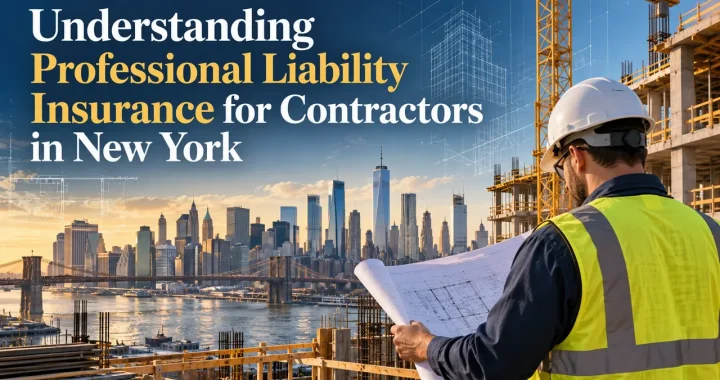


Understanding Professional Liability Insurance for Contractors in New York

Navigating the world of insurance can be daunting, especially for contractors in bustling places like New York. Professional liability insurance is crucial for safeguarding your business against potential claims of negligence or malpractice. In this blog, we’ll break down exactly what this insurance entails, why it’s essential, and how you can ensure you’re adequately protected.

What is Professional Liability Insurance?

Professional liability insurance, also known as errors and omissions insurance, offers coverage against claims of negligence, mistakes, or inadequate work in professional services. It is designed to protect your business from potential legal costs and damages.

In essence, this form of insurance serves as a protective mechanism. Imagine you’re working on a major project, and an oversight leads to a delay or defect. The client could potentially sue your business for losses. That’s where professional liability insurance comes into play, helping to cover the costs associated with such legal claims. Understanding its significance is crucial because it provides not only financial protection but also enhances your credibility as a responsible contractor. Clients are likely to trust a contractor more when they know you’re backed by comprehensive insurance.

Why Contractors in New York Need It

New York, with its vibrant construction and contracting industry, presents unique challenges and opportunities. With high stakes and even higher expectations, professional liability insurance provides necessary protection against costly legal battles that could otherwise jeopardize your business.

Operating in a bustling city like New York, where construction regulations are stringent and project budgets can be astronomical, presents a unique set of challenges. The competition is fierce, and even a small lapse in the delivery of services can lead to significant disputes. Professional liability insurance acts as a buffer, ensuring that any claim of negligence doesn’t financially cripple your business. Consider it as a part of your overall business strategy, allowing you to operate confidently and focus on project execution rather than potential legal hassles.

Key Components of a Professional Liability Policy

Understanding the components of your policy is critical to ensuring adequate protection. Key elements include coverage limits, deductibles, retroactive dates, and the types of claims covered. Each element can significantly impact how your policy functions in real-world scenarios.

Coverage limits are particularly important as they determine the maximum amount your insurer will pay for a covered claim. A higher limit can mean greater protection, but it may also come with higher premiums. Deductibles, on the other hand, are the amounts you’ll need to pay out-of-pocket before your insurance kicks in. It’s important to balance these costs to suit your business’s financial capabilities. Additionally, understanding the retroactive date of your policy is crucial. This date signifies the point back to which your coverage applies, so policies with older retroactive dates may offer broader protection.

Types of claims covered under professional liability insurance can vary, so you’ll want to thoroughly read the policy details or discuss them with your insurance provider. Common covered claims include professional negligence, misrepresentation, and even breach of duty. This coverage is a must in contracts that involve complex client expectations or intricate project details. Aligning your policy components to the specific nature and needs of your business can protect you from unforeseen liabilities effectively.

How to Choose the Right Insurance Provider

Choosing the right insurance provider involves assessing your specific needs, comparing quotes, and evaluating the reputation and customer service of potential insurers. Working with an experienced broker can also help you navigate choices and select the best policy for your business.

Start by researching various insurance providers to understand their offerings and customer feedback. Look for providers with a solid track record and positive reviews from other contractors. It’s worthwhile to get quotes from several insurers and compare them not just on price, but on the value they offer—considering factors like coverage limits, ease of claims process, and customer support. Additionally, verify their financial stability to ensure they’ll be capable of paying claims if necessary.

Engaging with an insurance broker who specializes in commercial policies can be advantageous. Brokers can offer professional advice tailored to your business needs, often having insider knowledge of the industry to help you find the best fit. Don’t shy away from asking questions regarding any aspect of the policy that seems unclear. Remember, the right choice will provide peace of mind and a resilient foundation for your contracting business operations.

Maintaining Your Insurance Coverage

Once you have a policy, it’s important to review it regularly, keep it updated with changes in your business operations, and ensure continued compliance with any contractual insurance requirements. Timely renewals and coverage adjustments are key to maintaining ongoing protection.

Regularly reviewing your policy can ensure it aligns with your current business situation. As your operations grow or change, your insurance needs might also evolve. For instance, taking on larger projects or hiring more staff may necessitate an increase in coverage. Similarly, reducing the scale of operations might mean you can adjust the premium accordingly. Keeping open lines of communication with your insurer regarding changes in your business is crucial for optimal coverage.

Being proactive about renewals can prevent any lapse in coverage, which could leave your business vulnerable to uncovered claims during the gap. Always mark renewal dates on your calendar and set reminders to initiate the renewal process well ahead of time. If your business circumstances change, consult your insurer to adjust the policy terms to adequately protect against new or additional risks. Maintaining diligent oversight of your coverage ensures your business is not only compliant but also operating with a reliable safety net.

Securing Your Business with Professional Liability Insurance

In the ever-busy professional landscape of New York, having professional liability insurance is not just a safety net but a necessity. It shields your business from unexpected financial losses and gives you peace of mind to focus on what you do best. Remember, understanding your coverage and keeping it up-to-date is key to running a successful and secure contracting business. For more details on securing your business, visit the BGES Group homepage.

About BGES Group

Running a business is challenging enough without having to spend valuable time dealing with insurance issues. At BGES Group, we make insurance simple by providing responsive, personalized service and helping you secure the right coverage at competitive rates. With more than 45 years of industry experience and access to over 25 top-rated insurance carriers, we take the time to understand your business and design insurance solutions that protect your company, employees, assets, and future—without paying for coverage you don’t need.

Our clients appreciate having one dedicated insurance professional, fast certificate processing, prompt answers, and direct access to a real person when they call. We proactively solve problems before they become costly, help control insurance expenses, and provide expert guidance on Workers’ Compensation, General Liability, Commercial Auto, Umbrella Liability, and other business insurance needs. Our goal is simple: make insurance one less thing for you to worry about while providing the peace of mind that comes from knowing an experienced professional is looking out for your business.

Contact BGES Group Insurance Services

Gary Wallach, President
Licensed in New York, New Jersey & Connecticut

📞 (914) 806-5853
✉️ bgesgroup@gmail.com
🌐 www.bgesgroup.com


Essential Tips: Navigating Workers Comp Insurance Cost for Small Business

Navigating the world of workers’ compensation insurance can feel like navigating a maze, especially for small business owners. The costs can be daunting, and understanding how to manage them can save you a significant amount of money. In this blog, we’ll explore essential tips to help you better understand and navigate workers’ comp insurance costs effectively.

Two men working together at a desk, taking notes in a modern workshop environment.

Understanding Workers Comp Insurance

Workers’ compensation insurance is a mandatory coverage that protects both employers and employees in the event of work-related injuries or illnesses. Having a solid grasp of what it covers and the associated costs is the first step towards effective management.

At its core, workers’ compensation insurance is designed to offer financial protection and peace of mind to both employers and their staff. Not only does it cover medical expenses for the injured employee, but it also compensates for lost wages during recovery. However, the specific details of what is covered can vary significantly from one policy to another, depending on state regulations and the scope of the business. It is crucial for business owners to familiarize themselves with these specifics to ensure comprehensive protection and compliance with legal requirements. As you understand these nuances, you enhance your ability to make informed decisions that align with your business needs.

Factors Influencing Costs

Several factors can influence the cost of workers’ comp insurance, including industry type, business size, and claims history. Understanding these factors can help you anticipate and plan for your insurance expenses.

Industry type greatly impacts the overall cost of workers’ comp insurance. High-risk industries, such as construction or manufacturing, tend to have higher premiums due to the increased likelihood of workplace accidents. Additionally, the size of your business plays a significant role; larger businesses generally face higher total premiums but may benefit from bulk pricing models. Another crucial factor is your claims history—businesses with a record of numerous claims may end up paying more than those with cleaner records. By appreciating how these elements interact, you can better position your business to manage costs effectively and stay ahead of unforeseen challenges.

Conducting a Risk Assessment

Regularly conducting a risk assessment in your workplace can help identify potential hazards, allowing you to address them proactively. This can lead to a safer workplace, potentially reducing costly claims and, in turn, insurance costs.

A thorough risk assessment is not merely a one-time endeavor but an ongoing process that evolves with your business. Start by identifying all the activities in your workplace, evaluating the likelihood of risks, and implementing control measures to mitigate these risks. By involving your employees in this process, you can gain valuable insights into daily operations and potential hazards that might otherwise be overlooked. Creating a culture of safety and awareness not only helps in reducing potential accidents but also fosters employee morale, productivity, and loyalty. Comprehensive risk assessment aligns with strategic planning, ultimately stabilizing your workers’ comp insurance costs.

Implementing Workplace Safety Programs

Investing in comprehensive workplace safety programs can significantly reduce the likelihood of accidents, further lowering your insurance premiums. Training employees on safety procedures ensures everyone is on the same page.

Effective workplace safety programs are a worthwhile investment that pays dividends in the form of reduced injury rates and associated costs. Start by establishing clear safety protocols that are tailored to your specific business activities. Provide regular training sessions and drills to keep your employees informed and prepared. Additionally, consider incentivizing safe practices by recognizing and rewarding employees who adhere to safety procedures. A culture of safety, supported by ongoing training and clear communication, not only reduces insurance premiums but also enhances overall productivity and employee satisfaction. Together, these elements contribute to a healthier, more resilient work environment.

Regularly Reviewing Your Policy

Insurance policies should never be set and forgotten. Regularly reviewing your workers’ comp policy ensures it reflects your current business needs and can help identify areas where you might reduce costs.

Changes in your business operations, workforce size, or industry regulations can all impact the relevance and cost-effectiveness of your current workers’ comp policy. Set a routine—perhaps quarterly or bi-annually—to review your policy in detail. During this review, assess whether your coverage limits and deductibles are still appropriate for your business. Engaging with your insurance agent or broker can provide insights into adjustments that may result in premium savings or enhanced coverage. A proactive approach to policy management ensures your coverage remains aligned with your business needs, potentially saving you money and offering peace of mind.

Shopping for Competitive Rates

Comparing quotes from different insurance providers can uncover better rates and more comprehensive coverage. Don’t hesitate to shop around to make sure you’re getting the best deal for your business.

In a market abundant with options, leveraging competition among insurance providers can work in your favor. When shopping around, ensure you’re comparing policies that offer similar coverage levels, as discrepancies can skew cost comparisons. Utilize online platforms that allow for easy policy comparisons and consider reaching out to an independent insurance broker who can offer tailored advice. Remember, the cheapest policy isn’t always the best. Look for the sweet spot between cost and coverage to secure a policy that adequately protects your business while keeping premiums in check.

Final Thoughts

Understanding and managing your workers’ comp insurance costs doesn’t have to be overwhelming. By implementing these strategies and staying informed, you can keep your premiums manageable and ensure your employees are supported. Remember, a well-informed business is a successful business. Learn more about our comprehensive solutions by visiting our homepage.

About BGES Group

Running a business is challenging enough without having to spend valuable time dealing with insurance issues. At BGES Group, we make insurance simple by providing responsive, personalized service and helping you secure the right coverage at competitive rates. With more than 45 years of industry experience and access to over 25 top-rated insurance carriers, we take the time to understand your business and design insurance solutions that protect your company, employees, assets, and future—without paying for coverage you don’t need.

Our clients appreciate having one dedicated insurance professional, fast certificate processing, prompt answers, and direct access to a real person when they call. We proactively solve problems before they become costly, help control insurance expenses, and provide expert guidance on Workers’ Compensation, General Liability, Commercial Auto, Umbrella Liability, and other business insurance needs. Our goal is simple: make insurance one less thing for you to worry about while providing the peace of mind that comes from knowing an experienced professional is looking out for your business.

Contact BGES Group Insurance Services

Gary Wallach, President
Licensed in New York, New Jersey & Connecticut

📞 (914) 806-5853
✉️ bgesgroup@gmail.com
🌐 www.bgesgroup.com



7 Essential Contractor Insurance Policies Every New York Business Needs

Navigating the world of insurance can be daunting for any business. For contractors in New York, having the right coverage is crucial not just for compliance, but for peace of mind. Here, we spotlight seven essential insurance policies every New York contractor should consider.

Silhouette of construction workers on a building site with one pointing towards the distance.

1. General Liability Insurance

Every contractor needs protection against everyday mishaps. General Liability Insurance covers bodily injury and property damage claims, ensuring your business can handle unexpected incidents without financial strain. This type of insurance is the backbone of your protection strategy, offering a financial cushion in cases like slip-and-fall accidents or damage to a client’s property during renovations.

Moreover, in the bustling environment of New York, where any mishap could potentially result in a lawsuit, having robust liability coverage is not just practical—it’s essential. As a contractor, your day-to-day operations involve numerous risks and interactions with clients and the public. Therefore, a policy that covers legal fees and potential damages can be invaluable in preserving the business’s reputation and financial standing.

2. Workers’ Compensation Coverage

In New York, workers’ compensation is not just recommended—it’s required. This policy covers medical expenses and lost wages if an employee gets injured or falls ill due to work-related activities. It’s a critical safety net for your workforce. The importance of protecting your team cannot be understated, especially when they are your greatest asset. This insurance demonstrates your commitment to their safety and well-being.

Furthermore, compliance with these regulations is vital for remaining in good standing with New York’s labor laws. Non-compliance can result in hefty fines and legal consequences, potentially shutting down operations. By providing workers’ compensation, you also foster a culture of trust and care, illustrating to your employees that their health is a priority, which can enhance employee morale and retention.

3. Commercial Auto Insurance

Whether you’re using a single van or a fleet of vehicles for your business, Commercial Auto Insurance is essential. It provides coverage for physical damage and liability that may arise in the operation of your business’s vehicles. Given New York’s busy roads, accidents are not unconventional, and damages from such incidents can quickly escalate costs without the right protection.

Not only does this insurance protect against accidents, but it also covers other potential losses, such as theft or vandalism, which are unfortunately common in metropolitan areas. Having the right auto insurance policy can ensure that logistical hurdles don’t halt your operations, keeping your business running smoothly while avoiding unexpected expenses.

4. Professional Liability Insurance

Often called Errors and Omissions Insurance, this policy is particularly important if your tasks include advising or consulting. It protects against claims of faulty work or guidance, preventing costly legal proceedings and settlements. As a contractor, even the most minor mistake in design or execution can have significant repercussions, potentially leading to legal battles that could drain your resources.

In an industry where precision and expertise are paramount, having insurance that covers the financial ramifications of mistakes provides peace of mind. This kind of coverage not only safeguards your financial health but also reinforces trust with your clients. Demonstrating that you are backed by professional liability insurance can enhance your credibility and offer clients assurance that they are working with a responsible professional.

5. Builder’s Risk Insurance

This insurance shields your projects against damage from fire, theft, or vandalism. It’s vital for any job site, covering buildings under construction and the associated materials on-site. The dynamic environment of a construction site presents numerous risks, from unpredictable weather patterns to potential mischief or crime that can lead to property loss.

By investing in Builder’s Risk Insurance, you safeguard against these uncertainties, ensuring that even if unexpected events occur, your projects can continue with minimal disruption. This safety net allows contractors to focus on delivering quality work without the looming threat of financial setback from damages, ultimately protecting profits and timelines.

6. Surety Bonds

Surety bonds guarantee that you will fulfill the terms of a contract. These bonds are an important trust-building tool with clients and a requirement for many publicly funded projects. By providing this assurance, you not only meet necessary legal requirements but also enhance your reputation as a reliable contractor who honors commitments.

In competitive markets like New York, a surety bond can be a decisive factor in securing contracts over your competitors. Clients are more likely to engage with companies that offer additional security and demonstrate financial stability. It’s an investment into your business’s credibility and reliability, offering peace of mind to potential clients.

7. Inland Marine Insurance

Perfect for contractors who transport tools and equipment between job sites. Inland Marine Insurance covers loss or damage to these moveable properties, ensuring you’re not sidelined by an unexpected loss. This type of insurance is key for maintaining continuity in operations and ensuring that unexpected damages do not affect your business’s productivity.

No contractor can afford to halt work due to the loss or damage of critical tools or machinery. As businesses become more mobile, the ability to protect transported goods becomes increasingly important. With Inland Marine Insurance, contractors can navigate the risks associated with transporting materials and tools with greater confidence, preserving operational efficiency and client satisfaction.

About BGES Group

Running a business is challenging enough without having to spend valuable time dealing with insurance issues. At BGES Group, we make insurance simple by providing responsive, personalized service and helping you secure the right coverage at competitive rates. With more than 45 years of industry experience and access to over 25 top-rated insurance carriers, we take the time to understand your business and design insurance solutions that protect your company, employees, assets, and future—without paying for coverage you don’t need.

Our clients appreciate having one dedicated insurance professional, fast certificate processing, prompt answers, and direct access to a real person when they call. We proactively solve problems before they become costly, help control insurance expenses, and provide expert guidance on Workers’ Compensation, General Liability, Commercial Auto, Umbrella Liability, and other business insurance needs. Our goal is simple: make insurance one less thing for you to worry about while providing the peace of mind that comes from knowing an experienced professional is looking out for your business.

Contact BGES Group Insurance Services

Gary Wallach, President
Licensed in New York, New Jersey & Connecticut

📞 (914) 806-5853
✉️ bgesgroup@gmail.com
🌐 www.bgesgroup.com



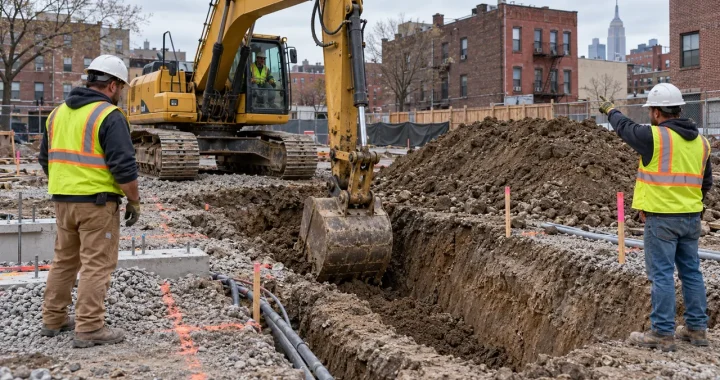
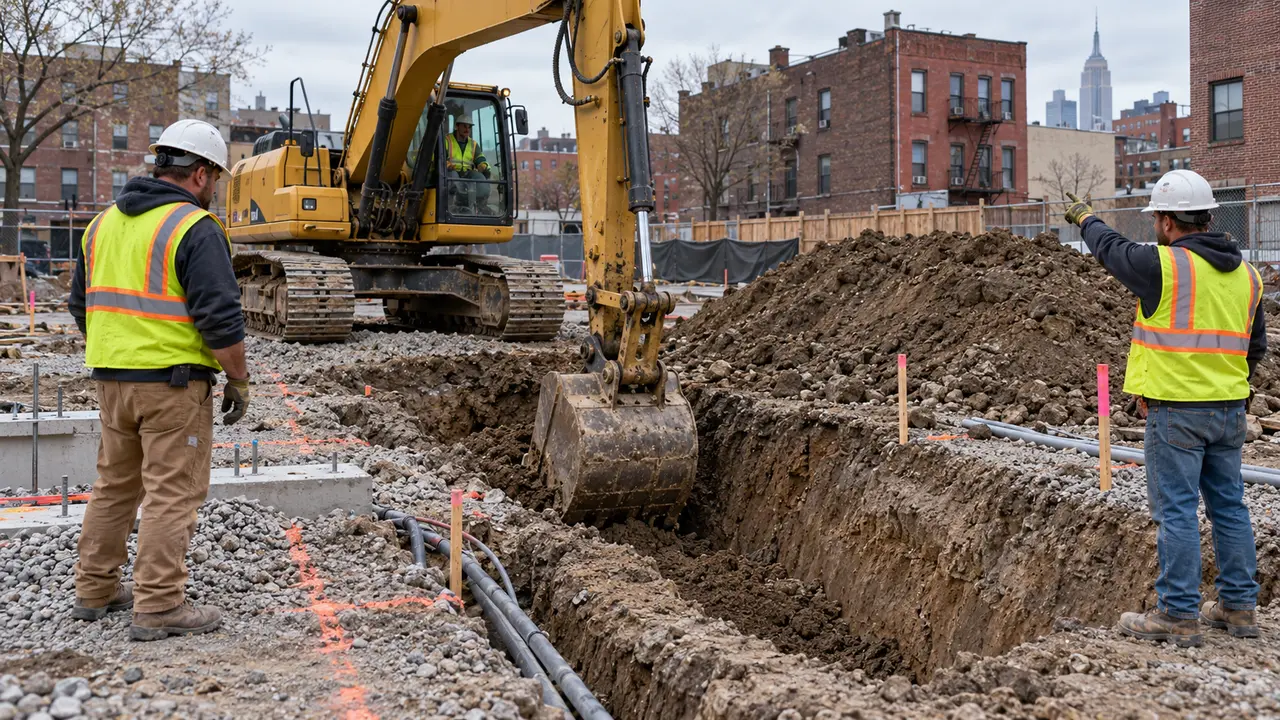
Excavation Insurance Basics: Key Coverage Options for Contractors in New York

Navigating the complex world of excavation insurance can be daunting, especially for contractors in New York. Understanding the essentials of coverage is crucial in protecting your business from unforeseen risks. This blog will break down the key components of excavation insurance, providing you with the knowledge you need to make informed decisions.

Understanding Excavation Insurance

Excavation insurance provides specialized coverage for risks associated with earth-moving activities. It covers a myriad of potential issues, including earth subsidence, which can result in costly damages if not properly insured. For contractors, understanding what this insurance entails is crucial to mitigating risks that arise from unexpected incidents on site. In the fast-paced world of construction, accidents can occur in the blink of an eye, leaving contractors vulnerable to significant financial losses. By investing in comprehensive excavation insurance, contractors can shield their businesses from these unpredictable occurrences.

Given the nature of excavation work, which often involves working in close proximity to existing structures and utilities, the margin for error can be razor-thin. Excavation projects in urban areas, like New York, present unique challenges due to dense infrastructure and stringent regulations. This is where a robust insurance policy becomes indispensable, duly compensating for any inadvertent harms caused during excavation activities and ensuring compliance with legal requirements.

Key Coverage Options for Contractors

Several critical coverage options are available for excavation contractors. Firstly, pollution liability insurance is essential given the potential for environmental contamination. Excavation work can sometimes cause harmful substances to be released into the soil or air, leading to environmental damage that a contractor could be held liable for. Pollution liability coverage safeguards against such environmental risks and can cover clean-up costs and legal fees.

Moreover, builder’s risk insurance provides coverage for buildings and structures under construction. This policy typically includes protection against losses caused by fire, vandalism, and certain weather-related damages. These comprehensive coverages collectively bolster a contractor’s defense against a spectrum of risks. Each policy can be customized to fit the specific needs of a project or a contractor’s operational scale, ensuring personalized risk management.

Contractors should also consider errors and omissions insurance, which protects against lawsuits for inadequate work or negligence. This type of insurance is particularly relevant in cases where a mistake in plans or execution might leave a project incomplete or unsafe. The peace of mind that comes with a well-rounded insurance package allows contractors to focus on the job, knowing they are protected against potential professional oversights.

General Liability Insurance

General liability insurance is essential for protection against third-party claims of bodily injury or property damage. Imagine a scenario where a passerby is injured by debris falling from a job site or a neighboring property is damaged during excavation activities. Without adequate coverage, such incidents could lead to costly lawsuits. General liability insurance acts as a contractor’s frontline defense, covering legal fees, settlements, or judgments. It is advisable for all contractors to maintain a substantial coverage amount to accommodate potential claims.

This insurance not only protects against physical injuries and property damage but also extends to advertising injuries, which include defamation, libel, and slander that might arise in the course of promoting a business. Thus, maintaining comprehensive general liability coverage can be a wise business practice to mitigate risks associated with accident-prone work environments.

In the densely populated areas of New York, the potential for property damage can increase manifold. Factor in the presence of historical buildings and bustling pedestrian traffic, and the picture becomes clearer why this form of insurance is not just recommended but necessary. It ensures that any mishaps do not escalade into financial catastrophes, costing a contractor their business stability.

Equipment and Property Coverage

Excavation often involves heavy machinery. Protecting your valuable equipment and property from theft, damage, or loss is imperative to business stability. Excavation equipment, such as backhoes, bulldozers, and excavators, represents a significant investment. Any damage or loss can derail project timelines and financial projections. Equipment insurance ensures that these assets are shielded from unforeseen events, including vandalism or natural disasters, allowing contractors to maintain operational continuity.

Additionally, equipment breakdown insurance provides an essential safety net for mechanical failures. Coverage extends to the costs associated with repairing or replacing machinery, minimizing the financial impact of unexpected interruptions. Such proactive measures in managing equipment risk make a considerable difference in the day-to-day operations of construction businesses. With adequate coverage, contractors can focus on project completion without fretting over potential equipment failures.

To further safeguard operations, contractors should store machinery safely and implement strong security measures on job sites, such as surveillance systems and secure storage facilities. This additional layer of security complements insurance coverage, ensuring a holistic approach toward protecting business assets and investments.

Workers’ Compensation Insurance

In the high-risk excavation industry, workers’ compensation insurance covers medical expenses and lost wages for employees injured on the job. This insurance is not only a legal requirement but also plays a significant role in promoting workplace safety. By covering medical costs and rehabilitation for injured workers, it provides financial support and peace of mind during recovery. Furthermore, it can shield employers from potential litigation costs arising from workplace injuries, ultimately benefiting both employees and employers.

Workers’ compensation goes beyond just fulfilling legal obligations. It demonstrates a contractor’s commitment to their workforce’s well-being, fostering morale and trust. Employees are more likely to engage in operations when they know their health and safety are prioritized, reducing turnover rates and enhancing productivity. Investing in comprehensive safety training and workplace procedures also helps minimize incidents and ensures a safe working environment.

Employers in New York can utilize resources provided by local labor departments to ensure they comply with necessary regulations. Keeping track of amendments to workers’ compensation laws and staying informed about industry best practices are critical steps in maintaining compliant and effective insurance coverage for their teams.

Cyber Liability Insurance

With increasing dependence on digital systems, cyber liability insurance protects against data breaches and cyber threats, offering peace of mind and financial protection in the digital age. Excavation contractors often handle sensitive information, such as blueprints and employee data, which makes them potentially attractive targets for cybercriminals. Cyber liability insurance covers costs related to data breaches, including legal fees, notification expenses, and public relations efforts.

Furthermore, this insurance can extend to business interruption losses caused by cyber incidents, ensuring that companies maintain financial stability during recovery phases. Implementing robust cybersecurity measures, including firewalls and data encryption, in conjunction with insurance coverage, provides a holistic defense against the ever-evolving landscape of cyber threats. Investing in regular IT audits and training for staff on cybersecurity best practices forms a comprehensive approach to protecting business interests.

Choosing the Right Insurance Provider

Selecting the right insurance provider can significantly affect your coverage and overall protection. Contractors should prioritize insurers with experience in the construction industry and a track record of providing quality coverage. Comparing quotes from multiple providers can ensure competitive pricing, while assessing policy details helps tailor coverage to specific business needs. Look for providers with industry experience and positive customer feedback to ensure you receive the best service.

In addition, seeking feedback from peer contractors can provide valuable insights into the responsiveness and reliability of insurance providers. A reputable insurance partner will offer preventative risk management advice and work closely with clients to address any changes in the operating environment proactively, ultimately fostering a healthy and supportive business relationship.

Building a strong relationship with your insurance provider allows for ongoing evaluation of coverage needs as your business grows. The peace of mind that comes from knowing your business is comprehensively insured permits contractors to focus on what they do best—leading successful, secure construction projects.

Ensuring Comprehensive Protection with the Right Excavation Insurance

Overall, comprehension of excavation insurance is vital for contractors operating in New York. By covering key areas such as general liability, equipment protection, and workers’ compensation, you can safeguard your business from potential hazards. Make sure to consult with a knowledgeable insurance provider to customize a plan that fits your specific needs.

About BGES Group

Running a business is challenging enough without having to spend valuable time dealing with insurance issues. At BGES Group, we make insurance simple by providing responsive, personalized service and helping you secure the right coverage at competitive rates. With more than 45 years of industry experience and access to over 25 top-rated insurance carriers, we take the time to understand your business and design insurance solutions that protect your company, employees, assets, and future—without paying for coverage you don’t need.

Our clients appreciate having one dedicated insurance professional, fast certificate processing, prompt answers, and direct access to a real person when they call. We proactively solve problems before they become costly, help control insurance expenses, and provide expert guidance on Workers’ Compensation, General Liability, Commercial Auto, Umbrella Liability, and other business insurance needs. Our goal is simple: make insurance one less thing for you to worry about while providing the peace of mind that comes from knowing an experienced professional is looking out for your business.

Contact BGES Group Insurance Services

Gary Wallach, President
Licensed in New York, New Jersey & Connecticut

📞 (914) 806-5853
✉️ bgesgroup@gmail.com
🌐 www.bgesgroup.com



8 Questions to Ask Before Buying Workers’ Compensation Insurance in NYC

Choosing the right workers’ compensation insurance in NYC can be a daunting task, especially considering the unique challenges and regulations of the bustling metropolitan area. To help you navigate this crucial decision, we’ve compiled the essential questions you should ask to ensure you get the coverage that’s right for your business and employees.

1. Understanding State Regulations

New York City has its own set of workers’ compensation regulations. It’s essential to understand how these state-specific laws affect your choice of insurance and what compliance entails. Familiarize yourself with the New York Workers’ Compensation Board’s guidelines and ensure that your chosen policy aligns with them. Knowing the exceptions and exemptions pertinent to your industry can save you from potential legal challenges down the road. The Workers’ Compensation Board provides comprehensive resources to help you navigate these regulations efficiently. By thoroughly understanding the legal landscape, you can ensure that your coverage is robust, compliant, and tailored to your needs.

2. Evaluating Coverage Needs

Determine the specific coverage needs of your business. Consider factors such as the size of your company, the nature of your industry, and potential risks your employees might face. Often, it’s beneficial to conduct a risk assessment to identify common hazards and understand how they align with industry standards and benchmarks. For instance, a construction company in NYC will have different coverage requirements compared to a tech startup. By evaluating these needs, you can tailor your workers’ compensation insurance policy to reflect the unique challenges your business faces.

Additionally, don’t overlook the importance of seasonal variations, especially in industries with fluctuating labor demands. During peak periods, your risk exposure might increase, necessitating adjustments in your insurance policy to accommodate temporary workers. Evaluate how these dynamics affect your coverage needs annually to ensure your policy remains relevant and comprehensive. Consulting with an expert can provide insights and help bridge any gaps, safeguarding your business from unforeseen liabilities.

3. Analyzing Cost Implications

Understanding the cost dynamics of workers’ compensation insurance is critical. Evaluate premium rates, deductibles, and any potential hidden costs to ensure your budget aligns with your coverage. Ask prospective insurers about factors influencing premiums, such as your company’s claims history and the inherent risks in your industry. It’s important to know what drives costs, allowing you to negotiate better terms or implement strategies to mitigate high expenditure.

Moreover, comparing quotes from different insurers can provide valuable insight into market rates, helping you gauge if you’re receiving competitive pricing. Keep in mind that the cheapest option may not always be the best one, especially if it lacks the coverage or customer service needed for your business. Focus on value rather than just price when making your decision—it could save you considerably in the long run. To support decision-making, refer to additional resources or consult with insurance brokers who specialize in this field.

4. Checking Insurer’s Track Record

Research past performances and reviews of potential insurers. A reputable company with a robust claims process will be able to support you effectively in times of need. Policies often look stellar on paper, but it’s the insurer’s history with claim settlements and customer satisfaction that reveals their true value. Seek out testimonials or case studies that showcase the insurer’s capabilities in handling complex or large-scale claims efficiently.

Furthermore, examining financial stability ratings from independent agencies can provide insights into an insurer’s ability to meet future claims commitments. A high rating is often a good indicator of reliability and trustworthiness. By conducting this due diligence, you protect your business from partnering with an insurer who might not withstand economic downturns or internal turmoil.

5. Clarifying Claims Process

A clear, efficient claims process is vital for minimizing downtime and ensuring prompt support for your employees. Ask about claim reporting procedures and the average time for claims resolution. Understanding the step-by-step claims reporting instructions and the insurer’s response time can be critical during stressful periods. Ensure that the process is straightforward, with minimal bureaucratic obstacles, to facilitate easy navigation when filing claims.

Inquiring whether the insurer offers digital claims processing options is also worthwhile. In today’s fast-paced world, having the ability to report and track claims online can streamline the entire procedure, reducing stress for both employers and employees. Prioritizing insurance providers who embrace technology in their operations may yield more responsive customer service and faster resolution times.

6. Considering Additional Coverage Options

Explore if there are additional coverages you might need. Some industries might require policies for specific risks that basic workers’ compensation insurance might not cover. For example, your business might benefit from employer’s liability insurance or additional endorsements that provide tailored protection against unique risks. Engaging with an insurance advisor or risk management consultant can be invaluable in highlighting areas you may not have considered.

Considering the preventative measures your industry can take to reduce risk exposure and improve safety standards might also assist in lowering your premiums. Implementing these practices not only boosts workplace safety but might also yield financial benefits, such as reduced premiums or additional incentives from insurers. Continuously revisiting your risk profile ensures that your coverage evolves alongside your business needs, offering protection against emerging threats without any lapses in your insurance shield.

7. Understanding Policy Customization

Look into how well an insurance policy can be tailored to meet the unique aspects of your business operations. Customization can lead to more precise coverage and potential savings. Discuss with your insurer how they can adapt their offering to match your specific business environment—whether it’s tweaking limits, altering deductible levels, or adjusting coverage areas. This level of personalization aligns your insurance with your risk management strategies, providing better protection where you need it most.

8. Exploring Discounts and Incentives

Inquire about possible discounts or incentives for implementing safety programs or maintaining a lapse-free history with previous coverage. These can aid in reducing overall costs. Many insurers offer premium reductions to companies that show a proactive approach to risk management, such as participating in safety training or establishing internal safety protocols. Understanding these opportunities can help you strategically reduce costs while fostering a safer work environment.

About BGES Group

Running a business is challenging enough without having to spend valuable time dealing with insurance issues. At BGES Group, we make insurance simple by providing responsive, personalized service and helping you secure the right coverage at competitive rates. With more than 45 years of industry experience and access to over 25 top-rated insurance carriers, we take the time to understand your business and design insurance solutions that protect your company, employees, assets, and future—without paying for coverage you don’t need.

Our clients appreciate having one dedicated insurance professional, fast certificate processing, prompt answers, and direct access to a real person when they call. We proactively solve problems before they become costly, help control insurance expenses, and provide expert guidance on Workers’ Compensation, General Liability, Commercial Auto, Umbrella Liability, and other business insurance needs. Our goal is simple: make insurance one less thing for you to worry about while providing the peace of mind that comes from knowing an experienced professional is looking out for your business.

Contact BGES Group Insurance Services

Gary Wallach, President
Licensed in New York, New Jersey & Connecticut

📞 (914) 806-5853
✉️ bgesgroup@gmail.com
🌐 www.bgesgroup.com



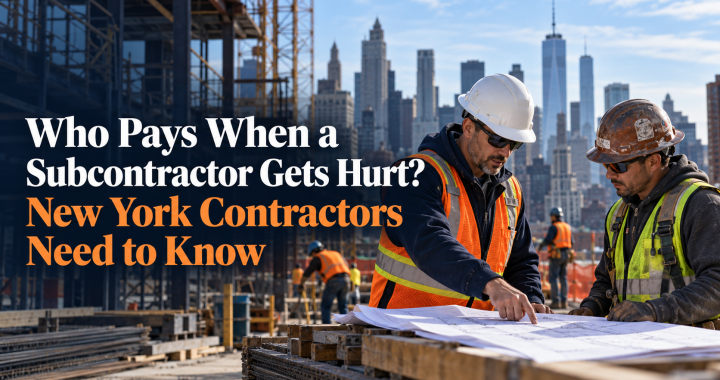
Who Pays When a Subcontractor Gets Hurt? New York Contractors Need to Know

A subcontractor’s employee is injured on a jobsite. The immediate questions are practical: Is the worker getting medical care? Has the incident been reported? Who is handling the claim?

Then comes a harder question: Who is financially responsible?

In New York, the answer may involve more than the injured worker’s direct employer. The subcontractor, general contractor, property owner, and their insurers may all face questions about coverage and liability. A written contract or a certificate of insurance can help, but neither guarantees that every party is protected. Contractors should understand how workers’ compensation and liability insurance fit together before work begins.

Workers’ compensation may reach beyond the direct employer

Workers’ compensation is generally the first source of benefits for an employee injured while working. It can cover medical care and partial wage replacement, subject to the applicable rules and policy.

New York Workers’ Compensation Law § 56 adds an important consideration for contractors: when a contractor subcontracts work involving hazardous employment, the contractor may be liable for compensation if a subcontractor’s employee is injured in the course of that work. The law also addresses payments to certain special funds. In practical terms, a contractor should not assume that hiring a subcontractor automatically removes all workers’ compensation exposure. New York Workers’ Compensation Law § 56

That makes a subcontractor’s insurance status a project concern, not just a paperwork detail. If coverage is missing, has lapsed, or does not apply to the work being performed, the hiring contractor may face unexpected financial consequences. The details depend on the facts, the work, and the applicable law, so contractors should have their insurance and legal advisers review their specific arrangements.

Liability claims raise a separate set of questions

Workers’ compensation and general liability insurance serve different purposes. Workers’ compensation addresses an employee’s work-related injury benefits. General liability can respond to certain claims alleging bodily injury or property damage for which an insured party is legally responsible, subject to the policy’s terms, limits, and exclusions.

A worker may receive workers’ compensation benefits and still bring a claim against another party, depending on the circumstances. New York’s construction-site laws can also create significant exposure for owners, contractors, and their agents. For example, Labor Law § 240 covers certain elevation-related hazards in construction, repair, alteration, and related work. The statute names contractors and owners among those with duties, with an exception for certain owners of one- and two-family homes who do not direct or control the work. Whether the statute applies to a particular accident depends on the facts and legal analysis. New York Labor Law § 240

The key point for contractors is that workers’ compensation does not replace liability coverage. Nor does a general liability policy replace workers’ compensation. Each policy addresses different risks, and a serious accident may prompt scrutiny of both.

A certificate is only a starting point

Before a subcontractor starts work, request current proof of workers’ compensation and liability coverage. Then verify the underlying details through the appropriate channels. A certificate summarizes information, but it is not the insurance policy itself and does not change the policy’s terms.

Contractors should confirm that the named business matches the subcontractor they hired, that the policy is in force for the dates of work, and that the described operations fit the work being performed. They should also review policy limits, exclusions, and any endorsements required by the subcontract. If the contract requires the general contractor or owner to be an additional insured, confirm that the relevant endorsement is actually in place and applies to the project.

The contract matters, too. It should clearly identify the scope of work, insurance requirements, and responsibilities for safety and incident reporting. Indemnification language may affect how parties allocate certain costs, but it does not create insurance coverage by itself. The agreement and the policies should be reviewed together.

Keep checking as the project continues

Insurance verification is not a one-time task. Policies can expire or change during a project, and new subcontractors may join after work has started. Keep a record of the documents received, check renewal dates, and follow up promptly when anything is missing or unclear.

A consistent process helps prevent avoidable surprises:

  • Collect insurance documents before site access.
  • Confirm that the coverage applies to the subcontractor and work involved.
  • Track policy expiration dates and request updated documents.
  • Keep contracts, certificates, endorsements, and incident records together.
  • Report accidents promptly to the appropriate insurer and follow the policy’s instructions.

When an injury occurs, focus first on the worker’s safety and timely reporting. Avoid making assumptions about who is at fault or what a policy will cover. Notify the relevant parties and insurers, preserve records, and seek professional advice about the specific claim.

Make insurance part of job planning

The best time to discover a coverage gap is before a worker gets hurt. For New York contractors, that means treating subcontractor insurance review as part of project planning, alongside scope, scheduling, and site safety.

Workers’ compensation can provide important benefits to an injured employee, but New York law may also expose a hiring contractor when a subcontractor’s coverage is absent or inadequate. Separate liability claims may bring owners, contractors, and insurers into the picture. Careful contracting, verification, and ongoing recordkeeping can help contractors understand and manage those risks.

How BGES Group can help

BGES Group is an insurance agency focused on contractors in New York and the surrounding region. The agency’s public information describes support with contractor coverage, including workers’ compensation and liability insurance, as well as policy reviews and guidance through insurance questions. BGES Group is led by Gary Wallach, who works directly with contractors on their insurance needs. BGES Group

If you want help reviewing your current program, checking subcontractor insurance requirements, or discussing coverage options for your contracting business, contact BGES Group:

Gary Wallach
Phone: 914-806-5853
Email: bgesgroup@gmail.com
Website: www.bgesgroup.com

This article is for general information only and is not legal or insurance advice. Coverage depends on the policy language and the facts of each situation.

Are Labor Law Claims Typically Excluded From Contractor Insurance?

Navigating the complexities of insurance can be challenging, especially for contractors dealing with various claims. A common question that arises is whether labor law claims are covered under standard contractor insurance policies. This FAQ aims to shed light on this topic.

Close-up of two people discussing a business contract at a desk in an office setting.

What Are Labor Law Claims?

Labor law claims typically involve issues related to employment practices, including disputes about wages, working conditions, and employee rights. These claims often require specialized legal handling.

Understanding the intricacies of labor laws helps in interpreting claims accurately. For instance, when employees feel their rights have been violated, they might file claims that challenge unfair workplace practices. These can include anything from arbitrary termination to discriminatory practices and unsafe working environments. Such claims mandate careful legal navigation to ensure justice and compliance with employment codes.

In recent years, labor law claims have grown in complexity due to evolving legal standards and increased awareness among employees. This surge underscores the importance of contractors having informed stances on these matters. Missteps can lead not only to financial penalties but also to reputational harm. Therefore, a sound understanding of what constitutes a labor law claim can be vital for any business operating in fields heavily reliant on contracted work.

Why Might Contractor Insurance Exclude Labor Law Claims?

Contractor insurance often focuses on physical damages and liabilities in construction work, whereas labor law claims deal with employment issues. These claims may require different coverage due to their nature and the potential for large settlements.

The primary reason contractor insurance might exclude labor law claims is the specificity and risk such claims entail. Labor law claims are distinct from classic contractor insurance claims, which typically revolve around property damage or bodily injury. When evaluating the exclusions in your insurance policy, it’s worth noting how labor claims might necessitate substantial payouts due to their sophisticated legal nature, which often involves prolonged litigation or hefty settlements.

Incorporating labor law claims into a general contractor insurance policy could result in significantly higher premiums. This is because labor law claims often delve into sophisticated arenas such as wrongful termination or workplace discrimination, legal areas fraught with intricacies that demand specialized representation. As a result, insurers may shy away from encompassing these claims, opting instead to focus strictly on more tangible risks that are easier to quantify and plan for.

Are There Policies That Include Labor Law Coverage?

Yes, some insurance providers offer specific policies or endorsements that cover labor law claims. It’s essential to consult with insurance specialists to find policies that cater to these needs.

Employment Practices Liability Insurance (EPLI) is one such avenue contractors might explore for labor law claim coverage. EPLI is designed specifically to address claims related to employment issues, providing a safety net against lawsuits alleging wrongful acts in the workplace such as discrimination, harassment, or retaliation. Companies with robust EPLI coverage can better safeguard themselves against the uncertainties and challenges posed by labor law claims.

Consulting a knowledgeable insurance advisor can guide contractors in selecting the right endorsements for labor law claims. These can sometimes be added onto existing business policies or acquired as standalone coverage, depending on the specifics of the contractor’s operation and potential risk exposure. Tailoring a policy effectively requires an understanding of both current legal environments and the specific challenges likely to arise in one’s line of work.

How to Ensure Adequate Coverage for Labor Law Claims?

Review your current insurance policy and speak with an insurance broker about options to include labor law coverage. Consider adding employment practices liability insurance (EPLI) if it suits your business needs.

A proactive approach to securing appropriate coverage begins with a detailed analysis of your past labor law claim history and potential future risks. Larger operations might particularly benefit from a thorough risk assessment to identify gaps and ensure strategic policy enhancements in line with industry best practices.

Regular training sessions for management and operational staff can support adherence to labor laws, potentially reducing exposure to claims. Enhanced education also prepares employees to respond effectively should a labor law issue arise. Investing in preventative measures and fostering an informed workforce can serve as a deterrent against costly lawsuits.

Utilizing a combination of internal review processes and expert consultation helps in adjusting insurance policies to better align with the unique demands of labor law claims. Maintaining a relationship with insurance experts offers contractors a buffer against emerging risks, keeping them informed and prepared to update policies as regulations evolve in complexity.

Final Thoughts on Contractor Insurance and Labor Law Claims

Understanding the exclusions in your contractor insurance policy is crucial to avoid unexpected liabilities. While labor law claim coverage can be complex, being informed and consulting with insurance professionals can provide clarity and protection.

About BGES Group

Running a business is challenging enough without having to spend valuable time dealing with insurance issues. At BGES Group, we make insurance simple by providing responsive, personalized service and helping you secure the right coverage at competitive rates. With more than 45 years of industry experience and access to over 25 top-rated insurance carriers, we take the time to understand your business and design insurance solutions that protect your company, employees, assets, and future—without paying for coverage you don’t need.

Our clients appreciate having one dedicated insurance professional, fast certificate processing, prompt answers, and direct access to a real person when they call. We proactively solve problems before they become costly, help control insurance expenses, and provide expert guidance on Workers’ Compensation, General Liability, Commercial Auto, Umbrella Liability, and other business insurance needs. Our goal is simple: make insurance one less thing for you to worry about while providing the peace of mind that comes from knowing an experienced professional is looking out for your business.

Contact BGES Group Insurance Services

Gary Wallach, President
Licensed in New York, New Jersey & Connecticut

📞 (914) 806-5853
✉️ bgesgroup@gmail.com
🌐 www.bgesgroup.com


Why Liability Insurance Might Not Cover Labor Law Claims

Navigating the world of insurance can be a daunting task, especially when you discover that your liability insurance doesn’t cover everything you assumed it did. One of the common misconceptions is that liability insurance will cover labor law claims. But is that really the case? Let’s dive into why your liability insurance might not extend to these claims and what you can do about it.

Understanding Liability Insurance: The Basics

Liability insurance is designed to protect businesses from claims involving injury or damage. However, its scope can be limited, especially when it comes to labor law claims. Understanding what liability insurance typically covers is the first step towards recognizing its limitations.

The fundamental purpose of liability insurance is to safeguard your business from unforeseen legal claims and financial burdens associated with them. Typically, this includes coverage for physical injuries incurred by third parties, property damage caused by your business operations, and a range of other legal challenges. However, as any seasoned business owner will tell you, having a basic liability policy is not the ultimate ticket to peace of mind. It’s akin to having an umbrella that shields you from rain but not from a hurricane.

This limitation is particularly evident when labor law claims are involved. Common events covered under standard liability policies might consist of accidents on your business premises or the unfortunate mishap of a product defect. Yet, the realm of employment disputes often demands a more nuanced approach. Issues stemming from employee treatment, whether perceived or actual, usually fall outside the parameters of general liability coverage.

Defining Labor Law Claims

Labor law claims usually arise from disputes over employment practices such as wrongful termination, discrimination, harassment, and wage and hour violations. These claims are often complex and require specialized coverage that general liability doesn’t provide.

Understanding the nature of labor law claims is crucial for any business seeking comprehensive protection. When employees feel marginalized, harassed, or unjustly handled, the resulting disputes often escalate into serious legal matters. For instance, an allegation of wrongful termination can stem from various circumstances where an employee believes their dismissal was driven by nefarious motives or breached contractual terms.

Claims of discrimination are prevalent and can be based on numerous personal identifiers such as race, gender, age, or disability. Given the potential for substantial settlements and reputational damage, these claims can strain businesses and highlight the importance of having appropriate insurance coverage. Similarly, harassment claims can surface in toxic workplace environments where employees are subjected to unwelcome behavior that affects their work performance or creates an intimidating atmosphere.

Why Liability Insurance Excludes Labor Law Claims

Most liability policies exclude labor law claims because they fall under employment practices liability, which is a separate risk category. Insurers view these claims as high-risk due to the potential for large settlements and legal fees.

The rationale behind excluding labor law claims from standard liability insurance is rooted in the unique nature of employment disputes. These claims often involve subjective interpretations of interactions, intents, and outcomes, making them inherently riskier for insurers. Unlike tangible damages where responsibility is clearer, labor law claims hinge on interpersonal relations and contractual obligations, factors that are notoriously difficult to quantify.

Exploring Employment Practices Liability Insurance (EPLI)

Employment Practices Liability Insurance (EPLI) is tailored to cover labor law claims. It provides protection against lawsuits from employees and helps cover legal costs. Understand the benefits of EPLI and how it complements your existing liability coverage.

Acquiring EPLI is a strategic move for businesses seeking to bridge the coverage gap left by standard liability practices. By including such a policy in your insurance portfolio, you enhance your defense against an array of labor-related claims, safeguarding your business’s financial health and reputation. EPLI’s focus on employment dynamics ensures that your coverage is both relevant and responsive to contemporary workplace environments.

Moreover, EPLI can act as a deterrent against frivolous claims. Knowing that the business is equipped with robust protection can dissuade potential claimants from pursuing unwarranted legal battles. Furthermore, in the event that you encounter a genuine labor dispute, having EPLI can also entitle your business to critical support services such as legal advice and representation, ensuring a comprehensive response to any challenges faced.

Steps to Ensure Comprehensive Coverage

To avoid gaps in coverage, businesses should assess their risks and consider additional policies like EPLI. Consulting with an experienced insurance broker can help you tailor a policy that effectively safeguards your business against labor law claims.

Embarking on comprehensive coverage calls for a proactive approach to identifying potential exposure. Begin by assessing the type of allegations your business might face based on the industry’s characteristics and your past personal experiences. Pay attention to the existing policies and their terminologies, as understanding these intricacies can be instrumental in shaping decisions and charting a path forward.

Frequent consultations with your legal and HR teams can yield invaluable insights into emerging trends and potential vulnerabilities. Additionally, engaging in regular training programs to educate employees on proper workplace conduct, anti-discrimination, and the importance of documentation can fortify your internal policies. Being clued in to employees’ well-being and maintaining transparent communication can preemptively ward off possible claims.

Ensuring Comprehensive Coverage: What’s Your Next Step?

Understanding why liability insurance may exclude labor law claims is crucial for effective risk management. By knowing what’s covered and what’s not, you can take proactive steps to ensure your business is protected from potential legal disputes. Consider speaking with an insurance advisor to tailor a policy that meets all your needs, and remember to keep abreast of the latest changes in labor law to stay compliant and safe.

About BGES Group

Running a business is challenging enough without having to spend valuable time dealing with insurance issues. At BGES Group, we make insurance simple by providing responsive, personalized service and helping you secure the right coverage at competitive rates. With more than 45 years of industry experience and access to over 25 top-rated insurance carriers, we take the time to understand your business and design insurance solutions that protect your company, employees, assets, and future—without paying for coverage you don’t need.

Our clients appreciate having one dedicated insurance professional, fast certificate processing, prompt answers, and direct access to a real person when they call. We proactively solve problems before they become costly, help control insurance expenses, and provide expert guidance on Workers’ Compensation, General Liability, Commercial Auto, Umbrella Liability, and other business insurance needs. Our goal is simple: make insurance one less thing for you to worry about while providing the peace of mind that comes from knowing an experienced professional is looking out for your business.

Contact BGES Group Insurance Services

Gary Wallach, President
Licensed in New York, New Jersey & Connecticut

📞 (914) 806-5853
✉️ bgesgroup@gmail.com
🌐 www.bgesgroup.com


The New York Contractor’s Coverage Checkup: Labor Law Risks and Liability Insurance

A serious jobsite injury can put a New York contractor in the middle of a complicated legal and insurance claim. The injured worker may seek workers’ compensation benefits and, in some cases, bring a lawsuit involving a property owner, general contractor, subcontractor or other project participant. The insurance response depends on the facts, the contracts and—above all—the policy wording.

Before starting a project or renewing a policy, contractors should understand the New York Labor Law provisions that commonly arise in construction injury cases and review their liability coverage for exclusions that could narrow protection.

Why New York Labor Law matters

Three provisions are especially important: Labor Law §§ 200, 240(1) and 241(6).

Section 200 generally concerns the responsibility to provide a reasonably safe workplace. Depending on the circumstances, a claim may focus on who created or knew about a dangerous condition, or who had authority over the work that led to an injury. New York Labor Law § 200

Section 240(1), commonly called the Scaffold Law, addresses certain elevation-related hazards. It requires owners, contractors and their agents to provide specified safety devices for covered work. New York’s Court of Appeals has described the duty as nondelegable: an owner or contractor may remain responsible even if the work was assigned to an independent contractor. A fall or other accident alone does not establish a violation; the statutory requirements and the link between the violation and injury still matter. New York Labor Law, Article 10; Sanatass v. Consolidated Investing Co.

Section 241(6) requires owners, contractors and their agents to provide reasonable and adequate protection during construction, excavation and demolition. A claim generally must be based on an applicable, sufficiently specific Industrial Code requirement. The Court of Appeals has explained that the regulation must provide a concrete specification, rather than merely restate a broad safety standard. New York Labor Law § 241; Toussaint v. Port Authority of New York and New Jersey

The laws do not make every contractor liable for every injury. A party’s role, authority, work assignment and the accident’s circumstances matter. But because certain duties may be nondelegable, contracting out the work does not necessarily remove the owner or general contractor from the lawsuit.

What liability coverage should contractors review?

A commercial general liability (CGL) policy is a central part of a contractor’s insurance program, but the policy name alone does not tell you whether a particular Labor Law claim is covered. Review the actual form, endorsements and exclusions with your insurance professional.

Labor Law exclusions. Check whether the policy excludes claims alleging violations of Labor Law §§ 200, 240 or 241, or uses broader wording that could apply to construction injury lawsuits. Ask whether the exclusion applies to your own liability, claims involving subcontractors, or both. If the exclusion is broad, ask what alternatives or carvebacks may be available and how they affect the premium.

Action-over or third-party-over exclusions. These provisions can affect claims in which an injured worker sues a party other than their direct employer, and that party then seeks contribution or contractual indemnity from the employer or a subcontractor. The wording varies. Ask specifically whether the policy restricts coverage for bodily injury to an employee of any insured, including when another insured or project participant brings the claim.

Employee-injury and employers’ liability wording. Compare the CGL policy’s employee-related exclusions with the separate workers’ compensation and employers’ liability policies. Do not assume that one policy will fill a gap in another. Have the broker explain which policy may respond to each relevant claim scenario and what limits and conditions apply.

Additional insured coverage. Owners and general contractors may require a subcontractor to add them as additional insureds. Confirm that the endorsement applies to the project and the operations required by contract, and check whether it covers ongoing operations, completed operations, or both. New York’s Department of Financial Services’ construction certificate materials highlight questions about additional insured status and whether coverage applies to the named insured’s ongoing operations. A certificate itself summarizes information; it does not replace or amend the policy. New York DFS construction insurance resources

Contractual liability and indemnity. Compare the insurance policy’s “insured contract” provisions with the indemnity language in your contracts. A contractor’s promise to indemnify another party may be broader than the insurance available for that promise. Have the contract and coverage reviewed together before signing.

Umbrella or excess coverage. Check whether the umbrella policy follows the underlying CGL coverage and whether it contains its own Labor Law, action-over, employee-injury or designated-work exclusions. Higher limits are useful only if the relevant claim is within the policy’s scope. Confirm that the umbrella’s insureds, projects and operations align with the underlying policies and contract requirements.

Also look for restrictions involving work at height, roofing, exterior work, residential projects, subcontracted work, or specific trades. Exclusion titles can be misleading, so review the operative language and endorsements—not just a proposal summary or certificate.

How coverage and exclusions can affect pricing

Insurers may consider a contractor’s trade, work locations, payroll or other exposure measures, jobsite practices, subcontractor controls, requested limits and loss history. The policy’s coverage breadth also matters: broader terms may cost more or be harder to obtain, while exclusions can reduce the premium but leave the business with uncovered exposure. Pricing and availability vary by insurer and account; there is no single Labor Law surcharge that applies to every contractor.

Contractors can support a stronger submission by keeping accurate records of operations and payroll, documenting safety training, reporting incidents promptly, reviewing contracts before work begins and collecting current insurance documents from subcontractors. The New York Workers’ Compensation Board also advises employers to verify employee classifications and collect proof of subcontractors’ workers’ compensation coverage, since uninsured subcontractor exposure can affect a general contractor’s premium. New York Workers’ Compensation Board: Workers’ Compensation Insurance

The practical goal is to understand where coverage may respond, where exclusions may apply, and whether the policy matches the work and contract requirements. Review the policy and endorsements before a claim occurs, when there is still time to ask questions and compare options.

About BGES Group

BGES Group is an insurance agency serving contractors, with a focus on New York construction insurance. The agency describes its work as helping contractors assess insurance needs and explore liability, umbrella, workers’ compensation and other coverage options. BGES Group can review policy terms and exclusions with contractors, help them navigate insurance requirements, and seek coverage options suited to their operations. About BGES Group

For a conversation about your contractor insurance, contact:

Gary Wallach
Phone: 914-806-5853
Email: bgesgroup@gmail.com
Website: www.bgesgroup.com

This article provides general information, not legal advice or a guarantee of insurance coverage. Coverage depends on the facts of a claim and the specific policy terms, conditions and endorsements. Consult qualified legal and insurance professionals about your situation.