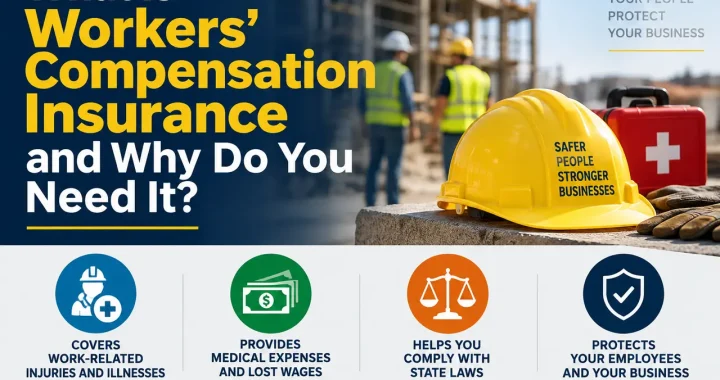
Workers compensation insurance isn’t just a legal requirement for contractors—it’s a smart business decision. But the benefits extend far beyond compliance, especially when you can secure a cost-effective policy. Let’s explore why investing in affordable workers compensation insurance can make a world of difference for contractors.
1. Financial Protection for Employers
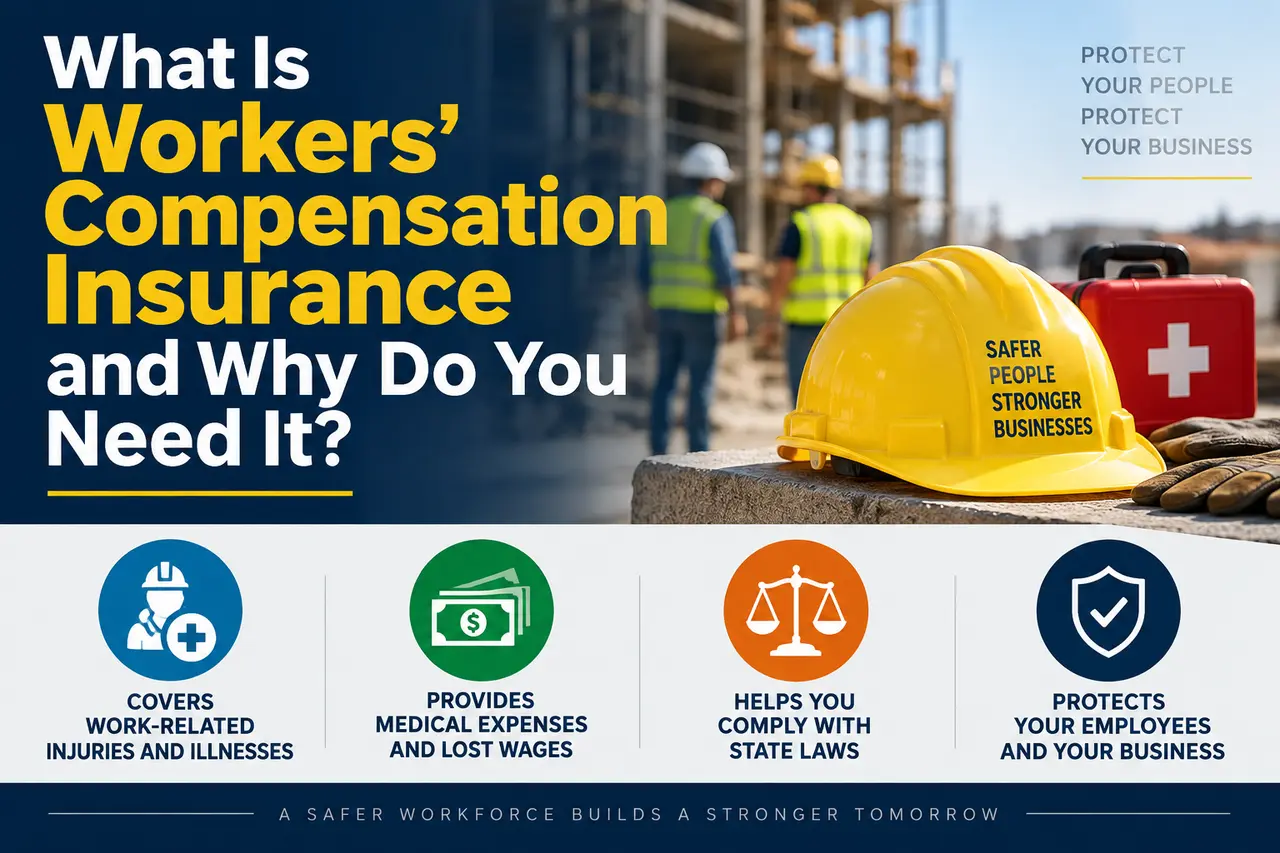
Affordable workers compensation insurance shields businesses financially by covering medical expenses and lost wages if a worker is injured on the job. This means fewer out-of-pocket costs for the employer. Imagine a scenario where a worker gets injured, and the expenses spiral out of control. Having an effective insurance policy in place prevents this from affecting your financial stability. Ultimately, it safeguards your bottom line, allowing you to allocate funds to other crucial areas.
Moreover, having this coverage is a strategic move that enhances your business resilience. In industries where workplace injuries are common, not having insurance could lead to financial ruin. By investing in a cost-effective policy, you secure an insurance safety net that protects against potential claims. This security allows you to focus on growing your business and seizing market opportunities without worrying about unpredictable medical expenses.
2. Legal Compliance Simplified
Staying compliant with local laws is essential. Opting for a budget-friendly policy helps ensure you’re meeting legal obligations without breaking the bank. Compliance isn’t just about avoiding penalties; it’s about maintaining your company’s reputation and credibility. In today’s regulatory environment, contractors are expected to adhere to strict standards, and a minor oversight can result in substantial fines. Affordable insurance ensures you’re always covered, meeting legal requirements with ease.
Furthermore, navigating the complexities of workers compensation laws can be daunting. However, insurers often provide guidance and resources to help businesses understand these regulations. By choosing a cost-effective policy, you gain access to expert advice, simplifying the entire compliance process. This support is invaluable, particularly for contractors who manage multiple projects across different regions. With the right insurance partner, you gain confidence knowing you’ve got all bases covered.
3. Boosting Contractor Credibility
Having coverage demonstrates professionalism and commitment to your workers’ safety, enhancing your reputation and attractiveness in competitive markets. Clients trust contractors who prioritize worker safety, and a well-insured contractor is often viewed as responsible and trustworthy. This credibility can be a deciding factor for clients choosing between you and another contractor.
Furthermore, a strong safety record backed by insurance is a marketable asset. As clients increasingly value ethical practices, being able to demonstrate a commitment to worker welfare gives you a competitive advantage. It signals to potential clients that you take all necessary steps to mitigate risks, creating a safe and reliable working environment. This perception can lead to more contracts and long-lasting professional relationships.
4. Employee Morale and Security
When employees know they are covered, it boosts their morale, fostering a safe and supportive work environment. Insurance is not just a financial tool but a symbol of care and concern from the employer. Workers who feel secure are more likely to be engaged, productive, and loyal. This positive atmosphere encourages teamwork and inspires employees to give their best effort.
The psychological benefits of insurance are often overlooked. Knowing their health and income are protected in case of accidents reduces anxiety among workers, making them more focused and less distracted. This peace of mind translates to increased productivity, fewer workplace conflicts, and lower absenteeism, forming a virtuous cycle that benefits both the employee and employer.
5. Supporting Workforce Retention
Workers feel more secure sticking with a contractor that offers proper insurance, reducing turnover rates and the associated costs. It’s much more cost-effective to retain skilled workers than to train new ones, and providing robust insurance acts as a key retention strategy. In an industry where skilled labor is in high demand, losing experienced workers due to inadequate benefits can significantly disrupt operations.
Furthermore, offering competitive insurance can be a substantial draw for potential employees during the recruitment process, setting you apart from competitors who may not provide such attractive benefits. Therefore, investing in affordable workers compensation insurance is a proactive approach to ensuring you attract and retain top talent, contributing to the overall success and growth of your business.
6. Fast Claims Management
Cost-effective insurance policies often come with efficient claims management services, providing peace of mind that issues will be swiftly resolved. When an incident occurs, prompt handling of claims minimizes disruptions, allowing your operations to continue smoothly. This prevents potential delays that could hurt your business reputation and client relationships.
The benefits of fast claims management extend beyond operational efficiency; they also enhance employee satisfaction. Efficient claims processing ensures that injured workers receive their benefits without unnecessary delays, demonstrating your commitment to employee welfare. This approach fosters a culture of trust and confidence, encouraging open communication and collaboration across all levels of your organization.
7. Improved Risk Management Strategies
Investing in cheap insurance can introduce you to new risk management strategies, preventing future incidents and making your workplace safer. Many insurance providers offer consultations and resources that help identify potential risks and implement effective safety measures. This proactive approach not only enhances safety but also reduces the likelihood of costly claims.
Effective risk management is foundational to maintaining a sustainable business model. By partnering with an insurance provider, you gain access to industry insights and best practices. Implementing these strategies can transform your work environment, leading to fewer accidents and a more motivated workforce. This not only protects your business from financial loss but also reinforces a proactive safety culture.
8. Increased Competitiveness
Being able to offer lower project costs because of lower insurance expenses can give you a competitive edge in the bidding process. Cost savings from affordable insurance allow you to allocate resources strategically, making your bids more attractive to potential clients. In a highly competitive market, every advantage counts.
Moreover, lower operational costs improve your business’s overall financial health. This flexibility means you can take on more projects, expand your service offerings, or invest in innovation. As you enhance your competitive standing, you’re better positioned to capitalize on new opportunities and adapt to industry changes and client demands.
9. Predictable Budget Management
With affordable premiums, it’s easier to predict and manage your business expenses, smoothing out cash flow management. This predictability simplifies financial planning and enables you to invest confidently in future projects. By reducing the variability of insurance costs, you can maintain a more stable budget, avoiding unexpected financial shortfalls.
Furthermore, predictable expenses contribute to long-term financial stability. As your business grows, being able to forecast costs accurately becomes increasingly critical. With a clear understanding of your financial obligations, you can make informed decisions, ensuring your business’s sustained growth and prosperity.
10. Access to Professional Support
Many insurers offer additional resources and support to help contractors optimize their business practices. From risk assessments to safety training programs, these services can enhance your operational efficiency and safety standards, reflecting positively on your business.
Access to professional support also means you have expert guidance in sensitive areas, such as regulatory compliance and legal matters. This assistance can alleviate administrative burdens and give you the confidence to tackle challenging situations effectively. The knowledge and resources provided by your insurer are invaluable assets that can drive your business forward.
11. Enhancing Trust with Clients
Clients are more likely to trust and hire contractors who take responsibility for potential liabilities, portraying reliability and integrity. Insurance signifies that you plan ahead and prioritize safety, which can be a decisive factor for clients when choosing a contractor. Making a commitment to worker safety resonates well with socially conscious clients.
Building client trust isn’t just about securing more contracts—it’s about establishing enduring partnerships. When clients recognize your dedication to upholding high safety standards, they’re more inclined to recommend your services to others. This word-of-mouth advertising can significantly expand your client base, bolstering your reputation and helping you stand out in a crowded marketplace.
12. Long-Term Savings Potential
While it seems counterintuitive, investing in cheap insurance can save money over time by preventing costly lawsuits and productivity losses. A single courtroom battle can drain your resources and undermine your business’s value. Comprehensive insurance coverage mitigates this risk by ensuring that potential legal expenses are covered.
Additionally, by promoting a safer working environment, you reduce the frequency of incidents, lowering the overall cost of claims. Over time, these savings accumulate, contributing to your business’s financial health. Investing in workers compensation insurance becomes not just a line item in your budget but a strategic component of your financial planning, helping to safeguard your business’s future.
About BGES Group
Running a business is challenging enough without having to spend valuable time dealing with insurance issues. At BGES Group, we make insurance simple by providing responsive, personalized service and helping you secure the right coverage at competitive rates. With more than 45 years of industry experience and access to over 25 top-rated insurance carriers, we take the time to understand your business and design insurance solutions that protect your company, employees, assets, and future—without paying for coverage you don’t need.
Our clients appreciate having one dedicated insurance professional, fast certificate processing, prompt answers, and direct access to a real person when they call. We proactively solve problems before they become costly, help control insurance expenses, and provide expert guidance on Workers’ Compensation, General Liability, Commercial Auto, Umbrella Liability, and other business insurance needs. Our goal is simple: make insurance one less thing for you to worry about while providing the peace of mind that comes from knowing an experienced professional is looking out for your business.
Contact BGES Group Insurance Services
Gary Wallach, President
Licensed in New York, New Jersey & Connecticut
📞 (914) 806-5853
✉️ bgesgroup@gmail.com
🌐 www.bgesgroup.com