New York Contractors: If Your Broker Doesn’t Do These 10 Things, You’re With the Wrong Agency

Running a construction company in New York isn’t easy.

Every day you’re dealing with deadlines, payroll, employees, subcontractors, change orders, inspections, jobsite safety, and customers who expect everything yesterday. The last thing you need is an insurance broker who doesn’t answer the phone, takes days to issue a certificate, or doesn’t understand New York construction insurance.

Unfortunately, that’s exactly what many contractors experience.

If you’ve ever found yourself waiting for a certificate while your crew sits idle…if you’ve been transferred from one account manager to another…or if you’ve wondered whether your broker even understands Labor Law, additional insured requirements, workers’ compensation classifications, or contractual risk transfer, it may be time to make a change.

At BGES Group, we have built our reputation by doing one thing exceptionally well:

Helping New York contractors protect their businesses while providing the kind of customer service that has become almost impossible to find today.

Why So Many Contractors Are Leaving Their Current Insurance Broker

We hear the same complaints almost every week.

“My broker never answers the phone.”

“It takes two days to get a certificate.”

“I never speak with the same person.”

“My premiums keep going up and nobody explains why.”

“My account manager doesn’t understand construction.”

“I only hear from my broker when it’s time to pay my renewal.”

Sound familiar?

Insurance should make running your business easier—not harder.

That’s why more contractors throughout New York are turning to BGES Group.

1. We Specialize in New York Construction Insurance

Construction insurance is not just something we do.

It’s what we specialize in.

New York has some of the toughest construction laws in the country. Labor Law claims, Action Over exposures, additional insured endorsements, waiver of subrogation requirements, primary and non-contributory wording, OCIP and CCIP projects, workers’ compensation classifications, subcontractor compliance—the list goes on.

Many insurance agencies insure restaurants, offices, retail stores, and homeowners.

We focus on contractors.

That experience can make the difference between having the right protection—or discovering you have gaps after a claim occurs.

2. We Help You Buy the Right Coverage

Buying the cheapest policy isn’t always buying the best policy.

Many contractors don’t realize they’ve purchased policies containing exclusions that can prevent them from qualifying for jobs or leave them exposed after an accident.

We take the time to review your business, your contracts, and your operations to help make sure your coverage works when you need it most.

Because insurance isn’t about price alone.

It’s about protection.

3. Competitive Pricing Without Sacrificing Coverage

Every contractor wants competitive pricing.

So do we.

We work with multiple insurance companies and specialty construction markets to help find coverage that balances both price and protection.

Rather than simply accepting renewal increases, we actively look for solutions that may save you money while maintaining strong coverage.

4. Certificates Issued in Minutes—Not Days

Nothing frustrates a contractor more than waiting on a certificate of insurance.

Your general contractor is waiting.

Your customer is waiting.

Your crew is waiting.

Every minute costs money.

That’s why certificate requests are treated as urgent.

In most cases, we can issue certificates within minutes—not days.

Your projects keep moving.

Your business keeps making money.

5. When You Call, We Actually Answer the Phone

Remember when businesses answered their phones?

We do.

At BGES Group, we believe customer service begins with simply being available.

Our phones are answered quickly—usually within one or two rings.

No endless voicemail.

No call centers.

No waiting for someone to maybe call you back tomorrow.

When you need us, we’re here.

6. You’ll Always Work With the Same Person

Large agencies often assign your account to whoever happens to be available that day.

One month you have Susan.

The next month she’s gone.

Then you’re assigned to someone who knows nothing about your company.

At BGES Group, you’ll work with one dedicated insurance professional who gets to know your business, your employees, your customers, and your insurance program.

That means fewer mistakes.

Faster answers.

Better service.

And someone who already knows your account when you call.

7. Experience Matters

Construction insurance is complicated.

You don’t want someone reading from a script.

You want someone who understands New York construction and knows how to solve problems quickly.

Whether you’re dealing with complicated certificate requirements, contract language, audit questions, classification issues, claims, renewals, or difficult underwriting situations, experience matters.

We work hard to find answers—not excuses.

8. We Respond Immediately

Business doesn’t stop because someone is “out of the office.”

Emails.

Phone calls.

Text messages.

Questions.

Problems.

They all require quick attention.

Our goal is simple:

Respond as quickly as possible because we know delays can cost contractors jobs, customers, and money.

9. We’re Available When You Need Us

Construction doesn’t always happen between 9:00 and 5:00.

Neither do insurance emergencies.

Need help early in the morning?

Late at night?

On a weekend?

Call us.

Monday through Sunday, day or night, we’re available because we understand construction doesn’t operate on a traditional schedule.

We pride ourselves on actually answering the phone when our clients need us most.

10. Don’t Take Our Word for It—Read Our Google Reviews

Anyone can say they provide great service.

We prefer to let our clients speak for us.

We invite every contractor considering BGES Group to read our Google Reviews and see what business owners have to say about working with us. Clients consistently highlight our responsiveness, construction knowledge, attention to detail, and commitment to solving problems quickly. Those testimonials reflect the personalized service that has become the foundation of our agency. We encourage prospective clients to judge us by the experiences of the people we serve.

Stop Settling for Average

Your insurance broker should be one of the most valuable members of your team.

They should help you win jobs.

Protect your business.

Solve problems.

Answer the phone.

Respond quickly.

Explain your coverage.

Fight for competitive pricing.

And make your life easier—not more stressful.

If your current broker isn’t doing those things, maybe it’s time to see what you’ve been missing.

At BGES Group, we believe every contractor deserves personal service, knowledgeable advice, and an insurance partner who genuinely cares about helping their business succeed.

We don’t want to be just another insurance agency.

We want to become a trusted part of your team.

Contact BGES Group Today

If you’re tired of poor service, slow response times, confusing insurance advice, or simply want a second opinion on your current coverage, we’d love the opportunity to earn your business.

Gary Wallach
BGES Group – New York Construction Insurance Specialists

Phone: 914-806-5853
Email: bgesgroup@gmail.com
Website: www.bgesgroup.com

One phone call could change the way you think about insurance forever.

How to Protect Your Projects with Electrician Insurance

In the world of electrical work, safeguarding your projects and business is crucial. Whether you’re a seasoned electrician or just starting out, understanding how to protect your projects with the right insurance is essential. This blog aims to demystify electrician insurance, helping you ensure peace of mind while focusing on what you do best.

Two technicians with helmets working on electrical equipment outdoors, ensuring safety.

Understanding the Basics of Electrician Insurance

Before diving into the specifics, it’s important to grasp the fundamentals of electrician insurance. This type of insurance is designed to protect electricians from risks associated with their work, ranging from property damage to personal injury claims. Imagine you’re working on a client’s site, and due to unforeseen circumstances, accidental damage occurs. Without proper insurance coverage, you might find yourself facing costly repairs or legal fees. Moreover, personal injury claims can arise if a third party gets injured due to your electrical work. Electrician insurance acts as a safety net, providing financial protection in such instances. It showcases your professionalism and can also enhance your credibility among clients.

Many electricians question the necessity of insurance when starting their business. However, it’s imperative to recognize the diverse risks involved in electrical projects. From handling live wires to working at elevated heights, the job carries inherent hazards that could pose liabilities. Insurance not only safeguards against personal and property damages but also portrays a safety commitment to potential clients. Prospective clients may feel more inclined to hire an insured professional, knowing they have a fallback in case of accidental damages. Furthermore, in several states and municipalities, having insurance might be a legal requirement before undertaking certain electrical works.

Types of Coverage You Need

Explore the different types of coverage available to electricians. Key components include liability insurance, property insurance, and workers’ compensation, each addressing distinct areas of risk management. Liability insurance is crucial as it covers legal fees and damages if your work inadvertently causes injury or property damage. This is especially vital in a field where simple missteps can have significant repercussions. Meanwhile, property insurance takes care of the tools and equipment you rely on daily. Unforeseen incidents like theft or fire can disrupt your operations, but property insurance ensures you’re not enduring those losses alone. Lastly, workers’ compensation supports your team, covering medical expenses and lost wages if an employee is injured on the job. Having these types of coverage not only protects your finances but also reinforces your commitment to a safe working environment for your clients and staff.

Beyond the standard options, some electricians might consider specialized insurance, tailored to unique risks related to specific projects they undertake. For instance, during a high-stakes installation project, having custom coverage could make all the difference, especially when handling expensive components or operating in sensitive areas. Often, specialized policies can be adjusted to suit particular jobs, offering an extra layer of security. It’s also wise to explore options that cover natural disasters if you operate in an area prone to such events. The peace of mind knowing your business is comprehensively covered allows for focus on quality work rather than potential financial losses.

Choosing the right mix of insurance policies can feel overwhelming, but thoughtful planning and industry insight make the process smoother. Consulting with experts who specialize in electrician insurance can provide you with tailored advice to fit your professional needs. Remember, while overextending with unnecessary policies can strain finances, ensuring the critical areas of your operations are covered can safeguard against greater losses in the future. Consider discussing your situation with an insurance advisor who understands the specific challenges of the electrical industry, as they can offer insights into what coverage options might best align with your business goals.

Evaluating Your Specific Insurance Needs

Every electrical business is unique. Learn how to assess your specific needs by considering factors like project size, location, and the nature of your services to determine the best insurance strategy. For instance, if you’re primarily involved in residential projects, your insurance needs may differ from those handling large-scale industrial contracts. Evaluating your business model and understanding the risks associated with your specific operations are key to selecting appropriate coverage.

Start by mapping out common scenarios you encounter in your work. If you frequently work in older buildings, the risk of encountering electrical issues due to outdated wiring increases. Conversely, those focusing on new builds might be concerned with ensuring quality compliance and handling newer technologies. Such diverse considerations should be integrated into your insurance plan. Furthermore, locational hazards like hurricanes or earthquakes can affect your decision. If your business operates in a region prone to such natural events, coverage that provides for these contingencies is essential.

Steps to Acquire Electrician Insurance

Once you’ve identified your needs, the next step is securing a policy. We’ll guide you through selecting a reliable insurer, obtaining quotes, and understanding the key terms of your policy. Start by researching reputable insurance companies with strong track records in handling electrician insurance. Personal recommendations from peers can also guide you toward trustworthy providers.

After narrowing down potential insurers, request detailed quotes that break down the coverage offered. This transparency is crucial for comparing policies effectively. Look beyond just the premiums—understand deductibles, coverage limits, and any exclusions that might impact your protection in key areas. With detailed quotes in hand, it’s easier to make a decision that aligns with both your budgetary constraints and protection needs.

Consider negotiating the terms of the policy to better suit your business model. Many insurers are open to customizing coverage plans, particularly if you’re a long-term customer or representing a burgeoning enterprise. Once you’ve reached an agreement, meticulously read through the contract before committing, ensuring there are no clauses or stipulations that could undermine your coverage. At this stage, consulting with an insurance broker or legal advisor can provide additional peace of mind, ensuring your interests are fully protected.

Maintaining and Reviewing Your Insurance Policy

Insurance is not a ‘set it and forget it’ product. Discover why it’s crucial to regularly review your policies, keep coverage up to date, and ensure your projects remain protected as your business evolves. As your company grows and takes on different types of projects, the risks you face may change. Regularly reviewing your policy ensures your coverage meets your current operational needs and can account for new business strategies or geographic expansions.

Conduct periodic risk assessments to evaluate potential vulnerabilities in your insurance coverage. As technology and regulations evolve in the electrical industry, staying informed helps you adapt your insurance policies to cover emerging risks and liabilities. Keeping a close eye on industry trends can provide foresight into adjustments necessary for comprehensive protection. Additionally, contacting your insurance provider for an annual review can complement your assessments, ensuring you achieve optimal coverage.

Don’t hesitate to ask for an annual report from your insurer addressing any claims or policy changes that happened over the year. This will give you insight into your coverage’s performance and if any adjustments are needed moving forward. Consistently staying engaged with your policy’s details enhances your ability to act swiftly should you need to utilize its benefits, ensuring that you never find yourself unexpectedly exposed to risks.

Securing Your Electrical Future: Peace of Mind with the Right Insurance

Protecting your projects with electrician insurance is not just a wise choice but a necessary one. By understanding the types of coverage available and how they apply to your projects, you can focus on your work without the constant worry of unforeseen events. Take the time to choose an insurance policy that fits your unique needs and gives you the assurance to tackle your electrical endeavors with confidence. For more information on insurance options that align with your business needs, visit our homepage.

About BGES Group

Running a business is challenging enough without having to spend valuable time dealing with insurance issues. At BGES Group, we make insurance simple by providing responsive, personalized service and helping you secure the right coverage at competitive rates. With more than 45 years of industry experience and access to over 25 top-rated insurance carriers, we take the time to understand your business and design insurance solutions that protect your company, employees, assets, and future—without paying for coverage you don’t need.

Our clients appreciate having one dedicated insurance professional, fast certificate processing, prompt answers, and direct access to a real person when they call. We proactively solve problems before they become costly, help control insurance expenses, and provide expert guidance on Workers’ Compensation, General Liability, Commercial Auto, Umbrella Liability, and other business insurance needs. Our goal is simple: make insurance one less thing for you to worry about while providing the peace of mind that comes from knowing an experienced professional is looking out for your business.

Contact BGES Group Insurance Services

Gary Wallach, President
Licensed in New York, New Jersey & Connecticut

📞 (914) 806-5853
✉️ bgesgroup@gmail.com
🌐 www.bgesgroup.com
Understanding New York Contractors Insurance: What You Need to Know

Navigating the world of contractors insurance in New York can be quite daunting. With various policies and legal requirements, it’s essential to have a clear understanding of what coverage you need to protect your business. In this guide, we aim to demystify New York contractors insurance and help you make informed decisions.

A bustling construction site with towering steel frameworks and cranes under a cloudy sky.

The Basics of Contractors Insurance

Contractors insurance is a vital component for any business operating in the construction or contracting field. It provides coverage for various risks associated with construction projects, protecting both the contractor and the client. Let’s delve into the fundamental concepts that form the foundation of contractors insurance.

At its core, contractors insurance is designed to protect your business from financial losses stemming from accidents, injuries, and property damage that might occur on the job site. While some may view this insurance as merely an optional expense, it acts as a safeguard against unpredictable setbacks that could otherwise jeopardize your company’s financial stability.

Types of Coverage Available

There are several types of insurance coverage available for contractors in New York, each serving a specific purpose. Key policies include general liability insurance, workers’ compensation, and commercial auto insurance. Understanding the differences and benefits of each can help you decide the best coverage for your business.

General liability insurance, for instance, protects your business from third-party claims involving bodily injury or property damage. It’s one of the most crucial types because it covers a wide range of possible incidents. On the other hand, workers’ compensation insurance is mandatory in New York and covers medical costs and wage replacement for employees injured at work.

Moreover, commercial auto insurance, specifically tailored for vehicles used in your business, covers both collision and liability claims. Personalized policies might include coverage nuances based on the nature of your business operations. It’s wise to consult with an experienced insurance agent who can guide you through these layers of protection.

New York state law mandates certain insurance requirements for contractors. Compliance is crucial to avoid legal penalties and ensure client trust. This section will break down the essential legal obligations you must fulfill as a contractor operating in New York.

To operate legally in New York, contractors must adhere to several key regulations. These include obtaining a proper license, meeting insurance requirements like workers’ compensation, and ensuring you have any specialty certifications necessary for particular trades. General liability insurance is often not only a regulatory compliance issue but also frequently required by clients before starting any project.

Factors Affecting Your Insurance Premiums

Several factors can influence the premiums you pay for contractors insurance. Business size, project types, claim history, and location all play a role in determining your rates. We will explore these factors and offer tips on how to manage and potentially reduce your insurance costs.

Interestingly, your safety record is a major determinant of your premium levels. A solid history of adhering to safety standards, without major claims or injuries, can favorably impact your premiums. New York’s insurance companies often provide reduced rates to businesses that consistently implement occupational safety measures and conduct safety training.

Geographical location also influences what you pay. Urban areas with high traffic densities or increased crime rates might incur higher costs due to elevated risks. Similarly, consider the types of projects your business undertakes; more complex and hazardous projects typically lead to heightened premiums due to the increased risk involved.

How to Choose the Right Insurance Provider

Choosing the right insurance provider is a critical decision that can affect the quality of your coverage. Here are some tips on evaluating insurance companies, understanding policy terms, and selecting a provider that meets your needs and expectations.

Start by reviewing the reputation and customer service record of potential insurance partners. Long-standing relationships with clients and strong industry references can indicate a provider’s reliability. Additionally, analyze the provider’s financial strength and claims payment history, as these factors will ensure they can fulfill their obligations when needed.

It’s also beneficial to compare policy options across different companies. Look for flexible terms that align with your specific business requirements, whether that’s accommodating unique projects or adapting to seasonal work patterns. Price is important, but partnering with an insurer offering comprehensive support and clear, responsive communication can add significant value.

Ensuring Your Business is Properly Insured

In conclusion, understanding New York contractors insurance is crucial for the protection and success of your business. By familiarizing yourself with the different types of coverage, legal requirements, and factors affecting your premiums, you can ensure that you are adequately protected. Remember, a well-insured contractor is a well-prepared contractor.

About BGES Group

Running a business is challenging enough without having to spend valuable time dealing with insurance issues. At BGES Group, we make insurance simple by providing responsive, personalized service and helping you secure the right coverage at competitive rates. With more than 45 years of industry experience and access to over 25 top-rated insurance carriers, we take the time to understand your business and design insurance solutions that protect your company, employees, assets, and future—without paying for coverage you don’t need.

Our clients appreciate having one dedicated insurance professional, fast certificate processing, prompt answers, and direct access to a real person when they call. We proactively solve problems before they become costly, help control insurance expenses, and provide expert guidance on Workers’ Compensation, General Liability, Commercial Auto, Umbrella Liability, and other business insurance needs. Our goal is simple: make insurance one less thing for you to worry about while providing the peace of mind that comes from knowing an experienced professional is looking out for your business.

Contact BGES Group Insurance Services

Gary Wallach, President
Licensed in New York, New Jersey & Connecticut

📞 (914) 806-5853
✉️ bgesgroup@gmail.com
🌐 www.bgesgroup.com


10 Common Misconceptions about Construction Workers Comp Insurance in New York

Navigating the world of construction workers’ compensation insurance in New York can be tricky. With so much information out there, it’s easy to fall prey to some common misconceptions. Let’s debunk these myths and get the facts straight!

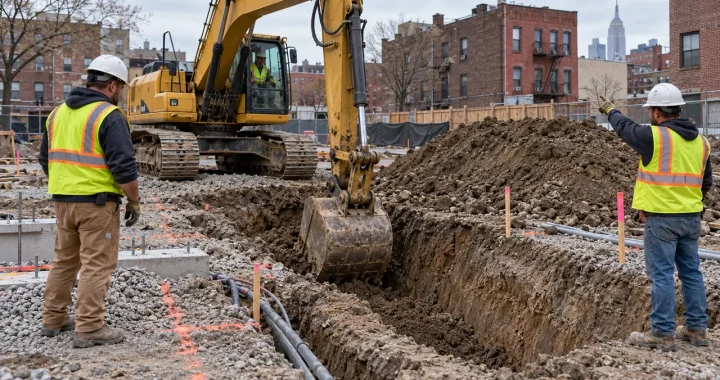
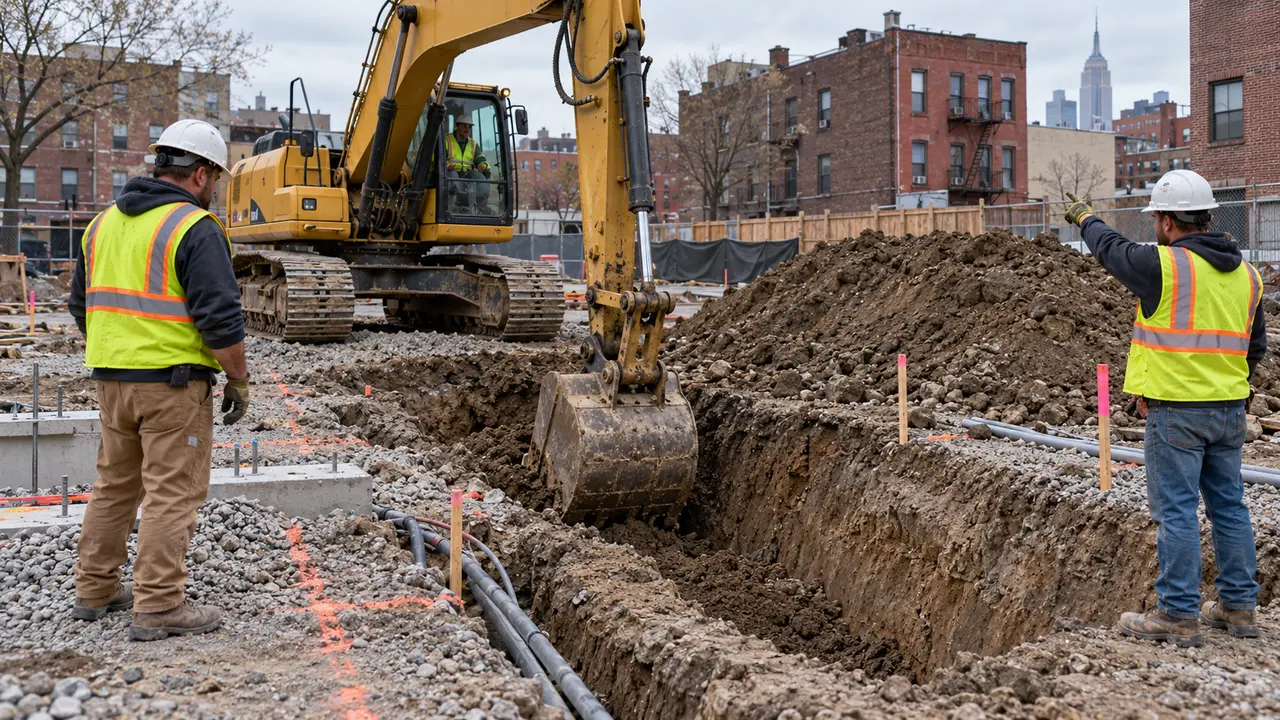
Construction workers in orange uniforms working on a street excavation in NYC.

1. Insurance Is Only for Large Companies

Many assume that workers’ comp insurance is exclusive to larger companies. The truth is, New York mandates it for businesses of all sizes to protect employees. Whether you’re running a small construction firm with just a handful of employees or a sprawling corporation, the responsibility to ensure workers’ safety through insurance remains the same. This mandate is pivotal because accidents and injuries can happen to any worker, irrespective of the company’s size. Small businesses might think they can skip this requirement due to limited resources, but doing so puts them at significant legal and financial risk. Moreover, having coverage is an asset that can enhance an organization’s credibility and employee trust.

It’s also worth noting that adhering to these requirements in New York isn’t just a regulatory formality. It’s a proactive step toward workplace safety and shows that a company values its workforce’s well-being. Besides, having workers’ comp insurance in place can cultivate a positive work environment, where employees feel secure knowing that their health and safety matters to the business. This atmosphere not only aids in maintaining high morale but also positively impacts productivity. By breaking free of this misconception, companies can foster a secure and loyal workforce.

2. Only Covers On-Site Injuries

Another common belief is that insurance only covers injuries occurring physically on a job site. However, any work-related injury can be covered, even if it happens off-site. For instance, if an employee is traveling between construction sites or attending a work-related meeting, injuries sustained during these activities can still potentially be eligible for compensation. This broad definition ensures that workers remain safeguarded even when their duties extend beyond the traditional workplace. Often, such activities, although essential, pose risks similar to on-site tasks, and it’s crucial these are acknowledged within the scope of insurance.

It’s also imperative for employees to recognize that their coverage isn’t limited by geography but rather defined by the context of their work activities. This inclusive protection is part of New York’s commitment to comprehensive worker welfare, ensuring that businesses uphold their duty of care, even in less conventional settings. By discarding the narrow view of site-specific coverage, both employers and employees can navigate their roles with greater assurance and clarity.

3. Part-Time Employees Are Not Covered

Some think part-time or temporary workers aren’t included, but New York law ensures that all employees, regardless of status, are protected under workers’ comp insurance. This is a crucial piece of knowledge, especially in the evolving labor market where non-standard employment is on the rise. Employers who operate under this misconception might unknowingly expose themselves to legal complications and potential penalties. Furthermore, covering part-time workers can prevent disruptions in scheduled projects by facilitating smoother transitions and quicker returns to work post-injury.

Including part-time employees in workers’ comp coverage underscores an employer’s commitment to equity and safety across their workforce. It reflects a comprehensive approach to employee care, which in turn can lead to a more stable and committed team. When workers, irrespective of their working hours, know they have the same level of protection as their full-time counterparts, it builds a culture of trust and mutual respect. This is integral for maintaining seamless operations within the construction sector, particularly in a bustling environment like New York.

4. Filing a Claim Means You’re Suing

Filing for workers’ comp is sometimes misconstrued as initiating a lawsuit. In reality, it’s a way to claim insurance benefits, not a legal dispute. Understanding this difference can ease tensions between employees and employers, ensuring that claims are viewed not as adversarial actions, but as necessary steps to garner deserved support following an incident. This distinction is crucial for fostering an atmosphere where workers feel comfortable reporting injuries without fear of retaliation or reprisal.

Moreover, approaching workers’ comp claims with clarity can prevent potential grievances from escalating into full-blown legal issues. Employers are encouraged to educate their workforce about this process, underscoring that it’s about restoration and assistance, allowing individuals to focus on recovery rather than conflict. Open dialogues about the nature of these claims can significantly impact the cooperation and mutual respect within an organization. By changing the narrative, it becomes easier to view workers’ comp as an ally rather than an adversary.

5. Insurance Rates Skyrocket After a Claim

While there’s a fear that making a claim will drastically increase insurance rates, many factors determine rate changes, and not every claim leads to higher premiums. Insurance companies evaluate various aspects before adjusting rates, including the nature of the injury, past claim histories, and preventive measures a company has in place. This comprehensive assessment ensures that businesses aren’t unfairly penalized for non-recurring incidents. As such, it’s crucial for employers to understand the multifaceted nature of premium calculations rather than assume inevitable hikes.

By implementing robust safety protocols and reviewing risk management strategies, businesses can mitigate the potential impact a single claim might have on their rates. This proactive approach not only helps in retaining manageable insurance costs but also enhances overall workplace safety, reducing future incidents. Engaging in regular risk assessments and staff training programs serves a dual purpose: enriching the organization’s safety culture and demonstrating to insurers a commitment to minimizing hazards. This can be beneficial in ensuring that any fluctuations in premiums remain within a reasonable scope.

6. Self-Employed Workers Are Exempt

A misconception is that self-employed individuals don’t need workers’ comp insurance. However, they may choose to get insurance for their own protection. This option can be particularly prudent for those in high-risk professions, such as construction, where the likelihood of accidents is greater. Having coverage not only shields them financially in the event of an injury but also provides peace of mind, allowing them to focus on their craft without constant anxiety about potential mishaps.

Opting for workers’ comp insurance can also enhance the credibility of self-employed workers when bidding for contracts or negotiating with potential clients. It demonstrates a responsible and forward-thinking approach, emphasizing that the worker prioritizes safety and professionalism. For many clients, particularly larger organizations, collaborating with insured independent workers may be mandatory, making this coverage not just a safeguard, but also a competitive advantage in the marketplace.

7. Contractors Don’t Need Coverage

Some assume that independent contractors are not eligible for coverage. While they are not automatically covered, they can opt-in for their own insurance policies. This flexibility allows contractors to tailor their protection to fit their specific needs and the demands of the projects they undertake. For example, in industries like construction, having workers’ comp can differentiate a contractor from competitors, positioning them as more reliable partners for businesses seeking to mitigate risks in their operations.

Moreover, acquiring such insurance can serve as an indicative measure to validate the seriousness and professionalism of a contractor’s engagement in their field. Clients often view insured contractors as more trustworthy, which can open doors to more extensive or higher-value projects. As the landscape of employment continues to evolve, ensuring coverage remains a smart choice for those seeking sustained growth and success in their careers.

8. Mental Health Claims Are Not Valid

There’s an idea that workers’ comp only covers physical injuries. In reality, mental health issues caused by work conditions can be part of valid claims. Stress, anxiety, or depression arising directly from workplace situations can all fall within the spectrum of conditions that workers’ comp may address. This inclusion recognizes the profound impact that mental health can have on an individual’s productivity and overall well-being, especially in high-pressure environments like construction.

By acknowledging mental health claims, New York’s workers’ comp system reflects a modern understanding of health in the workplace, promoting a holistic approach to employee welfare. Encouraging open discussion about mental well-being, and subsequently supporting through formal claims processes, empowers employees to seek help promptly. It also nudges employers to create safer, more supportive work environments that account for psychological stresses, thereby not just reacting to issues but actively preventing them.

9. Employers Can Opt-Out

Some believe employers can choose not to offer workers’ comp. However, in New York, it’s a legal requirement for most businesses to provide this coverage. Opting out is not a choice but a violation of state law, which can lead to severe penalties. This ensures that employees receive necessary care and compensation when injured, reinforcing workplace safety and ethical obligations. Companies need to be vigilant about maintaining the required coverage, not just to comply with legislation but to fulfill their moral responsibilities to their workforce.

By mandating workers’ comp insurance, New York underscores the importance of safeguarding worker interests throughout the state. As such, it’s not just about compliance for businesses, but about building a robust foundation for trust and cooperation within the workforce. Employers can play a more active role in the workers’ comp landscape by educating their teams about coverage benefits and encouraging proactive safety measures, thus benefiting both the company’s interests and the overarching goal of a safer working environment.

10. Employees Have No Role in the Process

Contrary to the belief that the process is solely employer-driven, employees play a crucial role in reporting injuries and ensuring timely processing of claims. They are responsible for providing accurate accounts of incidents, adhering to deadlines, and collaborating with medical professionals and insurance representatives to complete necessary documentation. In fact, their active participation is vital for the successful navigation of the claims process.

Moreover, workers possess the right and responsibility to be informed about their rights under workers’ comp, an understanding that empowers them to advocate effectively for themselves. Employers, on the other hand, should facilitate this empowerment by offering resources, updates on relevant laws, and clear channels of communication for injury reporting. This collaboration builds a cooperative atmosphere where both employers and employees are invested in maintaining a safe and fair workplace, reflecting a mutual respect essential in today’s dynamic work environments.

About BGES Group

Running a business is challenging enough without having to spend valuable time dealing with insurance issues. At BGES Group, we make insurance simple by providing responsive, personalized service and helping you secure the right coverage at competitive rates. With more than 45 years of industry experience and access to over 25 top-rated insurance carriers, we take the time to understand your business and design insurance solutions that protect your company, employees, assets, and future—without paying for coverage you don’t need.

Our clients appreciate having one dedicated insurance professional, fast certificate processing, prompt answers, and direct access to a real person when they call. We proactively solve problems before they become costly, help control insurance expenses, and provide expert guidance on Workers’ Compensation, General Liability, Commercial Auto, Umbrella Liability, and other business insurance needs. Our goal is simple: make insurance one less thing for you to worry about while providing the peace of mind that comes from knowing an experienced professional is looking out for your business.

Contact BGES Group Insurance Services

Gary Wallach, President
Licensed in New York, New Jersey & Connecticut

📞 (914) 806-5853
✉️ bgesgroup@gmail.com
🌐 www.bgesgroup.com



12 Benefits of Having Workers Compensation Insurance for Your Contracting Business

Running a contracting business comes with its unique set of challenges, but ensuring the safety and security of your workforce should be at the top of the list. Workers compensation insurance is a vital part of that strategy, providing much-needed benefits for both employers and employees. In this blog, we’ll explore the many advantages of having workers compensation insurance specifically tailored for general contractors.

1. Protecting Your Workforce

Ensuring that your employees are covered in case of work-related injuries not only shows that you care about their well-being but also protects them from financial hardship. General contractors, given their high-risk environment, benefit immensely from having this safety net. This insurance covers medical expenses and part of the lost wages if an employee gets injured on the job. Providing this coverage gives peace of mind to both employer and employee alike, fostering a stronger, more loyal workforce.

When accidents happen, as they inevitably can in high-risk industries like construction, workers compensation serves as a financial shield. It not only compensates the worker but also reduces the risk of workplace disputes. This form of insurance emphasizes the importance of placing your employees’ safety and security at the forefront, significantly boosting their morale and productivity levels. Your team will be motivated knowing they are supported and valued, which translates to more dedication to their work.

2. Mitigating Financial Risks

Workers compensation insurance can help your business avoid substantial out-of-pocket costs when dealing with employee injuries or illnesses caused on the job. In an industry fraught with potential hazards, a single accident without insurance can lead to financial ruin, especially for small or mid-sized businesses. The insurance helps cover expensive medical treatments and rehabilitative care without cutting into your business profits.

Moreover, these policies often cover the legal costs associated with workplace injuries, allowing businesses to operate with reduced financial stress. This safety net can mean the difference between thriving and folding under the weight of unforeseen events, ensuring that your contracting business has the flexibility and resilience to bounce back quickly.

3. Complying with State Laws

Most states require businesses, including general contractors, to have workers compensation insurance, keeping you in compliance with legal regulations. Failing to do so could result in fines or other legal consequences that could severely impact your business operations. Each state has specific requirements that can vary significantly, so staying informed and compliant is crucial.

4. Enhancing Employee Morale

Knowing that their employer provides workers compensation insurance can increase employees’ job satisfaction and boost morale. A confident workforce is not only more productive but also more inclined to stay with a company long-term. This insurance assurance signals to employees that they are valued, promoting a more committed, motivated, and cohesive team.

Employees who feel secure in their roles are more likely to perform at their best. This sense of security extends beyond monetary compensation, creating an environment where workers feel valued and protected. Employee morale is a vital component for businesses, as it is directly linked to higher productivity and better quality of work, which in turn enhances client satisfaction.

Having a robust insurance policy in place can minimize the chances of costly legal battles stemming from workplace injuries. As legal proceedings can be both time-consuming and financially draining, securing workers compensation limits the likelihood of disputes reaching the courtroom. Many insurance plans include clauses that offer mediation and settlement, providing a more efficient resolution to any injury-related issues.

In addition, a proactive approach to handling claims with the help of your insurance provider reduces misunderstandings and miscommunications, which often lead to litigation. With your financial risk decreased, you can focus on what you do best—running and growing your contracting business.

6. Improving Business Reputation

Demonstrating responsibility by providing proper insurance can enhance your business’s reputation among clients, suppliers, and potential hires. Seeing that you prioritize the welfare of your staff reflects positively on your credibility and commitment to ethical business practices.

Companies recognized for maintaining high standards of employee welfare attract more business opportunities, creating a positive cycle of growth and success. Having a reputable image increases your company’s competitiveness in the industry, helping you to secure better deals and partnerships. This respect within the industry is invaluable and can be vastly enhanced by the comprehensive protection that insurance provides.

7. Facilitating Employee Rehabilitation

Workers compensation insurance often covers rehabilitation services, helping injured employees return to work more quickly and effectively. Quick and effective recovery benefits your business continuity, minimizes downtime, and helps employees feel more supported in their recovery journey.

Comprehensive rehabilitation services, from physical therapy to occupational health support, are invaluable in getting employees back on their feet. By fostering a supportive environment, you ensure that they can return to their roles with regained strength and confidence.

8. Attracting Top Talent

Offering comprehensive workers compensation coverage is an attractive benefit to potential employees and can help you recruit the best talent in the industry. A well-rounded benefits package is often a deciding factor for talent choosing between companies. By providing this essential form of coverage, your company stands out as an employer that values its workforce.

Secure benefits packages not only help in attracting new talent but also in retaining your current workers. A strong reputation for employee care can set you apart, making your business a desirable place to work. This competitive edge not only builds a skilled team but also propels your business toward success.

9. Encouraging Workplace Safety

With a financial incentive tied to claims and premiums, companies are motivated to maintain a safer working environment. Reducing workplace injuries not only helps to lower your insurance costs but also creates a healthier, more productive workspace.

Incorporating safety training programs, improving safety protocols, and encouraging employee feedback on safety concerns are all proactive measures that can be incentivized through workers compensation schemes. Organizations that invest in workplace safety often see long-term benefits, including decreased turnover and increased productivity.

10. Streamlining Claims Process

Insurance providers can assist in managing and expediting the claims process, reducing stress and administrative burdens on your business. Rather than spending valuable time navigating complex legal and medical paperwork, professional assistance can streamline the entire process.

Aspiring to resolve claims quickly and fairly not only satisfies regulatory requirements but also strengthens employee trust in your operations. Optimizing these processes means your company can remain focused on meeting business goals and achieving new heights without unnecessary distractions.

11. Ensuring Business Continuity

By mitigating the financial impact of workplace injuries, workers compensation insurance aids in maintaining business operations without significant disruptions. During challenging times, having insurance means fewer resources are diverted to cover unforeseen medical expenses, allowing smoother day-to-day operations.

12. Customizing Coverage Options

General contractors can tailor workers compensation policies to fit the specific needs and risks of their business, ensuring optimal protection. This flexibility allows businesses to create a safer work environment specific to their risk profiles and financial capabilities.

About BGES Group

Running a business is challenging enough without having to spend valuable time dealing with insurance issues. At BGES Group, we make insurance simple by providing responsive, personalized service and helping you secure the right coverage at competitive rates. With more than 45 years of industry experience and access to over 25 top-rated insurance carriers, we take the time to understand your business and design insurance solutions that protect your company, employees, assets, and future—without paying for coverage you don’t need.

Our clients appreciate having one dedicated insurance professional, fast certificate processing, prompt answers, and direct access to a real person when they call. We proactively solve problems before they become costly, help control insurance expenses, and provide expert guidance on Workers’ Compensation, General Liability, Commercial Auto, Umbrella Liability, and other business insurance needs. Our goal is simple: make insurance one less thing for you to worry about while providing the peace of mind that comes from knowing an experienced professional is looking out for your business.

Contact BGES Group Insurance Services

Gary Wallach, President
Licensed in New York, New Jersey & Connecticut

📞 (914) 806-5853
✉️ bgesgroup@gmail.com
🌐 www.bgesgroup.com



New York Workers Compensation Insurance: What Every Business Owner and Contractor Needs to Know Before Buying Coverage

If you own a business in New York, purchasing New York Workers Compensation Insurance is not just a smart business decision—it is required by law for most employers. Whether you operate a construction company, restoration firm, trucking business, restaurant, or small office, understanding how workers compensation works can save you thousands of dollars and protect your business from devastating penalties.

New York has some of the strictest workers compensation requirements in the country. Virtually all employers with employees are required to maintain workers compensation coverage, and failing to do so can result in substantial fines, stop-work orders, lawsuits, and personal liability. (NYS Workers Compensation Board⁠)

Why New York Workers Compensation Insurance Is So Important

Workers compensation insurance provides benefits to employees who suffer job-related injuries or illnesses. These benefits can include medical treatment, wage replacement, rehabilitation services, and survivor benefits in the event of a fatal workplace accident. In exchange, employers generally receive protection from most employee lawsuits arising from workplace injuries. (NYS Workers Compensation Board⁠)

Many business owners mistakenly believe they can wait until they hire additional employees before purchasing coverage. Unfortunately, this misunderstanding can lead to significant penalties. The New York State Workers’ Compensation Board aggressively enforces compliance requirements and may impose substantial fines when employers operate without proper coverage. (NYS Workers Compensation Board⁠)

Workers Comp Insurance for Contractors NY

Contractors face some of the highest workers compensation rates and greatest exposure to workplace injuries. Roofing contractors, restoration contractors, electricians, plumbers, masons, painters, and general contractors all face unique risks that insurance carriers carefully evaluate.

When shopping for Workers Comp Insurance for Contractors NY, business owners should work with an insurance professional who understands construction classifications, subcontractor requirements, payroll reporting, and New York labor laws.

Many contractors unknowingly overpay because their classifications are incorrect or because they are not participating in available safety programs and premium reduction opportunities. An experienced construction insurance specialist can often identify ways to improve classifications, reduce audit issues, and help lower overall workers compensation costs.

Construction Workers Compensation Insurance NY: Common Mistakes

One of the biggest mistakes contractors make is assuming all policies are the same.

When purchasing Construction Workers Compensation Insurance NY, business owners should consider:

  • Experience with construction risks
  • Claims handling reputation
  • Audit procedures
  • Pay-as-you-go options
  • Safety group opportunities
  • Payroll reporting requirements
  • Subcontractor documentation requirements

Failure to properly document subcontractors can create unexpected audit charges. During a workers compensation audit, uninsured subcontractor payroll may be added to your payroll, resulting in substantial additional premium.

This is particularly important in New York, where construction-related claims can be severe and expensive.

How to Get a Workers Compensation Quote New York

Obtaining a Workers Compensation Quote New York has become much easier than it was years ago.

To obtain an accurate quote, businesses should be prepared to provide:

  • Company name and FEIN
  • Description of operations
  • Payroll by employee classification
  • Number of employees
  • Prior insurance history
  • Loss runs (claims history)
  • Estimated annual payroll

The quality of information provided directly impacts quote accuracy.

Many business owners shop solely on price. While price is important, coverage quality, carrier stability, audit procedures, and customer service should also be considered.

The cheapest policy is not always the least expensive policy in the long run if poor classification guidance or audit problems result in unexpected costs later.

Pay As You Go Workers Compensation NY

One of the most popular options today is Pay As You Go Workers Compensation NY.

Traditional workers compensation policies often require a substantial deposit upfront based on estimated payroll. This can create cash-flow challenges for growing businesses.

Pay-as-you-go programs integrate with payroll systems and calculate premium based on actual payroll each pay period. Benefits may include:

  • Reduced upfront deposits
  • Improved cash flow
  • Better budgeting
  • Reduced audit surprises
  • More accurate premium calculations

For seasonal businesses, contractors, and rapidly growing companies, pay-as-you-go workers compensation can be an excellent solution.

Choosing the Right Insurance Partner

Workers compensation insurance should never be viewed as simply another expense.

The right insurance advisor can help:

  • Identify classification issues
  • Reduce premium costs
  • Assist with audits
  • Improve compliance
  • Review subcontractor documentation
  • Obtain certificates quickly
  • Explore safety group opportunities
  • Structure pay-as-you-go programs

For contractors especially, having an experienced broker can make a significant difference in both coverage quality and overall insurance costs.

Final Thoughts

Purchasing New York Workers Compensation Insurance is one of the most important decisions a business owner can make. Whether you need Workers Comp Insurance for Contractors NY, Construction Workers Compensation Insurance NY, a Workers Compensation Quote New York, or a Pay As You Go Workers Compensation NY solution, taking the time to work with an experienced specialist can save your business money while helping maintain compliance with New York law.

The goal is not simply finding a policy—it is finding the right policy, at the right price, with the right guidance behind it.

About BGES Group

BGES Group is a boutique insurance agency specializing in workers compensation insurance, construction insurance, and contractor insurance throughout New York, New Jersey, and Connecticut.

With more than 44 years of experience helping contractors and business owners navigate the complexities of workers compensation coverage, BGES Group provides personalized service that many large agencies simply cannot match.

Whether you need a new policy, a second opinion on your current coverage, help reducing workers compensation costs, assistance with audits, or a pay-as-you-go program, BGES Group can help.

Contact BGES Group

Gary Wallach
Phone: 914-806-5853
Email: bgesgroup@gmail.com
Website: www.bgesgroup.com

If you’re looking for competitive workers compensation insurance solutions for your business or construction company, contact BGES Group today for a free review and quote.

Searching for Affordable Workers Compensation Insurance in New York? Here’s What Every Business Owner Should Know

Finding the right workers compensation policy can feel overwhelming, especially for business owners trying to balance cost, compliance, and quality coverage. Whether you’re a contractor, restaurant owner, manufacturer, transportation company, or professional service firm, purchasing workers compensation insurance is one of the most important decisions you’ll make.

Many employers begin their search online using phrases such as Affordable Workers Compensation Insurance New York, Best Workers Compensation Insurance New York, or Workers Compensation Insurance Near Me. While these searches can provide a starting point, understanding what separates a good policy from a great one can save your business thousands of dollars over time.

Why Workers Compensation Insurance Is Required in New York

New York State requires most employers to carry workers compensation insurance. The purpose of the coverage is simple: if an employee suffers a work-related injury or illness, workers compensation helps pay medical expenses, lost wages, rehabilitation costs, and other benefits.

Without proper coverage, employers can face severe penalties, legal liability, stop-work orders, and substantial financial consequences. Even a single workplace injury can create significant financial hardship for a business operating without insurance.

This is why finding the right workers compensation policy should be viewed as an investment in the long-term stability of your company rather than simply another operating expense.

Affordable Workers Compensation Insurance New York: What Does Affordable Really Mean?

When business owners search for Affordable Workers Compensation Insurance New York, they often focus exclusively on premium cost. While price certainly matters, affordability should be measured by overall value.

A lower premium may not always result in lower long-term costs.

For example, a policy with poor audit support, incorrect classifications, limited service, or inadequate claims handling could ultimately cost more than a slightly higher-priced policy that includes expert guidance and ongoing support.

Affordable workers compensation insurance should provide:

  • Competitive pricing
  • Accurate employee classifications
  • Strong carrier financial ratings
  • Efficient claims handling
  • Audit assistance
  • Fast certificate issuance
  • Access to premium-saving programs

The key is finding a balance between cost and quality.

Best Workers Compensation Insurance New York: It’s Not Just About the Carrier

Many business owners assume that finding the Best Workers Compensation Insurance New York means selecting the biggest insurance company. In reality, the best solution often depends on your specific business operations.

The best policy for a roofing contractor may be very different from the best policy for a restaurant, office, or trucking company.

Several factors should be considered:

  • Industry specialization
  • Claims reputation
  • Premium competitiveness
  • Customer service
  • Audit practices
  • Loss control resources
  • Safety group participation opportunities

An experienced broker can evaluate multiple carriers and programs to determine which option best fits your business.

The goal should not be finding the biggest insurance company. The goal should be finding the carrier and program that aligns with your business needs.

Workers Compensation Insurance for Small Business NY

Small businesses often face unique challenges when purchasing insurance.

Many owners believe they lack negotiating power because of their size. Fortunately, that is not always true.

When searching for Workers Compensation Insurance for Small Business NY, business owners should seek guidance from professionals who understand the needs of smaller companies.

Small businesses often benefit from:

  • Personalized service
  • Flexible payment plans
  • Pay-as-you-go options
  • Reduced deposits
  • Audit support
  • Fast certificate turnaround

Whether you have one employee or fifty employees, the right insurance advisor can help identify programs designed specifically for your operation.

Many small businesses are surprised to discover they qualify for better pricing or more favorable programs than they originally expected.

Instant Workers Compensation Quote NY

Today’s business owners expect speed.

As a result, searches for Instant Workers Compensation Quote NY continue to increase.

Many insurance agencies can provide preliminary pricing quickly, particularly for lower-risk businesses. However, obtaining the most accurate quote still requires certain information.

Typically, insurance carriers request:

  • Business name
  • FEIN
  • Description of operations
  • Payroll estimates
  • Employee classifications
  • Prior insurance history
  • Claims experience

Providing accurate information upfront helps ensure that quotes are both competitive and reliable.

Business owners should be cautious when comparing quotes that appear dramatically lower than others. Significant differences often indicate classification discrepancies or incomplete information.

An experienced broker can review quotes carefully and explain any major differences between proposals.

Workers Compensation Insurance Near Me: Why Local Expertise Matters

When business owners search for Workers Compensation Insurance Near Me, they are often looking for more than convenience.

They want local expertise.

New York workers compensation laws are complex and constantly evolving. Local specialists understand the challenges facing New York businesses and can provide valuable guidance regarding compliance, classifications, audits, certificates, and claims.

A local advisor can often respond more quickly when urgent issues arise, including:

  • Same-day certificates
  • Contract review assistance
  • Audit questions
  • Coverage changes
  • Claims concerns

Having access to a knowledgeable professional who understands your business can make a tremendous difference.

Common Mistakes to Avoid When Buying Workers Compensation Insurance

Many business owners unintentionally make costly mistakes when purchasing coverage.

Some of the most common include:

  • Choosing a policy based solely on price
  • Using inaccurate payroll estimates
  • Misclassifying employees
  • Failing to track subcontractor insurance
  • Ignoring audit preparation
  • Waiting until the last minute to secure coverage

Avoiding these mistakes can help reduce premium costs while minimizing future complications.

The Value of Working with a Specialist

Workers compensation insurance is not a one-size-fits-all product.

Every industry faces unique exposures, and every business has different goals.

A specialist can help evaluate:

  • Coverage options
  • Carrier strengths
  • Premium reduction opportunities
  • Audit preparation
  • Claims management strategies
  • Compliance requirements

This guidance often results in both financial savings and improved protection.

About BGES Group

BGES Group is a boutique insurance agency specializing in workers compensation insurance, construction insurance, and business insurance solutions throughout New York, New Jersey, and Connecticut.

For more than 44 years, Gary Wallach and the BGES Group team have helped contractors, transportation companies, manufacturers, restaurants, and small businesses secure affordable, reliable workers compensation coverage.

Unlike many large agencies where accounts are handled by multiple departments, BGES Group provides personalized service and hands-on guidance throughout the life of your policy.

Whether you need a new workers compensation policy, an instant quote, a second opinion on your current coverage, help with audits, or access to premium-saving programs, BGES Group is ready to assist.

Contact BGES Group

Gary Wallach
Phone: 914-806-5853

Email: bgesgroup@gmail.com

Website: www.bgesgroup.com

If you’re looking for affordable workers compensation insurance in New York, personalized service, and expert advice from professionals who understand your business, contact BGES Group today for a free consultation and workers compensation review.

What Happens If a Client Sues You After the Job Is Finished?

For many contractors, completing a project and receiving the final payment feels like crossing the finish line. Unfortunately, finishing the work doesn’t always mean the risk is over. Months—or even years—after a project is completed, a dissatisfied client may claim defective workmanship, property damage, or financial losses and decide to file a lawsuit.

Whether you’re a general contractor, electrician, plumber, HVAC technician, roofer, painter, or remodeling contractor, understanding what happens if a client sues you after the job is finished can help protect your business, your reputation, and your financial future.

Why Clients Sue Contractors After a Project Is Complete

Not every construction project ends with a handshake. Even when work appears to be completed successfully, issues can arise later that prompt a homeowner or commercial client to pursue legal action.

Some of the most common reasons include:

  • Alleged construction defects
  • Water intrusion or leaks discovered months later
  • Structural issues
  • Property damage resulting from completed work
  • Claims that work was not performed according to the contract
  • Breach of warranty
  • Delays that allegedly caused financial losses
  • Personal injury resulting from defective work

Sometimes the contractor is responsible. Other times, the issue may have been caused by another trade, improper maintenance, manufacturer defects, or circumstances beyond the contractor’s control. Regardless of fault, responding to a lawsuit can be expensive.

What Happens When You Receive a Lawsuit?

Receiving legal papers can be overwhelming, but the worst thing you can do is ignore them.

If you’re served with a lawsuit, you should:

  • Notify your insurance agent or carrier immediately.
  • Do not admit fault or promise payment.
  • Gather all project documentation, including contracts, change orders, invoices, permits, inspection reports, emails, and photographs.
  • Cooperate fully with your insurance company and any attorney assigned to your defense.

The sooner your insurance carrier is involved, the better your chances of preserving valuable evidence and building a strong defense.

Will Your General Liability Insurance Cover the Claim?

This is one of the most common questions contractors ask.

Commercial General Liability (CGL) insurance may provide coverage for certain lawsuits involving property damage or bodily injury caused by your completed work. This protection is often referred to as Products-Completed Operations Coverage, which is designed to respond after the project has been finished.

For example, your policy may help if:

  • A plumbing repair later causes water damage.
  • Improper installation results in damage to a customer’s property.
  • A completed deck collapses and someone is injured.
  • Roofing work allows water intrusion that damages the interior of a building.

If the claim is covered, your insurance company may:

  • Hire an attorney to defend you
  • Pay legal defense costs
  • Investigate the claim
  • Negotiate settlements
  • Pay covered damages up to your policy limits

Even if a lawsuit is ultimately dismissed, legal defense alone can cost tens of thousands of dollars.

Article content

What Isn’t Covered?

One common misconception is that General Liability insurance pays to repair or replace your own faulty workmanship.

Generally speaking, insurance is intended to cover resulting property damage or bodily injury—not simply the cost of correcting poor workmanship.

For example:

If you install flooring incorrectly, your insurance may not pay to replace the defective flooring itself.

However, if the faulty installation causes significant water damage throughout the home, portions of that resulting damage may be covered depending on the circumstances and the policy language.

Every claim is different, and coverage depends on the facts of the loss as well as the specific insurance policy.

Why Documentation Matters

One of the best defenses against contractor lawsuits is thorough documentation.

Keep organized records that include:

  • Signed contracts
  • Detailed project specifications
  • Change orders
  • Emails and text communications
  • Daily job logs
  • Inspection reports
  • Before-and-after photographs
  • Material invoices
  • Certificates of completion

Good documentation can demonstrate exactly what work was performed, when it was completed, and whether changes were requested by the customer.

In many disputes, clear documentation becomes your strongest evidence.

The Importance of Contracts

A well-written contract won’t prevent every lawsuit, but it can significantly reduce misunderstandings.

Contracts should clearly define:

  • Scope of work
  • Payment terms
  • Change order procedures
  • Project timeline
  • Customer responsibilities
  • Warranty information
  • Dispute resolution procedures

Clear expectations often prevent disagreements from escalating into legal disputes.

Don’t Forget About Subcontractors

Many contractor lawsuits involve work performed by subcontractors.

If you hire subcontractors, it’s critical to:

  • Verify they carry their own insurance.
  • Obtain current Certificates of Insurance.
  • Require Additional Insured status when appropriate.
  • Use written subcontractor agreements.
  • Confirm Workers’ Compensation coverage where required.

Otherwise, your business could find itself defending claims that originated from someone else’s work.

Umbrella Liability Can Provide Additional Protection

Construction-related lawsuits can quickly exceed the limits of a standard General Liability policy.

That’s why many contractors purchase Commercial Umbrella Liability insurance.

An umbrella policy provides additional liability limits above your underlying policies, helping protect your business against catastrophic claims involving severe injuries or extensive property damage.

Considering today’s litigation environment, many contractors find that higher liability limits offer valuable peace of mind.

Prevention Is Always Less Expensive Than Litigation

The best lawsuit is the one that never happens.

Contractors can reduce their risk by:

  • Performing quality work
  • Hiring qualified employees and subcontractors
  • Communicating clearly with customers
  • Following building codes
  • Maintaining detailed records
  • Responding quickly to customer concerns
  • Carrying appropriate insurance coverage

A proactive approach to risk management not only protects your business but also strengthens your reputation and customer relationships.

The Bottom Line

No contractor wants to think about being sued after a project is complete, but it’s a reality of doing business in today’s construction industry. Even when you’ve done everything right, disputes can still arise months or years after the work is finished.

The good news is that having the right insurance coverage, maintaining thorough documentation, and working with an experienced insurance professional can make a significant difference when facing a claim.

Construction projects come with enough challenges. Your insurance should help protect your business when unexpected legal issues arise—not create additional headaches.


About BGES Group

Running a business is challenging enough without having to spend valuable time dealing with insurance issues. At BGES Group, we make insurance simple by providing responsive, personalized service and helping you secure the right coverage at competitive rates. With more than 45 years of industry experience and access to over 25 top-rated insurance carriers, we take the time to understand your business and design insurance solutions that protect your company, employees, assets, and future—without paying for coverage you don’t need.

Our clients appreciate having one dedicated insurance professional, fast certificate processing, prompt answers, and direct access to a real person when they call. We proactively solve problems before they become costly, help control insurance expenses, and provide expert guidance on Workers’ Compensation, General Liability, Commercial Auto, Umbrella Liability, and other business insurance needs. Our goal is simple: make insurance one less thing for you to worry about while providing the peace of mind that comes from knowing an experienced professional is looking out for your business.

Contact BGES Group Insurance Services

Gary Wallach, President Licensed in New York, New Jersey & Connecticut

📞 (914) 806-5853

✉️ bgesgroup@gmail.com

🌐 www.bgesgroup.com
Understanding the Best Insurance for Contractors to Cover Labor Law Injuries in NY

Navigating the complexities of insurance for contractors can be daunting, especially when it comes to ensuring coverage for labor law injuries in New York. In this blog, we’ll break down the essentials you need to know to protect your business and employees effectively.

A construction worker operating a concrete mixer at an active building site, emphasizing safety gear.

The Importance of Insurance for Contractors

Contractors face unique risks every day, making insurance not just a recommendation but a necessity. Understanding why it’s essential helps underscore the need for comprehensive coverage.

For contractors, unexpected events are not a matter of if, but when. Insurance offers a safety net that can save a business from financial ruin. Given the physical nature of construction and contracting work, the likelihood of accidents is higher than in many other fields. Hence, having a robust insurance policy is akin to having a reliable tool in your toolkit; it ensures that when an issue arises, you’re not caught unprepared or left to handle hefty expenses on your own.

Moreover, having the right insurance can enhance your business reputation. Clients often select contractors who demonstrate reliability and a commitment to safety. A contractor with comprehensive insurance coverage is perceived as more professional and trustworthy, which can lead to more business opportunities. Additionally, some project contracts may require proof of insurance as a condition of the contract award, making it an indispensable part of your business strategy.

Understanding Labor Law Injuries in New York

Labor law injuries in NY pose particular challenges due to strict regulations. Knowing these laws is crucial for contractors working in the region to ensure compliance and adequate protection.

New York has distinctive labor laws that impose strict liability on contractors. These laws are designed to protect workers by holding property owners and contractors responsible for providing safe working environments. The requirements set forth in New York’s Labor Laws, particularly Sections 240 and 241, often referred to as the ‘Scaffold Law,’ hold contractors and property owners accountable for elevation-related injuries. Understanding these laws is essential for contractors because violations can result in considerable fines and lawsuits.

Enacting safety protocols, educating employees about safety standards, and ensuring compliance with state labor laws are proactive measures contractors must take. Knowing the regulations not only helps in preventing accidents but also equips contractors with the necessary knowledge to respond appropriately after an incident occurs. Regular training sessions and updates on the latest regulations can aid in minimizing risks and ensuring compliance, thus preventing costly legal complications.

Key Insurance Types for Covering Labor Law Injuries

Different insurance types offer various levels of protection. From workers’ compensation to general liability insurance, we’ll explore the options to determine what’s best for covering labor law injuries.

Workers’ compensation is a cornerstone of contractor insurance plans. It covers medical expenses and lost wages for injured workers, thereby helping contractors comply with legal requirements and avoid lawsuits. For labor law injuries specific to the uniqueness of New York’s laws, general liability insurance may also be necessary. This kind of insurance is vital as it covers bodily injury and property damage claims. Together, these insurances form a comprehensive shield against potential financial setbacks caused by workplace accidents.

In addition to these, umbrella insurance policies can be crucial. These policies provide extra liability coverage beyond the limits of your existing policies. This is particularly important in New York, where claims can involve significant compensation amounts due to the stringent laws protecting workers. Depending on the contracts and local regulations, contractors may need to consider additional policies such as professional liability insurance, which covers claims of negligence and malpractice that aren’t usually covered by general liability insurance.

Finding the Best Insurance Provider

Choosing the right insurance provider can make all the difference. Learn how to evaluate potential providers to find the one that best matches your business needs.

The process of selecting the best insurance provider involves several critical steps. Start by assessing your specific coverage needs and comparing the offerings of different insurance companies. Factors such as the insurer’s financial stability, customer service, and claims processing efficiency are crucial. Look for an insurer with a strong reputation in handling claims effectively, as this indicates reliability and trustworthiness. Moreover, it’s beneficial to choose a provider who specializes in contractor insurance, as they will have a better understanding of industry-specific risks and regulations.

Another key consideration is the flexibility of policy terms. An adaptable policy that can grow with your business is ideal. Also, consider the premiums versus the coverage provided—it’s vital to ensure that the protection offered justifies the cost. Reaching out to other contractors or utilizing industry forums to gather testimonials and reviews can also provide valuable insights into the experiences of peers with different insurance providers.

Practical Steps to Safeguard Your Business

Beyond insurance, there are practical measures you can implement to protect your business from labor law claims. We’ll cover these proactive steps to minimize risks.

Implementing a comprehensive safety program is integral. This involves regular safety audits, consistent training programs for employees, and ensuring all work complies with OSHA standards. Documenting these safety measures demonstrates due diligence and can serve as a vital defense in case of legal disputes. Encouraging a culture of safety where workers are motivated to adhere strictly to safety protocols can significantly reduce the chance of accidents and subsequent claims.

Another effective strategy is establishing a communication plan for incident reporting. Quick response to accidents can minimize damage and help in swiftly addressing any underlying issues. Keeping an open dialogue with employees about safety concerns and suggestions can also foster a collaborative environment focused on continuous improvement. By proactively engaging with these strategies, you not only safeguard your business but also ensure a safer workplace for everyone involved.

Securing Your Business with the Right Protection

Choosing the right insurance is crucial for safeguarding your business against potential labor law claims. By understanding your options and partnering with knowledgeable professionals, you can ensure peace of mind and focus on what truly matters: growing your business.

About BGES Group

Running a business is challenging enough without having to spend valuable time dealing with insurance issues. At BGES Group, we make insurance simple by providing responsive, personalized service and helping you secure the right coverage at competitive rates. With more than 45 years of industry experience and access to over 25 top-rated insurance carriers, we take the time to understand your business and design insurance solutions that protect your company, employees, assets, and future—without paying for coverage you don’t need.

Our clients appreciate having one dedicated insurance professional, fast certificate processing, prompt answers, and direct access to a real person when they call. We proactively solve problems before they become costly, help control insurance expenses, and provide expert guidance on Workers’ Compensation, General Liability, Commercial Auto, Umbrella Liability, and other business insurance needs. Our goal is simple: make insurance one less thing for you to worry about while providing the peace of mind that comes from knowing an experienced professional is looking out for your business.

Contact BGES Group Insurance Services

Gary Wallach, President
Licensed in New York, New Jersey & Connecticut

📞 (914) 806-5853
✉️ bgesgroup@gmail.com
🌐 www.bgesgroup.com



What Should Contractors Know About Heavy Equipment Insurance in New York?

Navigating the world of heavy equipment insurance can seem daunting for contractors, especially with the specific requirements in New York. This FAQ blog aims to break down the essential information and considerations, helping you make informed decisions for your business.

Aerial view of an active construction site with heavy machinery and building materials.

What is Heavy Equipment Insurance?

Heavy equipment insurance is designed to protect contractors from financial losses due to theft, damage, or third-party liabilities related to their equipment. It provides coverage for construction machinery like cranes, bulldozers, and excavators.

Broadly speaking, this type of insurance goes beyond just covering damage or theft. It also plays a significant role in mitigating operational risks. By having this coverage in place, contractors can focus on delivering their projects rather than worrying about the potential for unexpected equipment mishaps that could impact their bottom line. Additionally, it offers peace of mind as part of a business’s comprehensive risk management strategy.

Why is Heavy Equipment Insurance Important in New York?

New York’s construction industry regulations require contractors to have adequate insurance coverage to safeguard their assets and reduce financial risks. Heavy equipment insurance helps comply with these regulations while protecting against potential liabilities.

Considering New York’s stringent regulatory environment, contractors must ensure that their insurance policies meet state standards to avoid costly fines or legal issues. The construction industry in New York is booming, and with that comes heightened scrutiny. This means that comprehensive coverage is not just a good business practice—it’s a necessity.

Moreover, with an active market like New York, having the right insurance differentiates responsible and reputable contractors from those who might cut corners.

What Types of Coverage Are Available?

Contractors can choose from different types of coverage, including theft, vandalism, accidental damage, and third-party liability. Tailoring these options to the specific needs of your business can ensure comprehensive protection.

There are also specialized coverages available depending on the equipment and the scope of the project at hand. For instance, if you’re employing heavy machinery for specialized tasks, opting for extended or additional coverages might be beneficial. Making informed decisions on these coverages could save significant out-of-pocket expenses in the long run.

Discussing options with providers such as BGES Group’s experts can assist in crafting a policy that aligns precisely with your operational demands and regulatory obligations.

How to Determine the Right Coverage Amount?

Determining the correct coverage amount involves assessing the value of your equipment, understanding potential risks, and evaluating how much you can reasonably self-insure. Consulting with an insurance broker can help you make an informed decision.

It’s important to take into consideration factors such as the frequency of use and the environments in which the equipment operates. High-risk situations or frequent usage might warrant higher coverage limits to avoid underinsurance. Engaging in a risk assessment can provide a clear picture of the specific needs for your equipment fleet.

What Factors Affect Insurance Costs?

Several factors influence the cost of heavy equipment insurance, such as the type and age of the equipment, the scope of the project, and your company’s safety record. Being aware of these can help in optimizing your premiums.

One significant factor is how often equipment is used. Intense or frequent use increases premiums due to heightened risk levels. On the other hand, a stellar safety record and adherence to maintenance schedules can often reduce overall insurance expenditures, signaling to insurers that a contractor operates responsibly.

How to File a Claim Effectively?

In the event of a loss or damage, promptly reporting the incident, documenting evidence, and adhering to your insurer’s protocol is crucial for a swift and successful claim process.

Keeping detailed records and logs of your equipment usage and maintenance can significantly streamline the claims process. By doing so, you provide clear context and evidence that supports your claim, making it easier for insurers to assess the situation accurately and expediently.

Remember, the speed and accuracy with which you file and process your claims can directly impact the settlement timeline and amount, protecting your business from prolonged downtime.

Key Takeaways for Contractors on Heavy Equipment Insurance

Understanding heavy equipment insurance is vital for contractors to protect their investments and ensure business continuity. By familiarizing yourself with coverage types, legal requirements, cost factors, and the claims process, you can choose the right policy with confidence.

About BGES Group

Running a business is challenging enough without having to spend valuable time dealing with insurance issues. At BGES Group, we make insurance simple by providing responsive, personalized service and helping you secure the right coverage at competitive rates. With more than 45 years of industry experience and access to over 25 top-rated insurance carriers, we take the time to understand your business and design insurance solutions that protect your company, employees, assets, and future—without paying for coverage you don’t need.

Our clients appreciate having one dedicated insurance professional, fast certificate processing, prompt answers, and direct access to a real person when they call. We proactively solve problems before they become costly, help control insurance expenses, and provide expert guidance on Workers’ Compensation, General Liability, Commercial Auto, Umbrella Liability, and other business insurance needs. Our goal is simple: make insurance one less thing for you to worry about while providing the peace of mind that comes from knowing an experienced professional is looking out for your business.

Contact BGES Group Insurance Services

Gary Wallach, President
Licensed in New York, New Jersey & Connecticut

📞 (914) 806-5853
✉️ bgesgroup@gmail.com
🌐 www.bgesgroup.com