Think You’re Paying Too Much for Workers’ Compensation Insurance? Thousands of Tri-State Business Owners Are Asking the Same Question

If you’re a business owner in New York, New Jersey, or Connecticut, here’s a question worth asking:

When was the last time someone actually shopped your workers’ compensation insurance?

For many business owners, the answer is, “I don’t know.”

That’s exactly why thousands of companies throughout the Tri-State area may be paying more than necessary for one of their largest insurance expenses.

Workers’ compensation insurance is not a “set it and forget it” policy. Rates change. Insurance company appetites change. Your company’s payroll changes. Your experience modification factor changes. New insurance programs become available. Yet many business owners stay with the same insurance agency year after year without ever knowing if they’re still receiving the most competitive pricing and coverage.

At BGES Group, we believe every business owner deserves to know whether they’re getting the best value for their workers’ compensation insurance—not just the same renewal year after year.

Why So Many Businesses Overpay

There are many reasons companies end up paying too much.

Sometimes an insurance agency represents only a handful of insurance companies, limiting your options.

Sometimes your account is automatically renewed without being marketed to other carriers.

Sometimes your business has grown or changed, but your policy has never been reviewed to determine whether you’re in the most appropriate workers’ compensation program.

Other times, business owners simply become too busy running their company to question whether they’re getting the best deal available.

The result?

Many companies continue paying premiums that may no longer reflect today’s marketplace.

One Size Does Not Fit All

Every business is unique.

A construction contractor has different insurance needs than a manufacturer. A transportation company has different challenges than a retail business. Even two companies performing the same type of work may qualify for completely different pricing based on payroll, claims history, safety programs, and company operations.

That’s why BGES Group takes the time to understand your business before recommending a solution.

Our goal isn’t simply to sell another insurance policy.

Our goal is to help you purchase the right workers’ compensation program for your business.

Experience Makes a Difference

Insurance is more than comparing prices.

Proper classifications, payroll reporting, owner exclusions or inclusions where permitted, subcontractor issues, audits, certificates of insurance, and claims handling all play important roles in protecting your business.

With 45 years of insurance experience, BGES Group understands the challenges business owners face every day.

We’ve worked with contractors, manufacturers, transportation companies, wholesalers, distributors, service businesses, and many other industries throughout the Tri-State area.

That experience allows us to identify opportunities that others may overlook.

Access to Multiple Insurance Markets

One of the biggest advantages of working with BGES Group is choice.

Instead of relying on a single insurance company, we work with more than 20 workers’ compensation insurance markets and multiple specialized programs designed to meet the needs of different industries.

That means we’re often able to explore options that many agencies simply cannot offer.

The more quality markets available, the greater the opportunity to find competitive pricing and coverage that fits your business.

More Than Just Lower Premiums

Price is important—but it’s only part of the equation.

BGES Group also helps clients evaluate:

  • Coverage improvements
  • Payroll reporting options
  • Pay-as-you-go workers’ compensation programs
  • Premium financing alternatives
  • Audit preparation
  • Claims support
  • Risk management recommendations
  • Safety resources
  • Certificates of insurance
  • Long-term insurance planning

A lower premium means very little if your business isn’t properly protected when a claim occurs.

That’s why we focus on value—not just price.

We Make the Process Simple

Many business owners avoid shopping their insurance because they assume it’s complicated.

It doesn’t have to be.

Our review process is designed to be straightforward.

We’ll evaluate your current workers’ compensation policy, review your operations, discuss your goals, and determine whether better options may be available.

If we find an opportunity to improve your coverage, reduce your premium, or both, we’ll explain your options clearly so you can make an informed decision.

If your current policy is already the best available, we’ll tell you that too.

Our objective is to build long-term relationships based on honesty, expertise, and outstanding service.

Personalized Service Still Matters

In today’s world of automated phone systems and large call centers, personalized service has become increasingly rare.

At BGES Group, we believe business owners deserve to speak with someone who understands their business and responds promptly.

Whether you need certificates of insurance, policy changes, claims assistance, or answers to coverage questions, we’re committed to providing the level of service our clients expect.

When you call us, you’re not just another policy number.

You’re a valued client.

Is It Time for a Second Opinion?

Even if you’re happy with your current insurance agency, it never hurts to obtain a professional second opinion.

A policy review could identify opportunities to reduce costs, improve coverage, or place your company into a program that’s better suited to your business today.

The insurance marketplace changes continually.

What was the best option three years ago—or even last year—may no longer be the best option today.

That’s why reviewing your workers’ compensation insurance on a regular basis is simply good business.

If you’ve been with the same insurance company for years, now may be the perfect time to see what other opportunities exist.

You might discover you’re paying exactly what you should.

Or you might discover there are better options available.

You’ll never know until you ask.

Contact BGES Group Today

If you own a business in New York, New Jersey, or Connecticut and would like a no-obligation review of your workers’ compensation insurance, we’d be happy to help.

BGES Group
Gary Wallach, President
45 Years of Insurance Experience

📞 914-806-5853
📧 bgesgroup@gmail.com
🌐 www.bgesgroup.com

Let BGES Group show you why so many Tri-State business owners trust us to help protect their businesses while exploring competitive workers’ compensation insurance solutions tailored to their unique needs.

Guide to Navigating Insurance for Employee Injury Lawsuits for NY-Based Contractors

Navigating the maze of insurance for employee injury lawsuits can be daunting, especially for contractors based in New York. Understanding what insurance policies cover, how they protect your business, and the legal obligations involved is crucial. In this guide, we’ll break down everything you need to know in a simple, easy-to-understand way.

Understanding the Basics of Employee Injury Lawsuits

Employee injury lawsuits can stem from various incidents, including workplace accidents or alleged negligence. As a contractor in New York, it’s crucial to be aware that these lawsuits often arise when employees claim unsafe working conditions led to their injuries. Establishing a comprehensive safety protocol is an effective first step towards minimizing risks, but sometimes, no matter how safe you make the work environment, accidents can still occur. Knowing this, contractors should familiarize themselves with the typical legal proceedings in such cases. Most lawsuits will require clear documentation and evidence to either support or dispute claims. By having solid knowledge about how these lawsuits typically unfold, contractors can better prepare to defend their business interests.

Employee injury lawsuits are not only about workplace safety. Often, they involve a multitude of other factors such as compliance with labor laws and the adequacy of safety equipment provided to employees. Contractors must ensure that they’re not only providing these essentials but also maintaining satisfactory records of compliance. Documentation is essential in protecting your business in court. Maintaining detailed records and evidence of constant safety checks and training sessions can serve as valuable proof of due diligence, which is crucial when attempting to counteract any claims of negligence.

Types of Insurance Policies Relevant to Contractors

The primary types of insurance that contractors in New York might consider include workers’ compensation, general liability, and employer’s liability insurance. Workers’ compensation insurance is designed to cover medical expenses and a portion of lost wages for employees who suffer an injury while on the job. This insurance is not just a safeguard for employees; it also provides employers with a financial cushion against lawsuits arising from workplace injuries. Without such coverage, businesses may risk severe financial repercussions due to medical expenses and potential compensatory and legal payouts.

Employer’s liability insurance is another critical consideration. It typically covers the legal costs involved in defending against claims alleging employer negligence. Even if you meticulously follow all safety protocols, unfortunate incidents can happen, and employees may still file lawsuits. This is where employer’s liability insurance becomes invaluable. On the other hand, general liability insurance is broader; it protects against third-party claims of injury or property damage. Ensuring you have these policies can provide a peace of mind and support risk management strategies in your contracting business effectively.

The Importance of Workers’ Compensation in New York

In New York, workers’ compensation is not only crucial—it’s mandatory for most businesses. It is designed to ensure that employees who suffer work-related injuries get the necessary medical care and are financially supported during recovery. For contractors, this means having an active policy that complies with state regulations. Failure to provide workers’ compensation insurance can result in severe penalties, including fines and potential shutdowns.

It’s essential to understand that workers’ compensation serves as a no-fault insurance. This means that regardless of who is at fault for the injury, the employee is eligible for compensation. This stipulation underscores the importance of maintaining this type of insurance, as it protects both the employee and employer from lengthy litigation processes. By streamlining the process of providing care to injured workers, the insurance helps reduce the risk of lawsuit escalation, which is beneficial for maintaining business operations with minimal legal interruptions.

Evaluating Additional Coverage Options

Beyond the standard policies, contractors may also consider additional coverage options such as umbrella insurance. Umbrella policies provide a layer of security by covering amounts exceeding the limits of your other policies. For example, if a lawsuit results in damages that surpass the coverage of a general liability policy, an umbrella insurance policy can cover the difference. This type of coverage is particularly advantageous for NY-based contractors facing potential high-value claims. Accessing comprehensive coverage means safeguarding your business assets and ensuring sustainability even in challenging situations.

Another option is builders risk insurance, which provides coverage for buildings under construction. This can be invaluable in cases where employee injuries occur on sites yet to be fully developed or operational. By evaluating these and other specialized policies, you can find solutions tailored to the unique risks facing your specific operations. Investing in additional coverage options signifies not just compliance but strategic foresight in protecting long-term business interests.

Tips for Selecting the Right Insurance Provider

Selecting the right insurance provider can significantly impact the level of support your business receives during a lawsuit. When evaluating potential providers, reliability, and reputation are key factors. Consider seeking recommendations from industry peers or consulting business reviews to gauge satisfaction levels regarding claims handling and customer service. Transparency in policy terms and the willingness to customize solutions to meet your specific needs is also crucial. Look for insurers who showcase a proven track record of speedy claim resolution and robust support services.

Rates and premiums are important, but they shouldn’t be the sole criteria. Sometimes, a less expensive policy may result in higher out-of-pocket expenses during a claim. Ensure the coverage level offered meets your business’s risk tolerance and operational needs. Additionally, inquire about the availability of bundled packages, which may offer comprehensive coverage at a reduced rate. By taking a balanced approach, focusing on both cost and coverage quality, you’ll maximize your investment in insurance and ensure your business’s readiness for unforeseen events.

Steps to Take When Faced with an Employee Injury Lawsuit

When faced with an employee injury lawsuit, prompt action is essential. The first immediate step is to notify your insurance provider to initiate the claim process. Providing detailed information about the incident, including medical reports and witness testimonials, can streamline this process. Once you’ve made the initial reports, focus on cooperating fully with any insurance investigations or inquiries. Ensuring transparency in communication between all parties can facilitate a smoother resolution.

It’s also beneficial to engage legal counsel specializing in employment law to guide you through the intricacies of the case. This professional can help you understand your rights and navigate the legal system more effectively. Concurrently, review your safety and management processes to identify improvements that can prevent similar incidents in the future. Through careful preparation and agile response, contractors can mitigate the financial and operational impact of employee injury lawsuits, safeguarding their business against long-term repercussions.

Securing Your Business: A Final Word

Being well-informed about insurance for employee injury lawsuits is essential for New York-based contractors. By understanding the different types of coverage and knowing your legal obligations, you can protect your business from financial risks. With the right policies in place, you can focus on growing your business confidently. Visit our homepage for more resources and assistance in securing the best insurance for your needs.

About BGES Group

Running a business is challenging enough without having to spend valuable time dealing with insurance issues. At BGES Group, we make insurance simple by providing responsive, personalized service and helping you secure the right coverage at competitive rates. With more than 45 years of industry experience and access to over 25 top-rated insurance carriers, we take the time to understand your business and design insurance solutions that protect your company, employees, assets, and future—without paying for coverage you don’t need.

Our clients appreciate having one dedicated insurance professional, fast certificate processing, prompt answers, and direct access to a real person when they call. We proactively solve problems before they become costly, help control insurance expenses, and provide expert guidance on Workers’ Compensation, General Liability, Commercial Auto, Umbrella Liability, and other business insurance needs. Our goal is simple: make insurance one less thing for you to worry about while providing the peace of mind that comes from knowing an experienced professional is looking out for your business.

Contact BGES Group Insurance Services

Gary Wallach, President
Licensed in New York, New Jersey & Connecticut

📞 (914) 806-5853
✉️ bgesgroup@gmail.com
🌐 www.bgesgroup.com


Fired Your Insurance Agency Yet? Why Thousands of New York Contractors Are Looking for a Better Insurance Partner

If you’re a contractor operating in New York, chances are you’ve experienced frustration with your insurance agency at one time or another. Whether you’re a general contractor, roofer, restoration contractor, interior demolition contractor, electrician, plumber, HVAC contractor, mason, or specialty trade contractor, your insurance program is one of the most important aspects of your business. Yet every day, contractors throughout New York are becoming increasingly dissatisfied with the service they receive from their insurance agencies.

Many contractors search Google using phrases such as “best contractor insurance agency New York,” “construction insurance broker near me,” “workers compensation insurance for contractors NY,” or “commercial insurance specialist for contractors.” They’re searching because they believe there has to be a better way.

The truth is, they’re often right.

The Phone Never Gets Answered

One of the biggest complaints contractors have about their insurance agency is poor communication. Construction moves fast. When a contractor needs a certificate of insurance, additional insured endorsement, waiver of subrogation, or answers regarding a claim, they don’t have days to wait.

Unfortunately, many agencies today are understaffed, overloaded, or simply don’t prioritize customer service the way they once did. Contractors often find themselves leaving multiple voicemails, sending repeated emails, and becoming increasingly frustrated.

When you’re trying to secure a project, satisfy a general contractor’s insurance requirements, or get paid for completed work, delays can cost thousands of dollars.

Your Insurance Agency Isn’t Shopping Your Account

Perhaps the biggest misconception contractors have is believing their insurance agency markets their account every year.

The reality is that many agencies simply renew policies with the same insurance company year after year because it’s easier and requires less effort. Meanwhile, contractors continue paying increasing premiums without ever knowing if better coverage or pricing options exist.

If you’ve searched online for “contractor liability insurance New York,” “workers compensation quotes for contractors,” or “construction insurance companies near me,” you may already suspect your account isn’t being properly marketed.

A good insurance agency should constantly evaluate available markets and coverage options, not simply process renewals.

Excessive Fees Are Becoming the New Normal

Many contractors are shocked when they discover the amount of fees they’re paying in addition to their insurance premiums.

Policy fees, broker fees, service fees, installment fees, inspection fees, and administrative fees can add hundreds or even thousands of dollars annually to the cost of insurance coverage.

Contractors work too hard to have unnecessary fees quietly added to their insurance bills.

Transparency matters.

You deserve to know exactly what you’re paying for and why.

Most Agencies Don’t Truly Understand Construction Insurance

Construction insurance in New York is unlike insurance in almost any other industry.

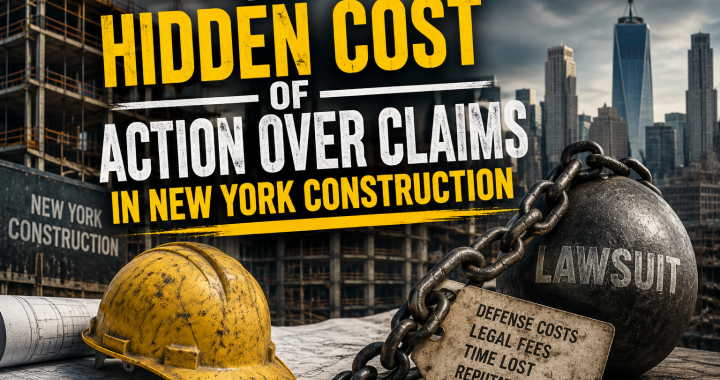
Issues involving Labor Law 240 and 241, action-over claims, subcontractor agreements, additional insured requirements, contractual liability, workers compensation classifications, payroll limitations, and risk transfer require specialized expertise.

Unfortunately, many insurance agencies try to be everything to everyone. They insure restaurants, retail stores, office buildings, manufacturers, and contractors without ever becoming experts in any particular field.

When a claim occurs or a coverage issue arises, contractors often discover their agency lacks the specialized knowledge needed to properly protect their business.

Certificates Take Too Long

Every contractor has experienced the frustration of needing a certificate of insurance immediately and waiting days to receive it.

In today’s competitive construction market, speed matters. A delay in obtaining a certificate, additional insured endorsement, or waiver of subrogation can result in lost opportunities, delayed payments, and unhappy customers.

Contractors deserve an insurance agency that understands urgency and responds accordingly.

Workers Compensation Costs Continue to Rise

Workers compensation insurance remains one of the largest expenses facing New York contractors.

Many contractors search online for “how to lower workers compensation premiums,” “New York construction workers comp specialists,” or “best workers compensation insurance for contractors” because they believe they’re paying too much.

In many cases, they are.

Contractors need agencies that understand:

  • Workers compensation classifications
  • Experience modification factors
  • Payroll caps
  • NYCPAP credits
  • Safety group opportunities
  • Pay-as-you-go workers compensation programs
  • Professional Employer Organization (PEO) programs
  • Premium audits
  • Claims management strategies

Without specialized guidance, contractors often pay substantially more than necessary.

Contractors Want a Relationship, Not a Transaction

Perhaps the greatest frustration contractors experience is feeling like just another account number.

Construction business owners want an insurance professional who answers the phone, understands their business, explains coverages, reviews contracts, provides guidance, and helps solve problems before they become expensive claims.

They want an advisor.

They want someone who genuinely cares about their business.

Why More Contractors Are Choosing BGES Group

At BGES Group, we understand why so many contractors become unhappy with their insurance agencies because we’ve spent the last 45 years listening to those frustrations and helping contractors solve them.

BGES Group specializes in construction insurance and works with contractors throughout New York, New Jersey, and Connecticut. We understand the unique exposures contractors face and provide the personalized service that many larger agencies have abandoned.

Our areas of expertise include:

  • Contractor General Liability Insurance
  • Workers Compensation Insurance
  • Umbrella Liability Coverage
  • Business Auto Insurance
  • Builders Risk Insurance
  • Professional Employer Organization (PEO) Programs
  • Pay-As-You-Go Workers Compensation Programs
  • Payroll Services
  • New York State Disability Insurance
  • Paid Family Leave Coverage
  • Bid and Performance Bonds
  • Workers Compensation Premium Recovery Programs

Unlike many agencies where one account manager handles hundreds of clients, BGES Group believes in personalized service and building long-term relationships.

We work with multiple insurance companies and specialized construction programs to help contractors find competitive pricing and comprehensive coverage options.

If you’re unhappy with your current insurance agency because they don’t return calls, don’t market your account, charge excessive fees, don’t understand construction insurance, or simply don’t provide the level of service you deserve, we’d welcome the opportunity to help.

If you’ve recently searched for:

  • “Best contractor insurance agency New York”
  • “Construction insurance broker near me”
  • “Workers compensation insurance for contractors”
  • “Contractor liability insurance New York”
  • “Construction insurance specialist”
  • “Commercial insurance for contractors”

then perhaps it’s time to see what BGES Group can do for your business.

You work hard building New York.

You deserve an insurance agency that works just as hard for you.

Contact BGES Group Today

Gary Wallach
BGES Group
Construction Insurance Specialist with 45 Years of Experience

Phone: (914) 806-5853
Email: bgesgroup@gmail.com
Website: www.bgesgroup.com

Contact BGES Group today for a complimentary review of your current insurance program and discover why more contractors are making the switch to an agency that understands construction, values relationships, and puts customer service first.

What Should You Know About Contractor Insurance in NYC?

Navigating the world of contractor insurance in NYC can be a bit overwhelming. With various requirements and options available, it’s crucial to understand the basics to ensure you’re fully covered and compliant. Whether you’re a seasoned contractor or just starting out, this guide will shed light on the essential aspects of contractor insurance you need to consider in New York City.

A male construction worker wearing safety gear sits at a construction site, showcasing standard industry protection.

What Is Contractor Insurance?

Contractor insurance is a type of coverage designed to protect contractors from various risks and liabilities associated with their work. This insurance can include general liability, workers’ compensation, and more, depending on the specific needs of the business.

At its core, contractor insurance provides a safety net against unforeseen events and accidents that can occur on the job. This coverage helps mitigate financial losses stemming from lawsuits, property damage, or injury claims.

In a bustling city like New York, with its unique challenges, having the right insurance isn’t just a formality—it’s a necessity. Ensuring you’re adequately covered means your focus can remain on completing projects and growing your business.

Why Is It Important in NYC?

In New York City, contractors are exposed to a unique set of challenges and risks due to the bustling urban environment. Insurance not only protects against property damage and bodily injuries but also ensures compliance with local regulations.

The high-density areas of NYC mean that construction and renovation projects are often close to existing structures and pedestrian pathways. This increases the likelihood of accidents or damages occurring, which makes the need for comprehensive insurance even more apparent.

Moreover, NYC’s stringent building codes and regulations require contractors to have specific insurance in place before commencing work. Compliance with these laws not only safeguards your business but also helps avoid penalties and project delays.

Types of Contractor Insurance to Consider

Some of the common types of contractor insurance include General Liability Insurance, Workers’ Compensation Insurance, and Professional Liability Insurance. Each serves a different purpose, covering various aspects of contracting work.

General Liability Insurance is perhaps the most essential, as it covers third-party claims of bodily injury or property damage. For instance, if a passerby trips over construction materials and sustains an injury, this insurance would handle the legal obligations.

Workers’ Compensation Insurance is mandatory in NYC and covers medical expenses and lost wages for employees who are injured on the job. This not only provides protection for your team but also shields your business from potential lawsuits.

Professional Liability Insurance, although not always required, is recommended for contractors who provide design services. It covers mistakes in designs or specifications that may result in faulty work or financial loss for clients.

How to Choose the Right Policy

Selecting the right policy involves assessing your specific business needs, the scope of your projects, and potential risks. It’s important to compare different providers, coverage options, and costs before deciding.

Start by evaluating the size and nature of your projects. A small residential renovation may require different coverage than a large commercial build. Tailoring your policy to your operations ensures maximum protection without overspending.

Consult with insurance experts who can provide insights and advice tailored to your business. They can help identify any gaps in coverage and suggest additional protections you might need.

Finally, review your policy annually and update it as your business evolves. Expansion into new areas or services may require adjustments to your coverage to ensure you’re adequately protected.

Common Mistakes to Avoid

Avoid making common mistakes such as underestimating coverage needs, selecting the cheapest policy without proper evaluation, and failing to review policy terms regularly. These could leave your business vulnerable.

Another frequent mistake is neglecting to include endorsements for specific risks. If your projects involve unique materials or methods, make sure these are covered explicitly in your policy.

Improper documentation can also lead to issues. Keep detailed records of your insurance agreements and claims, as these might be necessary for legal or audit purposes. Proper documentation is a critical component of risk management.

Final Thoughts on Contractor Insurance in NYC

Securing the right contractor insurance in NYC is vital for protecting your business and complying with local laws. By understanding your options and requirements, you can make informed decisions that will safeguard your operations. Don’t leave it to chance—ensure you’ve got the coverage needed for peace of mind.

About BGES Group

Running a business is challenging enough without having to spend valuable time dealing with insurance issues. At BGES Group, we make insurance simple by providing responsive, personalized service and helping you secure the right coverage at competitive rates. With more than 45 years of industry experience and access to over 25 top-rated insurance carriers, we take the time to understand your business and design insurance solutions that protect your company, employees, assets, and future—without paying for coverage you don’t need.

Our clients appreciate having one dedicated insurance professional, fast certificate processing, prompt answers, and direct access to a real person when they call. We proactively solve problems before they become costly, help control insurance expenses, and provide expert guidance on Workers’ Compensation, General Liability, Commercial Auto, Umbrella Liability, and other business insurance needs. Our goal is simple: make insurance one less thing for you to worry about while providing the peace of mind that comes from knowing an experienced professional is looking out for your business.

Contact BGES Group Insurance Services

Gary Wallach, President
Licensed in New York, New Jersey & Connecticut

📞 (914) 806-5853
✉️ bgesgroup@gmail.com
🌐 www.bgesgroup.com


Are You a New York Contractor Unhappy with Your Insurance Agency Because They Have Turned Into a Large Factory and Their Service is Really Lousy and Frustrates The Crap out of You?

Unfortunately, many contractors have found that the agencies they once trusted have changed dramatically.

Over the past several years, many of the largest insurance agencies serving the New York construction industry have become what many contractors describe as “factories.” Through acquisitions, mergers, and rapid growth, personal service has often taken a back seat to volume.

If you’ve experienced any of the following, you’re certainly not alone:

  • Constant turnover in customer service representatives.
  • A different account executive every time you call.
  • Account managers responsible for hundreds of contractor accounts.
  • Long wait times to receive certificates of insurance.
  • Phone calls that go directly to voicemail.
  • Emails that take days to receive a response.
  • Costly mistakes involving certificates or policy changes.
  • Unexpected service or policy fees.
  • Feeling like you’re just another account number instead of a valued client.

For a contractor working under strict deadlines, these problems can cost far more than frustration—they can cost jobs.

Construction Insurance Isn’t Something That Can Be Put on Autopilot

The New York construction insurance marketplace is one of the most challenging in the country.

General liability policies continue to evolve. Workers’ compensation classifications require careful attention. Additional insured requirements, waiver of subrogation endorsements, primary and non-contributory wording, OCIP and CCIP projects, umbrella liability, labor law exposures, and contractual insurance requirements all require experience and attention to detail.

Contractors deserve an insurance broker who understands construction—not someone reading from a script or handling hundreds of unrelated accounts.

Bigger Doesn’t Always Mean Better

Large agencies often promote their size as an advantage.

In reality, many contractors discover that larger organizations can create additional layers of bureaucracy. Instead of speaking directly with the person responsible for their account, they may deal with multiple departments, automated systems, or rotating service teams.

The result is often slower service and less accountability.

When an important certificate needs to be issued before a crew can begin work at 7:00 a.m., waiting several hours—or even until the next day—is simply unacceptable.

Personal Service Still Matters

At BGES Group, we believe contractors deserve something different.

We believe you should know the person handling your account.

We believe your phone calls should be returned.

We believe certificates should be processed quickly.

We believe your coverage should be reviewed carefully—not rushed through an assembly line.

Most importantly, we believe you deserve an insurance broker who understands your business and treats your company as if it were their own.

Experience Makes a Difference

Gary Wallach has spent more than four decades helping contractors throughout New York, New Jersey, and Connecticut navigate one of the toughest insurance markets in America.

Construction insurance isn’t a side business—it’s one of our specialties.

We understand:

  • General Liability
  • Workers’ Compensation
  • Commercial Auto
  • Umbrella and Excess Liability
  • Inland Marine
  • Builders Risk
  • Property Insurance
  • Bonds
  • Contractor-specific insurance requirements
  • Risk management strategies designed to help protect your business

Whether you’re a small contractor or a growing construction company, we work to find solutions that fit your business—not force your business into a one-size-fits-all program.

The AI Question

Artificial intelligence is changing every industry, including insurance.

Many large agencies are investing heavily in automation to reduce operating costs. While technology certainly has its place, construction insurance often requires judgment, experience, and real conversations.

When you’re dealing with a complex claim, reviewing a contract, negotiating with an insurance carrier, or trying to understand coverage, you don’t want to rely solely on automated systems or chatbots.

You want someone who knows your account and is willing to answer the phone.

Technology should enhance customer service—not replace it.

See What Other Contractors Are Saying

One of the best ways to evaluate an insurance agency is to hear directly from its clients.

Rather than relying solely on marketing promises, we invite you to read our Google reviews.

With 147 Google Reviews, contractors and business owners have shared their experiences working with BGES Group.

Many mention our responsiveness, personal attention, industry knowledge, and commitment to helping clients solve problems quickly.

We believe referrals remain the highest compliment any business can receive. Reading the experiences of other contractors is like getting a recommendation from a trusted friend.

You Deserve Excellence

You work hard every day to build homes, offices, schools, apartment buildings, and commercial properties.

You meet demanding schedules, manage employees, coordinate subcontractors, and assume significant risks.

The insurance premiums you pay each year represent a major investment in protecting everything you’ve built.

Shouldn’t the service you receive reflect that investment?

If you’re tired of feeling like just another policy number, it may be time to experience a different kind of insurance agency.

At BGES Group, we pride ourselves on delivering knowledgeable advice, responsive service, and personal attention to every contractor we serve.

If you’re unhappy with your current insurance agency—or simply want a second opinion on your insurance program—we’d welcome the opportunity to earn your business.

Contact Gary Wallach today:

BGES Group

📞 914-806-5853

📧 bgesgroup@gmail.com

🌐 www.bgesgroup.com

Discover why so many contractors throughout the Tri-State area trust BGES Group for their insurance needs. When you deserve exceptional service, experience matters.

Demystifying Workers Comp Insurance for Tri-State Area Contractors

Navigating workers comp insurance as a contractor in the Tri-State area can seem daunting. Yet, understanding it is essential for ensuring the safety and well-being of your team. In this guide, we’ll break down the complexities and provide clear insights into why it’s important, how to choose the right policy, and tips for managing it effectively.

What is Workers Comp Insurance?

Workers compensation insurance is a mandatory policy that provides benefits to employees who suffer job-related injuries or illnesses. It covers medical expenses, wage replacement, and more, ensuring that workers are protected in case of accidents.

At its core, workers comp insurance acts as a safety net for both employers and employees. It ensures that employees receive the care and compensation they need without harassment or fear of financial drains from medical bills. On the other hand, employers benefit by shielding themselves from hefty legal battles that can arise from workplace injuries. This mutual benefit fosters a safe and predictable working environment, crucial for industries prone to accidents.

An often overlooked aspect is the psychological reassurance it provides to employees. Knowing that there is a system in place to protect workers in instances of unforeseen workplace accidents builds trust and morale among the workforce. It positions employers as caring and responsible, drawing a direct link between employee well-being and productivity.

Why is it Vital for Contractors?

Contractors face unique risks every day, from working at heights to handling heavy machinery. Workers comp insurance not only protects employees but also shields the contractor from potential lawsuits and financial losses related to workplace accidents.

Work environments in the contracting field are inherently dynamic and unpredictable. Construction sites have their fair share of hazards — an unexpected fall, equipment malfunction, or environmental conditions can all lead to accidents. Having robust workers comp insurance is not just about compliance; it embodies a proactive approach to risk management.

Furthermore, having comprehensive coverage has implications on a contractor’s reputation. Clients are more likely to engage with contractors who demonstrate a commitment to safety. Highlighting your adherence to safety standards and insurance compliance can be a key differentiator in a competitive market. Thus, workers comp insurance isn’t merely a legal obligation, it’s an investment in your business’s trustworthiness and reliability.

How to Choose the Right Policy

Selecting the appropriate workers comp policy involves assessing your business’s size, the nature of work, and specific state requirements. Working with an experienced insurance agent can help tailor a plan that meets your company’s specific needs.

When evaluating policies, begin by identifying the high-risk areas within your business operations. For instance, if your team frequently works with high voltage systems, ensure that your policy covers the extensive medical and recovery periods that might follow electrocutions. Seek out policies that offer flexibility and options to adjust coverage as project scopes change.

Engaging in thorough policy comparisons is paramount. Focus on understanding not just the premiums, but also the extent of coverage — what’s included and what isn’t. Dive into the fine print and don’t hesitate to ask your agent pressing questions about the policy’s specifics. Look for plans that not only cover basic liabilities but also address potential legal costs, temporary workforce coverage, and offer return-to-work programs.

Understanding State-Specific Requirements

In the Tri-State area, each state—New York, New Jersey, and Connecticut—has its own regulations regarding workers comp. Familiarizing yourself with these can be crucial for maintaining compliance and avoiding legal issues.

Navigating these regulations can indeed be complex. For instance, New York mandates that all businesses with employees require workers comp coverage, with specific exemptions. Meanwhile, New Jersey demands corporations, LLCs, and partnerships obtain insurance to handle workplace injury claims. Connecticut similarly has stringent requirements, ensuring that all workers’ injuries are accounted for.

Keeping abreast of legislative changes is vital too. Each state’s department of labor frequently updates regulations that could impact your policy choices. Establish a system for reviewing your compliance status regularly and stay in constant communication with legal experts who specialize in labor laws. This way, you not only safeguard your business but also reinforce your commitment to employee welfare.

Tips for Managing Workers Comp Insurance Effectively

Regularly reviewing your policy, maintaining safety standards on job sites, and keeping detailed records of any incidents can greatly enhance the management of your workers comp insurance and potentially reduce premium costs.

Performance reviews and safety audits are essential practices to consider. This involves collaborating with site supervisors to ensure that safe operations protocols are upheld. Implementing routine training sessions can abreast your team of critical safety procedures, ultimately minimizing accident probabilities.

Moreover, technological solutions such as incident management software can provide invaluable insights. These tools allow for real-time tracking and analysis of safety data, enabling your team to identify trends and proactively address potential risks before they manifest. This forward-thinking approach can demonstrate due diligence to insurers, potentially negotiating better premiums.

Engagement and open communication with employees about the importance of safety and reporting any hazards promptly fosters a culture of safety awareness. When employees feel empowered and part of a safe work environment, they are more likely to contribute positively to it.

Wrapping Up: Ensuring Peace of Mind with Workers Comp Insurance

Understanding workers comp insurance is a significant step toward safeguarding your business and employees. By demystifying the process, Tri-State contractors can make informed choices that protect their teams and ensure compliance with local regulations. Remember, the right coverage not only provides peace of mind but also reinforces the stability and credibility of your contracting business. For more on how to protect your business effectively, visit our homepage.

About BGES Group

Running a business is challenging enough without having to spend valuable time dealing with insurance issues. At BGES Group, we make insurance simple by providing responsive, personalized service and helping you secure the right coverage at competitive rates. With more than 45 years of industry experience and access to over 25 top-rated insurance carriers, we take the time to understand your business and design insurance solutions that protect your company, employees, assets, and future—without paying for coverage you don’t need.

Our clients appreciate having one dedicated insurance professional, fast certificate processing, prompt answers, and direct access to a real person when they call. We proactively solve problems before they become costly, help control insurance expenses, and provide expert guidance on Workers’ Compensation, General Liability, Commercial Auto, Umbrella Liability, and other business insurance needs. Our goal is simple: make insurance one less thing for you to worry about while providing the peace of mind that comes from knowing an experienced professional is looking out for your business.

Contact BGES Group Insurance Services

Gary Wallach, President
Licensed in New York, New Jersey & Connecticut

📞 (914) 806-5853
✉️ bgesgroup@gmail.com
🌐 www.bgesgroup.com



Understanding Your Options for New York Contractors Insurance

Navigating the world of insurance can be overwhelming, especially for contractors working in a bustling hub like New York. Whether you’re a seasoned pro or just starting in the industry, understanding your insurance options is crucial to protecting your business. This guide will break down the essentials, provide clarity, and help you make informed decisions about New York contractors insurance.

Two construction workers wearing helmets at a site in India with a crane and building.

The Basics of Contractors Insurance

Contractors insurance is a broad term that usually includes several types of coverage designed to protect businesses and individuals in the construction industry. Knowing what each type of insurance covers and why it’s necessary is the first step in choosing the right policy.

In the bustling metropolis of New York, where construction projects are constantly evolving, having robust insurance is not just a luxury; it’s a necessity. This insurance typically encompasses policies like General Liability, Workers’ Compensation, and equipment coverage. Each component plays a crucial role in safeguarding against potential setbacks that can derail projects. Understanding these basics helps contractors manage their operations more effectively and with peace of mind.

A comprehensive policy offers invaluable protection against a range of incidents. Imagine a scenario where a contractor accidentally damages a client’s property; without coverage, the financial implications could be devastating. Insurance mitigates these risks, ensuring that contractors can focus more on delivering quality work and less on worrying about potential accidents. It’s a smart way to protect not only the business assets but also the reputation built through years of hard work and dedication.

Types of Coverage Available for New York Contractors

New York contractors have several options when it comes to insurance coverage. Key types include General Liability Insurance, Workers’ Compensation, Commercial Auto Insurance, and Inland Marine Insurance. Each serves different purposes and offers unique protections.

General Liability Insurance is perhaps the cornerstone of a contractor’s risk management strategy. It covers costs associated with third-party accidents, property damage, and even advertising injuries. Imagine a situation where a client trips over a toolbox left unnoticed at a site – the medical expenses could be covered without dipping into company funds. This kind of security allows businesses to handle unexpected events without financial strain.

For those using vehicles in operations, Commercial Auto Insurance is essential. It covers damages and liabilities that arise from vehicular incidents which are quite prevalent in urban settings like New York. Whether transporting materials or traveling between job sites, having this coverage ensures the business is protected from vehicular-related incidents that could otherwise prove costly.

Inland Marine Insurance might sound unusual, but it’s vital for protecting property in transit. Contractors who transport valuable tools and materials will find this coverage indispensable. It offers peace of mind knowing that equipment is protected from theft, loss, or damage, no matter the location. This type of specialized insurance fills in the gaps not covered by other forms of insurance, ensuring comprehensive protection of all assets.

Assessing Your Business Needs

Consider the scope of your business and the risks involved in your projects. Are you working on large-scale buildings or smaller residential projects? Do you have employees or subcontractors? Understanding your specific needs will guide your insurance choices.

Every contracting business is unique, requiring a tailored approach to insurance. A contractor handling multiple subcontractors and various projects might need broader coverage compared to a one-person operation. Think about the nature and size of your projects. Larger ventures often carry higher risks, and your insurance should reflect that. In assessing your needs, remember to consider the equipment you own, the locations where you work, and the potential hazards specific to your niche.

Engaging with a knowledgeable insurance advisor can be invaluable. They can provide insights into the types of policies that might best suit your specific business situation. Advisors can also alert you to emerging risks in the field of contracting, ensuring you stay ahead of potential challenges. With a strong understanding of what your business needs, you’ll be better positioned to choose policies that truly protect your financial well-being and business continuity.

The Importance of General Liability Insurance

General Liability Insurance is fundamental for contractors. It protects against claims of bodily injury, property damage, and other liabilities that can occur during work. Learn why this coverage is essential for New York contractors.

Given the high stakes involved in construction projects, General Liability Insurance acts as a critical shield. Imagine a job site where an unforeseen accident causes significant damage to neighboring properties. Without the right insurance, handling such liabilities can drain business resources. This coverage ensures that legal fees, repair costs, and even medical expenses are managed without impacting your business’s liquidity.

Moreover, having liability coverage boosts client trust and perception. Clients are more likely to engage contractors with comprehensive insurance, knowing that they’re safeguarded against potential mishaps. It demonstrates professionalism and responsibility, qualities highly regarded in the industry. In the competitive market of New York, such credentials can set your business apart, drawing more contracts and building strong relationships with clients.

New York state mandates Workers’ Compensation for most businesses. This insurance covers medical expenses and lost wages for employees injured on the job. Understand how to comply with legal requirements and protect your workers.

Navigating the complex landscape of Workers’ Compensation can be daunting, yet understanding and compliance are integral to a contractor’s operation in New York. This type of insurance ensures that if an employee is injured on the job, they receive adequate medical care and compensation for lost wages. It’s not just a legal requirement; it’s a commitment to employees’ well-being. Properly managing these aspects fosters a secure work environment and enhances your company’s reputation.

Staying informed about the ever-evolving regulations is crucial. Many contractors find that periodic reviews of their policies help ensure continued compliance with state mandates. Regularly updating policies, especially when business operations change, like hiring more staff or expanding project scopes, prevents unexpected legal hurdles. Prioritizing Workers’ Compensation is not merely about adhering to the law; it’s about being a responsible employer and nurturing a loyal, motivated workforce.

Choosing the Right Insurance Provider

Selecting an insurance provider is as important as choosing the coverage itself. Consider factors such as the provider’s reputation, customer service, claims process, and the specific needs of New York contractors. This section provides tips on what to look for and questions to ask potential providers.

The right insurance provider can make a significant difference in managing claims smoothly and effectively. Reputation should be a key consideration; providers who are known for their prompt responses and fair settlements typically outperform their competition. Customer service is equally vital, as insurers who make their clients a priority tend to offer a more supportive experience, especially during the claims process.

An overlooked factor can be the provider’s familiarity with the construction industry. Providers who specialize in contractors’ insurance tend to offer not only more tailored policies but also better insights into the specific risks faced in New York’s active construction scene. It’s worth inquiring about their experience with businesses like yours and understanding how they’ve handled previous claims for clients in similar situations. These inquiries help ensure that your insurance partner is aligned with your business needs, offering peace of mind that you will be adequately protected.

Securing Your Business with the Right Insurance

Choosing the right insurance is an essential part of safeguarding your contracting business in New York. By understanding your options, assessing your specific needs, and seeking professional advice, you can secure the protection you need to operate confidently and successfully in the competitive New York market. To explore more about securing the right insurance for your business, visit our homepage.

About BGES Group

Running a business is challenging enough without having to spend valuable time dealing with insurance issues. At BGES Group, we make insurance simple by providing responsive, personalized service and helping you secure the right coverage at competitive rates. With more than 45 years of industry experience and access to over 25 top-rated insurance carriers, we take the time to understand your business and design insurance solutions that protect your company, employees, assets, and future—without paying for coverage you don’t need.

Our clients appreciate having one dedicated insurance professional, fast certificate processing, prompt answers, and direct access to a real person when they call. We proactively solve problems before they become costly, help control insurance expenses, and provide expert guidance on Workers’ Compensation, General Liability, Commercial Auto, Umbrella Liability, and other business insurance needs. Our goal is simple: make insurance one less thing for you to worry about while providing the peace of mind that comes from knowing an experienced professional is looking out for your business.

Contact BGES Group Insurance Services

Gary Wallach, President
Licensed in New York, New Jersey & Connecticut

📞 (914) 806-5853
✉️ bgesgroup@gmail.com
🌐 www.bgesgroup.com


15 Common Myths About Workers’ Compensation Debunked

Workers’ compensation is a topic surrounded by numerous misconceptions. These myths can lead to confusion and prevent individuals from getting the benefits they deserve. In this blog, we debunk some of the most common myths about workers’ compensation, to help you separate fact from fiction.

Male and female engineers discussing blueprints at a construction site, promoting teamwork and planning.

1. Only Big Companies Provide Workers’ Compensation

Many believe that only large corporations offer workers’ compensation insurance. In reality, most companies, regardless of size, are required by law to provide this to their employees. This includes small businesses and startups who must follow the same protocols to ensure their employees are covered in case of a workplace injury. This regulation helps protect all workers, offering peace of mind and financial security when unexpected accidents occur. It’s crucial to understand that the obligation for workers’ compensation is not about company size but is a legal requirement to protect both employees and employers.

2. You Must Be Full-Time to Qualify

A common misconception is that only full-time employees are eligible for workers’ compensation benefits. However, in many cases, part-time workers are also covered. This inclusivity ensures that all workers, regardless of how many hours they work, are protected against work-related injuries and illnesses. Employers typically determine coverage based on state laws, which means that both temporary and seasonal employees might also be eligible. By understanding your rights and responsibilities as a worker, you can better advocate for yourself in the workplace, ensuring you receive due benefits if injured on the job.

3. Filing a Claim Means Suing Your Employer

Many workers fear that filing a workers’ compensation claim is akin to suing their employer. In truth, workers’ compensation claims are not lawsuits; they are requests for assistance to recover from a work-related injury. This system exists to provide a no-fault insurance solution that promotes quick recovery without the need for lengthy legal battles. It is important for workers to view the claim process as a supportive tool rather than an adversarial one, enabling them to focus on their recovery without the stress of litigation.

4. Negligence on Your Part Forfeits Compensation

Some believe they can’t receive compensation if they were negligent. While certain actions can affect claims, the system is generally fault-blind, meaning it doesn’t consider who is at fault for the injury. The main focus of workers’ compensation is to provide quick financial assistance to those injured at work. However, it’s important to note that incidents involving gross negligence or violation of company policy might require additional investigation. Even so, the default stance is to provide the necessary care and support without assigning blame, allowing affected workers to return to their tasks as soon as possible.

5. All Workers’ Comp Cases Go to Court

It’s a myth that every workers’ comp case results in a lengthy court battle. The majority of cases are resolved without the need for a courtroom. In fact, the system is designed to facilitate settlements outside of court, allowing both parties to avoid cost-prohibitive legal proceedings. The involved parties work together, often with the assistance of mediators, to come to an agreement that meets the needs of the injured worker, ensuring both swift recuperation and compensation. Understanding that the courtroom is a last resort can alleviate unnecessary stress for those considering filing a claim.

Most disputes are handled through administrative processes, which are generally more expedient. Remaining informed about the steps involved in the workers’ comp claim process can make a significant difference in navigating it successfully. By emphasizing open communication and cooperation, employees and employers can often resolve misunderstandings and reach amicable solutions that respect the needs and rights of all parties involved.

6. You Cannot Choose Your Doctor

Another misconception is that employees have no say in choosing their healthcare providers. In some jurisdictions, workers can select their doctor from an approved list. This allows workers to seek treatment from healthcare professionals they trust, fostering better communication and treatment outcomes. Knowing your rights regarding medical treatment under workers’ compensation can significantly impact your healthcare experience, enabling you to make informed decisions about your recovery process.

7. You Won’t Get the Same Pay While Recovering

People often think they’ll receive significantly less when on workers’ comp. While the full salary might not be continued, benefits typically cover a substantial portion of wages. This coverage aims to alleviate financial strain during recovery, allowing workers to heal without the burden of financial insecurity.

The percentage of wage replacement varies by state but usually falls between 60-70% of your average salary. This system ensures that injured workers can cover essential expenses while focusing on recuperation. Additionally, some plans offer rehabilitation services to help employees transition back to work, further supporting recovery and reintegration processes.

8. Pre-existing Conditions Aren’t Covered

There is a widespread belief that pre-existing conditions disqualify workers from receiving compensation. However, if work aggravates such conditions, coverage may apply. This detail recognizes that various job duties can exacerbate existing health issues, warranting worker protection. Understanding the nuances of how pre-existing conditions are handled can empower workers to seek rightful compensation if their health is impacted by their occupation.

9. You Can’t Apply If You Took a Sick Day

Workers often mistakenly think that taking sick leave before filing will invalidate their claim. Sick days do not affect your ability to file for workers’ compensation. This myth likely stems from a misunderstanding of leave policies in conjunction with workers’ compensation rules. It’s crucial to report workplace injuries promptly and file claims accurately to ensure you receive timely assistance without complications.

Ensuring clear and consistent communication with your employer about your health status simplifies the process, reducing misunderstandings about your claims integrity. Remember that sick leaves and workers’ compensation address different scenarios; staying informed can protect your rights and help you receive the benefits you deserve.

10. Once a Claim Is Denied, That’s Final

A denied claim isn’t the end of the road. Employees have the right to appeal a decision, which often leads to a different outcome upon further review. Understanding the appeals process can empower workers to pursue their claim further, especially when new evidence or documentation is available. Engaging with an advocate or legal expert familiar with workers’ compensation law can often provide essential support, increasing the likelihood of a successful appeal.

11. It Covers Only Physical Injuries

It’s a myth that workers’ comp is solely for physical injuries. Mental health conditions and occupational diseases are also eligible under certain circumstances. The evolving understanding of workplace health now includes psychological well-being, acknowledging that mental stress or trauma may result from job responsibilities.

By recognizing these broader health impacts, workers’ compensation provides more comprehensive protection, promoting overall employee health. Educating yourself about what constitutes an eligible condition can enhance your understanding of your rights and help ensure necessary care is obtained.

12. Claims Damage Career Prospects

Many fear that filing a claim will tarnish their career. Employers are typically forbidden from retaliating against employees for pursuing a workers’ comp claim. Laws protect workers from discrimination or negative repercussions after exercising their rights, ensuring that seeking justice and compensation doesn’t impact future opportunities.

13. It’s Difficult to Qualify for Benefits

Some think only severely injured can apply. However, workers’ compensation aims to assist workers facing any work-related injury or illness, serious or not. By setting a low barrier for filing claims, the system encourages individuals to seek the help they need without fearing a rejection based solely on the injury’s perceived severity.

Understanding the variety of injuries covered empowers workers to report incidents accurately and promptly, facilitating efficient processing of their claims for the support they need.

14. It’s Better Not to Report Minor Injuries

Workers sometimes shy away from reporting minor injuries. However, small injuries can escalate, and failing to report them may complicate future claims. Addressing injuries immediately, regardless of severity, protects your right to compensation if complications arise later.

Early reporting keeps your employer informed and makes it easier to secure timely medical attention, helping to prevent minor issues from becoming major obstacles.

15. You Can Be Fired for Filing a Claim

Finally, the fear of job loss is prevalent. Laws typically protect workers from termination due to a workers’ compensation claim. Understanding these protective legal frameworks can reassure employees about their job security when seeking compensation for workplace injuries.

About BGES Group

Running a business is challenging enough without having to spend valuable time dealing with insurance issues. At BGES Group, we make insurance simple by providing responsive, personalized service and helping you secure the right coverage at competitive rates. With more than 45 years of industry experience and access to over 25 top-rated insurance carriers, we take the time to understand your business and design insurance solutions that protect your company, employees, assets, and future—without paying for coverage you don’t need.

Our clients appreciate having one dedicated insurance professional, fast certificate processing, prompt answers, and direct access to a real person when they call. We proactively solve problems before they become costly, help control insurance expenses, and provide expert guidance on Workers’ Compensation, General Liability, Commercial Auto, Umbrella Liability, and other business insurance needs. Our goal is simple: make insurance one less thing for you to worry about while providing the peace of mind that comes from knowing an experienced professional is looking out for your business.

Contact BGES Group Insurance Services

Gary Wallach, President
Licensed in New York, New Jersey & Connecticut

📞 (914) 806-5853
✉️ bgesgroup@gmail.com
🌐 www.bgesgroup.com
 

Understanding Masonry Insurance for New York Contractors

Navigating the world of construction in New York can be challenging, especially when it comes to understanding the complexities of insurance. Whether you’re a seasoned contractor or just starting out, ensuring your masonry business is protected should be a top priority. In this blog, we’ll explore everything you need to know about masonry insurance and how it specifically applies to contractors operating in the Empire State.

Two workers discussing plans on a sandy construction site, wearing safety gear.

What is Masonry Insurance?

Masonry insurance is a specialized form of coverage designed to protect contractors who work in the masonry and construction industry. This type of insurance typically includes protection against property damage, liability issues, and more—ensuring that masonry businesses can operate smoothly without the fear of financial setbacks.

Many people might wonder what makes masonry insurance distinct from other types of construction insurance. The answer lies in its tailored approach to address the specific risks associated with masonry work. For instance, bricklaying and stonework often involve heavy materials and specialized equipment, increasing the likelihood of accidents. Without the right insurance, contractors could face significant financial burdens from potential damages or injuries. From covering stolen tools to repairing damaged property, masonry insurance acts as a safety net. This coverage allows contractors to focus on their craft and deliver high-quality results to their clients without constant worries about ‘what if’ scenarios.

In a city as bustling as New York, where construction projects are constantly underway, the demand for such specialized insurance is ever-present. The dense urban environment presents unique challenges and, consequently, unique insurance needs. These factors combine to make masonry insurance an essential consideration for anyone serious about surviving—and thriving—in this competitive industry.

Why New York Contractors Need Masonry Insurance

Working in New York comes with its own set of challenges and regulations. Contractors in this state need to be aware of specific legal requirements and risks associated with masonry work. Masonry insurance provides the necessary protection against potential lawsuits, regulatory fines, and other unexpected events specific to New York’s construction landscape.

Besides legal compliance, there’s another compelling reason for New York contractors to invest in masonry insurance: the high stakes associated with urban construction projects. Imagine a scenario where unforeseen circumstances lead to worksite accidents. These incidents not only put your workforce at risk but can also lead to expensive litigations and project delays. Masonry insurance is invaluable in such cases, covering liability claims and related expenses, which could otherwise cripple your business financially.

Moreover, New York’s stringent building codes and safety standards mean that any lapses in compliance can result in hefty fines. For a contractor, navigating these regulations while trying to complete a project on time and within budget can be a daunting task. Masonry insurance, tailored to account for these specific challenges, provides a buffer, allowing you to manage risks effectively and focus on core business activities like client satisfaction and project innovation.

Key Coverage Areas of Masonry Insurance

Masonry insurance usually encompasses several key areas, such as general liability, workers’ compensation, and property insurance. Each element plays a critical role in safeguarding against accidents, injuries, and property damage that could occur on or off the job site.

General liability insurance is arguably the backbone of any good masonry insurance policy. This coverage protects your business from financial damage due to personal injury or property damage claims resulting from your operations. For instance, if a passerby gets injured because of falling debris from your site, your general liability insurance can cover the medical costs and legal fees arising out of this unfortunate incident.

Meanwhile, workers’ compensation is equally essential. Given the physically demanding nature of masonry work, the chance of worker injuries is higher compared to some other professions. Workers’ compensation provides medical benefits and wage replacement to employees injured on the job, reducing financial strain both for the injured party and the business owner. Additionally, having workers’ comp is often a legal requirement in New York, making it an unavoidable component of your insurance setup.

Lastly, property insurance deals with protecting the physical assets of your business. This includes coverage for buildings, tools, and equipment used in your operations. Whether due to vandalism, theft, or natural disasters, having the right property insurance ensures you can replace or repair any damaged or lost items quickly, keeping your projects on track and maintaining your reputation as a reliable contractor.

Factors Affecting Masonry Insurance Costs

Insurance costs can vary based on several factors, including the size of your business, the scope of your projects, and the level of risk associated with your masonry operations. Understanding these factors can help you manage your expenses and ensure you get the best possible coverage at a fair price.

For smaller businesses, premiums may be lower due to reduced coverage needs and fewer risks. However, as your business expands, so do its risks and subsequently, its insurance requirements. Larger projects that involve high-value contracts or more complex tasks often demand comprehensive coverage, which naturally increases the cost.

Another crucial factor is your business’s safety record. A solid history of safe operations can work in your favor, possibly reducing premiums since insurers view you as a lower risk. Implementing strong safety protocols and continuously educating your team about best practices can not only enhance workplace safety but also result in cost savings by decreasing workers’ compensation claims and insurance costs.

Choosing the Right Masonry Insurance Provider

Finding the right provider for your masonry insurance requires careful consideration. Look for a provider with experience in the construction industry, an excellent reputation, and a willingness to tailor policies to suit your specific needs. This ensures that your coverage is comprehensive and aligned with your business goals.

Start by researching insurance providers who specialize in construction and masonry industries. These providers are more likely to have policies that address your specific set of challenges. Check reviews and ask for recommendations from other contractors in your network. Their first-hand experiences can provide valuable insights into the reliability and customer service quality of potential providers.

When evaluating your options, consider the extent of coverage offered by different providers. Some may package all essential coverages in one policy, which can simplify management and renewal processes. Others might provide more flexible options, letting you customize based on your existing policies and projected business growth. Engage in open discussions with different providers to evaluate their willingness to tailor their offerings to meet your business’s unique needs and budget constraints.

Securing Your Masonry Business: A Final Word

Masonry insurance is a crucial component of running a successful contracting business in New York. By understanding its nuances, you can ensure that your business is not only compliant with state regulations but also protected from unforeseen events. As you move forward, remember to assess your specific needs and consult with an experienced insurance provider to find the best coverage for your operations.

About BGES Group

Running a business is challenging enough without having to spend valuable time dealing with insurance issues. At BGES Group, we make insurance simple by providing responsive, personalized service and helping you secure the right coverage at competitive rates. With more than 45 years of industry experience and access to over 25 top-rated insurance carriers, we take the time to understand your business and design insurance solutions that protect your company, employees, assets, and future—without paying for coverage you don’t need.

Our clients appreciate having one dedicated insurance professional, fast certificate processing, prompt answers, and direct access to a real person when they call. We proactively solve problems before they become costly, help control insurance expenses, and provide expert guidance on Workers’ Compensation, General Liability, Commercial Auto, Umbrella Liability, and other business insurance needs. Our goal is simple: make insurance one less thing for you to worry about while providing the peace of mind that comes from knowing an experienced professional is looking out for your business.

Contact BGES Group Insurance Services

Gary Wallach, President
Licensed in New York, New Jersey & Connecticut

📞 (914) 806-5853
✉️ bgesgroup@gmail.com
🌐 www.bgesgroup.com


The Workers Compensation Audit Trap: The Top 10 Reasons New York Contractors End Up Owing Thousands of Dollars

For many New York contractors, receiving a workers compensation audit notice can produce more anxiety than almost any other business document. A policy that began with an estimated premium of $15,000 can suddenly generate an additional bill for $25,000, $50,000, or even more after the annual audit is completed. Unfortunately, many contractors don’t discover their mistakes until the audit is finalized and payment is due.

Workers compensation audits are a normal part of doing business in New York construction, but they don’t have to become a financial disaster. Understanding the most common audit pitfalls can help contractors avoid costly surprises and better manage their insurance costs.

Below are the top ten reasons New York contractors find themselves owing thousands of dollars after their workers compensation audit.

1. Misclassifying Employee Payroll

One of the most common and expensive mistakes contractors make is placing employees in the wrong workers compensation classification codes.

For example, a contractor may classify an employee as a clerical worker when the employee regularly visits job sites. Others may improperly classify workers performing high-hazard activities under lower-rated classifications. During an audit, insurance companies review payroll records, job descriptions, and business operations to ensure classifications are accurate.

Even an honest mistake can result in substantial additional premium charges.

2. Failing to Obtain Certificates of Insurance From Subcontractors

Many contractors assume that because a subcontractor says they have insurance, everything is covered. Unfortunately, auditors require proof.

If a contractor cannot provide valid certificates of insurance and supporting documentation for subcontractors, the insurance company may include those subcontractor payments as payroll exposure. This can dramatically increase the audited premium.

Keeping current certificates of insurance on file throughout the policy period is one of the most important risk management practices any contractor can implement.

3. Using Uninsured or Underinsured Subcontractors

In New York, hiring uninsured subcontractors can create a financial nightmare. If the subcontractor lacks proper workers compensation coverage, the hiring contractor can become responsible for the exposure.

Auditors routinely review subcontractor payments, contracts, invoices, and certificates. Missing or inadequate coverage documentation can result in thousands of dollars in unexpected premium charges.

4. Improper Treatment of Overtime Payroll

Many contractors don’t realize that workers compensation rules generally allow the premium portion of overtime wages to be excluded from the audit calculation.

For example, if an employee earns time-and-a-half pay, the premium portion of that overtime may not be subject to workers compensation premium. However, contractors must maintain detailed payroll records separating regular and overtime wages.

Without proper documentation, auditors may include all overtime compensation, increasing the premium unnecessarily.

5. Paying Employees as Independent Contractors

Simply issuing a 1099 form does not automatically make someone an independent contractor.

New York applies strict standards when determining worker classification. If an auditor concludes that a worker classified as an independent contractor should actually be treated as an employee, the payroll associated with that worker may be added to the audit.

This issue frequently affects construction trades, trucking operations, and specialty subcontractors.

6. Underestimating Payroll at Policy Inception

Workers compensation policies are based on estimated annual payroll. If business grows significantly during the policy year, contractors can experience major audit adjustments.

While growth is usually a positive development, rapidly increasing payroll without notifying your insurance broker can create a substantial audit bill at the end of the policy period.

Regular communication with your insurance advisor can help prevent unpleasant surprises.

7. Poor Record Keeping

Incomplete payroll records are one of the biggest reasons contractors lose audit disputes.

Auditors typically review:

  • Payroll journals
  • Tax returns
  • Quarterly payroll reports
  • General ledgers
  • Cash disbursement journals
  • Subcontractor records
  • Certificates of insurance
  • Federal tax filings

When records are incomplete or inconsistent, auditors often apply the most conservative interpretation, which usually results in higher premiums.

8. Failing to Track Owners and Executive Exclusions Properly

New York workers compensation rules regarding business owners can be complicated.

Depending on the business structure, owners may or may not be included in workers compensation calculations. Improper handling of owner payroll, executive exclusions, or partnership structures can lead to costly audit adjustments.

Contractors should periodically review ownership status and exclusion forms with their insurance professional.

9. Misunderstanding Multi-State Operations

Many New York contractors perform work in neighboring states such as New Jersey and Connecticut. Different states have different workers compensation rules, classifications, and reporting requirements.

Failure to properly report out-of-state operations can create significant audit problems and potentially uninsured exposures.

Contractors performing work across state lines should ensure their policies are properly structured before beginning operations.

10. Waiting Until the Audit Notice Arrives

Perhaps the biggest mistake contractors make is preparing for the audit only after receiving the audit appointment letter.

Successful contractors prepare throughout the entire policy year. They maintain organized payroll records, collect subcontractor certificates immediately, monitor payroll changes, and consult their insurance advisor regularly.

Workers compensation audits should never be viewed as a once-a-year event. Instead, they should be considered an ongoing business management process.

Three Common Google Searches Contractors Use When Looking for Workers Compensation Help

When contractors begin experiencing workers compensation problems, they often search online using phrases such as:

  • “How to reduce workers compensation costs for New York contractors”
  • “Workers compensation audit help near me”
  • “Best insurance broker for New York construction companies”

Understanding these issues before the audit occurs can save contractors thousands—or even tens of thousands—of dollars.

How BGES Group Can Help

BGES Group is a boutique insurance brokerage specializing in New York construction insurance and workers compensation programs. With more than 45 years of experience, we understand the unique challenges contractors face in New York’s demanding insurance environment.

We assist contractors with:

  • Workers compensation program design
  • Workers compensation audit preparation and review
  • General liability insurance
  • Umbrella liability coverage
  • Pay-as-you-go workers compensation plans
  • Construction risk management
  • Subcontractor insurance compliance
  • Builders risk insurance
  • Commercial auto insurance
  • Surety and bonding solutions

Unlike many large agencies where account managers may handle hundreds of accounts, BGES Group provides personalized service and direct access to experienced professionals who understand New York construction insurance.

If you’re concerned about an upcoming workers compensation audit, rising insurance costs, or gaps in your coverage program, we can help.

Contact BGES Group

Gary Wallach
Phone: (914) 806-5853
Email: bgesgroup@gmail.com
Website: BGES Group

Financial and Informational Disclaimer: This article is intended solely for general informational and educational purposes and should not be construed as legal, tax, accounting, or insurance advice. Workers compensation laws, classifications, and audit procedures vary based on individual circumstances and regulatory requirements. Contractors should consult qualified legal, accounting, and insurance professionals regarding their specific situations before making business or insurance decisions.