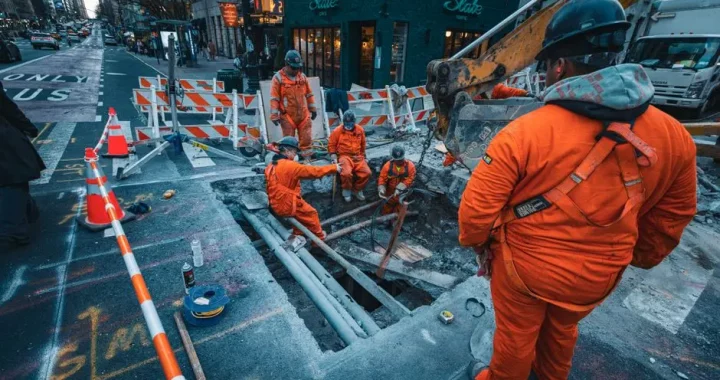
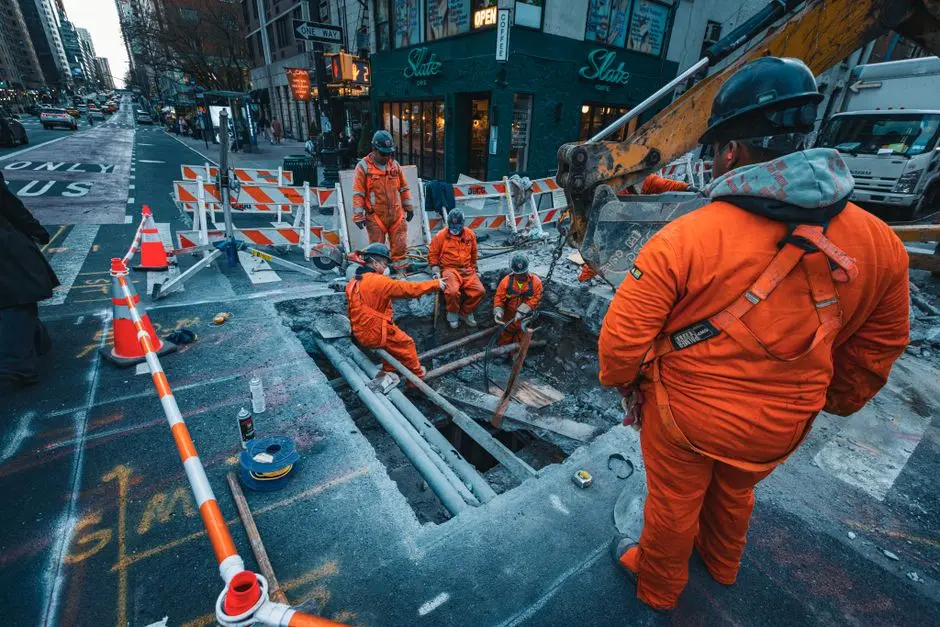
Navigating the world of construction workers’ compensation insurance in New York can be tricky. With so much information out there, it’s easy to fall prey to some common misconceptions. Let’s debunk these myths and get the facts straight!
1. Insurance Is Only for Large Companies
Many assume that workers’ comp insurance is exclusive to larger companies. The truth is, New York mandates it for businesses of all sizes to protect employees. Whether you’re running a small construction firm with just a handful of employees or a sprawling corporation, the responsibility to ensure workers’ safety through insurance remains the same. This mandate is pivotal because accidents and injuries can happen to any worker, irrespective of the company’s size. Small businesses might think they can skip this requirement due to limited resources, but doing so puts them at significant legal and financial risk. Moreover, having coverage is an asset that can enhance an organization’s credibility and employee trust.
It’s also worth noting that adhering to these requirements in New York isn’t just a regulatory formality. It’s a proactive step toward workplace safety and shows that a company values its workforce’s well-being. Besides, having workers’ comp insurance in place can cultivate a positive work environment, where employees feel secure knowing that their health and safety matters to the business. This atmosphere not only aids in maintaining high morale but also positively impacts productivity. By breaking free of this misconception, companies can foster a secure and loyal workforce.
2. Only Covers On-Site Injuries
Another common belief is that insurance only covers injuries occurring physically on a job site. However, any work-related injury can be covered, even if it happens off-site. For instance, if an employee is traveling between construction sites or attending a work-related meeting, injuries sustained during these activities can still potentially be eligible for compensation. This broad definition ensures that workers remain safeguarded even when their duties extend beyond the traditional workplace. Often, such activities, although essential, pose risks similar to on-site tasks, and it’s crucial these are acknowledged within the scope of insurance.
It’s also imperative for employees to recognize that their coverage isn’t limited by geography but rather defined by the context of their work activities. This inclusive protection is part of New York’s commitment to comprehensive worker welfare, ensuring that businesses uphold their duty of care, even in less conventional settings. By discarding the narrow view of site-specific coverage, both employers and employees can navigate their roles with greater assurance and clarity.
3. Part-Time Employees Are Not Covered
Some think part-time or temporary workers aren’t included, but New York law ensures that all employees, regardless of status, are protected under workers’ comp insurance. This is a crucial piece of knowledge, especially in the evolving labor market where non-standard employment is on the rise. Employers who operate under this misconception might unknowingly expose themselves to legal complications and potential penalties. Furthermore, covering part-time workers can prevent disruptions in scheduled projects by facilitating smoother transitions and quicker returns to work post-injury.
Including part-time employees in workers’ comp coverage underscores an employer’s commitment to equity and safety across their workforce. It reflects a comprehensive approach to employee care, which in turn can lead to a more stable and committed team. When workers, irrespective of their working hours, know they have the same level of protection as their full-time counterparts, it builds a culture of trust and mutual respect. This is integral for maintaining seamless operations within the construction sector, particularly in a bustling environment like New York.
4. Filing a Claim Means You’re Suing
Filing for workers’ comp is sometimes misconstrued as initiating a lawsuit. In reality, it’s a way to claim insurance benefits, not a legal dispute. Understanding this difference can ease tensions between employees and employers, ensuring that claims are viewed not as adversarial actions, but as necessary steps to garner deserved support following an incident. This distinction is crucial for fostering an atmosphere where workers feel comfortable reporting injuries without fear of retaliation or reprisal.
Moreover, approaching workers’ comp claims with clarity can prevent potential grievances from escalating into full-blown legal issues. Employers are encouraged to educate their workforce about this process, underscoring that it’s about restoration and assistance, allowing individuals to focus on recovery rather than conflict. Open dialogues about the nature of these claims can significantly impact the cooperation and mutual respect within an organization. By changing the narrative, it becomes easier to view workers’ comp as an ally rather than an adversary.
5. Insurance Rates Skyrocket After a Claim
While there’s a fear that making a claim will drastically increase insurance rates, many factors determine rate changes, and not every claim leads to higher premiums. Insurance companies evaluate various aspects before adjusting rates, including the nature of the injury, past claim histories, and preventive measures a company has in place. This comprehensive assessment ensures that businesses aren’t unfairly penalized for non-recurring incidents. As such, it’s crucial for employers to understand the multifaceted nature of premium calculations rather than assume inevitable hikes.
By implementing robust safety protocols and reviewing risk management strategies, businesses can mitigate the potential impact a single claim might have on their rates. This proactive approach not only helps in retaining manageable insurance costs but also enhances overall workplace safety, reducing future incidents. Engaging in regular risk assessments and staff training programs serves a dual purpose: enriching the organization’s safety culture and demonstrating to insurers a commitment to minimizing hazards. This can be beneficial in ensuring that any fluctuations in premiums remain within a reasonable scope.
6. Self-Employed Workers Are Exempt
A misconception is that self-employed individuals don’t need workers’ comp insurance. However, they may choose to get insurance for their own protection. This option can be particularly prudent for those in high-risk professions, such as construction, where the likelihood of accidents is greater. Having coverage not only shields them financially in the event of an injury but also provides peace of mind, allowing them to focus on their craft without constant anxiety about potential mishaps.
Opting for workers’ comp insurance can also enhance the credibility of self-employed workers when bidding for contracts or negotiating with potential clients. It demonstrates a responsible and forward-thinking approach, emphasizing that the worker prioritizes safety and professionalism. For many clients, particularly larger organizations, collaborating with insured independent workers may be mandatory, making this coverage not just a safeguard, but also a competitive advantage in the marketplace.
7. Contractors Don’t Need Coverage
Some assume that independent contractors are not eligible for coverage. While they are not automatically covered, they can opt-in for their own insurance policies. This flexibility allows contractors to tailor their protection to fit their specific needs and the demands of the projects they undertake. For example, in industries like construction, having workers’ comp can differentiate a contractor from competitors, positioning them as more reliable partners for businesses seeking to mitigate risks in their operations.
Moreover, acquiring such insurance can serve as an indicative measure to validate the seriousness and professionalism of a contractor’s engagement in their field. Clients often view insured contractors as more trustworthy, which can open doors to more extensive or higher-value projects. As the landscape of employment continues to evolve, ensuring coverage remains a smart choice for those seeking sustained growth and success in their careers.
8. Mental Health Claims Are Not Valid
There’s an idea that workers’ comp only covers physical injuries. In reality, mental health issues caused by work conditions can be part of valid claims. Stress, anxiety, or depression arising directly from workplace situations can all fall within the spectrum of conditions that workers’ comp may address. This inclusion recognizes the profound impact that mental health can have on an individual’s productivity and overall well-being, especially in high-pressure environments like construction.
By acknowledging mental health claims, New York’s workers’ comp system reflects a modern understanding of health in the workplace, promoting a holistic approach to employee welfare. Encouraging open discussion about mental well-being, and subsequently supporting through formal claims processes, empowers employees to seek help promptly. It also nudges employers to create safer, more supportive work environments that account for psychological stresses, thereby not just reacting to issues but actively preventing them.
9. Employers Can Opt-Out
Some believe employers can choose not to offer workers’ comp. However, in New York, it’s a legal requirement for most businesses to provide this coverage. Opting out is not a choice but a violation of state law, which can lead to severe penalties. This ensures that employees receive necessary care and compensation when injured, reinforcing workplace safety and ethical obligations. Companies need to be vigilant about maintaining the required coverage, not just to comply with legislation but to fulfill their moral responsibilities to their workforce.
By mandating workers’ comp insurance, New York underscores the importance of safeguarding worker interests throughout the state. As such, it’s not just about compliance for businesses, but about building a robust foundation for trust and cooperation within the workforce. Employers can play a more active role in the workers’ comp landscape by educating their teams about coverage benefits and encouraging proactive safety measures, thus benefiting both the company’s interests and the overarching goal of a safer working environment.
10. Employees Have No Role in the Process
Contrary to the belief that the process is solely employer-driven, employees play a crucial role in reporting injuries and ensuring timely processing of claims. They are responsible for providing accurate accounts of incidents, adhering to deadlines, and collaborating with medical professionals and insurance representatives to complete necessary documentation. In fact, their active participation is vital for the successful navigation of the claims process.
Moreover, workers possess the right and responsibility to be informed about their rights under workers’ comp, an understanding that empowers them to advocate effectively for themselves. Employers, on the other hand, should facilitate this empowerment by offering resources, updates on relevant laws, and clear channels of communication for injury reporting. This collaboration builds a cooperative atmosphere where both employers and employees are invested in maintaining a safe and fair workplace, reflecting a mutual respect essential in today’s dynamic work environments.
About BGES Group
Running a business is challenging enough without having to spend valuable time dealing with insurance issues. At BGES Group, we make insurance simple by providing responsive, personalized service and helping you secure the right coverage at competitive rates. With more than 45 years of industry experience and access to over 25 top-rated insurance carriers, we take the time to understand your business and design insurance solutions that protect your company, employees, assets, and future—without paying for coverage you don’t need.
Our clients appreciate having one dedicated insurance professional, fast certificate processing, prompt answers, and direct access to a real person when they call. We proactively solve problems before they become costly, help control insurance expenses, and provide expert guidance on Workers’ Compensation, General Liability, Commercial Auto, Umbrella Liability, and other business insurance needs. Our goal is simple: make insurance one less thing for you to worry about while providing the peace of mind that comes from knowing an experienced professional is looking out for your business.
Contact BGES Group Insurance Services
Gary Wallach, President
Licensed in New York, New Jersey & Connecticut
📞 (914) 806-5853
✉️ bgesgroup@gmail.com
🌐 www.bgesgroup.com