Why is Labor Law Coverage Essential for Scaffolding in NY?

Working with scaffolding in New York can be risky, which is why labor law coverage is vital. Understanding how this coverage protects workers and ensures safety is key for both employers and employees alike. Let’s explore the significance of labor law when it comes to scaffolding in the Empire State.

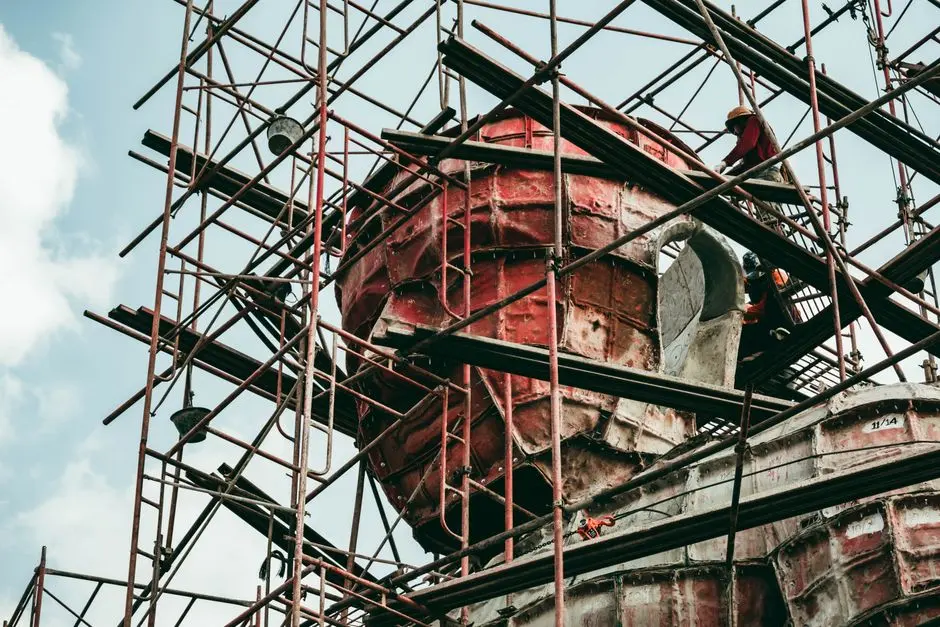
Workers on scaffolding during statue construction, showcasing building process.

Understanding the Risks of Scaffolding Work

Scaffolding work involves a high level of risk due to heights and unstable structures. Accidents can lead to severe injuries, making it crucial to understand the associated dangers.

The most common hazards associated with scaffolding include falls from heights, scaffold collapse, being struck by falling objects, and electrocution. These risks can be mitigated by adhering to safety protocols and ensuring proper training of workers.

Understanding these risks is the first step in improving safety measures. Implementing routine inspections and maintenance of the scaffolding structures can prevent accidents before they occur.

What is Labor Law Coverage?

Labor law coverage provides legal protection and financial compensation for workers who suffer injuries while on the job. It ensures employers take necessary precautions to maintain a safe working environment.

This type of coverage is vital for industries like construction, where the risk of workplace injuries is significantly higher. By having labor law coverage, workers can feel more secure in their roles, knowing their rights are protected.

Employers benefit from labor law coverage as it safeguards them from costly legal fees and compensations linked to workplace accidents. It’s a protective measure that benefits everyone involved.

How Labor Laws Apply to Scaffolding in NY

New York has specific labor laws, such as the Scaffold Law, that impose strict liability on employers to provide safe working conditions, especially for tasks involving scaffolding.

The Scaffold Law holds property owners and contractors fully responsible for elevation-related injuries, compelling them to ensure the utmost safety standards. This law is unique to New York, highlighting the state’s commitment to worker safety.

For scaffolding work, adhering to such laws is not only a legal obligation but a moral one, emphasizing the importance of comprehensive safety measures.

Steps to Obtain Labor Law Coverage

Employers should consult with insurance providers to ensure they have the appropriate coverage. This involves understanding the policies that cover scaffolding and falls.

Before securing labor law coverage, it’s essential to conduct a thorough risk assessment of all working conditions related to scaffolding. Identifying potential hazards facilitates the selection of suitable insurance policies.

Consulting with a broker who specializes in construction law can provide insights into the types of coverage necessary for compliance and optimal protection. They can guide on how insurance policies align with state labor laws.

Importance of Compliance with Labor Laws

Complying with labor laws not only avoids legal issues but also enhances workplace safety. It demonstrates the employer’s commitment to protecting their workers, which can reduce the number of accidents.

Non-compliance can lead to significant penalties, project delays, and damage to a company’s reputation. More importantly, it puts workers at risk of injury, highlighting the necessity of adherence.

Investing in safety training and continuous education on labor laws for all employees can foster a culture of safety, ensuring that everyone is aware of their responsibilities and the legal standards required.

Ensuring Safety and Compliance with Labor Law Coverage

Labor law coverage is not just a legal requirement but a crucial factor in ensuring the safety and protection of workers on scaffolding in New York. By understanding and implementing the right coverage, employers can foster a safer working environment and be prepared in case of accidents. Remember, when it comes to scaffolding, safety must always come first.

About BGES Group

Running a business is challenging enough without having to spend valuable time dealing with insurance issues. At BGES Group, we make insurance simple by providing responsive, personalized service and helping you secure the right coverage at competitive rates. With more than 45 years of industry experience and access to over 25 top-rated insurance carriers, we take the time to understand your business and design insurance solutions that protect your company, employees, assets, and future—without paying for coverage you don’t need.

Our clients appreciate having one dedicated insurance professional, fast certificate processing, prompt answers, and direct access to a real person when they call. We proactively solve problems before they become costly, help control insurance expenses, and provide expert guidance on Workers’ Compensation, General Liability, Commercial Auto, Umbrella Liability, and other business insurance needs. Our goal is simple: make insurance one less thing for you to worry about while providing the peace of mind that comes from knowing an experienced professional is looking out for your business.

Contact BGES Group Insurance Services

Gary Wallach, President
Licensed in New York, New Jersey & Connecticut

📞 (914) 806-5853
✉️ bgesgroup@gmail.com
🌐 www.bgesgroup.com


What Does Contractor Insurance That Includes Labor Law 240 Protection Cover in New York?

Understanding the nuances of contractor insurance in New York, especially when it includes Labor Law 240 protection, can be quite intricate. This blog will help simplify what this type of coverage entails and why it’s vital for contractors operating in the state.

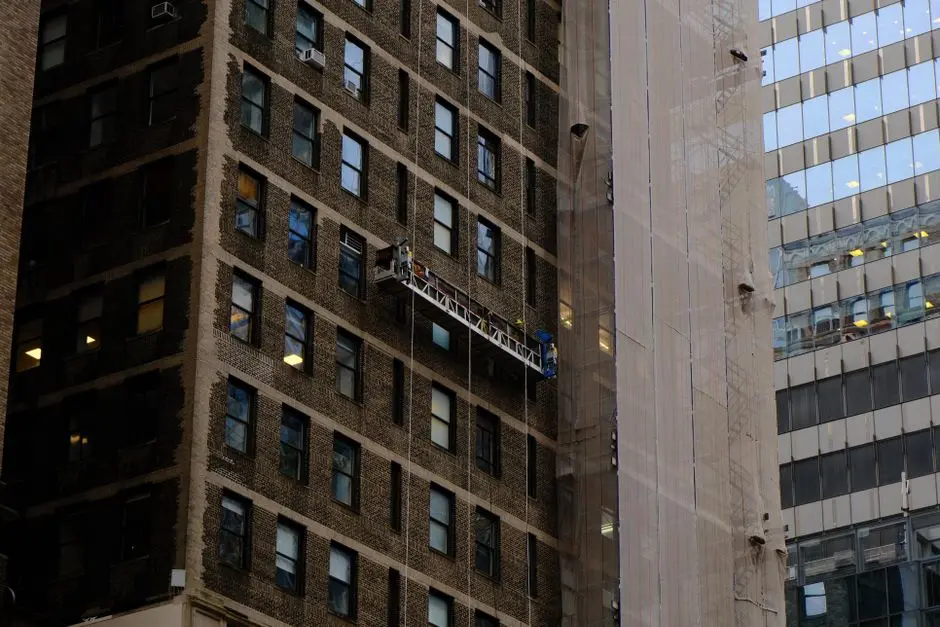
Workers on a suspended platform maintain a high-rise in New York City.

What is Labor Law 240?

Labor Law 240, also known as the Scaffold Law, is a New York statute that imposes strict liability on employers and property owners for elevation-related injuries. This law is crucial in ensuring the safety of workers who perform tasks at heights.

The intent behind Labor Law 240 is to provide comprehensive protection for employees who might face dangerous situations while working at elevated heights. According to the law, it’s imperative for employers to furnish adequate safety equipment such as scaffolding, hoists, and harnesses to prevent any potential injuries.

Why Include Labor Law 240 in Contractor Insurance?

Including Labor Law 240 protection in your contractor insurance addresses the significant liabilities associated with elevation-related accidents. Without this coverage, contractors may face substantial financial risks in the event of a lawsuit or claim.

New York’s unique judicial interpretation of Labor Law 240 means that claims under this statute often do not consider the contributory negligence of the worker. This places even more responsibility on contractors and underscores the importance of having robust insurance coverage to avoid crippling financial consequences.

For businesses looking to protect their bottom line while promoting worker safety, incorporating Labor Law 240 into their contractor insurance is a strategic decision. Ensuring workplace safety not only helps in maintaining a good business reputation but also shields the firm from unanticipated legal battles.

What Does This Insurance Cover?

This insurance typically covers legal costs, settlements, and compensation for injuries resulting from elevation hazards. It ensures that contractors are not solely responsible for the financial repercussions of any accidents that occur.

Contractors can rely on this insurance to shoulder the financial burden associated with medical expenses and lost wages if an accident should occur. Additionally, it encompasses potential legal fees and court costs, providing peace of mind and financial support during legal disputes.

A significant aspect of this coverage includes indemnifying the contractor for settlements that may be reached out of court, which often occurs with Labor Law 240 claims. These financial protections can be the difference between a business thriving or going under after a significant incident.

Who Needs This Coverage?

Any contractor or construction company operating in New York should have this protection. It is especially vital for those involved in high-risk projects or those working on scaffolds, ladders, or elevated platforms.

If your business involves building skyscrapers or merely maintaining structures at significant heights, Labor Law 240 protection is more than just necessary—it’s indispensable. This coverage isn’t limited to large corporations; even small companies and individual contractors benefit significantly from this safety net.

How to Obtain Labor Law 240 Coverage?

To obtain this coverage, contractors should consult with insurance providers who specialize in construction insurance. It’s important to understand the terms and premium costs to ensure comprehensive coverage that suits your business needs.

Start by reaching out to trusted insurance experts who understand the nuances of construction-related risks in New York. These professionals can tailor a policy to cover the specific needs of your business, ensuring optimal protection against the potential perils of working at heights.

It’s advisable to regularly review and update your insurance policy as your business expands or changes its scope of work. Keeping abreast of any legislative updates to Labor Law 240 can also help in maintaining adequate and relevant coverage.

Why Labor Law 240 Coverage is Essential for New York Contractors

Contractor insurance that includes Labor Law 240 protection is crucial for operating safely and legally in New York. It offers coverage for a range of potential risks associated with construction work. By understanding what is covered, contractors can ensure they have the necessary protection to manage liabilities and safeguard their business.

About BGES Group

Running a business is challenging enough without having to spend valuable time dealing with insurance issues. At BGES Group, we make insurance simple by providing responsive, personalized service and helping you secure the right coverage at competitive rates. With more than 45 years of industry experience and access to over 25 top-rated insurance carriers, we take the time to understand your business and design insurance solutions that protect your company, employees, assets, and future—without paying for coverage you don’t need.

Our clients appreciate having one dedicated insurance professional, fast certificate processing, prompt answers, and direct access to a real person when they call. We proactively solve problems before they become costly, help control insurance expenses, and provide expert guidance on Workers’ Compensation, General Liability, Commercial Auto, Umbrella Liability, and other business insurance needs. Our goal is simple: make insurance one less thing for you to worry about while providing the peace of mind that comes from knowing an experienced professional is looking out for your business.

Contact BGES Group Insurance Services

Gary Wallach, President
Licensed in New York, New Jersey & Connecticut

📞 (914) 806-5853
✉️ bgesgroup@gmail.com
🌐 www.bgesgroup.com


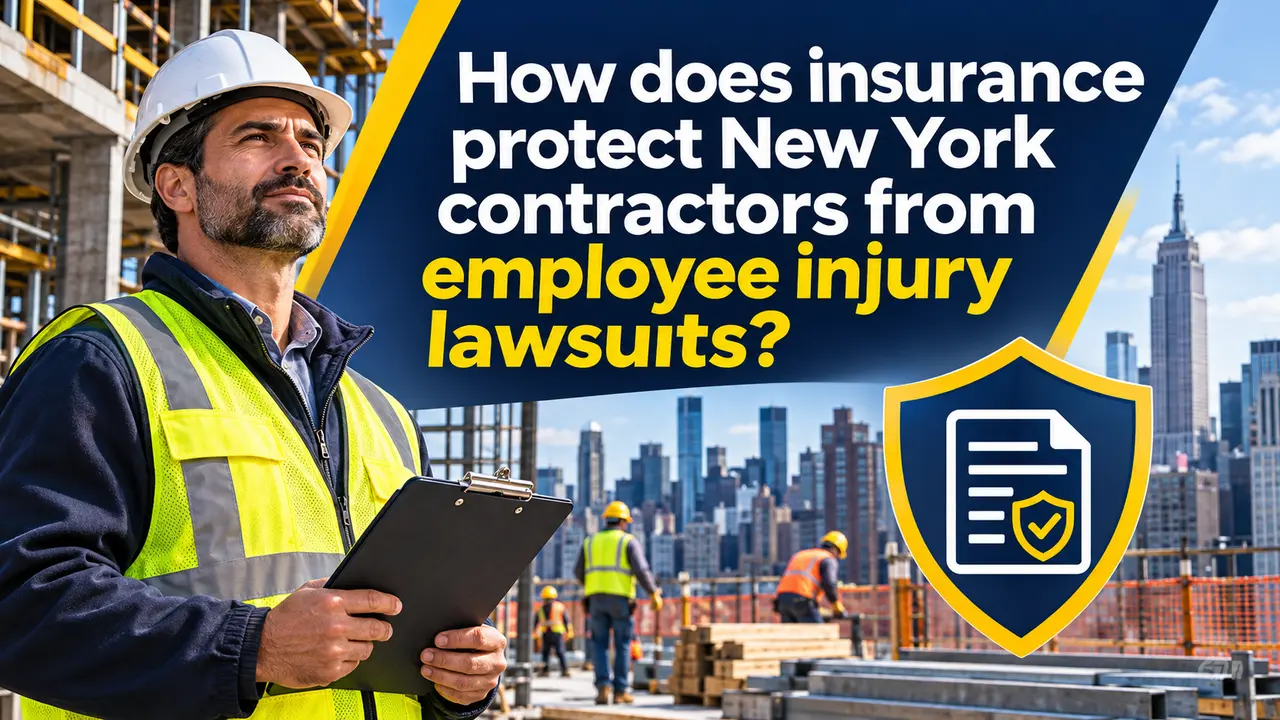
How does insurance protect New York contractors from employee injury lawsuits?

Navigating the world of construction in New York comes with its fair share of challenges, especially when it comes to protecting businesses from potential employee injury lawsuits. Understanding how insurance plays a crucial role in safeguarding contractors can save time, money, and legal hassles. In this FAQ, we’ll explore how insurance helps New York contractors manage these situations, ensuring peace of mind while keeping business operations running smoothly.

Understanding Employee Injury Lawsuits

Employee injury lawsuits can arise when a worker is injured on the job and feels that their employer is responsible due to negligence or unsafe working conditions. This section covers the basics of such lawsuits, including common causes and potential consequences for contractors.

A common scenario is a construction worker suffering an injury due to inadequate safety measures. This could lead to significant legal challenges for the contractor, including possible financial liabilities if found negligent. Understanding the causes and consequences of these lawsuits is essential for contractors aiming to navigate the challenges of such claims effectively.

Types of Insurance That Protect Contractors

Several types of insurance policies protect contractors from employee injury lawsuits: Workers’ Compensation Insurance, General Liability Insurance, and Employer’s Liability Insurance. Each serves a specific purpose in covering medical expenses, legal fees, and compensation, ensuring comprehensive protection.

Workers’ Compensation Insurance is typically the first line of defense, covering medical and rehabilitation costs for affected employees. On the other hand, General Liability Insurance helps cover broader claims, providing an extensive safety net that supports various aspects of legal defense and settlements.

How Does Workers’ Compensation Insurance Help?

Workers’ Compensation Insurance is designed to cover the medical expenses and lost wages of employees who suffer work-related injuries or illnesses. In New York, it is mandatory for businesses with employees to have this insurance, providing crucial support in avoiding costly lawsuits.

New York contractors can benefit greatly from investing in comprehensive Workers’ Compensation Insurance. By ensuring that employees receive timely medical attention and compensation, it helps maintain a motivated workforce and reduces the likelihood of employee lawsuits arising from dissatisfaction with injury compensations.

The Role of General Liability Insurance

General Liability Insurance covers claims related to third-party injuries and property damage occurring on a contractor’s premises. Although it doesn’t directly cover employee injuries, it complements other insurances by addressing broader liability concerns.

For example, if a subcontractor or visitor gets injured on-site, General Liability Insurance provides a safety net, thereby protecting the contractor from the potential fallout of such incidents. It’s all about creating a comprehensive coverage strategy that mitigates risks from various angles.

Employer’s Liability Insurance: A Critical Piece

Employer’s Liability Insurance is typically part of a Workers’ Compensation Package and provides extra coverage for employer-related injury claims. This insurance helps cover legal defense costs and settlements, offering an additional safety net.

These policies are crucial for protecting against claims that employees may bring directly against their employer, such as in cases of alleged negligence or failure to provide a safe working environment. By understanding the role of Employer’s Liability Insurance, New York contractors can strengthen their legal defenses.

Steps to Ensure Adequate Coverage

Contractors should regularly review and update their insurance policies to ensure they meet New York’s legal requirements and reflect any changes in business operations. Consulting with insurance advisors and legal experts can help tailor coverage to specific needs, minimizing exposure to lawsuits.

Understanding local regulations and working with reputable insurance providers are fundamental steps. Regularly assessing risks and adjusting coverage accordingly can aid in maintaining robust protection against potential claims.

Why Insurance is Essential for New York Contractors

In conclusion, having the right insurance in place is not just a legal requirement but a smart business strategy for New York contractors. It provides a crucial safety net, protecting against the financial and legal repercussions of employee injury claims. By understanding and leveraging the right types of insurance, contractors can focus on what they do best—building the future.

About BGES Group

Running a business is challenging enough without having to spend valuable time dealing with insurance issues. At BGES Group, we make insurance simple by providing responsive, personalized service and helping you secure the right coverage at competitive rates. With more than 45 years of industry experience and access to over 25 top-rated insurance carriers, we take the time to understand your business and design insurance solutions that protect your company, employees, assets, and future—without paying for coverage you don’t need.

Our clients appreciate having one dedicated insurance professional, fast certificate processing, prompt answers, and direct access to a real person when they call. We proactively solve problems before they become costly, help control insurance expenses, and provide expert guidance on Workers’ Compensation, General Liability, Commercial Auto, Umbrella Liability, and other business insurance needs. Our goal is simple: make insurance one less thing for you to worry about while providing the peace of mind that comes from knowing an experienced professional is looking out for your business.

Contact BGES Group Insurance Services

Gary Wallach, President
Licensed in New York, New Jersey & Connecticut

📞 (914) 806-5853
✉️ bgesgroup@gmail.com
🌐 www.bgesgroup.com


15 Essential Workers’ Compensation Insurance NY Requirements for Small Businesses

Navigating the world of workers’ compensation insurance in New York can be a daunting task, especially for small business owners. This essential coverage not only protects your employees but also safeguards your business from potential legal and financial setbacks. In this guide, we’ll break down the key requirements you need to know to ensure compliance and peace of mind.

A top view image of small business tools including a calendar, coins, and a smartphone calculator.

1. Understanding the Basics

Before diving into specific requirements, it’s vital to grasp the basics of what workers’ compensation insurance covers and why it’s essential for your business. In essence, workers’ compensation insurance is designed to provide monetary benefits to employees who suffer work-related injuries or illnesses. This coverage is not just a legal requirement but also a crucial safety net that ensures employees receive the necessary medical care and financial support during their recovery period. As a business owner, understanding the foundational aspects of this insurance can help you navigate the complexities that follow. A well-rounded overview of workers’ compensation can offer further insights into this critical safety measure.

2. Who Needs Coverage

In New York, virtually all businesses with employees are required to have workers’ compensation insurance. This includes both for-profit and non-profit organizations, ensuring that most part-time and full-time employees are protected. However, it’s important to note that there are some exceptions, such as sole proprietors with no employees and certain independent contractors. Understanding the details of these requirements is crucial in preventing any legal repercussions for your business. By visiting New York’s requirements for workers’ compensation insurance, you can grasp a clearer picture of who needs this coverage.

Beyond the mandates, it’s naturally wise for businesses to explore inclusion of additional types of coverage. This added protection might cover situations unique to your industry or employee roles. By assessing potential risk areas specific to your operations, you can tailor your policy to provide ample coverage. In this way, you create a safer, more compliant work environment, enhancing overall employee well-being.

3. Calculating Premiums

Calculating the premiums for workers’ compensation insurance can feel like cracking a code, especially considering the variety of factors affecting the total cost. The primary components include the size of your payroll, the industry in which your business operates, and the risk classification assigned to jobs performed by your employees. Additionally, your claims history can also significantly influence premiums. Businesses with a higher number of past claims typically face steeper premium costs. For small business owners striving to manage costs, investing in robust safety programs may help reduce these expenses over time by potentially lowering your risk classification. Understanding how these elements interact can be clarified by referring to various premium calculation guides discussing New York regulations.

4. Choosing the Right Policy

Choosing the right workers’ compensation policy is paramount for a small business. The first step lies in evaluating your business size, industry risks, and potential exposure. Policies differ widely in terms of coverage scope and cost; hence, a policy that aligns closely with your business operations is essential. Connecting with experienced insurance brokers can aid in breaking down the breadth of policies available, ultimately guiding you to the most fitting decision. For personalized solutions, you can delve into coverage options that resonate with specific business requirements, ensuring every possible risk is well mitigated.

In addition to policy selection, it is beneficial to continuously assess coverage adequacy in light of business evolution. As the business landscape shifts, your objective is to maintain a dynamic insurance strategy that evolves along with the changing operational environment. With professionalism and attention to detail, you can forge a policy path that effectively safeguards your business and its valued employees.

5. Employee Status Considerations

Employee classification plays a crucial role in determining your workers’ compensation responsibilities. Whether your staff consists of full-time, part-time, or independent contractors influences your insurance coverage requirements. Full-time employees are typically covered under workers’ comp policies, while part-time employees should be evaluated based on hours worked and job roles. In contrast, independent contractors may not always need to be covered, depending on the contractual agreements and state-specific laws. For a comprehensive understanding, employers should familiarize themselves with the IRS guidelines on proper employee classification.

6. Staying Compliant with State Laws

Compliance with New York’s state-specific laws is essential to ensure legal and operational continuity. The state mandates that all businesses must secure insurance coverage for their employees. Non-compliance can result in severe penalties, including fines and possible criminal charges. Business owners should regularly consult with legal advisors and industry experts to remain abreast of evolving laws and regulations. This proactive approach not only protects the business legally but also demonstrates a commitment to employee welfare.

Furthermore, engaging with ongoing employee education programs can be beneficial. By informing employees about state regulations and their rights under workers’ compensation insurance, businesses promote a transparent workplace culture. This aids in fostering trust and alignment across organization teams, ultimately contributing to a healthier working environment.

7. The Role of Safety Programs

Safety programs serve a dual purpose within organizations: they safeguard employee well-being and simultaneously impact insurance costs. By systematically reducing workplace accidents and illnesses through authorized safety measures, businesses can achieve profound benefits. Such reductions in claim incidents, over time, lead to potential decreases in premium expenses, creating a financially favorable scenario. Resources providing insights on effective workplace safety strategies are available for business consideration.

8. Handling Claims Process

A seamless and efficient claims process is fundamental in maintaining workplace harmony and limiting business disruptions. When an incident occurs, it’s essential to follow established procedures for reporting and notifying relevant parties promptly. Thorough documentation and accurate reporting are integral to securing a fair resolution to claims. For enhanced efficiency, smaller businesses can leverage guidebooks on claims management to navigate the often complex landscape of workers’ compensation claims.

Moreover, ongoing communication with both the injured employee and their medical providers is crucial. This helps to avoid misunderstandings and ensures that both parties reach an appropriate agreement swiftly. By upholding transparency and clear communication channels, businesses enhance their reputation as employers attentive to employee needs, fostering a supportive organizational atmosphere.

9. Dealing with Fraud

Workers’ compensation fraud is an issue that can drastically affect a business’s financial health. Fraudulent claims increase insurance premiums and place unnecessary strain on company resources. Vigilant monitoring and implementation of fraud detection measures are vital. By instituting identification and reporting procedures, businesses can minimize fraudulent activities. Training employees to detect signs of fraud is an indispensable step in safeguarding your business. For further reading, references on preventing insurance fraud offer practical advice.

10. Keeping Up with Policy Changes

Workers’ compensation insurance policies are not static and are subject to evolving legal landscapes. Staying informed about updates and changes is crucial for ensuring continued compliance and protection. Regular consultation with insurance professionals and subscription to industry newsletters can aid in staying informed. Proactively adjusting your policies in response to legislative changes can help avoid possible compliance issues. Access to comprehensive insights into the regulatory environment ensures you’re prepared for any policy shifts.

11. Assessing Coverage Gaps

Identifying potential coverage gaps requires a keen eye and thorough policy scrutiny. Gaps may arise from changes in business operations, increased exposure levels, or improper policy customization. To effectively bridge these gaps, businesses should regularly evaluate their policy parameters and identify potential vulnerabilities in coverage. Through consultation with insurance experts, you can ensure your coverage provides maximum protection from unanticipated liabilities.

Moreover, by conducting regular policy assessments, businesses are empowered to adapt strategically to changes. This proactive stance allows for a more resilient business position, equipped to handle a broad spectrum of risk scenarios. Ensuring comprehensive protection entails not only resolving existing deficiencies but also anticipating future needs for complete operational stability.

12. Renewal and Audit Practices

Regular policy renewal and audit practices play an indispensable role in maintaining effective insurance coverage. By routinely reassessing your insurance needs and updating policies accordingly, you guard against outdated coverage that fails to align with your business’s current realities. Audits also ensure accuracy in claims and compliance with any new regulations that have been enacted over the policy term. For a structured audit methodology, referring to professional auditing guidelines can further equip businesses with necessary insights.

Additionally, cultivating strong relationships with insurance providers can facilitate the renewal process. Regularly scheduled reviews with policy professionals increase the likelihood of securing suitable coverage decisions promptly. Such practices illustrate business commitment to proactive management and organizational diligence, ultimately maintaining robust protective measures.

13. The Impact of Business Growth

As small businesses grow in size and operations, it’s essential to revisit and reassess their workers’ compensation insurance policies. New partnerships, expanded geographical presence, and increased employee counts are factors that necessitate adjustments to your coverage. These changes can lead to higher insurance premiums, making it imperative to manage and anticipate costs proactively.

Additionally, expansion might require you to comply with different state laws if new locations are opened outside New York. Maintaining updated policies ensures not only regulatory adherence but also resilient business operations. Engaging with seasoned business consultants or legal advisors can aid in strategizing an effective insurance management plan that aligns with your growing business footprint.

14. Utilizing Professional Services

Navigating the intricacies of workers’ compensation insurance can be streamlined by leveraging professional services. Collaborating with insurance brokers or consultants provides tailored insights and expert guidance, crucial for sound decision-making processes. These professionals assist in policy selection and customization, ensuring congruence with industry standards and unique business needs. Insights on working effectively with insurance consultants offer a comprehensive perspective on the value of professional advice.

15. Leveraging Technology Solutions

Technology integration into insurance management processes paves the way for operational efficiencies and enhanced accuracy. Innovative software solutions can simplify complex administrative tasks, such as tracking claims and maintaining compliance records. By adopting reliable tech tools, businesses can minimize errors and effortlessly align their operations with regulatory standards. Well-executed technology solutions contribute to smoother claim handling and reduce administrative burdens, leading to enhanced productivity and cost-effectiveness.

Moreover, data analytics derived from technological systems provide valuable insights into claim patterns and risk assessments. Leveraging these insights empowers businesses to predict potential challenges and strategically shape future policy decisions. Transforming insurance management through digital transformation allows for efficient process enhancements and supports a forward-thinking business model.

About BGES Group

Running a business is challenging enough without having to spend valuable time dealing with insurance issues. At BGES Group, we make insurance simple by providing responsive, personalized service and helping you secure the right coverage at competitive rates. With more than 45 years of industry experience and access to over 25 top-rated insurance carriers, we take the time to understand your business and design insurance solutions that protect your company, employees, assets, and future—without paying for coverage you don’t need.

Our clients appreciate having one dedicated insurance professional, fast certificate processing, prompt answers, and direct access to a real person when they call. We proactively solve problems before they become costly, help control insurance expenses, and provide expert guidance on Workers’ Compensation, General Liability, Commercial Auto, Umbrella Liability, and other business insurance needs. Our goal is simple: make insurance one less thing for you to worry about while providing the peace of mind that comes from knowing an experienced professional is looking out for your business.

Contact BGES Group Insurance Services

Gary Wallach, President
Licensed in New York, New Jersey & Connecticut

📞 (914) 806-5853
✉️ bgesgroup@gmail.com
🌐 www.bgesgroup.com


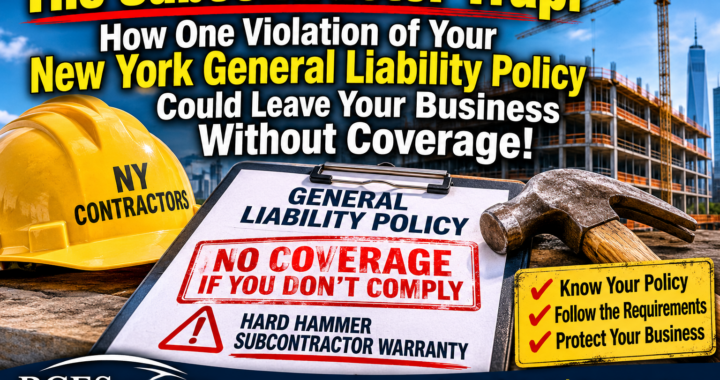
The Subcontractor Trap: How One Violation of Your New York General Liability Policy Could Leave Your Construction Business Without Coverage

New York Contractors: Your General Liability Policy May Not Protect You If You Fail to Follow Its Subcontractor Requirements.

If you are a New York construction contractor, you probably purchased general liability insurance believing that it would protect your business if something went wrong on a jobsite. You pay your premiums, provide certificates of insurance when requested, and assume that your insurance company will be there if a lawsuit or serious accident occurs.

But there is something many contractors overlook that could put their entire business at risk: the subcontractor warranty endorsement contained in their general liability policy.

Some New York contractors have policies containing what insurance professionals refer to as a Hard Hammer Subcontractor Warranty.

This is not just another piece of insurance paperwork. It can be one of the most important provisions in your entire general liability policy.

If you fail to comply with its requirements, you could discover that the insurance coverage you thought you had may not be available when you need it most.

Let’s take a closer look at how these warranties work and why every New York contractor needs to understand them.

1. What Is a Hard Hammer Subcontractor Warranty?

A Hard Hammer Subcontractor Warranty is an endorsement attached to a general liability policy that establishes specific requirements a contractor must follow when hiring and using subcontractors.

The insurance company is essentially saying:

“We are agreeing to insure your construction business, but you must follow certain rules when hiring subcontractors and transferring risk.”

These requirements are generally designed to make sure that subcontractors carry appropriate insurance and that the general contractor is properly protected from liability arising out of subcontracted work.

Depending on the actual endorsement, requirements may include:

  • Obtaining certificates of insurance from every subcontractor before work begins.
  • Maintaining copies of subcontractors’ insurance policies or other required documentation.
  • Requiring subcontractors to carry specified general liability limits.
  • Obtaining additional insured endorsements naming your business as an additional insured.
  • Obtaining written contracts containing specific insurance and indemnification provisions.
  • Making sure subcontractors maintain workers’ compensation insurance when legally required.
  • Maintaining records demonstrating compliance with the warranty requirements.

The important thing to understand is that the exact requirements are determined by the wording of your particular endorsement.

One insurance company’s requirements may differ substantially from another’s.

Never assume that obtaining a certificate of insurance alone satisfies your subcontractor warranty.

2. Why Is It Called a Hard Hammer?

The term Hard Hammer is used in the insurance industry to describe particularly strict subcontractor warranty requirements.

Unlike a more flexible arrangement, a hard hammer provision can impose serious consequences when a contractor fails to follow the required procedures.

For example, imagine you are a New York general contractor hired to renovate a commercial building.

You hire a framing subcontractor, a plumbing contractor, an electrician and a drywall company.

You obtain certificates of insurance from some of these subcontractors, but you fail to obtain the required additional insured endorsements. Perhaps one subcontractor starts working before you collect the required documentation.

Everything appears to be going smoothly until an employee of one of those subcontractors suffers a serious injury.

A lawsuit follows, naming your company, the property owner and other parties.

You immediately notify your general liability insurance carrier and expect it to defend you.

But then the insurance company examines your policy and discovers that you did not comply with the subcontractor warranty.

Suddenly, you have a potentially serious insurance problem.

Depending on the endorsement’s language, the nature of the violation and applicable law, the carrier may assert that coverage is unavailable, restricted or otherwise affected.

You could find yourself paying substantial legal expenses and potentially facing a significant uninsured liability.

That is a risk no contractor should take lightly.

3. A Certificate of Insurance Does Not Necessarily Protect You

This is one of the biggest misconceptions in the construction industry.

Many contractors believe that obtaining a certificate of insurance from a subcontractor means they have satisfied their insurance obligations.

That is not necessarily true.

A certificate of insurance is primarily evidence of insurance at a particular point in time. It does not amend the policy, create additional insured coverage or guarantee that the subcontractor’s policy provides the protection you need.

For example, your subcontractor might provide a certificate showing $1 million in general liability coverage.

However, your insurance company’s warranty might require:

  • A specific additional insured endorsement.
  • Coverage for both ongoing and completed operations.
  • Specific liability limits.
  • A written contract executed before work begins.
  • Verification that the subcontractor’s policy does not contain certain exclusions.

If the required endorsements or documentation are missing, you may not have satisfied your policy’s requirements.

The difference between having a certificate and having the actual required insurance protection can be enormous.

4. What Happens If a Subcontractor Does Not Have Insurance?

Here is another situation that deserves attention.

Suppose you hire a small subcontractor who gives you a very attractive price for a particular job.

The subcontractor tells you that he does not carry general liability insurance but promises that he will take responsibility for anything that happens.

You decide to hire him anyway.

Unfortunately, if your general liability policy contains a hard hammer subcontractor warranty requiring every subcontractor to maintain specified insurance, you may have violated the warranty.

Now imagine that someone gets injured while that subcontractor is working on your project.

Your general liability carrier may take the position that you failed to comply with the policy’s requirements.

The consequences could be devastating.

The contractor who saved a few dollars by hiring an uninsured subcontractor could end up facing a lawsuit without the insurance protection he expected.

Saving money on subcontractor costs is never worth jeopardizing your general liability coverage.

5. What About 1099 Workers?

This is another area where contractors need to be especially careful.

Many construction businesses use independent contractors, temporary workers and individuals paid on a 1099 basis.

Some contractors assume that because these individuals are not traditional employees, they do not fall under the subcontractor requirements.

That assumption can be dangerous.

An insurance company may consider a 1099 worker a subcontractor for purposes of the warranty, depending on the policy language and the actual working relationship.

If that individual does not carry the required insurance, the contractor could have a compliance problem.

Before allowing a 1099 worker or independent contractor onto a jobsite, review your policy and determine exactly what documentation and insurance protection are required.

Do not wait until an accident occurs to find out.

6. What Should New York Contractors Do to Protect Themselves?

If you are a general contractor, construction manager or subcontractor operating in New York, there are several steps you should take.

First: Read your general liability policy.

Do not simply look at the declarations page to see your limits and premium. Review the endorsements attached to your policy.

Pay particular attention to any subcontractor warranty, subcontractor exclusion or other endorsement dealing with subcontracted work.

Second: Understand the requirements before hiring subcontractors.

Make sure you know what insurance limits, endorsements, contracts and documentation your carrier requires.

Third: Collect the necessary documentation before work begins.

Do not allow subcontractors to start working while you are still waiting for insurance documents.

Fourth: Verify the actual coverage.

Certificates are not always sufficient. Obtain and review the endorsements and other documentation required by your policy.

Fifth: Maintain organized records.

Keep certificates, endorsements, written contracts and other required documentation readily available.

Sixth: Have your insurance broker review your policy.

An experienced construction insurance broker should be able to identify potentially problematic endorsements and explain what your company must do to remain compliant.

7. The Bottom Line: Your General Liability Policy Is Only as Good as Your Understanding of It

New York construction is already a difficult business.

Contractors face significant exposure from construction accidents, New York Labor Law claims, employee injuries, property damage and lawsuits involving owners, general contractors and subcontractors.

Your general liability insurance is supposed to help protect your business from these risks.

But purchasing a policy does not mean you can ignore the conditions, exclusions and endorsements attached to it.

A Hard Hammer Subcontractor Warranty deserves particular attention because failure to follow its requirements can have serious coverage consequences.

Do not assume that your insurance company will overlook a missing certificate, an improperly insured subcontractor or a missing additional insured endorsement after a serious accident.

The time to understand your insurance requirements is before a claim happens, not after you receive a lawsuit.

One overlooked endorsement could become one of the most expensive mistakes your construction business ever makes.

About BGES Group

BGES Group is an independent, boutique insurance brokerage specializing in insurance solutions for New York construction contractors and business owners throughout New York, New Jersey and Connecticut.

We understand the unique insurance challenges facing the construction industry, including general liability, subcontractor requirements, workers’ compensation, umbrella and excess liability, commercial auto, disability insurance and other essential business coverages.

At BGES Group, we believe in doing business the old-fashioned way, with modern technology and personal attention.

We are not an internet insurance factory. We believe in knowing our clients, answering the phone, understanding their businesses and being available when they need us.

Our philosophy is simple:

  • Personal service and one-on-one attention.
  • Phone calls answered promptly.
  • Certificates of insurance handled quickly.
  • Competitive insurance markets and practical solutions.
  • Experienced guidance when insurance problems arise.
  • Helping contractors obtain coverage when other brokers cannot.

We have been helping businesses navigate the insurance industry since 2002, bringing more than 45 years of insurance experience to the table.

At BGES Group, you are not just another policy number. You are a client, and we treat you that way.

Contact BGES Group

Gary Wallach

BGES Group

Phone: 914-806-5853

Email: bgesgroup@gmail.com

Website: www.bgesgroup.com

If you are a New York contractor and have questions about your general liability policy, subcontractor warranties or whether your current insurance program adequately protects your business, give us a call.

Let’s make sure you understand what you are buying before you need to use it.

What is Construction Workers Comp Insurance in New York?

Navigating the world of insurance can be tricky, especially when it comes to understanding Construction Workers Comp Insurance in New York. In this FAQ, we’ll break down the key aspects of this essential coverage, helping you understand what it is, why it’s important, and how it works.

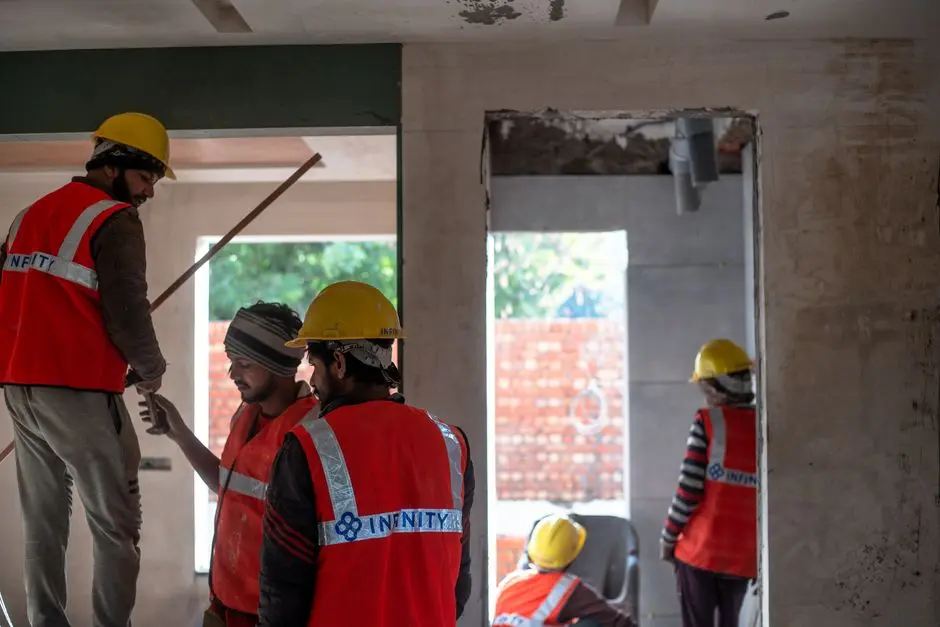
Construction workers wearing safety gear at an indoor building site in Delhi.

What is Construction Workers Comp Insurance?

Construction Workers Comp Insurance is a vital type of coverage that safeguards employees in the construction industry by providing benefits if they are injured or fall ill due to their job. This specific coverage becomes crucial due to the high-risk nature of the construction sector, ensuring that workers receive financial support for recovery while also protecting employers from potential lawsuits. With the right insurance policy, workers can focus on their recovery without worrying about financial burdens.

Beyond medical expenses, Construction Workers Comp Insurance encompasses a variety of protections, including wage replacement for the time workers are unable to return to work. In doing so, it helps maintain financial stability for families impacted by workplace injuries. For employers, this insurance acts as a buffer, preventing costly legal battles and fostering a safe work environment that prioritizes employee health and well-being.

Why is it Important in New York?

In a bustling city like New York, where construction sites are as common as yellow cabs, the importance of Workers Comp Insurance cannot be overstated. New York state mandates this insurance to protect construction workers from the inherent risks associated with their jobs. By having this coverage, not only do companies comply with New York state laws, but they also demonstrate a commitment to their workers’ safety and financial security.

Consider this: without adequate compensation insurance, an accident in one of New York’s many skyscraping projects could leave an employee struggling to pay medical bills while unable to work. This insurance is designed to prevent such scenarios, offering a comprehensive safety net for the workforce and a level of assurance for construction firms aiming to uphold a sterling industry reputation.

What Does it Cover?

The coverage of Construction Workers Comp Insurance extends well beyond basic medical costs. It also includes compensation for lost wages when employees are unable to work due to their injuries. Moreover, should an injury result in a permanent disability, the policy covers disability benefits that support the worker indefinitely. This ensures continuous support during extended recovery periods.

Furthermore, the insurance often offers vocational rehabilitation services, aiding workers in gaining new skills if they can’t return to their previous job roles due to the extent of their injuries. These programs are essential for helping employees reintegrate into the workforce, turning a potentially life-altering setback into an opportunity for career transformation.

Depending on the policy specifics, some insurance plans might also cover death benefits for fatal accidents, helping families with funeral costs and other immediate financial needs. This comprehensive approach underscores the multifaceted support that construction workers comp insurance aims to provide.

How to Obtain Coverage?

Securing coverage for construction workers comp insurance involves several steps. Initially, businesses should evaluate the scale and specific needs of their operations. This evaluation helps in tailoring the policy to cover all potential risks pertinent to their industry domain. Once this is clear, companies can choose to acquire insurance through private insurers or state-funded programs.

It’s crucial to conduct a comprehensive comparison of different policies offered by various insurers, considering elements such as premium costs, coverage limits, and claim processing efficiency. This comparison enables businesses to adopt a plan that aligns well with their financial and operational goals, ensuring thorough protection for their workforce. Consulting with an expert in workers compensation services can also provide invaluable insights and guidance.

Additionally, businesses must stay updated with regulatory changes to remain compliant with state requirements, avoiding potential fines or legal entanglements. Maintaining open communication with insurance providers ensures that the chosen policy remains relevant and comprehensive as business needs evolve.

Wrapping Up: Key Takeaways

Understanding Construction Workers Comp Insurance is crucial for anyone involved in the construction industry in New York. By grasping the essentials of this insurance, you ensure not only compliance with state regulations but also the safety and protection of your workforce.

About BGES Group

Running a business is challenging enough without having to spend valuable time dealing with insurance issues. At BGES Group, we make insurance simple by providing responsive, personalized service and helping you secure the right coverage at competitive rates. With more than 45 years of industry experience and access to over 25 top-rated insurance carriers, we take the time to understand your business and design insurance solutions that protect your company, employees, assets, and future—without paying for coverage you don’t need.

Our clients appreciate having one dedicated insurance professional, fast certificate processing, prompt answers, and direct access to a real person when they call. We proactively solve problems before they become costly, help control insurance expenses, and provide expert guidance on Workers’ Compensation, General Liability, Commercial Auto, Umbrella Liability, and other business insurance needs. Our goal is simple: make insurance one less thing for you to worry about while providing the peace of mind that comes from knowing an experienced professional is looking out for your business.

Contact BGES Group Insurance Services

Gary Wallach, President
Licensed in New York, New Jersey & Connecticut

📞 (914) 806-5853
✉️ bgesgroup@gmail.com
🌐 www.bgesgroup.com

Exploring the Benefits of General Contractor Insurance NYC

Navigating the bustling construction landscape of New York City requires more than just skill and expertise. For general contractors, safeguarding their projects and interests is crucial. General contractor insurance offers comprehensive protection, ensuring that contractors can focus on their work without worrying about potential liabilities. In this blog, we’ll explore the various benefits of having general contractor insurance in NYC.

Aerial view of a construction site in downtown New York City with surrounding buildings.

Understanding General Contractor Insurance

General contractor insurance is designed to cover the unique risks associated with construction projects. It typically includes general liability insurance, which protects against claims of bodily injury or property damage that may occur during a project.

Exploring the nitty-gritty, general contractor insurance aims to provide a safeguarding net for contractors largely exposed to various risks inherent in construction. This insurance is not just an accessory but a fundamental aspect of stability and legality in operations. Apart from general liability insurance, many policies integrate elements like workers’ compensation, equipment protection, and even coverage for unforeseen delays or errors. In a city brimming with opportunities and potential hazards like NYC, such an all-encompassing protection plan becomes invaluable.

An essential component of general contractor insurance is the coverage it offers for completed operations. This specific aspect ensures that contractors are protected even after their work on a project is finished. If claims are made regarding a service provided, such as a repair work done wrong or a construction flaw that emerges months later, having this insurance protects against costly financial repercussion. It’s intricacies like these that make contractor insurance a wise investment.

Why Insurance is Essential in NYC

Operating in a densely populated and regulated city like NYC means facing a myriad of challenges and legal requirements. Having robust insurance helps contractors comply with local laws, making it easier to secure necessary permits and contracts.

In NYC, the hustle of construction is paired with stringent legal frameworks that demand diligence and thoroughness from contractors. Due to the city’s vast legal landscape, possessing the appropriate insurance is not only a pathway to mitigating risks but also a means to swiftly navigate these regulations. It empowers contractors, enabling them to focus on delivering quality projects without being hampered by potential bureaucratic obstacles or unexpected legal challenges.

Moreover, insurance plays a crucial role in enhancing a contractor’s reputation in NYC. The construction industry is competitive, and demonstrating a commitment to risk management not only signifies responsible business practice but also sets a contractor apart in the eyes of potential clients and partners. By consistently maintaining comprehensive insurance, contractors align with industry standards, adhering to NYC’s high safety and operational benchmarks.

Protecting Your Business from Financial Loss

The financial implications of accidents or lawsuits can be overwhelming without insurance. General contractor insurance covers legal fees, medical expenses, and damage repairs, shielding your business from potentially devastating financial setbacks.

Imagine a scenario where a minor oversight leads to a substantial accident on a project site. Without the safety net of insurance, a contractor could face debilitating financial strain due to costly legal battles or hefty compensations. This protection extends beyond just immediate physical damage or injuries. By safeguarding against financial liabilities, contractors ensure their business foundations remain intact even amidst challenges. Insurance mitigates these risks, ensuring that businesses don’t crumble under pressure from unexpected circumstances.

Furthermore, some insurance policies offer customizable options that allow contractors to scale their coverage in alignment with business growth. This adaptability ensures that as they take on larger projects, the security net scales accordingly, maintaining adequate protection. Contractors can thus channel their energy towards growing their business, knowing that any potential financial pitfalls are managed effectively.

Enhancing Professional Reputation

Having insurance demonstrates professionalism and reliability to clients and partners. It reassures them that you are prepared for any unforeseen circumstances, thus enhancing trust and encouraging long-term business relationships.

In the competitive NYC construction environment, every edge counts, and having comprehensive insurance signals a contractor’s dedication to thoroughness and quality assurance. This assurance attracts a discerning clientele who value security and professionalism. It also fosters a sense of reliability that can differentiate one contractor from another, helping to forge strong, lasting partnerships built on mutual trust and confidence.

Taking a step further, insurance is also a reflection of a contractor’s commitment to ethical practices and sustainability. A well-insured contractor is viewed not just as a business transaction but as a valued ally in a project’s lifecycle. Clients are more inclined to trust contractors who demonstrate an awareness of their responsibilities and have the foresight to safeguard against potential pitfalls. This allows both parties to focus on innovation and excellence in project delivery.

Finally, by maintaining comprehensive insurance coverage, contractors can also qualify for exclusive work opportunities that require stringent compliance with safety and liability standards. This positions them favorably in NYC’s dynamic market, providing access to premium projects and collaborations that bolster their professional standing and business growth.

The Necessity of Insurance for NYC Contractors

In the dynamic construction industry of New York City, having the right insurance is not a luxury—it’s a necessity. General contractor insurance affords the peace of mind needed to operate confidently, protecting not just your projects but also your livelihood. By investing in comprehensive insurance coverage, contractors can mitigate risks, enhance their reputation, and ultimately, ensure the long-term success of their business.

About BGES Group

Running a business is challenging enough without having to spend valuable time dealing with insurance issues. At BGES Group, we make insurance simple by providing responsive, personalized service and helping you secure the right coverage at competitive rates. With more than 45 years of industry experience and access to over 25 top-rated insurance carriers, we take the time to understand your business and design insurance solutions that protect your company, employees, assets, and future—without paying for coverage you don’t need.

Our clients appreciate having one dedicated insurance professional, fast certificate processing, prompt answers, and direct access to a real person when they call. We proactively solve problems before they become costly, help control insurance expenses, and provide expert guidance on Workers’ Compensation, General Liability, Commercial Auto, Umbrella Liability, and other business insurance needs. Our goal is simple: make insurance one less thing for you to worry about while providing the peace of mind that comes from knowing an experienced professional is looking out for your business.

Contact BGES Group Insurance Services

Gary Wallach, President
Licensed in New York, New Jersey & Connecticut

📞 (914) 806-5853
✉️ bgesgroup@gmail.com
🌐 www.bgesgroup.com


Does General Liability Insurance Provide Coverage for New York Labor Laws?

Navigating the complexities of New York labor laws can be challenging for businesses. Understanding what coverages are necessary is vital to ensure full compliance and protection. One question that frequently arises is whether general liability insurance provides adequate coverage for these state-specific labor laws.

What is General Liability Insurance?

General liability insurance is a foundational policy for many businesses, offering protection against claims of bodily injury, property damage, and personal or advertising injury. It is essential for risk management and provides financial peace of mind in the event of unexpected incidents.

This type of insurance is designed to cover a variety of potential risks that businesses face daily. For instance, if a customer slips and falls on a wet floor in your store and decides to sue, general liability insurance can cover medical expenses and legal fees. The coverage extends to most accidents that occur on business premises, ensuring that companies don’t suffer financially while dealing with such incidents.

Additionally, general liability insurance is often a prerequisite for leasing commercial spaces and acquiring certain licenses. By having this insurance, businesses demonstrate a commitment to maintaining a safe environment for employees and customers alike. However, despite its extensive reach, it’s crucial to remember that this type of insurance has its limitations when it comes to certain areas, especially those concerning labor laws.

Understanding New York Labor Laws

New York labor laws are designed to protect the rights of workers and cover a range of issues including minimum wage, overtime pay, and unfair labor practices. Employers must adhere to these regulations to avoid potential legal actions.

These laws are enforced stringently in New York, making it important for business owners to stay informed and compliant. A particularly notable aspect is the New York Labor Law Section 240, often referred to as the ‘Scaffold Law’, which holds employers and property owners fully accountable for accidents occurring from height-related tasks unless proper safety measures are enacted.

Understanding the details of these laws is not just beneficial but necessary for business owners, as non-compliance can result in hefty fines and potential lawsuits. Keeping up-to-date with the changing landscape of these laws can be daunting, but it’s essential for protecting both the rights of employees and the integrity of the business.

General Liability Insurance and Labor Laws: The Connection

While general liability insurance covers many areas, it typically does not extend to violations of labor laws. This is an important consideration for New York businesses, as fines and legal actions related to labor law non-compliance can be substantial.

General liability insurance is excellent for unforeseen events like a customer injury or damage to someone’s property during the course of business operations. However, when it comes to labor laws, general liability does not cover claims associated with employment-related issues like harassment, discrimination, or wrongful termination. Businesses need to be acutely aware of these exclusions to avoid nasty surprises when settling claims.

Additional Coverage Options for Labor Law Compliance

For comprehensive protection, businesses should look into employment practices liability insurance (EPLI), which specifically addresses issues such as wrongful termination and discrimination, offering peace of mind against labor law claims.

EPLI is a valuable resource for businesses aiming to protect themselves from lawsuits that arise from alleged violations of employees’ rights. It is crucial for businesses not only to have such insurance but also to regularly review and update policies in alignment with current labor laws to ensure full compliance.

Summing Up: Navigating Insurance and Labor Laws in New York

In conclusion, while general liability insurance provides a broad spectrum of protection, it is crucial for businesses operating in New York to understand its limitations regarding labor law coverage. Employers may need to consider additional policies that are specifically designed for employment practices to ensure comprehensive protection. Being well-informed and consulting with insurance professionals can help businesses navigate their insurance needs more effectively.

About BGES Group

Running a business is challenging enough without having to spend valuable time dealing with insurance issues. At BGES Group, we make insurance simple by providing responsive, personalized service and helping you secure the right coverage at competitive rates. With more than 45 years of industry experience and access to over 25 top-rated insurance carriers, we take the time to understand your business and design insurance solutions that protect your company, employees, assets, and future—without paying for coverage you don’t need.

Our clients appreciate having one dedicated insurance professional, fast certificate processing, prompt answers, and direct access to a real person when they call. We proactively solve problems before they become costly, help control insurance expenses, and provide expert guidance on Workers’ Compensation, General Liability, Commercial Auto, Umbrella Liability, and other business insurance needs. Our goal is simple: make insurance one less thing for you to worry about while providing the peace of mind that comes from knowing an experienced professional is looking out for your business.

Contact BGES Group Insurance Services

Gary Wallach, President
Licensed in New York, New Jersey & Connecticut

📞 (914) 806-5853
✉️ bgesgroup@gmail.com
🌐 www.bgesgroup.com


Can Contractor Liability Insurance Protect Against All Risks?

Navigating the intricacies of contractor liability insurance can be daunting. Many contractors wonder if this type of insurance can protect them against all possible risks they face in their line of work. In this FAQ, we aim to address this question by exploring the scope and limitations of contractor liability insurance.

What is Contractor Liability Insurance?

Contractor liability insurance is a policy designed to cover professionals in the construction industry. Its primary function is to protect against claims of damage or injury caused to third parties during business operations. Such insurance is crucial for safeguarding against unforeseen circumstances that may arise due to accidents on job sites. This insurance not only provides peace of mind but also secures the financial stability of a contractor’s business.

Contractors face numerous risks daily, and having this insurance helps mitigate unexpected expenses arising from legal claims. Whether it be an injured visitor or damage to a client’s property, contractor liability insurance offers a shield against potential lawsuits. Moreover, it can enhance a contractor’s professional credibility, signaling reliability and responsibility to potential clients.

Common Risks Covered by Contractor Liability Insurance

The typical risks covered by contractor liability insurance include property damage, bodily injury, and personal injury claims. For instance, if a contractor accidentally damages a client’s home or a visitor slips and falls on a construction site, this insurance would typically cover the ensuing costs. Such coverage helps avoid financial strain and allows contractors to continue their operations smoothly.

Additionally, contractor liability insurance covers advertising injury claims, which might arise from unintentional slander or copyright infringement related to promotional activities. Understanding these common risks and how they are addressed by the insurance allows contractors to better appreciate the value of their investment in such policies.

What Risks Are Not Covered?

Despite its comprehensive nature, contractor liability insurance has its limitations. It does not cover professional mistakes, which means errors in design or judgment that lead to financial loss require separate professional liability insurance. Similarly, employee injuries are not covered under this policy; such incidents necessitate a workers’ compensation policy.

Damage to ongoing work is another risk not typically covered. Contractors must consider additional policies, such as construction all-risk insurance, to address this gap. Understanding what is excluded from contractor liability insurance is crucial for contractors to fully protect their businesses and avoid unexpected financial burdens.

How to Determine Your Coverage Needs

Determining the right amount of coverage begins with a thorough assessment of your business’s unique risks. Analyzing your contract requirements, types of projects, and locations will guide you in understanding the scope of coverage you need. Consulting with insurance experts can provide personalized insights that help tailor a policy to match those needs effectively.

It’s also beneficial to review client requirements, as some may require specific coverage minimums. Additionally, staying informed about industry standards and regulatory changes can impact your insurance needs and ensure continued compliance.

Should You Consider Additional Insurance?

Contractors should consider additional coverage types to fill in gaps left by contractor liability insurance. One such type is professional liability insurance, which covers errors and omissions claims related to professional services. Additionally, workers’ compensation insurance is vital to cover employee injuries on the job.

Other considerations may include commercial auto insurance if vehicles are used for business purposes and equipment insurance to protect tools and machinery from loss or damage. Evaluating these complementary insurance policies ensures that your business has a robust protection strategy in place.

Wrapping Up the Essentials of Contractor Liability Insurance

While contractor liability insurance provides essential protection, it’s crucial to understand its limitations and augment it with other types of coverage for comprehensive risk management. By staying informed and consulting with insurance professionals, contractors can ensure they have the right coverage to protect their business.

About BGES Group

Running a business is challenging enough without having to spend valuable time dealing with insurance issues. At BGES Group, we make insurance simple by providing responsive, personalized service and helping you secure the right coverage at competitive rates. With more than 45 years of industry experience and access to over 25 top-rated insurance carriers, we take the time to understand your business and design insurance solutions that protect your company, employees, assets, and future—without paying for coverage you don’t need.

Our clients appreciate having one dedicated insurance professional, fast certificate processing, prompt answers, and direct access to a real person when they call. We proactively solve problems before they become costly, help control insurance expenses, and provide expert guidance on Workers’ Compensation, General Liability, Commercial Auto, Umbrella Liability, and other business insurance needs. Our goal is simple: make insurance one less thing for you to worry about while providing the peace of mind that comes from knowing an experienced professional is looking out for your business.

Contact BGES Group Insurance Services

Gary Wallach, President
Licensed in New York, New Jersey & Connecticut

📞 (914) 806-5853
✉️ bgesgroup@gmail.com
🌐 www.bgesgroup.com

What Risks Do Scaffolding Projects Face Without Proper Labor Law Coverage?

Scaffolding is a critical component in construction projects, providing workers with the means to reach high places safely. However, failure to secure proper labor law coverage can lead to significant risks and challenges. In this FAQ, we will explore the potential dangers that scaffolding projects may face without this essential coverage and how to mitigate these risks effectively.

Two construction workers on bamboo scaffolding, wearing safety gear under a clear blue sky.

Understanding Scaffolding Risks

Scaffolding involves working at heights, which inherently carries a range of risks such as falls, equipment failure, and structural instability. Identifying these risks is the first step towards ensuring safety on your construction site.

Working at such altitudes means that small mistakes can lead to serious injuries. For example, even a minor miscalculation in the setup of scaffolding can cause significant accidents. Safety nets, guardrails, and proper personal protective equipment (PPE) are simple yet effective measures to reduce these risks. Ensuring all workers are trained in safety procedures can dramatically diminish the chances of mishaps.

Weather conditions also play a crucial role in scaffolding safety. High winds, rain, and ice can increase the likelihood of accidents. Monitoring weather forecasts closely and adjusting the work schedule accordingly can help mitigate these risks. Furthermore, regularly inspecting scaffolding structures for stability and any wear-and-tear can prevent accidents before they occur.

The Importance of Labor Law Coverage

Labor law coverage provides vital protection for workers, covering injuries and accidents. Without it, scaffolding projects may face severe penalties and financial liabilities in the event of an incident.

In New York, specific regulations, such as the Scaffold Law, impose strict liability on employers for elevation-related injuries. This means that if a worker is injured due to falls or scaffolding failures, the employer could face substantial financial penalties. Thus, having appropriate labor law coverage is not just about fulfilling a legal obligation but also about protecting the financial integrity of your business.

Benefit from reduced insurance premiums by maintaining a record of safety and comprehensive coverage. Insurance companies factor in these elements when determining premiums. As such, a proactive approach to labor law compliance can lead to significant cost savings and fewer disputes with insurers.

Consequences of Inadequate Coverage

Without proper coverage, projects run the risk of halted progress due to legal disputes, increased insurance premiums, and potential lawsuits from injured workers.

Beyond immediate financial strains, inadequate coverage can severely harm a company’s reputation. Prospective clients often scrutinize a company’s safety record and compliance history before awarding contracts. A track record marred by legal issues and worker injuries due to insufficient coverage can deter clients, thus affecting business prospects substantially.

Ultimately, failing to secure proper labor law coverage can escalate accidents into complex legal entanglements. Navigating these legal challenges not only diverts attention from core business functions but also drains resources that could otherwise be invested in more productive avenues of the project.

How to Secure Proper Labor Law Coverage

To mitigate risks, understand the specific labor laws applicable in New York for scaffolding and falls. Consult with insurance professionals to find comprehensive coverage that meets legal requirements and protects your workforce.

Begin by assessing your current coverage and identifying any gaps that leave your projects exposed to legal and financial penalties. An assessment should involve a thorough examination of both general liability insurance and workers’ compensation packages to ensure they align with the New York State regulations

Engage with trusted insurance brokers who specialize in construction and scaffolding projects. Their expertise can provide tailored coverage options, assisting you in navigating the nuances of New York labor law.

Finally, continuously educating your workforce on safety protocols and labor laws keeps them informed and compliant. Scheduling regular workshops and training sessions helps in creating a culture of safety and accountability, further reinforcing your commitment to a secure work environment.

Safeguard Your Scaffolding Projects with Proper Coverage

Ensuring proper labor law coverage for scaffolding projects in New York is crucial for protecting both workers and project success. By understanding the potential risks and taking proactive measures, you can create a safer and more efficient construction environment. Don’t overlook the importance of comprehensive coverage—it’s a vital step in safeguarding your projects from unnecessary liabilities. For more detailed information and assistance on labor law coverage, visit our homepage for expert guidance.

About BGES Group

Running a business is challenging enough without having to spend valuable time dealing with insurance issues. At BGES Group, we make insurance simple by providing responsive, personalized service and helping you secure the right coverage at competitive rates. With more than 45 years of industry experience and access to over 25 top-rated insurance carriers, we take the time to understand your business and design insurance solutions that protect your company, employees, assets, and future—without paying for coverage you don’t need.

Our clients appreciate having one dedicated insurance professional, fast certificate processing, prompt answers, and direct access to a real person when they call. We proactively solve problems before they become costly, help control insurance expenses, and provide expert guidance on Workers’ Compensation, General Liability, Commercial Auto, Umbrella Liability, and other business insurance needs. Our goal is simple: make insurance one less thing for you to worry about while providing the peace of mind that comes from knowing an experienced professional is looking out for your business.

Contact BGES Group Insurance Services

Gary Wallach, President
Licensed in New York, New Jersey & Connecticut

📞 (914) 806-5853
✉️ bgesgroup@gmail.com
🌐 www.bgesgroup.com