Is Contractor Liability Insurance Necessary for Small Projects?

When it comes to small projects, many contractors wonder about the necessity of liability insurance. It can seem like an unnecessary expense; however, it’s important to understand what contractor liability insurance covers and whether it’s worth the investment for your specific situation.

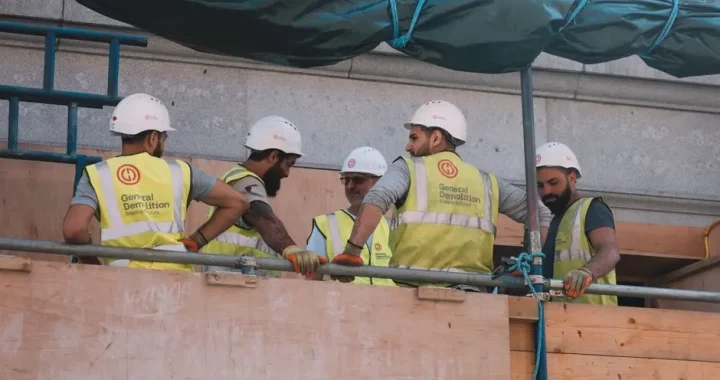
Group of construction workers in safety gear collaborating at a city construction site.

Understanding Contractor Liability Insurance

Contractor liability insurance protects your business from claims of property damage, bodily injury, or other accidents that occur during work. It’s designed to cover legal fees, medical payments, and any settlements or judgments that may arise from such claims.

Many contractors mistakenly perceive that insurance is only necessary for large projects. However, even seemingly small mishaps can escalate, leading to significant financial obligations. For instance, if a tool is accidentally dropped and injures a passerby, or if work-related activities inadvertently damage property, contractor liability insurance can provide essential financial protection.

Why Small Projects Aren’t Exempt from Liability

Even small projects can have unexpected complications. Accidents can happen, such as a tool causing damage to a client’s property or a bystander getting injured. These incidents can lead to costly claims that could severely affect a contractor’s finances without proper insurance.

Take into account that small projects, while limited in scope, occur in a variety of environments that may present hazards. An uneven floor, bad weather, or even existing structural problems can increase the risk of incidents. It’s crucial to anticipate potential liabilities and be prepared.

Clients tend to expect a certain level of professionalism and reliability, even for small projects. Proof of contractor liability insurance can enhance a client’s confidence in your services, potentially giving you an edge in a competitive market.

Assessing the Risks Involved in Small Projects

Consider the nature of your project work, the likelihood of accidents, and the potential financial impact of a claim. Project size doesn’t necessarily correlate with risk levels, and it’s vital to weigh these factors before deciding on insurance coverage.

To properly assess risks, analyze each step of your process to identify potential hazards. A straightforward assessment can highlight overlooked danger points, like the potential for slip-and-fall scenarios or tool mishandling.

In the end, a thorough risk assessment can clarify whether the cost of insurance is justifiable compared to the risks your small project involves. While you might get through most projects unscathed, it’s that one-in-a-thousand scenario where insurance provides invaluable protection.

Cost vs. Benefit of Insurance for Small Projects

Although it may seem like an added expense, the cost of contractor liability insurance can be minimal compared to the expenses associated with a lawsuit or claim. Evaluating the cost of insurance versus the potential financial fallout without it is crucial for every contractor.

Additionally, insurance can be viewed as an investment rather than a cost. It secures your reputation, shows potential clients your commitment to safety and professionalism, and can even sometimes lead to lower premiums over time through a no-claims discount.

Incorporating the cost of insurance into your pricing strategy can help mitigate the financial burden. Clients typically understand the necessity of such coverage, especially when framed as a measure ensuring their project’s smooth execution.

Some clients or projects may require proof of contractor liability insurance as part of the agreement. Ensure you understand these legal or contractual obligations to avoid any breaches that might hinder your business.

In addition to protecting your business, holding the right insurance can be a legal prerequisite. Whether for compliance with industry standards or meeting client expectations, staying informed about liability insurance mandates ensures you won’t miss out on potential project opportunities.

Consulting with a knowledgeable insurance provider can help you navigate legal requirements and ensure your coverage meets all necessary obligations.

Conclusion: A Wise Investment for Peace of Mind

While small projects might seem low-risk, contractor liability insurance can be a crucial safeguard against unforeseen incidents. By understanding what it covers and weighing the potential risks, you can make an informed decision that protects your business and provides peace of mind.

About BGES Group

Running a business is challenging enough without having to spend valuable time dealing with insurance issues. At BGES Group, we make insurance simple by providing responsive, personalized service and helping you secure the right coverage at competitive rates. With more than 45 years of industry experience and access to over 25 top-rated insurance carriers, we take the time to understand your business and design insurance solutions that protect your company, employees, assets, and future—without paying for coverage you don’t need.

Our clients appreciate having one dedicated insurance professional, fast certificate processing, prompt answers, and direct access to a real person when they call. We proactively solve problems before they become costly, help control insurance expenses, and provide expert guidance on Workers’ Compensation, General Liability, Commercial Auto, Umbrella Liability, and other business insurance needs. Our goal is simple: make insurance one less thing for you to worry about while providing the peace of mind that comes from knowing an experienced professional is looking out for your business.

Contact BGES Group Insurance Services

Gary Wallach, President
Licensed in New York, New Jersey & Connecticut

📞 (914) 806-5853
✉️ bgesgroup@gmail.com
🌐 www.bgesgroup.com


12 Strategies for Reducing Costs with Cheap Workers Compensation Insurance

Navigating the world of workers compensation insurance can seem daunting, especially when you’re trying to keep costs in check. Fortunately, there are several strategies that can help you manage these expenses without compromising on quality. In this guide, we will explore some practical approaches that make securing affordable workers compensation insurance a reality.

1. Understanding and Assessing Risks

The first step in reducing costs is understanding the specific risks associated with your industry. Conduct a thorough risk assessment to determine the coverage you truly need. This involves analyzing past claims and identifying potential hazards unique to your industry. By doing so, you can tailor your insurance policy to cover only the most relevant risks. Remember, purchasing unnecessary coverage can lead to inflated premiums that burden your business financially.

Once you’ve identified the primary risks, it becomes easier to search for policies that address those specific areas. Insurers appreciate informed clients who know what they want, and this can often lead to better deals. Don’t forget to revisit this assessment periodically as your business grows and evolves, ensuring that your coverage remains aligned with your current needs.

2. Shop Around for Different Quotes

It’s vital to compare quotes from various insurers before making a decision. Different companies assess risk differently, leading to varying quotes. To facilitate this process, consider using online comparison tools that allow you to quickly and effectively contrast the offerings of different insurers. Remember, the most expensive policy isn’t always the best, and the cheapest option may not offer adequate coverage, so finding a balance is key.

3. Utilize Online Tools and Calculators

Make use of online resources to estimate coverage needs and potential costs. These tools can provide a baseline for comparing insurance options. For example, using a workers compensation cost calculator can give you an initial understanding of what to expect when it comes to expenses. Armed with this information, you can have more informed discussions with potential insurers, ensuring you’re not overpaying or underinsured.

4. Implement Safety Training Programs

Enhancing workplace safety can significantly reduce the frequency of claims, often qualifying you for reduced premiums. Consider implementing comprehensive safety training programs that empower employees to work safely and responsibly. These programs not only foster a culture of safety but also demonstrate to insurers your commitment to risk management, potentially leading to even greater savings.

Safety training doesn’t have to be a dry subject. Engaging sessions that are interactive and customized to your workplace’s specific challenges tend to yield the best results. Companies with vibrant safety cultures often see decreases in workplace incidents, and as a result, enjoy lower workers compensation costs.

5. Review and Update Your Policy Regularly

Ensure your coverage aligns with your current business needs and eliminate unnecessary extras to minimize costs. Businesses change, and so do their insurance needs. Regularly reviewing your policy ensures that you’re not paying for coverage you no longer need. Additionally, an annual policy review might uncover new opportunities for discounts that weren’t available the year before due to changes in your business operations or size.

6. Consider Higher Deductibles

Opting for a higher deductible can lower your premiums. Assess whether your business can afford a larger deductible in exchange for reduced annual costs. This strategy requires a careful analysis of your financial capacity to cover higher costs in the event of claims, balanced against the potential savings on premiums. It’s a trade-off between risk and financial predictability. Discussing this option with a financial advisor might provide further clarity.

7. Negotiate with Your Current Provider

Insurers may offer discounts to maintain your business. It never hurts to negotiate terms with your existing provider for better rates. If your record of claims is low and you’ve been a loyal customer, use this as leverage to request a more favorable rate. Additionally, if you’ve received more competitive quotes from other insurers, make your provider aware to see if they can match or beat those prices.

Don’t shy away from asking your provider about any available loyalty discounts or benefits for clients with long-standing contracts. You might find there are previously unmentioned savings that can be unlocked simply by inquiring.

8. Bundle Insurance Policies

Consider bundling your workers compensation insurance with other policies you need. Providers often offer discounts for bundled packages. This could include combining general liability, property insurance, and workers compensation under one umbrella policy. By consolidating these coverages, not only could you save money, but you’ll also simplify your premium payments and claims processing.

9. Use Experience Modification Rate Strategies

Understand how your EMR can impact costs and take measures to lower it, such as improving safety standards to reduce claims. Your Experience Modification Rate (EMR) reflects your historical losses compared to the average losses of other companies in your industry. A lower EMR can lead to lower premium costs, so investing in safety improvements is a prudent financial move.

10. Invest in Ergonomic Office Equipment

Preventing workplace injuries can lead to fewer claims. Investing in ergonomic equipment can enhance worker safety and comfort. Items like adjustable chairs, desks, and keyboard stands might seem like minor expenses, but they can significantly reduce injuries and improve productivity. By prioritizing ergonomic solutions, you foster a healthier work environment, reducing the number of claims related to musculoskeletal injuries.

11. Promote a Return-to-Work Program

Encouraging a solid return-to-work program can help manage and mitigate claim costs, benefiting both employer and employee. Such programs focus on getting injured employees back to work as soon as they’re medically able, often in a modified capacity if necessary. This not only saves costs associated with long-term disability but also boosts morale among employees who feel supported by their employer.

12. Engage an Insurance Broker or Consultant

A professional can offer expert advice tailored to your specific business needs, helping you find the most cost-effective insurance solutions. Brokers possess an in-depth understanding of the insurance landscape and can navigate complex policy options to find the best fit for your company. Their expertise can uncover hidden discounts or untapped cost-saving measures, making their services a valuable investment in securing cheap workers compensation insurance.

About BGES Group

Running a business is challenging enough without having to spend valuable time dealing with insurance issues. At BGES Group, we make insurance simple by providing responsive, personalized service and helping you secure the right coverage at competitive rates. With more than 45 years of industry experience and access to over 25 top-rated insurance carriers, we take the time to understand your business and design insurance solutions that protect your company, employees, assets, and future—without paying for coverage you don’t need.

Our clients appreciate having one dedicated insurance professional, fast certificate processing, prompt answers, and direct access to a real person when they call. We proactively solve problems before they become costly, help control insurance expenses, and provide expert guidance on Workers’ Compensation, General Liability, Commercial Auto, Umbrella Liability, and other business insurance needs. Our goal is simple: make insurance one less thing for you to worry about while providing the peace of mind that comes from knowing an experienced professional is looking out for your business.

Contact BGES Group Insurance Services

Gary Wallach, President
Licensed in New York, New Jersey & Connecticut

📞 (914) 806-5853
✉️ bgesgroup@gmail.com
🌐 www.bgesgroup.com


The $1 Million Mistake Many New York Contractors Make: Are Your 1099 Workers Really Covered Under Your General Liability Policy?

For many New York contractors, using 1099 workers has become a common way to meet labor demands while maintaining flexibility. Unfortunately, many contractors assume that simply issuing a worker a Form 1099 automatically makes that individual an independent contractor for insurance purposes. That assumption can be extremely costly.

One of the biggest misconceptions in the construction industry is that tax classification determines insurance coverage. In reality, your Commercial General Liability (CGL) insurance policy may view these workers very differently than the IRS or your accountant does.

Understanding how your insurance company classifies 1099 workers—and how your policy’s subcontractor warranty or “Hard Hammer” endorsement applies—could mean the difference between having a claim paid or having coverage denied.

Does a 1099 Automatically Make Someone an Independent Contractor?

The answer is no.

A Form 1099 is simply a tax reporting document. It does not determine whether someone is considered an employee or an independent contractor under your Commercial General Liability policy.

When evaluating a claim, insurance companies often look at the actual working relationship between the contractor and the worker. Factors may include:

  • Who controls how the work is performed.
  • Who supplies the tools and equipment.
  • Whether the worker performs services exclusively for one contractor.
  • Whether the worker has their own business.
  • Whether the worker carries their own insurance.
  • Whether the worker hires and supervises their own employees.

Depending on these facts, a carrier may determine that a 1099 worker is actually functioning as your employee or, alternatively, as an uninsured subcontractor.

Why This Matters

Many contractors purchase insurance without fully understanding the endorsements attached to their policy.

One endorsement that has become increasingly common in the New York construction market is the Hard Hammer Subcontractor Warranty.

While the wording varies among insurance companies, these endorsements generally require that every subcontractor satisfy specific insurance requirements before beginning work.

If those requirements are not met, the insurance company may significantly reduce or completely eliminate coverage for claims arising out of that subcontractor’s work.

Article content

What Is a Hard Hammer Subcontractor Warranty?

A Hard Hammer endorsement is designed to transfer risk from the insurance company back to the insured contractor.

To comply with many of these endorsements, contractors are typically required to obtain documentation from every subcontractor before work begins.

Common requirements include:

  • A signed written subcontract or hold harmless agreement executed before work starts.
  • Proof that your company has been added as an Additional Insured.
  • Additional Insured status provided on a Primary and Non-Contributory basis.
  • A Waiver of Subrogation in your favor.
  • Commercial General Liability limits of at least $1,000,000 per occurrence (or higher if required).
  • Active Workers’ Compensation insurance.
  • Certificates of Insurance verifying the required coverages.

If even one of these requirements is missing, your policy’s Hard Hammer endorsement may be triggered.

What Happens if Your 1099 Worker Is Considered an Independent Contractor?

This is where many contractors encounter serious problems.

Suppose you hire a 1099 worker to perform framing work on one of your projects.

You never execute a written subcontract.

You never obtain a certificate of insurance.

You never require Additional Insured status.

There is no Primary and Non-Contributory wording.

No Waiver of Subrogation is obtained.

The worker has no Workers’ Compensation policy.

Several months later, property damage or bodily injury occurs arising out of that worker’s operations.

If your insurance carrier determines that the individual was actually an independent contractor rather than your employee, they may conclude that your Hard Hammer endorsement has not been satisfied.

Depending upon the wording of your policy, this could result in:

  • Reduced coverage.
  • Higher deductibles or self-insured retention.
  • Limited defense obligations.
  • Denial of indemnity.
  • Complete denial of coverage for the claim.

Every policy is different, and coverage depends on the specific policy language, endorsements, facts of the claim, and applicable law. However, contractors should never assume that using a 1099 worker automatically satisfies their insurance requirements.

The Hidden Risk

Many contractors spend thousands of dollars purchasing liability insurance but unknowingly create coverage gaps by failing to properly document their subcontractors.

During audits or after a serious claim, insurance companies frequently request:

  • Written contracts.
  • Certificates of Insurance.
  • Additional Insured endorsements.
  • Hold Harmless Agreements.
  • Workers’ Compensation documentation.

If these records cannot be produced, questions may arise regarding whether the subcontractor warranty has been satisfied.

Waiting until after a claim occurs is far too late.

Best Practices for New York Contractors

Whether you hire one subcontractor or one hundred, every contractor should establish procedures before anyone begins work.

Consider implementing the following practices:

  • Require written contracts before work starts.
  • Obtain certificates of insurance before workers arrive on the job.
  • Verify that Additional Insured endorsements have actually been issued—not merely promised.
  • Confirm Primary and Non-Contributory wording.
  • Obtain Waivers of Subrogation where required.
  • Verify active Workers’ Compensation coverage.
  • Review liability limits to ensure they meet your contractual requirements.
  • Keep organized electronic records for every subcontractor.

These simple administrative steps can help protect your company if a claim arises.

Don’t Assume—Know What Your Policy Requires

Every Commercial General Liability policy is different.

Some policies contain soft subcontractor warranties while others contain much stricter Hard Hammer endorsements. The exact wording of the endorsement can dramatically affect how coverage is applied following a claim.

Because of this, contractors should have their policies reviewed by an insurance professional who understands New York construction risks and can identify potentially dangerous endorsements before a loss occurs.

Spending a few minutes reviewing your policy today may save your business hundreds of thousands—or even millions—of dollars in uncovered claims tomorrow.

About BGES Group

At BGES Group, we specialize in insurance solutions for New York contractors. With more than 45 years of insurance experience, we understand the unique risks facing the construction industry, including subcontractor compliance, Commercial General Liability, Workers’ Compensation, Builders Risk, Umbrella Liability, Commercial Auto, and contractor-specific insurance requirements.

Our goal is not simply to sell an insurance policy—we help contractors understand what their policies actually cover and identify potentially dangerous exclusions and endorsements before they become expensive problems.

If you’re unsure whether your current policy contains a Hard Hammer subcontractor endorsement, or you’d like a second opinion on your insurance program, we’d be happy to review it with you.

Gary WallachBGES Group

Phone: 914-806-5853

Email: bgesgroup@gmail.com

Website: www.bgesgroup.com

Disclaimer: This article is for general informational purposes only and is not legal or insurance coverage advice. Insurance coverage depends on the specific policy language, endorsements, facts of each claim, and applicable law. Contractors should consult with their insurance professional and legal counsel regarding their specific circumstances.

Understanding Window Installation Insurance for Contractors in New York

Navigating the world of insurance can be overwhelming, especially for window installation contractors working in New York. Ensuring you have the right coverage can safeguard your business against unforeseen events. In this blog, we’ll break down what window installation insurance entails, why it’s crucial, and how you can obtain it as a New York contractor.

A modern green house under construction with blue skies and workers outside.

Why Window Installation Insurance is Essential

Window installation can be fraught with risks, from accidental damage to client property to worker injuries on site. Insurance provides financial protection and peace of mind, ensuring that any mishaps don’t turn into crippling expenses for your business. In the bustling environment of New York, where construction and renovations are ongoing, having window installation insurance is not just a recommendation but a necessity. It covers a broad spectrum of potential issues, such as damage to expensive glass panels during transportation or installation. Moreover, insurance supports your business by mitigating liabilities associated with structural mishaps that may occur during a project. Such protection is crucial, as the costs arising from these incidents can be substantial, sometimes even threatening the viability of your contracting business.

Another compelling reason to secure window installation insurance is the trust it builds with your clients. Homeowners and businesses alike prefer to work with contractors who are fully insured, seeing it as a mark of professionalism and responsibility. When clients know that you’re covered, it instills confidence and can even be a pivotal factor in choosing your services over those of an uninsured competitor. This trust can lead to positive word-of-mouth referrals, further enhancing your reputation in the industry.

Types of Coverage to Consider

Different types of insurance cover different risks. General liability, workers’ compensation, and professional liability insurance are among the most important for window installation contractors. Each of these plays a unique role in shielding your business from specific liabilities. For instance, general liability insurance covers incidents like accidental property damage or bodily injuries to third parties caused during your work. This is particularly crucial for contractors who work on high-rise buildings or urban sites, where the risk of accidents is higher.

Workers’ compensation insurance is mandated in almost all states, including New York, offering protection to both you and your employees. It covers medical expenses and lost wages for workers who are injured on the job, thus providing crucial financial support and peace of mind to your workforce. This type of insurance is not only a legal requirement but also a moral obligation for responsible business owners, showing that you care about the well-being of your team.

Professional liability insurance, also known as errors and omissions insurance, protects against claims of negligence or failing to perform professional services adequately. This includes cases where advice or guidance provided by your team led to financial loss or physical damage. Having this coverage can be a deciding factor in managing risks associated with larger scale, complex projects where project specifications and requirements might change frequently.

New York state has specific legal requirements when it comes to insurance for contractors. Understanding these requirements not only keeps your business compliant but also protects you from hefty fines or legal issues down the road. The state mandates that all businesses with employees must carry workers’ compensation, disability insurance, and in many cases, general liability insurance. As a contractor, failing to meet these obligations can lead to costly penalties and even jeopardize your ability to operate.

To effectively navigate these requirements, it’s beneficial to consult with an insurance broker who specializes in contractor insurance in New York. They can help ensure that your insurance policy is not only compliant but also aligns with the specific risks associated with your field. Additionally, staying informed about any changes in state laws or regulations is essential, as these could impact your insurance coverage requirements. Partnering with a knowledgeable broker can provide you with ongoing guidance, ensuring your business remains protected at all times.

Tips for Choosing the Right Insurance Provider

Selecting the right insurance provider can make all the difference. Look for insurers who specialize in contractor insurance and understand the unique challenges of working in New York. Comparing rates and coverage options can help you make an informed decision. Speak to other contractors about their experiences with insurance providers to gain insights into the quality of service and support offered.

When choosing an insurance provider, consider their financial stability and customer service reputation. An insurer with a strong financial footing is more likely to be able to pay out claims promptly and handle large claims effectively. Similarly, a company with a reputation for excellent customer service can make the process of managing claims and adjusting coverage less stressful during difficult times. Look for providers who offer customizable policies, allowing you to tailor the coverage specifically to your business needs. This flexibility can prove invaluable as your contracting business grows and evolves over time, ensuring continued protection against new and emerging risks.

Securing Your Business with the Right Insurance

In summary, having comprehensive window installation insurance is a vital part of running a successful contracting business in New York. It protects both your company and your clients, fostering trust and allowing you to focus on delivering quality work. By understanding the types of coverage available and complying with state requirements, you can ensure your business is well-protected.

About BGES Group

Running a business is challenging enough without having to spend valuable time dealing with insurance issues. At BGES Group, we make insurance simple by providing responsive, personalized service and helping you secure the right coverage at competitive rates. With more than 45 years of industry experience and access to over 25 top-rated insurance carriers, we take the time to understand your business and design insurance solutions that protect your company, employees, assets, and future—without paying for coverage you don’t need.

Our clients appreciate having one dedicated insurance professional, fast certificate processing, prompt answers, and direct access to a real person when they call. We proactively solve problems before they become costly, help control insurance expenses, and provide expert guidance on Workers’ Compensation, General Liability, Commercial Auto, Umbrella Liability, and other business insurance needs. Our goal is simple: make insurance one less thing for you to worry about while providing the peace of mind that comes from knowing an experienced professional is looking out for your business.

Contact BGES Group Insurance Services

Gary Wallach, President
Licensed in New York, New Jersey & Connecticut

📞 (914) 806-5853
✉️ bgesgroup@gmail.com
🌐 www.bgesgroup.com


Why Is Choosing the Best Contractor Insurance Essential for Your Business?

In the ever-evolving world of contracting, ensuring that your business is protected with the right insurance coverage is a critical consideration. Contractor insurance not only safeguards your financial well-being but also enhances your credibility in the industry. Let’s delve into why choosing the best contractor insurance is essential for your business.

Two engineers in hardhats discuss projects at a busy construction site.

Understanding Contractor Insurance Basics

Contractor insurance is designed to protect contractors against potential liabilities and claims that may arise during their work. It includes coverage types like general liability, worker’s compensation, and commercial auto insurance.

At its core, contractor insurance acts as a safety net. Imagine working on a construction site; accidents can happen at any time, whether it’s damage to a client’s property or an injury to one of your employees. That’s where general liability comes into play. This type of coverage protects you from claims related to third-party injuries and property damage. Additionally, worker’s compensation is vital to cover medical expenses and wage loss for employees injured on the job.

Commercial auto insurance is another essential component, especially if you have vehicles that are fundamental to your contracting business. It covers the costs of accidents involving company vehicles, which could otherwise be a massive financial burden. The importance of these coverage types cannot be overstated, as they form the foundation for protecting your financial assets and supporting your operation’s continuity.

Why Your Business Needs the Best Coverage

The best insurance coverage ensures that your business is protected against the unique risks it faces, from on-site accidents to property damage or even litigation. Having comprehensive insurance enhances your business’s reputation and credibility with clients.

Selecting the best insurance is not just about ticking off a requirement; it’s about securing your brand’s integrity and trustworthiness. Clients tend to choose contractors who can assure them of minimized liability. By maintaining well-rounded insurance, you are demonstrating a responsible business ethos, which can lead to stronger client relationships and more opportunities for high-value projects.

Moreover, the competitive edge received from having robust insurance cannot be overlooked. Striking a partnership with clients can be much smoother when they know your business is fully insured. This assurance can often be the deciding factor between you and another contractor who may not have the necessary protection.

Identifying Essential Insurance Components

Evaluate the essential components that should be part of your contractor insurance policy, such as general liability, professional liability, and equipment coverage. Understanding these components helps you tailor the coverage to match your business needs.

General liability insurance covers a broad array of potential risks, but tailoring your insurance policy to include professional liability offers coverage for errors and omissions in your service. This becomes crucial if your expertise or advice leads to financial harm to a client. It’s also important to consider tools and equipment coverage, especially if your business depends heavily on specialty equipment. This ensures that in the event of damage or theft, your project timelines won’t be derailed.

By understanding common risks contractors face, you can better align your insurance policy with the needs of your business. It’s essential to regularly review these components to ensure all potential vulnerabilities are mitigated with the appropriate coverage.

Evaluating Insurance Providers

Choosing a reliable insurance provider is crucial. Look for factors like reputation, customer service, coverage options, and financial stability. Reading reviews and asking for recommendations can help in making an informed choice.

Don’t underestimate the value of a thorough background check on potential insurance providers. A provider’s reputation can indicate the quality of service you will receive. Additionally, customer service must be a priority, as you may need prompt assistance and support when dealing with claims. Always prioritize a provider who values transparency and clear communication.

It’s also prudent to look at the provider’s financial stability, as this impacts their ability to pay out claims. Utilize resources like AM Best and Moody’s ratings to get an overview of their financial health. This comprehensive approach to selecting a provider ensures your trust is well-placed and that your business remains protected.

Regularly Reviewing Your Coverage

Regular evaluation of your insurance coverage helps ensure it remains adequate as your business grows and evolves. Adjusting your policy as necessary safeguards your business against new risks and changes in the industry.

In the bustling world of contracting, changes are constant. Whether you’re expanding your service offerings or moving into a new market, these shifts necessitate an updated insurance review. A review might reveal the need for additional coverage, ensuring you aren’t exposed to emerging risks or industry-specific liabilities.

Staying proactive about your insurance needs is part of good business practice. It reflects an understanding of the dynamic nature of the contracting industry and ensures you remain one step ahead in your risk management strategies. To gain more insight into maintaining optimal coverage, you might consider exploring resources that delve into key factors affecting insurance needs.

Protect Your Business with the Right Contractor Insurance

Choosing the right contractor insurance is a crucial investment for the longevity and success of your business. With the right coverage, you not only protect your assets but also gain peace of mind knowing that your business is safeguarded against unforeseen events. Evaluate your options carefully and select an insurance policy that aligns with your business needs and goals. Discover more about how we can assist you in finding the perfect insurance coverage by visiting BGES Group.

About BGES Group

Running a business is challenging enough without having to spend valuable time dealing with insurance issues. At BGES Group, we make insurance simple by providing responsive, personalized service and helping you secure the right coverage at competitive rates. With more than 45 years of industry experience and access to over 25 top-rated insurance carriers, we take the time to understand your business and design insurance solutions that protect your company, employees, assets, and future—without paying for coverage you don’t need.

Our clients appreciate having one dedicated insurance professional, fast certificate processing, prompt answers, and direct access to a real person when they call. We proactively solve problems before they become costly, help control insurance expenses, and provide expert guidance on Workers’ Compensation, General Liability, Commercial Auto, Umbrella Liability, and other business insurance needs. Our goal is simple: make insurance one less thing for you to worry about while providing the peace of mind that comes from knowing an experienced professional is looking out for your business.

Contact BGES Group Insurance Services

Gary Wallach, President
Licensed in New York, New Jersey & Connecticut

📞 (914) 806-5853
✉️ bgesgroup@gmail.com
🌐 www.bgesgroup.com