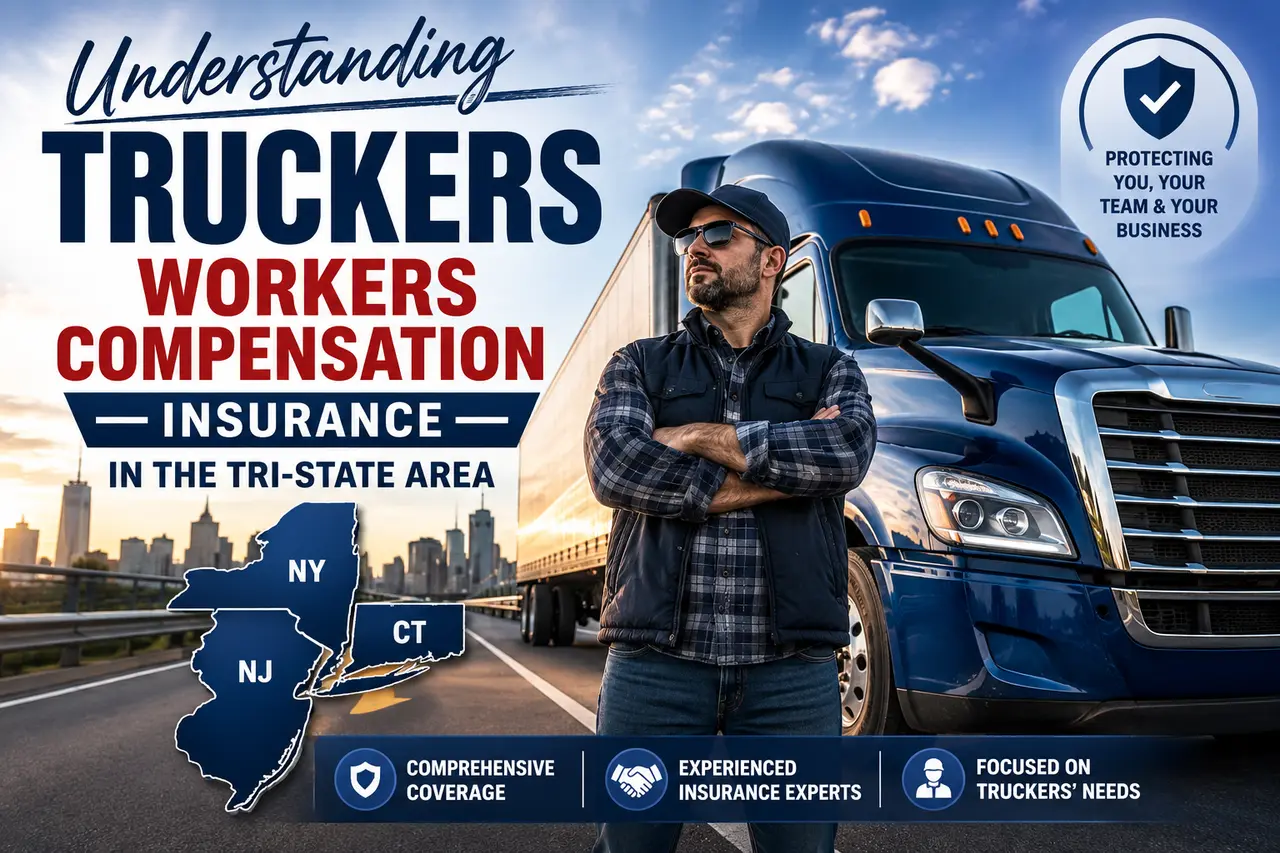
Navigating the world of truckers workers compensation insurance can be daunting, especially if you’re operating in the bustling Tri-State Area. With a unique set of challenges and regulations, it’s crucial for truckers and their employers to have a clear understanding of their options and responsibilities.
The Importance of Workers Compensation Insurance for Truckers
Workers compensation insurance is a safety net that provides truckers with financial protection in case of injuries or illnesses sustained on the job. It’s essential for covering medical expenses and lost wages, offering peace of mind to both truckers and their employers.
In a high-risk profession like trucking, accidents can happen at any moment, whether it’s a slip-and-fall while securing a load or a road collision. Without workers’ compensation, truckers might find it difficult to manage medical bills or support their families during recovery. This insurance assures truckers that their health and financial stability are prioritized while they focus on recovery.
Beyond personal financial security, having robust workers compensation insurance is vital for business continuity. For fleet owners, minimizing downtime when a driver is injured is paramount. Insurance facilitates swift medical intervention, potentially allowing drivers to return to work more quickly.
Navigating the Tri-State Area: Unique Challenges and Considerations
The Tri-State Area—New York, New Jersey, and Connecticut—presents unique challenges for truckers and their insurers due to its dense population, heavy traffic, and strict regulations. Understanding regional laws and requirements is key to maintaining compliance and ensuring adequate coverage.
New York, for example, mandates specific coverage minimums and has distinct rules regarding compensation claims that differ from its neighboring states. Drivers unfamiliar with these nuances might find themselves unprotected if an incident occurs. Furthermore, navigating the congested arterial roads of New York City and nearby areas requires vigilance and sometimes, extended driving hours, increasing fatigue and risk.
Similarly, New Jersey’s industrial hubs pose specific challenges, requiring truckers to maneuver through highly trafficked docks and storage facilities. On the other hand, Connecticut, while less densely populated, offers its own set of regulations, particularly concerning insurance compliance for cross-border transit. Therefore, understanding these particularities is critical for ensuring both legal compliance and optimal protection.
Key Components of Truckers Workers Compensation Policies
A comprehensive workers compensation policy for truckers should include coverage for medical expenses, disability benefits, and rehabilitation services. Knowing these essential components can help in choosing the right plan and ensuring complete coverage.
Medical expenses coverage is fundamental. It addresses immediate treatment costs and, often, subsequent rehabilitation or therapy needs. In some policies, prescription drugs and necessary medical supplies are also covered. Disability benefits are another crucial component. They compensate for wage losses during recovery periods, differing by the degree and duration of disability; typically classified as total or partial.
Moreover, rehabilitation is not merely about physical recovery. Comprehensive compensation policies offer vocational rehabilitation, helping injured truckers acquire new skills or adapt existing ones, facilitating their reintegration into the workforce. Some advanced policies may also provide mental health support, reflecting an understanding of the psychological toll that accidents can impose on drivers.
Tips for Choosing the Right Insurance Policy
Selecting the right workers compensation insurance policy involves evaluating your specific needs, comparing different providers, and understanding the benefits and limitations of each option. It’s also wise to consult with industry experts to make more informed decisions.
Start by assessing the size and scope of your operations. Are you managing a single truck or a fleet? Smaller operators might find tailored packages more beneficial, while larger fleets could leverage bulk deals. Research various providers and scrutinize their reputations, claim processes, and customer service quality. Price is important but should never compromise the reliability and comprehensiveness of coverage. It’s also beneficial to regularly review your policy, ensuring it remains aligned with any changes in your operational needs or industry regulations.
Additionally, consider consulting industry groups or associations for recommendations. They often have insights into providers with excellent records in claims handling and customer satisfaction. Ultimately, choosing an insurance policy is not just about meeting minimum requirements but ensuring a partnership that supports your business’s resilience and growth.
How to Handle Claims and Disputes Effectively
Filing a claim efficiently and resolving disputes quickly are crucial for minimizing disruptions to a trucking business. Clear communication with insurance providers and understanding the claims process can significantly smoothen this aspect.
The first step in handling claims effectively is ensuring all incidents are documented promptly. This includes photographs of accidents, medical reports, and witness statements where applicable. The more comprehensive your documentation, the easier it will be to process claims.
Staying proactive by maintaining open channels of communication with your insurer can also prevent disputes. Regularly update them about any operational changes and seek clarity on ambiguous policy terms. If disputes arise, mediation or third-party arbitration can provide mutually agreeable solutions without the need for expensive litigation. Educating drivers about the claims process ensures they know their rights and responsibilities, promoting a transparent and expedited resolution process.
Protecting Truckers: A Final Word on Workers Compensation
Understanding truckers workers compensation insurance in the Tri-State Area is essential for ensuring the welfare of drivers and the smooth operation of transport businesses. By staying informed and taking proactive steps, everyone involved can benefit from a fair and supportive working environment. To learn more about how to protect your drivers and business, visit the homepage.
About BGES Group
Running a business is challenging enough without having to spend valuable time dealing with insurance issues. At BGES Group, we make insurance simple by providing responsive, personalized service and helping you secure the right coverage at competitive rates. With more than 45 years of industry experience and access to over 25 top-rated insurance carriers, we take the time to understand your business and design insurance solutions that protect your company, employees, assets, and future—without paying for coverage you don’t need.
Our clients appreciate having one dedicated insurance professional, fast certificate processing, prompt answers, and direct access to a real person when they call. We proactively solve problems before they become costly, help control insurance expenses, and provide expert guidance on Workers’ Compensation, General Liability, Commercial Auto, Umbrella Liability, and other business insurance needs. Our goal is simple: make insurance one less thing for you to worry about while providing the peace of mind that comes from knowing an experienced professional is looking out for your business.
Contact BGES Group Insurance Services
Gary Wallach, President
Licensed in New York, New Jersey & Connecticut
📞 (914) 806-5853
✉️ bgesgroup@gmail.com
🌐 www.bgesgroup.com