Navigating the world of insurance can be a daunting task, especially when you discover that your liability insurance doesn’t cover everything you assumed it did. One of the common misconceptions is that liability insurance will cover labor law claims. But is that really the case? Let’s dive into why your liability insurance might not extend to these claims and what you can do about it.
Understanding Liability Insurance: The Basics
Liability insurance is designed to protect businesses from claims involving injury or damage. However, its scope can be limited, especially when it comes to labor law claims. Understanding what liability insurance typically covers is the first step towards recognizing its limitations.
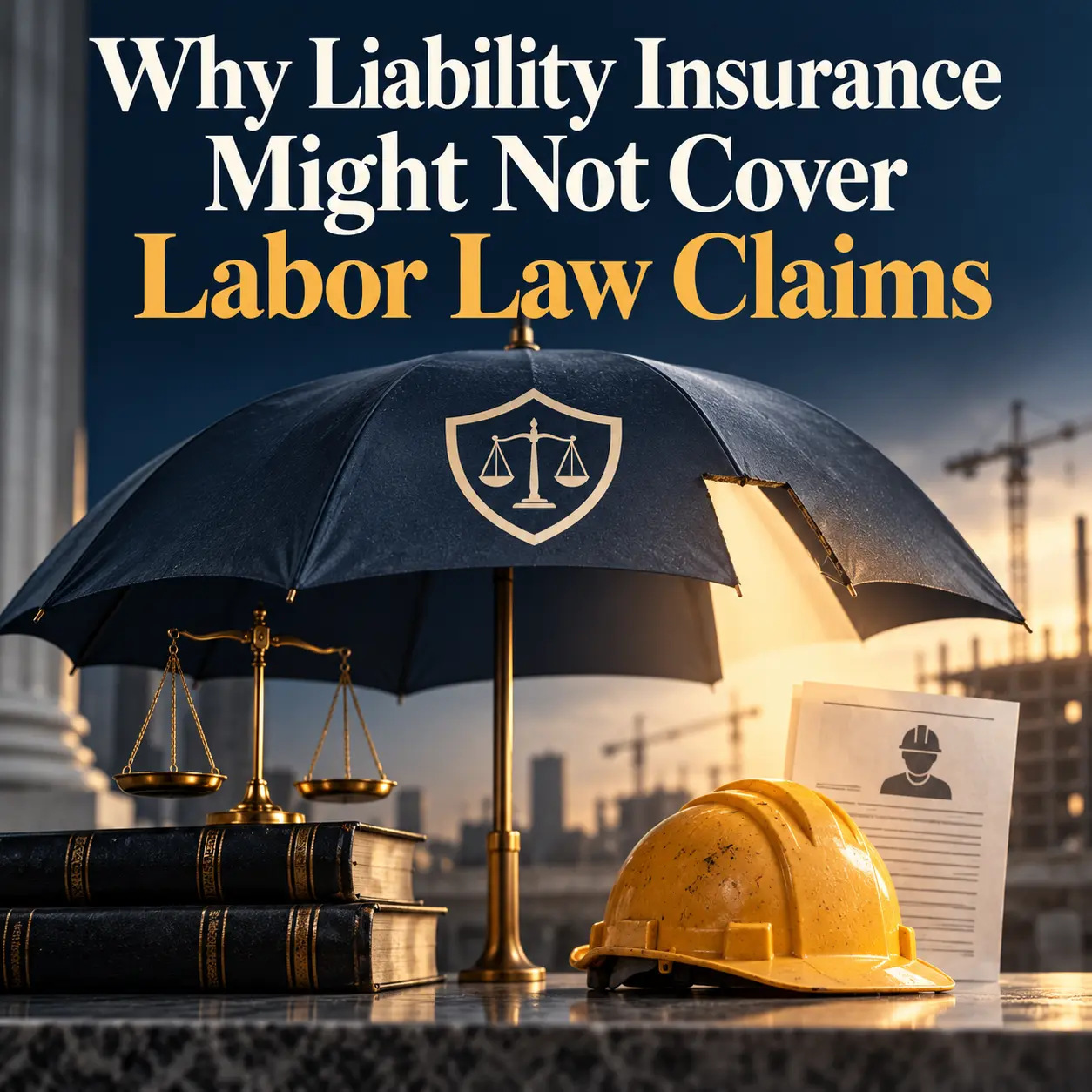
The fundamental purpose of liability insurance is to safeguard your business from unforeseen legal claims and financial burdens associated with them. Typically, this includes coverage for physical injuries incurred by third parties, property damage caused by your business operations, and a range of other legal challenges. However, as any seasoned business owner will tell you, having a basic liability policy is not the ultimate ticket to peace of mind. It’s akin to having an umbrella that shields you from rain but not from a hurricane.
This limitation is particularly evident when labor law claims are involved. Common events covered under standard liability policies might consist of accidents on your business premises or the unfortunate mishap of a product defect. Yet, the realm of employment disputes often demands a more nuanced approach. Issues stemming from employee treatment, whether perceived or actual, usually fall outside the parameters of general liability coverage.
Defining Labor Law Claims
Labor law claims usually arise from disputes over employment practices such as wrongful termination, discrimination, harassment, and wage and hour violations. These claims are often complex and require specialized coverage that general liability doesn’t provide.
Understanding the nature of labor law claims is crucial for any business seeking comprehensive protection. When employees feel marginalized, harassed, or unjustly handled, the resulting disputes often escalate into serious legal matters. For instance, an allegation of wrongful termination can stem from various circumstances where an employee believes their dismissal was driven by nefarious motives or breached contractual terms.
Claims of discrimination are prevalent and can be based on numerous personal identifiers such as race, gender, age, or disability. Given the potential for substantial settlements and reputational damage, these claims can strain businesses and highlight the importance of having appropriate insurance coverage. Similarly, harassment claims can surface in toxic workplace environments where employees are subjected to unwelcome behavior that affects their work performance or creates an intimidating atmosphere.
Why Liability Insurance Excludes Labor Law Claims
Most liability policies exclude labor law claims because they fall under employment practices liability, which is a separate risk category. Insurers view these claims as high-risk due to the potential for large settlements and legal fees.
The rationale behind excluding labor law claims from standard liability insurance is rooted in the unique nature of employment disputes. These claims often involve subjective interpretations of interactions, intents, and outcomes, making them inherently riskier for insurers. Unlike tangible damages where responsibility is clearer, labor law claims hinge on interpersonal relations and contractual obligations, factors that are notoriously difficult to quantify.
Exploring Employment Practices Liability Insurance (EPLI)
Employment Practices Liability Insurance (EPLI) is tailored to cover labor law claims. It provides protection against lawsuits from employees and helps cover legal costs. Understand the benefits of EPLI and how it complements your existing liability coverage.
Acquiring EPLI is a strategic move for businesses seeking to bridge the coverage gap left by standard liability practices. By including such a policy in your insurance portfolio, you enhance your defense against an array of labor-related claims, safeguarding your business’s financial health and reputation. EPLI’s focus on employment dynamics ensures that your coverage is both relevant and responsive to contemporary workplace environments.
Moreover, EPLI can act as a deterrent against frivolous claims. Knowing that the business is equipped with robust protection can dissuade potential claimants from pursuing unwarranted legal battles. Furthermore, in the event that you encounter a genuine labor dispute, having EPLI can also entitle your business to critical support services such as legal advice and representation, ensuring a comprehensive response to any challenges faced.
Steps to Ensure Comprehensive Coverage
To avoid gaps in coverage, businesses should assess their risks and consider additional policies like EPLI. Consulting with an experienced insurance broker can help you tailor a policy that effectively safeguards your business against labor law claims.
Embarking on comprehensive coverage calls for a proactive approach to identifying potential exposure. Begin by assessing the type of allegations your business might face based on the industry’s characteristics and your past personal experiences. Pay attention to the existing policies and their terminologies, as understanding these intricacies can be instrumental in shaping decisions and charting a path forward.
Frequent consultations with your legal and HR teams can yield invaluable insights into emerging trends and potential vulnerabilities. Additionally, engaging in regular training programs to educate employees on proper workplace conduct, anti-discrimination, and the importance of documentation can fortify your internal policies. Being clued in to employees’ well-being and maintaining transparent communication can preemptively ward off possible claims.
Ensuring Comprehensive Coverage: What’s Your Next Step?
Understanding why liability insurance may exclude labor law claims is crucial for effective risk management. By knowing what’s covered and what’s not, you can take proactive steps to ensure your business is protected from potential legal disputes. Consider speaking with an insurance advisor to tailor a policy that meets all your needs, and remember to keep abreast of the latest changes in labor law to stay compliant and safe.
About BGES Group
Running a business is challenging enough without having to spend valuable time dealing with insurance issues. At BGES Group, we make insurance simple by providing responsive, personalized service and helping you secure the right coverage at competitive rates. With more than 45 years of industry experience and access to over 25 top-rated insurance carriers, we take the time to understand your business and design insurance solutions that protect your company, employees, assets, and future—without paying for coverage you don’t need.
Our clients appreciate having one dedicated insurance professional, fast certificate processing, prompt answers, and direct access to a real person when they call. We proactively solve problems before they become costly, help control insurance expenses, and provide expert guidance on Workers’ Compensation, General Liability, Commercial Auto, Umbrella Liability, and other business insurance needs. Our goal is simple: make insurance one less thing for you to worry about while providing the peace of mind that comes from knowing an experienced professional is looking out for your business.
Contact BGES Group Insurance Services
Gary Wallach, President
Licensed in New York, New Jersey & Connecticut
📞 (914) 806-5853
✉️ bgesgroup@gmail.com
🌐 www.bgesgroup.com