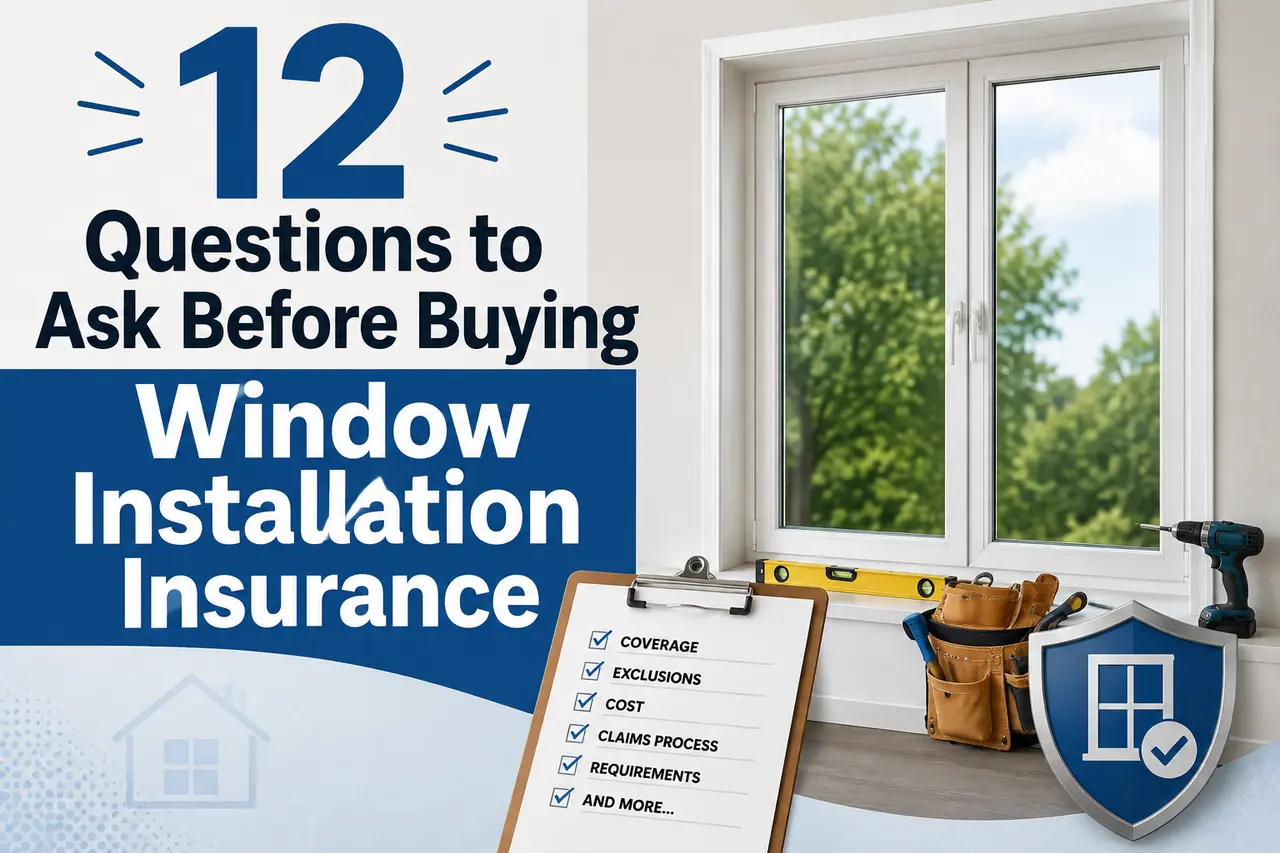
Choosing the right insurance for window installation can be a daunting task. With so many options to consider, it’s essential to know the right questions to ask to ensure you’re making an informed decision. In this listicle, we’ll guide you through the crucial questions to help you secure the best coverage for your needs.
1. What Does the Policy Cover?
Understanding the scope of your insurance policy is crucial. Ensure the policy provides coverage for all potential damages or liabilities related to window installation. This might include things like accidental damage to the windows during installation or injury to the installation team. It’s also vital to consider if the policy covers structural damage to your property that might occur during the process of installation. Always inquire deeply into the specifics of coverage, as general terms can sometimes mask the true extent of what an insurance policy includes. Knowing exactly what is covered can save you from unexpected costs in the future.
2. Are There Any Exclusions?
Every insurance policy comes with its exclusions. You should be aware of what circumstances or damages aren’t covered to avoid surprises later. Exclusions can often include pre-existing damages or wear and tear that occurs over time, which aren’t typically covered. Some policies might also exclude coverage for natural disasters unless specifically added to the policy. It’s important to ask the insurance provider for a clear explanation of exclusions, as this understanding will help prevent miscommunications and ensure you have the right expectations about what will be supported if you need to file a claim.
3. What is the Coverage Limit?
Check the maximum amount the insurance will pay out in the event of a claim. This will help determine if the coverage aligns with your project’s needs. Knowing your coverage limits is essential to assessing how protected you will be in worst-case scenarios. Sometimes, the financial repercussions of an incident might exceed the limit set by your policy, leaving you with a substantial out-of-pocket expense. To best protect your investment, evaluate whether the coverage limits are sufficient for both routine installations and larger scale or more complex window setups.
When examining coverage limits, it’s also beneficial to compare limits across different policies to ensure you’re getting the best deal for your needs. Some policies may appear similar at first glance but have significant differences in payout limits, which can be crucial during a claim. Therefore, conducting a thorough analysis is key to making a wise decision.
4. What Are the Premium Costs?
Knowing the cost of premiums is essential for budgeting. Compare different policies to ensure you’re getting a fair rate for the coverage provided. Insurance premiums can vary based on the extent of coverage, the insurer, and other factors, so it’s important to look at what you’re getting for your monthly or annual payment. When deciding, consider the balance between cost and benefit; the cheapest policy may not provide the thorough coverage you need, which could lead to more significant expenses should a claim arise. Therefore, it’s vital to find a policy that offers the best value for its price.
5. Is There a Deductible?
Find out if you’ll need to pay a deductible before the insurance kicks in. Understanding out-of-pocket costs is important for financial planning. Deductibles can significantly affect your cash flow, especially if a claim needs to be made quickly. In some cases, opting for a higher deductible might lower your premium costs, but this trade-off needs careful consideration based on your financial capability to cover that initial expense. As you review your policy options, consider both your current financial situation and potential future incidents that could require a claim.
6. How Easy is the Claim Process?
Inquire about the steps involved in filing a claim. A smooth and efficient process is crucial in the event of an incident. Insurers should be able to provide a clear outline of the claim process, including the necessary documentation and the expected timeframe for a response. Consider policies that offer streamlined digital claim filing options or dedicated customer support that can ease the burden when a claim needs to be filed. Understanding this process before you commit to a policy can prevent stress and confusion during what is already a trying time.
7. Are There Discounts Available?
Some companies offer discounts for bundling policies or installing safety features. Explore your options for potential savings. By combining different types of insurance—like liability and property insurance—you might receive a discounted overall rate. Additionally, installing advanced security measures on your property can not only protect against damage and theft but might also earn you a reduction in your insurance costs. Always ask your insurer about available discounts and actively seek ways to qualify for them as part of your negotiations.
8. Who is the Underwriter?
Research the insurance company or underwriter. A reputable company can provide peace of mind that claims will be handled fairly. Looking into customer reviews and ratings for these companies online can provide insight into their reliability and customer service. Try to find underwriters with a solid history and positive customer feedback, ensuring you are partnering with a company that’s trustworthiness is equal to the quality of service they offer. This research helps establish a partnership based on trust and reassurance.
9. How Long is the Policy Term?
Understand the duration of your coverage. Make sure it aligns with your needs or any specific project timelines you have in mind. Some projects may have extended timelines, making it essential that your insurance policy can cover the entire duration without requiring renewal. Check if the policy length is adaptable or if there are options to extend the coverage without significant cost increases. Evaluating the policy term allows for efficient planning and helps prevent gaps in coverage.
10. Are There Policy Renewal Terms?
Check what happens at the end of your policy term. Knowing renewal terms can prevent any lapse in coverage. Some policies automatically renew, while others may require action on your part to continue coverage. Understanding these terms ensures you remain continuously protected. Additionally, engaging with the insurer about potential changes in terms or costs upon renewal can prepare you better for any adjustments you might need to make to maintain coverage.
11. What About Customer Support?
Good customer support is invaluable. Verify that the provider offers reliable assistance when you need it. Immediate access to knowledgeable representatives can influence your overall satisfaction with your insurance provider, especially during emergencies. Evaluate their support systems, including the availability of online resources, chat support, and phone assistance, to ensure you can access help whenever necessary. This aspect of service is often overlooked but contributes significantly to the user experience.
12. Can the Policy Be Customized?
Your needs might be unique, and a one-size-fits-all policy may not be ideal. Ask about custom options to tailor the insurance to fit your specific requirements. Customization could involve adding specific coverage types to protect against unique risks associated with your installation techniques or business model. Working closely with a provider that values personalized attention can lead to more effective coverage and potentially significant long-term savings by only paying for what you genuinely need.
About BGES Group
Running a business is challenging enough without having to spend valuable time dealing with insurance issues. At BGES Group, we make insurance simple by providing responsive, personalized service and helping you secure the right coverage at competitive rates. With more than 45 years of industry experience and access to over 25 top-rated insurance carriers, we take the time to understand your business and design insurance solutions that protect your company, employees, assets, and future—without paying for coverage you don’t need.
Our clients appreciate having one dedicated insurance professional, fast certificate processing, prompt answers, and direct access to a real person when they call. We proactively solve problems before they become costly, help control insurance expenses, and provide expert guidance on Workers’ Compensation, General Liability, Commercial Auto, Umbrella Liability, and other business insurance needs. Our goal is simple: make insurance one less thing for you to worry about while providing the peace of mind that comes from knowing an experienced professional is looking out for your business.
Contact BGES Group Insurance Services
Gary Wallach, President
Licensed in New York, New Jersey & Connecticut
📞 (914) 806-5853
✉️ bgesgroup@gmail.com
🌐 www.bgesgroup.com