Contractors Love Their Spouses, Adore Their Pets, and Devour Their Food — But Not Always in That Order!

Let’s be honest — the life of a contractor isn’t exactly a relaxing spa day. It’s early mornings, late nights, job site surprises, and endless phone calls about whether the tile delivery has arrived (it hasn’t). But amidst all the chaos, what keeps contractors going? Is it the loyal spouse who reminds them to eat something other than gas station hot dogs? The trusty dog waiting by the door after a long day? Or the prospect of a giant, sauce-drenched Italian sub at lunchtime?

We decided to get to the bottom of this very scientific question: what do contractors prefer — their spouses, their pets, their food… or maybe, just maybe, all three?

Let’s break it down.

The Spouse: The Real Project Manager

Contractors might be the boss on the job site, but at home, it’s a different story. Behind every successful contractor is a spouse who’s part therapist, part scheduler, and part “you left your lunch on the counter again” reminder service.

Spouses of contractors know the drill:

• Listen to the 47-minute rant about the inspector who failed the footing.

• Accept that vacations will be rescheduled due to a “can’t miss” concrete pour.

• Pretend not to notice when their partner tracks drywall dust through the living room.

And yet — they’re always there, making sure the contractor remembers anniversaries, has a clean shirt for client meetings, and eats something green every once in a while.

In an informal survey we didn’t actually conduct, 8 out of 10 contractors admitted their spouse is the reason they haven’t been buried under a pile of unpaid invoices and fast food wrappers. The other two were too busy chasing a delivery truck down the street to respond.

Contractors’ Take:

“I couldn’t do what I do without my wife. She’s my bookkeeper, cook, and occasional hostage negotiator when the siding crew wants to walk off the job.”

Article content

The Pet: The True Emotional Support

Let’s face it — there’s nothing like coming home to a wagging tail or a purring cat after a day spent arguing with a client about paint colors. Contractors may act tough, but their pets see through the calloused hands and sunburned necks.

Whether it’s a dog, a cat, a parrot that swears like a sailor, or even a lizard named Larry, pets provide the kind of unconditional love contractors need after a rough day. They don’t care about change orders or OSHA fines. They care about belly rubs and snacks.

In fact, many contractors say their pets are their favorite job site companions. Dogs love to ride in the truck, inspect materials, and supervise lunch breaks. Some job sites even have “official mascots” — a job-site mutt who probably knows more about drywall than the new guy.

Contractors’ Take:

“I trust my dog to sniff out a crooked subcontractor before he even opens his mouth.”

The Food: The Real MVP

If you’ve ever tried to schedule a contractor for a 7 AM meeting, you know one thing: don’t even speak to them until they’ve had their bacon, egg, and cheese.

Contractors’ relationship with food is primal. It needs to be:

• Fast

• Portable

• Capable of being eaten one-handed while steering with the other

Job site lunches are sacred. Forget boring sandwiches — we’re talking about sausage and peppers from the corner deli, greasy pizza slices the size of hubcaps, and coffee so strong it could strip paint.

But ask any contractor what they look forward to most during a long day and it probably isn’t the spreadsheet back at the office. It’s the lunch truck showing up with a meatball sub that requires three napkins and a minor act of God to finish.

Contractors’ Take:

“I married my wife for her lasagna, and I stay married for it. God bless her.”

Article content

The Verdict: It’s a Three-Way Tie

At the end of the day, contractors don’t choose between their spouse, their pet, or their food. They need all three to stay sane.

• The spouse keeps the business running smoothly.

• The pet keeps them grounded.

• The food keeps them from passing out on a scaffold.

It’s a perfect ecosystem, much like a well-planned job site. Remove one element, and the whole operation falls apart.

Fun Fact: In a recent fake poll we made up for this article, 100% of contractors said they wouldn’t trade their dog for their lead carpenter, and 90% admitted to hiding snacks in their truck for emergency situations.

Enter BGES Group: The Fourth Essential Contractor Companion

While we can’t cook your lunch or walk your dog, BGES Group can make your life a whole lot easier when it comes to business insurance. And if there’s one thing every contractor loves more than a pepperoni pizza, it’s not having to stress about insurance coverage.

BGES Group is the Tri-State area’s construction insurance specialist, serving contractors in New York, New Jersey, and Connecticut.

We get it — your time is valuable, your risks are real, and your tolerance for nonsense is zero. That’s why we deliver:

Workers’ Compensation policies that won’t leave you eating ramen noodles.

General Liability and Excess Liability designed for tough trades like roofing, scaffolding, demolition, and street/roadwork.

Payroll and workers’ comp programs that can slash your costs by up to 30%.

Builders Risk policies that actually make sense.

Coverage for equipment, tools, vehicles, and more.

We specialize in making sure you’re properly covered so you can focus on what matters — your family, your dog, and that burrito you’ve been thinking about since 10 AM.

Get in Touch with BGES Group

Contact: Gary Wallach

📞 914-806-5853

📧 bgesgroup@gmail.com

🌐 http://www.bgesgroup.com

BGES Group — Construction Insurance is our trade, so you can focus on yours.

Closing Thought:

Whether you’re chasing your lunch truck, your dog, or your next big job, just remember — behind every great contractor is a spouse, a pet, a sandwich, and an insurance broker who’s got your back.

And we’re proud to be one of them.

Protect What You Build: 10 Crucial Coverages and Exclusions New York Contractors Must Have in Their Builder’s Risk Policy

In the high-risk world of construction, having a properly structured Builder’s Risk insurance policy isn’t optional — it’s essential. For New York contractors, navigating the nuances of these policies can be especially challenging given the state’s strict insurance requirements and unique risk exposures. An improperly written or incomplete policy can leave contractors exposed to devastating financial losses.

This article will break down the 10 most important coverages, exclusions, conditions, and restrictions that every New York contractor should be aware of in their Builder’s Risk policy. We’ll also explain the two common ways to structure payment for these policies. And if you’re looking for expert guidance, we’ll introduce you to a trusted resource for construction insurance in the Tri-State area.

🔨 Top 10 Crucial Builder’s Risk Coverages, Exclusions & Conditions for NY Contractors

1️⃣ Coverage for Property Under Construction

At its core, a Builder’s Risk policy must cover the building or structure under construction, including materials, supplies, and equipment on-site. Ensure the policy includes coverage for property while in transit and temporary storage off-site. Many claims are denied when materials en route to a job site aren’t properly covered — don’t overlook this.

2️⃣ Soft Costs Coverage

Soft costs refer to expenses like architect fees, permit fees, real estate taxes, loan interest, and advertising costs that continue to accrue or increase due to a project delay caused by a covered claim. Many contractors mistakenly assume these are automatically covered — they’re not unless specifically endorsed onto the policy.

3️⃣ Debris Removal & Pollution Clean-Up

Construction losses rarely involve only the repair of damaged property. Demolition and debris removal can be incredibly costly. Your policy should have an adequate debris removal sub-limit and include pollution clean-up expenses in the event of a covered peril causing contaminant discharge. Always check sub-limits here — some carriers restrict this to low amounts unless increased by endorsement.

Article content

4️⃣ Ordinance or Law Coverage

New York’s strict building codes can turn a simple loss into a regulatory nightmare. Ordinance or Law coverage ensures you have funds to cover demolition of undamaged portions of the building, increased costs due to code upgrades, and debris removal. Without this, a covered claim could leave you owing thousands for work required by updated codes.

5️⃣ Theft of Materials

One of the most common construction losses is the theft of building materials from a job site. Surprisingly, many Builder’s Risk policies either exclude theft entirely or limit it to forced entry situations. Make sure your policy specifically includes theft of materials from both the site and while in transit or stored off-site.

6️⃣ Exclusion for Employee Theft

While most policies cover theft by third parties, theft by employees is often excluded. If your crew or subcontractors have access to valuable materials or equipment, consider adding an endorsement to cover employee theft or purchasing a separate Crime policy.

7️⃣ Delay in Completion Coverage

Delays due to covered property damage can cause serious financial problems if contractual penalties, lost rents, or lost business income are involved. Delay in Completion coverage (often an endorsement) reimburses for lost income, rents, and extra expenses incurred due to construction delays stemming from a covered claim.

Article content

8️⃣ Subcontractor Insurance Requirements

Many Builder’s Risk policies include conditions requiring that all subcontractors maintain certain insurance limits (e.g., General Liability, Workers’ Compensation). Failure to enforce these can jeopardize your own coverage. Know your policy’s subcontractor insurance provisions and enforce them.

9️⃣ Permission to Occupy / Partial Occupancy

Construction projects are sometimes partially occupied before final completion. Most Builder’s Risk policies either terminate coverage or severely limit it once occupancy begins unless you notify the carrier and receive permission in writing. Confirm your policy includes a “Permission to Occupy” endorsement if this might occur.

🔟 Exclusion for Defective Workmanship

Virtually all Builder’s Risk policies exclude losses due to faulty workmanship, materials, or design. However, consequential damage resulting from these defects (like water damage from improperly installed roofing) may still be covered. Understand the extent of your workmanship exclusion and consider supplementing coverage with Contractor’s E&O or Faulty Workmanship endorsements where available.

💵 Two Ways to Structure Payment for Builder’s Risk Policies

Most Builder’s Risk policies in New York are structured as either:

1️⃣ One-Time, Upfront Payment

This is the most common method for ground-up construction projects. The contractor or project owner pays the entire premium for the term of the policy (typically 6, 9, or 12 months) before coverage begins. The advantage is simplicity and usually a slight cost saving compared to installment options.

2️⃣ Monthly Reporting Form

Ideal for contractors who build multiple projects throughout the year. You pay a deposit premium and then report monthly the total completed value of your projects, with the premium adjusted based on those reports. This keeps cash flow manageable and ensures you only pay for coverage when projects are active.

👷 Why Work with BGES Group: Construction Insurance Specialists

Navigating the complexities of Builder’s Risk insurance — especially in New York — requires expertise. That’s where BGES Group comes in. We specialize in insurance for contractors, developers, and construction professionals in the Tri-State area, including New York City, Long Island, Westchester, New Jersey, and Connecticut.

BGES Group has deep knowledge of:

Builder’s Risk

Commercial General Liability

Excess Liability

Workers’ Compensation

Contractor Equipment Insurance

• And more.

We work with the top insurance carriers for construction coverage and can tailor policies to fit your project’s unique risks. Whether you’re building a single-family home, a commercial high-rise, or a multi-unit development, BGES Group ensures your policies are complete, compliant, and competitively priced.

📞 Contact BGES Group Today

BGES Group

Construction Insurance Specialists

📱 Gary Wallach

📞 914-806-5853

✉️ bgesgroup@gmail.com

🌐 http://www.bgesgroup.com

✅ In Summary

A properly structured Builder’s Risk policy is one of the smartest investments a contractor can make. From soft costs to theft, ordinance coverage to subcontractor requirements, understanding your policy’s inclusions, exclusions, and restrictions can mean the difference between surviving a loss and going out of business.

Don’t leave your livelihood to chance. Contact BGES Group today and let us help you build a policy as solid as the structures you create.

Contractor Profit Playbook: 10 Proven Ways to Maximize Earnings — Plus a Bonus Benefit That Can Save You 30%

In today’s competitive construction industry, it’s not enough for contractors to just keep busy — profitability is the name of the game. Smart contractors don’t just work hard, they work smart. Managing jobs efficiently, cutting unnecessary expenses, and protecting your business from costly risks can mean the difference between barely breaking even and building lasting wealth.

If you’re a contractor looking to increase your margins and improve cash flow, here’s your go-to list of the 10 best ways to be as profitable as possible — plus a bonus tip that could put thousands of dollars back in your pocket.

🔧 1️⃣ Bid Strategically — Not Cheaply

One of the fastest ways to shrink profits is by underbidding jobs just to win them. Profitable contractors:

Know their numbers down to the penny.

• Include realistic labor, materials, overhead, and profit margins.

• Walk away from projects that don’t meet profitability standards.

Smart Move: Use estimating software and historical job cost reports to refine bids and protect margins.

🔧 2️⃣ Invest in Project Management Technology

Poor scheduling, miscommunication, and change order mistakes cost contractors thousands. Investing in project management apps like Procore, Buildertrend, or CoConstruct streamlines communication, tracks costs in real time, and prevents expensive mistakes.

Bonus: You’ll spend less time putting out fires and more time finding your next profitable job.

🔧 3️⃣ Build Strong Supplier Relationships

Material costs can make or break a job. Contractors who cultivate relationships with suppliers often get:

Better pricing

Priority delivery

Access to hard-to-get materials in emergencies

Consider locking in prices on bulk materials to shield yourself from market fluctuations.

Article content

🔧 4️⃣ Manage Labor More Efficiently

Labor is one of your biggest expenses — and the easiest to mismanage.

Profitable contractors:

• Hire reliable, skilled workers.

• Cross-train employees to perform multiple tasks.

• Use scheduling software to reduce downtime.

• Offer incentives for productivity and safety.

🔧 5️⃣ Stay on Top of Change Orders

Change orders can be goldmines — or profit killers.

Protect yourself by:

• Requiring all changes to be in writing.

• Pricing them fairly and promptly.

• Sticking to clear contract language about handling changes.

If you’re doing extra work without extra pay, you’re donating profits.

🔧 6️⃣ Monitor Job Costs Daily

Waiting until the end of a job to check costs is too late.

Track labor, material, and overhead expenses in real time so you can make immediate corrections. Job costing apps like Knowify or QuickBooks Contractor Edition can help identify problem areas before they destroy your margins.

🔧 7️⃣ Reduce Overhead Expenses

Lean companies are profitable companies.

Look for savings in:

• Office rent

• Insurance costs (more on that later)

• Equipment rentals

• Marketing and advertising

Every dollar cut from overhead is a dollar added to your bottom line.

Article content

🔧 8️⃣ Focus on Niche Markets

Specializing in a niche allows contractors to charge premium rates and avoid competing solely on price. Whether it’s luxury kitchen remodels, medical facility build-outs, or custom concrete work, becoming the go-to expert means better clients and higher margins.

🔧 9️⃣ Prioritize Safety

Job site accidents are not only dangerous — they’re expensive.

Smart contractors implement strict safety programs, regular toolbox talks, and pre-job safety meetings. A solid safety record keeps your workers’ compensation premiums low and prevents costly downtime from injuries or OSHA violations.

🔧 🔟 Protect Your Business with the Right Insurance

Nothing kills profitability faster than an uninsured claim or lawsuit.

Profitable contractors partner with insurance experts to secure:

• Workers’ Compensation

• General Liability

• Umbrella/Excess Liability

• Commercial Auto

• Builders Risk

• Equipment Coverage

Not only does this protect against job-stopping claims, but it also improves client confidence and contract eligibility.

🎁 🔧 Bonus Tip: Save Up to 30% with BGES Group’s Payroll, Workers’ Comp, and Group Health Program

Here’s where you can really turbocharge your profitability: BGES Group offers a payroll, workers’ compensation, and group health program that can save contractors up to 30% annually.

How it works:

Payroll services tailored for contractors, ensuring proper tax filings, certified payroll reports, and workers’ comp audits go smoothly.

Workers’ Compensation Pay-As-You-Go programs so you only pay for actual payroll, not estimated premiums. This improves cash flow and eliminates year-end surprises.

Group Health Insurance programs negotiated for construction companies, providing excellent coverage options at significantly reduced rates.

Contractors leveraging this program often see five-figure annual savings — money they can reinvest into equipment, marketing, or profit distributions.

🏢 Meet BGES Group — The Construction Insurance Specialists

For over 44 years, BGES Group has been the Tri-State area’s trusted advisor for contractor insurance programs. With a sharp focus on New York, New Jersey, and Connecticut construction businesses, they understand the unique challenges and risks of your trade.

✅ Why Contractors Choose BGES Group:

50+ Carrier Options: They shop your coverage with multiple carriers to get you the best rates.

Construction Industry Focus: From general contractors to specialty trades, BGES knows the exposures and coverage contractors need.

Claims Advocacy: If a claim occurs, BGES fights for fair settlements and helps control insurance costs.

Specialized Programs: Including workers’ comp for tough industries, umbrella policies, and the 30% savings payroll/health plan.

They don’t just sell policies — they become part of your business strategy.

📍 Serving the Entire Tri-State Construction Market

BGES Group proudly works with:

• General Contractors

• Roofing & Siding Contractors

• Demolition Companies

• Concrete & Masonry Firms

• Mechanical, Electrical, and Plumbing Contractors

…and all construction trades throughout New York, New Jersey, and Connecticut.

📞 Contact BGES Group Today

Office: Larchmont, NY 10538

Phone: (914) 806-5853 (ask for Gary Wallach)

Email: bgesgroup@gmail.com

Website: http://www.bgesgroup.com

If you’re a contractor looking to improve profitability, cut insurance expenses, and protect your business, BGES Group is the partner you’ve been waiting for.

📣 Final Thought

Profit isn’t about working harder — it’s about working smarter. By applying these 10 strategies and tapping into BGES Group’s exclusive payroll, workers’ comp, and group health program, contractors can dramatically improve their bottom line.

Your profits are built by the decisions you make today. Make this one count.

Why Scaffolding Insurance is Essential for Tri-State Area Construction Companies

In the bustling tri-state area, construction companies are constantly seeking ways to safeguard their projects and crews. Among the essential precautions, scaffolding insurance stands out as a vital component of a comprehensive risk management strategy. In this blog, we’ll explore why scaffolding insurance is critical for construction companies operating in this dynamic region.

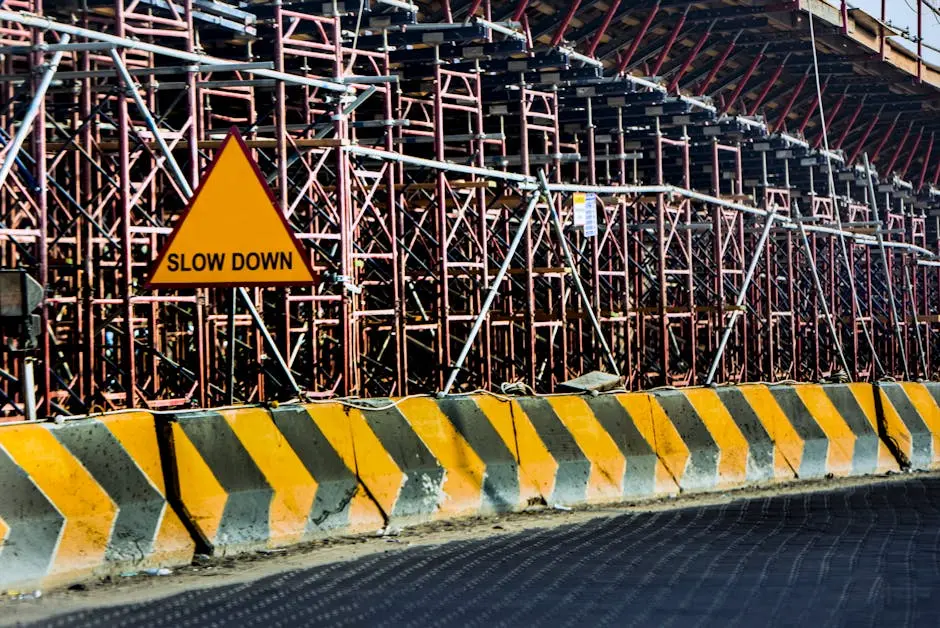
Construction site with a ‘Slow Down’ sign amid scaffolding in Kuwait.

Understanding the Unique Risks of Scaffolding in Construction

Scaffolding is an integral part of many construction projects, providing the necessary support for workers to perform tasks at height. However, it also introduces unique risks, including falls, structural collapses, and material damage. Understanding these risks is the first step in realizing the importance of scaffolding insurance.

Despite safety measures, accidents on scaffolding are not uncommon. For example, even with the most stringent checks, factors like poor weather conditions or faulty equipment can lead to unexpected incidents. Such incidents emphasize how vital it is for construction companies to integrate comprehensive measures like scaffolding insurance to protect against unforeseen situations. It ensures that any financial burdens resulting from these mishaps do not severely impact the company’s financial health.

Interestingly, a study revealed that about 65% of construction workers frequently use scaffolding. With such high usage, the propensity for accidents also escalates, reinforcing the need for robust safety frameworks supported by insurance. Scaffolding insurance acts as a safety net, allowing companies to focus on optimizing their construction processes without the constant worry of potential scaffolding-related disasters.

The Financial Implications of Scaffolding Accidents

Accidents involving scaffolding can lead to significant financial losses for construction companies. From medical expenses and legal fees to potential project delays, the costs can be substantial. Scaffolding insurance helps mitigate these financial impacts by covering the expenses related to accidents or incidents on site.

In worst-case scenarios, scaffolding accidents can lead to injuries that require long-term medical treatment. Without scaffolding insurance, these unforeseen medical expenses can quickly add up, putting a strain on a company’s financial resources. Furthermore, legal action may follow an accident, and the resulting legal fees can rise unexpectedly high. By investing in a comprehensive scaffolding insurance policy, construction companies can protect themselves from these financial burdens and continue operating smoothly.

In the tri-state area, construction companies must adhere to specific legal requirements and industry standards regarding scaffolding safety. Scaffolding insurance not only ensures compliance with these regulations but also provides coverage that meets the industry standards, protecting companies from potential legal liabilities.

The Occupational Safety and Health Administration (OSHA) provides detailed regulations on scaffolding safety. Compliance is not just a legal obligation but also a matter of reputation and responsibility. Construction companies that prioritize these standards are less likely to face legal penalties or project shutdowns. Investing in appropriate scaffolding insurance ensures that firms not only meet but often exceed these regulatory requirements, safeguarding both their workforce and their business interests.

Enhancing Worker Safety and Confidence

Ensuring the safety of workers is a top priority for construction companies. By having scaffolding insurance in place, businesses demonstrate their commitment to safety, which can boost worker confidence and morale, ultimately leading to a more productive and mindful workforce.

When workers know they are supported by comprehensive safeguards, their confidence in performing their tasks increases. Scaffolding insurance not only provides a financial backup in case of accidents but also symbolizes a company’s dedication to its employees’ well-being. This commitment to safety can improve job satisfaction, reduce turnover rates, and enhance overall productivity levels, creating a win-win situation for both the workers and the company.

Choosing the Right Scaffolding Insurance Policy

Selecting the appropriate scaffolding insurance policy is crucial for effective risk management. Construction companies should consider factors such as coverage limits, exclusions, and the reputation of the insurer. Consulting with insurance experts can help companies make informed decisions and ensure they have adequate protection.

Every construction company has unique needs based on project scope, location, and other factors. It’s essential to tailor the scaffolding insurance policy to fit these specific needs. Engaging with an insurance expert can provide clarity on options available and help businesses navigate through complex terms and conditions. Additionally, reviewing a provider’s track record and client feedback can significantly impact the choice, ensuring the insurance company is reputable and reliable when claims arise.

Protecting Your Construction Future with Scaffolding Insurance

In the fast-paced and risk-laden construction industry, having scaffolding insurance is not just a luxury but a necessity. It provides peace of mind, financial protection, and compliance with legal requirements, ensuring that construction businesses in the tri-state area can focus on building a safer and more secure future.

BGES Group is one of New York, New Jersey, and Connecticut’s Construction Insurance Specialists representing 50+ companies, including all the BEST general & umbrella liability programs. We offer all the coverage needed, including property, builders’ risk, inland marine, general liability, umbrella liability, auto, bid & performance bonds, workers’ compensation, N.Y.S. disability, and group health.  Our commitment to you goes beyond the policies we provide. We are always just a call, text, or email away, ready to assist you, even on weekends. We understand the importance of your business and are here to help you navigate any insurance challenges. 

BGES Group are Workers’ Compensation Insurance Specialists for Tri-State Business Owners: Unhappy with your rates, company, being canceled, losses causing difficulty getting coverage, in the middle of an audit dispute, misclassified payrolls, or whatever your issue. We can help!  We have special programs for Auto Services, Contractors (especially in New York), Limousine Services, Logistics Companies, Manufacturers, Recyclers, and Truckers; we can help ANY tri-state business owner. We are considered “Preferred Agents” for this one program that, if we can get you into, their pricing is excellent, offers long-term coverage stability, and can cover multi-state operations. The program takes the hassle out of doing annual audits, too.  

If you want to speak with us, call Gary Wallach at 914-806-5853, click here to email, or visit our website.
 
Company: BGES Group, 216A Larchmont Acres West, Larchmont, NY 10538

email: bgesgroup@gmail.com

website: http://www.bgesgroup.com

© – Copyright – 2025 – BGES Group
 

The Hard Hammer is Coming Down: What New York General Contractors Must Know About Subcontractor Insurance Requirements

If you’re a general contractor operating in New York, you already know it’s one of the toughest, most litigious construction markets in the country. Between stringent labor laws, complex insurance requirements, and aggressive personal injury attorneys, one slip-up can turn a profitable project into a financial disaster.

In recent years, New York contractor insurance companies have significantly tightened their underwriting standards. One major development affecting general contractors is the widespread inclusion of what’s called a “Hard Hammer Clause” in liability policies. If you sub out work to independent contractors, understanding this clause and its implications is absolutely critical to protecting your business.

What is a Hard Hammer Clause?

Hard Hammer Clause is a provision within a general liability insurance policy that requires the contractors you hire — your independent subcontractors — to carry specific insurance coverages, meet certain minimum limits, and name you, the general contractor, as an Additional Insured on their policies.

If your subcontractors fail to comply with these conditions and a claim arises, your insurance company can deny coverage for that claim. That leaves you holding the bag for legal defense costs, settlements, or judgments — potentially costing hundreds of thousands, even millions, out of pocket.

Worse, in labor law-related claims (New York Labor Law 240, 241, and 200), where general contractors and property owners can be held strictly liable for gravity-related injuries or unsafe worksite conditions, not having the right risk transfer agreements in place can be a death sentence for your business.

What Do Insurance Companies Require From Your Independent Contractors?

Under most current New York contractor insurance policies, here’s what you’ll typically need your subcontractors to provide:

A Signed Insurance and Hold Harmless Agreement: This protects you by requiring the subcontractor to indemnify, defend, and hold you harmless against any claims arising out of their work.

Commercial General Liability Insurance: Minimum limits are often $1,000,000 per occurrence / $2,000,000 aggregate, though some trades, like demolition, roofing, or high-rise construction, may require $2,000,000/$4,000,000 or higher.

Additional Insured Status: Your subcontractor’s liability policy must list you, the general contractor, as an Additional Insured on both an Ongoing Operations (CG 20 10) and Completed Operations (CG 20 37) basis.

Primary & Non-Contributory Wording: This ensures your subcontractor’s insurance responds first in the event of a claim, without seeking contribution from your policy.

Waiver of Subrogation: Prevents your subcontractor’s insurance company from suing you to recover claim costs, even if you’re partially at fault.

Labor Law Coverage: This is non-negotiable in New York. Without it, any injury claim involving a fall from a height, falling object, or unsafe working condition could bankrupt you if your subcontractor’s policy excludes coverage.

Why Compliance Matters

It might seem like overkill, but these risk transfer requirements exist because of how Labor Law 240/241 works in New York. Under these laws, injured workers (including your subcontractors’ employees) can sue the property owner and general contractor directly — regardless of who was at fault.

If you don’t have enforceable hold harmless agreements, proper insurance certificates, or subcontractor policies that comply with your insurance company’s requirements, you could face uncovered claims. Even a single uncovered labor law claim can lead to six or seven-figure settlements, potentially wiping out your company and personal assets.

What Can Go Wrong Without It?

Here’s a common scenario:

• You hire a subcontractor for framing work.

• They give you a certificate of insurance showing $1M/$2M limits.

• It’s missing Additional InsuredPrimary/Non-Contributory, and Labor Law coverage.

• The subcontractor’s employee falls from scaffolding and sues.

• Your insurance company discovers the subcontractor’s policy doesn’t meet the required standards and invokes the Hard Hammer Clause.

• Claim denied. You’re now responsible for legal fees and any settlement or judgment.

If this happens, you could be on the hook for hundreds of thousands to millions of dollars. It’s not hypothetical — it happens every week in New York.

How BGES Group Can Help

At BGES Group, we specialize in protecting New York contractors from the pitfalls of labor law claims and insurance denials. For over 30 years, we’ve helped contractors navigate the minefield of coverage requirements, subcontractor compliance, and labor law exposure.

Here’s what we do for our clients:

✅ Review and draft custom insurance and hold harmless agreements tailored to your business.

✅ Verify subcontractor insurance certificates for compliance with your policy’s Hard Hammer Clause.

✅ Help you require the right coverage from your subs — including labor law coverage, primary & non-contributory wording, and waiver of subrogation.

✅ Access to a network of insurance carriers that understand New York construction risks.

✅ Secure affordable workers’ compensation and liability coverage with appropriate labor law protection.

✅ Provide ongoing risk management support to help you stay in compliance and avoid uncovered claims.

Bottom line: We keep you covered, so you can keep working.

Contact BGES Group Today

If you’re a general contractor in New York and you’re not 100% sure your subcontractors’ insurance meets the standards your liability policy requires — don’t wait for a claim to find out. Let BGES Group review your policies and subcontractor agreements before it’s too late.

📞 Contact: Gary Wallach

📱 Phone: 914-806-5853

📧 Email: bgesgroup@gmail.com

🌐 Website: http://www.bgesgroup.com

We service New York, New Jersey, Connecticut, and can connect you with trusted associates nationwide.

Final Word

In today’s New York construction market, the Hard Hammer Clause is here to stay. Don’t take chances with your livelihood. Make sure your subcontractors carry the proper insurance and that your agreements are airtight. Better yet — partner with an insurance agency that lives and breathes this stuff, like BGES Group.

We’ll handle the paperwork, compliance, and risk management so you can focus on what you do best — building.

Contractors: Stop Overpaying at Audit Time! Smart Payroll & Receipts Tracking for New York Construction Insurance

If you’re a New York contractor, you know insurance is one of the biggest recurring expenses for your business — especially commercial general liability (CGL) and workers compensation insurance. Yet, one of the most common mistakes contractors make is not properly tracking their payroll by trade classification throughout the policy year. The result? You get blindsided at audit time and end up overpaying for insurance coverage you didn’t need.

This article will explain how to track payroll by trade so you stay on top of your numbers, what conversations you need to have with your accountant, and how your excess liability policy handles receipts — whether on an accrual basis or actual collections during the policy period. Plus, we’ll share how BGES Group can help New York contractors manage their insurance smarter, save money, and stay protected.

📌 Why Payroll by Trade Matters for Workers Compensation & Liability Audits

Workers compensation insurance rates are based on payroll — but not all payroll is created equal. Each type of work your employees perform is assigned a different classification code by the New York Compensation Insurance Rating Board (NYCIRB). For example:

• 5606 – Executive Supervisors

• 5403 – Carpentry – Interior

• 5022 – Masonry

• 5474 – Painting

• 5183 – Plumbing

Each of these codes has a different rate per $100 of payroll. If you lump all your payroll together under a higher-rated classification, you’ll end up paying significantly more than necessary.

Article content

Commercial general liability (CGL) insurance also factors in payroll for certain contractor classes. At audit, if you don’t have your payroll properly separated by trade, the auditor will assign it to the highest applicable classification — and your premium could skyrocket.

Contractor insurance specialists will tell you this happens more often than it should, simply because payroll tracking isn’t managed proactively.

📌 How to Track Payroll by Trade (And Avoid Overpaying)

To avoid audit surprises, set up your payroll system to track hours and wages by classification code from day one. Here’s how:

1. Create a spreadsheet or use payroll software that allows you to assign classification codes to each employee or subcontractor.

2. Track hours worked per job and per type of work. If one of your guys does both painting and drywall, log his hours separately for each.

3. Separate 1099 subcontractors’ payments by trade. Even though you don’t pay workers comp on subs (if they provide proof of coverage), it’s still a good idea to track what you’re paying per trade for your general liability audit.

4. Run weekly or monthly reports to monitor payroll by classification. Compare against your policy’s estimated payroll to see if you’re trending over or under.

Doing this takes a little discipline but saves thousands of dollars come audit time.

📌 The Conversation You Should Have With Your Accountant

Many contractors rely on their accountant to handle everything related to numbers, but unless you’ve specifically asked them to track payroll by trade, chances are — they aren’t doing it.

Set up a meeting and ask:

Are we currently tracking payroll by workers comp classification code?

Can our bookkeeping or payroll software break down labor costs by trade?

Can we assign different classification codes to different employees, or split hours for employees who work multiple trades?

Can you help me reconcile payroll and receipts monthly against insurance estimates?

If your accountant says no to any of these, it’s time to switch to one who understands construction accounting or consider using a dedicated payroll service for contractors that’s familiar with New York workers compensation insurance requirements.

Article content

📌 Receipts and Your Excess Liability Policy: Accrual or Actual?

If your excess liability policy (umbrella insurance) is based on receipts rather than payroll, how those receipts are measured can impact your audit.

Are you charged on an accrual basis (invoiced but unpaid work) or on actual cash received during the policy period?

In New York, most carriers will audit your policy based on actual receipts collected during the policy period. That means even if you invoiced $500,000 in December but didn’t collect until January, it won’t count towards this year’s audit.

However, this can vary by insurer. A smart contractor insurance broker, like BGES Group, will review your policy terms and verify this in advance so there are no surprises.

To stay ahead:

• Track receipts monthly in your accounting software.

• Maintain records of the date payments are received, not just invoiced.

• Reconcile totals quarterly against your policy’s estimated receipts.

📌 Why Working With a Contractor Insurance Specialist Matters

Many New York construction companies make the mistake of buying insurance from a generalist agent. But insurance for contractors is complex — from Labor Law 240 coverage exclusions to payroll and classification tracking and liability audits.

At BGES Group, we specialize in New York contractor insurance, offering tailored workers compensation, general liability, and excess liability coverage to businesses across the Tri-State Area.

We work with contractors in:

General construction

Interior renovations

Masonry

Plumbing

HVAC

Roofing

• And dozens more construction trades.

Not only do we secure competitive rates from top-rated carriers, but we also help you:

• Properly classify payroll to lower premiums

• Review audit procedures before you get hit with an unexpected bill

• Set up payroll tracking systems tailored to your business

• Answer your questions about how coverage applies to subs and labor-only contractors

When contractors search for “best contractor liability insurance NYC”, “affordable workers comp for New York contractors”, or “contractor insurance audit help”, BGES Group is the name to know.

📌 Conclusion: Be Proactive, Save Big

If you’re a contractor in New York, tracking your payroll by trade and monitoring receipts monthly isn’t just good business — it’s the key to avoiding costly surprises at audit time. Have a candid conversation with your accountant, review how your excess policy treats receipts, and partner with a specialist who knows the ins and outs of New York construction insurance.

BGES Group has been helping contractors for years, and we can help you too.

📞 Contact BGES Group Today!

Gary Wallach – Construction Insurance Specialist

• 📱 914-806-5853

• 📧 bgesgroup@gmail.com

• 🌐 http://www.bgesgroup.com

Covering New York, New Jersey, and Connecticut, we’re your go-to partner for contractor insurance done right.

Exploring Workers’ Compensation Insurance NY Requirements for Your Business

Navigating the realm of workers’ compensation insurance in New York can seem daunting for many business owners. It’s essential to ensure that your business is compliant with state laws to protect both your employees and your business. In this blog, we’ll break down the crucial aspects of workers’ compensation insurance requirements in New York in an easy-to-understand manner.Understanding Workers’ Compensation Insurance

Workers’ compensation insurance acts as a critical line of defense for businesses and employees alike. It ensures that workers have access to essential medical care and income replacement if they suffer an on-the-job injury or illness. This not only helps protect your employees but also shields your business from potential lawsuits that could arise from workplace accidents. In New York, the system is designed to balance the needs of workers and employers, offering a streamlined process for claims and payouts. It’s worth noting that having this insurance can enhance your company’s reputation, showing your commitment to a safe and fair working environment.

The concept of workers’ compensation isn’t limited to just financial benefits. It also plays a pivotal role in maintaining workplace morale and productivity. When employees feel secure and valued, knowing their employer is prepared to support them in case of unforeseen circumstances, it fosters a positive work culture. Additionally, this type of insurance obliges businesses to adopt stringent safety measures, as fewer workplace accidents can translate into lower premiums. By emphasizing prevention and preparedness, companies can inherently lower risks, thereby creating a safer and more efficient work environment.

Key Requirements for New York Businesses

In New York, the laws surrounding workers’ compensation are comprehensive and specific, ensuring that every entity understands its obligations. All businesses must secure policies that meet the state’s minimum coverage requirements. This is crucial not only for legal compliance but also for financial prudence, as unexpected medical expenses can be substantial. The level of coverage required depends on various factors including the nature of the work, the number of employees, and the business’s overall risk profile. It’s advisable for business owners to consult with insurance experts to tailor coverage that meets both mandatory requirements and their specific business needs.

Certain nuances exist in New York’s workers’ compensation framework. For instance, all corporate officers or business owners are not exempt from coverage requirements if they engage in manual labor. Additionally, it’s important for businesses to periodically review their policies, especially after changes in staffing or operations, to ensure ongoing compliance. Many times, business owners might overlook these critical updates, inadvertently putting themselves at risk of being underinsured.

Who Needs Workers’ Compensation Insurance in New York?

In New York, nearly every employer must carry workers’ compensation insurance, but there are exceptions. Businesses with just one employee, regardless of their working hours, often require coverage. However, specific exemptions exist for independent contractors, domestic helpers working less than 40 hours a week, and certain volunteers. The law also delineates coverage mandates for employees in industries deemed hazardous, reflecting a higher incidence of workplace injuries. It’s crucial for employers to understand these distinctions to ascertain their coverage obligations correctly.

Understanding the categorization of employees can significantly affect coverage requirements. For example, an individual might be classified as an employee or an independent contractor based on specific criteria such as control over work hours or methods. Misclassifying employees can lead to serious ramifications, including penalization. Therefore, reviewing and adhering to the New York State Workers’ Compensation Board guidelines can prevent costly legal battles and ensure you’re meeting all necessary obligations.

Steps to Obtain Workers’ Compensation Insurance

Securing workers’ compensation insurance generally begins with researching various providers to compare coverage offerings, costs, and policy terms. Engaging with an experienced insurance agent or broker can be beneficial, as they can provide personalized advice based on your specific business needs. Once a suitable provider is identified, you’ll need to submit an application that often includes details about your payroll, employee roles, and business operations. The underwriter will then evaluate these risk factors to determine your premium.

Post procurement of the insurance policy, businesses should actively manage their policies. This could involve conducting regular safety audits, maintaining accurate employee records, and promptly reporting workplace incidents. Furthermore, continuous education on safety practices and ensuring adherence to state laws can help businesses maintain lower premiums and a better claims record. As a proactive step, keeping an open line of communication with your insurer can preemptively address any coverage adjustments necessitated by organizational changes.

Penalties for Non-Compliance

Failure to comply with workers’ compensation requirements in New York can result in steep fines and legal consequences. The state imposes penalties that can range significantly, depending on the duration and severity of the non-compliance. Not securing proper coverage might lead to businesses shouldering medical and legal expenses out-of-pocket, which can be financially devastating. Additionally, operating without the requisite insurance can tarnish a business’s reputation, leading to diminished trust among clients and potential partners.

The penalties aren’t merely financial; there’s also the risk of criminal charges against business owners for more severe breaches. Repeat offenders or those who deliberately deceive the system face harsher consequences. It’s imperative for businesses to avoid these risks by regularly reviewing their compliance status. Attaining peace of mind in knowing that your business and its employees are adequately protected far outweighs any expense or effort involved in securing workers’ compensation insurance.

Protect Your Business with the Right Workers’ Compensation Coverage

Understanding and implementing the required workers’ compensation insurance policies in New York is vital for safeguarding your business and supporting your employees. By familiarizing yourself with the coverage essentials, legal obligations, and strategic steps we’ve discussed, you can confidently manage your business’s insurance needs. To learn more about protecting your business, we invite you to explore our resources at BGES Group, where we are committed to helping businesses like yours thrive.

BGES Group is one of New York, New Jersey, and Connecticut’s Construction Insurance Specialists representing 50+ companies, including all the BEST general & umbrella liability programs. We offer all the coverage needed, including property, builders’ risk, inland marine, general liability, umbrella liability, auto, bid & performance bonds, workers’ compensation, N.Y.S. disability, and group health.  Our commitment to you goes beyond the policies we provide. We are always just a call, text, or email away, ready to assist you, even on weekends. We understand the importance of your business and are here to help you navigate any insurance challenges. 

BGES Group are Workers’ Compensation Insurance Specialists for Tri-State Business Owners: Unhappy with your rates, company, being canceled, losses causing difficulty getting coverage, in the middle of an audit dispute, misclassified payrolls, or whatever your issue. We can help!  We have special programs for Auto Services, Contractors (especially in New York), Limousine Services, Logistics Companies, Manufacturers, Recyclers, and Truckers; we can help ANY tri-state business owner. We are considered “Preferred Agents” for this one program that, if we can get you into, their pricing is excellent, offers long-term coverage stability, and can cover multi-state operations. The program takes the hassle out of doing annual audits, too.  

If you want to speak with us, call Gary Wallach at 914-806-5853, click here to email, or visit our website.
 
Company: BGES Group, 216A Larchmont Acres West, Larchmont, NY 10538

email: bgesgroup@gmail.com

website: http://www.bgesgroup.com

© – Copyright – 2025 – BGES Group
 

The 10 Commandments of Being a Contractor: Build Smart, Lead Right, and Stay Covered

The world of contracting isn’t for the faint of heart. It’s a business built on hard work, long hours, sharp problem-solving, and even sharper pencils when it comes to estimates. Whether you run a one-man handyman shop or a full-service construction firm, there’s a certain code you’ve got to live by if you want to survive — and better yet, thrive.

Call them commandments, call them rules, call them whatever you like — but ignore them at your own peril. Because in construction, it’s not just about what you build, it’s about how you run your business, treat your people, manage risk, and plan for the unexpected.

At BGES Group, we work with contractors every single day across New York, New Jersey, and Connecticut. And after decades of helping them manage their insurance and business risks, we’ve seen what separates the successful from the struggling.

So here it is — your unofficial, but absolutely essential, 10 Commandments of Being a Contractor.

📜 The 10 Commandments of Being a Contractor

1. Thou Shalt Always Know Thy Numbers

If you don’t know your costs, your margins, your overhead, and your cash flow — you’re not running a business, you’re just hoping for the best. Track every dollar in and out. Know how much your labor and materials truly cost. Stay on top of change orders. Guessing is not a strategy.

2. Thou Shalt Put Safety Before Speed

Nothing will shut a job down faster than an accident. Injuries cost money, damage reputations, and lead to insurance nightmares. Make safety meetings, site checks, and PPE a regular part of your operation. A safe job is a profitable job.

3. Thou Shalt Vet Thy Subcontractors

Your subs are an extension of your business. If they cut corners, blow deadlines, or ignore safety protocols — it’s your name (and liability) on the line. Always check credentials, insurance, references, and past job performance.

Article content

4. Thou Shalt Communicate Early and Often

Most project problems can be traced back to poor communication. Talk to your clients. Talk to your team. Talk to your suppliers. Be clear about timelines, budgets, changes, and expectations. Surprises belong at birthday parties, not job sites.

5. Thou Shalt Embrace Technology

From estimating software to digital plans and job costing apps, technology isn’t a luxury anymore — it’s a necessity. The contractors who embrace tools that save time, reduce errors, and improve project management are the ones who stay ahead.

6. Thou Shalt Stay Licensed, Bonded, and Insured

It’s tempting to cut corners on paperwork, especially when margins are tight. Don’t. Being properly licensed, bonded, and insured protects you from legal disasters, client disputes, and financial ruin. It’s not just compliance — it’s survival.

7. Thou Shalt Be Honest in Estimates

You might win a job by lowballing it, but you’ll lose your reputation when the extras start piling up. Be fair, be realistic, and explain your numbers. Good clients respect honesty over too-good-to-be-true pricing.

Article content

8. Thou Shalt Respect the Punch List

The final walk-through matters. Leaving a job 99% complete means you’re 100% on the hook for callbacks and complaints. Knock out every last item, clean the site, and finish strong. The final impression is the lasting one.

9. Thou Shalt Build Relationships, Not Just Jobs

Every client, vendor, and supplier is a potential source of future work. Treat people right. Show up on time. Pay your bills. Deliver what you promise. Your reputation is your strongest marketing tool.

10. Thou Shalt Protect Thy Business With the Right Insurance

One uninsured claim can put you out of business. From workers’ comp to general liability, tools and equipment coverage to inland marine policies, having the right protection isn’t optional — it’s essential.

📋 The Commandments List (For Your Office Wall)

1. Know Your Numbers

2. Prioritize Safety

3. Vet Subcontractors Carefully

4. Communicate Constantly

5. Use Smart Technology

6. Stay Licensed, Bonded, and Insured

7. Be Honest in Your Estimates

8. Respect the Punch List

9. Build Relationships

10. Protect Your Business with the Right Insurance

🛡️ How BGES Group Helps Contractors Stay Covered and Competitive

At BGES Group, we live and breathe contractors’ insurance. Based in the Tri-State area, we work closely with construction professionals of every size — from one-man operations to large contracting firms. We understand the risks you face and the realities of job site work.

We offer a full suite of business insurance solutions tailored specifically for contractors:

Workers’ Compensation

General Liability

Contractor’s Equipment Insurance

Commercial Auto Insurance

Inland Marine Coverage

Umbrella Policies

NY Labor Law Coverage

OCIP / CCIP Consulting

Certificate Management Services

Our expertise lies in solving problems other brokers avoid, negotiating better coverage terms, and helping you reduce costs without sacrificing protection. We don’t just sell policies — we partner with you to build an insurance program that works as hard as you do.

Whether you’re pouring concrete in Manhattan, framing houses in Connecticut, or doing interior renovations in New Jersey, BGES Group is the partner contractors trust to keep their businesses protected and their jobs moving.

📞 Contact BGES Group Today

If you’re a contractor in the Tri-State area, don’t leave your business exposed. Let’s review your current insurance program and see where we can improve protection, reduce costs, and streamline your coverage.

📱 Call: Gary Wallach at 914-806-5853

📧 Email: bgesgroup@gmail.com

🌐 Visit: http://www.bgesgroup.com

At BGES Group, we help you build with confidence — because when you work hard, you deserve to be covered smart.

New York State Disability Benefits: A Safety Net for Off-the-Job Injuries and Illnesses

What Does It Cover?

New York State Disability Insurance (DBL) provides partial wage replacement to employees who are unable to work due to an off-the-job injury or illness. It also covers disabilities arising from pregnancy and childbirth. This is a short-term disability benefit designed to help bridge the income gap when an employee cannot perform their regular work duties due to health issues unrelated to their employment.

Weekly Statutory Benefits and Duration

Under the current law, eligible employees can receive 50% of their average weekly wage, up to a maximum benefit of $170 per week. Benefits begin on the eighth consecutive day of disability and can last for up to 26 weeks in a 52-week period.

This benefit amount has not increased in decades and is often insufficient to cover living expenses, which is why many employers explore ways to enhance the coverage (more on that below).

Are Disability Benefits Taxable?

  • If the employer pays the premium, benefits may be taxable income to the employee.
  • If the employee pays the entire premium, the benefit is not taxable.
  • If the cost is shared, the portion paid by the employer is taxable, while the employee-paid portion is not.

Who Pays the Premium?

New York allows the employer to deduct up to 60 cents per week from each employee’s paycheck to help cover the cost of disability insurance. However, many employers opt to pay the full premium as part of their benefits package.

Ultimately, the employer is responsible for ensuring the coverage is in place, even if they pass along a portion of the cost to employees.

Can You Increase the Weekly Benefit Amount?

Yes, employers can enhance the statutory benefits by purchasing enriched disability coverage, sometimes called “enhanced DBL.” This increases the weekly maximum an employee can receive, providing more meaningful income support.

How Much Can You Increase the Limit To?

The benefit limit can be increased up to $850 or more per week, depending on the carrier and policy selected. Enhanced plans can also offer shorter waiting periods and additional perks such as 24/7 access to nurse lines or employee assistance programs (EAPs).


New York Paid Family Leave Act: Supporting Families in Need

What Does It Cover?

New York Paid Family Leave (PFL) provides job-protected, paid time off for employees who need to:

  • Bond with a new child (birth, adoption, or foster placement),
  • Care for a family member with a serious health condition,
  • Assist loved ones when a family member is deployed abroad on active military service.

PFL is available to full-time and part-time employees who meet minimum work requirements and is designed to promote work-life balance during major life events.

Weekly Benefit Amount

As of 2025, eligible employees can receive 67% of their average weekly wage, up to 67% of the New York State Average Weekly Wage (NYSAWW).

For example, if the NYSAWW is $1,718.15, the maximum weekly benefit would be approximately $1,151.16.

Employees can take up to 12 weeks of Paid Family Leave in a 52-week period.

Who Pays the Premium?

PFL is funded entirely by employees through payroll deductions. Employers are required to facilitate the deduction and remit payments to their insurance carrier. The state sets the maximum contribution annually based on the NYSAWW.

Are PFL Benefits Taxable?

Yes. Paid Family Leave benefits are considered taxable non-wage income. They must be included in federal gross income. However, taxes are not automatically withheld, so employees may need to request voluntary withholding or prepare to pay taxes later.


Meet BGES Group: Your Partner in Navigating NY Disability and PFL Coverage

Navigating the complexities of disability insurance and family leave benefits can be overwhelming—especially for small and mid-sized businesses. That’s where BGES Group comes in.

Who They Are

BGES Group is a specialized insurance brokerage that focuses on helping New York State business owners obtain and manage their Disability Benefits Law (DBL) and Paid Family Leave (PFL) coverage. With decades of experience and a client-first approach, BGES Group ensures that businesses are not only compliant but also equipped with benefit plans that truly support their employees.

How BGES Group Can Help

  • Customized Benefit Plans: BGES Group can tailor disability insurance plans to include enhanced DBL coverage that significantly increases the weekly benefit amount.
  • Competitive Pricing: They work with multiple top-rated insurance carriers to offer the most competitive rates.
  • Expert Guidance: From setting up coverage to ongoing administration and compliance support, BGES Group simplifies the entire process.
  • Fast, Friendly Service: You won’t get lost in a phone queue. BGES Group is known for their responsive customer service and hands-on approach.
  • Additional Business Coverage: In addition to DBL and PFL, BGES Group offers workers’ compensation, general liability, commercial auto, umbrella insurance, and more.

Why Work With BGES Group?

If you’re a New York business owner looking for a reliable, knowledgeable partner to help you with disability and PFL insurance, BGES Group is the name to know. They combine personalized service with professional expertise, giving you peace of mind and your employees the protection they deserve.


Contact Information for BGES Group

Ready to upgrade your employee benefits or need help navigating New York’s DBL and PFL requirements? Reach out to BGES Group today:


Conclusion

Understanding and managing New York State Disability and Paid Family Leave coverage is essential for businesses of all sizes. Whether it’s complying with legal requirements or providing more robust benefits to attract and retain talent, BGES Group can help you every step of the way. With expert advice, tailored solutions, and a commitment to customer service, they’re the trusted partner New York businesses rely on.

Make the smart move—contact BGES Group today and ensure your business and employees are protected.

Protecting Your Business & Employees: Everything You Need to Know About Workers Compensation Insurance in NY

Introduction: Why Workers Compensation Insurance Matters

Whether you’re a small business owner or managing a large workforce, having a reliable workers compensation insurance policy is not just a legal requirement—it’s a vital part of protecting your employees and your business. Accidents happen, and when they do, the right workers compensation insurance provider can mean the difference between a minor disruption and a financial disaster.

In this article, we’ll explain exactly what workers compensation insurance covers, focus on the loss of wages benefits under New York State law, explain the role of the Employers Liability section, and introduce you to the BGES Group, a leader in workers compensation insurance serving New York, New Jersey, and Connecticut.


What Does Workers Compensation Insurance Cover?

Workers compensation insurance, sometimes searched as workman’s comp insurance or work comp insurance, provides coverage for employees who suffer injuries or illnesses while on the job. It typically includes two major areas of protection:

  1. Medical Expenses: This includes hospital bills, doctor visits, medications, surgeries, physical therapy, and any necessary ongoing medical care. The goal is to ensure the employee gets proper treatment without bearing the cost out of pocket.
  2. Loss of Wages (Indemnity Benefits): If an employee is unable to work due to a work-related injury or illness, workers compensation pays a portion of their lost income during recovery. These payments help injured workers maintain financial stability while healing.

Wage Loss Benefits Under New York Law

In New York, the workers compensation lost wage benefit is calculated based on two-thirds (66.67%) of the injured employee’s average weekly wage, up to a maximum amount set by law. Here’s a breakdown:

🔹 Maximum Weekly Benefit (As of July 1, 2024 – June 30, 2025):

  • $1,171.46 per week

This amount is subject to change annually based on the New York State Average Weekly Wage (NYSAWW).

🔹 Minimum Weekly Benefit:

  • $150 per week, or the employee’s full wages if they make less than $150 weekly.

🔹 Is Workers Compensation Wage Loss Benefit Taxable?

No. Workers compensation wage loss benefits are generally not taxable at the federal or state level. This helps injured workers retain more of their benefits during a tough time.

These wage benefits are essential for any business to understand because having the best workers compensation insurance ensures injured employees are taken care of and lawsuits are minimized.


Employers Liability Coverage: A Key Protection for Your Business

Another vital component of a standard workers compensation insurance policy is Employers Liability Insurance. While workers comp typically covers medical and wage loss, Employers Liability steps in when the employer is sued due to a job-related injury not fully covered by workers comp laws.

Why Is This Coverage Included?

Despite workers compensation being a no-fault system, employees or their families can sometimes file additional claims alleging employer negligence. That’s where this coverage becomes essential.

3 Real-World Examples of Employers Liability Claims:

  1. Third-Party Over Actions: An employee injured by a machine sues the manufacturer, and the manufacturer then sues the employer for improper training.
  2. Loss of Consortium Claims: A spouse sues the employer for loss of companionship and support due to a debilitating workplace injury.
  3. Dual Capacity Lawsuits: An employee sues the employer in a different capacity—for example, if the employer also manufactured a defective product that caused the injury.

Employers liability ensures you’re not paying out of pocket for defense costs or judgments in such lawsuits, making it an integral part of a comprehensive workers compensation insurance plan.


Meet BGES Group – Your Tri-State Workers Compensation Experts

When you need workers compensation insurance in New York, New Jersey, or Connecticut, BGES Group is the name trusted by thousands of businesses across all industries. We’re more than just insurance brokers—we’re advocates for our clients, specializing in finding affordable workers compensation insurance policies that deliver unmatched protection.

Why Choose BGES Group?

  • Over 44 Years of Industry Expertise
  • Customized Insurance Plans for High-Risk and Low-Risk Industries
  • Access to Top-Rated Workers Compensation Insurance Carriers
  • In-House Claims Support to reduce claim costs and improve outcomes
  • Dedicated Agents who understand the unique labor laws in NY, NJ, and CT

Whether you’re a contractor, manufacturer, restaurant owner, or part of the healthcare industry, we can tailor a policy that fits your operations, budget, and risk profile.

Looking to Reduce Workers Comp Costs?

We help businesses implement safety programs, return-to-work policies, and monitor claim activity to lower experience mods and reduce premiums. If your business has been dropped by a carrier or labeled “high-risk,” BGES Group can place you with specialized markets that welcome challenging risks.


Get in Touch with BGES Group Today!

If you’re searching for workers compensation insurance near me, or looking for a better rate on workers comp insurance, contact the BGES Group today to discuss your options.

📍 Serving: New York, New Jersey, Connecticut

📞 Phone: Gary Wallach – (914) 806-5853

📧 Email: bgesgroup@gmail.com

🌐 Website: www.bgesgroup.com


Final Thoughts: Peace of Mind for You and Your Employees

Workers compensation insurance is more than a compliance requirement—it’s an investment in your business’s resilience and your employees’ well-being. By understanding how it works, especially the loss of wages benefits in New York, and making sure you have a comprehensive policy that includes Employers Liability, you’re building a safer, more protected workplace.

Partnering with a specialist like BGES Group means you’ll never have to navigate the complex world of work comp insurance alone. Get peace of mind, expert guidance, and a policy that fits your exact needs—whether you’re just starting out or looking for a better deal.