🚧 “The Hidden Gap: Why New York Contractors Must Understand Employee Injury vs. Employer’s Liability Exclusions” 🚧

In the complex world of New York construction insurance, few topics create more confusion—and more potential financial disaster—than the difference between an employee injury exclusion in a Commercial General Liability (CGL) policy and an employer’s liability exclusion. These two provisions may sound similar, but they operate very differently and can dramatically impact whether a claim is covered or denied.

For contractors working in New York—where Labor Law claims, third-party actions, and job site injuries are common—understanding this distinction is not just helpful… it’s critical.

⸝

🔍 Understanding the Employee Injury Exclusion

An employee injury exclusion in a CGL policy is designed to eliminate coverage for bodily injury claims brought by an insured’s own employees. At its core, the intent is simple:

CGL policies are not meant to replace workers’ compensation coverage.

If one of your employees gets injured on the job, your workers’ compensation policy should respond—not your general liability policy.

However, in New York, things are rarely that simple.

Due to the state’s unique legal environment—particularly Labor Law Sections 240 and 241—injured employees often bring lawsuits against third parties such as property owners or general contractors. Those third parties, in turn, frequently seek indemnification from subcontractors.

Here’s where the danger lies:

If your CGL policy contains a broad employee injury exclusion, it may not only exclude claims brought directly by your employee—but also third-party claims for indemnification arising out of that employee’s injury.

👉 Example:

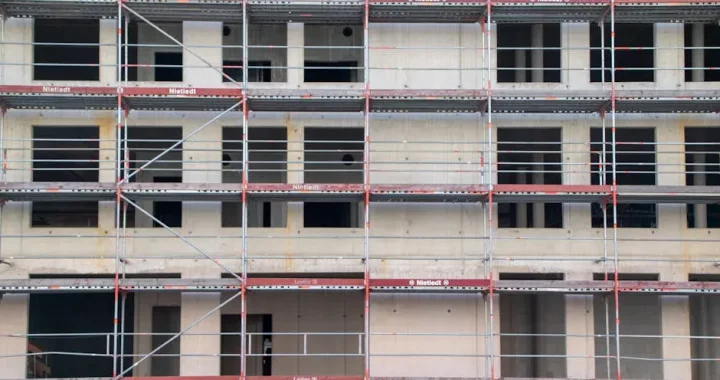
Your employee falls from scaffolding and sues the building owner. The owner then sues you for indemnification. Your CGL carrier denies coverage because the claim “arises out of injury to your employee.”

Result? You could be paying out of pocket for a massive claim.

⸝

⚠️ What Is an Employer’s Liability Exclusion?

Now let’s clarify something important:

Employer’s liability coverage is part of a workers’ compensation policy—not a CGL policy.

Workers’ compensation policies are divided into two parts:

• Part One – Workers’ Compensation (statutory benefits)

• Part Two – Employer’s Liability

Employer’s liability coverage is designed to protect the employer against lawsuits brought by employees outside of the workers’ compensation system, such as:

• Claims for negligence not covered under workers’ comp

• Third-party over actions (common in New York)

• Loss of consortium claims from family members

An employer’s liability exclusion in a CGL policy reinforces that these exposures are not intended to be covered under general liability. Instead, they should be handled under the employer’s liability portion of the workers’ compensation policy.

Article content

🔑 The Key Difference

Here’s the simplest way to understand the distinction:

• Employee Injury Exclusion (CGL Policy):

Removes coverage for bodily injury claims involving your employees—often very broadly, including third-party claims.

• Employer’s Liability (Workers’ Comp Policy):

Provides limited protection when employees sue outside the workers’ compensation system.

The problem? These two do not always overlap perfectly.

That gap—between what your CGL excludes and what your employer’s liability covers—is where contractors get burned.

⸝

💣 Why This Matters in New York

New York is one of the most challenging insurance environments in the country for contractors. Between strict liability laws, aggressive plaintiff attorneys, and frequent third-party claims, coverage gaps can quickly turn into six- or seven-figure problems.

A poorly structured insurance program can lead to:

• Denied tenders from general contractors or property owners

• Breach of contract claims

• Out-of-pocket legal defense costs

• Massive indemnification exposure

Even worse, many contractors don’t realize they have a problem until a claim is denied.

⸝

🛠️ How Smart Contractors Protect Themselves

Experienced New York contractors—and the brokers who specialize in this space—know how to structure coverage to avoid these pitfalls.

Key strategies include:

✔️ Securing CGL policies with narrow or modified employee injury exclusions

✔️ Ensuring coverage includes third-party over action protection

✔️ Carrying adequate employer’s liability limits (often $1M/$1M/$1M or higher)

✔️ Adding umbrella/excess coverage that follows form properly

✔️ Reviewing contracts to align insurance requirements with actual coverage

This isn’t something you want to leave to chance—or to a generalist insurance broker unfamiliar with New York construction risks.

⸝

🏢 Why Contractors Turn to BGES Group

At BGES Group, we specialize in one thing: protecting New York contractors from costly insurance mistakes.

We understand the real-world challenges you face because we work with contractors every single day. From small subcontractors to large construction firms, we help clients:

• Identify dangerous exclusions hidden in their policies

• Structure liability programs that meet contract requirements

• Navigate complex additional insured and indemnification issues

• Secure competitive pricing from top-rated carriers

• Eliminate coverage gaps that could jeopardize their business

We don’t just sell policies—we analyze, negotiate, and advocate on your behalf.

⸝

📞 Let’s Make Sure You’re Covered

If you’re a New York contractor, now is the time to review your coverage—before a claim exposes a gap.

At BGES Group, we offer a no-obligation policy review to identify risks and opportunities in your current insurance program.

📍 BGES Group

📞 Gary Wallach: 914-806-5853

📧 Email: bgesgroup@gmail.com

🌐 Website: www.bgesgroup.com

⸝

🧠 Final Thought

The difference between an employee injury exclusion and employer’s liability coverage isn’t just technical—it’s financial survival.

In New York’s high-risk construction environment, one misunderstood clause can cost you everything you’ve worked to build.

Make sure your coverage works when it matters most.

How Construction Insurance Can Safeguard Your New Jersey Projects

Starting a construction project in New Jersey can be a thrilling yet challenging endeavor. With numerous aspects to consider, one crucial component is often overlooked—construction insurance. This guide will walk you through how construction insurance can play a pivotal role in protecting your projects, ensuring success, and offering peace of mind.

Close-up of a warning sign on a chain link fence at a construction site indicating danger.

Understanding the Basics of Construction Insurance

Construction insurance is a broad term that encompasses various types of coverage designed to protect projects, contractors, and business owners. Knowing the fundamentals can help you choose the right policy for your needs.

Getting into the nitty-gritty, construction insurance typically includes policies like general liability, builders’ risk, and workers’ compensation. Each type of coverage addresses different potential risks. For instance, general liability insurance protects you from claims involving bodily injuries or property damage during your project. Meanwhile, builders’ risk is focused on safeguarding the actual structure against hazards like fires or storms during its construction phase. Understanding these layers of protection will help tailor a policy that suits your specific requirements.

Why You Need Construction Insurance in New Jersey

Given its dynamic construction sector and strict regulations, having construction insurance in New Jersey is vital. It not only shields you from financial loss but also helps you comply with state-specific legal requirements.

New Jersey stands out for its stringent regulatory environment, which aims to ensure safety and quality across all construction projects. Failing to carry adequate insurance can lead to hefty fines, project delays, or even halts, severely impacting timelines and budgets. Having construction insurance acts as a respective compliance badge, streamlining processes with local authorities and providing peace of mind knowing you’re covered legally and financially.

Moreover, construction in New Jersey often involves complex projects requiring meticulous planning and execution. With construction insurance, contractors are equipped to handle unforeseen events, whether it’s a sudden legal claim or an unexpected natural event. It ensures the continuity of business operations and protects against potential financial devastation.

Types of Construction Insurance Coverage

From general liability and workers’ compensation to builders’ risk and professional liability, there are several types of insurance to consider. Understanding each type’s purpose will help you tailor your coverage to your project’s needs.

Diving deeper into types like workers’ compensation, it’s vital to recognize its importance in mitigating risks associated with workplace injuries. This insurance ensures that employees injured on the job are supported without financial strain on the company. Builders’ risk, on the other hand, offers a different layer of protection by covering the physical building and materials during construction against unforeseen damages. These specialized policies collectively fortify your project’s foundation and longevity.

Professional liability covers errors and omissions in project design and execution. This type of insurance is crucial for protecting against financial loss stemming from claims of negligence or inadequate performance by professionals, such as engineers and architects, involved in the project. Such coverage ensures that your reputation remains intact even amid potential litigations.

Carrying the right construction insurance can provide significant financial and legal benefits. It offers protection against unforeseen events and ensures that your liabilities are covered, keeping your business secure.

One of the biggest financial perks of construction insurance lies in its ability to absorb costs associated with legal disputes. Considering the costs related to legal defenses and potential settlements, having the right insurance acts as a financial buffer, enhancing your firm’s resilience. Additionally, insurance fosters trust, improving your standing with clients and stakeholders who see these protections as a testament to your professionalism and reliability.

Legally, construction insurance upholds statutes that otherwise could lead to operational roadblocks. Through adherence to New Jersey’s insurance mandates, contractors can avoid sanctions and facilitate smooth operational workflows. It acts as a protective veil, maintaining your firm’s legal standing while empowering you to pursue projects with confidence and assurance.

Tips for Choosing the Right Construction Insurance

Selecting the right insurance can be overwhelming. Consider factors such as the scope of your project, potential risks, and your budget. Consulting with an insurance expert can simplify the process, ensuring the best coverage for your project.

Start by evaluating the specific needs of your project. Is it a multi-million dollar infrastructure project or a modest residential build? The answer will significantly impact the insurance coverage that’s essential for your needs. Additionally, identifying potential risks, such as environmental factors or intricate project logistics, tailors the level of protection necessary.

Partnering with an insurance broker who understands the New Jersey construction scene can bring invaluable insights. These experts can navigate the nuanced policies, ensuring compliance and optimal coverage. Furthermore, they offer the strategic advantage of negotiating tailored packages with insurers, maximizing your policy benefits while remaining budget-conscious.

Securing Your Project’s Future with Construction Insurance

In the bustling landscape of New Jersey’s construction industry, safeguarding your projects with the right insurance is not just advisable—it’s essential. Construction insurance not only protects your investment but also ensures that you can navigate the complexities of the industry with confidence. As you plan your next project, consider the significant role insurance plays in safeguarding your future. Be sure to visit BGES Group for more information on securing the best coverage.

BGES Group is a leading Construction Insurance specialist serving New York, New Jersey, and Connecticut. We represent over 25 top-rated insurance carriers, providing access to the best general liability and umbrella liability programs available. Our comprehensive coverage options include property, builders’ risk, inland marine, general liability, umbrella liability, commercial auto, bid and performance bonds, workers’ compensation, New York State disability, and group health. Beyond offering policies, we pride ourselves on being highly accessible—by call, text, or email—even on weekends—so you always have a trusted partner to help you navigate any insurance challenge.

We are also Workers’ Compensation specialists for tri-state business owners. Whether you are dealing with high premiums, policy cancellations, difficulty obtaining coverage due to losses, audit disputes, or payroll misclassification issues, we can help. We offer specialized programs for industries including auto services, contractors (especially in New York), limousine services, logistics companies, manufacturers, recyclers, and trucking operations. As a “Preferred Agent” for a select workers’ compensation program, we can often secure highly competitive pricing, long-term stability, and multi-state coverage for qualified clients—while also simplifying the audit process and reducing the burden of annual audits.

Contact Us:  Gary Wallach   Phone: 914-806-5853 (Direct) Email: bgesgroup@gmail.com  Website: www.bgesgroup.com

Office Location: 216A Larchmont Acres West, Larchmont, NY 10538
 

The Insurance Gauntlet: Why New York Contractors Face Tough Coverage Requirements—and How to Turn Them Into an Advantage

If you’re a contractor in New York, you’ve likely experienced it: you land a job, you’re excited to get started, and then the contract hits your desk. Suddenly, you’re being asked for $1M/$2M Commercial General Liability limits, additional insured status, primary and non-contributory wording, waiver of subrogation, per project aggregate, no labor law exclusions, no action over exclusions, and a $5M umbrella.

It can feel overwhelming—and expensive.

But here’s the reality: these requirements aren’t random. They are carefully designed to protect the project owner, general contractor, and everyone upstream from the massive liability risks that exist in New York construction. Understanding why these requirements exist can help you not only comply—but position your business as a top-tier, professional contractor who wins more jobs.

⸝

Why These Requirements Exist

1. New York Is a High-Risk Legal Environment

New York’s labor laws—especially Scaffold Law—create strict liability for owners and general contractors. That means if a worker gets injured on a job site, upstream parties can be held liable even if they did nothing wrong.

Because of this, project owners and GCs push risk downstream—to you.

⸝

2. $1M / $2M CGL Limits Are the Baseline

A $1M per occurrence / $2M aggregate policy is considered the industry minimum because:

• Construction claims can escalate quickly

• Medical costs and legal fees are extremely high

• Multiple parties are often involved in lawsuits

Anything less simply doesn’t provide enough protection for a project of any meaningful size.

⸝

3. Additional Insured Status Transfers Risk

When you name the owner and GC as additional insureds, your policy is extended to protect them.

This means:

• If they get sued because of your work, your insurance responds first

• Their insurance is preserved, reducing their exposure

This is one of the most important risk transfer mechanisms in construction contracts.

⸝

4. Primary and Non-Contributory Wording

This requirement ensures that:

• Your policy pays first

• The upstream party’s policy does not have to contribute

Without this wording, insurers can argue over who pays, delaying claims and creating disputes. Owners want certainty—and this gives it to them.

⸝

5. Waiver of Subrogation Prevents Lawsuits

Normally, if your insurer pays a claim, they can sue another party to recover the money.

A waiver of subrogation stops that.

Why does this matter?

• It prevents your insurance company from going after the owner or GC

• It reduces legal conflicts between project participants

• It keeps projects and relationships intact

⸝

6. Per Project Aggregate Protects Limits

A per project aggregate ensures that your policy limits apply separately to each job.

Without it:

• One large claim on one project could exhaust your limits

• Leaving other projects exposed

Owners want to make sure your insurance is fully available for their job, not diluted by others.

⸝

7. No Labor Law or Action Over Exclusions

This is critical in New York.

• Labor Law exclusions remove coverage for claims under NY labor statutes

• Action over exclusions eliminate coverage when an injured employee sues a third party

If your policy has these exclusions, it can completely defeat the purpose of your insurance.

That’s why sophisticated clients demand policies that explicitly include these exposures.

⸝

8. $5 Million Umbrella Provides Serious Protection

A $5M umbrella sits on top of your primary policy and provides excess coverage.

Why so high?

• Severe injury claims can easily exceed $1M

• Lawsuits involving multiple parties can escalate quickly

• Owners want deep protection against catastrophic losses

In many NYC and Westchester projects, $5M is now standard—and sometimes just the starting point.

Article content

Real-World Claim Examples

Example 1: Scaffold Fall Injury

A worker falls from a scaffold and suffers severe injuries.

• The worker sues the property owner and general contractor

• Because of NY labor laws, they are held liable

How coverage responds:

• Your CGL policy covers the owner and GC as additional insureds

• Primary and non-contributory wording ensures your policy pays first

• The umbrella kicks in when damages exceed $1M

Result: A multi-million-dollar claim is handled by your insurance—not theirs.

⸝

Example 2: Property Damage from Negligent Work

Your crew improperly installs piping, causing a major water leak that damages multiple floors.

• The building owner files a claim

• Other tenants seek compensation

How coverage responds:

• Your $1M/$2M policy responds to the damage

• Per project aggregate ensures full limits are available

• Umbrella coverage applies if damages exceed primary limits

Result: The loss is covered without jeopardizing other projects.

⸝

Example 3: Employee Injury Leading to Third-Party Lawsuit

Your employee is injured and collects workers’ comp—but then sues the general contractor.

• The GC turns around and seeks coverage under your policy

How coverage responds:

• No action over exclusion means your policy does not deny the claim

• Additional insured coverage protects the GC

• Waiver of subrogation prevents your carrier from suing them

Result: A potentially devastating gap is avoided.

⸝

How BGES Group Helps Contractors Win

At BGES Group, we specialize in helping New York contractors not just meet these requirements—but use them to their advantage.

What We Offer:

1. Properly Structured Coverage

We ensure your policy includes:

• True additional insured endorsements

• Primary & non-contributory wording

• Waiver of subrogation

• Per project aggregates

• No labor law or action over exclusions

2. Access to Top Insurance Carriers

We work with carriers that understand New York construction risks and won’t cut corners on coverage.

3. Umbrella Strategies That Make Sense

We help structure umbrella policies that:

• Sit correctly over your primary

• Fill gaps

• Provide real protection—not just paper limits

4. Contract Review Support

We help you understand:

• What your contract is asking for

• Where the risks are

• How to negotiate better terms when possible

5. Cost Control Without Sacrificing Protection

Many contractors overpay—or worse, underinsure.

We help you:

• Balance cost and coverage

• Avoid expensive audit surprises

• Structure policies that grow with your business

⸝

The Bottom Line

These insurance requirements aren’t there to make your life difficult.

They exist because:

• New York is one of the most litigious construction environments in the country

• Claims are frequent—and often severe

• Owners and GCs need protection—and they expect you to provide it

The contractors who understand this—and align their coverage properly—are the ones who:

• Win better jobs

• Work with better clients

• Sleep better at night

⸝

Contact BGES Group

If you’re tired of guessing whether your coverage is right—or losing jobs because your insurance doesn’t meet requirements—we can help.

BGES Group – Gary Wallach

📞 914-806-5853

📧 bgesgroup@gmail.com

🌐 www.bgesgroup.com

Reach out today and make sure your insurance isn’t just checking boxes—but actually protecting your business and helping you grow.

What is Masonry Insurance and Why Do New York Contractors Need It?

Navigating the world of construction insurance can be daunting, but it’s crucial for contractors to understand what coverage they need. Masonry insurance is a specific type of coverage that is particularly important for contractors in New York. In this FAQ blog, we’ll break down what masonry insurance is and why it’s essential for your business.

Two workers discussing plans on a sandy construction site, wearing safety gear.

Understanding Masonry Insurance

Masonry insurance is a type of coverage designed specifically for contractors who work with brick, stone, and concrete. It addresses the unique risks associated with masonry work, including property damage and personal injury.

This specialized insurance is critical because masonry work involves dealing with heavy materials and complex structures, increasing the potential for accidents. Without the right insurance, contractors may face financial setbacks from unforeseen incidents, which can include anything from a slab of concrete causing damage to a structure, to unexpected injuries on-site.

Moreover, masonry insurance provides a safety net that can protect your business financially, ensuring that any claims related to bodily injuries or damage are properly managed. Contractors can focus on the job without the constant worry of possible adverse financial implications.

What Does Masonry Insurance Cover?

This insurance typically covers a variety of incidents such as on-site accidents, damage to client property, and potential legal claims arising from masonry work. Policies may vary, so it’s important to review what each plan offers.

In essence, masonry insurance can include coverage for tools and equipment damages, liability coverage for accidents, and even pollution coverages depending on the project’s nature. Detailed examination of individual policies can help contractors find the best fit for their needs.

Another critical aspect of coverage involves completed operations liability, which includes protection after the project has been finished. This means that if any issues arise post-completion, your business remains protected from claims, thereby maintaining your reputation and financial standing.

Why is Masonry Insurance Important for New York Contractors?

Due to the dense urban environment and complex building codes in New York, contractors face distinct challenges. Masonry insurance helps protect against the specific risks posed by the city’s unique construction environment.

With New York City’s skyline constantly evolving, masonry contractors play a key role in both new constructions and restorations. Given the high stakes and rigorous safety regulations, masonry insurance becomes indispensable to navigating these pressures with confidence.

Interestingly, the insurance provides peace of mind by offering a risk management tool designed to address everything from severe weather conditions to the logistical difficulties of transporting heavy materials through crowded city streets.

In New York, contractors are often required by law to carry certain types of insurance, including masonry insurance, to legally operate. Failure to comply can result in hefty fines or shutdowns.

Compliance with these requirements ensures that your business operates smoothly without interruptions. Adhering to legal standards also demonstrates professionalism and commitment to safety, potentially enhancing your business’s clientele base.

Moreover, understanding these legal requirements can prevent costly legal disputes or compliance issues, which not only protect your company but also your employees and clients. Staying informed on these regulations is a must for every contractor.

How to Choose the Right Masonry Insurance Policy

Selecting the right policy involves considering factors like the size of your business, the types of projects you undertake, and specific risks you face. Consulting with an insurance expert can help tailor the best coverage for your needs.

Start by assessing your operational risks and the scale of your projects, as a one-size-fits-all approach does not work with such specialized coverage. Look for plans that offer flexibility and can be customized to suit your unique obligations.

Don’t hesitate to reach out to us directly for personalized advice and to learn more about our competitive insurance offers designed with New York’s masonry contractors in mind. Our expertise can guide you to the most suitable plan that aligns with both your operational needs and budget constraints.

Final Thoughts on Masonry Insurance for New York Contractors

To sum up, masonry insurance is not just a legal requirement for many New York contractors, but it’s also a vital safeguard for your business. By understanding the nuances of this specialized insurance, you can better protect your investments, address potential risks, and ensure business continuity. Stay informed, stay protected, and pave the way for a secure future in your contracting work. For more information, explore our homepage and see how we can assist you.

BGES Group is a leading Construction Insurance specialist serving New York, New Jersey, and Connecticut. We represent over 25 top-rated insurance carriers, providing access to the best general liability and umbrella liability programs available. Our comprehensive coverage options include property, builders’ risk, inland marine, general liability, umbrella liability, commercial auto, bid and performance bonds, workers’ compensation, New York State disability, and group health. Beyond offering policies, we pride ourselves on being highly accessible—by call, text, or email—even on weekends—so you always have a trusted partner to help you navigate any insurance challenge.

We are also Workers’ Compensation specialists for tri-state business owners. Whether you are dealing with high premiums, policy cancellations, difficulty obtaining coverage due to losses, audit disputes, or payroll misclassification issues, we can help. We offer specialized programs for industries including auto services, contractors (especially in New York), limousine services, logistics companies, manufacturers, recyclers, and trucking operations. As a “Preferred Agent” for a select workers’ compensation program, we can often secure highly competitive pricing, long-term stability, and multi-state coverage for qualified clients—while also simplifying the audit process and reducing the burden of annual audits.

Contact Us:  Gary Wallach   Phone: 914-806-5853 (Direct) Email: bgesgroup@gmail.com  Website: www.bgesgroup.com

Office Location: 216A Larchmont Acres West, Larchmont, NY 10538
 

💼 Break Free from Workers’ Comp Audit Nightmares: 10 Smarter Ways to Cut Costs, Improve Coverage, and Take Back Control

If you’re a business owner, you’ve likely experienced it more than once…

The notice comes in.

Your stomach drops.

And you think: â€œHere we go again.”

Another workers’ compensation audit.

Let’s be honest—

Are you sick and tired of dealing with annual audits?

You’re not alone. Business owners across every industry feel the same frustration:

• Endless paperwork

• Confusing employee classifications

• Back-and-forth with auditors

• Surprise bills that blow up your budget

And what makes it worse? You’re doing all of this while trying to run and grow your business.

But here’s the truth most business owners don’t realize:

This cycle isn’t something you just have to accept.

There are smarter, more modern ways to structure your workers’ compensation program—ways that not only reduce or eliminate audit headaches, but also lower your costs and improve your overall coverage.

Let’s break down 10 powerful ways a better system can transform your business.

⸝

1. Real-Time Payroll-Based Premiums

Traditional policies rely on estimated payroll, which is later corrected through audits.

A smarter structure uses real-time payroll data so:

• You pay only for what you actually use

• No large adjustments at year-end

• Costs stay accurate and predictable

Result: fewer surprises and better cash flow.

⸝

2. Significant Reduction in Audit Exposure

When your premiums are calculated in real time, the need for large, complex audits is dramatically reduced.

In many cases:

• Audits become minimal

• Documentation is already aligned

• The process is faster and less intrusive

Result: far less stress and disruption.

⸝

3. Lower Overall Workers’ Compensation Costs

By leveraging a more efficient system, businesses often benefit from:

• Better risk distribution

• More competitive pricing structures

• Reduced claim frequency

This leads to meaningful savings without cutting corners on protection.

⸝

4. Access to Broader, Stronger Coverage

Not all workers’ comp programs are equal.

An upgraded approach can provide:

• More comprehensive coverage options

• Fewer exclusions

• Better alignment with your actual operations

Result: stronger protection when you need it most.

⸝

5. Proper Employee Classification from Day One

One of the biggest causes of audit problems? Misclassification.

With expert guidance built into your program:

• Employees are classified correctly upfront

• Risk of reclassification is minimized

• Audit adjustments shrink or disappear

Result: accuracy that prevents costly surprises.

⸝

6. Built-In Compliance Support

Staying compliant with labor laws and insurance requirements—especially in states like New York—is no small task.

A better system helps ensure:

• Proper documentation

• Ongoing compliance monitoring

• Reduced risk of penalties or gaps in coverage

Result: peace of mind and fewer legal headaches.

⸝

7. Streamlined Administrative Processes

Think about how much time your team spends on:

• Payroll reporting

• Insurance paperwork

• Audit preparation

A modern structure simplifies these tasks by integrating systems and automating processes.

Result: less administrative burden and more efficiency.

⸝

8. Faster, More Effective Claims Handling

When an injury occurs, delays can cost you money and productivity.

A stronger program offers:

• Faster claims response

• Experienced claims management

• Better communication throughout the process

Result: quicker resolutions and lower claim costs.

⸝

9. Improved Employee Benefits Options

Attracting and retaining quality employees is more important than ever.

A more advanced solution can give your workforce access to:

• Enhanced benefits packages

• Additional support programs

• Greater overall stability

Result: happier employees and reduced turnover.

⸝

10. Freedom to Focus on Growing Your Business

At the end of the day, audits, paperwork, and insurance headaches don’t generate revenue.

By reducing or eliminating these burdens, you can:

• Focus on operations

• Grow your company

• Increase profitability

Result: more time, more control, and a stronger business.

⸝

The Reality Most Business Owners Face

If you’re dealing with:

• Annual audit anxiety

• Unexpected premium increases

• Confusing insurance structures

• Administrative overload

…it’s not because you’re doing something wrong.

It’s because the system you’re using may be outdated.

⸝

So Ask Yourself…

• Are you tired of writing big checks after audits?

• Do you feel like you’re constantly reacting instead of planning?

• Are you confident your current coverage truly protects your business?

If any of these questions hit home, it’s time to look at a better approach.

⸝

There Is a Better Way

At BGES Group, we specialize in helping business owners rethink how they handle workers’ compensation.

We work with companies across New York, New Jersey, Connecticut, and nationwide to:

• Reduce workers’ compensation costs

• Improve coverage and protection

• Minimize or eliminate audit headaches

• Streamline administrative processes

Most importantly, we help you move from a reactive, stressful system to a proactive, efficient one that works for your business—not against it.

⸝

Contact Information

BGES Group

📞 Phone: 914-806-5853

📧 Email: bgesgroup@gmail.com

🌐 Website: www.bgesgroup.com

⸝

You don’t have to accept audits, surprises, and rising costs as the norm.

There’s a smarter way to handle workers’ compensation—and it can make a bigger impact on your business than you might expect.

The only question is:

Are you ready for something better?

7 Key Facts About Commercial Auto Insurance for New York Contractors

Navigating the world of commercial auto insurance can be a daunting task, especially for New York contractors who rely on their vehicles to keep their businesses running smoothly. In this guide, we’ll break down the essentials in a friendly, easy-to-understand manner, ensuring you have all the information you need to make informed decisions.

A row of parked utility trucks with generators beside a building outdoors.

1. The Basics of Commercial Auto Insurance

Commercial auto insurance is a policy specifically designed to protect vehicles used for business purposes. Unlike personal auto insurance, it covers unique risks that businesses face, ensuring you’re covered during work operations. This type of insurance is crucial for contractors because it provides the financial safety net needed when your business relies heavily on transport. From liability protection to property damage, having comprehensive coverage can save your business from unforeseen expenses.

For example, if one of your vehicles is involved in an accident, the cost of repairs could be substantial. With commercial auto insurance in place, you’re not just protecting a vehicle—you’re safeguarding all your business assets linked to that vehicle’s service.

2. Why New York Contractors Need It

In New York, contractors often use their vehicles for transporting tools, equipment, and employees. Commercial auto insurance offers the necessary coverage to protect against potential liabilities, ensuring business continuity. Given the bustling nature of New York, with its dense traffic and unpredictable weather, having the right insurance can mean the difference between business success and costly setbacks.

Furthermore, as a contractor, your reputation depends on timely and reliable services, which can be compromised if an incident occurs. By securing adequate coverage, you ensure that even if your vehicle is temporarily out of service, your business can still operate smoothly without facing crippling financial burdens.

3. Types of Coverage Available

Commercial auto insurance offers a range of coverage options, including liability, physical damage, medical payments, and more. Understanding these options helps you tailor a policy that fits your business needs. Liability insurance, for example, covers damages to others from accidents involving your business vehicle, while collision coverage supports repairs or replacements needed for your cars.

Beyond basic coverage, you might consider adding uninsured motorist protection or comprehensive coverage that protects against theft, vandalism, and natural disasters. These additional layers of protection ensure that whatever the risk, your business can recover with minimal disruption.

Tailoring your policy may also mean opting for specialized coverages suited to the nature of your work, such as coverage for carrying hazardous materials or specialized equipment. By customizing your coverage, you can align your policy closely with the specific risks your business might face in daily operations.

4. Factors Influencing Premium Costs

Several factors can affect your insurance premium, including vehicle type, driving history, and the nature of your business. Knowing these can help you manage costs and ensure adequate coverage. For instance, using newer and safer vehicles may reduce premiums, while having a fleet with a history of accidents could drive costs up.

Another consideration is the amount of travel your vehicles engage in. High mileage or frequent trips in major urban centers can increase your insurance costs. Additionally, the industry you’re in, like construction or heavy equipment transport, might influence how insurers assess risk levels, impacting your overall insurance expenses.

It’s beneficial to regularly review these influencing factors with your insurance provider to see if new savings opportunities have arisen. By proactively monitoring your policies, you can ensure that you’re not overspending while still getting essential coverage for your business needs.

5. Common Misconceptions to Avoid

There are many myths about commercial auto insurance, such as coverage overlaps with personal policies or cost assumptions. Clarifying these misconceptions ensures you don’t leave your business vulnerable. One common belief is that a personal auto policy will suffice for business use—this is rarely the case.

Additionally, many assume that the most expensive policy always provides the best coverage. However, understanding your business’s specific needs and working closely with a knowledgeable insurer can help you find a balanced and cost-effective policy.

Another pitfall to avoid is the assumption that claims processes with commercial auto insurance are the same as personal insurance. Often, there are additional requirements and timelines that, if unknown, might pose challenges during a claim. It’s crucial to familiarize yourself with these specifics to navigate claims more efficiently.

6. Steps to Obtain the Right Policy

Securing the right policy involves evaluating your needs, comparing quotes, and understanding policy terms. This strategic approach guarantees you get the best protection for your investment. Start by assessing the extent and nature of your business operations and the specific risks involved.

Next, connect with multiple insurers to compare quotes and evaluate their offerings. Online tools and platforms can make this process convenient and transparent, allowing you to quickly see who is offering the best deals. Once you’ve gathered enough information, dig into potential policies’ terms and conditions, focusing on coverage limits, exclusions, and additional benefits.

New York has specific legal requirements for commercial vehicles. Staying informed and ensuring your policy meets these standards helps you avoid penalties and legal complications. For instance, minimum liability coverage is mandated, and failing to maintain this can result in fines or the suspension of a business’s operations.

Regularly reviewing state regulations and consulting with your insurance provider can keep you up to date with any changes, ensuring that your business remains compliant. Don’t forget that laws can differ significantly between states, so always stay informed about any new requirements that may impact your policy.

BGES Group is a leading Construction Insurance specialist serving New York, New Jersey, and Connecticut. We represent over 25 top-rated insurance carriers, providing access to the best general liability and umbrella liability programs available. Our comprehensive coverage options include property, builders’ risk, inland marine, general liability, umbrella liability, commercial auto, bid and performance bonds, workers’ compensation, New York State disability, and group health. Beyond offering policies, we pride ourselves on being highly accessible—by call, text, or email—even on weekends—so you always have a trusted partner to help you navigate any insurance challenge.

We are also Workers’ Compensation specialists for tri-state business owners. Whether you are dealing with high premiums, policy cancellations, difficulty obtaining coverage due to losses, audit disputes, or payroll misclassification issues, we can help. We offer specialized programs for industries including auto services, contractors (especially in New York), limousine services, logistics companies, manufacturers, recyclers, and trucking operations. As a “Preferred Agent” for a select workers’ compensation program, we can often secure highly competitive pricing, long-term stability, and multi-state coverage for qualified clients—while also simplifying the audit process and reducing the burden of annual audits.

Contact Us:  Gary Wallach   Phone: 914-806-5853 (Direct) Email: bgesgroup@gmail.com  Website: www.bgesgroup.com

Office Location: 216A Larchmont Acres West, Larchmont, NY 10538
 

Built to Fail? How New York Labor Law Stacks the Deck Against Contractors

Construction is risky everywhere—but nowhere in the United States are contractors exposed to liability quite like they are in New York. The difference comes down to one word: liability. While most states follow a negligence-based system, New York operates under a unique and far more aggressive framework that can leave contractors financially responsible even when they did nothing wrong.

Understanding how Labor Law claims work in New York compared to states like New Jersey and Connecticut is essential for any contractor operating in the Tri-State area. The legal distinctions directly impact claims, lawsuits, insurance costs, and ultimately, the survival of a construction business.


The Foundation: How Most States Handle Construction Injury Claims

In states like New Jersey and Connecticut, construction injury claims generally follow a comparative negligence system. This means liability is based on fault.

If a worker is injured:

  • The injured employee typically receives workers’ compensation benefits.
  • Lawsuits against contractors or property owners require proof of negligence.
  • Fault can be shared. If a worker is partially responsible, damages may be reduced accordingly.

For example, if a worker ignores safety protocols or misuses equipment, that behavior can significantly limit or eliminate the contractor’s liability.

This system creates a more balanced legal environment where responsibility is distributed based on actual conduct.


New York’s Game-Changer: Labor Law 240 & 241

New York flips this entire concept on its head.

Under Labor Law 240, commonly known as the “Scaffold Law,” contractors and property owners are held to a standard of absolute liability for gravity-related injuries.

This includes:

  • Falls from heights (ladders, scaffolds, roofs)
  • Falling objects striking workers
  • Any elevation-related accident tied to inadequate safety protections

Here’s the critical difference:

👉 Fault does not matter.

If a worker is injured due to a gravity-related risk and proper safety devices were not in place—or are argued to be insufficient—the contractor can be held fully liable regardless of the worker’s actions.

Labor Law 241 expands exposure even further by requiring strict compliance with detailed construction safety regulations under the New York Industrial Code.


Absolute Liability vs. Negligence: The Core Difference

Let’s break it down clearly:

New York

  • Absolute liability
  • Worker fault is largely irrelevant
  • Contractors and owners are often 100% responsible
  • Lawsuits are common and severe

New Jersey / Connecticut

  • Comparative negligence
  • Fault is evaluated and shared
  • Worker behavior matters
  • Lawsuits are harder to win against contractors

This distinction is why New York is widely considered the most contractor-unfriendly legal environment in the country.


Real-World Claim Example

Scenario: Worker Falls from a Ladder

In New York:

  • The worker falls from a ladder while installing ductwork.
  • Even if the worker set the ladder incorrectly or ignored safety instructions, the contractor can still be held fully liable.
  • Result: A high-value lawsuit under Labor Law 240.

In New Jersey or Connecticut:

  • The same incident occurs.
  • The court evaluates:
    • Was the contractor negligent?
    • Did the worker contribute to the accident?
  • If the worker is 50% at fault, damages may be reduced or eliminated.

This single difference can mean the gap between a defensible claim and a catastrophic loss.


Why New York Claims Are So Expensive

Because of absolute liability, New York Labor Law claims:

  • Are easier for plaintiffs to win
  • Often result in larger settlements or verdicts
  • Drive significantly higher insurance costs

Insurance carriers understand this exposure. As a result:

  • Premiums in New York are dramatically higher than neighboring states
  • Many insurers limit or avoid writing New York construction risks altogether
  • Coverage often includes strict exclusions, especially for:
    • Height-related work
    • Labor Law claims
    • Employee injury (“action over”) claims

In contrast, New Jersey and Connecticut contractors benefit from a more predictable risk environment, which leads to lower premiums and broader coverage availability.


The Insurance Impact: What Contractors Need to Know

For New York contractors, Labor Law exposure doesn’t just affect claims—it reshapes your entire insurance program.

Key Coverage Challenges in New York:

  • Labor Law exclusions on general liability policies
  • High umbrella/excess liability costs
  • Limited carrier appetite
  • Strict underwriting (height limits, trade restrictions, loss history scrutiny)

In New Jersey & Connecticut:

  • More standard general liability policies
  • Lower umbrella pricing
  • Greater competition among carriers
  • Fewer exclusions tied to worker injury claims

This is why two identical contractors—one in New York and one in New Jersey—can have dramatically different insurance costs and risk profiles.


The “Action Over” Problem

One of the most overlooked exposures in New York is the “action over” claim.

Here’s how it works:

  1. A worker is injured and collects workers’ compensation.
  2. The worker then sues the property owner or general contractor under Labor Law.
  3. The owner or GC turns around and sues the subcontractor (your company) for indemnification.

Because of Labor Law 240:

  • These claims are extremely difficult to defend
  • Subcontractors often get pulled into large lawsuits
  • Contracts and insurance requirements become critical

This dynamic is far less common—and far less severe—in states like New Jersey and Connecticut.


Why This Matters for Contractors

If you are a contractor working in New York, you are operating in a fundamentally different legal environment than your peers across state lines.

Failing to understand this can result in:

  • Uninsured claims
  • Denied coverage
  • Massive out-of-pocket losses
  • Business-ending lawsuits

On the flip side, contractors who structure their insurance and contracts properly can:

  • Transfer risk effectively
  • Protect their balance sheet
  • Compete more confidently in the market

Final Thoughts

New York Labor Law is not just another regulation—it is a game-changing liability framework that puts contractors at significant financial risk. While states like New Jersey and Connecticut rely on traditional negligence standards, New York’s absolute liability system creates a much harsher reality.

For contractors, the takeaway is simple:

👉 Where you work matters just as much as what you do.


About BGES Group

At BGES Group, we specialize in construction insurance for contractors operating in New York, New Jersey, and Connecticut. We understand the complexities of Labor Law exposure and how it impacts your general liability and umbrella programs.

We work with top-rated carriers to:

  • Navigate Labor Law coverage challenges
  • Structure policies that protect against catastrophic claims
  • Identify and eliminate dangerous coverage gaps
  • Provide strategic guidance tailored to your trade and operations

Whether you are facing rising premiums, non-renewals, or coverage restrictions, we can help you secure the protection your business needs.


Contact Information

Gary Wallach
📞 914-806-5853
📧 bgesgroup@gmail.com
🌐 www.bgesgroup.com

How Does Contractor Insurance in NY Protect Against Liabilities?

Navigating the complexities of contractor insurance in New York can be daunting. Understanding how it protects against potential liabilities is crucial for contractors working in this bustling state. This guide aims to break down the essentials in a simple and engaging way.

Understanding Contractor Insurance Basics

At its core, contractor insurance is an umbrella term that encompasses various types of coverage tailored to protect businesses in the construction industry from unique risks. This includes general liability insurance, workers’ compensation, and more specialized policies such as commercial auto insurance.

The primary purpose of contractor insurance is to shield your company from financial losses stemming from accidents, damages, or legal claims that might occur during operations. This foundation of protection ensures you can navigate the unexpected confidently.

Imagine you’re working on a project and an unforeseen incident damages a client’s property. Without adequate insurance, your business might have to bear the full cost of the repairs, potentially jeopardizing your financial stability.

Types of Liabilities Covered

Different types of contractor insurance offer varied coverage to protect against common risks in the industry. General liability insurance, for instance, can cover property damage and bodily injuries incurred by third parties on the job site.

Moreover, as a contractor, your reputation is key to business success. Professional liability insurance, often known as errors and omissions insurance, protects against claims arising from alleged negligence or mistakes in your professional services learn more about reputational risks.

For contractors employing staff, workers’ compensation coverage is vital, since it addresses medical expenses and lost wages in the event of an employee accident or illness related to work activities.

Operating in New York requires adherence to specific legal standards designed to protect both contractors and clients. New York State mandates certain types of insurance, including workers’ compensation for businesses with employees.

General liability insurance isn’t legally required throughout the state, but many contractors find it essential to secure contracts. Clients often demand proof of these coverages before agreeing to work with you.

Failing to comply with New York’s insurance regulations can lead to hefty fines and increased risk of litigation, which makes understanding state requirements indispensable explore further legal necessities.

Choosing the Right Coverage for Your Business

Selecting the right insurance policy requires assessing the specific needs of your business. Consider the projects you typically undertake, the number of employees, and the equipment used.

Consulting with an insurance expert who understands your industry can be invaluable. They’ll help analyze potential risk areas and ensure you cover any gaps to avoid costly oversights.

To facilitate this process, our insurance consultation services are available to guide you through choosing and customizing the insurance that best suits your operational scope.

How Insurance Limits Financial Risk

In the unfortunate event of a claim, having a solid insurance policy can be a financial lifesaver. It acts as a buffer, covering expenses that could otherwise derail your business.

Insurance ensures you’re not personally targeted financially. For example, if a worker is injured, workers’ compensation covers their medical bills and lost wages, protecting your business’s capital learn about mitigating financial risk.

By maintaining consistent coverage, you can avoid the strain of unexpected costs, allowing you to reinvest in your business instead.

Maintaining and Reviewing Your Policy

Your business’s insurance needs are not static; they evolve as your business grows. It’s crucial to periodically review your insurance policy to ensure adequate coverage, especially after acquiring new equipment or taking on larger projects.

Regular policy assessments help identify any changes needed to align with your current risk exposure. A proactive approach ensures you’re not caught off-guard explore proactive policy management.

Remember, staying informed and adapting to new challenges is part of running a successful business. Our team at BGES Group is always ready to assist with any queries or adjustments.

Final Thoughts on Contractor Insurance in NY

In summary, having contractor insurance in New York is not just a formality. It’s an essential part of safeguarding your business from legal and financial perils. By understanding and choosing the right coverage, you can focus on delivering quality work with peace of mind.

BGES Group is a leading Construction Insurance specialist serving New York, New Jersey, and Connecticut. We represent over 25 top-rated insurance carriers, providing access to the best general liability and umbrella liability programs available. Our comprehensive coverage options include property, builders’ risk, inland marine, general liability, umbrella liability, commercial auto, bid and performance bonds, workers’ compensation, New York State disability, and group health. Beyond offering policies, we pride ourselves on being highly accessible—by call, text, or email—even on weekends—so you always have a trusted partner to help you navigate any insurance challenge.

We are also Workers’ Compensation specialists for tri-state business owners. Whether you are dealing with high premiums, policy cancellations, difficulty obtaining coverage due to losses, audit disputes, or payroll misclassification issues, we can help. We offer specialized programs for industries including auto services, contractors (especially in New York), limousine services, logistics companies, manufacturers, recyclers, and trucking operations. As a “Preferred Agent” for a select workers’ compensation program, we can often secure highly competitive pricing, long-term stability, and multi-state coverage for qualified clients—while also simplifying the audit process and reducing the burden of annual audits.

Contact Us:  Gary Wallach   Phone: 914-806-5853 (Direct) Email: bgesgroup@gmail.com  Website: www.bgesgroup.com

Office Location: 216A Larchmont Acres West, Larchmont, NY 10538
 

🚧 One Claim Away from Disaster: Why New York Contractors Are More Exposed Than Ever

In today’s New York construction environment, the margin for error is razor thin.

Contractors aren’t just managing projects anymore—they’re navigating a minefield of:

  • Legal exposure
  • Rising insurance costs
  • Restrictive policy terms
  • Aggressive litigation

The reality: Many contractors are just one claim away from financial disaster.

Even experienced companies are getting blindsided by uncovered losses, denied claims, or lawsuits that exceed their limits.


⚠️ A Perfect Storm of Risk

New York contractors are dealing with a dangerous combination of:

  • Strict labor laws
  • Expanding insurance exclusions
  • Rising claim costs
  • Limited carrier appetite
  • Aggressive legal environment

Individually, these are manageable.
Together, they can turn a small incident into a catastrophic loss.


🏗️ The Labor Law Problem: Unlimited Liability

New York Labor Law (240 & 241) creates absolute liability for gravity-related injuries.

What that means:

  • If a worker falls → you can be fully responsible
  • Worker negligence often doesn’t matter
  • Damages can be massive

A single fall can lead to:

  • Major medical costs
  • Long-term disability
  • High-value lawsuits

👉 If your coverage or limits aren’t right, you pay the difference.


📉 Insurance Is Covering Less (While Costing More)

Today’s policies are more restrictive than ever.

Common issues:

  • Labor Law exclusions
  • Height limitations
  • Residential restrictions
  • Subcontractor warranty clauses

You may have insurance—but:

  • It may exclude the work you’re doing
  • It may require strict compliance
  • It may not respond to a claim

Bottom line: Paying more doesn’t mean you’re better protected.


🔌 The Subcontractor Trap

Subcontractors create one of the biggest hidden risks.

Most policies require:

  • Signed contracts
  • Certificates of insurance
  • Proper limits
  • Additional insured endorsements

Miss one detail?

❌ Claim denied

This happens every day because of:

  • Expired certificates
  • Missing paperwork
  • Incorrect endorsements

One small oversight = one massive uncovered loss


⚖️ Lawsuits Are Bigger Than Ever

New York litigation is escalating fast:

  • More lawsuits per incident
  • Higher settlement demands
  • Larger jury verdicts
  • Rising legal costs

Even a “minor” injury can turn into:
👉 A major lawsuit months later

Defense costs alone can drain your policy.


🕳️ The Real Threat: Coverage Gaps

The biggest danger isn’t what you know—it’s what you don’t.

Common gaps:

  • Hidden Labor Law exclusions
  • Missing coverage for certain operations
  • Low umbrella limits
  • Improper additional insured protection

Most contractors assume they’re covered…

Until they’re not.


⏱️ Claim Reporting Mistakes

Timing matters—especially in New York.

A common scenario:

  • Injury happens
  • It seems minor
  • No claim is reported
  • Months later → lawsuit

👉 Carrier response: Late notice = denial

If you don’t report it, you risk losing coverage.


📈 Growth Can Increase Risk

As your business grows:

  • Projects get larger
  • Work changes
  • Exposure increases

But if your insurance doesn’t evolve?

🚨 You’re operating with outdated coverage

Example:

  • You move into exterior work
  • Your policy excludes it
  • A claim happens

Result: No coverage


💥 The Truth Most Contractors Miss

Insurance disasters don’t just happen to careless companies.

They happen to:

  • Experienced contractors
  • Successful businesses
  • Companies that thought they were covered

All it takes is:
👉 One exclusion
👉 One oversight
👉 One claim


✅ How to Protect Your Business

You can reduce your exposure—if you’re proactive:

  • Review your policies in detail
  • Understand exclusions & conditions
  • Align contracts with coverage
  • Verify subcontractor compliance
  • Report claims immediately
  • Update coverage as you grow

🛡️ Don’t Let One Claim Define Your Future

In New York construction, preparation is everything.

At BGES Group, we help contractors:

  • Identify and eliminate coverage gaps
  • Secure proper Labor Law protection
  • Structure policies that actually respond
  • Strengthen risk transfer strategies

Our goal:
👉 Make sure one claim doesn’t put you out of business


📞 Gary Wallach: 914-806-5853
📧 bgesgroup@gmail.com
🌐 www.bgesgroup.com


Before your next project starts—ask yourself:
Are you truly covered… or just hoping you are?

10 Crucial Facts About Workers’ Compensation Insurance Every Contractor Should Know

Workers’ compensation insurance is a crucial aspect of every contractor’s toolkit, providing essential protection for both the workers and the business. Yet, many contractors overlook the fine details of this important insurance. Let’s simplify the world of workers’ comp insurance with some key facts that every contractor should know.

Two construction workers in hard hats assisting each other at a building site, highlighting teamwork.

1. The Foundation of Workers’ Compensation

Workers’ comp insurance is designed to provide financial and medical benefits to employees who sustain work-related injuries or illnesses. It’s vital for contractors to grasp this foundational concept to protect both their business and employees. This insurance ensures that employees receive medical care and benefits regardless of fault, promoting a healthier and more secure work environment.

For contractors, having a solid understanding of workers’ compensation is crucial. It not only helps streamline the process when dealing with workplace accidents but also fosters trust between employers and employees. When employees feel secure and supported, they are more likely to remain loyal and productive, knowing that their well-being is a priority for the company.

In most regions, carrying workers’ compensation insurance is not just advisable—it’s legally required. Failure to comply can result in hefty fines and legal consequences. Understanding these requirements is crucial for operating within the law. Different states have their specific mandates, and contractors should thoroughly review local regulations to avoid compliance issues.

Contractors who neglect legal requirements can face severe penalties. It’s important to regularly review your state or regional laws, as these can change and impact your obligations as an employer. A proactive approach to staying informed about legislative changes protects your business from unforeseen liabilities and builds a firm legal foundation.

3. The Coverage Workers’ Comp Provides

Workers’ compensation covers a range of costs such as medical expenses, rehabilitation costs, and a portion of lost wages. It acts as a safety net for employees who face workplace injuries or illnesses, ensuring they receive necessary support. This support not only aids in an employee’s recovery but also minimizes downtime, benefiting both parties involved.

A comprehensive policy can also cover disabilities, providing long-term benefits for employees who are unable to return to work immediately. Understanding the scope of your coverage helps contractors and their employees know what protection is available and prepare for any eventualities. Clarity in this area enhances trust and promotes a transparent work culture.

4. The Contractor’s Financial Safety Net

For contractors, workers’ comp provides a financial safety net. It shields your business from potentially devastating lawsuits that could arise from workplace accidents by offering compensation to affected employees. By reducing the risk of costly legal battles, workers’ compensation helps maintain your business’s financial stability and keeps operations running smoothly.

Furthermore, having adequate coverage can improve relations with clients and investors. Demonstrating a commitment to compliance and employee welfare can enhance your reputation and marketability. It’s an investment in the longevity and integrity of your contracting business, offering peace of mind and protection against unforeseen incidents.

5. How Premiums Are Determined

Premiums for workers’ compensation insurance are influenced by various factors, including the industry you’re in, the size of your payroll, and your claims history. Knowing these factors helps you manage and predict insurance costs effectively. Businesses that maintain excellent safety records and implement effective risk management techniques often benefit from reduced premiums.

A safer work environment can translate into lower insurance costs over time. Investing in safety training and robust safety measures is not only a moral imperative but also a financial strategy. These investments are crucial, and contractors should regularly assess their safety programs to enhance workplace safety and potentially reduce insurance costs.

6. The Importance of Accurate Record-Keeping

Maintaining precise and up-to-date records is essential for ensuring the correct computation of premiums and successful claim processing. It’s a best practice that can save contractors time and money. Detailed records support accurate payroll reporting and reduce discrepancies during audits and when filing claims.

Efficient record-keeping also involves documenting safety measures and training programs. These records can demonstrate your commitment to workplace safety and compliance, potentially leading to lower premiums. By prioritizing meticulous documentation, contractors can streamline their administrative tasks and focus on their core business operations.

7. The Role of Independent Contractors

While independent contractors aren’t typically covered under workers’ comp policies, understanding how they fit into the insurance picture is crucial. This clarity can help prevent potential legal disputes and ensure compliance with state laws. It’s important to distinguish between employees and independent contractors based on specific criteria to avoid misclassification issues.

Contractors should ensure that their independent contractors have their own insurance coverage where applicable. This not only protects the business from liability but also promotes a culture of responsibility and transparency. Clarity in roles and coverage is essential to maintaining legal compliance and protecting all parties involved in a business engagement.

8. The Process of Filing a Claim

Filing a workers’ compensation claim involves specific steps, including immediate reporting and thorough documentation of the incident. Familiarity with this process can streamline claims and expedite benefits for employees. Clear communication with your insurance provider and employees is crucial throughout this process, ensuring all parties are aware of their roles and responsibilities.

Employers should foster an environment where employees feel comfortable reporting incidents promptly. A culture of openness and responsiveness facilitates quicker resolutions and supports the health and safety of all employees. Having a comprehensive understanding of the claims process can prevent delays and disputes, aiding in a smoother recovery for injured workers.

9. Mitigating Risks with Safety Programs

Implementing robust safety programs can significantly reduce the risk of accidents, thereby lowering the number of claims and potentially reducing insurance premiums. It’s a proactive approach that benefits everyone involved. Regular training sessions and safety drills prepare employees to handle emergencies effectively, strengthening overall workplace safety.

An effective safety program should include regular inspections, maintenance schedules, and prompt addressing of potential hazards. Involving employees in safety planning can foster a collective commitment to maintaining safe working conditions. This collaboration not only enhances safety but also boosts employee morale and fosters a sense of teamwork.

10. Planning for the Future of Your Business

As your contracting business grows, so will your insurance needs. Reviewing your workers’ comp policy regularly and adapting it to your business’s evolving landscape ensures ongoing compliance and protection. Anticipating future changes and challenges can be beneficial in crafting a resilient risk management plan.

Continuous assessment of your insurance requirements, in line with business growth and workforce expansion, ensures you remain adequately covered. This strategic foresight not only strengthens your business against uncertainties but also reinforces your commitment to employee welfare. It’s a practice that upholds your business’s integrity and competitive edge in the industry.

BGES Group is a leading Construction Insurance specialist serving New York, New Jersey, and Connecticut. We represent over 25 top-rated insurance carriers, providing access to the best general liability and umbrella liability programs available. Our comprehensive coverage options include property, builders’ risk, inland marine, general liability, umbrella liability, commercial auto, bid and performance bonds, workers’ compensation, New York State disability, and group health. Beyond offering policies, we pride ourselves on being highly accessible—by call, text, or email—even on weekends—so you always have a trusted partner to help you navigate any insurance challenge.

We are also Workers’ Compensation specialists for tri-state business owners. Whether you are dealing with high premiums, policy cancellations, difficulty obtaining coverage due to losses, audit disputes, or payroll misclassification issues, we can help. We offer specialized programs for industries including auto services, contractors (especially in New York), limousine services, logistics companies, manufacturers, recyclers, and trucking operations. As a “Preferred Agent” for a select workers’ compensation program, we can often secure highly competitive pricing, long-term stability, and multi-state coverage for qualified clients—while also simplifying the audit process and reducing the burden of annual audits.

Contact Us:  Gary Wallach   Phone: 914-806-5853 (Direct) Email: bgesgroup@gmail.com  Website: www.bgesgroup.com

Office Location: 216A Larchmont Acres West, Larchmont, NY 10538
Â