What Factors Affect the Cost of Contractor Liability Insurance?

Navigating the world of contractor liability insurance can be a daunting task. Whether you’re a seasoned contractor or just starting out, understanding the factors that affect the cost of your insurance can help you make informed decisions and keep your business protected.

Close-up image of an insurance policy with a magnifying glass, money, and toy car.

Type of Work Performed

The nature of your contracting work significantly influences the insurance premium. High-risk activities, like roofing or electrical work, typically incur higher costs due to the increased likelihood of accidents. In contrast, contractors engaged in administrative or consulting roles might find their insurance expenses to be more manageable. Knowing the risk level associated with your specific type of work can be vital when budgeting for liability insurance.

For instance, contractors working on large industrial sites are subject to different safety regulations and potential hazards than those working in residential settings. This complexity often reflects in the insurance cost, pushing premiums higher to cover possible risks. Understanding how different work environments affect your policy can provide insights into potential savings.

Business Size and Revenue

Larger businesses or those with higher revenues often face greater risks, which can result in higher insurance costs. These businesses may engage in more extensive projects with higher values, increasing the liability exposure. Consequently, their insurance policies need to be robust, leading to increased premiums.

On the flip side, smaller businesses with fewer employees and limited revenue streams might enjoy lower premiums. This is not only because they have less comprehensive coverage needs but also due to the reduced likelihood of multiple claims being filed concurrently. Monitoring business growth and revenue cycles is crucial to managing insurance costs effectively.

Claims History

A history free of claims can help reduce insurance costs, whereas a record of frequent claims might lead to higher premiums. Insurers perceive businesses with few or no claims as lower risk, often rewarding them with discounts or lower rates. Demonstrating effective risk management strategies, such as training programs and safety measures, can help you maintain a pristine claims record and possibly secure better insurance rates.

However, businesses with a track record of claims might find themselves facing steeper premiums. It’s essential to address any underlying issues that might have led to previous claims. Implementing comprehensive safety protocols can not only prevent future incidents but also potentially lower your premiums by showcasing your commitment to reducing risks.

Policy Coverage Limits

Policies with higher coverage limits generally cost more. When evaluating your insurance needs, it’s vital to balance the level of protection with the cost of premiums. Determining the right limits involves considering the value of your projects, the potential for major claims, and your business’s geographical location.

For instance, contractors in areas prone to natural disasters might need higher coverage, which increases premiums. However, opting for higher deductibles can offset some of these costs while still providing the necessary protection. It’s crucial to assess your business’s unique needs and seek professional guidance to tailor a policy that offers adequate coverage without overpaying.

Location and Jurisdiction

The location where you operate can impact your insurance costs. Some areas may have higher risk profiles due to factors like crime rates or local regulations, influencing the premium. Urban settings, for example, may incur higher costs than rural locations due to increased property values and legal risks.

Moreover, certain jurisdictions impose specific insurance requirements on contractors, affecting the cost. Staying updated on local laws and insurance mandates is essential for compliance and can provide an advantage in negotiating more favorable terms with insurers.

Experience and Expertise

Contractors with more experience and proven expertise might benefit from lower rates, while less experienced contractors may face higher premiums. Experience not only translates to a potentially safer track record but also to trust from insurers, as seasoned contractors are typically more adept at risk management.

Demonstrating continuing education and certifications in your field can further bolster your profile with insurance companies. Engaging in ongoing professional development highlights your commitment to maintaining high standards, potentially leading to more competitive insurance rates.

Making Informed Insurance Choices

Understanding these factors can empower contractors to make wise insurance choices that protect their business while managing costs effectively. Always consult with an insurance professional to ensure all aspects unique to your situation are considered.

BGES Group is one of New York, New Jersey, and Connecticut’s Construction Insurance Specialists representing 50+ companies, including all the BEST general & umbrella liability programs. We offer all the coverage needed, including property, builders’ risk, inland marine, general liability, umbrella liability, auto, bid & performance bonds, workers’ compensation, N.Y.S. disability, and group health.  Our commitment to you goes beyond the policies we provide. We are always just a call, text, or email away, ready to assist you, even on weekends. We understand the importance of your business and are here to help you navigate any insurance challenges. 
 
BGES Group are Workers’ Compensation Insurance Specialists for Tri-State Business Owners: Unhappy with your rates, company, being canceled, losses causing difficulty getting coverage, in the middle of an audit dispute, misclassified payrolls, or whatever your issue. We can help!  We have special programs for Auto Services, Contractors (especially in New York), Limousine Services, Logistics Companies, Manufacturers, Recyclers, and Truckers; we can help ANY tri-state business owner. We are considered “Preferred Agents” for this one program that, if we can get you into, their pricing is excellent, offers long-term coverage stability, and can cover multi-state operations. The program takes the hassle out of doing annual audits, too. 
 
If you want to speak with us, call Gary Wallach at 914-806-5853, click here to email, or visit our website.
 
Company: BGES Group, 216A Larchmont Acres West, Larchmont, NY 10538
email: bgesgroup@gmail.com

website: http://www.bgesgroup.com


Why Are Your Insurance Certificates Always Rejected?A Straight Talk Guide for New York Contractors Frustrated With Inept Brokers

If you are a contractor working in New York, chances are you have experienced this frustrating situation.

You finish negotiating a job.
You send in your insurance certificate.
Then suddenly the project manager, building manager, or risk manager sends it back with a long list of problems.

“Wrong additional insured wording.”
“Missing endorsement.”
“Coverage doesn’t meet contract requirements.”
“Please revise and resend.”

Now the clock is ticking. The job cannot start until the certificate is accepted. Your client is getting irritated. And when you call your insurance broker for help… they either don’t answer, don’t understand the requirements, or take two days to issue a corrected certificate.

Meanwhile the contractor down the street already has boots on the ground.

This situation happens every day to contractors across New York. And most of the time, the problem is not the contractor.

The problem is the broker.

Insurance certificates are not just administrative paperwork. In New York’s highly litigious construction environment, certificates must match the contract language and the insurance policy endorsements precisely. Building managers and risk managers review them carefully because their liability exposure is enormous.

When your broker does not understand construction risk transfer requirements, your certificate becomes a liability instead of a solution.

Unfortunately, many contractors discover too late that their broker is simply not equipped to handle construction accounts.

Let’s look at the common problems contractors run into.

The Real Problem: Brokers Who Don’t Understand Construction

Construction insurance in New York is complex. Many policies include exclusions that can completely eliminate coverage if not structured properly.

For example:

• Labor Law exclusions
• Action Over exclusions
• Employee injury exclusions
• Improper additional insured endorsements
• Incorrect primary and non-contributory wording
• Missing waiver of subrogation

If your broker does not understand how these issues affect certificates and contracts, they will struggle every time a building manager asks for revisions.

The result?

Delays, frustration, and sometimes losing the job entirely.

And when you try to get help from your broker, the experience can be even worse.

Phones go unanswered.
Emails sit for hours or days.
Certificates take forever to issue.
Nobody wants to take responsibility.

Contractors do not have time for that.

You need a broker who understands construction risk transfer and moves at the speed of the jobsite.

That is exactly where BGES Group comes in.

10 Ways BGES Group Makes Insurance Easier for Contractors

At BGES Group, we understand that contractors do not want excuses. They want results.

Here are ten ways we make your insurance life dramatically easier.

1. We Actually Answer Our Phones

It sounds simple, but it matters.

When you call BGES Group, you get a real person who answers the phone. Not voicemail. Not a ticket system. Not a call center.

When a job is on the line, waiting hours for a response is unacceptable.

2. Certificates Issued in Five Minutes or Less

Most certificates should not take hours or days.

If we already have the correct certificate holder information and contract requirements, certificates are often issued in five minutes or less.

Contractors move fast. Your broker should too.

3. Account Executives Who Know Construction

Many brokers assign inexperienced staff to handle certificates.

At BGES Group, your account executive understands construction insurance and risk transfer requirements. That means fewer mistakes and faster approvals.

4. Certificates That Actually Match the Contract

Building managers reject certificates because they do not match contract language.

We review the contract requirements and issue certificates that reflect the correct:

• Additional insured endorsements
• Primary and non-contributory wording
• Waiver of subrogation
• Completed operations coverage

This dramatically reduces rejection rates.

5. No Dealing With Anyone Who Has a Mood Disorder

Let’s be honest.

Some insurance offices are miserable places. Staff members sound annoyed when you call and treat you like you are bothering them.

At BGES Group, contractors are treated with respect. You get professionals who are calm, responsive, and solution-oriented.

You have enough stress running a construction business. You do not need attitude from your broker.

6. We Help Solve Risk Manager Problems

When building managers push back on coverage or wording, many brokers simply forward the email to you and say “see attached.”

That is not helpful.

We communicate directly with project managers, risk managers, and property management companies when needed to resolve issues quickly.

7. Real Certificate Expertise

In New York construction, certificates must reflect very specific forms such as:

• CG 20 10
• CG 20 37
• Waiver of Subrogation endorsements
• Primary and Non-Contributory wording

If your broker does not understand these forms, certificates will continue getting rejected.

We do this every day.

8. We Remarket Your Account

Too many brokers place your policy once and never revisit it again.

At BGES Group, accounts are actively remarketed when appropriate to ensure contractors have competitive pricing and proper coverage.

Insurance markets change constantly. Your broker should be paying attention.

9. A Broker Who Is a Street Fighter for Your Interests

When claims happen or underwriting becomes difficult, you need a broker who fights for your interests.

We advocate aggressively for our clients with insurance carriers.

Contractors deserve representation, not passive order-takers.

10. No Bullshit Fees

Some brokers load policies with excessive “policy fees,” “service fees,” or “administrative charges.”

At BGES Group, we believe in transparency.

No hidden surprises. No inflated fees.

Just straightforward insurance support.

Why This Matters More in New York

Contractors in New York operate in one of the most challenging insurance environments in the country.

Labor law liability exposure is enormous. Many insurance companies have left the market entirely. Those that remain often impose strict underwriting requirements.

This makes it even more important that your broker knows what they are doing.

If your insurance is structured incorrectly or your certificates are constantly rejected, it can cost you:

• Lost projects
• Payment delays
• Contract disputes
• Major liability exposure

Insurance should support your business, not slow it down.

The Bottom Line

Contractors already deal with enough challenges.

Scheduling.
Labor shortages.
Material costs.
Permits.
Inspections.
Clients demanding faster timelines.

The last thing you should have to worry about is whether your broker can issue a correct certificate of insurance.

If your certificates keep getting rejected, your broker does not answer the phone, or you feel like nobody is advocating for your business, it may be time to work with a firm that actually understands contractors.

BGES Group was built specifically to help contractors navigate New York’s complicated insurance environment without the headaches.

Because when your broker knows what they are doing, your projects move faster and your clients stay happy.


Contact BGES Group

Gary Wallach
BGES Group

Phone: 914-806-5853
Email: bgesgroup@gmail.com
Website: www.bgesgroup.com

If your certificates keep getting rejected or your broker is not helping you solve problems, call today. A five-minute conversation could save you days of frustration on your next project.

8 Myths About Workers’ Compensation Insurance Debunked

Workers’ compensation insurance is often shrouded in misconceptions that can create confusion for both employers and employees. In this blog, we’ll unravel some of the most common myths and give you a clearer understanding of what this insurance truly entails.

A businessman in a gray sweater expressing frustration during a virtual office meeting.

1. Workers’ Compensation Is Only for Big Companies

Contrary to popular belief, workers’ compensation insurance is not exclusive to large corporations. In fact, regulations often require businesses of all sizes to provide this coverage to their employees, ensuring that everyone has access to support in case of workplace injuries. Small businesses must also adhere to these regulations to foster a safe working environment and avoid potential legal troubles. Failing to provide workers’ compensation can result in significant fines and legal fees that could devastate a small business.

The misconception that only big companies require workers’ compensation insurance might stem from the noticeable media coverage larger corporations receive. However, small to medium-sized businesses are frequently subject to the same regulations. Implementing this insurance fosters employee trust and contributes to a positive work culture where employees feel valued and safeguarded.

2. Employees Must Be Full-Time to Qualify

Many assume that only full-time employees are eligible for workers’ compensation. However, most policies extend benefits to part-time and even seasonal workers, protecting a broad spectrum of the workforce. This inclusivity is crucial, as part-time and seasonal workers often engage in tasks that have inherent risks just like their full-time counterparts.

Interestingly, some jurisdictions have different rules and requirements when it comes to who qualifies for workers’ compensation insurance. Understanding these nuances ensures compliance with local laws and enhances employee satisfaction by providing them security, knowing they are protected irrespective of their employment status.

3. Filing a Claim Is a Long and Arduous Process

While it may seem daunting, the process for filing a workers’ compensation claim is designed to be straightforward and efficient. Employers and employees can work together to streamline the paperwork and ensure timely support. Many companies have simplified the entire claims process by utilizing digital platforms that allow employees to file claims online and track their statuses in real-time.

To combat delays and confusion, states have introduced specific guidelines and timeframes to process these claims, ensuring a smooth and quick experience. By understanding the required documentation and following best practices, employees can receive the support they need without unnecessary delay.

4. It’s Only for High-Risk Industries

Another myth is that workers’ compensation is only necessary for industries like construction or manufacturing. In reality, workplace injuries can occur in any industry, making this insurance vital across the board. For example, office workers may face injuries from repetitive stress or slip-and-fall accidents, illustrating the broad applicability of workers’ compensation.

No matter the industry, workers’ compensation acts as a safety net for employees. As the workplace landscape evolves, potential hazards can arise in unexpected settings, from hospitality to healthcare. It is crucial to acknowledge that safety risks are not confined to any specific type of workplace.

5. Employers Cannot Afford Workers’ Compensation Insurance

Employers often worry about the cost of workers’ compensation insurance. However, various factors, including the size of the business and the risk level, influence the premiums, helping to tailor affordable solutions. Many insurance companies offer competitive rates and flexible plans to accommodate different business needs.

Business owners can explore various incentives, such as safety programs and claims-free discounts, to reduce their insurance premiums further. Investing in these measures not only helps reduce costs but also contributes to creating a safer workplace environment, ultimately benefiting both employers and employees.

6. Fraudulent Claims Are Rampant

While fraud does occur, it is not as widespread as some may think. There are measures in place to detect and prevent fraudulent claims, safeguarding both employers and insurance providers. Employers and insurers use thorough investigations and specialized software to identify inconsistencies in claims.

Additionally, the legal ramifications and stringent penalties for fraudulent workers’ compensation claims serve as strong deterrents. Public awareness and internal education programs further support efforts to maintain the integrity of the claims process.

7. Workers’ Compensation Covers All Medical Expenses

It’s important to know that workers’ compensation primarily covers expenses related directly to workplace injuries, and not all healthcare costs. Understanding the scope of coverage can prevent misconceptions. Health-related expenses not linked to work activities remain the responsibility of the employee, often covered by personal health insurance.

Moreover, workers’ compensation may provide additional benefits like partial wage replacement, which helps employees cope with their financial responsibilities during recovery. Ensuring a clear understanding of the policy terms can guide both employers and employees in managing expectations efficiently.

8. Once a Claim Is Settled, It Cannot Be Reopened

Many people believe that once a claim is settled, it cannot be revisited. However, under some circumstances, new evidence or worsened conditions might allow for the reopening of a claim. This flexibility ensures that employees receive the necessary care if their condition deteriorates over time.

Employees and employers should keep consistent records and remain informed of any developments post-settlement to ensure appropriate actions if reopening a claim becomes necessary. This proactive approach can safeguard both parties from potential disputes and financial strain.

BGES Group is one of New York, New Jersey, and Connecticut’s Construction Insurance Specialists representing 50+ companies, including all the BEST general & umbrella liability programs. We offer all the coverage needed, including property, builders’ risk, inland marine, general liability, umbrella liability, auto, bid & performance bonds, workers’ compensation, N.Y.S. disability, and group health.  Our commitment to you goes beyond the policies we provide. We are always just a call, text, or email away, ready to assist you, even on weekends. We understand the importance of your business and are here to help you navigate any insurance challenges. 
 
BGES Group are Workers’ Compensation Insurance Specialists for Tri-State Business Owners: Unhappy with your rates, company, being canceled, losses causing difficulty getting coverage, in the middle of an audit dispute, misclassified payrolls, or whatever your issue. We can help!  We have special programs for Auto Services, Contractors (especially in New York), Limousine Services, Logistics Companies, Manufacturers, Recyclers, and Truckers; we can help ANY tri-state business owner. We are considered “Preferred Agents” for this one program that, if we can get you into, their pricing is excellent, offers long-term coverage stability, and can cover multi-state operations. The program takes the hassle out of doing annual audits, too. 
 
If you want to speak with us, call Gary Wallach at 914-806-5853, click here to email, or visit our website.
 
Company: BGES Group, 216A Larchmont Acres West, Larchmont, NY 10538

email: bgesgroup@gmail.com

website: http://www.bgesgroup.com


8 Ways Workers’ Compensation Insurance Can Save General Contractors Money

In the demanding world of construction, controlling costs is essential for the success of general contractors. One often overlooked area where smart savings can be made is through effective management of workers’ compensation insurance. Let’s explore how this essential protection can actually be a financial ally.

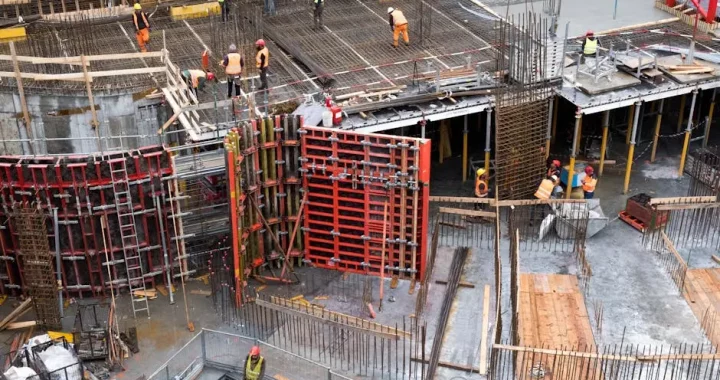
Workers on a high-rise building construction site in Denizli, Türkiye, showcasing teamwork and safety.

1. Reducing Direct Medical Costs

Effective workers’ compensation insurance helps cover medical expenses, reducing out-of-pocket costs. This ensures employees receive the care they need swiftly, minimizing disruption to projects. General contractors often experience unpredictable medical cost spikes due to workplace injuries. However, by having a comprehensive insurance plan in place, contractors can ensure that these costs are absorbed by insurance, rather than straining their budget. Additionally, quick medical care facilitated by streamlined insurance claims can lead to faster recovery times for injured workers, getting them back on site sooner.

Moreover, negotiating with healthcare providers as part of your insurance policy can lead to further savings. Many insurers have agreements with specific providers, allowing you to benefit from discounted rates on medical services. This is a win-win for both the contractor and their employees, encouraging timely medical attention and recovery. By meticulously managing how these claims are handled, contractors can see a noticeable decrease in their overall expenditure, ensuring both the well-being of their staff and the financial health of their business.

2. Minimizing Lost Wages Payouts

With workers’ compensation insurance, injured employees receive wage replacement, allowing general contractors to manage unforeseen financial outlays better. This wage replacement is crucial, as it not only supports the worker during their recovery phase but also stabilizes the contractor’s cash flow by reducing the need for direct financial intervention in the form of personal payments. Crucially, this aids in maintaining the worker’s loyalty and morale, knowing their financial commitments are being respected and managed during tough times.

By providing a percentage of the employee’s wage, generally two-thirds, the insurance ensures that workers have a reliable income source even when they are unable to perform their duties. This arrangement is a relief to both parties involved: workers are reassured they won’t face financial hardship due to an unforeseen accident, and employers can rest easy knowing that the necessary support mechanisms are efficiently managing what could otherwise be a significant cost burden on their operations.

3. Controlling Insurance Premiums

Taking a proactive stance on safety can prevent injuries, directly impacting insurance premiums. Fewer claims mean potential premium reductions, translating into cost savings. By investing in ongoing safety training and frequent site safety audits, general contractors can demonstrate a commitment to maintaining a secure work environment. This proactive attitude towards risk management ultimately reflects favorably in reduced workers’ compensation claims, subsequently lowering premium rates over time.

Workers’ compensation insurance shields businesses from costly lawsuits related to workplace injuries, sparing them significant legal expenses. Legal battles are not only financially draining but can also tarnish the business’s reputation, both with employees and the wider public. By ensuring adequate coverage, general contractors can mitigate against the risk of litigation, choosing instead a more cooperative approach to resolving worker injury claims.

Furthermore, having a robust insurance policy reduces the likelihood of disputes that may escalate to court, fostering a more harmonious relationship between employers and employees. This cooperative environment is conducive to trust, and can often lead to swifter resolution of disputes, without the need to resort to the legal system, saving time and money in the process.

5. Improving Workplace Safety Practices

Investing in safety training and initiatives supported by insurance providers can lead to fewer accidents, enhancing overall project efficiency and saving money. By incorporating regular safety drills, workshops, and updated safety gear, contractors can significantly reduce the number and severity of on-site accidents. This proactive safety culture not only cuts down on potential claims but also promotes a more focused and efficient workforce. Enhanced training ensures employees are well-versed with the latest safety protocols, theoretically minimizing the risks of workplace injuries.

6. Getting Discounts for Safety Compliance

Insurance companies often provide premium discounts for safety compliance and certifications, encouraging safer practices and lowering insurance costs. By striving for and achieving safety certifications, general contractors can demonstrate their commitment to pervading a safe environment, directly benefitting from reduced insurance premiums. Certifications such as OSHA can serve as pivotal benchmarks for contractors aiming to showcase their adherence to top-tier safety standards.

7. Ensuring Quick Return to Work

With proper workers’ compensation, rehabilitation and return-to-work programs can help injured employees resume their duties sooner, reducing downtime and associated costs. These programs are typically embraced by insurers ready to support both parties in getting the employee back on track. By facilitating modified or light-duty work arrangements during recovery, contractors can trim costs associated with lost productivity while also supporting their employees’ transition back to full duties.

8. Enhancing Employee Loyalty and Satisfaction

Providing robust workers’ compensation cultivates a positive workplace atmosphere, reducing turnover and saving on hiring costs. It shows employees they are valued and protected. Workers who feel acknowledged and supported will likely exhibit increased loyalty and morale, inevitably contributing to a constant workforce. This stability not only boosts productivity but also reduces the expenses associated with hiring and training new staff. As employees feel secure and appreciated, their commitment to quality work and consistent performance grows, enhancing company culture and overall financial resilience.

BGES Group is one of New York, New Jersey, and Connecticut’s Construction Insurance Specialists representing 50+ companies, including all the BEST general & umbrella liability programs. We offer all the coverage needed, including property, builders’ risk, inland marine, general liability, umbrella liability, auto, bid & performance bonds, workers’ compensation, N.Y.S. disability, and group health.  Our commitment to you goes beyond the policies we provide. We are always just a call, text, or email away, ready to assist you, even on weekends. We understand the importance of your business and are here to help you navigate any insurance challenges. 
 
BGES Group are Workers’ Compensation Insurance Specialists for Tri-State Business Owners: Unhappy with your rates, company, being canceled, losses causing difficulty getting coverage, in the middle of an audit dispute, misclassified payrolls, or whatever your issue. We can help!  We have special programs for Auto Services, Contractors (especially in New York), Limousine Services, Logistics Companies, Manufacturers, Recyclers, and Truckers; we can help ANY tri-state business owner. We are considered “Preferred Agents” for this one program that, if we can get you into, their pricing is excellent, offers long-term coverage stability, and can cover multi-state operations. The program takes the hassle out of doing annual audits, too. 
 
If you want to speak with us, call Gary Wallach at 914-806-5853, click here to email, or visit our website.
 
Company: BGES Group, 216A Larchmont Acres West, Larchmont, NY 10538

email: bgesgroup@gmail.com

website: http://www.bgesgroup.com


How Can Contractors Ensure They Meet Insurance Requirements?

Meeting insurance requirements is crucial for contractors to protect their business and their clients. Understanding what is needed and how to comply can be complex, but with a few straightforward steps, you can ensure you’re covered.

Understand the Types of Insurance Required

Familiarize yourself with the common types of insurance needed for contractors, such as general liability, worker’s compensation, and professional liability. General liability protects against accidents or injuries that might occur at the worksite, which is a basic necessity for most projects. Worker’s compensation is another essential, covering injuries or illness suffered by employees as a result of their job. Professional liability, often known as errors and omissions insurance, is crucial for protecting contractors from potential claims where their work or advice fails to meet client expectations.

Additionally, some specialties may require unique coverage. For example, if a contractor works at high altitudes or with heavy machinery, specific types of insurance might be necessary. It’s key to assess the nature of your work, the risks involved, and the legal requirements in your area. Understanding local laws and regulations can drastically alter the type of insurance needed and ensure full compliance.

Don’t forget the importance of legal compliance. Ensuring you meet state and local regulations not only protects your business but also enhances your reputation with clients. Many clients look for contractors who adhere to industry standards when hiring for important projects.

Consult with an Insurance Professional

Consulting an insurance professional ensures that you’re not missing vital coverage that could leave your business vulnerable. These professionals have the expertise to identify the unique needs of your contracting business and suggest comprehensive insurance packages that combine necessary coverages. Choosing the right insurance broker can ease the burden of finding the right insurance plan, helping to safeguard your business interests effectively.

It’s not just about having insurance but having the right insurance. Insurance professionals bring years of expertise to the table, offering insights on emerging risks and legislative changes that could affect your coverage. Their guidance can help you navigate the complexity of options available, from specialized construction insurance to more general policies. Discuss your business operations in detail so that they can tailor-fit the solution for you.

Keep Accurate Records and Documentation

Record-keeping is more than just a legal requirement; it’s a foundation for effective management in any contracting business. Keeping detailed records of insurance policies, endorsements, and certificates is necessary for tracking coverage and ensuring compliance at all times. Not only do organized records facilitate the audit process, but they also provide clarity when renewing or renegotiating policies.

Electronic documentation tools can significantly streamline your record-keeping process. These tools allow easy updates, retrieval, and sharing of insurance documents. Utilizing digital record-keeping solutions can enhance efficiency and protect your business from clerical errors that might arise from manual documentation.

Review and Update Insurance Policies Regularly

Regularly reviewing your insurance policies is crucial in adapting to changes in your contracting business. As your business grows, so do your coverage needs and potential liabilities. Schedule periodic reviews to align your insurance with your business goals and risk exposure.

Business dynamics shift rapidly, especially in the construction industry. Factors such as acquiring new contracts, expanding services, or hiring more employees significantly modify your risk profile. Therefore, deliberate policy reviews, ideally annually, should coincide with substantial internal changes. This ensures that you remain adequately protected against any unforeseen circumstances and complies with evolving regulatory standards.

Ensuring Compliance and Protection

By understanding the necessary insurance requirements, consulting with professionals, maintaining proper documentation, and planning for periodic reviews, contractors can confidently meet their insurance needs and protect their businesses effectively.

BGES Group is one of New York, New Jersey, and Connecticut’s Construction Insurance Specialists representing 50+ companies, including all the BEST general & umbrella liability programs. We offer all the coverage needed, including property, builders’ risk, inland marine, general liability, umbrella liability, auto, bid & performance bonds, workers’ compensation, N.Y.S. disability, and group health.  Our commitment to you goes beyond the policies we provide. We are always just a call, text, or email away, ready to assist you, even on weekends. We understand the importance of your business and are here to help you navigate any insurance challenges. 
 
BGES Group are Workers’ Compensation Insurance Specialists for Tri-State Business Owners: Unhappy with your rates, company, being canceled, losses causing difficulty getting coverage, in the middle of an audit dispute, misclassified payrolls, or whatever your issue. We can help!  We have special programs for Auto Services, Contractors (especially in New York), Limousine Services, Logistics Companies, Manufacturers, Recyclers, and Truckers; we can help ANY tri-state business owner. We are considered “Preferred Agents” for this one program that, if we can get you into, their pricing is excellent, offers long-term coverage stability, and can cover multi-state operations. The program takes the hassle out of doing annual audits, too. 
 
If you want to speak with us, call Gary Wallach at 914-806-5853, click here to email, or visit our website.
 
Company: BGES Group, 216A Larchmont Acres West, Larchmont, NY 10538

email: bgesgroup@gmail.com

website: http://www.bgesgroup.com


No Paperwork, No Protection: Why New York Contractors Must Collect Insurance Documents From Subcontractors Before Work Begins

If you are a contractor working anywhere in New York, you have probably noticed a major change in how insurance companies handle construction risk.

Before a subcontractor can begin work, contractors are now required by their insurance companies to collect several specific documents and insurance protections.

This is not just administrative paperwork.

It is a critical part of how construction liability risk is transferred.

Insurance companies today want to ensure that each subcontractor is financially responsible for their own work. Without these protections in place, a contractor’s insurance policy could end up paying for accidents that were actually caused by subcontractors.

As a result, contractors are now required to obtain several key protections from subcontractors before work begins on a jobsite.

Below are the most common requirements and why insurance companies insist on them.


1. Insurance and Hold Harmless Agreements

The first requirement is a written subcontract agreement that includes a hold harmless or indemnification clause.

A hold harmless agreement requires the subcontractor to defend and indemnify the contractor for claims arising out of the subcontractor’s work.

For example:

If a subcontractor installs framing improperly and an injury occurs, the subcontractor agrees to defend the contractor and pay damages related to that claim.

Construction lawsuits in New York frequently name every party involved in a project. Even if the subcontractor caused the accident, the contractor will almost always be pulled into the lawsuit.

A properly written hold harmless agreement allows the contractor to transfer responsibility back to the subcontractor whose work caused the loss.

Without this provision, the contractor’s insurance company may be forced to defend and pay claims that were actually caused by someone else.


2. Being Listed as an Additional Insured

Another key requirement is that subcontractors must list the contractor as an Additional Insured on the subcontractor’s Commercial General Liability (CGL) policy.

When a contractor is listed as an additional insured, the subcontractor’s insurance policy extends coverage to the contractor for claims arising out of the subcontractor’s work.

This is extremely important in construction accidents.

If a worker or third party is injured and the contractor is sued, being listed as an additional insured allows the contractor to tender the claim to the subcontractor’s insurance company.

That means the subcontractor’s insurer must:

• Provide legal defense • Pay settlements or judgments • Protect the contractor from financial loss

Insurance companies require this because they do not want the contractor’s policy paying claims caused by subcontractors.

Additional insured status ensures the subcontractor’s insurance responds first.

Article content

3. Waiver of Subrogation

Another critical requirement is a Waiver of Subrogation.

Subrogation is the legal right of an insurance company to recover money from another party after paying a claim.

A waiver of subrogation changes that.

When a subcontractor provides a waiver of subrogation in favor of the contractor, it means that if the subcontractor’s insurance company pays a claim, it cannot later pursue the contractor or the contractor’s insurance company to recover those payments.

In simple terms:

If a subcontractor’s insurer pays for a loss, they waive the right to sue the contractor afterward.

Insurance companies require this provision because construction projects involve multiple insurers. Without waivers of subrogation, insurers could spend years suing each other after a claim.

The waiver helps ensure that once a claim is paid, the matter is resolved without further litigation between insurance companies.


4. Primary and Non-Contributory Coverage

Another phrase frequently seen in subcontract agreements is Primary and Non-Contributory coverage.

This language determines which insurance policy must respond first when a claim occurs.

When a subcontractor’s policy is written on a primary and non-contributory basis, it means:

• The subcontractor’s insurance policy pays first • The contractor’s insurance policy does not contribute unless the subcontractor’s limits are exhausted

Insurance companies insist on this because they want the subcontractor’s policy to handle claims arising out of the subcontractor’s work.

Without primary coverage, both policies may have to contribute to a loss.

By requiring primary coverage, insurers ensure the contractor’s insurance policy is protected and used only as a last resort.


5. Minimum Insurance Limits Required From Subcontractors

In addition to contractual protections, insurance companies typically require subcontractors to carry minimum liability limits.

Most contractor insurance policies require subcontractors to carry:

Commercial General Liability (CGL) Minimum limits of $1,000,000 per occurrence

Excess or Umbrella Liability Minimum limits of $1,000,000 or higher

For larger projects, contractors may require $2M, $5M, or even $10M umbrella limits.

Insurance companies require these limits because construction accidents can produce extremely large claims.

Injury lawsuits in New York can easily exceed one million dollars once legal costs, medical expenses, and settlements are involved.

If subcontractors carry insufficient limits, the contractor’s policy may be forced to cover the remaining damages.

Strong subcontractor insurance limits create a layered protection structure that protects everyone involved in the project.


What Happens If Contractors Don’t Collect These Documents?

Many contractor insurance policies now contain Subcontractor Warranty Clauses.

These provisions require contractors to collect the documents discussed above before subcontractors begin work.

If contractors fail to do this, the consequences depend on whether the policy contains a Hard Hammer or Soft Hammer provision.


Hard Hammer Subcontractor Requirement

A Hard Hammer Clause is the strictest policy condition.

If the contractor fails to obtain required subcontractor documentation and that subcontractor causes a loss, the insurance company may deny coverage entirely.

This means:

• No legal defense • No claim payment • The contractor becomes personally responsible for damages

Considering that serious injury lawsuits in New York can reach millions of dollars, a hard hammer clause can be financially devastating.


Soft Hammer Subcontractor Requirement

Some policies instead contain a Soft Hammer Clause.

With a soft hammer provision, coverage is not completely denied, but the contractor is penalized financially.

Typical penalties include:

• Higher deductibles • Reduced policy limits • Shared responsibility for the loss

For example, a contractor who fails to collect subcontractor documentation may suddenly face a $50,000 or $100,000 deductible when a claim occurs.

While coverage still exists, the financial impact can still be severe.


Why Insurance Companies Are Enforcing This More Than Ever

Construction liability losses in New York have been rising dramatically.

Several factors are driving this trend:

• High-cost construction injury lawsuits • Strict labor laws favoring injured workers • Multiple parties being sued on every project • Extremely high legal defense costs

Because of these risks, many major insurance companies have stopped writing contractor insurance altogether.

Those that remain in the market require strict risk transfer procedures involving subcontractors.

Collecting subcontractor insurance documents is now one of the most important ways contractors protect themselves.


How BGES Group Helps Contractors Protect Their Business

Understanding subcontractor insurance requirements can be confusing and complicated.

That’s where BGES Group can help.

BGES Group specializes in insuring contractors operating in New York and understands the unique challenges contractors face in this difficult insurance market.

We help contractors:

• Obtain proper liability insurance • Understand subcontractor requirements • Structure risk transfer agreements • Avoid dangerous policy exclusions • Secure stable insurance coverage

Whether you are a general contractor or subcontractor, we help ensure your business is properly protected.


Contact BGES Group

If you are a contractor and want expert guidance on protecting your business with the right insurance coverage, contact BGES Group today.

BGES Group Specialists in New York Contractor Insurance

📞 Gary Wallach 914-806-5853

📧 bgesgroup@gmail.com

🌐 www.bgesgroup.com

When it comes to construction insurance, the right advice can mean the difference between a protected contractor and a catastrophic uninsured loss.

BGES Group is here to help New York contractors build that protection — before the job even begins. 🔨

Why Contractor Insurance Lookup is Essential for Your Next Project

Embarking on a new project can be both exciting and overwhelming. One crucial aspect often overlooked is verifying contractor insurance, which can protect you from unforeseen liabilities. In this blog, we’ll explore what contractor insurance lookup entails, why it’s indispensable, and how you can ensure a seamless project experience.

Industrial construction site with workers in high visibility clothing at a steel framework structure.

Understanding Contractor Insurance

Contractor insurance is a policy that protects you from various liabilities that might arise during a project. It typically covers liability, property damage, and worker injuries. This insurance acts as a safety net for both the contractor and the client, ensuring that any mishaps are financially covered.

At its core, contractor insurance provides a buffer against unexpected incidents that could otherwise derail a project. Consider it an essential tool in the contractor’s toolkit, safeguarding against lawsuits and unpredictable costs. Whether you’re dealing with a small residential renovation or a large-scale commercial development, understanding the scope of contractor insurance is vital. Each policy can differ significantly, offering varied coverage levels, so it’s critical to assess the specific needs of your project.

Equipped with a comprehensive knowledge of contractor insurance, you are better prepared to tackle the complexities of any project. It is not merely about risk mitigation, but also about fostering a reliable working relationship between all parties involved. For further insight into what policies are available that could benefit your unique situation, consider exploring reputable insurance providers to find the best fit for your project’s needs.

The Risks of Skipping Contractor Insurance Verification

Neglecting to verify contractor insurance can lead to significant financial losses. If an incident occurs and your contractor is uninsured, you could be held liable for property damage or injuries. This not only affects your finances but can also delay the project’s completion.

Imagine a scenario where a contractor accidentally damages electrical wiring, causing widespread issues and potential hazards. Without proper insurance verification, the burden of compensating for repairs may fall squarely on you, the project owner. This situation is all too common yet completely avoidable with due diligence in verifying insurance documentation. It’s not just about avoiding financial strain—it’s about ensuring the project maintains its momentum without unnecessary hiccups.

In addition to financial risks, the absence of verified insurance could paint a grim picture in terms of project credibility and security. Stakeholders and future clients may lose trust in your ability to manage projects effectively, tarnishing your reputation. By prioritizing insurance verification, you showcase a commitment to responsible management and risk assessment, crucial traits in any successful venture.

How to Conduct a Contractor Insurance Lookup

Performing a contractor insurance lookup is straightforward. Start by requesting to see their insurance certificate. Ensure the coverage is current and covers the duration and scope of your project. Additionally, verify the policy with the insurance provider to confirm its validity.

Begin your verification journey by consulting the contractor directly for their insurance documentation. This initial step sets the tone for transparency and professionalism. Once you have the documentation, carefully check the details against the expected coverage parameters of your project. Look for key indicators such as coverage limits, expiration dates, and specific exclusions that may affect liability for certain incidents. This meticulous process not only protects your interests but also strengthens the contractual agreement between you and the contractor.

Furthermore, tools and services are available online that specialize in assisting project owners with insurance verification. These platforms offer streamlined processes to cross-reference insurance details with provider databases, ensuring full coverage compliance. Embracing technology in this manner can expedite the verification process, allowing for efficient management and peace of mind as your project progresses. With all bases covered, your project’s security and success become assured outcomes, rather than hopeful results.

Key Benefits of Verified Contractor Insurance

By ensuring a contractor has valid insurance, you protect yourself from potential legal and financial issues. It also reassures you that the contractor operates professionally and responsibly, providing an extra layer of trust and credibility for your project.

One of the pivotal advantages of a verified contractor’s insurance is the diminished risk of litigation. With the backing of an insurance policy, disputes are more likely to be resolved amicably, sparing you the stress and expense of lengthy legal proceedings. This protection extends beyond just financial relief; it establishes a foundation of professional integrity. Contractors who present verified insurance signal dedication to their craft, emphasizing quality and accountability. This, in turn, enhances the project’s reputation, attracting future opportunities and partnerships that thrive on reliability and trust.

Moreover, verified insurance translates to smoother project workflows. With the peace of mind that comes from knowing all potential liabilities are covered, you can focus on the creative and logistical aspects of the project. This focus naturally leads to greater innovation and efficiency, further bolstering the project’s outcomes. There’s unmatched value in having the freedom to operate without looming uncertainties and financial pitfalls, making verified contractor insurance an indispensable element in any project strategy.

The Safety Net of Contractor Insurance

Verifying contractor insurance is an essential step that should never be overlooked in any project. It protects you from potential financial risks and provides peace of mind. By taking these proactive steps, you can focus on the success of your project, knowing that you’re covered.

BGES Group is one of New York, New Jersey, and Connecticut’s Construction Insurance Specialists representing 50+ companies, including all the BEST general & umbrella liability programs. We offer all the coverage needed, including property, builders’ risk, inland marine, general liability, umbrella liability, auto, bid & performance bonds, workers’ compensation, N.Y.S. disability, and group health.  Our commitment to you goes beyond the policies we provide. We are always just a call, text, or email away, ready to assist you, even on weekends. We understand the importance of your business and are here to help you navigate any insurance challenges. 
 
BGES Group are Workers’ Compensation Insurance Specialists for Tri-State Business Owners: Unhappy with your rates, company, being canceled, losses causing difficulty getting coverage, in the middle of an audit dispute, misclassified payrolls, or whatever your issue. We can help!  We have special programs for Auto Services, Contractors (especially in New York), Limousine Services, Logistics Companies, Manufacturers, Recyclers, and Truckers; we can help ANY tri-state business owner. We are considered “Preferred Agents” for this one program that, if we can get you into, their pricing is excellent, offers long-term coverage stability, and can cover multi-state operations. The program takes the hassle out of doing annual audits, too. 
 
If you want to speak with us, call Gary Wallach at 914-806-5853, click here to email, or visit our website.
 
Company: BGES Group, 216A Larchmont Acres West, Larchmont, NY 10538
email: bgesgroup@gmail.com

website: http://www.bgesgroup.com


Liability Insurance Is Getting Harder to Find for New York Contractors — Protect Yourself With a Plan B!

If you’re a contractor operating in New York today, you’ve probably noticed something unsettling happening in the insurance market.

When your general liability policy comes up for renewal, the conversation with your broker is no longer as simple as it used to be.

Rates are rising. Underwriting is tightening. And perhaps most concerning of all—there are fewer insurance companies willing to write New York contractors.

Over the past year, several well-known “Main Street” insurance companies have quietly stepped away from the New York contractor liability market. Carriers that once insured small and mid-size construction firms are now declining accounts or dramatically restricting the types of work they will cover.

Why?

Because New York remains one of the most difficult liability environments in the country. Between strict labor laws, rising claim costs, and complex construction risks, many insurance companies have decided the exposure simply isn’t worth it.

For contractors, the result is simple: less competition means higher premiums and fewer options.

That’s why every contractor should be asking themselves an important question:

“What’s my Plan B when my liability policy comes up for renewal?”

Why Waiting Until Renewal Is Risky

Too many contractors wait until 30 days before renewal to think about their insurance.

By that time, if your current insurance company decides not to renew your policy—or comes back with a major price increase—you may have very limited options.

In today’s insurance environment, underwriters often need 60–120 days to properly review contractor accounts. If there’s a gap in coverage, past claims, or certain types of work involved, the underwriting process can become even more complicated.

That’s why having a backup strategy is critical.

That’s Where BGES Group Comes In

At BGES Group, we specialize in helping New York, New Jersey, and Connecticut contractors navigate one of the most challenging insurance markets in the country.

We understand the construction industry because contractors are a core part of our business.

But just as important, we offer something many larger agencies have lost:

Old-fashioned “Mom and Pop” boutique service.

When you call BGES Group, you’re not being routed through a call center or waiting days for a response. You’re dealing with professionals who understand your business and treat your company like it matters—because it does.

Article content

Here are 10 ways BGES Group makes contractors’ lives easier.

1. Access to 50+ Insurance Companies

The contractor insurance market is shrinking. Having access to multiple carriers is more important than ever.

BGES Group represents over 30 insurance companies, including many of the best general liability and umbrella liability programs available for contractors.

2. A True Backup Plan for Your Liability Renewal

If your current carrier increases rates dramatically or decides not to renew your policy, we already have alternative markets ready to review your account.

That’s what a real Plan B looks like.

3. Specialists in New York Contractor Risks

New York construction is unique. Labor Law exposure, high claim severity, and strict insurance requirements mean you need a broker who understands these risks.

We specialize in New York contractor insurance placements.

4. Help Navigating Complex Insurance Requirements

General contractors, property managers, and developers often require complex insurance wording.

Additional insured endorsements. Primary and non-contributory wording. Waivers of subrogation.

We help make sure your policies meet contractual requirements.

5. Faster Responses When You Need Certificates

In construction, work often stops until a certificate of insurance is issued.

We understand that speed matters, and we work quickly to provide the certificates you need so projects keep moving.

6. Assistance with Claims

When a claim occurs, contractors often feel like they’re left on their own to deal with the insurance company.

We help guide you through the process and advocate on your behalf when needed.

7. Workers’ Compensation Expertise

Workers’ compensation is one of the most complicated insurance policies contractors deal with.

Misclassified payroll, incorrect job classifications, and audit disputes can lead to unexpected costs.

We help review policies and identify potential issues before they become expensive problems.

8. Help with Audit Disputes

Many contractors are surprised when their workers’ compensation audit results in a large additional premium.

If you’re in the middle of an audit dispute, we may be able to help review classifications, subcontractor documentation, and other factors affecting the audit.

9. Guidance on Coverage Contractors Often Overlook

Many contractors carry only basic liability insurance when they actually need additional coverage such as:

Builders risk Inland marine Commercial auto Umbrella liability

We help identify potential gaps that could create serious financial exposure.

10. Real People Who Are Available When You Need Them

Construction doesn’t stop at 5 PM—and neither do insurance issues.

At BGES Group, we pride ourselves on being available when our clients need us, even outside normal business hours.


A Construction Insurance Specialist You Can Count On

BGES Group is one of New York, New Jersey, and Connecticut’s Construction Insurance Specialists representing 30+ companies, including all the BEST general & umbrella liability programs. We offer all the coverage needed, including property, builders’ risk, inland marine, general liability, umbrella liability, auto, bid & performance bonds, workers’ compensation, N.Y.S. disability, and group health.

Our commitment to you goes beyond the policies we provide. We are always just a call, text, or email away, ready to assist you, even on weekends. We understand the importance of your business and are here to help you navigate any insurance challenges.


Workers’ Compensation Insurance Specialists for Tri-State Business Owners

BGES Group are Workers’ Compensation Insurance Specialists for Tri-State Business Owners: Unhappy with your rates, company, being canceled, losses causing difficulty getting coverage, in the middle of an audit dispute, misclassified payrolls, or whatever your issue. We can help!

We have special programs for Auto Services, Contractors (especially in New York), Limousine Services, Logistics Companies, Manufacturers, Recyclers, and Truckers; we can help ANY tri-state business owner.

We are considered “Preferred Agents” for this one program that, if we can get you into, their pricing is excellent, offers long-term coverage stability, and can cover multi-state operations. The program takes the hassle out of doing annual audits, too.


Don’t Wait Until Your Renewal Is in Trouble

The New York contractor insurance market is changing quickly.

If your liability policy is coming up for renewal, now is the time to start exploring your options—not after the renewal quote arrives.

Having a Plan B could make the difference between securing the coverage your business needs or scrambling at the last minute.


Contact BGES Group

If you want to speak with us:

Gary Wallach BGES Group 216A Larchmont Acres West Larchmont, NY 10538

📞 Phone: 914-806-5853

📧 Email: bgesgroup@gmail.com

🌐 Website: http://www.bgesgroup.com

Call, text, or email anytime to discuss your insurance needs. We’re here to help keep your construction business protected.

Contractors Are Fed Up: Why Many Tri-State Builders Are Escaping the Workers’ Comp Audit Nightmare

If you spend any time talking with construction contractors across the Tri-State area — New York, New Jersey, and Connecticut — you’ll hear the same complaint again and again.

It’s not the work. It’s not the employees. And it’s not even the premiums.

It’s the workers’ compensation audit.

For many contractors, the annual workers’ comp audit has become what they jokingly call:

“The insurance proctologist visit.”

Auditors comb through:

  • Payroll records
  • 1099s
  • Subcontractor agreements
  • Bank statements
  • Tax documents

And the result is often the same:

A surprise bill months after the policy year ends.

Sometimes that bill is enormous.


The Problem With Traditional Workers’ Comp Policies

Traditional workers’ compensation policies are typically written using estimated payroll.

That means the premium you pay during the policy term is based on projections.

After the policy expires, the insurance carrier performs an audit to determine what the payroll actually was.

If payroll turns out to be higher than estimated, the contractor receives a large additional premium bill.

For construction companies — where payroll fluctuates with projects, seasonal work, and job schedules — these audits can become a constant headache.


Why Contractors Are Losing Patience

Construction is already one of the most regulated industries in America.

Contractors deal with:

  • OSHA
  • Building inspectors
  • Union rules
  • Strict labor laws
  • Jobsite safety compliance

This is especially true in states like New York.

When unpredictable insurance audits are added on top of that, many contractors say it pushes them to the breaking point.

Here are the frustrations contractors mention most often:

• Surprise premium bills months after the policy ends • Auditors questioning subcontractors and 1099 labor • Disputes over employee classifications • Endless requests for payroll documentation • Cash flow disruptions from unexpected charges

Many contractors say the process feels less like an audit and more like a financial interrogation.


A Growing Search for Alternatives

Because of these frustrations, more contractors are exploring alternative workers’ compensation structures.

One option that has gained traction over the past 25+ years is a payroll-based workers’ compensation program.

These programs move away from the traditional audit model and toward a pay-as-you-go payroll system.


A Different Way to Handle Workers’ Compensation

Instead of estimating payroll for the entire year and adjusting later, payroll-based workers’ comp programs calculate premiums using actual payroll each pay period.

This model changes everything.

Premiums adjust automatically as payroll changes, eliminating many of the traditional audit surprises.

Employers pay for coverage as payroll occurs, aligning insurance cost with real business activity.

In simple terms:

No projections. No guessing. No painful year-end audit surprises.

For contractors whose payroll fluctuates with projects and seasonal work, this structure can provide much greater financial stability.

Article content

10 Ways Payroll-Based Workers’ Comp Programs Help Contractors

Without referencing any specific provider, here are ten reasons many contractors are moving toward payroll-driven workers’ compensation systems.

1. No Traditional Annual Audits

Because premiums are calculated from real payroll each pay cycle, the dreaded year-end audit often disappears entirely.

2. Premiums Based on Actual Payroll

Contractors only pay for payroll that actually occurred — not estimates made twelve months earlier.

3. Improved Cash Flow

Instead of large deposits or surprise bills, premiums are spread throughout the year as payroll is processed.

4. Reduced Risk of Surprise Bills

Payroll-based systems dramatically reduce the risk of massive audit adjustments.

5. Automatic Premium Adjustments

When payroll increases or decreases, premiums adjust automatically.

6. Easier Budgeting

Contractors know their insurance cost at the same time payroll is processed.

7. Integrated Payroll Reporting

Many programs integrate directly with payroll systems, reducing paperwork and administrative time.

8. Enhanced Claims Management

Some programs include modern claims handling and safety resources that help reduce claim frequency.

9. Scalable for Growing Contractors

As companies grow or expand into new states, coverage can often adjust quickly without rewriting an entire policy.

10. Long-Term Market Stability

Some payroll-based workers’ comp programs have operated successfully for more than 25 years, providing an alternative to constantly shifting insurance markets.


Why This Matters in the Tri-State Construction Market

Contractors in the New York metropolitan region face unique challenges.

New York’s construction labor laws, liability exposure, and insurance costs are among the highest in the country.

Workers’ compensation costs can be especially high for trades such as:

  • Roofing
  • Masonry
  • Interior demolition
  • Concrete work
  • Exterior façade work
  • Structural steel

When unpredictable audits are added on top of those already high costs, it creates serious financial pressure for small and mid-size contractors.

That’s why many contractors are now asking a simple question:

“Is there a better way to handle workers’ comp?”

For many businesses, the answer may be yes.


The Bottom Line

Workers’ compensation is essential protection for both employers and employees.

It covers:

  • Medical expenses
  • Lost wages
  • Workplace injury protection

But how the coverage is structured can make a huge difference.

For contractors tired of audit surprises, payroll-based workers’ compensation programs can offer a more predictable and contractor-friendly approach.

Instead of worrying about what an auditor might find a year later, contractors can focus on what they do best:

Building projects. Running crews. Growing their businesses.


About BGES Group

BGES Group specializes in helping contractors and businesses secure the right insurance programs, including workers’ compensation solutions designed for stability and long-term success.

With extensive experience in construction insurance throughout New York, New Jersey, and Connecticut, BGES Group helps contractors navigate complex insurance markets and identify solutions that align with their business model.

If you are tired of workers’ compensation audit surprises and want to explore payroll-based programs that may simplify your insurance structure, we’re happy to have a conversation.


Gary Wallach BGES Group

📞 914-806-5853 📧 bgesgroup@gmail.com 🌐 www.bgesgroup.com

A short conversation could help determine whether a more stable workers’ compensation program may be available for your business.

12 Essential Contractor Insurance Requirements You Can’t Ignore

Navigating the world of contractor insurance can be a daunting task, especially with so many requirements to keep track of. It’s important to ensure that you have the right coverage in place to protect yourself and your business from potential risks. In this guide, we’ll break down the most essential contractor insurance requirements that you simply can’t afford to overlook. Let’s dive in and simplify the complexities with a friendly conversational walkthrough.

1. Understanding General Liability Insurance

General liability insurance is the cornerstone of any contractor’s insurance coverage. It protects your business from claims related to bodily injury, property damage, and personal injury. We’ll explore why this policy is essential and how it protects your business from unexpected incidents. Whether it’s a customer slipping in your workshop or a piece of equipment damaging a client’s property, the coverage ensures you handle incidents without financially drowning. It’s crucial to remember that liability insurance doesn’t cover everything – professional errors or omitted advice might need additional coverage. Reading up on liability insurance basics can provide important insights into what your policy should cover.

Not having general liability coverage can be risky, especially in sectors where interactions with the public or other enterprises occur frequently. Take a moment to consider how one major incident without insurance could disrupt your business financially. It’s always better to err on the side of caution. Moreover, having this insurance enhances your business’s credibility, presenting you as a responsible contractor. According to Hiscox, general liability insurance is one of the best defenses against unforeseen claims that could otherwise leave your business vulnerable.

2. Exploring Workers’ Compensation Coverage

Workers’ compensation is not just a requirement but a necessity for contractors. It covers medical expenses and lost wages for employees injured on the job. Learn how this coverage supports your workforce while keeping your business compliant with legal requirements. From unexpected slips to chronic injuries caused by repetitive tasks, workers’ compensation ensures that any incidents impacting your team’s health are managed thoroughly. It’s more than just a financial safety net; it’s about showing you value your employees’ wellbeing. Understanding workers’ compensation from a legal standpoint is critical, ensuring compliance and avoiding hefty penalties.

The advantages of maintaining workers’ compensation coverage go beyond compliance and caring for employees. It fosters a strong workplace culture based on support and mutual respect. Your workforce is not just a part of your business; they are the engines that keep it running. Therefore, providing them with security in the form of workers’ compensation boosts morale and loyalty, resulting in a more productive and positive working environment.

3. The Importance of Commercial Auto Insurance

If your business involves the use of vehicles, commercial auto insurance is crucial. This section will explain the protection it offers against vehicle-related accidents and why personal auto insurance isn’t enough. While it might be tempting to stick with personal auto insurance, it likely won’t cover incidents that occur during business trips or deliveries. Commercial policies are designed to cover a broader range of incidents, including damage to third-party vehicles or injuries involving employees or customers. Commercial auto insurance guidelines can provide valuable insights into why this specific insurance is a wise investment.

4. Protecting Your Tools with Equipment Insurance

Your tools and equipment are vital to the success of your projects. Equipment insurance ensures they are protected from theft, damage, or loss. We’ll discuss what this insurance covers and its importance for your operations. The sudden expense of replacing essential equipment due to unexpected failures or theft can significantly impact your bottom line. This is where equipment insurance steps in, providing swift financial compensations that allow your operations to continue smoothly. Take a proactive approach by exploring equipment insurance benefits, securing tools critical for project success.

A comprehensive equipment insurance policy not only covers physical tools but can extend to the technology and software necessary for modern contracting work. As industries evolve, the tools and resources utilized in projects may broaden beyond physical utilities. Keeping this wide scope in mind ensures you’re protected on all fronts. Protecting these assets with insurance not only keeps your projects on track but also aids in maintaining your professional reputation for reliable service delivery.

The confidence gained from having your equipment insured transforms your approach to taking on new and challenging projects. By knowing contingencies are in place, you can focus more on achieving excellence and growth for your contracting business.

5. The Role of Professional Liability Insurance

In an industry where expertise is paramount, professional liability insurance protects you from claims of negligence or inadequate work. Discover how this coverage shields you from potential lawsuits and professional risks. Mistakes can happen, even with the most skilled contractors. This type of insurance is dedicated to protecting against errors and omissions that might lead to financial loss for your client. It can guard your business against costly legal disputes, ensuring you don’t have to bear the brunt of compensation demands alone. Exploring professional liability ensures you grasp all aspects of this essential coverage component.

Contracting work typically involves a personal touch, as your recommendations and expertise play into clients’ expectations. Professional liability insurance recognizes this and reassures clients that you can be trusted, even when the unexpected happens. Investing in this coverage reinforces your business’s reputation and reliability.

6. Ensuring Business Continuity with Business Owner’s Policy

A business owner’s policy combines general liability and property insurance, offering comprehensive protection for your business. We’ll explore the components of this policy and why it’s a smart choice for contractors. Essentially a bundle, this policy is particularly attractive due to its tailored coverage options and cost-effectiveness. By combining different types of insurance, it enables risk management under one roof, offering simplicity in administration and policy management while maintaining robust protection.

7. Safeguarding Your Income with Income Protection Insurance

Income protection insurance provides financial security if you’re unable to work due to illness or injury. We’ll explain how this coverage can provide peace of mind by ensuring a steady income stream even in tough times. It operates as your financial lifeline, delivering regular payments during your recovery, thereby offering a buffer against post-injury or illness financial strain. Consider exploring the details of this insurance to understand its impact better, whether through learning more deeply about vital components or diving into example payout mechanisms.

8. Understanding Umbrella Insurance for Extra Coverage

For additional peace of mind, umbrella insurance offers extra liability coverage beyond the limits of your standard policies. Learn when and why you might need this added layer of protection. Think of it as a safeguard that kicks in when everything else has been exhausted, providing an essential safety net in scenarios of multiple claims or unprecedented liabilities. Given the unpredictable nature of the contracting world, umbrella insurance reassures contractors with the security of knowing they’re fully protected in the most extreme situations.

9. Cyber Liability Insurance in the Digital Age

In today’s digital world, cyber threats are real. Cyber liability insurance protects your business from data breaches and cyber-attacks. This section highlights the importance of staying safeguarded in an ever-evolving digital landscape. As reliance on digital platforms grows, ensuring data integrity through cyber protection can stave off the severe consequences of breaches. Stay informed by understanding cyber threat protection measures, and protect your business from falling victim to the latest threats.

10. Navigating Builder’s Risk Insurance for Construction Projects

Builder’s risk insurance covers buildings under construction, protecting against damage and losses. We’ll discuss how this coverage is essential during the construction phase and the specific scenarios it addresses. Imagine the completion timeline changing abruptly due to a storm significantly damaging the project mid-process; in such scenarios, builder’s risk insurance steps in to recover costs and get the project back on track. Read more about its applications, such as fire damage, storm impacts, or pilfered materials, ensuring your projects maintain momentum even when the unexpected strikes.

11. The Advantage of Surety Bonds for Compliance and Trust

Surety bonds are often required to ensure compliance with regulations and build trust with clients. This section explains how surety bonds work and why they’re crucial for business credibility and successful project completion. Essentially, they provide a financial assurance to clients that projects will complete as planned, or compensate clients if contractors fail to meet obligations. Moreover, they can often serve as a differentiating factor when vying for clients’ trust and project bids since a bond demonstrates accountability and responsibility. It’s an investment in your clarity and capability as a trusted partner.

12. Considering Pollution Liability Insurance for Environmental Protection

Pollution liability insurance covers environmental risks and contamination incidents linked to your contracting work. We’ll discuss when this coverage is necessary and how it helps you stay environmentally responsible. As environmental regulations tighten globally, being insured against pollution impacts ensures your projects come across as eco-conscious and responsible. Proactively addressing potential environmental concerns through insurance reduces the risk of expensive remediation actions. Consider the benefits of pollution insurance and remain a forward-thinking contractor committed to sustainable practices.

BGES Group is one of New York, New Jersey, and Connecticut’s Construction Insurance Specialists representing 50+ companies, including all the BEST general & umbrella liability programs. We offer all the coverage needed, including property, builders’ risk, inland marine, general liability, umbrella liability, auto, bid & performance bonds, workers’ compensation, N.Y.S. disability, and group health.  Our commitment to you goes beyond the policies we provide. We are always just a call, text, or email away, ready to assist you, even on weekends. We understand the importance of your business and are here to help you navigate any insurance challenges. 
 
BGES Group are Workers’ Compensation Insurance Specialists for Tri-State Business Owners: Unhappy with your rates, company, being canceled, losses causing difficulty getting coverage, in the middle of an audit dispute, misclassified payrolls, or whatever your issue. We can help!  We have special programs for Auto Services, Contractors (especially in New York), Limousine Services, Logistics Companies, Manufacturers, Recyclers, and Truckers; we can help ANY tri-state business owner. We are considered “Preferred Agents” for this one program that, if we can get you into, their pricing is excellent, offers long-term coverage stability, and can cover multi-state operations. The program takes the hassle out of doing annual audits, too. 
 
If you want to speak with us, call Gary Wallach at 914-806-5853, click here to email, or visit our website.
 
Company: BGES Group, 216A Larchmont Acres West, Larchmont, NY 10538

email: bgesgroup@gmail.com

website: http://www.bgesgroup.com