
How Can New York Contractors Ensure They Have Adequate Insurance Coverage?

Ensuring adequate insurance coverage is crucial for contractors operating in New York. Not only does it safeguard your business from unforeseen liabilities, but it also builds trust with clients. However, navigating the myriad of insurance options and prerequisites can be daunting. This guide breaks down the essentials to help New York contractors seamlessly secure the right insurance coverage.

Two construction workers in hard hats assisting each other at a building site, highlighting teamwork.

Assess Your Insurance Needs

Start by evaluating the specific needs of your business. Consider the types of projects you undertake, your annual revenue, and the number of employees. This helps determine the level of coverage required.

The industry you operate in also significantly influences your insurance needs. For example, if you work in construction, certain high-risk factors such as machinery operation or working at heights might require specialized coverage. These considerations ensure no aspect of your business is left unprotected.

Moreover, client requirements can dictate your insurance needs. Some clients may mandate specific coverages, ensuring you’re eligible to bid on projects. Fulfilling these requirements boosts your competitiveness and ensures that contractual obligations are met seamlessly.

Understand Key Insurance Policies

Familiarize yourself with essential insurance policies such as General Liability, Workers’ Compensation, and Professional Liability. Each serves a different purpose and collectively provides comprehensive protection.

General Liability is your first line of defense. It covers third-party bodily injury, property damage, and personal injury, offering a safety net against potential lawsuits. Meanwhile, Workers’ Compensation is a legal necessity, providing coverage for employee injuries or health issues acquired on the job.

Professional Liability, commonly known as Errors and Omissions insurance, is crucial for protecting against claims relating to professional services, including alleged negligence or mistakes. It is particularly vital for contractors who provide design or consultancy services to their clients, ensuring you are covered for any oversight.

Research State and Local Requirements

New York has specific insurance regulations for contractors. Ensure compliance by researching state and local requirements to avoid legal complications and regulatory fines.

Each area in New York may have unique rules, which are enforced to protect both the contractors and consumers. Understanding these regulations assures you’re operating within legal bounds and avoids costly penalties that could arise from non-compliance. It’s a crucial step in maintaining your business’s good standing.

Consult an Insurance Professional

Engage with an insurance professional who specializes in contractor coverage. They can provide personalized advice, helping you find policies that best meet your needs while ensuring all bases are covered.

With their expertise, insurance professionals can guide you through complex policy details and assist in tailoring a package that addresses your unique business scenarios. They ensure you don’t miss any critical components of coverage, which could prove vital to your business’s safety and longevity.

Review and Update Your Coverage Regularly

Your business evolves over time, and so do your insurance needs. Schedule regular reviews of your coverage to incorporate any changes in your business operations or state regulations.

Consider conducting these reviews annually or whenever significant changes occur within your company, such as expansion into new service areas, increased workforce, or substantial project alterations. Even slight adjustments in policies can greatly influence your overall protection.

Ensuring Comprehensive Insurance Coverage as a New York Contractor

In conclusion, securing the right insurance coverage is a foundational element of operating securely as a contractor in New York. By methodically assessing your needs, understanding available policies, and maintaining regular reviews, you ensure protection against potential risks and bolster your business’s reputation. Make informed decisions and seek professional guidance when necessary to achieve comprehensive coverage.

BGES Group is one of New York, New Jersey, and Connecticut’s Construction Insurance Specialists representing 50+ companies, including all the BEST general & umbrella liability programs. We offer all the coverage needed, including property, builders’ risk, inland marine, general liability, umbrella liability, auto, bid & performance bonds, workers’ compensation, N.Y.S. disability, and group health.  Our commitment to you goes beyond the policies we provide. We are always just a call, text, or email away, ready to assist you, even on weekends. We understand the importance of your business and are here to help you navigate any insurance challenges. 
 
BGES Group are Workers’ Compensation Insurance Specialists for Tri-State Business Owners: Unhappy with your rates, company, being canceled, losses causing difficulty getting coverage, in the middle of an audit dispute, misclassified payrolls, or whatever your issue. We can help!  We have special programs for Auto Services, Contractors (especially in New York), Limousine Services, Logistics Companies, Manufacturers, Recyclers, and Truckers; we can help ANY tri-state business owner. We are considered “Preferred Agents” for this one program that, if we can get you into, their pricing is excellent, offers long-term coverage stability, and can cover multi-state operations. The program takes the hassle out of doing annual audits, too. 
 
If you want to speak with us, call Gary Wallach at 914-806-5853, click here to email, or visit our website.
 
Company: BGES Group, 216A Larchmont Acres West, Larchmont, NY 10538

email: bgesgroup@gmail.com

website: http://www.bgesgroup.com

 

Construction Insurance in 2026: What Contractors Need to Know to Stay Protected and Profitable

As construction executives look ahead to 2026, the insurance landscape is being reshaped by a convergence of cost volatility, workforce challenges, legal pressure, and climate-related risk. While certain lines of coverage are beginning to stabilize, others remain under sustained pressure, requiring contractors to take a more active, strategic role in managing their insurance programs.

The unifying theme across the market is uncertainty. Tariffs, supply-chain disruptions, labor shortages, and rising claim severity are altering risk profiles faster than many insurance programs can adapt. For firms operating on thin margins or managing complex projects, strong risk management and closer coordination with insurance partners will be essential in the year ahead.

Key Forces Impacting Construction Insurance

Several forces are driving underwriting decisions and pricing across the construction sector:

  • Material costs and tariffs: Fluctuations in steel, concrete, and other core materials continue to push replacement values higher, increasing the risk of underinsured projects and builders risk shortfalls.
  • Labor shortages: Persistent workforce gaps are leading to increased overtime, greater reliance on subcontractors, and the use of less experienced workers. These trends elevate safety risks, workers’ compensation exposure, and the potential for workmanship-related claims.
  • Legal system pressure: Social inflation, third-party litigation funding, and nuclear verdicts are keeping liability costs elevated and insurers cautious.
  • Technology adoption: The growing use of digital project management tools, connected equipment, and electronic payment systems is expanding cyber and professional liability exposures.
  • Climate and geographic risk: Severe weather events and regional regulatory differences are complicating underwriting, particularly in catastrophe-prone areas.
Article content

What the Rate Environment Looks Like

According to the WTW Insurance Marketplace Realities 2026, construction insurance pricing is expected to remain mixed rather than uniformly hard or soft. Outcomes will vary significantly by line of coverage, loss history, and geography.

  • General liability: Flat to +10%
  • Auto liability: +8% to +20%
  • Workers’ compensation: Flat to +3%
  • Excess liability: +7% to +40%
  • Primary OCIPs/CCIPs: Flat to +10%
  • Umbrella and excess liability: +5% to +30%
  • Project-specific builders risk (non–high hazard Nat Cat): 0% to +5%
  • Project-specific builders risk (high hazard Nat Cat): 0% to +10%
  • Master builders risk / contractors block: -5% to +5%

Liability and Auto Remain Pressure Points

General liability and excess liability continue to bear the brunt of rising legal costs and large jury awards. Underwriters are responding with tighter terms, broader exclusions, and, in some cases, reduced capacity. For many contractors, umbrella and excess limits that once felt sufficient may no longer align with today’s litigation environment.

Commercial auto is also under pressure. Rising claim severity, reinsurance costs, and geographic loss trends are driving rate increases, especially for larger fleets and operations in higher-risk states. Insurers are increasingly requiring documented safety programs, driver monitoring, and proactive risk controls as a condition of competitive pricing.

Workers’ Compensation Offers Relative Stability

Workers’ compensation remains the most stable line in most construction insurance portfolios. Favorable reserve development and continued carrier appetite for well-managed accounts are helping keep rate increases modest. Contractors with strong safety records and low experience modification factors (X-Mods) can often use these results as leverage when negotiating more challenging lines, making safety and claims management a strategic advantage rather than a compliance exercise.

Builders Risk and Climate Exposure

Builders risk coverage is gradually stabilizing after several difficult years, but climate-related exposures remain front and center in underwriting. Projects exposed to wildfire, severe storms, or other secondary catastrophe risks are seeing higher deductibles, tighter terms, and more frequent use of sublimits. Accurate replacement cost valuations and mid-project updates are becoming increasingly critical as material prices and project timelines fluctuate.

Subcontractor Default Risk Is Gaining Attention

Rising construction costs, tariff uncertainty, and labor pressures are putting stress on subcontractor balance sheets. While subcontractor default insurance (SDI) capacity remains available, underwriters are scrutinizing prequalification practices, project concentration, and delivery methods more closely. For large or complex projects, SDI is becoming an important tool to protect both project timelines and corporate balance sheets.

What Construction Executives Should Prioritize in 2026

To navigate this evolving environment, construction leaders should consider:

  • Reassessing insured values to reflect current replacement costs and tariff-driven volatility.
  • Reviewing liability limits and excess structures in light of today’s legal climate.
  • Leveraging strong workers’ compensation performance in broader insurance negotiations.
  • Evaluating cyber and professional liability coverage as technology use expands.
  • Factoring geographic and climate risk into project planning and insurance design.

How BGES Group Can Help

BGES Group specializes in construction-focused insurance and risk management solutions designed to help contractors navigate complex and changing market conditions. We work closely with business owners and executives to structure coverage programs that protect projects, employees, and balance sheets—while controlling costs and avoiding coverage gaps.

BGES Group proudly serves construction firms throughout New York, New Jersey, and Connecticut, providing hands-on guidance, market access, and advocacy at renewal and beyond.

Contact Information

Gary Wallach

📞 914-806-5853

📧 bgesgroup@gmail.com

🌐 www.bgesgroup.com

If you’re planning for 2026 and want to make sure your insurance program keeps pace with today’s risks, BGES Group is here to help.

When Should You Update Your Masonry Insurance Plan?

Keeping your masonry insurance plan up-to-date is crucial for ensuring your property remains protected against unexpected events. But how do you know when it’s time to review and update your policy? In this guide, we’ll explore some key moments when an update might be necessary.

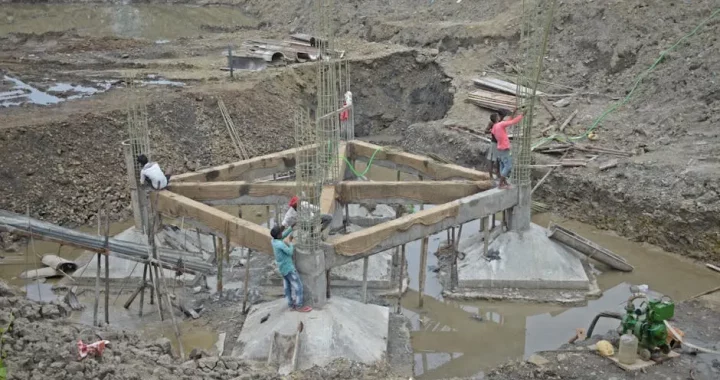
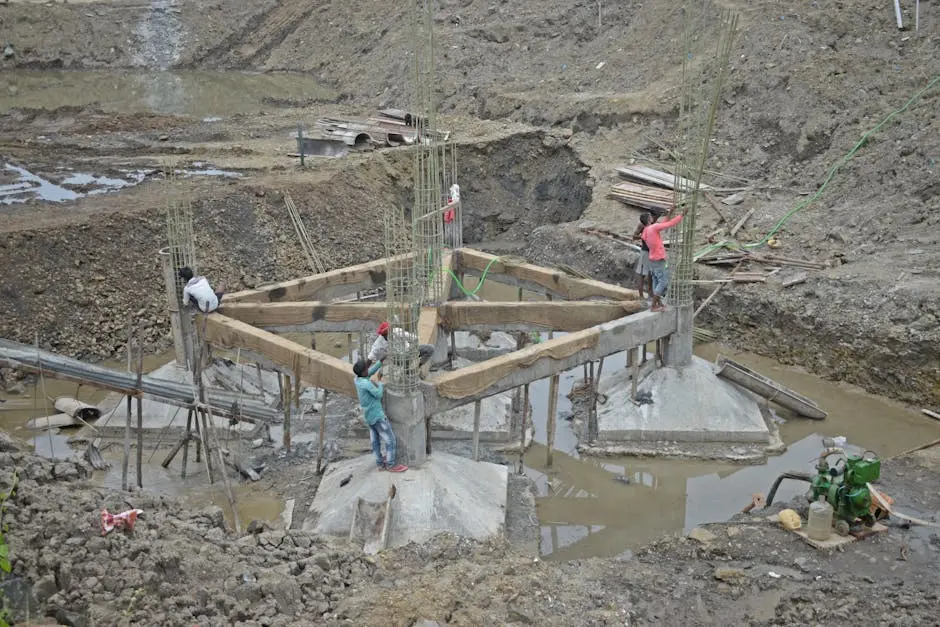
Workers constructing a building foundation with rebar and wooden supports outdoors.

After Renovations or Additions

Any structural changes like renovations or new additions to your masonry property can increase its value or alter risk factors. It’s essential to update your insurance plan to reflect these modifications.

Imagine adding a new wing or enhancing the facade of your building. These upgrades often equate to higher property values and may introduce new risk variables, affecting your insurance policy. Ignoring these changes can leave gaps in your coverage, which may lead to frustration during claims.

A revamped garden or a state-of-the-art kitchen can significantly boost your home’s appeal and market value. However, with these enhancements come the risk of increased premiums, so it’s wise to discuss any modifications with your insurance advisor. This discussion ensures that your coverage matches the new value of your property.

When Policy Terms Change

Insurance companies periodically update terms, conditions, and coverage limits. Always review these changes to ensure your policy still meets your needs effectively.

Not all insurance policies are static. As industry trends shift, policies might see adjustments in coverage limits or exclusions. Such changes might not immediately affect you, but staying informed ensures you are not caught off-guard if your policy no longer meets your needs.

Insurers might change terms due to regulatory modifications or economic shifts. Understanding these nuances can help you anticipate future needs and adapt your policy appropriately. It’s prudent to schedule regular check-ins with your provider to stay in the loop.

Upon Experiencing a Loss or Damage

If your masonry property suffers damage, it’s an opportunity to reassess your current coverage to evaluate if it was adequate or if additional protection is necessary.

Experiencing a loss can be a wake-up call. It challenges you to dig into whether your current masonry insurance was sufficient or if you need stronger coverage for future incidents. Reviewing your coverage profile after an incident helps address these concerns proactively.

After dealing with a natural disaster or an accidental fire, you’ll better understand the shortcomings of your existing policy. Taking immediate steps post-damage can shield you from future liabilities and help recuperate losses more effectively.

When Property Value Increases

Property values can fluctuate due to market changes, making it important to update your insurance to adequately cover the current value of your masonry assets.

A booming real estate market can have a sizable impact on your property value. This increase can be a double-edged sword: while it’s advantageous for investment growth, it can also leave your insurance coverage lagging behind. Keeping your policy aligned with market dynamics is essential.

A sudden hike in property prices might catch some homeowners off-guard, especially if your coverage doesn’t reflect this enhancement. Scheduled appraisals play a key role here; they guide policy adjustments and ensure that you’re insulated from economic volatility.

Changing Personal Circumstances

Life changes, such as marriage, inheritance, or business expansion, may necessitate a review of your masonry insurance to ensure it aligns with your new circumstances.

Personal milestones often bring new realities and responsibilities. Whether it’s the joy of marriage or inheriting a family property, these shifts mandate revisiting your insurance strategy to ensure comprehensive protection.

An expanding family or business means recalibrating your priorities. Review your insurance during these transitions. Our team is ready to offer guidance, ensuring your coverages are as dynamic as your life journey.

Stay Protected with Regular Updates

Regularly reviewing and updating your masonry insurance plan is crucial for maintaining adequate coverage and protection. By recognizing significant changes in your property or personal circumstances, you can ensure your plan evolves as needed to provide the best protection. Stay informed and make sure your insurance moves with you. Visit our homepage to learn more about how we can assist with your insurance needs.

BGES Group is one of New York, New Jersey, and Connecticut’s Construction Insurance Specialists representing 50+ companies, including all the BEST general & umbrella liability programs. We offer all the coverage needed, including property, builders’ risk, inland marine, general liability, umbrella liability, auto, bid & performance bonds, workers’ compensation, N.Y.S. disability, and group health.  Our commitment to you goes beyond the policies we provide. We are always just a call, text, or email away, ready to assist you, even on weekends. We understand the importance of your business and are here to help you navigate any insurance challenges. 
 
BGES Group are Workers’ Compensation Insurance Specialists for Tri-State Business Owners: Unhappy with your rates, company, being canceled, losses causing difficulty getting coverage, in the middle of an audit dispute, misclassified payrolls, or whatever your issue. We can help!  We have special programs for Auto Services, Contractors (especially in New York), Limousine Services, Logistics Companies, Manufacturers, Recyclers, and Truckers; we can help ANY tri-state business owner. We are considered “Preferred Agents” for this one program that, if we can get you into, their pricing is excellent, offers long-term coverage stability, and can cover multi-state operations. The program takes the hassle out of doing annual audits, too. 
 
If you want to speak with us, call Gary Wallach at 914-806-5853, click here to email, or visit our website.
 
Company: BGES Group, 216A Larchmont Acres West, Larchmont, NY 10538

email: bgesgroup@gmail.com

website: http://www.bgesgroup.com


Common Pitfalls in Workers’ Comp Review and How to Avoid Them

Navigating the workers’ comp review process can be daunting. While aiming for a seamless procedure, there are numerous common pitfalls that can lead to delays, misunderstandings, or even denials. In this blog, we’ll explore these challenges and offer practical tips to help you steer clear of them.

Lawyers discussing with a client in a professional office environment. Business meeting concept.

Misunderstanding Medical Evidence

A major obstacle in workers’ comp reviews is the lack of understanding about the medical evidence required. It’s crucial to ensure that all medical documents are accurate and comprehensive.

One common misconception is that a simple doctor’s note is sufficient to substantiate a claim. However, detailed medical records are often necessary, outlining the extent of the injury, the recommended treatment, and the anticipated recovery timeline. These records help in establishing the direct correlation between the injury and work-related activities. Without such robust documentation, the claim may be subjected to scrutiny or outright rejection.

Moreover, the role of an Independent Medical Examination (IME) cannot be overlooked. This exam is typically mandated by employers or insurance companies to get a second opinion on the injury. Understanding the purpose of an IME and approaching it prepared can significantly influence the outcome of the review process. It’s advisable to honestly discuss your condition without exaggeration while maintaining a consistent narrative about your symptoms and limitations.

Incomplete Documentation

Submitting incomplete or incorrect documentation is a common issue. This can delay the review process or result in a denied claim. Make sure all forms are filled out accurately and thoroughly.

In the rush to expedite the claim process, important paperwork can sometimes be overlooked. Missing documents such as incident reports, witness statements, or specific medical forms can cause significant delays. Workers should maintain a checklist of required documentation to ensure nothing is omitted. Consistently reviewing these documents with a critical eye can aid in identifying any missing components before submission.

Additionally, attention to detail in filling out the required forms is paramount. Incorrect information or inconsistencies between different documents can raise red flags. Ensure that personal information, incident details, and injury descriptions are consistent across all forms. Seeking assistance from a seasoned professional or a legal advisor can help streamline this process, minimizing the risk of errors that may jeopardize the claim.

Ignoring Deadlines

Not adhering to deadlines can severely impact the review process. It’s vital to keep track of all timeframes and file necessary documents promptly to avoid unnecessary setbacks.

Deadlines in the workers’ comp review process vary by jurisdiction, making it crucial for claimants to be aware of the specific timeline requirements applicable to their case. Missing a deadline can lead to automatic denial or delays that can prolong the process indefinitely. Utilizing reminders and calendar alerts can help keep track of crucial dates, ensuring timely submission of all necessary documents.

Employers are also bound by deadlines, and it’s beneficial for both parties to stay aligned to avoid unnecessary conflicts or delays. Maintaining open communication with your employer about the status of your documentation and any potential timeline adjustments can help expedite the process. Remember, proactive management of deadlines not only demonstrates professionalism but also enhances the credibility of your claim.

Miscommunication with Employers

Effective communication with your employer is essential. Misunderstandings can lead to incorrect information being passed on, which can complicate the review process.

Establishing a clear line of communication with your employer can significantly reduce misunderstandings. Regular updates and transparent conversations about the injury, recovery progress, and any work limitations can prevent discrepancies. Employees should feel comfortable discussing their concerns and seeking clarification on any part of the process they find confusing or ambiguous.

Moreover, written communication can serve as official documentation should any disputes arise. Email correspondence can provide a record of what was discussed and agreed upon, safeguarding both the employee and employer. Being precise and concise in all written communication ensures the message is clear and reduces potential misinterpretation.

Navigating workers’ comp reviews without legal assistance can be challenging. Consulting with a knowledgeable attorney can provide valuable insights and help avoid common pitfalls.

The complexity of workers’ comp laws can be overwhelming, especially for those unfamiliar with legal terminology or the intricacies of the review process. An attorney can demystify these elements, offering clarity and direction while ensuring that your rights are protected. Seeking legal advice early in the process can equip you with strategies to handle unexpected hurdles, such as disputes over medical treatments or compensation amounts.

Even if you feel confident managing the process on your own, having a legal advisor to consult can prove invaluable. They can review documentation for accuracy, prepare you for hearings, and offer advice tailored to your specific situation. Remember, investing in legal guidance can save time, reduce stress, and potentially increase the likelihood of a favorable outcome.

Wrapping Up: Charting a Smooth Course in Workers’ Comp Reviews

Understanding the common pitfalls in the workers’ comp review process and proactively addressing them can make the journey much smoother. By staying informed and vigilant, you can ensure a more efficient and successful experience.

BGES Group is one of New York, New Jersey, and Connecticut’s Construction Insurance Specialists representing 50+ companies, including all the BEST general & umbrella liability programs. We offer all the coverage needed, including property, builders’ risk, inland marine, general liability, umbrella liability, auto, bid & performance bonds, workers’ compensation, N.Y.S. disability, and group health.  Our commitment to you goes beyond the policies we provide. We are always just a call, text, or email away, ready to assist you, even on weekends. We understand the importance of your business and are here to help you navigate any insurance challenges. 
 
BGES Group are Workers’ Compensation Insurance Specialists for Tri-State Business Owners: Unhappy with your rates, company, being canceled, losses causing difficulty getting coverage, in the middle of an audit dispute, misclassified payrolls, or whatever your issue. We can help!  We have special programs for Auto Services, Contractors (especially in New York), Limousine Services, Logistics Companies, Manufacturers, Recyclers, and Truckers; we can help ANY tri-state business owner. We are considered “Preferred Agents” for this one program that, if we can get you into, their pricing is excellent, offers long-term coverage stability, and can cover multi-state operations. The program takes the hassle out of doing annual audits, too. 
 
If you want to speak with us, call Gary Wallach at 914-806-5853, click here to email, or visit our website.
 
Company: BGES Group, 216A Larchmont Acres West, Larchmont, NY 10538

email: bgesgroup@gmail.com

website: http://www.bgesgroup.com


Why NY, NJ & CT Business Owners Are Being Forced to Replace Their Workers’ Comp Carrier—and How BGES Group Steps In

Across New York, New Jersey, and Connecticut, many business owners don’t want to change their workers’ compensation insurance company—they’re being forced to. Regulatory pressure, carrier tightening, and rising claim costs have made workers’ comp one of the most difficult coverages to maintain. When problems hit, BGES Group helps business owners stabilize coverage and move forward.

Here are 15 real problems pushing NY, NJ & CT business owners to find a new workers’ compensation insurance company—and how BGES Group helps solve them:

  1. Carrier Non-Renewal Notices – Insurers exiting classes of business or tightening underwriting force employers to find replacement coverage fast.
  2. Policy Cancellation for Late Payments – Cash-flow issues or billing confusion can lead to cancellations; BGES Group helps secure new coverage and avoid gaps.
  3. Premium Increases of 30%–100%+ – Sudden, unexplained rate hikes make policies unaffordable; BGES Group shops alternatives and restructures programs.
  4. Unfavorable Audit Results – Post-policy audits generate massive additional premiums, forcing employers to look elsewhere.
  5. Incorrect Class Codes Assigned by Carrier – Misclassification leads to inflated premiums and carrier disputes; BGES Group corrects and re-markets coverage.
  6. Too Many Small or Questionable Claims – Claim frequency, even minor ones, can cause carriers to decline renewal; BGES Group helps reposition risk.
  7. High-Risk Industry Restrictions – Construction, contracting, trucking, staffing, and hospitality businesses are being dropped by standard carriers.
  8. Expansion Into NY, NJ, or CT – Multi-state operations trigger compliance issues that many carriers won’t handle properly.
  9. Payroll Growth or Business Expansion – Rapid growth causes underwriting concerns, leading carriers to cancel or non-renew.
  10. Ownership or Entity Changes – New LLCs, mergers, or restructuring often invalidate existing policies.
  11. Prior Coverage Gaps – Even short lapses in workers’ comp coverage can cause standard carriers to decline.
  12. Assigned Risk / State Fund Placement – Being pushed into the state pool often triggers a search for better options.
  13. Poor Claims Handling by Current Carrier – Mishandled claims increase experience mods and future premiums.
  14. Experience Modification Factor Too High – A rising MOD makes renewal impossible with many insurers.
  15. Lack of Broker Advocacy – Many brokers can’t or won’t fight for troubled accounts—leaving business owners with no options.

How BGES Group Helps

BGES Group specializes in rescuing workers’ compensation accounts across NY, NJ, and CT. When carriers walk away, BGES Group steps in—analyzing risk, correcting errors, negotiating with markets, and securing coverage so your business can keep operating legally and affordably.


Contact BGES Group

If you’ve been non-renewed, cancelled, or priced out of your workers’ comp policy, help is available.

BGES Group Gary Wallach

📞 914-806-5853

📧 bgesgroup@gmail.com

🌐 www.bgesgroup.com

When workers’ compensation problems force you to find a new insurance company, BGES Group knows how to get it done.

What is Truckers Workers Compensation Insurance?

Truckers workers compensation insurance is a specialized type of insurance designed to protect truck drivers in the event of work-related injuries or illnesses. Understanding how this insurance works can be crucial for those in the trucking industry. In this guide, we’ll break down what truckers workers compensation insurance is, why it’s important, and how it can benefit truck drivers.

Sikh truck driver with turban and safety vest standing beside a white truck on a sunny day.

What Does Truckers Workers Compensation Insurance Cover?

This insurance typically covers medical expenses, rehabilitation costs, and a portion of lost wages if a trucker is injured while performing their job duties. It’s important for truckers to know what specific injuries and illnesses are covered under their policy.

The variety of risks truck drivers face, including vehicle accidents and long-term health problems like back injuries or repetitive strain issues, are often included in their coverage. Furthermore, workers compensation can assist with vocational rehabilitation, which could be essential for truckers who need to transition to different roles due to their physical limitations.

Many policies also offer death benefits in unfortunate instances where an accident results in the loss of a trucker’s life, supporting the driver’s dependents through financial hardships. It’s essential for each driver to thoroughly review their own policy details, as coverage can significantly differ based on the insurer and state’s laws.

Truckers should also consider that psychological support stemming from work-related stress or trauma may be part of what the insurance covers.

Why Is Truckers Workers Compensation Insurance Important?

Given the nature of their work, truck drivers face unique risks on the road, from accidents to health issues due to long hours of driving. Workers compensation insurance provides financial protection and support, ensuring that drivers can recover without the added stress of financial burdens.

One of the significant reasons this insurance is critical is due to the often isolated nature of driving routes, where access to immediate medical care can be limited.

Moreover, with the increasing regulations in the trucking industry, having workers compensation insurance helps drivers stay compliant with state and federal demands, maintaining their eligibility for lucrative work opportunities.

Ensuring coverage means truck drivers and their families can rely on a safety net should unforeseen events occur.

How Do Truckers Obtain This Insurance?

Truckers can obtain workers compensation insurance through their employers, who are usually required by law to provide this coverage. Independent truckers may need to explore private insurance options to ensure they have adequate coverage for their needs.

For owner-operators or independent drivers, exploring the market for customized insurance packages that cater specifically to their situation could be very beneficial.

The first step in obtaining these packages involves thorough comparison shopping among multiple insurance providers to find the most comprehensive and cost-effective coverage.

Connecting with insurance brokers who specialize in commercial truck insurance can also provide valuable insights and aid in securing the most appropriate policy tailored to individual needs.

What Should Truckers Consider When Choosing a Policy?

Truckers should assess factors such as coverage limits, exclusions, premium costs, and the reputation of the insurance provider. It’s crucial to ensure that their policy aligns with their specific occupational risks and needs.

Furthermore, understanding the process for claims settlement is crucial. How quickly and efficiently a claim is settled can make a significant difference during the recovery period.

Truckers may also want to consider policies that offer additional support services such as counseling or vocational training assistance, which might facilitate a smoother post-injury recovery process.

Reviewing user testimonials and engaging in discussions with fellow truckers in forums or industry groups can provide deeper insights into the practicalities of different policies.

Why Truckers Workers Compensation Insurance Matters

Understanding truckers workers compensation insurance can make all the difference for drivers who want to ensure they are protected in case of accidents or health issues on the road. This insurance not only safeguards the well-being of drivers but also provides peace of mind knowing that support is available when needed. Getting the right coverage can lead to significant savings and security for truckers.

BGES Group is one of New York, New Jersey, and Connecticut’s Construction Insurance Specialists representing 50+ companies, including all the BEST general & umbrella liability programs. We offer all the coverage needed, including property, builders’ risk, inland marine, general liability, umbrella liability, auto, bid & performance bonds, workers’ compensation, N.Y.S. disability, and group health.  Our commitment to you goes beyond the policies we provide. We are always just a call, text, or email away, ready to assist you, even on weekends. We understand the importance of your business and are here to help you navigate any insurance challenges. 
 
BGES Group are Workers’ Compensation Insurance Specialists for Tri-State Business Owners: Unhappy with your rates, company, being canceled, losses causing difficulty getting coverage, in the middle of an audit dispute, misclassified payrolls, or whatever your issue. We can help!  We have special programs for Auto Services, Contractors (especially in New York), Limousine Services, Logistics Companies, Manufacturers, Recyclers, and Truckers; we can help ANY tri-state business owner. We are considered “Preferred Agents” for this one program that, if we can get you into, their pricing is excellent, offers long-term coverage stability, and can cover multi-state operations. The program takes the hassle out of doing annual audits, too. 
 
If you want to speak with us, call Gary Wallach at 914-806-5853, click here to email, or visit our website.
 
Company: BGES Group, 216A Larchmont Acres West, Larchmont, NY 10538

email: bgesgroup@gmail.com

website: http://www.bgesgroup.com


What is Workers’ Compensation NYC and How Does It Work?

Workers’ compensation can often seem like a daunting topic, especially if you’re not familiar with how it works in a bustling city like New York. In this FAQ guide, we’ll explore the essentials of workers’ compensation in NYC, breaking down what it means and how it functions.

A team of mature business professionals in a meeting around a conference table with laptops and documents.

What is Workers’ Compensation?

Workers’ compensation is a form of insurance providing wage replacement and medical benefits to employees injured in the course of employment. It offers crucial support, ensuring workers are protected financially during recovery.

The concept of workers’ compensation dates back to the early 20th century, developed to create a fair exchange—relieving employees from the financial burden while protecting employers from lengthy litigation. This balance is vital for a smooth employer-employee relationship, especially in fast-paced environments like NYC.

Who is Eligible for Workers’ Compensation in NYC?

In NYC, most employees are covered under the workers’ compensation law, including full-time, part-time, temporary, and seasonal workers. Certain contractors and independent workers might also be eligible under specific circumstances.

It’s important to recognize the inclusivity of NYC’s workers’ compensation coverage. Even if you’re working as an intern or on a probationary period, you may still be eligible. Having knowledge of your eligibility can make all the difference in accessing benefits when needed.

How Does the Claim Process Work?

Filing a claim usually begins with the employee reporting the injury to their employer, seeking medical treatment, and completing the necessary forms. Employers then submit these claims to their insurance providers for processing.

The claims process can be nuanced and varies significantly depending on the specifics of the injury and the work environment. Prompt and accurate reporting to your employer is crucial. Delays or inaccuracies can dramatically affect the outcome of a claim.

What Benefits Can Employees Receive?

The benefits include coverage for medical expenses, rehabilitation costs, and compensation for lost wages. In more severe cases, benefits may also cover permanent impairment or survivors’ benefits for families.

Long-term care and supportive resources may be available for those whose injuries render them incapable of returning to their previous occupation. It’s these extensive benefits that highlight the importance and value of workers’ compensation for NYC employees.

What Are Employers’ Responsibilities?

Employers must provide workers’ compensation insurance for their employees and cannot charge them for this coverage. They are also responsible for ensuring a safe working environment to prevent workplace injuries.

Employers play a critical role in maintaining the workplace’s safety and health. Regular training sessions and safety audits can significantly reduce the incidence of workplace accidents, benefiting both employees and the broader business interests.

Wrapping Up: Navigating Workers’ Compensation in NYC

Understanding workers’ compensation in NYC is crucial for both employees and employers. This system not only provides a safety net for workers injured on the job but also outlines responsibilities for employers. It’s essential to stay informed and know your rights and responsibilities to navigate this system effectively.

BGES Group is one of New York, New Jersey, and Connecticut’s Construction Insurance Specialists representing 50+ companies, including all the BEST general & umbrella liability programs. We offer all the coverage needed, including property, builders’ risk, inland marine, general liability, umbrella liability, auto, bid & performance bonds, workers’ compensation, N.Y.S. disability, and group health.  Our commitment to you goes beyond the policies we provide. We are always just a call, text, or email away, ready to assist you, even on weekends. We understand the importance of your business and are here to help you navigate any insurance challenges. 
 
BGES Group are Workers’ Compensation Insurance Specialists for Tri-State Business Owners: Unhappy with your rates, company, being canceled, losses causing difficulty getting coverage, in the middle of an audit dispute, misclassified payrolls, or whatever your issue. We can help!  We have special programs for Auto Services, Contractors (especially in New York), Limousine Services, Logistics Companies, Manufacturers, Recyclers, and Truckers; we can help ANY tri-state business owner. We are considered “Preferred Agents” for this one program that, if we can get you into, their pricing is excellent, offers long-term coverage stability, and can cover multi-state operations. The program takes the hassle out of doing annual audits, too. 
 
If you want to speak with us, call Gary Wallach at 914-806-5853, click here to email, or visit our website.
 
Company: BGES Group, 216A Larchmont Acres West, Larchmont, NY 10538

email: bgesgroup@gmail.com

website: http://www.bgesgroup.com



10 Essential Contractor Insurance NYC Tips for Comprehensive Coverage

Navigating the world of contractor insurance in New York City can feel like a daunting task. With so many options and regulations, it’s crucial to ensure you’re well-protected while avoiding unnecessary costs. In this guide, we’ll explore essential tips to help you secure comprehensive coverage that aligns with your needs and helps you operate confidently in the bustling NYC market.

1. Understanding Your Coverage Needs

Before diving into insurance policies, it’s crucial to assess the specific needs of your contracting business. Consider the types of projects you undertake, your workforce size, and any unique risks you might face. Understanding these factors will help you choose the right coverage.

Consider how your projects might impact the type of insurance needed. For example, a contractor working on skyscrapers will have vastly different needs compared to one who specializes in home renovations. Tailoring your approach will not only ensure compliance with local regulations but also provide peace of mind. Furthermore, by having a detailed evaluation of your projects, you can identify potential gaps in coverage that might leave you vulnerable to unforeseen incidents.

Being aware of the legal requirements in New York City is essential for all contractors. Ensure you are compliant with minimum coverage requirements to avoid penalties and protect yourself from potential lawsuits.

The city mandates specific coverages that every contractor must have. For instance, general liability insurance is typically required to protect against third-party claims such as bodily injury or property damage. Additionally, workers’ compensation is crucial to protect your employees in case of work-related injuries. Failing to meet these legalities can not only result in steep fines but also halt your operations, impacting your project timelines and financial health.

3. Types of Contractor Insurance to Consider

Familiarize yourself with various types of insurance such as general liability, workers’ compensation, and professional liability. Each serves a distinct purpose and can be critical to meet the comprehensive needs of your contracting business.

Beyond the basics, consider carrying builder’s risk insurance, especially if you handle projects where property risks during construction are significant. This coverage protects materials and equipment that are part of the project until completion. Moreover, business auto insurance is necessary if your work involves the use of vehicles regularly, safeguarding against potential losses from accidents.

4. Choosing the Right Insurance Provider

Selecting a trustworthy insurance provider can make a significant difference in your coverage and claims process. Ensure you choose a provider with a solid reputation, positive reviews, and a good track record with other NYC contractors.

One effective way to gauge a provider’s reliability is by checking if they offer customizable plans that cater specifically to contractors in NYC. Seek recommendations from peers in the industry or consult online resources where you can see ratings and feedback from other contractors. Take time to speak with multiple agents to understand their offerings, customer service approach, and claims handling processes to make a well-informed decision.

5. Customizing Your Insurance Policy

Tailoring your insurance policy to match your particular business needs can save you both time and money. Discuss options with your insurance agent to add or remove specific coverages that align with your projects.

Contractors should consider endorsements that provide additional protection, like flood or earthquake insurance, especially if you’re working in areas prone to natural disasters. You might also explore tiered coverage options that allow flexibility in premiums as your business scales. By personalizing your policy, you ensure maximum protection during all stages of your business operations, which can also boost client confidence in your ability to deliver quality work.

6. Importance of Regular Policy Review

Regularly reviewing your insurance policy ensures that it remains aligned with your evolving business needs. Make it a habit to revisit and reassess your insurance plan annually or whenever you take on new projects.

During these reviews, focus on identifying any changes in your business model that might require adjustments in your coverage. New equipment or an expanded team size, for instance, could lead to increased liabilities. By incorporating routine insurance audits into your business practice, you can streamline renewals and ensure that you’re always adequately covered, no matter how your business evolves.

7. Cost-Saving Strategies for Contractors

Explore cost-saving strategies without compromising on coverage. Bundling different insurances or opting for higher deductibles are effective ways to reduce your premium costs.

Another tactic is to actively maintain a safe work environment as insurers often reward contractors with lower premiums if they demonstrate a commitment to safety. Consider investing in training programs for employees or implementing stricter safety protocols. Not only does this reduce the risk of accidents and claims, but it also portrays a professional image that can boost client trust and enhance your reputation in the industry.

8. Handling Claims Efficiently

Understanding the claims process is critical when an incident occurs. Ensure you know the steps for reporting and managing claims promptly to minimize disruptions to your business operations.

When a claim arises, gather all necessary documentation swiftly and maintain open communication with your insurer. This proactive approach can significantly reduce the time it takes to process claims. Moreover, clearly documenting incidents when they occur and engaging all parties involved with transparency can help prevent disputes from escalating, saving you time and legal costs. This approach not only aids in expedient claim settlement but also strengthens your relationship with the insurer.

9. Maintaining Compliance and Risk Management

Keep your business compliant with NYC regulations and actively manage risks by implementing safety protocols. This not only protects your business but can also positively influence insurance premiums.

Engage in regular training sessions for your team to keep them informed about the latest safety standards and practices. Proper documentation and periodic reviews of your safety measures can also help you pinpoint areas needing improvement. Maintaining a proactive stance on compliance and risk management not only shields you legally but also fosters a culture of safety and responsibility within your company.

10. Making the Most of Insurance Resources

Leverage the resources and support offered by your insurance provider. Many companies offer risk management consultations and educational materials to help you better understand your coverage and mitigate risks.

Participate in workshops and training sessions provided by your insurer to gain deeper insights into risk reduction strategies tailored for contractors. These resources aid in refining your operational processes, potentially saving money and reducing downtime due to mishaps. Proactively utilizing these educational opportunities ensures that you’re not only maximizing the insurance benefits but also enhancing the overall efficiency and safety of your operations.

BGES Group is one of New York, New Jersey, and Connecticut’s Construction Insurance Specialists representing 50+ companies, including all the BEST general & umbrella liability programs. We offer all the coverage needed, including property, builders’ risk, inland marine, general liability, umbrella liability, auto, bid & performance bonds, workers’ compensation, N.Y.S. disability, and group health.  Our commitment to you goes beyond the policies we provide. We are always just a call, text, or email away, ready to assist you, even on weekends. We understand the importance of your business and are here to help you navigate any insurance challenges.

BGES Group are Workers’ Compensation Insurance Specialists for Tri-State Business Owners: Unhappy with your rates, company, being canceled, losses causing difficulty getting coverage, in the middle of an audit dispute, misclassified payrolls, or whatever your issue. We can help!  We have special programs for Auto Services, Contractors (especially in New York), Limousine Services, Logistics Companies, Manufacturers, Recyclers, and Truckers; we can help ANY tri-state business owner. We are considered “Preferred Agents” for this one program that, if we can get you into, their pricing is excellent, offers long-term coverage stability, and can cover multi-state operations. The program takes the hassle out of doing annual audits, too.

If you want to speak with us, call Gary Wallach at 914-806-5853, click here to email, or visit our website.

Company: BGES Group, 216A Larchmont Acres West, Larchmont, NY 10538

email: bgesgroup@gmail.com

website: http://www.bgesgroup.com

10 Tips to Save on Contractor Insurance NY Cost

Contractor insurance is crucial in safeguarding your business against unforeseen events and liabilities. However, the cost can often feel like a heavy burden. Luckily, with some careful planning and smart strategies, you can reduce your insurance expenses without compromising on coverage. In this blog, we’ll explore some practical tips to help you save on contractor insurance costs in New York.

Two construction workers with hardhats inspecting a bridge construction site, emphasizing safety.

1. Understand Your Specific Coverage Needs

Begin by assessing your business’s unique risks and coverage needs. Tailoring your insurance policy to cover only the necessary risks can prevent you from overspending on unnecessary coverage. Each contractor’s needs are different, and what might be essential for one might be superfluous for another. Consider the nature of your projects, the potential risks involved, and the geographical area where you operate. For instance, if you primarily work on residential projects, your needs will differ from a contractor who deals with larger commercial contracts. Being specific about your coverage will not only help you save on premiums but also provide a comprehensive safety net.

Aside from this, it helps to frequently re-evaluate your ongoing projects and any changes within the industry. By maintaining open communication with your insurance provider, you can adjust your coverage as necessary. Staying proactive and informed about the specifics of your coverage needs can result in significant savings and better alignment with your operational requirements.

2. Shop Around for the Best Rates

Different insurers offer different rates for similar coverage. Take the time to compare quotes from multiple providers to find a policy that offers the best value for your needs. This process may seem overwhelming, but it’s critical to maximizing your savings on contractor insurance costs in New York. Make use of online tools and resources that allow you to compare quotes efficiently. This activity not only uncovers competitive pricing but also helps you understand the range of services different insurers provide.

Moreover, working with an insurance agent might open up additional options. Agents have industry insight and can offer personalised recommendations based on your specific circumstances. Remember, the lowest price isn’t always the best choice—the quality and scope of coverage should be equally weighted in your decision-making process.

3. Consider Bundling Your Insurance Policies

Many insurers offer discounts if you bundle multiple policies, such as liability and vehicle insurance. This can be a simple way to save on overall insurance costs. Bundling not only simplifies your payments but also harmonizes your coverage under one roof. This setup makes it easy to manage renewals and adjust coverages as needed, ensuring you maintain the right balance between cost and coverage.

4. Maintain a Strong Safety Record

A good safety record showcases your commitment to minimizing risks, which can lower your insurance premiums. Implement thorough safety protocols to keep accidents and claims minimal. Regular safety training for your employees and routine equipment checks can significantly bolster your safety record, ultimately influencing your premium rates.

Besides insurance benefits, a strong safety record can enhance your business reputation. Clients are more likely to trust and hire contractors with proven safety measures, potentially leading to more contracts and business growth. Consider it a long-term investment not only in savings but also in the success of your contracting business.

5. Opt for a Higher Deductible

Selecting a higher deductible can significantly lower your monthly premiums. Ensure that your business has the financial ability to cover the deductible in case of a claim. A higher deductible strategy is beneficial if you have a strong cash flow or a sufficient reserve fund, allowing you to handle potential claims without financial strain.

Plus, choosing a higher deductible encourages a thorough evaluation of potential claims. It may deter you from filing minor claims and focus on maintaining lower overall operational risks. This method requires careful consideration, balancing initial cost savings with your long-term financial capability.

6. Review Your Policy Annually

Regularly reviewing your policy ensures it aligns with your business needs as they evolve. This prevents you from paying for coverage you no longer need, effectively optimizing your insurance costs. Changes in your business operations, such as the scope of work or the size of your team, can alter your insurance needs.

Engage your insurer or agent to discuss any amendments needed in your policy. An annual review is also a good opportunity to reflect on industry changes or new regulations that could influence your coverage. Staying proactive in these assessments helps you remain adequately protected while minimizing unnecessary expenses.

7. Leverage Professional Associations

Joining professional organizations may provide you access to group insurance rates, which can be considerably lower than individual rates. These associations often have negotiated deals with insurance providers, offering exclusive rates and packages.

Apart from cost benefits, being part of a professional group has added advantages like networking opportunities and industry insights. Such platforms enable you to share experiences and practices, possibly uncovering more cost-saving strategies for your contractor insurance needs.

8. Improve Your Credit Score

A strong credit score can favorably influence your insurance rates. Insurers often view good credit history as an indicator of responsible business practices. Ensuring prompt payment of bills and managing business debts effectively can lead to improved credit scores.

Furthermore, a good credit score isn’t just beneficial for insurance rates—it reflects overall financial health and stability, crucial for any business’s growth and sustainability. Regularly reviewing your credit report and addressing discrepancies swiftly can maintain or improve this score over time.

9. Consult with an Insurance Agent

Insurance agents can provide personalized advice tailored to your business. They can help you identify areas to cut costs while ensuring adequate coverage. Their expertise allows for deeper insights into the nuances of insurance policies, potentially uncovering hidden savings and more suitable coverage options.

Insurance industry trends fluctuate, impacting rates and coverage options. Staying informed allows you to take advantage of new opportunities to save. Engaging with industry publications or attending relevant forums and workshops can keep you abreast of any developments.

Moreover, understanding trends helps in anticipating future costs and policy requirements, enabling better-preparedness for changing market conditions. Embracing this knowledge can empower you, aligning your business strategies with market innovations for sustained growth and protection.

BGES Group is one of New York, New Jersey, and Connecticut’s Construction Insurance Specialists representing 50+ companies, including all the BEST general & umbrella liability programs. We offer all the coverage needed, including property, builders’ risk, inland marine, general liability, umbrella liability, auto, bid & performance bonds, workers’ compensation, N.Y.S. disability, and group health.  Our commitment to you goes beyond the policies we provide. We are always just a call, text, or email away, ready to assist you, even on weekends. We understand the importance of your business and are here to help you navigate any insurance challenges. 
 
BGES Group are Workers’ Compensation Insurance Specialists for Tri-State Business Owners: Unhappy with your rates, company, being canceled, losses causing difficulty getting coverage, in the middle of an audit dispute, misclassified payrolls, or whatever your issue. We can help!  We have special programs for Auto Services, Contractors (especially in New York), Limousine Services, Logistics Companies, Manufacturers, Recyclers, and Truckers; we can help ANY tri-state business owner. We are considered “Preferred Agents” for this one program that, if we can get you into, their pricing is excellent, offers long-term coverage stability, and can cover multi-state operations. The program takes the hassle out of doing annual audits, too. 
 
If you want to speak with us, call Gary Wallach at 914-806-5853, click here to email, or visit our website.
 
Company: BGES Group, 216A Larchmont Acres West, Larchmont, NY 10538

email: bgesgroup@gmail.com

website: http://www.bgesgroup.com


The 7 Do’s and Don’ts of Buying a New York Contractor Liability Insurance Policy — What Every Builder Needs to Know

In New York, contractor liability insurance isn’t just another business expense — it’s a foundational protection that can make or break your business when something goes wrong on the job site. With the state’s complex laws (including strict Labor Laws), dense urban job sites, and intense legal environment, making the right choices when buying your liability insurance policy is critical. To help you navigate this complicated landscape, here are 7 essential do’s and don’ts every contractor should follow before signing on the dotted line.


1. DO Understand What Liability Insurance Actually Covers

Liability insurance — primarily embodied in a Commercial General Liability (CGL) policy — protects you if someone is injured or property is damaged because of your operations. Coverage typically includes:

  • Third-party bodily injury
  • Property damage caused during operations
  • Legal defense costs

But in New York, standard CGL policies may not automatically protect you against unique exposures like New York Labor Law claims or action-over lawsuits, which can arise from severe construction accidents and result in very large financial penalties.

Before you buy, learn not just the basics — but how your coverage responds to New York’s legal specifics. A policy structured for a contractor in another state may fail completely here.


2. DON’T Assume All Brokers Know Construction Insurance

Insurance is a broad field. Many brokers write policies for restaurants, offices, and retail businesses — but those policies and market relationships don’t translate well to construction. New York’s construction risks are unique: strict Labor Law, high-severity jury awards, and demanding contract requirements for additional insured endorsements.

Working with a specialist who regularly structures liability and umbrella programs for contractors — particularly for jobs in New York, New Jersey, and Connecticut — ensures you’re not caught with costly gaps. Contractors who work with specialized brokers often have stronger, more tailored protection.


3. DO Check Contract Requirements Before Buying

Construction contracts often require specific language — additional insured endorsements, primary/non-contributory clauses, and waiver of subrogation wording. If your liability policy doesn’t satisfy these exactly, you may be in violation of your contract before you even start working.

Make sure your broker reviews:

  • Additional Insured endorsements (CG 20 10, CG 20 37, etc.)
  • Contractual indemnity requirements
  • Waivers of subrogation

Failure to align your policy with contract requirements is one of the biggest causes of coverage disputes.


4. DON’T Overlook Umbrella and Excess Liability Protection

A base liability policy with a $1 million limit might look sufficient — until a severe injury or expensive claim arises. In New York’s high-risk environment, umbrella or excess liability coverage (often $5 million or more) is increasingly necessary, especially on larger projects or where Labor Law exposures are present.

Think of your umbrella policy as financial armor — and make sure you understand how it stacks on top of your base liability policy to protect your business.

Article content

5. DO Review Your Policy Annually — Not Just at Renewal Time

Your business changes year to year — new equipment, more employees, expanded service areas, or different project types can all affect your risk profile. Annual reviews help ensure your coverage keeps pace with your operations.

Adjustments might include:

  • New class codes for labor or subcontracted work
  • Higher coverage limits
  • Updated endorsements for contract shifts

A policy that was fine last year might leave you under-protected this year. Regular reviews help catch that early.


6. DON’T Ignore Your Experience Modification (EMR) or Payroll Codes

Your experience modification rating (EMR) and payroll classifications heavily impact your premiums. Misclassifications or outdated codes can dramatically increase your costs — and may even lead to audit disputes later.

Ensure your broker:

  • Reviews codes for accuracy
  • Corrects errors before binding
  • Helps you implement safety programs that improve your EMR

Avoiding these steps can lead to surprise premium jumps or audit headaches that erode profits.


7. DO Partner With a Broker Who Acts as an Advocate — Not Just a Seller

The best brokers do more than “sell” insurance. They serve as your risk management partner — helping with certificate requests, audit support, claims advocacy, contract language reviews, and renewal strategy. When issues arise — especially mid-policy — responsive guidance can save time, money, and stress.

Look for a broker who:

  • Has deep construction industry expertise
  • Answers questions quickly (often even on weekends)
  • Offers personalized service rather than factory-style account handling

This kind of relationship ensures your insurance works when you need it most, not just when you buy it.


About BGES Group — Your Construction Insurance Specialists

When it comes to specialized contractor insurance — especially liability, workers’ compensation, and risk management programs — BGES Group stands out as a trusted partner for contractors operating in New York and the broader Tri-State area.

Who They Are: BGES Group is a boutique insurance brokerage with deep expertise in construction and contractor-focused insurance programs. They represent dozens of top carriers and work directly with clients to design customized coverage that truly protects businesses — not just meets a quote requirement.

What They Do:

  • Contractor liability insurance tailored for New York’s legal landscape
  • Workers’ compensation and risk management programs for contractors and high-risk industries
  • Umbrella and excess liability coverage to safeguard against large settlements
  • Commercial auto, inland marine, bonds, disability, group health and more
  • Claims support, audit assistance, and ongoing service throughout the policy year

Areas They Serve: BGES Group focuses on New York, New Jersey, and Connecticut, with capabilities to assist contractors nationwide through their associate network. Their boutique structure ensures hands-on service, direct access to experienced professionals, and quick response times — even on weekends.


Contact BGES Group Today

Whether you’re buying your first contractor liability policy, reevaluating your current coverage, or facing insurance challenges like high premiums or audit disputes, the team at BGES Group can help.

📞 Call: Gary Wallach at 914-806-5853

📧 Email: bgesgroup@gmail.com

🌐 Website: www.bgesgroup.com


Good insurance starts with good advice. Follow these essential do’s and don’ts — and partner with a specialist like BGES Group — to protect your business, your employees, and your bottom line before the unexpected happens.