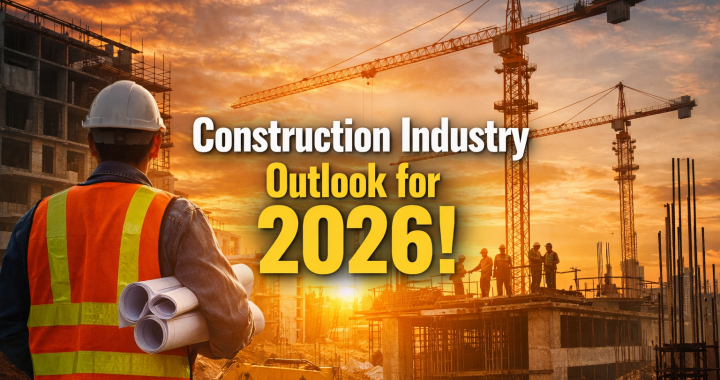
As construction executives look ahead to 2026, the insurance landscape is being reshaped by a convergence of cost volatility, workforce challenges, legal pressure, and climate-related risk. While certain lines of coverage are beginning to stabilize, others remain under sustained pressure, requiring contractors to take a more active, strategic role in managing their insurance programs.
The unifying theme across the market is uncertainty. Tariffs, supply-chain disruptions, labor shortages, and rising claim severity are altering risk profiles faster than many insurance programs can adapt. For firms operating on thin margins or managing complex projects, strong risk management and closer coordination with insurance partners will be essential in the year ahead.
Key Forces Impacting Construction Insurance
Several forces are driving underwriting decisions and pricing across the construction sector:
- Material costs and tariffs: Fluctuations in steel, concrete, and other core materials continue to push replacement values higher, increasing the risk of underinsured projects and builders risk shortfalls.
- Labor shortages: Persistent workforce gaps are leading to increased overtime, greater reliance on subcontractors, and the use of less experienced workers. These trends elevate safety risks, workers’ compensation exposure, and the potential for workmanship-related claims.
- Legal system pressure: Social inflation, third-party litigation funding, and nuclear verdicts are keeping liability costs elevated and insurers cautious.
- Technology adoption: The growing use of digital project management tools, connected equipment, and electronic payment systems is expanding cyber and professional liability exposures.
- Climate and geographic risk: Severe weather events and regional regulatory differences are complicating underwriting, particularly in catastrophe-prone areas.

What the Rate Environment Looks Like
According to the WTW Insurance Marketplace Realities 2026, construction insurance pricing is expected to remain mixed rather than uniformly hard or soft. Outcomes will vary significantly by line of coverage, loss history, and geography.
- General liability: Flat to +10%
- Auto liability: +8% to +20%
- Workers’ compensation: Flat to +3%
- Excess liability: +7% to +40%
- Primary OCIPs/CCIPs: Flat to +10%
- Umbrella and excess liability: +5% to +30%
- Project-specific builders risk (non–high hazard Nat Cat): 0% to +5%
- Project-specific builders risk (high hazard Nat Cat): 0% to +10%
- Master builders risk / contractors block: -5% to +5%
Liability and Auto Remain Pressure Points
General liability and excess liability continue to bear the brunt of rising legal costs and large jury awards. Underwriters are responding with tighter terms, broader exclusions, and, in some cases, reduced capacity. For many contractors, umbrella and excess limits that once felt sufficient may no longer align with today’s litigation environment.
Commercial auto is also under pressure. Rising claim severity, reinsurance costs, and geographic loss trends are driving rate increases, especially for larger fleets and operations in higher-risk states. Insurers are increasingly requiring documented safety programs, driver monitoring, and proactive risk controls as a condition of competitive pricing.
Workers’ Compensation Offers Relative Stability
Workers’ compensation remains the most stable line in most construction insurance portfolios. Favorable reserve development and continued carrier appetite for well-managed accounts are helping keep rate increases modest. Contractors with strong safety records and low experience modification factors (X-Mods) can often use these results as leverage when negotiating more challenging lines, making safety and claims management a strategic advantage rather than a compliance exercise.
Builders Risk and Climate Exposure
Builders risk coverage is gradually stabilizing after several difficult years, but climate-related exposures remain front and center in underwriting. Projects exposed to wildfire, severe storms, or other secondary catastrophe risks are seeing higher deductibles, tighter terms, and more frequent use of sublimits. Accurate replacement cost valuations and mid-project updates are becoming increasingly critical as material prices and project timelines fluctuate.
Subcontractor Default Risk Is Gaining Attention
Rising construction costs, tariff uncertainty, and labor pressures are putting stress on subcontractor balance sheets. While subcontractor default insurance (SDI) capacity remains available, underwriters are scrutinizing prequalification practices, project concentration, and delivery methods more closely. For large or complex projects, SDI is becoming an important tool to protect both project timelines and corporate balance sheets.
What Construction Executives Should Prioritize in 2026
To navigate this evolving environment, construction leaders should consider:
- Reassessing insured values to reflect current replacement costs and tariff-driven volatility.
- Reviewing liability limits and excess structures in light of today’s legal climate.
- Leveraging strong workers’ compensation performance in broader insurance negotiations.
- Evaluating cyber and professional liability coverage as technology use expands.
- Factoring geographic and climate risk into project planning and insurance design.
How BGES Group Can Help
BGES Group specializes in construction-focused insurance and risk management solutions designed to help contractors navigate complex and changing market conditions. We work closely with business owners and executives to structure coverage programs that protect projects, employees, and balance sheets—while controlling costs and avoiding coverage gaps.
BGES Group proudly serves construction firms throughout New York, New Jersey, and Connecticut, providing hands-on guidance, market access, and advocacy at renewal and beyond.
Contact Information
Gary Wallach
📞 914-806-5853
If you’re planning for 2026 and want to make sure your insurance program keeps pace with today’s risks, BGES Group is here to help.