Contractor Liability Insurance: What You Need to Know

As a contractor, ensuring your business is protected against unforeseen incidents is crucial. One of the most effective ways to safeguard your work and finances is through contractor liability insurance. This guide will walk you through the essentials you need to understand about this vital coverage.

Group of engineers and architects wearing safety gear at a construction site, discussing plans.

Understanding Contractor Liability Insurance

Contractor liability insurance is designed to protect contractors from claims related to bodily injury, property damage, and other liabilities that may arise during the course of work. Understanding the basics of this insurance is the first step in safeguarding your business.

At its core, contractor liability insurance acts as a safety net, offering financial protection if an unfortunate incident occurs on the worksite. Imagine a scenario where a passerby gets injured due to falling debris from a construction project. Without proper coverage, such situations could lead to massive out-of-pocket expenses. However, with contractor liability insurance, you have the protection necessary to cover these unexpected costs without jeopardizing your financial stability.

One of the key aspects to understand about contractor liability insurance is its scope. While it primarily protects against third-party claims, comprehensive policies can sometimes include coverage for reputational damage or even non-delivery delays. Therefore, it’s essential to thoroughly assess and select a policy that aligns with your business operations to ensure you’re adequately protected from a broad range of potential liabilities.

Why is Liability Insurance Important for Contractors?

Liability insurance is crucial for contractors because it provides a safety net against potential financial losses. It ensures that claims resulting from worksite accidents or damages do not negatively impact your personal or business finances.

The importance of liability insurance extends beyond mere financial protection. It boosts your professional reputation, showing clients that you operate responsibly and are prepared for unforeseen events. In many cases, clients may require proof of insurance before they agree to work with you, making it an essential component in securing contracts and expanding your business.

Moreover, liability insurance offers peace of mind not only to you but also to your team and clients. Knowing that potential legal and financial repercussions are managed can foster an atmosphere of trust and reliability, leading to long-term client relationships. With comprehensive coverage, contractors can focus on delivering quality workmanship rather than worrying about incidents that could disrupt their operations.

What Does Contractor Liability Insurance Cover?

Contractor liability insurance typically covers third-party bodily injury and property damage, legal defense costs, and various other liabilities related to your contracting work. It’s important to read and understand your policy to know exactly what’s included.

In addition to the usual coverage, liability insurance can also include protection against claims for advertising injuries. This encompasses allegations such as libel, slander, or copyright infringement that may occur inadvertently in your business marketing efforts. Although these incidents might seem unrelated to contracting, such claims can unexpectedly arise and having insurance in place reassures that you’re shielded from diverse risk variables.

Legal defense costs can be astronomically high, especially in complex cases. Your contractor liability insurance can cover these expenses, ensuring that you have access to the necessary legal resources without financially crippling your business. From attorney fees to court costs, having coverage in this area allows you to navigate legal hurdles with more confidence and less stress.

How to Choose the Right Policy

Choosing the right liability insurance involves evaluating your business needs, considering the scope of work, and comparing different policies. It’s beneficial to consult with an insurance broker to ensure the coverage fits your specific requirements.

When selecting a policy, it’s essential to examine not only the coverage limits but also the exclusions and conditions. These finer details can significantly impact your coverage effectiveness. An insurance broker can help decipher complex policy language and identify clauses that might not align with your specific business risks, enabling you to make informed decisions.

Additionally, take into account the insurance provider’s reputation and financial stability. Reliable insurers with a track record of successfully handling claims can offer peace of mind that your policy will stand firm when needed. Reading policyholder reviews and seeking ratings from independent rating agencies can provide insight into an insurer’s credibility, guiding you toward a decision that blends both comprehensive coverage and trustworthy backing.

Factors Affecting the Cost of Contractor Liability Insurance

The cost of liability insurance varies based on factors such as the type of work, location, business size, and the limits of coverage you choose. Understanding these factors can help you budget effectively and choose a policy that offers good value.

Another determining factor is your claims history. Insurers frequently assess your previous claims to gauge the risk involved in insuring your business. A clean claims record often results in lower premiums as it signals reduced risk of future claims. Conversely, a history of frequent or high-value claims could lead the insurer to perceive your operations as riskier, thereby increasing your premium needs.

Tips for Managing Risks and Reducing Premiums

Implementing safety measures, maintaining a good claims history, and selecting appropriate coverage limits can help manage risks and reduce insurance premiums. Regularly reviewing your policy ensures it remains aligned with your changing business needs.

Considering joining trade organizations can also prove beneficial. Many trade associations negotiate discounted insurance rates for their members through group policies, offering an excellent opportunity to save on premiums while also gaining access to a network of industry-specific resources and support. Participating actively in such organizations can enhance your business’s credibility and reduce costs in multiple areas.

Incorporate regular training sessions to keep your team updated on best practices and safety protocols applicable to the contracting industry. A well-informed and safety-conscious workforce not only contributes to efficient operations but also minimizes the likelihood of incidents leading to claims. Implementing a thorough risk assessment strategy can further aid in pinpointing potential hazards, enabling you to address them proactively and keep insurance costs manageable.

Final Thoughts on Contractor Liability Insurance

In summary, contractor liability insurance is an indispensable part of managing risk in the contracting business. By understanding what it covers, how much it costs, and finding the right policy, you can focus on your projects with peace of mind, knowing that you’re protected.

BGES Group is one of New York, New Jersey, and Connecticut’s Construction Insurance Specialists representing 50+ companies, including all the BEST general & umbrella liability programs. We offer all the coverage needed, including property, builders’ risk, inland marine, general liability, umbrella liability, auto, bid & performance bonds, workers’ compensation, N.Y.S. disability, and group health.  Our commitment to you goes beyond the policies we provide. We are always just a call, text, or email away, ready to assist you, even on weekends. We understand the importance of your business and are here to help you navigate any insurance challenges. 
 
BGES Group are Workers’ Compensation Insurance Specialists for Tri-State Business Owners: Unhappy with your rates, company, being canceled, losses causing difficulty getting coverage, in the middle of an audit dispute, misclassified payrolls, or whatever your issue. We can help!  We have special programs for Auto Services, Contractors (especially in New York), Limousine Services, Logistics Companies, Manufacturers, Recyclers, and Truckers; we can help ANY tri-state business owner. We are considered “Preferred Agents” for this one program that, if we can get you into, their pricing is excellent, offers long-term coverage stability, and can cover multi-state operations. The program takes the hassle out of doing annual audits, too. 
 
If you want to speak with us, call Gary Wallach at 914-806-5853, click here to email, or visit our website.
 
Company: BGES Group, 216A Larchmont Acres West, Larchmont, NY 10538

email: bgesgroup@gmail.com

website: http://www.bgesgroup.com



9 Reasons Heavy Equipment Insurance is a Must for Contractors

In the bustling world of construction, owning heavy equipment is not just a luxury but a necessity. These mighty machines play a pivotal role in the completion of various projects. However, with great power comes great responsibility, and ensuring the safety and longevity of these assets is crucial. This is where heavy equipment insurance steps in as a savior. Let’s explore why every contractor should consider this insurance to safeguard their business.

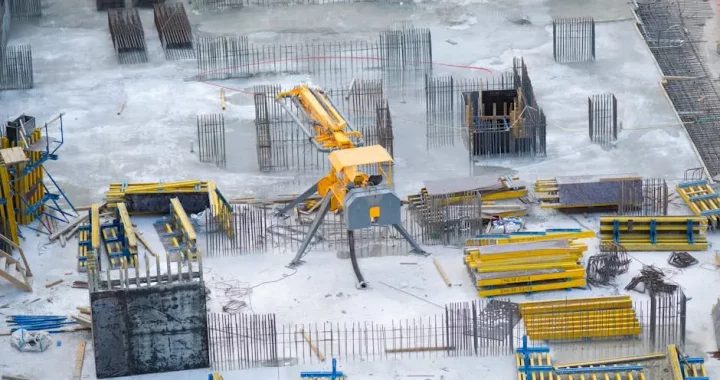
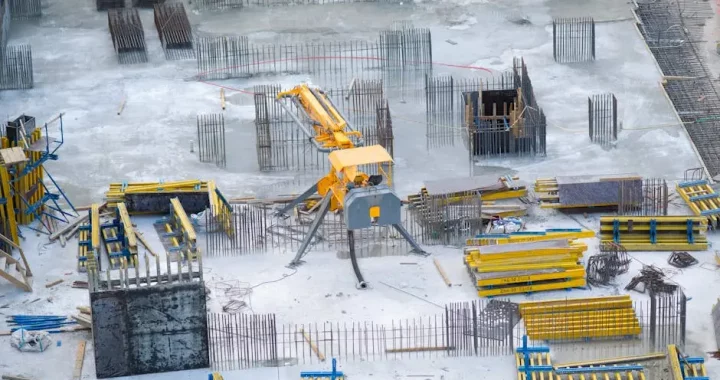
Aerial view of an active construction site with heavy machinery and building materials.

1. Protection Against Unexpected Damages

Heavy equipment is susceptible to a variety of damages, from accidents on-site to severe weather conditions. Insurance provides a safety net, covering repair or replacement costs and ensuring that your projects remain on schedule. Imagine a scenario where an unexpected storm damages your machinery—the repair expenses could easily derail the financial planning of your entire project. Having insurance means you don’t have to dip into emergency funds or delay your project timelines.

It’s important to understand that not all damages are visible or immediate. Sometimes, machinery can suffer from internal issues that manifest later, affecting the quality of work and leading to further financial strain. Ensuring your heavy equipment is insured offers a layer of protection that keeps unforeseen repair needs from becoming major financial roadblocks.

2. Coverage for Theft and Vandalism

Unfortunately, construction sites are often targeted for theft and vandalism. Having insurance means you’re covered for the losses incurred, allowing you to replace stolen or damaged equipment swiftly. This coverage is crucial during the months when projects peak and the risk of theft rises due to higher work volume and less security. In areas particularly prone to vandalism, young contractors often see insurance as an investment rather than an expense.

Even with the best security measures in place, no site is entirely risk-free. Therefore, mitigating potential losses with the right insurance policy becomes essential. Insured contractors find themselves more resilient when faced with sudden losses, allowing them to continue operations with minimal disruptions.

3. Mitigation of Financial Losses

Accidents or equipment breakdowns can lead to significant financial setbacks. Insurance helps cushion these blows by covering costs that might otherwise drain your resources. Unplanned expenses can quickly escalate, especially when dealing with expensive repairs or replacements for essential machinery. Thus, having insurance coverage is akin to having a financial buffer that safeguards your business’s health.

Contractors who overlook the importance of insurance often find themselves in tough situations when accidents occur. The immediate financial burden can ripple through to affect human resources, subcontractors, and suppliers. The right insurance can prevent such cascading effects, allowing you to maintain a steady cash flow and operational stability.

Being insured also shows a firm’s commitment to responsible business practices, appealing to clients who desire reliability and assurance when engaging contractors for projects.

4. Enhanced Credibility with Clients

Holding comprehensive insurance boosts your reputation, showing clients that you’re prepared for any eventuality and committed to delivering quality work, no matter the challenges. Client relationships are built on trust, and demonstrating that you’re protected against financial pitfalls reassures clients of your professional capabilities.

Many clients conduct detailed assessments before awarding contracts, often evaluating the reliability and longevity of a contractor’s business operations. Your insurance coverage can be a key factor that sets you apart from competitors. It signals that you can handle risks efficiently, providing peace of mind to those investing substantial resources into construction projects.

Many regions mandate insurance for heavy equipment as a legal requirement. Compliance not only avoids legal troubles but also sets a professional tone for your operations. Staying compliant with such regulations demonstrates your firm’s commitment to adhering to industry standards, which can build trust with clients and partners.

Failing to meet these requirements might lead to stiff penalties or project shutdowns, both of which can be devastating. Thus, having insurance ensures your operations remain uninterrupted and your reputation remains intact, ultimately enhancing your firm’s standing in the industry.

6. Peace of Mind for Contractors

Knowing that your equipment is insured allows you to concentrate on managing your projects efficiently without the constant worry of financial mishaps. Contractors often face numerous pressures, ranging from project deadlines to labor management, and having one less worry can be a significant relief.

Peace of mind translates to increased productivity and focus, as you know that potential financial hurdles are well-covered through your insurance policy. It allows you to dedicate your energy towards innovation and quality work, ensuring each project is completed to the best of your abilities and client specifications.

7. Facilitating Access to Financing

Insurance can make it easier to secure loans or financing by demonstrating to lenders that your assets are protected, thereby reducing their risk. Commercial lenders view insured assets as less risky, often resulting in more favorable loan terms. This can be particularly beneficial for newer contractors seeking to expand their operations or take on larger projects.

Additionally, having insurance aligns your business with best practices in risk management, demonstrating to potential lenders that you have thoroughly thought through your business’s financial and operational strategies. Securing a loan becomes less about immediate survival and more about strategic growth, positioning your company for long-term success.

8. Streamlining Operations with Quick Claims

A good insurance plan offers streamlined claims processing, reducing downtime and ensuring that repairs or replacements do not delay your project timelines. Contractors often operate under tight schedules, and swift claim processing can make a substantial difference in keeping projects on track. Time is money in construction, and reducing any delays caused by equipment failures is vital for maintaining project efficiency.

Insurance providers often offer systems that allow for fast assessments and settlements. These efficiencies enable contractors to swiftly procure necessary repairs or replacements without extensive negotiation, enabling better project time management practices.

9. Long-Term Cost Efficiency

While premiums might seem like an added expense, the long-term savings from potential losses and damages make heavy equipment insurance a cost-effective choice for prudent contractors. Being proactive with insurance not only saves costs but also ensures the smooth continuation of operations without surprise expenditures cutting into project budgets.

Moreover, cost efficiency is not just about saving money in the short term; it’s about ensuring the longevity and sustainability of your business. Contractors who invest wisely in insurance often find their companies growing stable over the years because they can reinvest savings into evolving their operations rather than scrambling to cover unexpected costs.

BGES Group is one of New York, New Jersey, and Connecticut’s Construction Insurance Specialists representing 50+ companies, including all the BEST general & umbrella liability programs. We offer all the coverage needed, including property, builders’ risk, inland marine, general liability, umbrella liability, auto, bid & performance bonds, workers’ compensation, N.Y.S. disability, and group health.  Our commitment to you goes beyond the policies we provide. We are always just a call, text, or email away, ready to assist you, even on weekends. We understand the importance of your business and are here to help you navigate any insurance challenges. 
 
BGES Group are Workers’ Compensation Insurance Specialists for Tri-State Business Owners: Unhappy with your rates, company, being canceled, losses causing difficulty getting coverage, in the middle of an audit dispute, misclassified payrolls, or whatever your issue. We can help!  We have special programs for Auto Services, Contractors (especially in New York), Limousine Services, Logistics Companies, Manufacturers, Recyclers, and Truckers; we can help ANY tri-state business owner. We are considered “Preferred Agents” for this one program that, if we can get you into, their pricing is excellent, offers long-term coverage stability, and can cover multi-state operations. The program takes the hassle out of doing annual audits, too. 
 
If you want to speak with us, call Gary Wallach at 914-806-5853, click here to email, or visit our website.
 
Company: BGES Group, 216A Larchmont Acres West, Larchmont, NY 10538

email: bgesgroup@gmail.com

website: http://www.bgesgroup.com


The Importance of Workers Compensation Insurance for General Contractors in New Jersey

For general contractors in New Jersey, navigating the complexities of construction projects means dealing with various risks and responsibilities, including making sure everyone on site is safe and protected. In such a dynamic environment, having the right insurance in place isn’t just a smart financial decision—it’s often a legal requirement. One of the most crucial types of insurance for contractors is workers compensation insurance. Here’s why it’s essential for those in the industry.

Two construction workers in hard hats assisting each other at a building site, highlighting teamwork.

Understanding Workers Compensation Insurance

Workers compensation insurance is designed to provide financial support and medical care to employees who are injured or become ill as a result of their job. It’s a crucial safety net for both employees and employers, ensuring that workers receive necessary care without exposing employers to unnecessary legal challenges.

The main objective of workers compensation insurance is to cover medical expenses, rehabilitation costs, and a portion of lost wages for employees who sustain injuries at work. Additionally, it provides benefits to the dependents of employees who may be fatally injured on the job. It essentially acts as a financial buffer for both employers and employees, allowing for smoother resolution in case of workplace mishaps.

Interestingly, workers compensation insurance traces its roots back to ancient times. It’s a system that’s evolved significantly over the centuries. Today, this insurance is a legal necessity in many states, helping maintain a balanced and fair approach to handling workplace injuries.

In New Jersey, state law mandates that all businesses with employees carry workers compensation insurance. This requirement extends to general contractors, who are often at greater risk due to the inherent dangers of construction work. Failing to comply can result in hefty fines and legal complications.

For general contractors in New Jersey, not having workers compensation insurance can lead to severe consequences. The state has strict penalties for non-compliance, which can include substantial fines, criminal charges, and even the possible shutdown of business operations. It’s therefore crucial for contractors to understand and adhere to these regulations to avoid legal issues.

By choosing to follow the regulations, contractors not only avoid penalties but also build trust with their clients and employees. It reflects a commitment to safety and well-being, which can be an attractive quality for potential projects and hiring skilled labor. Furthermore, maintaining compliance with state laws ensures that you are covered in case of any unforeseen incidents.

Benefits of Workers Compensation Insurance

Beyond compliance, workers compensation insurance offers numerous benefits. It provides compensation for medical expenses and lost wages, supports rehabilitation efforts for injured employees, and offers death benefits to families in the unfortunate event of a fatal accident. These protections ensure that everyone involved is taken care of, minimizing disruption to the business.

Another significant benefit of securing workers compensation insurance is the peace of mind it offers. Knowing that both employees and employers are protected under state laws can reduce stress and offer a sense of security. This is crucial in high-risk environments such as construction sites, where accidents can happen despite the best safety measures in place.

Additionally, having workers compensation insurance can improve a company’s reputation. When employees feel secure and protected, it often leads to increased productivity and staff retention. Clients also tend to trust contractors who demonstrate responsibility, which can lead to more projects and long-lasting business relationships.

Financial Implications for Contractors

For contractors, the cost of workers compensation insurance is often seen as a necessary investment. While premiums can be an added business expense, they are significantly outweighed by the potential costs of workplace accidents without coverage. Additionally, having this insurance can enhance your business reputation by showcasing your commitment to employee welfare.

Strategically, investing in workers compensation insurance can also open doors to bigger projects and government contracts that necessitate comprehensive coverage. Clients often prefer working with contractors who not only talk about safety but can prove it by having all necessary insurance in place. It’s an investment that pays off in more ways than one.

From a purely financial perspective, having a plan is also smart risk management. In the absence of insurance, a single workplace accident could lead to lawsuits, steep medical bills, and loss of trust, all of which can financially burden a contracting business. This preventative measure becomes a financially sound decision for the sustainable growth of the company.

The Key to Protecting Your Business and Employees

In conclusion, workers compensation insurance is an indispensable aspect of operating as a general contractor in New Jersey. It not only safeguards your employees but also secures your business from financial and legal repercussions. Staying informed about your insurance obligations and ensuring comprehensive coverage can provide peace of mind and contribute to the long-term success of your contracting business. To learn more about securing comprehensive coverage, visit the BGES Group.

BGES Group is one of New York, New Jersey, and Connecticut’s Construction Insurance Specialists representing 50+ companies, including all the BEST general & umbrella liability programs. We offer all the coverage needed, including property, builders’ risk, inland marine, general liability, umbrella liability, auto, bid & performance bonds, workers’ compensation, N.Y.S. disability, and group health.  Our commitment to you goes beyond the policies we provide. We are always just a call, text, or email away, ready to assist you, even on weekends. We understand the importance of your business and are here to help you navigate any insurance challenges. 
 
BGES Group are Workers’ Compensation Insurance Specialists for Tri-State Business Owners: Unhappy with your rates, company, being canceled, losses causing difficulty getting coverage, in the middle of an audit dispute, misclassified payrolls, or whatever your issue. We can help!  We have special programs for Auto Services, Contractors (especially in New York), Limousine Services, Logistics Companies, Manufacturers, Recyclers, and Truckers; we can help ANY tri-state business owner. We are considered “Preferred Agents” for this one program that, if we can get you into, their pricing is excellent, offers long-term coverage stability, and can cover multi-state operations. The program takes the hassle out of doing annual audits, too. 
 
If you want to speak with us, call Gary Wallach at 914-806-5853, click here to email, or visit our website.
 
Company: BGES Group, 216A Larchmont Acres West, Larchmont, NY 10538

email: bgesgroup@gmail.com

website: http://www.bgesgroup.com



10 Crucial Things New York Contractors Need to Know About Workers’ Compensation

Navigating the world of workers’ compensation can be overwhelming for New York contractors. To help simplify the process, we’ve outlined the most crucial aspects you need to consider. Whether you’re new to the field or looking to update your knowledge, this guide will provide clear and essential insights.

Two workers discussing plans on a sandy construction site, wearing safety gear.

1. Understanding Workers’ Compensation Basics

At its core, workers’ compensation is a form of insurance providing wage replacement and medical benefits to employees injured in the course of employment. It’s essential to understand these basics to ensure compliance and protection for both your business and workers. This insurance not only covers medical expenses but also encompasses a portion of lost wages during the employee’s recovery period. Understanding the scope of these benefits can prevent potential misunderstandings between the employer and employees, facilitating a smoother process overall.

Moreover, knowing how workers’ compensation insurance fits into the broader landscape of employee rights and employer responsibilities can streamline your business operations. For instance, the prompt payment of benefits following a claim is crucial, as delays can result in penalties and potentially elevate costs. Having a clear comprehension of these principles sets a solid foundation for navigating more complex discussions surrounding workers’ compensation.

In New York, most employers are required to provide workers’ compensation insurance. This includes specific stipulations for contractors, differing from general business regulations. For example, sole proprietors in the construction field might be required to secure coverage even if they have no employees Legal obligations for employers. Understanding these legalities is crucial to avoid penalties that might arise from non-compliance.

Additionally, New York has strict guidelines regarding the classification of workers on contract sites. Misclassification can lead to significant legal repercussions, including fines and back payments for benefits. To maintain compliance, it’s vital for contractors to consult with legal professionals or skilled insurance representatives who can offer tailored advice on navigating these requirements.

3. Filing a Claim: The Process and Best Practices

The claim process can seem daunting, but familiarizing yourself with the procedure can simplify it significantly. From immediate reporting to documentation, understanding each step ensures your workers get the support they need promptly. Initial reporting should occur within 30 days; delaying this could result in complications or denied claims. Timely and accurate documentation of the incident is vital, as is open communication with your insurance provider.

Establishing a reliable system for handling claims can also improve process efficiency. Encourage workers to report incidents immediately, as this helps capture accurate details while they’re fresh. Moreover, consider utilizing digital tools for managing claims efficiently. Having a dedicated person or a small team to oversee the claim processes can resolve issues more effectively and ensure that everything is completed in a timely manner.

4. Common Contractor-Specific Injuries

Contractors face unique risks, such as falls and equipment-related injuries. Being aware of these common problems helps in implementing effective safety measures and understanding the claims that may arise. Falls, for example, are one of the leading causes of occupational injuries, making it essential to have a robust safety protocol in place.

Another prevalent risk involves handling heavy machinery or tools, which can lead to severe injuries ranging from cuts to limb amputations. Regular machinery maintenance and training on proper usage can significantly mitigate such risks. Additionally, proper protective gear, tailored to specific tasks, plays a crucial role in minimizing injuries on the job site. Investing in this not only aligns with regulatory requirements but fosters a safety-first culture at your work sites.

5. The Role of Safety Training

Investing in comprehensive safety training for your team not only minimizes risks but also eases the workers’ compensation process. A well-trained team leads to fewer accidents and claims. Safety workshops and ongoing training sessions ensure that all workers stay informed about the latest protocols, usage of personal protective equipment, and emergency response strategies.

In addition, integrating safety training into your onboarding process for new hires can set a positive precedent. This early emphasis on safety creates a reliable foundation and sets expectations clearly. By encouraging continuous learning and regularly updating training materials, contractors can create an adaptive workforce that’s capable of responding to both known and unforeseen hazards efficiently.

6. Working with Insurance Providers

Choosing the right insurance provider is crucial. You need one that understands the specifics of contractor work and offers comprehensive coverage. When evaluating insurance providers, consider those with specialized knowledge in handling contractor-related claims. Their expertise can be invaluable in providing targeted risk assessments and helping tailor optimal workers’ compensation solutions for your business.

To ensure a harmonious relationship with your provider, engage them in regular conversations regarding any changes within your projects or workforce that could impact risk levels. Frequent communication can also help in clarifying doubts about policy intricacies and forthcoming legislative amendments. Establishing this network of communication can streamline claim processing and reduction of potential disputes.

7. Cost Control Strategies

Managing workers’ compensation costs is vital for contractors. From implementing risk management programs to ensuring accurate claims management, learn ways to control and potentially reduce these expenses. Building a strong safety culture within your organization is one of the most effective strategies for cost control. This reduces workplace injuries, thus lowering the number of claims and ultimately, insurance premiums.

Another cost management strategy is conducting periodic audits of your workforce classifications. This ensures that your insurance premiums are based on accurate payroll data, avoiding unnecessary costs. Investing in early return-to-work programs and accommodations for injured employees can also help in reducing overall costs associated with workers’ compensation claims, keeping your business financially robust.

8. Understanding the Impact on Your Business

Workers’ compensation claims can impact your business operations, from financial aspects to work culture. Grasping this influence helps in planning and mitigating negative effects efficiently. The financial strain from settling claims can be significant, impacting cash flow and, in some cases, leading to increases in insurance premiums. Proactively managing claims and focusing on prevention can effectively minimize these risks.

Beyond finances, the way claims are handled can influence employee morale and loyalty. Ensuring a smooth and supportive claims process communicates to your team that their well-being is a priority, strengthening trust and enhancing company culture. By addressing both these tangible and intangible outcomes of workers’ compensation claims, contractors can work toward a more resilient organizational framework.

9. Updates and Changes in Legislation

Stay informed about evolving laws and regulations affecting workers’ compensation. Legislative changes can affect coverage and processes, making it essential for contractors to stay updated. Regularly reviewing reputable legal sources or subscribing to industry publications can help in keeping abreast with these developments.

Moreover, lawmakers can introduce reforms that either complicate or simplify the compensation landscape, varying by region. For example, updates can introduce new benefits or requirements that would demand changes in compliance strategies. Leveraging legal counsel or participating in industry forums can provide insights into these legislative shifts, assisting you in aligning your business strategies with current regulations.

10. Support for Employees Post-Injury

Supporting injured employees through recovery is crucial. Provide guidance on returning to work and ensure they feel valued and protected during their recovery process. This might involve modifying work responsibilities or providing access to physical therapy programs, ensuring employees’ swift return to full productivity without compromising their health.

Creating a comprehensive return-to-work program can not only enhance recovery but also boost morale across your workforce. Such programs can include flexible scheduling, transitional work duties, and workplace modifications suited to the employee’s current abilities. These initiatives signal to your team members that their contributions and well-being remain a priority, fostering loyalty and highlighting commitment to a supportive work environment.

BGES Group is one of New York, New Jersey, and Connecticut’s Construction Insurance Specialists representing 50+ companies, including all the BEST general & umbrella liability programs. We offer all the coverage needed, including property, builders’ risk, inland marine, general liability, umbrella liability, auto, bid & performance bonds, workers’ compensation, N.Y.S. disability, and group health.  Our commitment to you goes beyond the policies we provide. We are always just a call, text, or email away, ready to assist you, even on weekends. We understand the importance of your business and are here to help you navigate any insurance challenges. 
 
BGES Group are Workers’ Compensation Insurance Specialists for Tri-State Business Owners: Unhappy with your rates, company, being canceled, losses causing difficulty getting coverage, in the middle of an audit dispute, misclassified payrolls, or whatever your issue. We can help!  We have special programs for Auto Services, Contractors (especially in New York), Limousine Services, Logistics Companies, Manufacturers, Recyclers, and Truckers; we can help ANY tri-state business owner. We are considered “Preferred Agents” for this one program that, if we can get you into, their pricing is excellent, offers long-term coverage stability, and can cover multi-state operations. The program takes the hassle out of doing annual audits, too. 
 
If you want to speak with us, call Gary Wallach at 914-806-5853, click here to email, or visit our website.
 
Company: BGES Group, 216A Larchmont Acres West, Larchmont, NY 10538

email: bgesgroup@gmail.com

website: http://www.bgesgroup.com



What Should Connecticut Contractors Know About Window Installation Insurance?

Navigating the landscape of insurance can be daunting, especially for Connecticut contractors dealing with window installations. This blog aims to clarify the essentials, ensuring you are well-protected and informed.

Construction workers renovating interior space in Delhi with safety gear and tools.

Why is Window Installation Insurance Important?

Insurance helps safeguard your business against financial liabilities that may arise from accidents or damages during window installations. In the event of unforeseen incidents, such as a window falling and causing injury or property damage, having the right insurance can prevent financial ruin.

Moreover, insurance is not just about protection; it’s also about credibility. Clients often seek contractors who are insured as it assures them of professionalism and accountability. This peace of mind can be a deciding factor for many customers when selecting a service provider.

Types of Coverage for Contractors

Learn about the different types of coverage such as general liability, workers’ compensation, and property insurance, and why each is essential. General liability insurance provides protection against claims of bodily injury or property damage from your business operations.

Workers’ compensation is crucial as it covers medical expenses and lost wages for employees who are injured on the job. This not only protects your business from costly lawsuits but also promotes a secure working environment.

Property insurance is essential for safeguarding equipment and materials from theft, damage, or loss. Considering the investment involved in window installation tools and materials, having property insurance ensures your assets are covered against unforeseen events.

Understanding State Requirements

Connecticut has specific insurance requirements for contractors. It’s crucial to understand these to stay compliant with state laws. For instance, the state mandates certain levels of general liability and workers’ compensation coverage for businesses operating within its borders.

Being knowledgeable about these state-specific requirements not only keeps you legally compliant but also enhances your reputation as a responsible and reliable contractor.

Choosing the Right Insurance Provider

Tips for selecting a reputable insurance provider that offers comprehensive coverage suited to your business needs. It is vital to assess providers based on their experience with construction and window installation businesses. Seek providers with a strong track record of handling claims efficiently.

Compare policies not just on premium costs, but on the breadth of coverage and customer service as well. Reading reviews and asking for recommendations from fellow contractors can lead you to a reliable partner in managing your insurance needs.

Maintaining Your Insurance Policy

Keeping your policy up to date and understanding the renewal process helps ensure continuous protection. Regularly review your insurance coverage to ensure it aligns with the current needs of your business, especially if you expand your operations or add new employees.

Engage with your insurance provider proactively. Ask questions and seek clarification on any ambiguous terms within your policy. Staying informed and involved is key to maximizing the benefits of your insurance coverage.

Ensuring Coverage and Peace of Mind

Proper understanding of window installation insurance is crucial for Connecticut contractors to protect their businesses and clients. By choosing the right coverage and knowing key details, you set a strong foundation for a successful operation.

BGES Group is one of New York, New Jersey, and Connecticut’s Construction Insurance Specialists representing 50+ companies, including all the BEST general & umbrella liability programs. We offer all the coverage needed, including property, builders’ risk, inland marine, general liability, umbrella liability, auto, bid & performance bonds, workers’ compensation, N.Y.S. disability, and group health.  Our commitment to you goes beyond the policies we provide. We are always just a call, text, or email away, ready to assist you, even on weekends. We understand the importance of your business and are here to help you navigate any insurance challenges. 
 
BGES Group are Workers’ Compensation Insurance Specialists for Tri-State Business Owners: Unhappy with your rates, company, being canceled, losses causing difficulty getting coverage, in the middle of an audit dispute, misclassified payrolls, or whatever your issue. We can help!  We have special programs for Auto Services, Contractors (especially in New York), Limousine Services, Logistics Companies, Manufacturers, Recyclers, and Truckers; we can help ANY tri-state business owner. We are considered “Preferred Agents” for this one program that, if we can get you into, their pricing is excellent, offers long-term coverage stability, and can cover multi-state operations. The program takes the hassle out of doing annual audits, too. 
 
If you want to speak with us, call Gary Wallach at 914-806-5853, click here to email, or visit our website.
 
Company: BGES Group, 216A Larchmont Acres West, Larchmont, NY 10538

email: bgesgroup@gmail.com

website: http://www.bgesgroup.com



Why Every Business Needs Hired and Non-Owned Auto Coverage

Many business owners assume that auto insurance only matters if their company owns vehicles or operates a fleet of vans or trucks. In reality, auto-related liability exposures exist for nearly every business — even those without a single vehicle titled in the company’s name.

Consider these everyday situations: An employee runs a quick errand in their personal car. A manager rents a vehicle while attending a conference. A salesperson borrows a car to visit a client.

If an accident happens during any of these scenarios and your business does not have the proper insurance protection, your company could be left financially vulnerable to lawsuits, medical claims, and costly legal expenses. That is where Hired and Non-Owned Auto Coverage becomes essential.

These two coverages are designed specifically to protect businesses from liability when vehicles are used for business purposes but are not owned by the company.


Understanding the Difference Between Hired and Non-Owned Auto Coverage

Although often grouped together, these coverages protect against different risks:

Non-Owned Auto Coverage This insurance protects your company if it is sued as a result of an auto accident involving an employee’s personal vehicle while they are conducting company business. For example, if an employee causes an accident while driving their own car to meet a client or deliver materials, your business can be named in the lawsuit. Non-owned auto coverage helps shield your company from that liability.

Hired Auto Coverage This coverage applies to vehicles that your business rents, hires, or borrows on a short-term basis for business use. This commonly includes rental cars used for conferences, client meetings, or business travel. If an accident occurs while an employee is driving a rented or borrowed vehicle for work, hired auto insurance can help pay for your company’s liability costs.

Together, these coverages form a critical safety net for businesses whose employees drive vehicles that are not company-owned but are still being used for company purposes.

Article content

Who Should Carry This Coverage?

Your business should strongly consider hired and non-owned auto insurance if:

  • Employees use their personal vehicles for company errands
  • Your company rents cars or vans for business travel
  • Staff attend conferences, trade shows, or client meetings
  • You borrow vehicles for short-term business needs
  • You have no vehicles titled in the company name but still face auto exposure

These coverages are commonly added as an endorsement or rider to a General Liability policy or a Commercial Auto policy. In many states, when there are no vehicles titled in the business name, hired and non-owned auto coverage can also help satisfy contractual requirements for commercial auto insurance.


How the Coverage Works

Hired and non-owned auto insurance is strictly liability insurance, meaning it protects your business against third-party claims. This includes:

  • Physical damage to another person’s vehicle
  • Bodily injury and medical expenses for third parties injured in an accident
  • Legal defense costs, settlements, and court judgments if your business is sued for negligence

This protection can be vital, as lawsuits related to auto accidents can quickly escalate into six-figure or even seven-figure claims when injuries are involved.


What This Coverage Does NOT Include

It is just as important to understand the limitations of hired and non-owned auto insurance. These policies do not cover:

  • Damage to your employee’s personal vehicle or a rented vehicle
  • Medical bills for your employee if they are injured
  • Accidents that occur during personal, non-business use
  • Comprehensive or collision damage on the vehicle itself

Employees must still rely on their personal auto insurance for those types of losses. Hired and non-owned auto coverage exists solely to protect the business from liability exposure.


Why This Coverage Is Crucial

If your employees drive on your behalf, your business carries legal responsibility for their actions. Without hired and non-owned auto coverage, your company could be forced to pay out-of-pocket for property damage, injury claims, and legal defense costs resulting from an accident.

This coverage helps:

  • Protect your balance sheet from catastrophic losses
  • Ensure compliance with contracts and client requirements
  • Reduce gaps between personal auto insurance and business liability
  • Provide peace of mind when employees drive for work

In today’s legal climate, even a minor accident can result in significant financial exposure. Hired and non-owned auto coverage is one of the most cost-effective ways to manage that risk.


How BGES Group Helps Protect Your Business

At BGES Group, we specialize in helping businesses identify and close insurance gaps that often go unnoticed — including hired and non-owned auto exposure. Many companies assume they are protected, only to discover too late that their policies exclude critical risks.

We take a consultative approach by:

  • Reviewing how your employees actually use vehicles
  • Identifying liability gaps in your current insurance program
  • Designing coverage solutions tailored to your operations
  • Ensuring compliance with contracts and state requirements

Our mission is simple: protect your business before a claim happens, not after.


Contact BGES Group

If your business rents vehicles, borrows vehicles, or allows employees to use personal cars for work, now is the time to review your insurance coverage.

Gary Wallach BGES Group

📞 914-806-5853

📧 bgesgroup@gmail.com

🌐 www.bgesgroup.com

Let BGES Group help you protect your business from unexpected auto liability risks and ensure you have the right coverage in place — before an accident becomes a lawsuit.

What Are Common Mistakes in Contractor Insurance Lookup?

Navigating through contractor insurance can be a daunting task, especially if you’re not familiar with the common pitfalls. Whether you’re a contractor or a client, understanding these mistakes can save you time, money, and headaches. In this FAQ, we’ll explore the common mistakes made during contractor insurance lookup and how to avoid them.

Not Understanding the Different Types of Coverage

Many people assume that insurance is a one-size-fits-all solution, which isn’t the case. It’s crucial to understand the types of coverage available, like General Liability, Professional Liability, and Workers’ Compensation, and how they apply to your specific needs.

General Liability is a common choice, often covering third-party injuries and damages. Yet, it’s not enough if you’re facing claims related to your professional services. This is where Professional Liability comes into play, covering errors or omissions in your work. Moreover, if you have employees, it’s vital to secure Workers’ Compensation, protecting against workplace injuries. Understanding these categories helps tailor your coverage, safeguarding all aspects of your contract work.

Exploring these coverage types can reveal what might be missing in your current policy. For example, contractors often overlook Pollution Liability, a necessary component if your work involves potentially hazardous chemicals. Tailored insurance plans provide a multifaceted approach to protecting you from the unexpected.

Overlooking Policy Exclusions

Exclusions can leave significant gaps in coverage. It’s important to review the policy details to understand what is not covered, ensuring that you aren’t left financially exposed during a claim.

For instance, a policy might cover property damage but exclude damage from specific types of construction activities. Such exclusions can surprise many when a claim arises, highlighting the need for a thorough review of policy documentation before purchase.

By proactively asking about exclusions, you can better prepare your business to handle potential liabilities. It’s a step often neglected but crucial in maintaining comprehensive protection. For more insights, consider consulting with insured professionals who can provide clarity on obscure policy details.

Not Verifying the Contractor’s Insurance Status

Before hiring, always verify that a contractor’s insurance is active and adequate. This step protects against liabilities that might occur due to non-verified or expired insurance policies.

Verification involves requesting certificates of insurance and confirming their validity dates. A common mistake is assuming policies are current without adequate proof. It is advisable to contact the insurer directly to validate coverages and take note of expiration dates to ensure continuity of protection throughout your project timeline.

One practical approach is establishing a checklist for hiring processes that includes steps to verify insurance status. This provides peace of mind, knowing that both your interests and the project are secure.

Ignoring the Need for Additional Insured Status

As a client, ensuring you’re added as an additional insured can offer extra protection. It gives you certain legal rights and coverage usually reserved for the contractor, minimizing risks on your end.

This status particularly benefits general contractors by transferring the risk and providing a defense in case of a lawsuit. When not achieved, clients may face uncovered claims for damages they assumed were protected. Thus, always request official evidence that you are named as an additional insured and re-check with your contractor.

If this step is overlooked, any incurred liabilities could rest squarely on your shoulders. An additional insured endorsement adds a layer of security, ensuring comprehensive protection tailored to your project’s demands. Discover more ways to manage risk via insurance strategy.

Wrapping Up: Avoid These Pitfalls for a Smooth Insurance Process

Avoiding common mistakes in contractor insurance lookup requires a keen eye and a bit of diligence. By being aware of what to look out for, verifying the coverage, and understanding your needs, you can ensure that your projects are protected under the right insurance plan. Remember, a little effort in the beginning can save a lot of trouble later on.

BGES Group is one of New York, New Jersey, and Connecticut’s Construction Insurance Specialists representing 50+ companies, including all the BEST general & umbrella liability programs. We offer all the coverage needed, including property, builders’ risk, inland marine, general liability, umbrella liability, auto, bid & performance bonds, workers’ compensation, N.Y.S. disability, and group health.  Our commitment to you goes beyond the policies we provide. We are always just a call, text, or email away, ready to assist you, even on weekends. We understand the importance of your business and are here to help you navigate any insurance challenges. 
 
BGES Group are Workers’ Compensation Insurance Specialists for Tri-State Business Owners: Unhappy with your rates, company, being canceled, losses causing difficulty getting coverage, in the middle of an audit dispute, misclassified payrolls, or whatever your issue. We can help!  We have special programs for Auto Services, Contractors (especially in New York), Limousine Services, Logistics Companies, Manufacturers, Recyclers, and Truckers; we can help ANY tri-state business owner. We are considered “Preferred Agents” for this one program that, if we can get you into, their pricing is excellent, offers long-term coverage stability, and can cover multi-state operations. The program takes the hassle out of doing annual audits, too. 
 
If you want to speak with us, call Gary Wallach at 914-806-5853, click here to email, or visit our website.
 
Company: BGES Group, 216A Larchmont Acres West, Larchmont, NY 10538

email: bgesgroup@gmail.com

website: http://www.bgesgroup.com


Insurance Audits Don’t Have to Be Painful: The Smart Business Owner’s Guide to Avoiding Costly Surprises

—> Alert! – BGES Group offers several programs that can minimize or eliminate annual workers compensation audits. Call Gary Wallach at 914-806-5853 to learn more!

For most business owners, the word audit immediately triggers stress. It sounds time-consuming, intrusive, and expensive. But when your insurance company conducts a premium audit, it’s not just for their benefit—it’s equally important for you.

A premium audit is the process your insurance carrier uses to determine whether the premium you paid during your policy term accurately reflects your actual business activity. When your policy was issued, your carrier based your premium on estimated payroll or sales figures. Now that the policy period has ended, real numbers replace estimates, and your insurer recalculates the premium accordingly.

Handled properly, a premium audit can work in your favor. Handled poorly—or ignored—it can result in unexpected bills, disputes, and even coverage problems. Understanding how audits work and how to prepare is the key to protecting your business.


Why Premium Audits Exist

Insurance premiums are based on exposure. Exposure may include:

  • Payroll
  • Gross sales
  • Use of subcontractors
  • Type of work performed

Because these numbers can fluctuate throughout the year, insurers rely on audits to verify what actually happened during the policy period.

Once the audit is complete, your carrier may determine:

  • You overpaid and are due a refund, or
  • You underpaid and must pay additional premium (often called “back premium”).

Either outcome depends entirely on the accuracy of your records.


Types of Premium Audits

Insurance companies use several different audit methods depending on the size and complexity of your business:

Mail Audit You’ll receive an audit form and instructions by mail. You complete the form and return it with supporting documents.

Phone Audit An independent audit firm will conduct the audit over the phone, asking you to provide financial and payroll data.

Physical Audit An auditor visits your business location—or sometimes your CPA’s office—to review records in person.

Regardless of the method, the audit will usually include review of:

  • Payroll journals and ledgers
  • Disbursement records
  • Tax and Social Security reports
  • State unemployment forms
  • Subcontractor payments
  • Other accounting documentation

This data is used to adjust your premium up or down.


Policies Most Commonly Audited

The two most commonly audited policies are:

General Liability Policies Auditors typically review:

  • Gross company sales
  • Payroll for certain exposures
  • Independent contractor costs (insured and uninsured)

Workers’ Compensation Policies Auditors will look at:

  • Actual employee payroll
  • Independent contractor costs if no certificate of insurance is provided

Failure to properly document subcontractors can result in those costs being treated as payroll, which can significantly increase your premium.


Be Prepared: The Best Defense Against Problems

Preparation is your greatest ally. Keeping accurate, organized records year-round makes audits far less stressful and reduces the risk of overcharges.

Key records you should maintain include:

  • Payroll broken down by employee and job classification
  • Departmental payroll summaries
  • Sales records
  • Certificates of insurance for all subcontractors
  • Proof of workers’ compensation and liability coverage for subcontractors

If you can produce these documents quickly and clearly, the audit process becomes straightforward.

Article content

How to Prepare Once You Are Notified

Once you receive notice that an audit is scheduled, take the following steps:

  1. Review Past Audits and Worksheets Look at prior audit billing statements and worksheets to understand what the auditor will be reviewing.
  2. Select the Right Person to Assist the Auditor Choose someone who understands both your accounting records and the actual work performed by employees and departments.
  3. Gather All Required Records in Advance Have payroll reports, ledgers, tax filings, and subcontractor certificates ready before the audit begins.
  4. Verify Subcontractor Coverage Make sure every subcontractor has valid certificates of insurance for both general liability and workers’ compensation.
  5. Break Down Payroll Properly Your payroll documents should clearly separate wages by class code, department, and employee.

Proper classification can prevent higher-rated work from being applied to lower-risk employees.


The Day of the Audit

On audit day:

  • Make all records easily accessible.
  • If possible, have the audit conducted at your place of business.
  • Ask the auditor to explain anything you don’t understand.
  • Request a hard copy of the auditor’s findings.

Remember, auditors are not there to penalize you—they are there to verify numbers. Clear communication helps avoid misunderstandings.


After the Audit: Don’t Rush to Pay

When you receive the audit billing statement:

  • Compare it carefully to your original policy estimates.
  • Review all changes line by line.
  • Look for misclassified payroll or subcontractor costs.

Do not agree to pay any additional premium until you have reviewed the audit with your insurance advisor.

Disputes can often be corrected if addressed promptly. Errors in classification or missing certificates can dramatically change the outcome.


Why Accurate Records Matter

Knowing what to expect and how to prepare is the key to a successful audit. Even if you owe additional premium, the outcome is far better than if you had poor or incomplete records.

By regularly updating the information your insurer requires, you stay ahead of potential problems and can identify changes in your business that may affect your premiums before they become costly surprises.

A premium audit should never be feared—but it should always be respected.


Who We Are: BGES Group

At BGES Group, we specialize in helping contractors and business owners navigate the complexities of commercial insurance, including premium audits.

We don’t just place policies—we act as your advocate before, during, and after the audit process. Our expertise includes:

  • General liability and workers’ compensation audits
  • Proper employee and subcontractor classification
  • Identifying audit errors and disputing incorrect charges
  • Advising clients on record-keeping best practices
  • Ensuring policy exclusions and classifications truly match your operations

Unlike generalist brokers, we understand contractor liability policies and the exposures that drive premiums. That knowledge can make the difference between overpaying and paying what is truly fair.

Our goal is simple: protect your business, control your costs, and make insurance work for you—not against you.


Contact BGES Group

If you have received a premium audit notice or want help preparing for one, we are here to help.

BGES Group Gary Wallach Commercial Insurance Specialist

📞 Phone: 914-806-5853

📧 Email: bgesgroup@gmail.com

🌐 Website: www.bgesgroup.com

Don’t wait until an audit turns into a surprise bill. Let BGES Group guide you through the process with experience, clarity, and confidence.

12 Benefits of Having Comprehensive General Contractor Insurance in NYC

Navigating the bustling construction landscape of New York City can be both thrilling and challenging. For general contractors, having a safety net is essential. This is where comprehensive general contractor insurance comes into play. Not only does it safeguard from unforeseeable circumstances, but it also provides a myriad of benefits that ensure peace of mind and a smooth operation.1. Shield Against Financial Losses

Unexpected incidents can be a financial drain. With comprehensive insurance, contractors are protected from various financial pitfalls, safeguarding their business continuity. In New York City, where construction costs can skyrocket, having a financial cushion is invaluable. The city’s fast-paced environment means projects are on tight schedules, and even minor disruptions can lead to significant losses. Comprehensive insurance acts like a financial shield, ensuring that contractors can weather the storm without crippling their finances. Ultimately, securing a robust insurance policy is a proactive step in preserving the financial health of your contracting business.

Moreover, general contractor insurance in NYC can help cover the costs associated with repairing damages and addressing liability claims. From legal fees to compensation for injured parties, having insurance ensures that these expenses don’t come out of pocket. This kind of protection not only aids in managing immediate threats but also contributes to long-term business stability by ensuring contractors can meet their financial obligations without disruption.

2. Compliance with NYC Regulations

New York City has stringent requirements for construction projects. Ensuring you meet these with seasoned insurance helps avoid legal penalties and project stoppages. Not only are contractors required to adhere to building codes, but they must also ensure compliance with labor laws and other regulations. By holding a general contractor insurance policy, contractors create an extra layer of protection that prevents work from being halted due to non-compliance.

The business environment in NYC is highly regulated, and falling short on insurance requirements can lead to hefty fines. By opting for comprehensive coverage, contractors demonstrate their commitment to compliance and risk management. Additionally, these policies are designed to adapt to changes in regulations, providing ongoing assurance that you’re aligned with the latest standards and practices imposed by the city.

3. Protection from Lawsuits

In a litigious society, even minor incidents can lead to lawsuits. Comprehensive insurance provides legal coverage, reducing the risk of debilitating financial consequences. Litigation can be a significant source of stress and uncertainty, but with the right insurance, contractors gain access to legal resources that can help defend against claims and mitigate costs.

Legal battles can consume time and resources, often surprising businesses with financial burdens they are unprepared for. Comprehensive insurance policies are designed to cover not just legal fees, but also settlements and judgments that may be required if a lawsuit does not go in your favor. By having this line of defense, contractors can focus on maintaining their operations and reputation rather than being bogged down by potentially ruinous legal disputes.

4. Coverage for Property Damage

Accidents can happen anytime; property damage insurance compensates for any harm caused during construction, ensuring clients trust your work. Whether a small mishap or a significant structural incident, insurance has you covered, maintaining your reliability as a contractor.

5. Employee Injury Coverage

Ensuring your workers have coverage for injuries keeps morale high and your project on schedule, while also meeting worker’s compensation obligations. This reassurance is crucial, especially on construction sites where risks are part and parcel of daily operations.

6. Enhancing Business Credibility

Having comprehensive insurance boosts your reputation, showing clients you’re serious about your business and their safety. An insured contractor is seen as responsible and reliable, giving potential clients confidence in your ability to handle unexpected situations effectively.

From a client’s perspective, a contractor with full insurance coverage appears trustworthy and professional. It implies a commitment to completing projects without compromising safety and quality. Over time, this perception can lead to increased business opportunities and a stronger foothold in the competitive NYC market.

7. Client Confidence and Assurance

Presenting a comprehensive insurance plan reassures clients, making them more likely to entrust you with future projects knowing they’re in safe hands. Insurance policies underline your commitment to handle all projects with prudence and preparedness, a quality highly valued in the construction industry.

8. Easy Contract Acquisition

Many projects require proof of insurance. Having a comprehensive policy can speed up the contract acquisition process, giving you a competitive edge. In New York’s bustling and competitive construction scene, contracts often go to those who can deliver credible financial backing through insurance.

9. Project Efficiency and Peace of Mind

With insurance in place, you can focus on what you do best—building—with the confidence that you’re covered if anything goes awry. Whether dealing with unplanned delays or unforeseen liabilities, knowing you’re insured offers peace of mind that keeps projects running smoothly.

10. Broader Coverage Options

From theft and vandalism to natural disasters, comprehensive plans offer protection against a wide variety of risks that could otherwise halt projects. In NYC, where risks are diversified, having a range of protection ensures you’re prepared for almost any scenario.

When selecting insurance, the ability to extend coverage across different domains is invaluable. The robustness of comprehensive insurance lies in its flexibility to adapt to the unique challenges prevalent in the metropolitan environment, safeguarding your business from unpredictable disruptions.

11. Tailored Policies for Specific Needs

Insurance providers often customize policies to fit unique business needs, ensuring that specific risks associated with your projects are addressed. This tailored approach means you’re not confined to a one-size-fits-all scenario, but have coverage that truly reflects the nature of your work.

12. Long-Term Financial Stability

Over time, the protection afforded by a comprehensive policy helps stabilize your business, securing its financial future and fostering growth. The long-term benefit of retaining comprehensive insurance is the consistent assurance of a stable foundation to support operational and strategic business goals.

BGES Group is one of New York, New Jersey, and Connecticut’s Construction Insurance Specialists representing 50+ companies, including all the BEST general & umbrella liability programs. We offer all the coverage needed, including property, builders’ risk, inland marine, general liability, umbrella liability, auto, bid & performance bonds, workers’ compensation, N.Y.S. disability, and group health.  Our commitment to you goes beyond the policies we provide. We are always just a call, text, or email away, ready to assist you, even on weekends. We understand the importance of your business and are here to help you navigate any insurance challenges. 
 
BGES Group are Workers’ Compensation Insurance Specialists for Tri-State Business Owners: Unhappy with your rates, company, being canceled, losses causing difficulty getting coverage, in the middle of an audit dispute, misclassified payrolls, or whatever your issue. We can help!  We have special programs for Auto Services, Contractors (especially in New York), Limousine Services, Logistics Companies, Manufacturers, Recyclers, and Truckers; we can help ANY tri-state business owner. We are considered “Preferred Agents” for this one program that, if we can get you into, their pricing is excellent, offers long-term coverage stability, and can cover multi-state operations. The program takes the hassle out of doing annual audits, too. 
 
If you want to speak with us, call Gary Wallach at 914-806-5853, click here to email, or visit our website.
 
Company: BGES Group, 216A Larchmont Acres West, Larchmont, NY 10538

email: bgesgroup@gmail.com

website: http://www.bgesgroup.com


Navigating Contractor Liability Insurance with Ease

Contractor liability insurance is an essential component for anyone in the construction industry or offering contractor services. It can often feel overwhelming to understand what it entails and how to navigate it effectively. In this blog, we’ll break down the basics, explore why it’s important, and provide tips to help you manage your contractor liability insurance with confidence.

Understanding the Basics of Contractor Liability Insurance

Contractor liability insurance is designed to protect contractors from financial losses due to accidents, injuries, or property damage that may occur during the course of their work. It typically covers legal fees, medical expenses, and repair costs, providing a safety net for contractors and their businesses.

But why is it so important? Consider a scenario where a contractor accidentally damages a client’s property. Without liability insurance, the contractor might have to bear the repair costs out of pocket, which can be financially crippling. With the right insurance, however, these expenses are covered, allowing the contractor to focus on completing their project without undue financial stress.

Moreover, contractor liability insurance can enhance your business’s credibility. Clients often look for contractors who are insured as it demonstrates professionalism and reliability. It’s a way of showing them that you take your work seriously and are prepared for any eventualities, thus building trust with potential clients.

Why Contractor Liability Insurance is Crucial

Having the right insurance means you’re prepared for unexpected situations that could otherwise be financially devastating. Whether you’re working on-site or dealing with clients directly, contractor liability insurance can help safeguard your assets and reputation, ensuring that your business is protected no matter what arises.

Consider the potential legal battles that could ensue from workplace accidents or client disputes. Contractor liability insurance covers legal fees and potential settlements, preventing these issues from eating into your profits. This kind of protection is invaluable, especially for small businesses that operate on tight margins.

Selecting the Right Coverage for Your Business

When choosing a policy, it’s important to evaluate your specific needs and risks. Consider factors such as the size of your business, the types of projects you undertake, and any legal requirements in your area. By carefully assessing these elements, you can select coverage that best fits your business’s unique demands.

Moreover, consider the nature of your work and the most common types of claims in your field. For instance, if you frequently work with heavy machinery, you might need more comprehensive coverage for equipment-related incidents. It’s wise to evaluate the risk factors unique to your business to ensure your policy is sufficient.

Tips for Navigating Policy Options

Navigating insurance policies can be complex, but there are steps you can take to simplify the process. Start by consulting with a knowledgeable insurance agent, comparing quotes from multiple providers, and thoroughly reading the terms and conditions of each policy. These strategies will empower you to make informed decisions.

It’s also essential to stay updated on industry trends. Insurance policies and needs can change over time, along with regulatory requirements. Make a habit of reviewing your policy annually to ensure it still meets your needs and is compliant with current laws. Don’t hesitate to ask your insurance agent for advice if you’re uncertain.

Common Misconceptions about Contractor Liability Insurance

There are several misconceptions about contractor liability insurance, such as assuming general liability covers all risks or believing that it’s not necessary for smaller businesses. By dispelling these myths and gaining a clear understanding of your insurance needs, you can better protect your business and interests.

Some small business owners might think they can work without insurance until an issue arises, which can be a costly mistake. Accidents can happen at any time, and the financial penalties for being uninsured during a claim can be severe. It’s vital to understand that even temporary contractors need adequate protection from potential liabilities.

Making Contractor Liability Insurance Work for You

Understanding contractor liability insurance doesn’t have to be a daunting task. By familiarizing yourself with the basics, recognizing the importance of adequate coverage, and choosing the right policy for your needs, you can protect your business and enjoy peace of mind. Remember, being informed is key to making the best decisions for your contractor business.

BGES Group is one of New York, New Jersey, and Connecticut’s Construction Insurance Specialists representing 50+ companies, including all the BEST general & umbrella liability programs. We offer all the coverage needed, including property, builders’ risk, inland marine, general liability, umbrella liability, auto, bid & performance bonds, workers’ compensation, N.Y.S. disability, and group health.  Our commitment to you goes beyond the policies we provide. We are always just a call, text, or email away, ready to assist you, even on weekends. We understand the importance of your business and are here to help you navigate any insurance challenges. 
 
BGES Group are Workers’ Compensation Insurance Specialists for Tri-State Business Owners: Unhappy with your rates, company, being canceled, losses causing difficulty getting coverage, in the middle of an audit dispute, misclassified payrolls, or whatever your issue. We can help!  We have special programs for Auto Services, Contractors (especially in New York), Limousine Services, Logistics Companies, Manufacturers, Recyclers, and Truckers; we can help ANY tri-state business owner. We are considered “Preferred Agents” for this one program that, if we can get you into, their pricing is excellent, offers long-term coverage stability, and can cover multi-state operations. The program takes the hassle out of doing annual audits, too. 
 
If you want to speak with us, call Gary Wallach at 914-806-5853, click here to email, or visit our website.
 
Company: BGES Group, 216A Larchmont Acres West, Larchmont, NY 10538

email: bgesgroup@gmail.com

website: http://www.bgesgroup.com