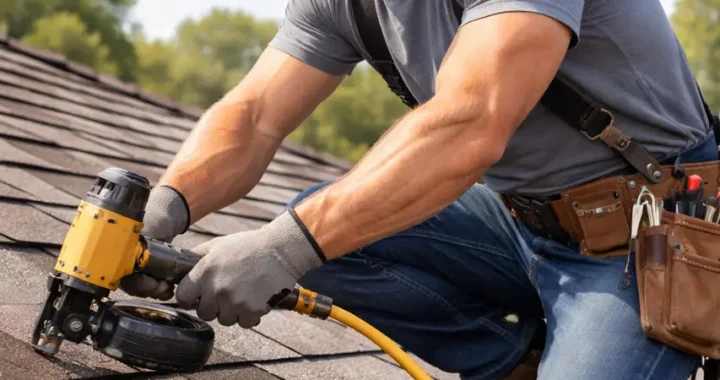
Navigating the world of insurance as a roofing contractor in New York can be daunting. With various policies to choose from and specific regulations to consider, it’s essential to have a clear understanding of your options and requirements. This guide aims to simplify the process by breaking down the critical elements of roofers insurance, helping you make informed decisions that protect your business.

What is Roofers Insurance?
Roofing is an essential part of the construction industry, yet it comes with significant risks due to the nature of the work—a roofing contractor often works at heights, deals with heavy materials, and uses specialized tools. Roofers insurance is a tailored insurance package that specifically addresses these risks. A comprehensive roofers insurance policy typically covers general liability, which includes protection against lawsuits for property damage and bodily injuries on the job site. It also often includes coverage for completed operations, protecting against claims that arise after a project is finished. Such specialized packages can be the backbone of your risk management strategy.
Additional components of roofers insurance include commercial auto insurance for vehicles used in the business, inland marine insurance to protect materials and equipment in transit, and, in some cases, professional liability insurance, especially if your business provides design services or other consulting work. By covering these aspects, insurance provides a safety net, allowing contractors to focus more on delivering quality roofing services without undue worry about potential litigation or financial loss. For more information on how these components work together to provide robust protection, read more about general liability insurance benefits.
Essential Coverage Types
Within the realm of roofers insurance, understanding each type of coverage is key to ensuring complete protection. General liability insurance is a must-have, as it covers incidents such as accidental damage to a client’s property or third-party injuries that may occur on site. This type of insurance can save your business from costly lawsuits and claims.
On the other hand, workers’ compensation insurance takes care of injuries to your employees. In a profession as physically demanding as roofing, where incidents like slips or falls are common, this insurance becomes critical. It covers medical expenses and a portion of lost wages, safeguarding your business from potential personal injury lawsuits by keeping employees’ needs met following an accident.
Apart from these critical insurances, roofing contractors should consider additional options such as tool and equipment insurance. This can prove invaluable in covering losses due to theft or damage to your tools and equipment—essential assets for any contractor. Additionally, commercial property insurance can protect your office and storage buildings from damage caused by events like fires, storms, or vandalism. For a concise overview of why it’s important to secure various insurance types, see guide to essential contractor insurances.
Legal Requirements for New York Contractors
Operating as a roofing contractor in New York involves adhering to specific legal obligations concerning insurance coverage. New York state law mandates that contractors carry both general liability and workers’ compensation insurance to legally operate within the state. Failing to meet these legal requirements can result in steep fines and legal action, potentially harming your business reputation and operations.
Moreover, the state has stringent rules regarding the insurance limits you must carry, which can vary depending on the scope and scale of your operations. For instance, with workers’ compensation, you are obliged to cover not only full-time workers but also part-time and seasonal workers, which are often prevalent in construction projects. Ensuring that all policies meet the minimum state-mandated limits is crucial. Learn more about New York construction insurance regulations to stay compliant and avoid potential pitfalls in your business operations.
Choosing the Right Insurance Provider
Selecting the right insurance provider is a pivotal decision that requires a careful assessment of your specific needs as a roofing contractor. It’s essential to choose a provider familiar with the unique challenges faced in the roofing industry. Investigate whether the provider has experience with construction-related claims and check for customer testimonials that speak to their service quality and claims handling efficiency.
Consider consulting with an insurance broker who specializes in the construction sector as they can provide invaluable insights and recommend coverage that best suits your business model and risk exposure. Look for providers that offer flexible policies that can grow with your business and provide support in understanding policy nuances. Reading about the benefits of having tailored insurance policies for contractors can give further guidance on crafting a suitable protection plan.
Understanding the Claims Process
The claims process for roofers insurance can appear daunting at first, but mastering it is indispensable for minimizing disruptions during disputes or accidents. The process typically begins with promptly notifying your insurer about the incident. Timeliness is crucial as delayed reporting can complicate or even nullify your claim. Collect and document all relevant information such as photographs of the incident site, any communication with involved parties, and witness testimonies. This evidence can substantiate your claim, potentially expediting a favorable resolution.
Furthermore, maintaining a detailed account of the incident helps in articulating the situation to your claims adjuster clearly and comprehensively. Your adjuster will then assess the damage and guide you through the next steps, which may involve repair estimates or compensation negotiations. Understanding these nuances helps you stay prepared and prevent prolonged downtime for your business. Explore further steps and strategies for managing claims within the construction industry in this claims management insight.
Securing Your Business with the Right Coverage
Navigating the insurance landscape may seem overwhelming at first, but with a fundamental understanding of the different types of coverage, legal requirements, and the claims process, you can confidently secure the right protection for your roofing business. Remember, investing in comprehensive insurance is not just a regulatory necessity—it’s a strategic move to safeguard your business’s future.