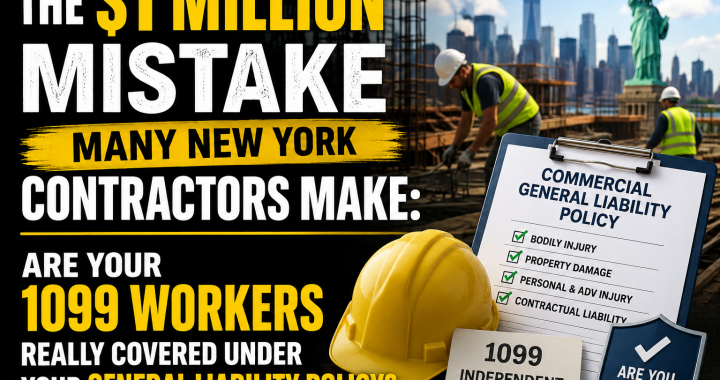
Coverage Gaps That Kill: What New York Contractors Don’t Know About Their Insurance

In New York’s high-risk construction environment, having insurance isn’t enough. What truly matters is what your policy actually covers—and what it doesn’t. Every year, contractors across the state discover too late that their insurance policies contain dangerous gaps, exclusions, or limitations that leave them fully exposed when a claim hits.

These aren’t small technicalities. These are the kinds of gaps that can turn a routine accident into a financial disaster.

If you’re a New York contractor, understanding these hidden dangers could be the difference between staying in business and shutting your doors.

The Illusion of Being “Fully Covered”

Many contractors believe that once they purchase a General Liability policy, they’re protected. Unfortunately, that assumption is often wrong.

Insurance policies today are filled with endorsements, exclusions, and conditions that dramatically change coverage. What looks like a standard policy on the surface may actually exclude the most common risks contractors face in New York.

This creates a dangerous illusion: you think you’re covered—until you’re not.

Labor Law Exclusions: The Biggest Hidden Threat

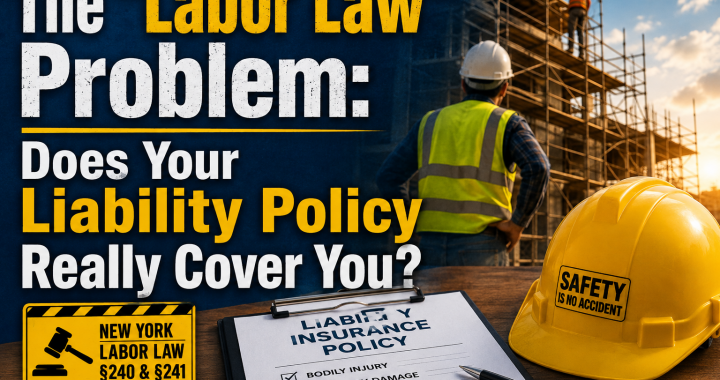
New York’s Labor Law (Sections 240 and 241) creates absolute liability for gravity-related injuries. These claims are among the most severe and expensive in the industry.

Here’s the problem:

Many insurance carriers now exclude Labor Law coverage entirely or severely limit it through endorsements.

That means:

  • Falls from ladders or scaffolds may not be covered
  • Gravity-related injuries could be excluded
  • Legal defense may not be provided

Contractors often don’t realize this until after a claim is filed—and denied.

Without proper Labor Law coverage, one accident can lead to hundreds of thousands—or millions—of dollars in out-of-pocket costs.

Height and Gravity Exclusions

Even when Labor Law isn’t explicitly excluded, many policies include height limitations.

For example:

  • No coverage for work above 2 or 3 stories
  • Exclusion for exterior work
  • Restrictions on roofing or façade work

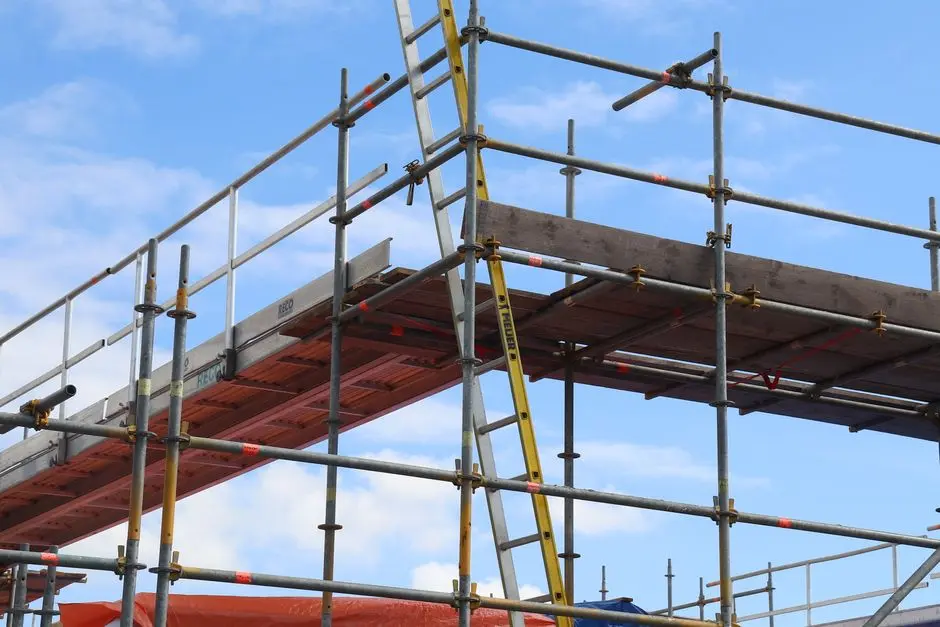
If your business involves ladders, scaffolding, or elevated work (which most contractors do), these exclusions can completely wipe out your protection.

A contractor installing drywall on the third floor or repairing a roof may unknowingly be operating outside their coverage.

Subcontractor Warranty Clauses

If you use subcontractors, your policy likely includes a subcontractor warranty endorsement.

These clauses require you to:

  • Obtain certificates of insurance from all subs
  • Ensure subs carry specific limits
  • Name you as an additional insured
  • Use written contracts with indemnification language

If you fail to meet even one of these requirements, your insurance company may deny the claim entirely.

This is one of the most common—and devastating—coverage gaps in the industry.

Imagine this scenario:

A subcontractor causes an accident. You file a claim. The insurance company asks for documentation. One certificate is missing or expired.

Claim denied.

Additional Insured Misconceptions

Being named as an “additional insured” is often misunderstood.

Contractors assume:

  • They are fully protected under another party’s policy
  • Coverage is automatic and unlimited

In reality, additional insured coverage is:

  • Limited to specific operations
  • Subject to policy terms and exclusions
  • Often restricted by endorsement language

If the endorsement is incorrect—or missing—there may be no coverage at all.

Even worse, many contracts require specific endorsements like:

  • Primary and non-contributory wording
  • Ongoing and completed operations coverage

If your policy doesn’t match the contract requirements, you could be in breach—and uninsured.

Residential and Roofing Exclusions

Another common issue in New York contractor policies is residential exclusions.

Some policies exclude:

  • Work on single-family homes
  • Renovations in apartments or condos
  • Any residential construction activity

Others exclude roofing entirely, or only allow minor repairs.

If you’re doing residential work—even occasionally—you could be exposing your business to massive uninsured risk.

Late Notice of Claims

New York has strict requirements when it comes to reporting claims.

If you delay reporting an incident—even if it seems minor—the insurance company can deny coverage based on late notice.

This happens more often than you’d think:

  • A worker gets injured but says they’re “fine”
  • Weeks later, a lawsuit is filed
  • The contractor reports it late

Result: Denied claim.

Proper claim reporting procedures are just as important as the policy itself.

Misclassification and Workers’ Comp Gaps

Workers’ compensation is another area filled with hidden risks.

Common issues include:

  • Misclassifying employees as independent contractors
  • Underreporting payroll
  • Using uninsured subcontractors

If a worker is injured and your policy doesn’t properly cover them, you could face:

  • Direct liability for medical costs
  • State penalties and fines
  • Stop-work orders

In some cases, the insurance company can even rescind your policy, leaving you completely exposed.

The Domino Effect of Coverage Gaps

One coverage gap rarely exists in isolation. They tend to stack.

A single claim can trigger multiple issues:

  • Labor Law exclusion applies
  • Subcontractor warranty not met
  • Additional insured endorsement missing

Suddenly, you’re facing:

  • No coverage
  • Legal defense costs
  • Settlement or judgment

This is how contractors go from profitable to bankrupt overnight.

Why This Problem Is Getting Worse

The insurance market for New York contractors has hardened significantly.

Carriers are:

  • Adding more exclusions
  • Tightening underwriting standards
  • Increasing premiums

At the same time, lawsuits are increasing, and claim costs continue to rise.

This combination means contractors are paying more money for less coverage—and often don’t realize it.

The Solution: Proactive Risk Management

The only way to protect your business is to take a proactive approach.

That includes:

  • Reviewing your policies in detail
  • Understanding every exclusion and endorsement
  • Ensuring contracts align with coverage
  • Verifying subcontractor compliance
  • Reporting claims immediately

Most importantly, it means working with someone who understands the unique challenges of New York construction insurance.

Don’t Let a Coverage Gap Destroy Your Business

At the end of the day, the biggest mistake a contractor can make is assuming their insurance will protect them—without verifying it.

At BGES Group, we specialize in helping New York contractors uncover and eliminate dangerous coverage gaps before a claim happens.

We work with contractors across all trades to provide:

  • Labor Law coverage solutions
  • Detailed policy reviews
  • Contract and risk transfer guidance
  • Workers’ compensation strategies

Our goal is simple: make sure your insurance actually works when you need it.

Contact BGES Group today:

Before your next job starts, take a closer look at your coverage. Because in New York construction, what you don’t know about your insurance can cost you everything.

What Should New Jersey Contractors Know About Insurance Lookup?

Navigating the world of insurance can be daunting, especially for New Jersey contractors who need the right coverage to protect their businesses. This FAQ guide is designed to simplify the process and help you understand what you need to know about insurance lookups. Whether you’re new to contracting or just looking to ensure your coverage is up to date, this guide is here to help.

Two construction workers in hard hats assisting each other at a building site, highlighting teamwork.

Why Contractors Need Insurance in New Jersey

Understanding why insurance is vital for contractors in New Jersey is the first step. It not only protects your business from unforeseen mishaps but also ensures compliance with state regulations.

Without the proper insurance, contractors can face significant financial risks. Natural disasters, accidents on the job, or even claims of negligence can result in hefty costs. Insurance acts as a safety net that can cover legal fees, medical bills, and damage repairs, ensuring that your business does not suffer financially.

Moreover, having the right insurance can also enhance your business’s credibility. Homeowners and businesses are more likely to hire contractors who are properly insured as it assures them of professionalism and responsibility.

Types of Insurance Coverage Available

Familiarize yourself with the different types of insurance coverage available, such as general liability, workers’ compensation, and professional liability, to better protect your business.

General liability insurance is crucial for any contractor. It covers claims of bodily injury or property damage that might occur during the course of work. For instance, if a client trips over your equipment and gets injured, this insurance can cover the medical expenses.

Workers’ compensation insurance is mandatory in New Jersey if you have employees. This coverage provides benefits for medical care, rehabilitation, and lost wages if an employee gets injured or sick because of their job.

Professional liability insurance, also known as errors and omissions insurance, is particularly important for design-build and consulting contractors. It protects against claims of negligence in providing professional services, such as a flaw in architectural designs.

How to Conduct an Insurance Lookup

Learn the steps to effectively look up your current insurance policies, including verifying coverage details and expiration dates to ensure continuous protection.

Begin by gathering all your existing insurance documents. This includes policy numbers, insurance company contact information, and any correspondence you have had regarding your coverage. Keeping these documents organized will streamline the lookup process.

Next, reach out to your insurance agent or the customer service department of your insurance provider. Request a summary of your current coverage, and make note of the renewal dates and any changes in terms since your last policy was issued.

Additionally, you can use New Jersey’s online resources to verify if your insurance is compliant with state regulations. This can help prevent any surprises during audits or unexpected claims.

Updating Your Insurance Coverage

Discover the importance of reviewing and updating your insurance policy periodically to accommodate any changes in your business operations or state regulations.

Changes in your business, such as hiring more employees, expanding services, or purchasing new equipment, may require adjustments in your insurance coverage. Regular reviews can help you identify gaps that might expose you to risks.

Stay informed about changes in state regulations that may affect your insurance needs. For guidance, consider reaching out to professional insurance consultants or using state resources for updates on changes that might impact your business.

Updating your coverage can be as simple as contacting your insurance provider to evaluate your current policy and make necessary changes. Above all, staying proactive about your insurance needs helps maintain your business’s security and compliance.

Wrapping Up: The Importance of Insurance Lookup for Contractors

Understanding insurance lookup is crucial for New Jersey contractors to safeguard their businesses effectively. By following these steps, contractors can ensure they have the right coverage and are well-prepared to face any challenges. It’s always wise to stay informed and regularly check your insurance needs.

BGES Group is a leading Construction Insurance specialist serving New York, New Jersey, and Connecticut. We represent over 25 top-rated insurance carriers, providing access to the best general liability and umbrella liability programs available. Our comprehensive coverage options include property, builders’ risk, inland marine, general liability, umbrella liability, commercial auto, bid and performance bonds, workers’ compensation, New York State disability, and group health. Beyond offering policies, we pride ourselves on being highly accessible—by call, text, or email—even on weekends—so you always have a trusted partner to help you navigate any insurance challenge.

We are also Workers’ Compensation specialists for tri-state business owners. Whether you are dealing with high premiums, policy cancellations, difficulty obtaining coverage due to losses, audit disputes, or payroll misclassification issues, we can help. We offer specialized programs for industries including auto services, contractors (especially in New York), limousine services, logistics companies, manufacturers, recyclers, and trucking operations. As a “Preferred Agent” for a select workers’ compensation program, we can often secure highly competitive pricing, long-term stability, and multi-state coverage for qualified clients—while also simplifying the audit process and reducing the burden of annual audits.

Contact Us:  Gary Wallach   Phone: 914-806-5853 (Direct) Email: bgesgroup@gmail.com  Website: www.bgesgroup.com

Office Location: 216A Larchmont Acres West, Larchmont, NY 10538

From Jobsite to Courtroom: The Biggest Insurance Problems New York Contractors Face Today

New York contractors operate in one of the most complex and unforgiving insurance environments in the country. What starts as a routine construction project can quickly spiral into a lawsuit, denied claim, or uninsured loss.

The reality is simple: today’s contractors aren’t just managing jobsites—they’re managing legal exposure, evolving regulations, and increasingly restrictive insurance policies.

Understanding these risks isn’t optional—it’s essential for survival.


1. Scaffold Law: Absolute Liability, Absolute Risk

New York’s Labor Law Sections 240 and 241—commonly known as the “Scaffold Law”—create one of the toughest liability environments in the country.

Even if a worker is partially at fault, contractors and property owners can still be held fully liable for gravity-related injuries.

The result:

  • Massive claims
  • Nuclear verdicts
  • Skyrocketing insurance premiums

One accident can exceed policy limits—or fall outside coverage entirely.


2. Labor Law Coverage Restrictions & Rising Premiums

Getting proper coverage has become increasingly difficult.

Many carriers have exited the New York contractor market, while others have tightened underwriting significantly.

Contractors are now facing:

  • Higher minimum premiums
  • Strict loss history requirements
  • Limited umbrella capacity
  • Labor Law exclusions

Smaller contractors are being priced out, while proposed legislation may drive costs even higher.


3. Coverage Gaps & Hidden Exclusions

The biggest risk? What your policy doesn’t cover.

Common gaps include:

  • Labor Law exclusions buried in endorsements
  • Height/gravity limitations
  • Subcontractor warranty clauses
  • Residential or roofing restrictions

Many contractors only discover these issues after a claim is denied.

Frequent problems:

  • Missing named insureds
  • Late claim reporting
  • Misunderstood policy language

These small mistakes can lead to major financial losses.

Article content

4. Risk Transfer Failures (Contracts & Additional Insured Issues)

Contracts are supposed to protect you—but often they don’t.

Typical requirements:

  • Additional insured status
  • Primary & non-contributory wording
  • Waivers of subrogation
  • Broad indemnification

Common breakdowns:

  • Incorrect endorsements
  • Missing upstream parties
  • Contracts signed without review
  • Non-compliant subcontractor coverage

When a claim hits, contractors often find the risk was never properly transferred.

➡️ This is where jobsites turn into courtrooms.


5. Worker Classification & Compliance Risks

Insurance exposure doesn’t just come from accidents—it comes from compliance.

New York strictly enforces worker classification laws under the Construction Industry Fair Play Act.

Misclassification can lead to:

  • Workers’ compensation claims
  • Back taxes and penalties
  • Coverage disputes
  • Policy rescissions

Increased reporting requirements are making errors more frequent—and more expensive.


6. Litigation Explosion & Fraud Concerns

New York’s legal environment continues to drive up costs.

Contractors are experiencing:

  • More lawsuits per incident
  • Higher settlement demands
  • Increased defense costs
  • Greater risk of policy exhaustion

Even minor incidents can become major financial threats.


7. Bottom Line: Insurance Is No Longer “Set It and Forget It”

Today’s contractors must actively manage:

  • Coverage structure
  • Contract language
  • Subcontractor compliance
  • Claims reporting

Failing to do so can turn a profitable project into a financial disaster.


Protect Your Business Before the Next Claim Hits

If you’re a New York contractor, the biggest risk isn’t just an accident—it’s thinking you’re covered when you’re not.

At BGES Group, we help contractors:

  • Secure proper Labor Law coverage
  • Review contracts and risk transfer
  • Strengthen workers’ compensation strategies
  • Identify dangerous coverage gaps

Make sure your insurance works when you need it most.


📞 Gary Wallach: 914-806-5853 📧 bgesgroup@gmail.com 🌐 www.bgesgroup.com
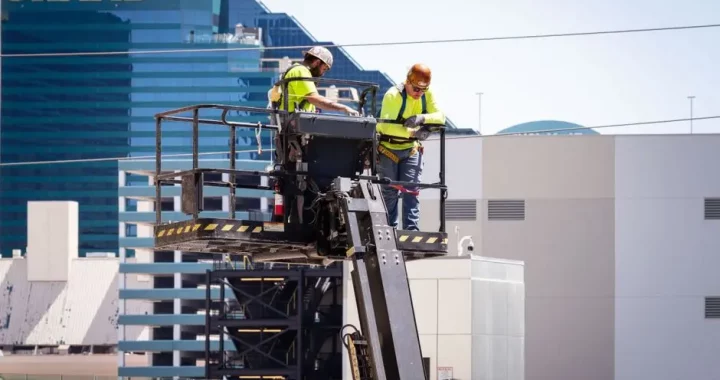

Don’t wait until a claim exposes your coverage. Make sure you’re protected before the jobsite becomes a courtroom.

🔨 One Fall Can Cost Millions: 10 Reasons New York Contractors Can’t Afford to Skip Labor Law Coverage

In New York, construction is booming—but so are lawsuits. If you’re a contractor working in the state, you’re operating under some of the toughest liability laws in the country. Chief among them are New York Labor Laws 200, 240, and 241—statutes that can hold contractors and property owners absolutely liable for worker injuries, especially those involving falls.

That’s where Labor Law coverage comes in. Without it, one accident could financially cripple your business. Here are 10 critical reasons why every New York contractor needs proper Labor Law coverage.

1. New York’s “Scaffold Law” Is Unforgiving

Labor Law 240, often called the “Scaffold Law,” imposes absolute liability on contractors and property owners for elevation-related injuries. That means if a worker falls—even if it’s partially their fault—you can still be held 100% responsible.

2. Worker Lawsuits Are Extremely Common

Construction injuries happen. But in New York, injured workers frequently file lawsuits in addition to workers’ compensation claims, especially under Labor Law statutes. These lawsuits can result in massive settlements.

3. Settlements Can Reach Millions

Labor Law claims are notorious for high payouts. A simple ladder fall could turn into a multi-million-dollar claim, especially if serious injuries like paralysis or brain trauma are involved.

4. General Liability Alone Is Not Enough

Many contractors assume their general liability policy will protect them. In reality, most policies have Labor Law exclusions or limitations, leaving dangerous gaps in coverage.

5. You Can Be Liable Even If You Did Nothing Wrong

Unlike most states, New York doesn’t require negligence for certain Labor Law claims. Even if you followed all safety procedures, you may still be liable simply because the accident occurred.

6. Property Owners Push Risk Downstream

Owners and developers know the risks—and they push them onto contractors through contracts requiring Labor Law coverage and high limits. Without it, you may not even qualify for jobs.

7. Subcontractor Issues Can Come Back to You

If a subcontractor’s employee gets hurt, they can sue you directly. If your subcontractor doesn’t have proper insurance—or if their policy excludes Labor Law—you could be left holding the bag.

8. Legal Defense Costs Add Up Fast

Even if a claim is questionable, defending a Labor Law case can cost tens or hundreds of thousands of dollars in legal fees. Coverage ensures you’re not paying those costs out of pocket.

9. You Risk Losing Everything Without It

Without proper coverage, one serious claim could wipe out your business, your assets, and years of hard work. Contractors have gone bankrupt over a single uncovered Labor Law claim.

10. It Gives You a Competitive Advantage

Contractors with strong Labor Law coverage are more attractive to general contractors and project owners. It shows professionalism, preparedness, and financial responsibility.

⚠️ The Bottom Line

If you’re a contractor in New York, Labor Law exposure is not optional—it’s unavoidable. The question isn’t whether you’ll face risk, but whether you’re properly protected when you do.

🛡️ Protect Your Business with BGES Group

At BGES Group (chatgpt://generic-entity?number=0), we specialize in helping New York contractors secure the right Labor Law coverage and workers’ compensation solutions tailored to their business.

We understand the real risks you face on job sites—and we know how to structure policies that protect you from devastating claims while keeping you competitive in bidding.

Whether you’re a general contractor, subcontractor, or trade specialist, we’ll make sure there are no dangerous gaps in your coverage.

📞 Contact Information

Gary Wallach

📱 914-806-5853

📧 bgesgroup@gmail.com

🌐 www.bgesgroup.com

Don’t wait until it’s too late. One accident is all it takes. Make sure your business is protected with the right Labor Law coverage today.

How Contractor Insurance NY Can Mitigate Your Business Risks

Running a contracting business in New York comes with its own unique set of challenges and risks. Navigating these waters can be complex, but securing the right contractor insurance can make all the difference. In this blog, we’ll explore how contractor insurance can serve as a safety net, keeping your business safe from potential pitfalls.

Workers in high visibility gear at a busy construction site with scaffolding and steel frames.

Understanding the Basics of Contractor Insurance

Contractor insurance is a broad term that encompasses various types of coverage, each designed to protect different aspects of your business. From general liability to workers’ compensation, understanding the basics can help you choose the right mix of policies. General liability insurance, for instance, covers third-party injuries and damages caused by your business operations, offering a layer of protection against accidents. On the other hand, workers’ compensation is crucial for any contracting business, as it covers medical expenses and lost wages for employees injured on the job. With this dual approach, your business can tackle both external and internal risks.

It’s not just about having insurance; it’s about having the right insurance tailored to your specific needs. For instance, tools and equipment insurance ensures that your business doesn’t grind to a halt should something happen to your essential tools. Given that these tools are critical to the day-to-day running of your business, protecting them is a priority. Similarly, understanding the unique environmental risks you may face—like floods or hurricanes—is vital in New York. This way, you can adjust your policies accordingly, ensuring that you’re prepared for any eventuality.

Identifying the Risks in the Contracting Business

Contracting work often involves physical labor, exposure to hazardous materials, and the use of heavy equipment, all of which pose significant risks. Identifying these risks is the first step in mitigating them effectively. Physical injuries, for example, can range from minor cuts to severe injuries, and understanding these risks helps you better prepare with the right insurance coverage. Similarly, contracting businesses often deal with volatile environments—whether it’s dealing with dangerous chemicals or working at great heights—and these inherently risky conditions require robust safety measures and insurance policies.

Moreover, New York poses its own unique challenges—such as stringent regulations and high market competition—that add another layer of complexity to the risks faced by contractors. Navigating local compliance laws is vital, as failing to comply can lead to hefty fines or business closure. By identifying and thoroughly understanding these risks, along with industry-specific obstacles, you arm your business with the necessary tools to not only comply with local requirements but also thrive despite the challenges.

How Contractor Insurance Mitigates Financial Liabilities

Accidents happen, and when they do, contractor insurance can cover the costs associated with medical expenses, legal fees, and property damage, preventing these unforeseen events from crippling your business financially. For example, say a client trips over a power cord at a job site, incurring medical bills along with a lawsuit. Without the proper insurance, your business could face substantial financial hardship or even bankruptcy. However, with general liability and professional indemnity coverage, you’re equipped to handle such scenarios more efficiently.

A lesser-discussed but equally important aspect of insurance is its role in protecting your company’s financial health through insurance audits and adjustments. Regularly reviewing and adjusting your policies enables you to ensure your coverage is aligned with your current business operations and that you’re not over-insured or spending unnecessarily on premiums. This proactive maintenance of your insurance portfolio is just as crucial as any other financial planning you engage in for your business.

Choosing the Right Insurance Provider in NY

With numerous insurance providers in New York, selecting the right one for your business can be daunting. Consider factors such as coverage options, customer service, and reputation to make an informed decision. The ideal provider is one that not only offers a robust set of policies but also helps you tailor them to match your business needs. Top-tier providers will possess a strong reputation within the industry, display transparency in their policies, and have positive reviews from existing clients.

Engaging with providers that possess intimate knowledge of the New York market and regulatory requirements can significantly benefit your business. These providers are better equipped to offer the most comprehensive and relevant advice to meet regional demands. Additionally, seeking out testimonials or endorsements from peer businesses that have navigated similar challenges can offer invaluable insights into the decision-making process. With the right insurance partner, your business can confidently face whatever challenges come its way.

Real-Life Examples of Insurance Saving the Day

Hearing stories from real contractors who have benefitted from having the right insurance can underscore the importance and effectiveness of these policies in action. Consider a contracting business that was saved from financial ruin after a significant equipment theft, thanks to their well-structured tools and equipment insurance. This coverage not only reimbursed the company for the monetary value of the lost tools but also enabled them to resume operations swiftly without losing business to competitors.

Another poignant example is that of a contractor facing litigation over an alleged construction defect. The legal costs and potential damages threatened to drain their financial resources. However, comprehensive professional indemnity insurance covered these legal fees, allowing the business to focus on its ongoing projects without being bogged down by the legal battle. Such stories are not just reassuring but also stress the tangible benefits that comprehensive insurance coverage can bring to your operations.

Securing Your Business’s Future with the Right Coverage

In the fast-paced world of contracting, ensuring your business is adequately protected is not just a good idea—it’s essential. Contractor insurance in NY provides the peace of mind you need to focus on delivering exceptional service. By understanding your risks and securing the right coverage, you’re taking a proactive step toward safeguarding your business’s future.

BGES Group is a leading Construction Insurance specialist serving New York, New Jersey, and Connecticut. We represent over 25 top-rated insurance carriers, providing access to the best general liability and umbrella liability programs available. Our comprehensive coverage options include property, builders’ risk, inland marine, general liability, umbrella liability, commercial auto, bid and performance bonds, workers’ compensation, New York State disability, and group health. Beyond offering policies, we pride ourselves on being highly accessible—by call, text, or email—even on weekends—so you always have a trusted partner to help you navigate any insurance challenge.

We are also Workers’ Compensation specialists for tri-state business owners. Whether you are dealing with high premiums, policy cancellations, difficulty obtaining coverage due to losses, audit disputes, or payroll misclassification issues, we can help. We offer specialized programs for industries including auto services, contractors (especially in New York), limousine services, logistics companies, manufacturers, recyclers, and trucking operations. As a “Preferred Agent” for a select workers’ compensation program, we can often secure highly competitive pricing, long-term stability, and multi-state coverage for qualified clients—while also simplifying the audit process and reducing the burden of annual audits.

Contact Us:
Gary Wallach
Phone: 914-806-5853 (Direct)
Email: bgesgroup@gmail.com

Website: www.bgesgroup.com

Office Location:
216A Larchmont Acres West
Larchmont, NY 10538
 

Action Over Claims in New York: Why Your CGL Policy May Not Respond

For contractors operating in New York, few risks are as financially dangerous—and as widely misunderstood—as “action over” claims. These claims arise when an injured worker sues a third party (such as a property owner or general contractor), and that third party then brings a claim back against the injured worker’s employer. The result is a potentially catastrophic liability scenario that many contractors assume is covered under their Commercial General Liability (CGL) policy—only to find out too late that it may not be.

Understanding how action over claims work, and more importantly, how your CGL policy responds (or fails to respond), is critical for any contractor working in New York.


What Is an Action Over Claim?

Under normal circumstances, when an employee is injured on the job, their exclusive remedy against their employer is workers’ compensation. This system is designed to prevent lawsuits against employers while ensuring injured workers receive medical care and lost wage benefits.

However, New York’s Labor Law—particularly Sections 240(1) and 241(6)—creates a unique exception. These statutes impose strict liability on property owners and general contractors for gravity-related injuries and violations of the Industrial Code.

Here’s where action over comes into play:

  1. An employee of a subcontractor is injured on a job site.
  2. The injured worker sues the property owner and/or general contractor under Labor Law.
  3. The owner or GC then files a third-party claim (an “action over”) against the subcontractor (the injured worker’s employer), seeking indemnification or contribution.

This effectively bypasses the workers’ compensation shield and pulls the employer back into the lawsuit—often for substantial damages.


Why Action Over Claims Are So Dangerous

Action over claims can lead to extremely high settlements or verdicts because:

  • Labor Law 240(1) imposes absolute liability in many cases
  • Comparative negligence is often not a defense
  • Claims frequently involve severe injuries (falls from heights, falling objects, etc.)
  • Indemnification agreements may require the subcontractor to assume full responsibility

For subcontractors, this means they could be responsible not only for their employee’s injury but also for the legal liability of the owner and general contractor.


The Misconception: “My CGL Covers This”

Many contractors believe their CGL policy will step in to defend and indemnify them in an action over claim. While this may have been true in older or more comprehensive policies, modern underwriting—especially in New York—has significantly changed the landscape.

Today, many CGL policies include specific exclusions or endorsements that limit or eliminate coverage for exactly this type of exposure.

Article content

Common Policy Exclusions That Block Coverage

1. Action Over Exclusions

Some policies explicitly exclude coverage for claims arising out of bodily injury to an employee where a third party seeks indemnification or contribution. This directly targets action over scenarios.

2. Employee Injury Exclusions (Expanded Definitions)

Modern policies often broaden the definition of “employee” to include:

  • Subcontractor employees
  • Independent contractors
  • Leased or temporary workers

This means that even if the injured worker is not your direct employee, coverage may still be excluded.

3. Labor Law Exclusions

Certain carriers add endorsements excluding claims arising under New York Labor Law Sections 240 and 241 entirely. This removes coverage for the very statutes most commonly associated with action over claims.

4. Height Limitations

Policies may exclude work above a certain height (e.g., 10 or 15 feet). Since many Labor Law claims involve elevation-related risks, this can effectively eliminate coverage for common job site exposures.

5. Contractual Liability Limitations

If your indemnification agreement requires you to assume liability for a third party, but your policy restricts contractual liability coverage, you may be left uninsured for those obligations.


Real-World Scenario

Consider a drywall subcontractor working on a mid-rise residential project. One of their employees falls from a scaffold and suffers serious injuries. The worker sues the general contractor and property owner under Labor Law 240(1).

The GC then files an action over claim against the drywall subcontractor, citing the indemnification clause in their contract.

The subcontractor turns to their CGL carrier—only to discover:

  • Their policy includes an action over exclusion
  • The employee injury exclusion applies to subcontractor employees
  • There is a height limitation of 15 feet

The result? No coverage. The subcontractor is forced to defend the claim and potentially pay damages out of pocket.


Why Certificates of Insurance Are Not Enough

Many contractors rely heavily on certificates of insurance as proof of coverage. However, certificates do not reveal critical exclusions or endorsements.

A certificate may show:

  • $1,000,000 per occurrence limit
  • Additional insured status
  • Waiver of subrogation

But it will not disclose:

  • Action over exclusions
  • Labor Law limitations
  • Employee injury carve-outs

This creates a false sense of security that can be devastating when a claim occurs.


Risk Transfer Alone Won’t Save You

While transferring risk through contracts and requiring subcontractors to carry insurance is essential, it is not sufficient on its own.

If:

  • The subcontractor’s policy excludes action over claims, or
  • The limits are inadequate, or
  • The carrier denies coverage

…the financial exposure can shift back to you.

Proper protection requires alignment between contracts and actual policy language, not just certificates.


How Contractors Can Protect Themselves

To avoid being caught uninsured in an action over claim, contractors should take a proactive approach:

1. Review Policy Endorsements Carefully

Do not rely on summaries. Obtain and review full policy forms, especially exclusions related to:

  • Employee injury
  • Action over
  • Labor Law

2. Work With Specialized Brokers

New York construction risks require deep expertise. A knowledgeable broker can identify problematic endorsements and negotiate better terms.

3. Align Contracts With Coverage

Ensure your indemnification agreements are supported by your insurance policy. Otherwise, you may be assuming liabilities your policy won’t cover.

4. Require Strong Subcontractor Coverage

Verify that subcontractors carry:

  • No action over exclusions
  • Adequate limits
  • Proper additional insured endorsements

5. Consider Excess/Umbrella Policies

Even when coverage exists, Labor Law claims can exceed primary limits quickly. Excess coverage provides an additional layer of protection.


Final Thoughts

Action over claims represent one of the most significant uninsured exposures facing New York contractors today. The combination of strict Labor Law liability and increasingly restrictive CGL policy language creates a dangerous gap that many contractors do not discover until it is too late.

The key takeaway is simple: not all CGL policies are created equal. Understanding the exclusions and endorsements in your policy is just as important as knowing your coverage limits.

Contractors who take the time to properly structure their insurance programs—and work with professionals who understand the nuances of New York Labor Law—can avoid devastating financial consequences and operate with greater confidence.


**BGES Group is a leading Construction Insurance specialist serving New York, New Jersey, and Connecticut. We represent over 25 top-rated insurance carriers, providing access to the best general liability and umbrella liability programs available. Our comprehensive coverage options include property, builders’ risk, inland marine, general liability, umbrella liability, commercial auto, bid and performance bonds, workers’ compensation, New York State disability, and group health. Beyond offering policies, we pride ourselves on being highly accessible—by call, text, or email—even on weekends—so you always have a trusted partner to help you navigate any insurance challenge. We are also Workers’ Compensation specialists for tri-state business owners. Whether you are dealing with high premiums, policy cancellations, difficulty obtaining coverage due to losses, audit disputes, or payroll misclassification issues, we can help. We offer specialized programs for industries including auto services, contractors (especially in New York), limousine services, logistics companies, manufacturers, recyclers, and trucking operations. As a “Preferred Agent” for a select workers’ compensation program, we can often secure highly competitive pricing, long-term stability, and multi-state coverage for qualified clients—while also simplifying the audit process and reducing the burden of annual audits.

Contact Us: Gary Wallach Phone: 914-806-5853 (Direct)

Email: bgesgroup@gmail.com

Website: www.bgesgroup.com

Office Location: 216A Larchmont Acres West Larchmont, NY 10538

How Can Roofers in New York Ensure They Have the Right Workers’ Compensation Insurance Coverage?

Navigating the world of workers’ compensation insurance can be daunting, especially for roofers in New York, where the legal requirements and risks are significant. This guide will walk you through the essential steps to ensure you have the right coverage for your business.

Construction workers repairing a modern roof in Reykjavík, highlighting teamwork and safety.

Understand New York’s Workers’ Compensation Requirements

In New York, having a comprehensive understanding of the workers’ compensation requirements is pivotal for your roofing business. State law mandates that all businesses with employees must have workers’ compensation insurance, and this includes roofers. Exceptions are rare, so it’s wise to familiarize yourself with who must be covered to avoid penalties.

The process of comprehending these requirements can be streamlined by consulting with experts who have hands-on experience with New York’s specific regulations. This ensures total compliance with the local laws while safeguarding your business from potential legal issues.

Assess the Risks Associated with Roofing

Given the nature of roofing work, which involves high elevations and potentially dangerous equipment, it is prone to a higher incidence of workplace injuries. It’s crucial to identify these risks and evaluate them thoroughly so your insurance policy can adequately mitigate potential liabilities.

By identifying these risks early on, you can introduce preventive measures and training programs to minimize accidents, which may also result in favorable insurance premiums in the long run.

Choose the Right Insurance Provider

Selecting an insurance provider is not just about pricing; it’s about finding a company that offers a robust support system. Working with insurers known for their customer service and straightforward claims process can make all the difference when dealing with an incident.

A good provider will not only offer comprehensive workers’ compensation insurance for roofers but will also ensure that the coverage aligns with your specific business needs. This tailored service guarantees you get the best value for your investment.

Tailor Your Policy to Your Business Needs

No two roofing companies are alike. Whether you specialize in commercial, residential, or industrial roofing, your insurance needs will vary. By tailoring your insurance policy, you ensure that your unique risks are covered, providing peace of mind to you and your employees.

Collaborate with your insurance provider to craft a policy that considers your business’s specific operational scope and risk factors. This approach not only offers adequate protection but also potentially reduces unnecessary costs from overlapping coverages.

Regularly Review and Update Your Coverage

Over time, your business dynamics will change. Whether it’s an expansion of services or a shift in the number of employees, ensuring that you regularly update your insurance policy is crucial. This diligence keeps you compliant with evolving laws and fully protected against new risks.

Frequent reviews with your insurer not only safeguard your business but also adapt your coverage to new challenges and opportunities that arise in the ever-changing landscape of roofing.

Final Thoughts on Workers’ Compensation Insurance for Roofers

Securing the right workers’ compensation insurance coverage in New York is an essential step to protecting both your employees and your business. By understanding the requirements, choosing the right policy, and working with an expert, you can ensure peace of mind while focusing on what you do best—providing excellent roofing services.

BGES Group is a leading Construction Insurance specialist serving New York, New Jersey, and Connecticut. We represent over 25 top-rated insurance carriers, providing access to the best general liability and umbrella liability programs available. Our comprehensive coverage options include property, builders’ risk, inland marine, general liability, umbrella liability, commercial auto, bid and performance bonds, workers’ compensation, New York State disability, and group health. Beyond offering policies, we pride ourselves on being highly accessible—by call, text, or email—even on weekends—so you always have a trusted partner to help you navigate any insurance challenge.

We are also Workers’ Compensation specialists for tri-state business owners. Whether you are dealing with high premiums, policy cancellations, difficulty obtaining coverage due to losses, audit disputes, or payroll misclassification issues, we can help. We offer specialized programs for industries including auto services, contractors (especially in New York), limousine services, logistics companies, manufacturers, recyclers, and trucking operations. As a “Preferred Agent” for a select workers’ compensation program, we can often secure highly competitive pricing, long-term stability, and multi-state coverage for qualified clients—while also simplifying the audit process and reducing the burden of annual audits.

Contact Us:
Gary Wallach
Phone: 914-806-5853 (Direct)
Email: bgesgroup@gmail.com

Website: www.bgesgroup.com

New York Labor Law 241(6): The Hidden Risk That Contractors Can’t Afford to Ignore

When most New York contractors think about Labor Law exposure, their minds immediately go to falls and the well-known “Scaffold Law.” But there’s another statute quietly driving a significant number of claims—and it’s often misunderstood until it’s too late: New York Labor Law § 241(6).

Unlike other Labor Law provisions, Section 241(6) introduces a unique and dangerous layer of liability tied directly to compliance with the New York Industrial Code. For contractors, this means that even minor safety violations can become the foundation for major lawsuits.

What Makes Labor Law 241(6) Different?

At its core, Labor Law 241(6) requires that construction, excavation, and demolition work areas be constructed, operated, and maintained in a way that provides “reasonable and adequate protection and safety” to workers.

However, what makes this law particularly challenging is that liability is not based on general safety standards—it is based on specific violations of the New York Industrial Code.

In other words, a plaintiff must point to a precise regulation that was violated. But once they do, the case can quickly become difficult to defend.

The Role of the Industrial Code

The New York Industrial Code is a detailed set of safety regulations covering nearly every aspect of construction operations. These rules address everything from ladder placement and scaffold construction to housekeeping and debris removal.

Some of the most commonly cited sections include:

  • Improper ladder use or unsecured ladders
  • Slippery or obstructed work surfaces
  • Inadequate fall protection
  • Unsafe equipment operation
  • Poor housekeeping practices

The reality is that most job sites—especially fast-moving ones—have technical violations at some point. Under Labor Law 241(6), those small issues can become the basis of a claim.

Not Absolute Liability—But Close Enough

Unlike New York Labor Law § 240, which imposes absolute liability, Labor Law 241(6) is considered a comparative negligence statute.

This means that:

  • A contractor or owner can argue that the injured worker was partially at fault
  • Damages may be reduced based on the worker’s percentage of fault

However, this does not eliminate exposure. Even if a worker is found 50% responsible, the contractor or owner can still be liable for the remaining 50% of damages—which can be substantial in serious injury cases.

Who Is Liable?

Labor Law 241(6) applies primarily to:

  • Property owners
  • General contractors
  • Construction managers (in certain cases)

Subcontractors are typically not directly liable under this statute unless they have been delegated authority over the work or safety conditions.

This creates a familiar and frustrating situation: the parties least involved in the actual work are often the ones facing the lawsuit.

Why This Law Is Frequently Overlooked

Many contractors focus heavily on fall protection due to Labor Law 240 but underestimate the reach of 241(6). That’s a mistake.

Here’s why this law flies under the radar:

  • It requires knowledge of specific Industrial Code sections
  • Violations can seem minor or technical
  • It doesn’t sound as severe as “absolute liability”
  • It often gets added to lawsuits alongside other claims

Yet in practice, 241(6) claims are extremely common and can significantly increase the complexity and cost of litigation.

Insurance Implications: Where Things Get Complicated

From an insurance standpoint, Labor Law 241(6) claims can trigger multiple policies and layers of coverage.

Key considerations include:

General Liability Coverage

Most claims are initially handled under general liability policies. However, coverage depends on:

  • Proper classification of work
  • Absence of restrictive exclusions
  • Correct policy wording

Some carriers have tightened underwriting guidelines around New York construction risks, making coverage more difficult to secure.

Additional Insured Coverage

If subcontractors are involved, upstream parties rely heavily on additional insured status.

But here’s the catch:
If the subcontractor did not violate the Industrial Code—or if their policy is not properly structured—coverage disputes can arise quickly.

Excess and Umbrella Policies

Given the severity of potential injuries, excess and umbrella policies are often triggered. However, inconsistencies between underlying and excess policies can create gaps in coverage.

Real-World Claim Scenarios

To understand how Labor Law 241(6) plays out, consider these common examples:

  • A worker slips on debris left in a walkway—triggering a housekeeping violation
  • A ladder shifts because it was not properly secured—leading to a fall
  • Tools are improperly stored, creating a tripping hazard
  • A worker is injured due to inadequate lighting in a work area

In each case, the injury may not involve a dramatic fall from height—but a specific Industrial Code violation can still create liability.

How Contractors Can Protect Themselves

While Labor Law 241(6) cannot be avoided, its impact can be managed with the right approach.

1. Strengthen Job Site Safety Practices

Strict adherence to Industrial Code requirements is critical. This includes:

  • Regular site inspections
  • Clear housekeeping protocols
  • Proper equipment setup and maintenance

2. Implement Strong Subcontractor Controls

Subcontractors should be required to:

  • Follow all safety regulations
  • Maintain proper insurance coverage
  • Agree to indemnification provisions

3. Verify Insurance Coverage Thoroughly

Do not rely on certificates alone. Review:

  • Policy endorsements
  • Additional insured language
  • Exclusions related to Labor Law claims

4. Work with Specialized Advisors

New York construction risks require expertise. Contractors benefit from working with professionals who understand how Labor Law claims are litigated and insured.

Final Thoughts

Labor Law 241(6) may not get the same attention as other statutes, but it is a powerful and frequently used tool in construction litigation. Its reliance on specific Industrial Code violations makes it both technical and dangerous for contractors who are not fully prepared.

In New York, where the legal environment is already challenging, overlooking this law can lead to significant financial exposure. The key is awareness, preparation, and a disciplined approach to both safety and risk transfer.


BGES Group is a leading Construction Insurance specialist serving New York, New Jersey, and Connecticut. We represent over 25 top-rated insurance carriers, providing access to the best general liability and umbrella liability programs available. Our comprehensive coverage options include property, builders’ risk, inland marine, general liability, umbrella liability, commercial auto, bid and performance bonds, workers’ compensation, New York State disability, and group health. Beyond offering policies, we pride ourselves on being highly accessible—by call, text, or email—even on weekends—so you always have a trusted partner to help you navigate any insurance challenge.

We are also Workers’ Compensation specialists for tri-state business owners. Whether you are dealing with high premiums, policy cancellations, difficulty obtaining coverage due to losses, audit disputes, or payroll misclassification issues, we can help. We offer specialized programs for industries including auto services, contractors (especially in New York), limousine services, logistics companies, manufacturers, recyclers, and trucking operations. As a “Preferred Agent” for a select workers’ compensation program, we can often secure highly competitive pricing, long-term stability, and multi-state coverage for qualified clients—while also simplifying the audit process and reducing the burden of annual audits.

Contact Us:
Gary Wallach
Phone: 914-806-5853 (Direct)
Email: bgesgroup@gmail.com
Website: www.bgesgroup.com

Office Location:
216A Larchmont Acres West
Larchmont, NY 10538

Key Insights into Professional Liability Insurance for Contractors

Navigating the world of insurance can often feel daunting, especially for contractors who need to continuously assess risk while staying protected from potential liabilities. Professional liability insurance is a crucial component of this safety net, and understanding its nuances can safeguard your business effectively. In this post, we aim to break down the key aspects of professional liability insurance, tailored specifically for contractors.

Close-up image of an insurance policy with a magnifying glass, money, and toy car.

Understanding Professional Liability Insurance

Professional liability insurance, often known as errors and omissions insurance, is designed to protect contractors or businesses from claims of inadequate work or negligent actions. It’s essential for anyone whose or business undertakings could potentially result in a lawsuit.

At the core of professional liability insurance is the concept of protection against claims stemming from professional errors, malpractice, or misrepresentation. Contractors, in particular, operate in sectors where mistakes can have significant repercussions, sometimes leading to costly legal battles. Coverage typically includes legal defense costs, settlements, or judgments, ensuring that such financial burdens do not derail your operations. The policy is especially crucial for those involved in the construction, design, or consultancy sectors, where projects are complex, regulations are strict, and the margin for error is slim.

Understanding the distinction between general liability and professional liability insurance is vital. While the former covers physical damages and personal injury, professional liability zeroes in on financial harm due to professional faults. As professionals are held to industry standards, failure to meet these expectations can lead to significant claims. This policy acts as a safeguard, underpinning the importance of quality, responsibility, and precision in every project.

Why Contractors Need It

Contractors uniquely operate in environments where even a slight error can result in significant financial loss. Professional liability insurance is a safety net that ensures you or your business are protected against such situations, preserving both finances and reputation.

The nature of contracting work involves an inherent level of risk, with unforeseen events potentially leading to disputes, claims, or lawsuits. A missed deadline, a design flaw, or even a misunderstanding with a client can escalate into a costly legal issue. Professional liability insurance provides a buffer against these risks, offering peace of mind and the ability to focus on delivering quality work. For many contractors, this insurance is not just a precaution but a foundational element of their business strategy, ensuring that operations can continue uninterrupted even in the face of potential litigation.

Key Coverage Features to Consider

When evaluating insurance policies, contractors should particularly look out for elements such as coverage limits, policy exclusions, and whether defense costs are included. These features will directly impact the policy’s effectiveness in protecting your business.

In addition to the basic essentials, contractors should consider customizable features that address specific needs unique to their operations. For example, some policies might offer crisis management support or coverage for subcontractors, enhancing the scope and effectiveness of the policy. Evaluating whether a policy covers prior acts is another crucial step, especially for those involved in long-term projects. Furthermore, considering the retroactive date, which covers services rendered prior to the policy’s commencement date, can be a strategic addition. By carefully analyzing these features, contractors can tailor their professional liability insurance policies to their specific requirements and operational scope.

Mistakes to Avoid When Choosing a Policy

Common pitfalls include underestimating coverage needs, overlooking exclusions, and not comparing multiple quotes. Avoiding these mistakes ensures that you select the best policy for your specific contracting needs.

Another frequent mistake is failing to continuously review and update the insurance policy in line with business growth or operational changes. As your contracting business expands or shifts focus, the risks you face may evolve, necessitating an adjustment in your coverage. Failing to do so could leave critical gaps in protection. Additionally, contractors should actively engage with their insurance advisors to understand intricate policy conditions, resolving ambiguities, and ensuring full comprehension of all terms. This proactive approach mitigates misunderstandings and enhances the policy’s protective capabilities.

Budgeting for Professional Liability Insurance

Cost is a critical consideration. By understanding factors that influence premium rates—such as the type of work you do and potential risks—you can set a realistic budget that ensures comprehensive protection without financial strain.

One of the primary influencers of insurance premiums is the nature and scope of the contracted work. High-risk industries or projects with significant complexity naturally attract higher insurance costs. However, by proactively managing risks and demonstrating a strong commitment to safety, contractors can often negotiate better rates. Implementing effective risk management strategies not only reduces potential hazards but also positions you as a lower risk in the eyes of insurers, which can lead to reduced premiums. Moreover, taking the time to shop around and compare different policy offers can yield significant cost savings over time.

Safeguarding Your Business with the Right Coverage

Well-informed choices regarding professional liability insurance can significantly reduce risks and provide peace of mind for contractors. By understanding what coverage you need, how policies work, and the potential costs and benefits, you can confidently protect your business against unexpected challenges. Make sure to consult with an insurance advisor to tailor a plan that fits your specific needs. Visit our homepage to learn more about how we can help protect your business.

BGES Group is a leading Construction Insurance specialist serving New York, New Jersey, and Connecticut. We represent over 25 top-rated insurance carriers, providing access to the best general liability and umbrella liability programs available. Our comprehensive coverage options include property, builders’ risk, inland marine, general liability, umbrella liability, commercial auto, bid and performance bonds, workers’ compensation, New York State disability, and group health. Beyond offering policies, we pride ourselves on being highly accessible—by call, text, or email—even on weekends—so you always have a trusted partner to help you navigate any insurance challenge.

We are also Workers’ Compensation specialists for tri-state business owners. Whether you are dealing with high premiums, policy cancellations, difficulty obtaining coverage due to losses, audit disputes, or payroll misclassification issues, we can help. We offer specialized programs for industries including auto services, contractors (especially in New York), limousine services, logistics companies, manufacturers, recyclers, and trucking operations. As a “Preferred Agent” for a select workers’ compensation program, we can often secure highly competitive pricing, long-term stability, and multi-state coverage for qualified clients—while also simplifying the audit process and reducing the burden of annual audits.

Contact Us:
Gary Wallach
Phone: 914-806-5853 (Direct)
Email: bgesgroup@gmail.com

Website: www.bgesgroup.com

Office Location:
216A Larchmont Acres West
Larchmont, NY 10538
 

7 Factors Impacting Contractor Liability Insurance Cost

Navigating the world of contractor liability insurance can feel daunting, but understanding the factors that influence its cost can make it much simpler. In this guide, we’ll break down the key considerations that affect how much you might pay for your contractor liability insurance. Let’s dive into the elements that can impact your insurance premiums and help you better manage your coverage.

Close-up of a warning sign on a chain link fence at a construction site indicating danger.

1. Business Type and Scope

The nature and scope of your contracting business play a significant role in determining your insurance premiums. Companies that operate in higher-risk industries or offer services that are prone to claims generally face higher costs compared to those involved in less risky activities. For instance, a roofing contractor faces a different set of risks compared to a home improvement consultant. It’s not just about the type of work, but also about the scale; a business working on large commercial projects may have higher premiums than a small residential service. Understanding this aspect can assist you in choosing a business model that aligns with your financial strategies.

Furthermore, the degree of specialization in your services could also affect your insurance costs. Offering niche or specialized services may attract more attention from insurers due to the perceived risks involved. It’s crucial to communicate clearly with your insurance provider about your business specifics to ensure you get coverage that truly reflects your operational needs. Additionally, diversifying your service offerings may not only lower costs but also provide a buffer against market fluctuations.

2. Experience and Claims History

Your track record speaks volumes. A business with a history of frequent claims or less experience in the industry may be quoted higher premiums. Conversely, a clean claims history and extensive experience can help lower your insurance costs. Experienced contractors demonstrate reliability and confidence in managing projects, which may attract more favorable terms from insurers. If you’re new to the industry, consider mentorship or partnership opportunities that can bolster your credibility and potentially reduce costs.

Maintaining a clean claims history involves meticulous documentation of past projects and learned lessons, which can mitigate future issues and ease the path toward lower premiums. Engaging in industry best practices and regularly training your team on safety protocols can help maintain a clean record. Investing in staff training and professional development not only reduces potential risks but also enhances the reputation of your business.

3. Location of Operations

Where you operate your business can impact your insurance rates. Areas with higher crime rates or more stringent state regulations may result in higher premiums. Understanding how your location affects your insurance can help you plan better. For example, urban areas with higher crime statistics might result in higher premiums compared to rural zones. Additionally, state-specific regulations can vary widely, affecting everything from mandatory coverage types to minimum policy requirements.

Accessibility and environmental factors also come into play. Coastal regions prone to natural disasters may necessitate additional coverage types, thus increasing costs. Conversely, establishing operations in less risky or more business-friendly environments can result in premium savings. Being proactive by adopting effective security measures, such as surveillance systems or security staff, can not only enhance safety but also potentially lower your insurance costs.

4. Coverage Limits and Deductibles

The limits and deductibles of your insurance policy are crucial. Higher coverage limits generally mean higher premiums, but opting for a higher deductible can sometimes lower your upfront costs. It’s about finding the right balance for your business needs. A higher deductible means you’ll pay more out-of-pocket in the event of a claim, but it also results in lower regular premiums.

Choosing coverage limits involves assessing the scale and nature of your operations. Contractors working on large-scale projects might need higher limits to ensure adequate protection against potential claims. Regularly reviewing your coverage limits and deductibles is a savvy business practice, allowing adjustments as your business and the industry landscape change. Collaborating with a knowledgeable insurance agent can provide insights tailored to your specific business dynamics, ensuring comprehensive coverage without unnecessary expenditure.

5. Type and Value of Equipment Used

The type of equipment you use and its value can influence your insurance costs. Heavy-duty or high-value equipment may require more extensive coverage, leading to higher premiums. It’s important to perform regular assessments of your equipment’s value and condition. By maintaining your machinery properly and keeping detailed records, you can negotiate better premiums.

Regularly servicing your equipment not only prolongs its life but also mitigates risks associated with its operation. Consider investing in modern, efficient machinery to not only improve project efficacy but potentially reduce insurance costs. Features such as enhanced safety mechanisms, better fuel efficiency, and reduced carbon footprint not only offer operational benefits but also present opportunities for insurance savings through perceived risk reduction.

6. Workforce Size and Complexity

The size and skill level of your workforce can impact your insurance premiums. Larger teams or those with more specialized skills may require additional coverage, thus leading to increased costs. It’s crucial to weigh the benefits of a larger team against the potential risk and added insurance expenses. Specialized training offers numerous benefits, including operational efficiency and potential insurance savings.

Implementing robust safety training programs and retaining experienced workers can result in insurance benefits. Prioritizing safety and skill development can reduce accident-related claims, subsequently lowering your premiums. Establishing a culture of communication and frequent safety reviews ensures that everyone is aware of protocols, reducing on-the-job accidents and protecting your insurance standing.

7. Financial Status and Creditworthiness

Your company’s financial health can also play a role in insurance pricing. A good credit score and stable financial status can potentially lower your premiums, as they indicate financial reliability to insurers. Creditworthiness reflects how well you manage your business obligations and can influence an insurer’s perception of risk associated with underwriting your policy.

Ways to improve your creditworthiness include timely payments to suppliers, reducing outstanding debts, and demonstrating fiscal responsibility. Regularly reviewing your financial statements and credit reports can help maintain transparency, offering a clear financial picture to potential insurers. A well-structured financial plan boosts confidence and supports better negotiation for insurance terms. It’s also beneficial to engage with financial advisors who can provide strategies to enhance your business’s economic resilience.

BGES Group is a leading Construction Insurance specialist serving New York, New Jersey, and Connecticut. We represent over 25 top-rated insurance carriers, providing access to the best general liability and umbrella liability programs available. Our comprehensive coverage options include property, builders’ risk, inland marine, general liability, umbrella liability, commercial auto, bid and performance bonds, workers’ compensation, New York State disability, and group health. Beyond offering policies, we pride ourselves on being highly accessible—by call, text, or email—even on weekends—so you always have a trusted partner to help you navigate any insurance challenge.

We are also Workers’ Compensation specialists for tri-state business owners. Whether you are dealing with high premiums, policy cancellations, difficulty obtaining coverage due to losses, audit disputes, or payroll misclassification issues, we can help. We offer specialized programs for industries including auto services, contractors (especially in New York), limousine services, logistics companies, manufacturers, recyclers, and trucking operations. As a “Preferred Agent” for a select workers’ compensation program, we can often secure highly competitive pricing, long-term stability, and multi-state coverage for qualified clients—while also simplifying the audit process and reducing the burden of annual audits.

Contact Us:
Gary Wallach
Phone: 914-806-5853 (Direct)
Email: bgesgroup@gmail.com

Website: www.bgesgroup.com

Office Location:
216A Larchmont Acres West
Larchmont, NY 10538