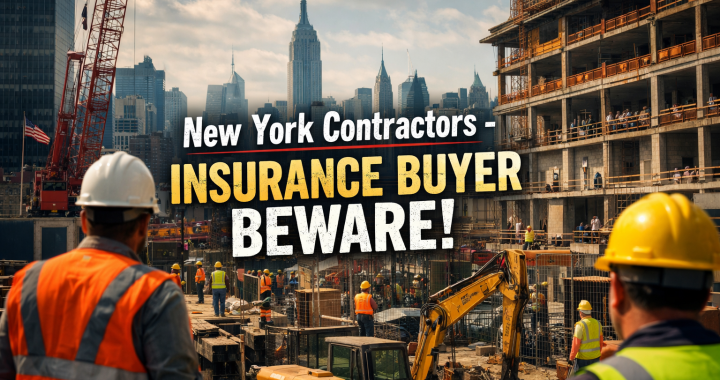
What is Masonry Insurance and Why Is It Important for Contractors in New York?

If you’re a contractor operating in New York, you know that working with masonry involves unique risks and challenges. Masonry insurance is a specialized type of coverage designed to protect contractors, their teams, and their projects from these risks. In this blog post, we’ll explore what masonry insurance is and why it’s vital for your contracting business.

Understanding Masonry Insurance

Masonry insurance is a form of specialized coverage that protects contractors from the specific risks associated with masonry work. These risks include structural damage, personal injury, and equipment loss. Understanding these elements can help you choose the right policy.

Masonry work demands precision and skill, and even the most experienced contractor can encounter unforeseen incidents. The nature of this work often involves heavy materials and complex structural designs. As such, comprehensive insurance is essential in mitigating liabilities and ensuring peace of mind.

In New York, regulatory requirements add another layer of complexity to masonry projects. Contractors must adhere to strict building codes and regulations. Masonry insurance not only ensures compliance but also provides a safety net for unexpected events that might jeopardize a project’s success.

Types of Coverage Available

Masonry insurance can include various types of coverage, such as general liability, workers’ compensation, and equipment protection. Each type of coverage plays a crucial role in managing the risks of masonry projects.

General liability insurance is particularly vital for contractors as it covers third-party injuries and property damage, which are common risks in construction sites. For instance, if a passerby is accidentally injured on the site, this type of insurance helps cover medical expenses and legal fees.

Workers’ compensation is an integral part of masonry insurance as it ensures that employees are protected in cases of accidents or injuries on the job. It covers medical expenses, rehabilitation, and lost wages, which strengthens the contractor’s position as a responsible employer.

Moreover, safeguarding your tools and heavy machinery is critical. Equipment protection coverage ensures that, in the event of theft or damage, you’re protected against financial loss, helping maintain project timelines and budget constraints.

Why Contractors in New York Need It

New York’s construction laws and high-density environment make it especially important for contractors to have comprehensive insurance. The consequences of operating without proper coverage can include hefty fines, legal issues, and financial losses.

The competitive and fast-paced construction landscape in New York means that contracting businesses face a multitude of risks daily. From skyscrapers to residential buildings, the complexity and scale of projects demand an added layer of security through insurance.

In the bustling setting of New York City, traffic congestion and limited site access add to the challenges. Masonry insurance not only protects against site-related risks but also ensures that contractors can continue their operations smoothly amidst the urban chaos.

How to Choose the Right Policy

Selecting the right masonry insurance policy involves evaluating your business needs, understanding potential risks, and comparing different insurance providers. Working with an insurance agent can also provide valuable insights tailored to your specific situation.

When deciding on an insurance policy, it’s crucial to consider the unique aspects of your business operations. Factors such as project scale, employee count, and the types of masonry work performed should influence your choice of coverage.

In addition, researching various insurance providers can yield a policy that offers not only comprehensive coverage but also competitive pricing. It’s beneficial to explore competitive rates and comprehensive options to ensure you’re getting the best deal for your business needs.

Protect Your Business with the Right Masonry Insurance

Masonry insurance is not just a safety net; it’s a crucial component of running a successful contracting business in New York. By understanding the types of coverage and their benefits, contractors can ensure they’re adequately protected against the unique risks of working with masonry. As a contractor, making informed decisions about your insurance needs will safeguard your business, your employees, and the projects you work on. For more information on how to secure the best policy for your needs, visit BGES Group.

BGES Group is one of New York, New Jersey, and Connecticut’s Construction Insurance Specialists representing 50+ companies, including all the BEST general & umbrella liability programs. We offer all the coverage needed, including property, builders’ risk, inland marine, general liability, umbrella liability, auto, bid & performance bonds, workers’ compensation, N.Y.S. disability, and group health.  Our commitment to you goes beyond the policies we provide. We are always just a call, text, or email away, ready to assist you, even on weekends. We understand the importance of your business and are here to help you navigate any insurance challenges.
 
 
BGES Group are Workers’ Compensation Insurance Specialists for Tri-State Business Owners: Unhappy with your rates, company, being canceled, losses causing difficulty getting coverage, in the middle of an audit dispute, misclassified payrolls, or whatever your issue. We can help!  We have special programs for Auto Services, Contractors (especially in New York), Limousine Services, Logistics Companies, Manufacturers, Recyclers, and Truckers; we can help ANY tri-state business owner. We are considered “Preferred Agents” for this one program that, if we can get you into, their pricing is excellent, offers long-term coverage stability, and can cover multi-state operations. The program takes the hassle out of doing annual audits, too. 
 
If you want to speak with us, call Gary Wallach at 914-806-5853, click here to email, or visit our website.
 
Company: BGES Group, 216A Larchmont Acres West, Larchmont, NY 10538

email: bgesgroup@gmail.com

website: http://www.bgesgroup.com


What Should You Know About Workers’ Compensation Insurance NY for Your Business?

Navigating workers’ compensation insurance in New York can be daunting, but it’s an essential aspect of running a business. Whether you’re just getting started or looking to update your policies, understanding the key components of this insurance is crucial. This guide breaks down everything you need to know in a simple, conversational style.What is Workers’ Compensation Insurance?

Workers’ compensation insurance is a mandatory requirement for most businesses in New York State. It provides benefits to employees who get injured or fall ill due to work-related activities. This insurance covers medical expenses, lost wages, and rehabilitation costs, offering protection for both the employer and the employee.

The concept of workers’ compensation is not new; it serves as a crucial safety net for both parties involved in a business. Employees gain the assurance that if something happens during their work duties, they won’t be left without support. On the flip side, businesses are safeguarded from hefty lawsuits that could arise from workplace accidents. Having this insurance demonstrates a commitment to the well-being and safety of employees, which can foster a positive workplace environment.

Who Needs to Have Workers’ Compensation Insurance in NY?

Almost all employers in New York are required to carry workers’ compensation insurance. This includes non-profit organizations and most businesses with one or more employees. There are some exceptions, such as certain religious, charitable, and educational institutions, but for most businesses, it’s a legal necessity.

For startups or small business owners, understanding these legal mandates is crucial. The rule applies broadly, but it’s worth noting those specific entities that are exempt or have different requirements. Employers need to account for coverage as soon as they transition from sole proprietorship to having employees. This step is critical in ensuring both legal compliance and employee safety from the onset of operations.

For more specific guidance on legal exemptions or to determine the minimum requirements, consulting the New York State Workers’ Compensation Board is advised. They offer comprehensive resources that detail obligations for various types of employers

How to Choose the Right Coverage for Your Business

Selecting the appropriate coverage involves considering factors such as the industry you operate in, the number of employees, and the types of risks involved in your business activities. Consulting with an experienced insurance agent can help you tailor a plan that fits your specific needs while remaining compliant with New York State laws.

New York State laws mandate minimum coverage, but understanding what ‘sufficient coverage’ means for your specific business can be complex. For firms operating in high-risk sectors, investing in a more comprehensive policy might be necessary. For instance, industries like construction or heavy manufacturing must assess unique risks, which often lead to higher premium rates.

Maintaining Compliance with NY State Laws

Staying compliant with state laws involves keeping your insurance policy up to date and maintaining accurate records of coverage and claims. Regular audits can help ensure you’re not overlooking any aspects of compliance. Failing to comply can result in hefty fines and potential criminal charges.

To effectively manage compliance, it often helps to designate an individual or team who stays informed on local regulations. Implementing systems for maintaining comprehensive records simplifies this process and can protect your business from unforeseen penalties.

Benefits of Workers’ Compensation Insurance

Beyond the legal requirement, having workers’ compensation insurance provides peace of mind to both employers and employees. It supports employee wellbeing, reduces the financial risk of lawsuits for the employer, and contributes to a safer workplace by promoting awareness and prevention strategies.

Furthermore, offering this protection can boost morale and enhance employee satisfaction. Workers who feel secure in their work environment are more likely to be productive and engaged. For businesses, this scenario translates to reduced turnover rates and a stronger team dynamic.

In essence, workers’ compensation insurance is more than just a legal requirement — it’s a foundational element that contributes to business sustainability. By continuously promoting and ensuring workplace safety and health practices, employers champion a culture of care that is beneficial for long-term success.

Key Takeaways on Workers’ Compensation Insurance NY

Understanding workers’ compensation insurance in New York is vital for protecting your business and employees. By knowing the requirements, choosing the right coverage, and fostering a safe work environment, you can ensure your business is compliant and prepared for any unexpected incidents.

BGES Group is one of New York, New Jersey, and Connecticut’s Construction Insurance Specialists representing 50+ companies, including all the BEST general & umbrella liability programs. We offer all the coverage needed, including property, builders’ risk, inland marine, general liability, umbrella liability, auto, bid & performance bonds, workers’ compensation, N.Y.S. disability, and group health.  Our commitment to you goes beyond the policies we provide. We are always just a call, text, or email away, ready to assist you, even on weekends. We understand the importance of your business and are here to help you navigate any insurance challenges. 
 
BGES Group are Workers’ Compensation Insurance Specialists for Tri-State Business Owners: Unhappy with your rates, company, being canceled, losses causing difficulty getting coverage, in the middle of an audit dispute, misclassified payrolls, or whatever your issue. We can help!  We have special programs for Auto Services, Contractors (especially in New York), Limousine Services, Logistics Companies, Manufacturers, Recyclers, and Truckers; we can help ANY tri-state business owner. We are considered “Preferred Agents” for this one program that, if we can get you into, their pricing is excellent, offers long-term coverage stability, and can cover multi-state operations. The program takes the hassle out of doing annual audits, too. 
 
If you want to speak with us, call Gary Wallach at 914-806-5853, click here to email, or visit our website.
 
Company: BGES Group, 216A Larchmont Acres West, Larchmont, NY 10538

email: bgesgroup@gmail.com

website: http://www.bgesgroup.com



The 10 Insurance Secrets Big Agencies Hope New York Contractors Never Discover

Business insurance is supposed to protect everything you’ve worked so hard to build. But for many contractors and business owners, it often feels confusing, expensive, and stacked against them. That’s not an accident. Large insurance agencies thrive on complexity, volume, and clients who don’t ask too many questions.

If you’re a contractor in New York or anywhere else, knowing the truth behind how business insurance really works can save you tens of thousands of dollars—and sometimes your entire company.

Here are 10 secrets your insurance agency doesn’t want you to know.

Secret #1 – The cheapest policy is rarely the best policy

Big agencies often lead with price because it’s an easy sale. What they don’t tell you is that the cheapest policy usually has exclusions, high deductibles, or weak coverage that only shows itself after a claim. Saving $2,000 today can cost you $200,000 later.

Secret #2 – Most policies are not built for contractors

Contractors are high-risk businesses, yet many agencies sell generic business insurance designed for office companies or retail shops. Construction has unique exposures—tools, jobsite injuries, subcontractors, additional insureds, and contractual risk—that generic policies simply don’t address.

Secret #3 – Your policy is written to protect the insurance company

Insurance contracts are legal documents designed to limit what carriers pay. The agency’s job should be to fight for coverage that protects you—but many large agencies focus more on keeping carriers happy than keeping you protected.

Secret #4 – You can be denied a claim even when you “have coverage”

Many contractors don’t realize that having a policy does not guarantee a claim will be paid. One missed endorsement, one excluded classification, or one wrong payroll number can be enough to deny a claim entirely.

Secret #5 – Workers’ comp audits are where you lose the most money

Insurance agencies love to talk about low upfront premiums. What they don’t focus on is the audit at the end of the year. Misclassified workers, subcontractor issues, and payroll errors can result in massive surprise bills.

Article content

Secret #6 – Subcontractors can destroy your coverage

If your subcontractors don’t carry proper insurance or name you correctly as an additional insured, you can end up paying for their mistakes. Many agencies never explain this or help you set up a proper risk-transfer system.

Secret #7 – Certificates of insurance don’t actually protect you

Certificates are not contracts. They do not guarantee coverage. If your agency doesn’t verify endorsements and additional insured language, you may think you’re protected when you’re not.

Secret #8 – Your agency gets paid more when you pay more

Most agencies earn commissions based on the size of your premium. That creates a built-in conflict of interest. Not every agency abuses this, but it explains why many don’t work hard to reduce your total cost.

Secret #9 – Big agencies don’t have time for your account

When you’re one of 10,000 clients, your file is just a number. No one truly understands your business, your contracts, or your risks. That’s when mistakes happen.

Secret #10 – Switching agencies is easier than you think

Many contractors stay stuck because they think switching is complicated. In reality, a good agency can move your policies smoothly and often improve coverage and pricing at the same time.

10 Problems Contractors Face When Dealing With Large Insurance Agencies

Now let’s get specific. Here are the real-world problems contractors experience when they deal with big, volume-driven insurance agencies:

1. You never speak to the same person twice.

Every call feels like starting over.

2. Nobody understands your trade.

Roofers, drywall contractors, electricians, and GCs all have different risks—but big agencies lump them together.

3. Endorsements take weeks.

You lose jobs because additional insured certificates or waiver of subrogation forms don’t get issued on time.

4. No one reviews your contracts.

You sign agreements that force you to take on liability you didn’t even know you had.

5. Claims are treated like a nuisance.

Once something goes wrong, you’re just another ticket in a system.

6. You get hit with surprise audit bills.

Nobody warned you how to prepare or what to track.

7. You’re overpaying and don’t know it.

Your payroll, classifications, or experience mod may be wrong, but no one checks.

8. They sell you what the carrier wants to sell.

Not what your business actually needs.

9. They don’t explain exclusions.

You find out after a claim that something critical wasn’t covered.

10. You feel like a number, not a client.

And in construction, that can be financially deadly.

Why Contractors Choose BGES Group

This is exactly why BGES Group exists.

BGES Group is not a giant call-center agency. They are a New York construction insurance specialist with a “mom and pop, boutique-style” approach. That means you get real people, real advice, and real accountability.

Instead of treating you like a policy number, BGES Group takes the time to understand:

• What kind of work you do

• Who you subcontract to

• What contracts you sign

• Where your real risks are

They help contractors set up proper workers’ compensation, general liability, umbrella coverage, and subcontractor compliance so you don’t get blindsided later.

And one of the most powerful things about BGES Group is their Google reviews.

Think about it: Google reviews are like a friend giving you a referral. Real contractors who were helped, protected, and supported took the time to say so publicly. That doesn’t happen with agencies that treat clients like numbers.

In an industry full of empty promises, real reviews mean real results.

BGES Group’s boutique approach means:

• Faster certificates

• Better communication

• Smarter coverage design

• Fewer surprises at audit time

• And a team that actually cares if your business survives a claim

Final Thoughts

Insurance should not be a mystery, and it should not feel like a trap. When done correctly, it becomes a powerful financial shield that lets you grow with confidence.

If you’re tired of big agencies, confusing policies, and expensive surprises, it may be time to work with an agency that actually specializes in contractors and treats you like family instead of a file.

Contact BGES Group

BGES Group – New York Construction Insurance Specialist

“Mom and Pop Like Boutique Service”

📞 Gary Wallach

Phone: 914-806-5853

Email: bgesgroup@gmail.com

Website: www.bgesgroup.com

One call could save you thousands—and protect everything you’ve built.

Understanding Contractor Insurance Requirements with Ease

Navigating the world of insurance can be tricky, especially for contractors. Ensuring you have the right coverage is crucial for protecting your business and yourself. In this guide, we’ll break down contractor insurance requirements in a breeze, so you can focus on what you do best.

Close-up image of an insurance policy with a magnifying glass, money, and toy car.

What is Contractor Insurance and Why is it Important?

Contractor insurance is a collection of insurance policies designed to protect contractors from risks associated with their work. It’s essential for covering liabilities, protecting assets, and ensuring compliance with legal and contractual obligations.

Contractors face unique challenges that can arise at any moment, from on-site accidents to disputes over completed work. Having the right insurance ensures that you’re not left vulnerable financially. For instance, general liability insurance protects against claims of bodily injury or property damage incurred by third parties. If a client slips during a site visit or if your tools damage the property you’re working on, this coverage helps mitigate those unexpected costs.

Additionally, many contracts and local regulations mandate specific types of insurance. Whether you’re a freelancer or part of a larger contracting firm, understanding these requirements is crucial. Without the proper insurance, you might face legal penalties or even lose out on valuable projects. By staying informed about the necessary contractor insurance requirements, you’re setting your business up for sustainable success.

Types of Insurance Contractors Typically Need

There are several types of insurance that contractors should consider. These include general liability insurance, workers’ compensation, professional liability insurance, and commercial auto insurance. Each type addresses different risks and legal requirements.

General liability insurance is perhaps the most foundational. It protects against a range of issues, whether it’s an accident on the job site or damage to a client’s property. However, this shouldn’t be the only coverage contractors consider. Workers’ compensation is legally required in many areas and provides financial and medical benefits to employees injured on the job. This not only helps employees but also shields businesses from potential lawsuits related to workplace injuries.

Professional liability insurance, often known as errors and omissions insurance, is essential for covering mistakes or negligence in the services provided. In industries where contractors give advice or build per client specifications, this type of insurance can protect against costly legal battles. Additionally, if your business involves any vehicles, commercial auto insurance ensures that both vehicles and drivers are covered in case of accidents while on the road.

Understanding these types of insurance is crucial. By choosing the right mix, you can craft a safety net that addresses your specific business needs. Each contracting business is unique, and thus requires a tailored insurance approach that considers all potential risks and exposures.

How to Determine Your Insurance Needs

Assessing your insurance needs involves understanding the nature of your work, the size of your business, and the specific risks involved. Consider factors such as the type of projects you undertake, the number of employees, and any legal or client requirements.

Begin by evaluating your typical projects and their potential risks. Are you working on large-scale construction projects, or do you primarily handle smaller renovations? The scale and complexity of your projects directly influence the amount and type of insurance coverage you should carry. It’s not just about protecting assets; it’s about ensuring compliance with both local laws and client expectations.

Another critical aspect to consider is your workforce. If you have multiple employees, workers’ compensation becomes integral to your policy portfolio. Each employee represents potential liability—if they’re injured on the job and you lack adequate coverage, your business might face significant financial strain. Communicate with clients about what types of coverage they require you to hold. Some might mandate higher coverage levels or specific types of insurance, depending on the project scope and risks involved.

Finding the Right Insurance Provider

Choosing the right insurance provider is crucial. Look for companies that specialize in contractor insurance, offer comprehensive coverage options, and have a good reputation for customer service and claims handling. Getting multiple quotes and comparing policies is also recommended.

The insurance provider you select can make a significant difference in both cost and service. Specialized contractors’ insurance providers understand the unique risks and needs of the industry. They offer tailored policies that general insurers might not, ensuring you have the coverage that truly protects your business. Beyond just selecting a trusted provider, it’s wise to gather multiple quotes and review them carefully. This empowers you to understand what’s being offered and at what price, allowing an informed decision.

Don’t underestimate the importance of customer service and claims processing efficiency. You want a provider that is responsive and supportive, especially when you need to file a claim. Read reviews and ask for recommendations from fellow contractors to gauge how various providers operate when it’s time to put your coverage to the test. A strong, reliable insurance partner is a critical component of your business’s safety net.

Common Mistakes to Avoid

Some common mistakes include underinsuring, overlooking certain types of coverage, and not keeping policies up to date. It’s essential to regularly review your insurance needs and make adjustments as your business grows or changes.

One frequent oversight is neglecting regular updates to insurance policies. As a business expands, its insurance needs can shift dramatically. Whether you acquire more equipment, hire additional staff, or take on larger projects, these changes should prompt a review and potential adjustment of your coverage. Failing to do so can result in gaps in your protection, potentially exposing your business to significant risks.

Another common error is choosing the cheapest policy without considering the extent of the coverage. While saving on premiums is appealing, insufficient coverage can leave you scrambling financially in the event of a claim. Understand what your policy covers and the limitations, and ensure you’re not missing critical coverage such as errors and omissions or coverage for subcontractors. By avoiding these pitfalls, you create a robust insurance strategy that supports your business’s long-term viability.

Making Insurance Requirements Manageable

With the right knowledge and preparation, understanding contractor insurance requirements doesn’t have to be daunting. By assessing your needs, seeking professional advice, and keeping your policies up to date, you can work with confidence, knowing you’re protected.

BGES Group is one of New York, New Jersey, and Connecticut’s Construction Insurance Specialists representing 50+ companies, including all the BEST general & umbrella liability programs. We offer all the coverage needed, including property, builders’ risk, inland marine, general liability, umbrella liability, auto, bid & performance bonds, workers’ compensation, N.Y.S. disability, and group health.  Our commitment to you goes beyond the policies we provide. We are always just a call, text, or email away, ready to assist you, even on weekends. We understand the importance of your business and are here to help you navigate any insurance challenges. 
 
BGES Group are Workers’ Compensation Insurance Specialists for Tri-State Business Owners: Unhappy with your rates, company, being canceled, losses causing difficulty getting coverage, in the middle of an audit dispute, misclassified payrolls, or whatever your issue. We can help!  We have special programs for Auto Services, Contractors (especially in New York), Limousine Services, Logistics Companies, Manufacturers, Recyclers, and Truckers; we can help ANY tri-state business owner. We are considered “Preferred Agents” for this one program that, if we can get you into, their pricing is excellent, offers long-term coverage stability, and can cover multi-state operations. The program takes the hassle out of doing annual audits, too. 
 
If you want to speak with us, call Gary Wallach at 914-806-5853, click here to email, or visit our website.
 
Company: BGES Group, 216A Larchmont Acres West, Larchmont, NY 10538

email: bgesgroup@gmail.com

website: http://www.bgesgroup.com


NEW YORK ENVIRONMENTAL CONTRACTORS: INSURANCE BUILT FOR THE WORK YOU ACTUALLY DO

Environmental contracting in New York is complex, highly regulated, and unforgiving. Whether you perform remediation, abatement, waste handling, tank removal, or specialty environmental services, your business faces risks that generic contractor insurance programs simply are not designed to handle. One coverage gap, one poorly written exclusion, or one weak carrier can put years of hard work at risk.

BGES Group was built to solve that problem.

We work with a major national insurance company to offer specialized insurance programs for New York environmental contractors, combining strong, meaningful coverage with competitive pricing. Our focus is not just getting you insured—but making sure your insurance actually protects your company, your contracts, and your future.

This is insurance designed for the realities of environmental work in New York.

Why Environmental Contractors Choose BGES Group

  1. Environmental Industry Focus We understand environmental contracting exposures—pollution liability, professional liability, transport risks, subcontractor issues, and regulatory scrutiny.
  2. Major Insurance Carrier Backing Your coverage is placed with a financially strong, reputable insurance company—not an untested or unstable market.
  3. Broad Pollution & Environmental Coverage Programs designed to respond to real claims, not policies loaded with exclusions that surface when it is too late.
  4. Competitive Pricing Without Cutting Corners Strong coverage does not have to mean overpriced premiums. We focus on value, not just cost.
  5. New York–Specific Expertise New York’s legal and regulatory environment is unique. We structure programs with that reality in mind.
  6. Contract & Insurance Requirement Guidance We help you understand insurance language in contracts so you can avoid signing agreements that put your business at risk.
  7. Fast, Reliable Certificates & Endorsements Job sites and project owners do not wait. We move quickly to keep your projects on schedule.
  8. Claims Support & Advocacy If a claim occurs, you are not on your own. We stay involved and advocate on your behalf.
  9. Programs That Grow With You As your payroll, revenues, and scope of work increase, your insurance program can scale accordingly.
  10. Straightforward, Honest Advice No confusing jargon, no sales pressure—just clear explanations and practical solutions.

At BGES Group, we believe insurance should make your life easier, not more complicated. The right program can help you win better contracts, protect your balance sheet, and sleep better knowing your business is properly covered.

If you are questioning whether your current insurance truly fits your environmental operations—or if pricing has become unreasonable—it may be time for a second opinion.

Contact BGES Group Today

BGES Group Gary Wallach

📞 914-806-5853

📧 bgesgroup@gmail.com

🌐 www.bgesgroup.com

BGES Group — Serious Insurance for Serious Environmental Contractors in New York.

8 Common Mistakes to Avoid When Buying Demolition Insurance

Navigating the world of demolition insurance can be tricky, especially if it’s your first time. With so many nuances involved, it’s easy to overlook key aspects that could affect your coverage. In this blog, we’ll explore common mistakes people make when purchasing demolition insurance and how to avoid them.

1. Overlooking Specific Coverage Needs

One size does not fit all when it comes to demolition insurance. Each project has unique requirements, and it’s crucial to identify these specific coverage needs before making a purchase. For instance, a large urban demolition project might require coverage that accounts for high population density and proximity to other buildings, while a rural project might focus more on environmental impact. Skipping these considerations can leave you under-protected, which may lead to unforeseen expenses and liabilities.

Additionally, discerning whether your project falls under special categories, such as historical preservation or environmentally sensitive areas, can be a game-changer. Accurately assessing these unique needs will not only streamline your insurance purchase but also safeguard your interests long-term.

2. Ignoring Exclusions and Limitations

Many policies come with exclusions and limitations that can leave you vulnerable. It’s essential to thoroughly review these terms to ensure that you’re not left without coverage when you need it most. Exclusions often apply to particular types of damage, such as asbestos-related incidents or damage due to natural disasters like earthquakes. If your project could potentially encounter any of these issues, failing to address them explicitly in your insurance contract could result in significant financial exposure.

Moreover, understand that insurance limitations may also involve caps on claims, which could be detrimental if your project incurs higher-than-anticipated costs. Ensuring that your policy provides a buffer for such scenarios is crucial.

These intricacies emphasize the importance of a comprehensive review with your insurer. Having all possible scenarios covered is not just prudent—it’s essential for peace of mind throughout your project.

3. Underestimating the Value of the Project

Accurate valuation of your project is critical. Underestimating its value can lead to insufficient coverage, leaving you to shoulder the financial burden in the event of an accident. Many factors should be considered when determining value, including labor, equipment, and time, any of which may escalate the overall worth of the project.

It is a common mistake to focus solely on visible costs, ignoring those that are less apparent, such as the potential loss of future income or contractual liabilities. Ensuring that all aspects, including unforeseen delays or complications, are accounted for within your valuation is crucial.

By meticulously assessing every element, you can develop an insurance plan that offers adequate protection, fully capable of addressing actual costs rather than perceived ones.

4. Choosing the Cheapest Policy Available

While budget is an important consideration, opting for the cheapest policy can compromise your coverage. It’s important to balance cost with the comprehensiveness of the policy. Many times, cheaper policies are appealing due to low premiums but often lack the robust coverage needed to protect against complex scenarios.

Instead of focusing solely on price, consider policies’ overall value. Look for added benefits and coverage options that, while slightly more expensive, may offer significantly better protection in the long run.

Remember, effective coverage often involves reading the fine print, as the price might be enticing, but the sacrifices in coverage can leave you exposed.

5. Not Consulting with Experts

Consulting with experts can provide valuable insights and help tailor a policy that meets your needs. Skipping this step can lead to inadequate or overly complex coverage. Experts are equipped with industry-specific knowledge and can offer details on what kind of coverage aligns best with your project’s needs.

Moreover, working with professionals can help identify potential risks you may not be aware of. Their insight is often instrumental in customizing a policy tailored to your specific requirements and shielding you from liabilities you hadn’t considered.

6. Disregarding the Insurer’s Reputation

An insurer’s reputation can provide crucial insights into their reliability and customer service. Always research the insurer’s standing before making your decision. Look for reviews, testimonials, and even customer service experiences shared by previous policyholders.

In the complexity of acquisition agreements, the reputation of your insurer may be the best indicator of how smoothly your claims will be handled. Reputable companies are known to honor commitments swiftly, ensuring that claims are resolved efficiently and to your satisfaction.

7. Neglecting to Update the Policy

If project details change, your policy should be updated accordingly. Neglecting to update your policy can result in gaps in coverage. Adjusting timelines, scope changes, or additional risk factors should be promptly communicated with your insurer.

Such oversight can severely affect coverage limits and reinstatement conditions, leading to vulnerabilities if circumstances have significantly evolved from your original policy terms.

Be proactive about reaching out to your insurer to ensure continued alignment of your policy with ongoing project developments.

8. Failing to Understand Policy Terms

Understanding your policy’s terms is crucial to ensuring that you are adequately protected. Don’t hesitate to seek clarification from your insurer on any points of confusion. Insurance jargon can often be dense, and a misinterpretation could leave you with a false sense of security when issues arise.

Break down complicated clauses with your insurer to ensure you comprehend every aspect of your coverage. This will not only clarify what is covered but also anticipate potential pitfalls where exclusions or limitations may apply.

Clarity on all policy terms guarantees your expectations align with the insurer’s commitments, facilitating smoother claim processes if needed.

BGES Group is one of New York, New Jersey, and Connecticut’s Construction Insurance Specialists representing 50+ companies, including all the BEST general & umbrella liability programs. We offer all the coverage needed, including property, builders’ risk, inland marine, general liability, umbrella liability, auto, bid & performance bonds, workers’ compensation, N.Y.S. disability, and group health.  Our commitment to you goes beyond the policies we provide. We are always just a call, text, or email away, ready to assist you, even on weekends. We understand the importance of your business and are here to help you navigate any insurance challenges.

BGES Group are Workers’ Compensation Insurance Specialists for Tri-State Business Owners: Unhappy with your rates, company, being canceled, losses causing difficulty getting coverage, in the middle of an audit dispute, misclassified payrolls, or whatever your issue. We can help!  We have special programs for Auto Services, Contractors (especially in New York), Limousine Services, Logistics Companies, Manufacturers, Recyclers, and Truckers; we can help ANY tri-state business owner. We are considered “Preferred Agents” for this one program that, if we can get you into, their pricing is excellent, offers long-term coverage stability, and can cover multi-state operations. The program takes the hassle out of doing annual audits, too.

If you want to speak with us, call Gary Wallach at 914-806-5853, click here to email, or visit our website.

Company: BGES Group, 216A Larchmont Acres West, Larchmont, NY 10538

email: bgesgroup@gmail.com

website: http://www.bgesgroup.com

10 Ticking Time Bombs Hiding in New York Contractors’ General & Umbrella Liability

Policies What You Don’t Know Can Cost You Millions

New York contractors operate in one of the most aggressive legal and regulatory environments in the country. Labor Law claims, multi-employer job sites, vertical construction, and an active plaintiffs’ bar make liability insurance not just a formality, but a critical survival tool. Yet many contractors unknowingly carry policies riddled with exclusions and endorsements that can quietly erase coverage when it is needed most.

Below are 10 ticking time bombs we routinely uncover in New York Contractors General Liability (CGL) and Umbrella policies—issues that can turn what looks like solid coverage into a financial catastrophe.


1. Employee Injury Exclusion

At first glance, this exclusion seems logical—after all, workers’ compensation is meant to handle employee injuries. The problem arises when an employee sues a third party (such as an owner or GC), and that party tenders the claim back to you under an indemnification agreement. With an Employee Injury Exclusion, your CGL may refuse to defend or indemnify you, leaving you exposed to contractual liability and defense costs that can easily reach seven figures.


2. Action Over Exclusion

Few exclusions are more dangerous in New York. An Action Over Exclusion bars coverage when an injured employee sues someone other than their employer (owner, GC, construction manager), and that party seeks indemnification from you. Given New York Labor Law §§ 200, 240, and 241, this exclusion can effectively gut your policy on most major construction losses.


3. Height Limitation

Height limitations are increasingly common, especially on policies written for cost rather than protection. A claim involving work above a specified height—10 feet, 20 feet, sometimes even 6 feet—may be entirely excluded. On a state defined by scaffolding, ladders, and high-rise construction, this limitation is a silent killer.


4. Contractors Limitation Endorsement (Scope of Work Restriction)

This endorsement restricts coverage strictly to the operations listed on the policy. If your actual work goes beyond that description—even slightly—the carrier may deny the claim. Contractors often expand services organically over time, unaware their policy has not kept pace. One uninsured task can unravel years of premium payments.


5. “Hard Hammer” Subcontractor Form

A Hard Hammer Subcontractor Endorsement imposes severe conditions on coverage when subcontractors are involved. Missing certificates, improper contracts, or failure to collect additional insured endorsements can result in outright denial. On multi-trade New York job sites, this endorsement creates constant exposure if compliance is not meticulously managed.

Article content

6. Territorial Restrictions

Some policies limit coverage to specific states or regions. Contractors operating across the tri-state area—New York, New Jersey, and Connecticut—may assume they are covered everywhere they work. A territorial restriction can invalidate coverage the moment you cross a state line.


7. Exclusion – Temporary, Volunteer, or Casual Workers

This exclusion is especially dangerous for contractors using day laborers, seasonal help, or workers supplied by staffing agencies. If an injured worker is deemed a “temporary” or “casual” employee, the carrier may deny coverage entirely, even if payroll was reported and premiums paid.


8. Umbrella Policy Does Not Follow Form

Many contractors assume their umbrella policy simply extends the limits of the underlying CGL. Not always. If the umbrella does not “follow form,” it may contain broader exclusions or narrower definitions. The result: a catastrophic loss pierces the primary policy, only to find the umbrella offers no protection.


9. Privity Requirements for Additional Insureds

Some policies require direct contractual privity for additional insured status to apply. In real-world construction, contracts often flow downstream in complex ways. Without strict privity, owners or upstream contractors may lose AI protection, triggering indemnity disputes and uninsured exposure.


10. Labor Law Coverage Exclusion

Perhaps the most devastating exclusion of all. A Labor Law Exclusion removes coverage for claims arising under New York Labor Law—the very statute driving the largest construction losses in the state. Contractors are often unaware this exclusion exists until after a scaffold or gravity-related injury occurs.


Why This Matters

Each of these endorsements may be buried deep within a policy form. Individually, they are dangerous. Combined, they can leave a contractor effectively uninsured for the most common and severe New York construction claims. Price-driven insurance shopping often results in policies designed to minimize carrier exposure—not protect your business.


How BGES Group Helps New York Contractors

At BGES Group, we do not sell “off-the-shelf” insurance. We specialize in identifying and eliminating these coverage traps before a claim ever happens. Our team understands New York construction risk, Labor Law exposure, and the contractual realities contractors face daily.

We provide:

  • Full policy reviews to identify hidden exclusions and endorsements
  • Customized General Liability and Umbrella programs built for New York risk
  • Contract and additional insured guidance to protect upstream and downstream relationships
  • Proactive service across the New York, New Jersey, and Connecticut markets

Whether you are a trade contractor, GC, or specialty subcontractor, our goal is simple: make sure your insurance actually works when you need it.


Contact BGES Group

If Consider having your policies reviewed before renewal—or before the next job starts.

BGES Group Business Insurance Specialists for New York Contractors Serving the Tri-State Area

📞 Phone: 914-806-5853 – Gary Wallach

📧 Email: bgesgroup@gmail.com

🌐 Website: www.bgesgroup.com

In New York construction, insurance is not about having a policy—it is about surviving the claim. Make sure there are no ticking time bombs hiding in yours.

8 Things to Know About Workers’ Compensation Insurance Before Starting a Project

Starting a new project comes with a lot of excitement and responsibility. One crucial aspect that you can’t afford to overlook is workers’ compensation insurance. Understanding it can save you time, stress, and money in the long run. Whether it’s your first project or one of many, here’s what you need to know to navigate this essential component of project management.

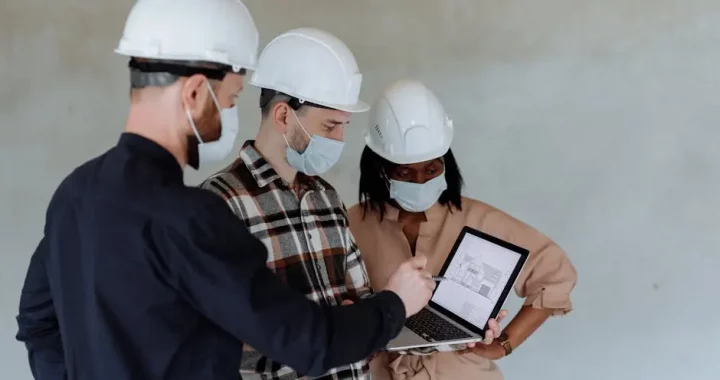
Group of diverse architects with safety gear examining building plans on a laptop.

1. Understanding the Basics

Workers’ compensation insurance is designed to protect both employers and employees in case of work-related injuries or illnesses. It ensures that employees receive necessary medical care and compensation while protecting employers from potential lawsuits. Knowing the basic concepts is crucial, especially since claims can arise at any time, and without insurance, you might face substantial financial loss. Moreover, it instills trust among your workforce, knowing they are covered in case of unforeseen incidents.

Navigating through the initial concepts of workers’ compensation, it’s also vital to recognize its historical context. The idea behind this insurance dates back to the early 20th century when industries began realizing the need for worker protection. Fast forward to today, this insurance is not just a protective measure, but a fundamental business necessity. Remember, ensuring your business is insured might also attract potential investors, improving your company profile.

2. Who Needs Coverage

If you’re planning a project that involves hiring workers, you will likely need workers’ compensation insurance. It’s legally required in most cases and crucial for safeguarding your team and your business. This form of insurance covers a variety of industries, from construction to retail, and neglecting it could lead to hefty fines. Even if you’re based in a state where it’s not mandatory, consider the peace of mind it brings knowing that your employees are protected.

Especially in high-risk jobs, such as construction or manufacturing, the necessity for workers’ compensation insurance escalates. The insurance not only covers medical expenses but may also cover rehabilitation costs if required. Furthermore, if a worker succumbs to injuries sustained on the job, their family could receive death benefits. Thus, ensuring that you have an accurate understanding of who needs this coverage is pivotal.

3. Calculating Costs

The cost of workers’ compensation insurance varies depending on several factors including the size of your workforce, the type of project, and the inherent risks involved. Understanding these factors can help you budget appropriately. Moreover, your indirect costs, such as legal fees or loss of productivity due to workplace injuries, could influence your premium. Being proactive in identifying these costs as part of your financial strategy could save substantial sums in the future.

When budgeting for insurance, consider ways to mitigate premium costs. Initiating a workplace safety program can sometimes reduce your costs significantly. Regular evaluations and improvements to safety measures might qualify your business for discounts. Adopting risk management strategies isn’t just a cost-saving mechanism; it’s a commitment to fostering a responsible working environment.

4. Finding the Right Provider

Selecting the right insurance provider can make a significant difference in claim handling and customer service. It’s important to research, compare options, and choose a provider that offers comprehensive coverage and support. Look for providers with a strong track record of handling claims efficiently and assisting companies in preventing workplace injuries.

When vetting providers, consider their customer service quality and response times. Check reviews and testimonials from other policyholders, and evaluate whether their services align with your business size and needs. Remember, the cheapest option might not always be the best; prioritize the value and reliability.

5. Assessing Project Risks

Every project comes with its own set of risks. Conducting a thorough risk assessment before starting can help in determining the level of coverage you’ll need, allowing you to tailor your insurance policy to your specific project needs. The nature of work, location, equipment used, and employee skill levels are all critical factors to consider.

Take into account environmental factors, such as weather, that might affect project timelines and safety. For instance, projects in hurricane-prone areas must account for disruptions and potential hazards, ensuring that all safety protocols and backup plans are in place. A well-outlined risk assessment strategy demonstrates your commitment to maintaining a secure and efficient work environment.

6. Handling Claims Efficiently

Understanding the claims process in advance can save you time and stress. Be sure to document everything properly, communicate effectively with your insurer, and facilitate a smooth process for anyone needing to make a claim. Creating a dedicated team or manager to oversee the claims procedure can streamline responses and support the injured workers swiftly.

Training your employees in basic first response and claim reporting protocols can further assure a seamless operation in case of incidents. Regularly updating your claims management strategy according to the latest legislative and policy changes ensures that you remain compliant while offering the best protection for your workforce.

Staying updated with legal requirements is essential for compliance and avoiding penalties. Different states and regions have varying regulations, so make sure to check the specific rules applicable to your project’s location. Without this knowledge, you risk incurring heavy fines or, worse, your project might get stalled or suspended.

Given the evolving nature of legal frameworks, regular consultations with legal experts or insurance advisors can offer insights into any new regulations you need to consider. Set reminders to periodically review and adjust your compliance strategies, keeping them aligned with current legal standards.

8. Preventing Workplace Injuries

Prevention is always better than cure. Implementing a safety plan and conducting regular training can immensely reduce the risk of workplace injuries, creating a safer environment for all involved. Encourage an open environment where workers feel comfortable reporting potential hazards or unsafe practices.

Incorporating realistic simulations or drills that prepare workers for emergency situations can elevate your safety standards. Regular assessments of equipment and machinery by certified professionals ensure operational capabilities are optimized and safe for use. Remember, a reduction in workplace incidents leads not only to a happier workforce but could also positively impact your insurance premiums.

BGES Group is one of New York, New Jersey, and Connecticut’s Construction Insurance Specialists representing 50+ companies, including all the BEST general & umbrella liability programs. We offer all the coverage needed, including property, builders’ risk, inland marine, general liability, umbrella liability, auto, bid & performance bonds, workers’ compensation, N.Y.S. disability, and group health.  Our commitment to you goes beyond the policies we provide. We are always just a call, text, or email away, ready to assist you, even on weekends. We understand the importance of your business and are here to help you navigate any insurance challenges. 
 
BGES Group are Workers’ Compensation Insurance Specialists for Tri-State Business Owners: Unhappy with your rates, company, being canceled, losses causing difficulty getting coverage, in the middle of an audit dispute, misclassified payrolls, or whatever your issue. We can help!  We have special programs for Auto Services, Contractors (especially in New York), Limousine Services, Logistics Companies, Manufacturers, Recyclers, and Truckers; we can help ANY tri-state business owner. We are considered “Preferred Agents” for this one program that, if we can get you into, their pricing is excellent, offers long-term coverage stability, and can cover multi-state operations. The program takes the hassle out of doing annual audits, too. 
 
If you want to speak with us, call Gary Wallach at 914-806-5853, click here to email, or visit our website.
 
Company: BGES Group, 216A Larchmont Acres West, Larchmont, NY 10538

email: bgesgroup@gmail.com

website: http://www.bgesgroup.com



Why Is Insurance Essential for New York Contractors?

Navigating the bustling industry as a contractor in New York can be as exhilarating as it is challenging. Whether you’re a seasoned professional or just starting out, understanding the role of insurance is pivotal to ensure not only legal compliance but also the safety and growth of your business.

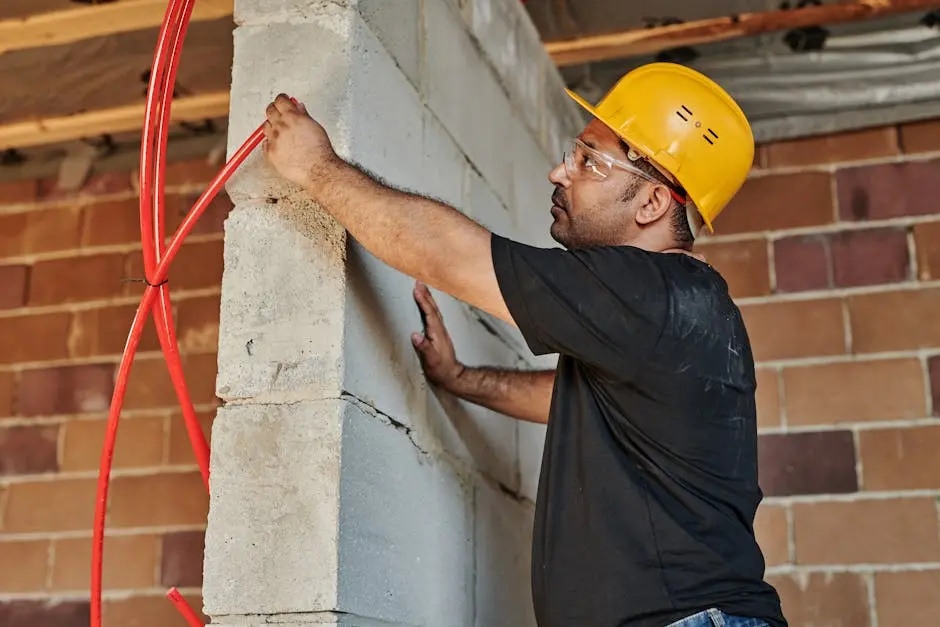
Construction worker with hard hat installing electrical cables on a site.

In New York, contractors are required by law to carry certain types of insurance, such as workers’ compensation and disability insurance. Understanding these requirements is crucial for operating legally and avoiding costly fines. Adhering to state mandates not only shields your business from legal repercussions but also reinforces your reputation as a responsible entity in the construction industry.

Additionally, understanding the nuances of each insurance type can be daunting. For instance, workers’ compensation insurance is designed to cover expenses resulting from employee injuries. By exploring resources and consulting with insurance professionals, you can ensure compliance and safeguard your workforce efficiently.

State regulations frequently evolve, making it necessary for contractors to stay updated. Engaging with local contractor associations and consulting insurance experts can provide valuable insights into the latest legal modifications that may impact your insurance obligations.

Protecting Your Workforce

Having insurance protects your employees from on-site accidents and injuries, ensuring their wellbeing and your compliance with state regulations. Accidents are unpredictable and can occur despite stringent safety measures. Comprehensive insurance coverage is an investment in your team’s security and morale.

In high-risk environments like construction sites, sustained injuries can result in significant financial liability without proper coverage. By safeguarding your workforce, not only do you adhere to legal standards, but you also foster trust and commitment among your employees, which can enhance productivity and job satisfaction.

Safeguarding Your Finances and Assets

Insurance offers a safety net against financial losses from lawsuits, accidents, and unforeseen events, helping to protect your hard-earned assets. As a contractor, facing legal claims due to property damage or personal injury is a real risk that can lead to crippling expenses.

By securing adequate insurance, you shield your business from financial turmoil. Commercial auto insurance, for example, ensures your vehicles on the job are protected against accidents and damage, thereby preserving your company’s mobility and operational capacity.

Unanticipated natural disasters like hurricanes or floods can devastate a contractor’s inventory and ongoing projects. Investing in comprehensive insurance means you have a plan in place to address recovery and continuity, minimizing disruptions to your business operations.

Enhancing Professional Credibility

Potential clients and partners are more likely to trust and collaborate with contractors who are fully insured, as it reflects professionalism and reliability. An insured contractor underscores their commitment to quality and responsibility, which are highly valued in competitive environments.

In the eyes of a prospective client, insurance can be the differentiator in a sea of bidders. Possessing comprehensive coverage not only shields your company from risks but also marks you as a mature and conscientious service provider who values project integrity and client peace of mind.

Moreover, being fully insured can be a significant bargaining chip in negotiations. It demonstrates that you are prepared for unforeseen problems, which can reassure partners and clients about smooth project progression and mutual benefit.

Understanding the Different Types of Insurance Needed

There are numerous types of insurance policies beneficial to contractors, including general liability, property insurance, and specialized coverages that cater to particular contracting fields. Each policy serves distinct purposes that collectively contribute to the comprehensive protection of your business and operations.

General liability insurance covers third-party claims involving bodily injury or property damage, which is indispensable for any contractor. Property insurance, conversely, safeguards your business premises and equipment, ensuring continuity in case of theft or severe damage.

Specialized coverages, such as professional liability or builders risk insurance, are tailored to specific situations your projects might face, providing an extra layer of security that aligns with your niche and project scope.

Securing Your Future with the Right Insurance

In conclusion, having the right insurance as a New York contractor is not just a legal necessity; it’s a business essential that protects your projects, finances, and reputation. By investing in the right policies, you are solidifying your standing in the competitive New York market and ensuring that your business is prepared for any challenges that may arise. Visit our homepage to learn more about securing your future with comprehensive coverage.

BGES Group is one of New York, New Jersey, and Connecticut’s Construction Insurance Specialists representing 50+ companies, including all the BEST general & umbrella liability programs. We offer all the coverage needed, including property, builders’ risk, inland marine, general liability, umbrella liability, auto, bid & performance bonds, workers’ compensation, N.Y.S. disability, and group health.  Our commitment to you goes beyond the policies we provide. We are always just a call, text, or email away, ready to assist you, even on weekends. We understand the importance of your business and are here to help you navigate any insurance challenges. 
 
BGES Group are Workers’ Compensation Insurance Specialists for Tri-State Business Owners: Unhappy with your rates, company, being canceled, losses causing difficulty getting coverage, in the middle of an audit dispute, misclassified payrolls, or whatever your issue. We can help!  We have special programs for Auto Services, Contractors (especially in New York), Limousine Services, Logistics Companies, Manufacturers, Recyclers, and Truckers; we can help ANY tri-state business owner. We are considered “Preferred Agents” for this one program that, if we can get you into, their pricing is excellent, offers long-term coverage stability, and can cover multi-state operations. The program takes the hassle out of doing annual audits, too. 
 
If you want to speak with us, call Gary Wallach at 914-806-5853, click here to email, or visit our website.
 
Company: BGES Group, 216A Larchmont Acres West, Larchmont, NY 10538

email: bgesgroup@gmail.com

website: http://www.bgesgroup.com


BUILDING SAFER PROFITS IN 2026: How New York Contractors Can Slash Liability and Workers’ Compensation Insurance Costs

In 2026, New York contractors are facing a business environment where insurance costs — especially liability and workers’ compensation — are still climbing. Between rising construction project values, regulatory demands, and claims frequency, many contractors feel squeezed on premiums and profitability. But there’s good news: with proactive risk management, smart planning, and the right partners, you can reduce insurance expenses while improving safety and project outcomes.

This guide breaks down how New York contractors can strategically lower liability and workers’ comp insurance costs in 2026 — while protecting their workforce, their business, and their bottom line.

Why Insurance Costs Are Rising in 2026 (And What It Means for You)

Before diving into solutions, it’s important to understand the landscape:

Higher Claims Costs: Medical and wage replacement costs continue to rise in NY, driving up claims payouts.

Litigation Trends: Increased litigation and larger settlements for injury claims impact liability insurance pricing.

Regulatory Pressure: Compliance with OSHA standards and state-level safety regulations requires documentation and proactive planning.

Market Competition: Many carriers are tightening underwriting, meaning only the safest, best-documented contractors get favorable rates.

In this environment, simply renewing your insurance year after year without intentional loss control strategies almost always leads to higher premiums.

That’s why risk management and claims prevention aren’t optional — they’re profit tools.

10 Ways New York Contractors Can Lower Liability & Workers’ Comp Costs in 2026

Here are the most effective, actionable strategies you can implement now:

1. Build a Proactive Safety Culture

Safety isn’t just a slogan. Contractors with an established safety culture — where crews are trained, engaged, and accountable — see far fewer accidents. Fewer accidents = fewer claims = lower premiums.

2. Document Everything

Insurance carriers reward documentation. Keep detailed records of:

• Daily toolbox talks

• Incident reports (even near-misses)

• Safety inspections

• Training attendance logs

This shows carriers you manage risk — not just react to it.

3. Conduct Regular Safety Training

Ongoing training — especially on fall protection, PPE use, equipment operation, and hazard recognition — reduces on-site injuries. Carriers will often give you credits for documented training programs.

4. Partner with a Safety Consultant

An experienced safety consultant can identify hazards you may overlook, implement best practices, and help create loss-control systems that carriers recognize and reward.

5. Implement Return-to-Work Programs

A solid return-to-work program keeps injured employees productive in light-duty roles while reducing lost wage costs. Insurers like this — and often lower comp rates when such programs are in place.

Article content

6. Classify Workers Correctly

Misclassification of employees or job codes can artificially inflate your premium. Ensure payroll is filed accurately and job classifications reflect actual risk exposures.

7. Review Subcontractor Controls

You’re only as safe as your subcontractors. Pre-qualify all subcontractors for safety performance and insurance compliance. Contracts should require verifiable coverage and include indemnification language.

8. Benchmark Your Experience Mod (EMR)

Your Experience Modification Rating (EMR) drives a big piece of your workers’ comp premium. Stay below 1.0 by reducing loss history — and if you’ve had a bad year, work with your broker to interpret the EMR and potentially appeal inaccuracies.

9. Leverage Technology

Use project management and safety apps to track hazards, inspections, and corrective actions in real time. Technology not only reduces risk — it illustrates your commitment to carriers.

10. Shop Intelligently and Year-Round

Don’t wait until renewal to compare carriers. Evaluate your insurance options year-round. A strategic insurance partner will recommend markets that value your risk profile, rather than just renewing with the same carrier at a higher price.

Why These Strategies Work

When you focus on preventing claims instead of just paying for them, several things happen simultaneously:

• You keep your workers safer — which is the number one priority.

• Your claims frequency and severity decrease.

• Insurance carriers view your operation as lower risk.

• You qualify for lower rate tiers, dividends, and safety credits.

• Your EMR improves, which compounds savings year after year.

Insurance becomes not just a cost of doing business — but a strategically managed investment with measurable returns.

How BGES Group Helps New York Contractors Cut Insurance Costs

At BGES Group, we specialize in helping contractors across New York, New Jersey, Connecticut, and beyond lower liability and workers’ compensation insurance costs while strengthening their risk profile.

What We Do

BGES Group is different from a typical insurance broker. We are construction risk specialists — we understand your work, your exposures, and what drives claims and costs. Our services include:

🔹 Risk and Safety Consulting: We help you build and document safety programs carriers recognize.

🔹 Insurance Placement and Renewal Strategy: We shop the best carriers tailored to your risk profile — not just the ones that renew you automatically.

🔹 Contract Review & Indemnity Guidance: We help you understand and negotiate contract language that impacts coverage and liability.

🔹 Experience Mod (EMR) Management: We analyze your loss history and help implement strategies to improve your rating.

🔹 Claims Advocacy: We work with carriers on your behalf to manage claims quickly and fairly.

🔹 Education & Training Support: We can connect you with training resources that reduce injuries and qualify for insurance credits.

Why Contractors Choose BGES Group

Industry Expertise: We know construction — from drywall and concrete to roofing and electrical.

Proactive Approach: We help you prevent claims before they happen — not just insure you after they do.

Customized Markets: We access carriers who value low losses and effective safety programs.

Nationwide Capability: Though specialized in NY, NJ & CT, our associate network lets us support contractors across the U.S.

Real Results: The BGES Advantage

Contractors who implement BGES Group’s recommendations often see:

• Lower premiums at renewal

• More favorable policy terms

• Better claims outcomes

• Reduced EMR over time

• Documented safety programs carriers respect

One of the biggest differentiators we bring is hands-on, construction-specific risk analysis. Carriers know that when BGES signs off on a safety program, that contractor means business.

Your Next Step Toward Lower Insurance Costs

Insurance costs don’t have to eat into your profits. With the right plan and partner, you can:

✅ Reduce frequency and severity of claims

✅ Improve workplace safety

✅ Lower EMR and annual premiums

✅ Increase bidding power with a stronger risk profile

✅ Protect your team and your business

Contact BGES Group

BGES Group

Construction Insurance & Workers’ Compensation Specialists

📍 Serving New York, New Jersey, Connecticut & Nationwide Support

📞 Gary Wallach – (914) 806-5853

📧 Email: bgesgroup@gmail.com

🌐 Website: www.bgesgroup.com

Want real results and a tailored plan to cut your insurance costs in 2026?

Contact BGES Group today — we help contractors save money and build safer, more profitable operations.