Roofing is one of the most hazardous jobs in the construction industry. With the inherent risks involved, understanding the significance of workers compensation insurance becomes imperative. In this blog, we aim to unpack why this insurance is crucial for roofers and how it provides a safety net for both employers and employees.
Understanding the Risks Associated with Roofing
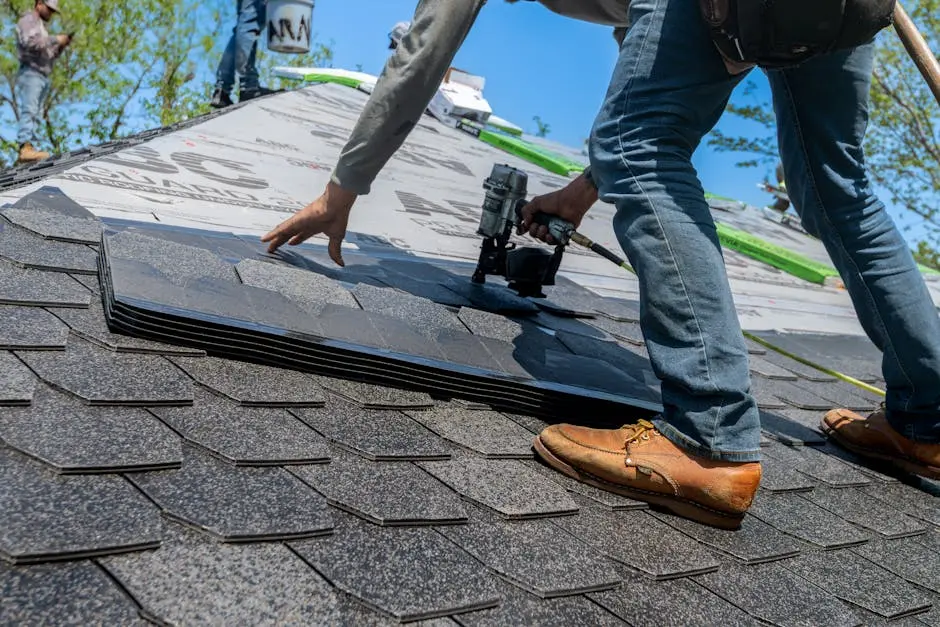
Roofers face a multitude of risks, including falls from heights, injuries from tools, and exposure to harsh weather conditions. These hazards necessitate comprehensive insurance coverage to protect workers and employers alike.
The nature of roofing work involves climbing ladders, balancing on uneven surfaces, and working in unpredictable weather conditions, which significantly heightens the risk of falls and accidents. In fact, the construction industry reports a high number of fatalities, with roofing accidents contributing a sizeable portion. This exemplifies the urgent need for protective measures to ensure the safety of workers.Roofing Accidents Statistics
What Does Workers Compensation Insurance Cover?
Workers compensation insurance typically covers medical expenses, rehabilitation costs, and lost wages for employees who are injured on the job. It serves as a crucial financial aid during recovery.
Beyond the obvious medical costs, workers compensation insurance may also cover therapy and vocational training if the injured employee needs to change roles due to injury-related disabilities. By alleviating financial burdens, it allows injured workers to focus on their recovery without the fear of economic instability.
The coverage provided by workers compensation insurance varies by state and can even include death benefits for the family members of deceased workers. This comprehensive range of benefits ensures that both short-term and long-term effects of workplace injuries are addressed, providing workers and their families with a critical safety net.
Legal Requirements for Roofing Companies
Many states mandate that roofing companies carry workers compensation insurance. Understanding and adhering to these legal requirements help businesses avoid hefty penalties and ensure employee safety.
Compliance with state regulations not only protects workers but also fortifies the company’s reputation. Companies that are proactive in securing insurance are often seen as responsible and trustworthy by both clients and employees. Thus, fulfilling legal requirements turns into a strategic advantage, attracting a more skilled workforce and loyal clientele.
The Financial Benefits for Employers
Having workers compensation insurance can protect roofing businesses from potential lawsuits and financial loss associated with workplace injuries, making it a cost-effective investment.
In the unfortunate event of an accident, litigation costs can be crippling for companies. Workers compensation insurance mitigates this risk by covering legal expenses and settlements, preventing financial fiascos. This financial shield allows businesses to continue operations smoothly without the disruption of unexpected out-of-pocket expenses.
Investing in workers compensation insurance reflects a commitment to employee welfare, which can result in improved staff morale and reduced turnover rates. Employees who feel secure in their work environment are more likely to perform efficiently, enhancing overall productivity and promoting a cohesive working atmosphere.
The Crucial Role of Workers Compensation Insurance for Roofers
Workers compensation insurance is essential for both protecting roofers and complying with legal requirements. It offers a financial safety net and peace of mind, enabling roofers to focus on their work without unnecessary worry. Investing in the right coverage not only safeguards individuals but also benefits the roofing business as a whole.