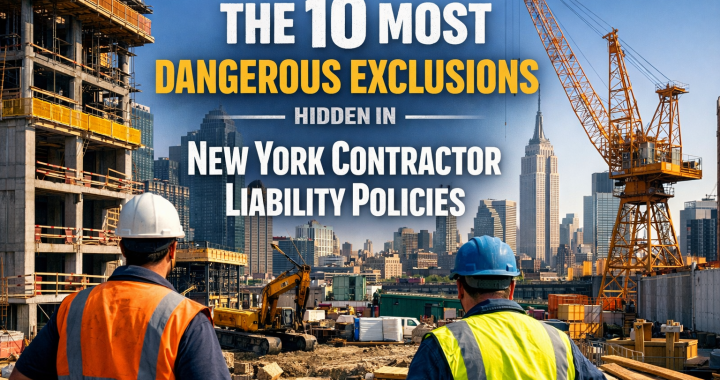
The 10 Most Dangerous Exclusions Hidden in New York Contractor Liability Policies

Many New York contractors believe that once they purchase a Commercial General Liability (CGL) policy, they are fully protected. Unfortunately, that is often not the case. Over the past several years, insurance carriers have added numerous exclusions to contractor policies that significantly limit coverage.

Some of these exclusions are buried deep in the policy endorsements and may not be obvious when a contractor first reviews the documents. Yet when a claim occurs, these exclusions can be the difference between the insurance company paying the claim or leaving the contractor responsible for hundreds of thousands—or even millions—of dollars in damages.

Below are 10 of the most dangerous exclusions commonly found in New York contractor liability policies that every contractor should understand before a claim happens.

1. Labor Law Exclusions

New York has some of the most contractor-unfriendly laws in the country, specifically New York Labor Law Sections 240 and 241, often called the Scaffold Law.

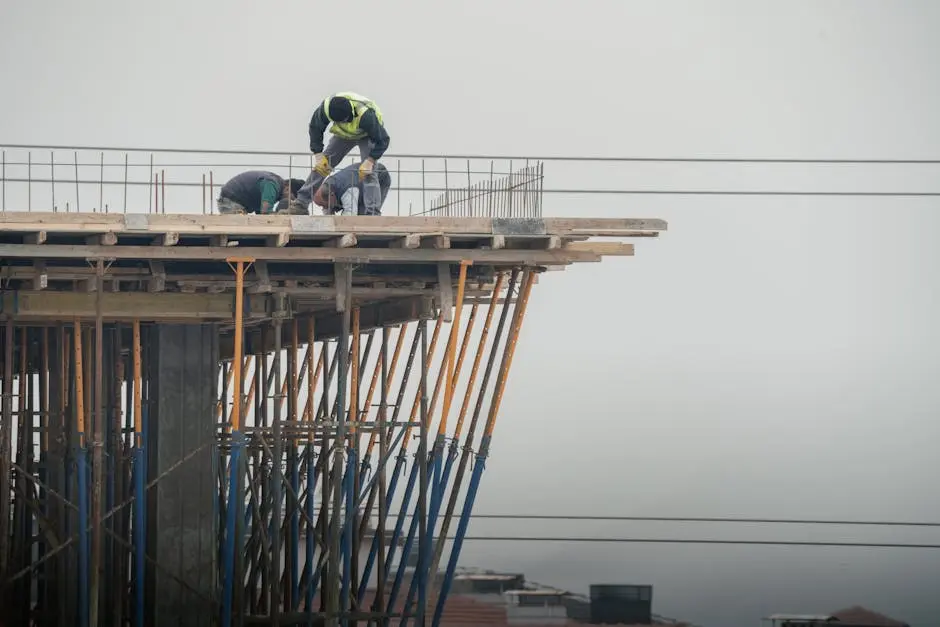
These laws make property owners and general contractors automatically liable for gravity-related injuries such as falls from ladders or scaffolding. When these claims occur, the liability is typically pushed back onto subcontractors through indemnification agreements.

Some insurance carriers attempt to eliminate this exposure by adding Labor Law exclusions to the policy. If such an exclusion exists, the policy may not cover claims involving these laws—even though they represent some of the largest claims in the construction industry.

2. Action Over Exclusions

Closely related to labor law claims are Action Over exclusions.

Normally, when an employee is injured on the job, workers’ compensation insurance pays the claim. However, under New York law, injured workers can still sue third parties such as the building owner or general contractor. Those parties then file a lawsuit back against the subcontractor that employed the worker.

This process is called an “action over.”

If a contractor’s liability policy contains an Action Over exclusion, the insurance company may refuse to defend or indemnify the contractor in these situations.

3. Employee Injury Exclusions

Another dangerous exclusion limits coverage for injuries involving employees, leased workers, temporary workers, volunteer workers, or casual laborers.

Some policies contain very broad wording that excludes coverage for injuries to anyone performing work on behalf of the contractor, regardless of employment status.

This can create serious coverage gaps, especially for contractors who occasionally use day laborers or temporary workers.

4. Residential Construction Exclusions

Many insurance carriers today have strict restrictions on residential construction.

Policies may exclude coverage for:

• Work on one- or two-family dwellings

• Work on condominiums or cooperatives

• Work on multi-family buildings

• Exterior residential construction

Contractors often assume their policy covers all their work, only to discover that residential jobs—some of their most common projects—are excluded.

5. Height Limitations

Some policies limit coverage based on the height of the building being worked on.

Common limitations include:

• No work above 3 stories

• No work above 40 feet

• No work on buildings above a certain number of floors

If a contractor performs work above the stated limit, the insurance carrier may deny the claim entirely.

6. EIFS and Exterior Stucco Exclusions

EIFS (Exterior Insulation and Finish Systems) and certain types of stucco or exterior cladding systems have been associated with major water intrusion claims.

As a result, many carriers add exclusions for:

• EIFS installation

• Exterior stucco systems

• Exterior finishing systems

Contractors who perform stucco work, exterior plastering, or façade finishing must carefully review their policies to ensure their work is not excluded.

7. Subsidence and Earth Movement Exclusions

Contractors performing excavation, site work, or foundation work often face another serious limitation: subsidence exclusions.

These exclusions remove coverage for claims involving:

• Soil movement

• Settlement

• Earth shifting

• Structural movement caused by excavation

Even small excavation jobs can potentially trigger these exclusions.

8. Roofing Exclusions

Roofing work is considered high risk due to both fall hazards and water intrusion claims.

Some contractor policies completely exclude:

• Roofing installation

• Roof repairs

• Torch-down roofing

• Flat roof systems

If a contractor performs even occasional roofing work, this exclusion can become a serious problem.

9. Subcontractor Warranty Endorsements

Many policies now contain Subcontractor Warranty endorsements, which require contractors to verify that all subcontractors:

• Carry their own liability insurance

• Provide certificates of insurance

• Name the contractor as an additional insured

• Maintain specific coverage limits

If the contractor fails to meet these requirements, the insurance company may deny coverage for claims involving the subcontractor’s work.

10. Completed Operations Exclusions

One of the most overlooked limitations involves Completed Operations coverage.

Many construction defect claims arise years after a project is completed, often involving issues such as:

• Water intrusion

• Structural defects

• Improper installation

Some policies either exclude completed operations entirely or restrict coverage for certain types of work, such as residential construction or exterior cladding systems.

Without proper completed operations coverage, contractors may face lawsuits long after the job is finished with little or no insurance protection.

The Bottom Line

Contractors in New York face significant liability exposures due to strict labor laws, complex construction projects, and aggressive litigation. Unfortunately, many insurance policies contain exclusions that eliminate coverage for the very risks contractors face every day.

A policy that appears affordable may contain endorsements that severely limit protection. That is why it is critical for contractors to work with an insurance professional who understands the unique risks involved in construction.

About BGES Group

BGES Group (chatgpt://generic-entity?number=0) specializes in construction insurance and workers’ compensation solutions for contractors in New York and across the United States.

We help contractors identify dangerous exclusions in their policies and structure coverage designed to protect them from the complex liability risks that exist in today’s construction environment.

Our firm works with contractors of all sizes, including:

• General contractors

• Subcontractors

• Interior trades

• Excavation contractors

• Demolition contractors

• Specialty construction trades

Our goal is simple: make sure contractors truly understand what their insurance policies cover before a claim happens.

Contact Information

Gary Wallach

BGES Group

Phone: 914-806-5853

Email: bgesgroup@gmail.com

Website: www.bgesgroup.com

If you are a contractor and are unsure whether your liability policy contains dangerous exclusions, contact us for a review of your coverage. A simple policy review today could prevent a devastating financial surprise tomorrow.

This article is for informational purposes only and does not constitute legal or insurance advice. Coverage depends on the specific terms, conditions, and exclusions of each insurance policy.

What Types of Coverage Should New York HVAC Contractors Consider?

Navigating the world of insurance can be daunting for HVAC contractors in New York. Understanding the types of coverage you need is essential for protecting your business and your clients. In this guide, we’ll break down the essential types of insurance to consider, making it easier for you to make informed decisions.

Close-up of an industrial HVAC unit outdoors, showcasing its metal texture.

General Liability Insurance

General liability insurance is the cornerstone of any HVAC contractor’s insurance plan. It covers common risks such as property damage and bodily injury claims from third parties. This coverage is essential for safeguarding your business against lawsuits and financial losses.

Imagine you’re working on a client’s air conditioning unit, and an accidental slip causes a refrigerant leak. Not only could this damage the client’s property, but it might also result in medical claims if someone is harmed. General liability insurance helps cover the costs associated with these potential incidents, ensuring you’re not left out of pocket.

Moreover, being adequately insured with general liability coverage might enhance your reputation with clients. It shows that you’re a professional who takes risk management seriously, potentially setting you apart from competitors who are underinsured or uninsured.

Workers’ Compensation Insurance

Workers’ compensation insurance is a legal requirement for all businesses with employees in New York. It provides coverage for medical expenses and lost wages if an employee gets injured on the job. Understanding your obligations and ensuring you have this coverage is critical to compliance and employee safety.

In the hectic environment of HVAC work, injuries can occur unexpectedly. An overstretched employee lifting heavy equipment might suffer from a strain, necessitating medical attention. Workers’ compensation insurance ensures they receive necessary treatment costs, while also providing wage replacement during recovery.

Meeting state requirements for workers’ compensation is non-negotiable, but beyond compliance, it fosters a culture of security and trust. Employees assured of their safety are likely to perform better, knowing they won’t be financially insecure in the event of a work-related injury.

Commercial Auto Insurance

For HVAC contractors who use vehicles for their business operations, commercial auto insurance is vital. It covers damages or injuries that occur while operating company vehicles, ensuring that your business remains protected on the road.

Imagine driving to a job site, and suddenly an accident occurs. Even with excellent driving records, mishaps happen. Commercial auto insurance handles the financial implications of vehicular incidents, protecting you from potentially severe monetary liabilities.

Commercial auto insurance not only covers the vehicles but also your peace of mind. Being covered allows you to maintain focus on delivering exceptional HVAC services without the constant worry of unfunded travel risks.

Professional Liability Insurance

Also known as errors and omissions (E&O) insurance, professional liability insurance covers claims related to negligent actions, mistakes, or oversights. For HVAC contractors, this insurance is important for protecting against claims of faulty work or professional negligence.

Let’s face it, no matter how meticulous you are, mistakes can happen. Perhaps a miscalculation in a system’s thermostat setting causes an unexpected freeze-up. Professional liability insurance steps in, offering a financial cushion against client claims of professional mistakes.

With professional liability insurance, you’re equipped to handle the unexpected challenges that arise from complex installations or unique client needs. Clients rest easier knowing you’ll stand by your work, fortified by reliable insurance backing.

Tools and Equipment Insurance

Tools and equipment are essential to HVAC work, and replacing them can be costly. This insurance provides coverage for repair or replacement of tools and equipment if they are damaged, lost, or stolen.

Your HVAC business relies heavily on specialized tools, each playing a critical role in job completion. From basic screwdrivers to complex diagnostic devices, losing these to theft or accident can severely impact your service delivery. Tools and equipment insurance mitigates these risks with comprehensive coverage.

Not only does this insurance cover direct losses, but it also assists in maintaining productivity levels. Knowing replacements or repairs are covered means less downtime, keeping your projects on schedule and clients satisfied.

Securing Comprehensive Coverage for Your HVAC Business

Ensuring you have the right coverage as an HVAC contractor in New York is crucial for the safety and success of your business. By understanding and securing the necessary insurance policies, you not only protect yourself but also provide peace of mind to your clients. Take the time to assess your needs and consult with insurance professionals to tailor the best package for your business. For comprehensive support and guidance on your insurance needs, visit our homepage.

BGES Group is one of New York, New Jersey, and Connecticut’s Construction Insurance Specialists representing 50+ companies, including all the BEST general & umbrella liability programs. We offer all the coverage needed, including property, builders’ risk, inland marine, general liability, umbrella liability, auto, bid & performance bonds, workers’ compensation, N.Y.S. disability, and group health.  Our commitment to you goes beyond the policies we provide. We are always just a call, text, or email away, ready to assist you, even on weekends. We understand the importance of your business and are here to help you navigate any insurance challenges. 
 
BGES Group are Workers’ Compensation Insurance Specialists for Tri-State Business Owners: Unhappy with your rates, company, being canceled, losses causing difficulty getting coverage, in the middle of an audit dispute, misclassified payrolls, or whatever your issue. We can help!  We have special programs for Auto Services, Contractors (especially in New York), Limousine Services, Logistics Companies, Manufacturers, Recyclers, and Truckers; we can help ANY tri-state business owner. We are considered “Preferred Agents” for this one program that, if we can get you into, their pricing is excellent, offers long-term coverage stability, and can cover multi-state operations. The program takes the hassle out of doing annual audits, too. 
 
If you want to speak with us, call Gary Wallach at 914-806-5853, click here to email, or visit our website.
 
Company: BGES Group, 216A Larchmont Acres West, Larchmont, NY 10538

email: bgesgroup@gmail.com

website: http://www.bgesgroup.com


New York Contractors – Does Your Liability Policy Really Protect You From Labor Law Claims?

New York construction contractors operate in one of the most legally complex environments in the country. While many contractors believe their general liability policy protects them from lawsuits arising out of job site accidents, the reality is often very different. One of the most misunderstood issues in construction insurance is whether a contractor’s liability policy actually provides protection for claims brought under New York’s labor laws.

These laws can create massive financial exposure for contractors, subcontractors, and property owners. If your insurance policy contains the wrong exclusions, you may find yourself defending a lawsuit with little or no coverage.

Before you assume you are protected, it is important to understand how New York labor laws work and what to look for in your liability insurance policy.

Understanding New York Labor Laws

New York has some of the most contractor-unfriendly labor laws in the United States. The most significant are Labor Law 200, Labor Law 240(1), and Labor Law 241(6). These statutes create legal liability for construction accidents and often allow injured workers to sue parties other than their employer.

Labor Law 240(1) – The “Scaffold Law”

Labor Law 240(1) is commonly referred to as the Scaffold Law. This law applies to gravity-related accidents such as:

• Falls from ladders

• Falls from scaffolding

• Falls from roofs or elevated work areas

• Injuries caused by falling objects

The key issue with Labor Law 240 is absolute liability. If a worker falls from a height or is struck by a falling object, the property owner and general contractor can be held liable regardless of the worker’s own negligence.

This means that even if a worker misuses equipment or ignores safety instructions, the contractor or property owner may still be responsible for the damages.

Labor Law 241(6)

Labor Law 241(6) involves violations of specific safety regulations under the New York Industrial Code. These claims often arise from:

• Unsafe work conditions

• Improper safety equipment

• Violations of construction safety rules

Unlike Labor Law 240, comparative negligence may apply, but the financial exposure can still be significant.

Article content

Labor Law 200

Labor Law 200 is essentially a codification of common-law negligence related to workplace safety. If a contractor or owner had control over the worksite and failed to provide a safe working environment, they can be held liable for injuries.

Why Workers’ Compensation Is Not the Whole Story

Most contractors believe their workers’ compensation policy protects them from lawsuits involving employee injuries. While workers’ compensation generally prevents employees from suing their employer directly, New York law allows injured workers to sue other parties involved in the project.

For example, an injured subcontractor’s employee may sue:

• The property owner

• The general contractor

• Another subcontractor

When this happens, those parties may attempt to bring the injured worker’s employer into the lawsuit through third-party action over claims or contractual indemnification agreements.

This is where your general liability insurance policy becomes critically important.

The Hidden Problem: Labor Law Exclusions

Many contractors are shocked to discover that their liability policy contains exclusions that limit or eliminate coverage for labor law claims.

Some policies may include:

Labor Law exclusions

Action over exclusions

Employee injury exclusions

These endorsements can dramatically change how your policy responds to lawsuits.

If your policy excludes claims involving employee injuries or action-over claims, you could be forced to defend a multi-million dollar lawsuit without proper insurance protection.

Watch Out for “Action Over” Exclusions

An action over exclusion is one of the most dangerous endorsements a contractor can have in New York.

This exclusion typically removes coverage when an injured worker sues a third party and that third party attempts to bring the employer into the lawsuit through indemnification or contribution claims.

In practical terms, this means:

1. A worker gets injured on a jobsite.

2. The worker sues the property owner or general contractor.

3. The owner or GC brings the subcontractor (the employer) into the lawsuit.

4. The subcontractor’s insurance refuses coverage because of an action-over exclusion.

The contractor is then responsible for defense costs and potential damages.

Employee Injury Exclusions

Another common problem is the employee injury exclusion.

While some exclusions are intended to avoid duplication with workers’ compensation coverage, certain versions are written so broadly that they eliminate coverage for claims related to employee injuries altogether.

This can leave contractors exposed to:

• Third-party lawsuits

• Contractual indemnification claims

• Labor law litigation

A properly structured liability policy should allow coverage to apply when a third party sues the contractor due to an employee injury.

Temporary Worker, Volunteer, and Casual Labor Exclusions

Contractors should also carefully review their policies for exclusions related to different categories of workers.

Some policies attempt to exclude injuries to:

Temporary workers

Casual laborers

Volunteer workers

This can create a dangerous coverage gap.

For example, if a contractor hires a worker for a short-term project or uses a day laborer and that individual gets injured, the insurance company may attempt to deny coverage if the policy excludes injuries to temporary or casual workers.

Contractors often do not realize these exclusions exist until a claim occurs.

Why Policy Structure Matters

Not all liability policies are created equal.

Two policies may appear identical based on price and limits, but their exclusions can dramatically affect the coverage.

Important elements contractors should review include:

• Labor law exclusions

• Action-over endorsements

• Employee injury exclusions

• Temporary or casual worker exclusions

• Contractual liability provisions

• Additional insured wording

The wrong combination of exclusions can turn what appears to be a standard liability policy into one that provides very limited protection for construction-related claims.

The Importance of Working With Construction Insurance Specialists

Construction insurance in New York is highly specialized. Many general insurance brokers do not fully understand the impact of labor law exclusions or how they affect contractors’ risk.

An experienced construction insurance broker will carefully review policies to ensure they are structured correctly and will negotiate with insurance carriers to avoid problematic endorsements whenever possible.

The goal is to make sure that when a claim occurs, the policy responds the way the contractor expects.

How BGES Group Helps Protect New York Contractors

For contractors operating in New York, having the right insurance advisor can make a significant difference in how well your business is protected.

BGES Group specializes in construction insurance and workers’ compensation programs designed specifically for contractors and construction-related businesses.

BGES Group works with contractors to:

• Review liability policies for dangerous exclusions

• Identify potential labor law coverage gaps

• Structure policies to provide stronger protection

• Ensure contractual insurance requirements are met

• Help contractors understand how their policies respond to claims

With extensive experience in New York construction insurance, BGES Group understands the unique challenges contractors face in a labor law environment.

Contact BGES Group

If you are a contractor operating in New York, it may be worth reviewing your liability policy to make sure you are properly protected against labor law claims.

BGES Group

Construction Insurance & Workers’ Compensation Specialists

Gary Wallach

Phone: 914-806-5853

Email: bgesgroup@gmail.com

Website: www.bgesgroup.com

Disclaimer

This article is for informational purposes only and does not constitute legal or insurance advice. Insurance policies vary widely based on carrier, endorsements, and underwriting guidelines. Contractors should review their policies with qualified insurance professionals and legal advisors to fully understand their coverage.

12 Tips for Lowering Your Contractor Insurance NY Cost

Navigating the complex world of contractor insurance can be daunting, especially in a bustling state like New York. High insurance costs can put a damper on your business plans, but fear not! Here are some practical tips to help you lower your contractor insurance costs. Let’s make this process simpler and more efficient, giving you more peace of mind and more money in your pocket.

1. Understand Your Coverage Needs

Knowing what your specific insurance requirements are is crucial. Every contractor’s needs differ, and understanding which coverage areas are must-haves can help eliminate unnecessary costs. For instance, if you’re a small contractor dealing mostly with residential projects, your coverage needs might differ significantly from those of a major infrastructure contractor. Consider the scope of your projects, the typical risks involved, and any state-specific requirements that might affect your coverage choices. Engaging with an insurance expert could greatly aid in understanding your essential coverage.

To really get a grasp on what you need and what you don’t, you might want to conduct a thorough risk assessment of your business. Identify which aspects are high-risk and could potentially increase your premiums. Focus on core areas such as liability insurance and workers’ compensation. This proactive approach not only helps in avoiding unnecessary expenses but also keeps your insurance tailored specifically to your operations, offering better protection for your business.

2. Shop Around for Quotes

Don’t settle for the first insurance quote you receive. Compare quotes from multiple providers to ensure you’re getting the best deal available that meets your coverage needs. Utilizing comparison tools or websites that specialize in contractor insurance often reveals a broad spectrum of options. Each insurer might have different criteria and discounts that could benefit you specifically. This comparison process can uncover more competitive pricing or even additional benefits that the initial quote lacked.

Remember, the key is not only in comparing the prices but also in evaluating the comprehensiveness of each policy. It’s important to weigh whether lower premiums come at the expense of crucial coverages or higher deductibles. Learn from others in your industry who have successfully managed to lower their insurance costs by consulting industry forums or networking events where insurance strategies are shared.

3. Optimize Your Risk Management

Implementing effective risk management strategies can help lower your premiums. By reducing risks, you can become a more attractive client for insurance providers. One method is to ensure that all safety protocols are up-to-date and followed meticulously at all job sites. Safety training sessions for employees not only prepare them for hazardous situations but also improve your standing with insurers who may offer premium reductions for demonstrable improvements in safety records.

Regular equipment maintenance checks are another crucial aspect of risk management. Well-maintained equipment is less likely to fail, reducing potential accidents and liabilities. Furthermore, documenting all risk mitigation strategies and presenting them to your insurer could potentially yield discounts. This proactive stance shows insurers your commitment to minimizing risks associated with your operations.

Adopting technology such as construction management software can further reduce risks by helping you track project progress and identify potential safety hazards before they become issues. Staying ahead in the digital age not only modernizes your processes but also aligns your risk management efforts with current trends, potentially lowering your insurance premiums.

4. Bundle Your Policies

Consider bundling multiple insurance policies with one provider. This can often lead to significant discounts and a more streamlined insurance experience. Bundling can include various types of coverage such as liability insurance, property insurance, and even vehicle insurance. It’s a convenient option that can simplify your insurance management while saving money. Often, insurers offer reduced premiums to loyal clients consolidating their insurance needs with them.

When discussing bundling options with your insurer, ask about any additional benefits or perks. Some companies provide enhanced customer service support or faster claims processing to bundled policyholders. Additionally, with all your policies in one place, managing renewals and making adjustments to your coverage becomes much simpler. Keep in mind that even minor policies like equipment insurance might contribute to overall cost savings when bundled effectively.

5. Improve Your Credit Score

A better credit score can lead to lower insurance premiums. Work on maintaining or improving your credit score to potentially reduce your insurance costs. Insurers view credit scores as an indicator of reliability and responsibility, and a higher score can result in more favorable rates. Simply put, the better your credit, the lower the perceived risk, which could translate to savings.

Regularly review your credit report and rectify any errors promptly. Paying bills on time and reducing debt can significantly improve your credit score over time. It’s beneficial to stay informed about what factors affect your credit score most and take strategic actions to enhance it. By maintaining a good credit standing, you not only benefit from lower insurance costs but also enhance your business’s credibility with financial institutions.

6. Increase Your Deductible

Opting for a higher deductible can reduce your premium costs. Just ensure that you have the financial means to cover the deductible in case of a claim. While this option can lead to immediate savings on your insurance costs, it requires careful financial planning. Make sure that the savings realized through lower premiums outweigh the potential out-of-pocket costs when claims are made.

Before adjusting your deductible, assess the risk of claims in your business. If your work has a low risk of frequent claims, a higher deductible may be financially advantageous. Always balance the deductible level with your overall financial strategy to ensure it aligns with your business goals while maintaining financial safety nets for unforeseen events.

7. Inquire About Discounts

Always ask your insurer about any available discounts. Whether it’s attending a safety training course or having updated certifications, these discounts can add up to big savings. Insurers often have a variety of discounts that go unnoticed unless asked for. Regularly engaging with your insurer can uncover hidden savings opportunities you might otherwise overlook.

8. Review Your Policy Annually

Insurance needs can change over time, so review your policy annually to ensure it still fits your business needs and you’re not paying for outdated coverage. An annual review is an opportunity to adjust coverage to new business conditions, whether you’ve expanded operations or changed your business model. Keep this practice as a routine part of your year-end reviews to ensure your coverage is cost-efficient and comprehensive.

When reviewing, consider any new projects or equipment acquired over the year, regulatory changes, or shifts in market dynamics impacting your business. This proactive approach minimizes overspending on unnecessary coverage while bolstering your business’s protection strategies.

9. Maintain a Safety-First Attitude

A track record of safe operating practices can lead to lower premiums. Encourage safety at all levels of your business to demonstrate reliability to insurers. Strong safety procedures and regular training sessions reduce workplace accidents, subsequently decreasing claims. Your insurance provider will appreciate these efforts, often reflecting them in your premium savings.

10. Utilize Telematics for Fleet Vehicles

If you use vehicles for work, consider installing telematics devices. These can provide data on driving habits and potentially reduce your vehicle insurance costs. Telematics devices track metrics like speed, location, and braking patterns, providing insights into fleet usage and helping to rectify unsafe behaviors proactively. By promoting safer driving habits, you can enjoy reduced premiums while preserving the lifespan of your vehicles.

11. Work with an Insurance Broker

An insurance broker can provide personalized advice and assist you in finding the most cost-efficient policies that meet all your needs. Brokers have access to a wide array of insurers, enabling them to pinpoint the best policies, negotiate terms, and identify savings that you might miss on your own.

Keep an eye on industry trends. Changes in regulations or new technologies could impact your insurance costs and opportunities for savings. Subscribing to industry news or participating in trade seminars can provide valuable insights. As an informed contractor, you can anticipate and swiftly adapt to changes, maintaining a proactive stance in managing your insurance expenses.

BGES Group is one of New York, New Jersey, and Connecticut’s Construction Insurance Specialists representing 50+ companies, including all the BEST general & umbrella liability programs. We offer all the coverage needed, including property, builders’ risk, inland marine, general liability, umbrella liability, auto, bid & performance bonds, workers’ compensation, N.Y.S. disability, and group health.  Our commitment to you goes beyond the policies we provide. We are always just a call, text, or email away, ready to assist you, even on weekends. We understand the importance of your business and are here to help you navigate any insurance challenges. 
 
BGES Group are Workers’ Compensation Insurance Specialists for Tri-State Business Owners: Unhappy with your rates, company, being canceled, losses causing difficulty getting coverage, in the middle of an audit dispute, misclassified payrolls, or whatever your issue. We can help!  We have special programs for Auto Services, Contractors (especially in New York), Limousine Services, Logistics Companies, Manufacturers, Recyclers, and Truckers; we can help ANY tri-state business owner. We are considered “Preferred Agents” for this one program that, if we can get you into, their pricing is excellent, offers long-term coverage stability, and can cover multi-state operations. The program takes the hassle out of doing annual audits, too. 
 
If you want to speak with us, call Gary Wallach at 914-806-5853, click here to email, or visit our website.
 
Company: BGES Group, 216A Larchmont Acres West, Larchmont, NY 10538

email: bgesgroup@gmail.com

website: http://www.bgesgroup.com


How Can New York Contractors Ensure They Have Adequate Insurance Coverage?

Navigating the world of insurance can be overwhelming, especially for New York contractors who need to protect their businesses from various risks. Having adequate insurance coverage is crucial to safeguard against liabilities and financial losses. In this FAQ, we’ll explore how contractors can ensure they have the right insurance coverage for their specific needs.

Understand Different Types of Insurance Coverage

Familiarize yourself with the various insurance policies available, including general liability, workers’ compensation, commercial auto, and professional liability. Each type of coverage plays a unique role in protecting your business.

General liability insurance, for instance, protects you against claims of bodily injury or property damage that might occur during the course of your work. This coverage is essential for any business that interacts with clients or operates on different sites.

Workers’ compensation insurance is not only a legal requirement but also a vital protection for your team. This insurance covers medical costs and lost wages if an employee gets injured on the job, ensuring you fulfill obligations and maintain trust within your workforce.

Assess Your Specific Business Needs

Evaluate your business’s unique requirements based on the services you offer, the size of your operation, and the specific risks associated with your projects. This assessment will guide you in choosing the most appropriate insurance policies.

Consider the scope and nature of your contracting services. For instance, if you manage a fleet of vehicles as part of your operation, a commercial auto insurance policy is essential to cover potential vehicle-related incidents.

For contractors who provide specialized services or consultancy, professional liability insurance, also known as errors and omissions insurance, can protect against claims of negligence or failure to deliver services as promised.

Consult with an Insurance Professional

Reach out to an experienced insurance agent or broker specializing in contractor insurance to get expert advice tailored to your business. They can help you navigate policy options and ensure comprehensive coverage.

An insurance professional can offer insights into state regulations and help you understand the mandatory and optional coverages, ensuring compliance and optimal protection for your business operations.

Regularly Review and Update Your Policies

As your business grows and evolves, so will your insurance needs. Regularly review your insurance policies to ensure they remain relevant and provide adequate protection against new risks.

Schedule annual reviews with your insurance agent to go over any changes in your business structure, client base, or services offered. This ensures that your coverage stays aligned with your needs and that you’re not leaving any gaps.

Implement Safety and Risk Management Practices

By adopting safety protocols and risk management strategies, you can reduce the likelihood of accidents and claims, potentially lowering your insurance premiums and maintaining your coverage effectively.

Training your employees in safety best practices and conducting regular site inspections can significantly mitigate risks. This proactive approach not only keeps your projects running smoothly but also showcases your commitment to safety.

Conclusion: Building a Solid Insurance Foundation

Securing the right insurance coverage is an essential step for any contractor in New York. By understanding the types of insurance available, consulting with professionals, and taking proactive measures, contractors can protect their businesses from unexpected events and financial challenges. Make sure to regularly review and update your insurance policies to keep pace with the ever-changing landscape of the contracting industry.

BGES Group is one of New York, New Jersey, and Connecticut’s Construction Insurance Specialists representing 50+ companies, including all the BEST general & umbrella liability programs. We offer all the coverage needed, including property, builders’ risk, inland marine, general liability, umbrella liability, auto, bid & performance bonds, workers’ compensation, N.Y.S. disability, and group health.  Our commitment to you goes beyond the policies we provide. We are always just a call, text, or email away, ready to assist you, even on weekends. We understand the importance of your business and are here to help you navigate any insurance challenges. 
 
BGES Group are Workers’ Compensation Insurance Specialists for Tri-State Business Owners: Unhappy with your rates, company, being canceled, losses causing difficulty getting coverage, in the middle of an audit dispute, misclassified payrolls, or whatever your issue. We can help!  We have special programs for Auto Services, Contractors (especially in New York), Limousine Services, Logistics Companies, Manufacturers, Recyclers, and Truckers; we can help ANY tri-state business owner. We are considered “Preferred Agents” for this one program that, if we can get you into, their pricing is excellent, offers long-term coverage stability, and can cover multi-state operations. The program takes the hassle out of doing annual audits, too. 
 
If you want to speak with us, call Gary Wallach at 914-806-5853, click here to email, or visit our website.
 
Company: BGES Group, 216A Larchmont Acres West, Larchmont, NY 10538

email: bgesgroup@gmail.com

website: http://www.bgesgroup.com


Why Customized Residential Contractor Insurance Matters for New Jersey Builders

For residential contractors in New Jersey, insurance is more than just a requirement—it’s a safeguard that protects your business and provides peace of mind. With the unique challenges that contractors face, having the right insurance tailored to your specific needs is crucial. In this blog, we’ll explore why customized residential contractor insurance is essential and how it can benefit New Jersey builders.

Interracial team of architects reviewing plans inside a new construction site.

Understanding the Basics of Contractor Insurance

Contractor insurance is a staple for those involved in construction sectors, and it serves as a crucial line of defense against various liabilities. At its core, contractor insurance typically covers general liability, which is essential in safeguarding against claims of bodily injury and property damage. This is particularly important in residential construction, where accidents, albeit unintentional, can occur on-site. For instance, if a passerby were to be injured due to construction equipment, the policy would cover medical expenses and legal fees if necessary. Equally important is workers’ compensation insurance, which covers medical costs and lost wages for employees injured on the job.

In addition, these policies often include coverage for completed operations and product liability. This coverage is key when you consider the lifespan of the residential projects—issues might arise years after completion. For example, if a problem with the installed electrical system surfaces post-construction, this coverage can handle associated claims. New Jersey contractors can face unique challenges, such as extreme weather, which can delay construction schedules or damage existing structures. A customizable policy allows builders to add clauses specific to inclement weather to protect against unforeseen delays and damage.

Customizing your contractor insurance is akin to building a house; just as every house needs a strong foundation, every contractor needs a robust insurance policy. Contractors should examine each component of a policy to ensure it aligns perfectly with their specific business model and project scope. By doing so, they can protect themselves from both generalized and unique risks, promoting not only the longevity of the business but also its financial health.

The Importance of State-Specific Coverage in New Jersey

Understanding the local regulations and laws is vital when considering contractor insurance in New Jersey. The state has its own specific set of legal requirements that contractors must meet to operate compliantly. One of the primary aspects is liability insurance, which mandates specific coverage amounts for various types of claims. This necessitates a keen understanding of New Jersey’s legal landscape to ensure all operations meet state expectations.

New Jersey is also known for its stringent environmental regulations, which can impact construction projects. Builders often find that they must include pollution liability insurance within their policies to mitigate risks associated with accidental contaminations and environmentally hazardous activities. Furthermore, work stoppages due to natural disasters like hurricanes or snowstorms, which are relatively common in New Jersey, are another crucial aspect that local contractors need to consider. Adding business interruption insurance helps in navigating these challenges efficiently, ensuring that projects stay on track financially even amid unexpected hurdles.

How Customized Policies Protect Against Unique Risks

Every construction project presents its own set of risks, and New Jersey builders are not immune to these. From unexpected accidents to legal disputes over project deliverables, risks can vary substantially depending on the scale and nature of the project. A tailored insurance policy doesn’t just offer generic protection; it provides solutions that cater to specific needs. For instance, builders can add endorsements to cover specific hazards, such as theft of high-value materials, which is a risk in urban areas with high crime rates.

Moreover, residential contractors often face the challenge of defective workmanship claims long after a project is completed. A customized insurance policy allows builders to incorporate latent defects cover, which accounts for issues that emerge after final inspections and approvals have been granted. This is a strategic buffer that ensures financial protection without compromising long-term client relations.

Saving Costs with Tailored Insurance Plans

One of the most appealing features of customized contractor insurance is the potential for significant cost savings. Standard insurance policies might cover a broad range of potential issues, many of which aren’t applicable to every contractor. Customizing insurance means you’re not paying for unnecessary coverage, allowing you to redirect those funds into essential protections that align with the actual risks you face.

For instance, a contractor who specializes in eco-friendly buildings and uses specific sustainable materials can opt-out of certain general endorsements that pertain to conventional building materials. Additionally, by conducting a thorough analysis of past claims and current projects, builders can identify areas with highest risk and prioritize those areas for enhanced coverage. This targeted approach can lower premiums and create a more efficient usage of resources.

Choosing the Right Insurance Provider

Selecting the right provider for customized insurance is critical. Residential contractors should look for insurers with a strong track record of reliability and expertise in the construction sector. Consider their reputation within the industry and consult testimonials and reviews that speak to their customer service quality and claim handling efficiency. It’s also beneficial to partner with providers who offer a wide range of customizable options—flexibility can make or break the suitability of an insurance policy.

Furthermore, evaluate their understanding of New Jersey’s specific regulatory environment and willingness to offer personalized consultations. Customized contractor insurance isn’t a one-size-fits-all solution; it requires careful consideration and, ideally, collaboration with the insurer to craft a policy that accurately reflects the unique challenges of your construction business.

The Smart Choice for Peace of Mind

In the competitive world of residential construction, protecting your business with tailored insurance is not just smart—it’s necessary. Customized residential contractor insurance offers peace of mind, ensuring that you can focus on building with confidence, knowing that you’re covered against the unexpected. For New Jersey builders, investing in the right coverage means investing in the future of your business.

BGES Group is one of New York, New Jersey, and Connecticut’s Construction Insurance Specialists representing 50+ companies, including all the BEST general & umbrella liability programs. We offer all the coverage needed, including property, builders’ risk, inland marine, general liability, umbrella liability, auto, bid & performance bonds, workers’ compensation, N.Y.S. disability, and group health.  Our commitment to you goes beyond the policies we provide. We are always just a call, text, or email away, ready to assist you, even on weekends. We understand the importance of your business and are here to help you navigate any insurance challenges. 
 
BGES Group are Workers’ Compensation Insurance Specialists for Tri-State Business Owners: Unhappy with your rates, company, being canceled, losses causing difficulty getting coverage, in the middle of an audit dispute, misclassified payrolls, or whatever your issue. We can help!  We have special programs for Auto Services, Contractors (especially in New York), Limousine Services, Logistics Companies, Manufacturers, Recyclers, and Truckers; we can help ANY tri-state business owner. We are considered “Preferred Agents” for this one program that, if we can get you into, their pricing is excellent, offers long-term coverage stability, and can cover multi-state operations. The program takes the hassle out of doing annual audits, too. 
 
If you want to speak with us, call Gary Wallach at 914-806-5853, click here to email, or visit our website.
 
Company: BGES Group, 216A Larchmont Acres West, Larchmont, NY 10538

email: bgesgroup@gmail.com

website: http://www.bgesgroup.com